Bruno Rocca - Rabajà

Falstaff Winery - 5 Stars
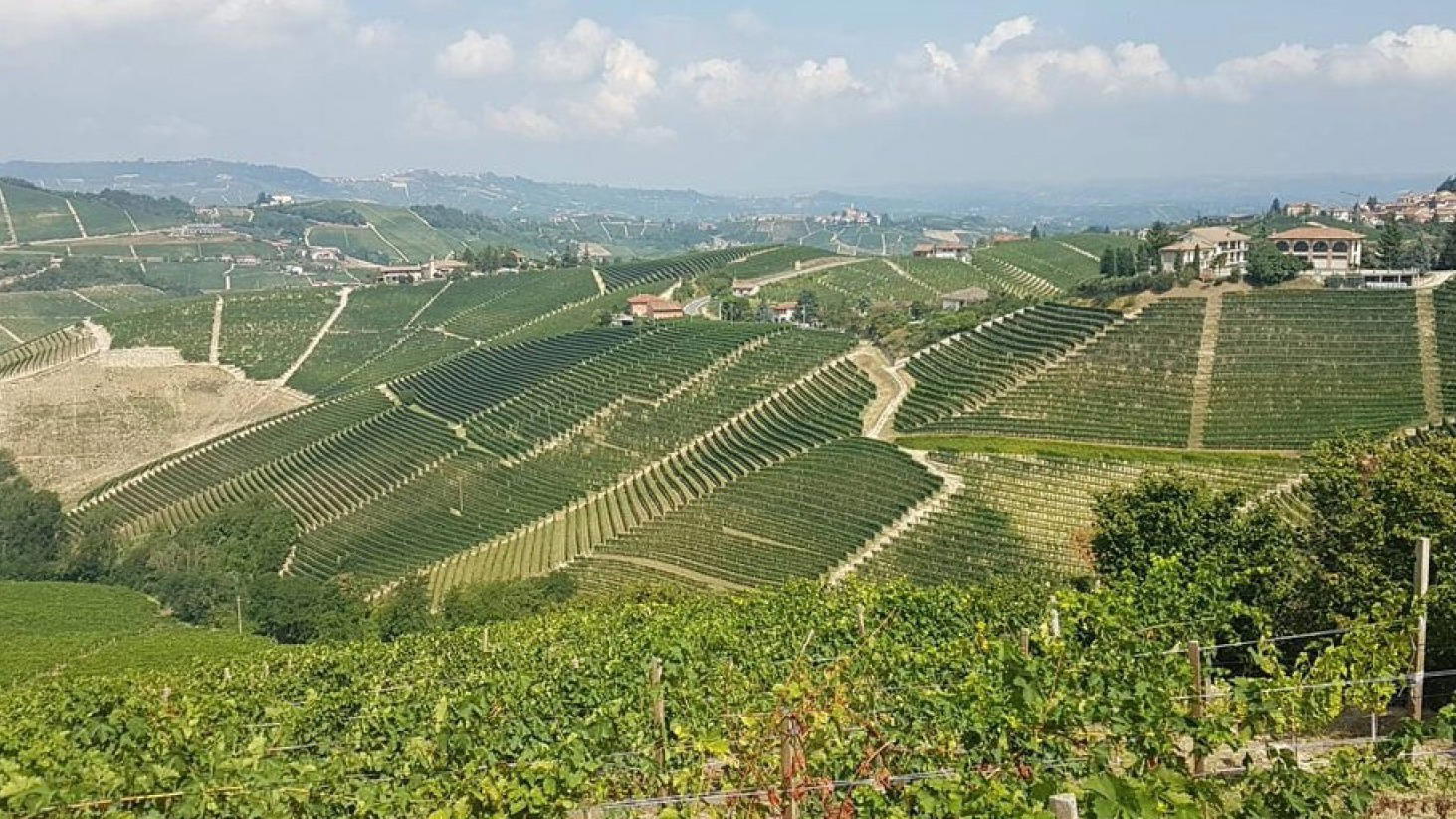
A small Barbaresco estate in the Rabajà cru, Bruno Rocca - Rabajà is strongest when read through soil and slope rather than cellar theatre. The draw is old-vine Nebbiolo from calcareous clay, sustainable farming, guided tastings, and a Rabajà bottling with serious critical backing, including 97 points from Wine Advocate for the 2021 vintage.

Pearl is the En Primeur Club membership app — saves, bookings, and concierge access live there. Same editors, same standards.
- Address
- Barbaresco, Piedmont, Italien
- Directions
- Get directions
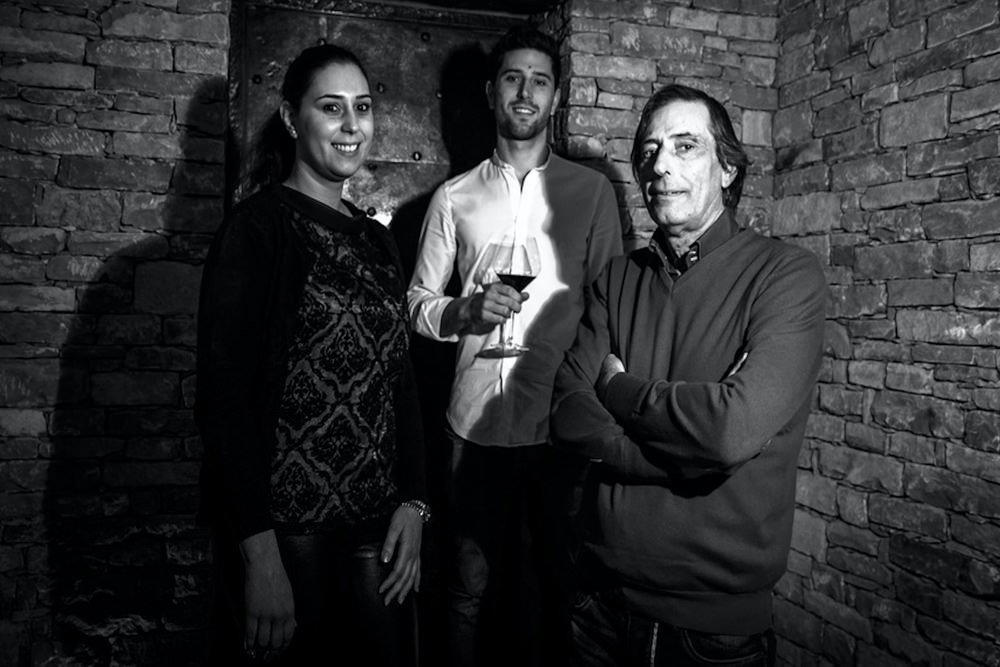
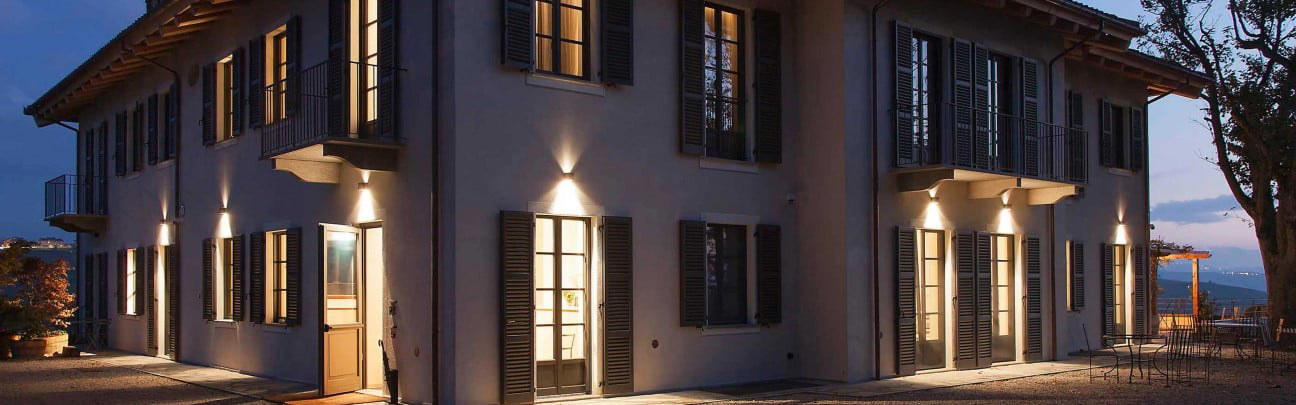
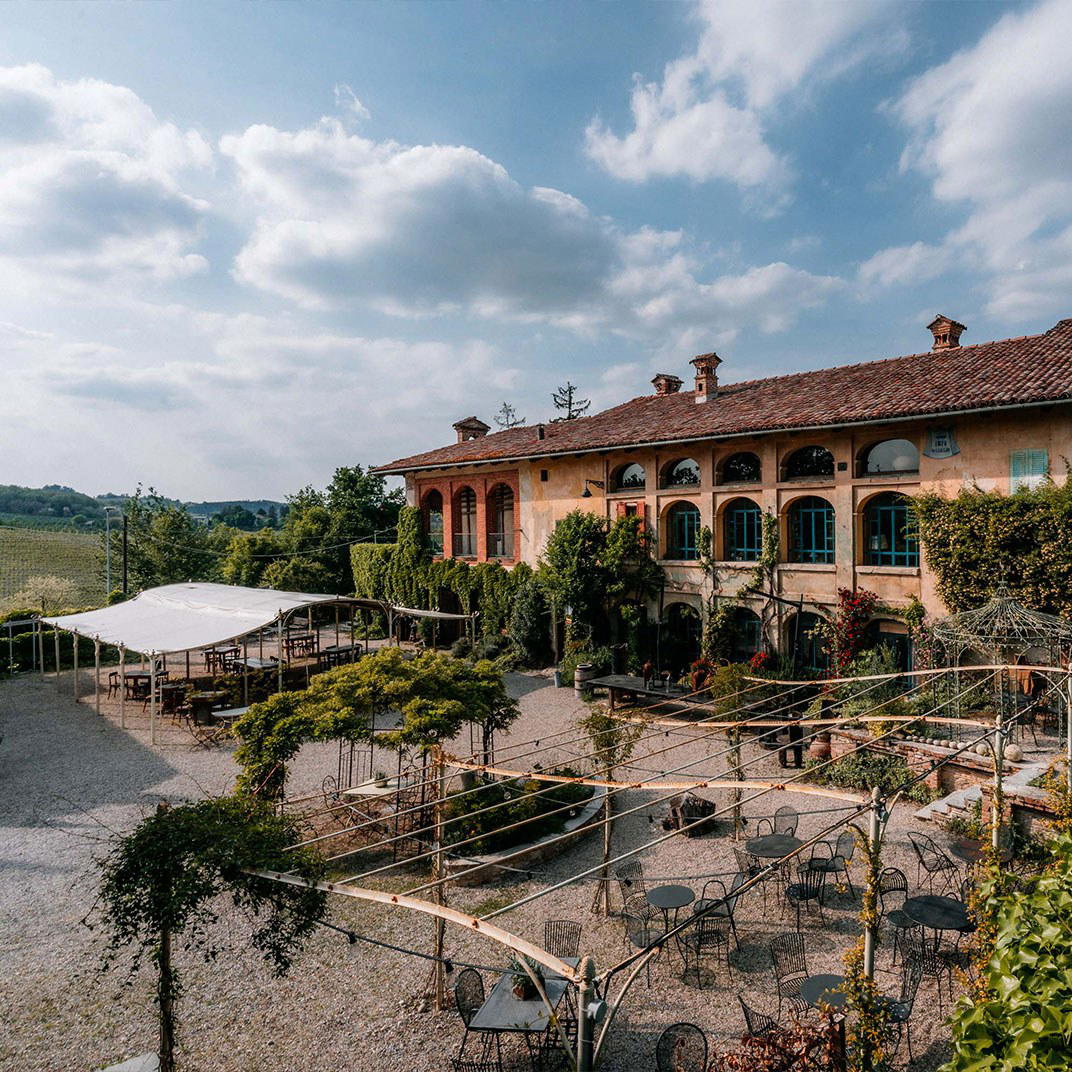
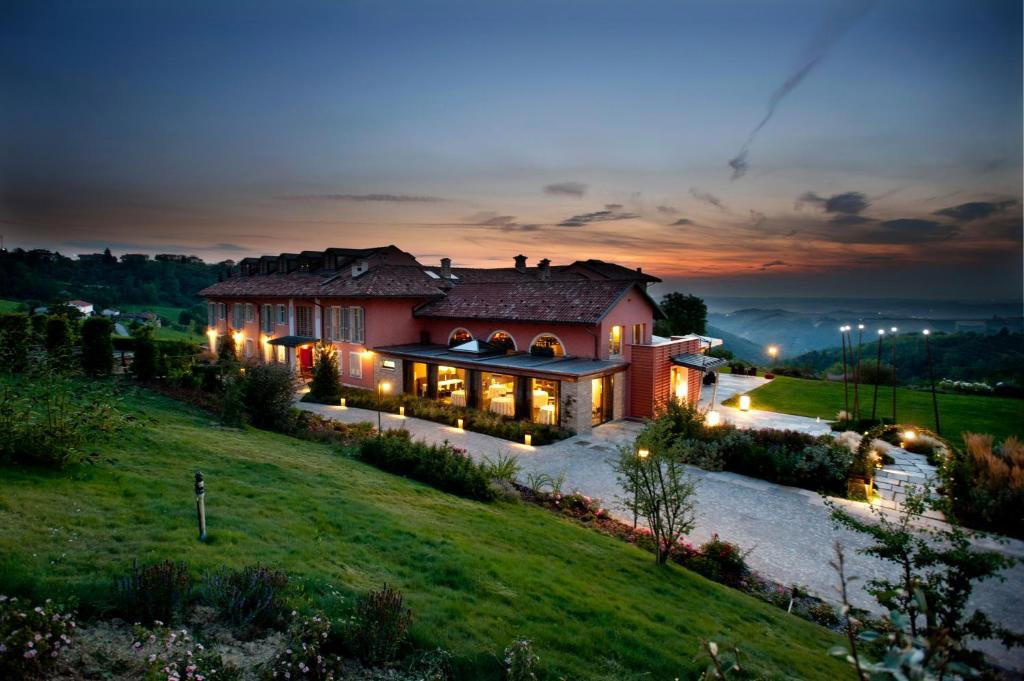
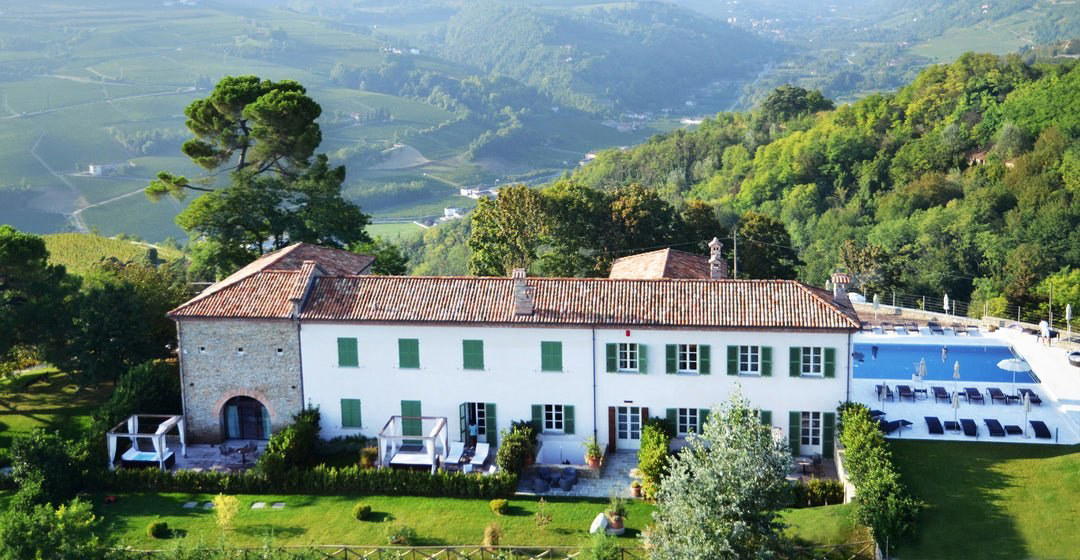
Bruno Rocca - Rabajà is a boutique, family-run estate in Barbaresco, presented around the Rabajà cru and the idea of expressing its terroir. The experience is best understood as a focused wine visit rather than a broad hospitality venue: intimate, polished, scenic, classic, and oriented toward learning. In practical terms, that means the estate is most compelling for visitors who want to slow down, listen, taste with context, and treat the landscape as part of the encounter rather than as a backdrop to a more generic tasting.
The appeal here is the combination of place and format. Bruno Rocca - Rabajà is positioned as a Barbaresco estate with educational, professionally guided tastings, giving visitors a structured way to engage with the Rabajà cru without turning the visit into something showy or overly large-scale. The value is not in breadth for its own sake, but in focus: a family-run setting, a specific site, and a guided approach that helps translate the meaning of that site into the glass.
Rabajà gives the tasting its spine
The central reason to visit Bruno Rocca - Rabajà is its focus on Rabajà. Rather than treating the estate as a general wine stop, it is more accurate to frame the experience around terroir: how this Barbaresco site is presented, discussed, and understood through guided tasting. That framing matters because it gives the visit a clear through-line. Guests are not simply moving through a sequence of pours; they are being invited to consider why place matters, how a cru can shape identity, and why a Barbaresco estate might choose to make that single point of origin the heart of the experience.
Grounded expectation is simpler and stronger: a family-run Barbaresco estate using guided tastings to communicate the character and importance of Rabajà. This is the kind of visit where the explanation is part of the pleasure. The professional guidance helps make the tasting feel composed and purposeful, while the family-run character keeps it from feeling anonymous or industrial. The setting and the story work together, with Rabajà functioning less like a label detail and more like the organizing principle of the visit.
For visitors who value context over spectacle, that is the appeal. Bruno Rocca - Rabajà is not being presented here through awards, technical cellar data, or a long list of wines; it is presented as a polished, intimate estate experience centered on place. That restraint is important. It keeps attention on what the venue is clearly meant to do: offer a refined way into Barbaresco through one of its defining cru-focused perspectives, without requiring the experience to become theatrical, crowded, or overly expansive.
A polished, quiet format for learning rather than sampling
The tasting format is educational and professionally guided, with an atmosphere that feels intimate yet refined. That makes Bruno Rocca - Rabajà a good fit for travelers who want a thoughtful Barbaresco visit rather than a casual drop-in drinking experience. The distinction is useful: this is less about simply sampling wine and more about being led through a considered encounter with a place, a producer, and a point of view.
The mood described here is quiet in the best sense. It suggests a tasting where attention can stay on the wines, the guidance, and the surrounding scenery, rather than on speed or entertainment. The boutique scale also supports that feeling. A smaller, family-run estate can make the visit feel more personal, while the professional structure keeps it polished and easy to follow. For guests who enjoy asking questions, comparing impressions, and building understanding as they taste, that balance is likely to be the strongest part of the experience.
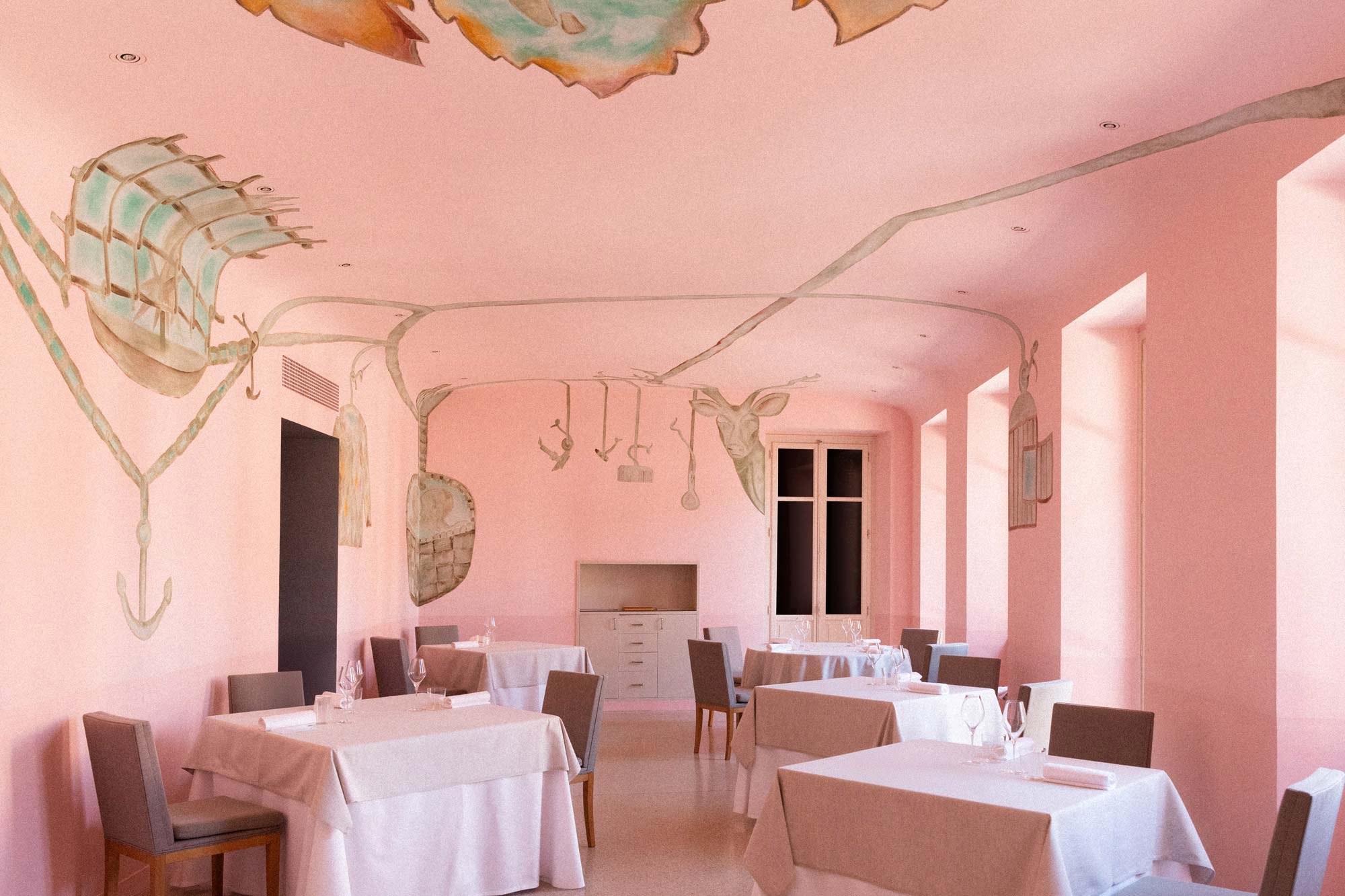
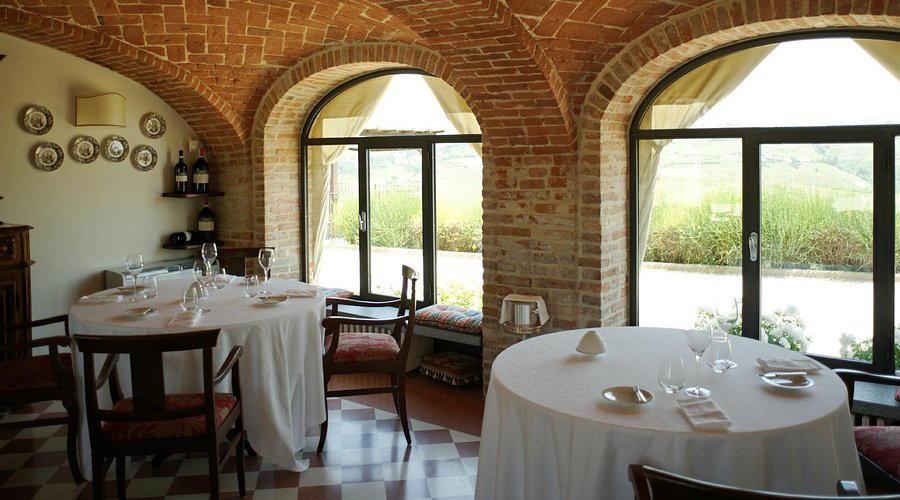
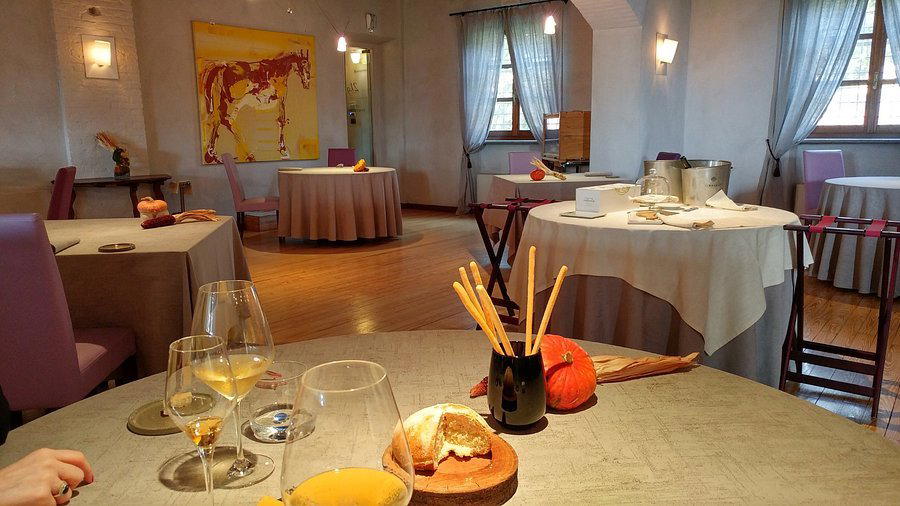
Style is scenic, classic, elegant, romantic, iconic, and intimate. Those words point to a venue that is not trying to be casual or loud, but also not cold or overly formal. Scenic and romantic describe the emotional pull of the setting; classic and elegant describe the tone; intimate describes the scale and the way the visit is meant to be experienced. The price is $20 per person, which gives the visit a clear cost reference while keeping the focus on the guided tasting and the Rabajà setting. It is enough information to understand the practical shape of the visit without distracting from the main point: this is a focused, place-led Barbaresco tasting.
How to place it within a Barbaresco trip
For a wine-led itinerary in Barbaresco, Bruno Rocca - Rabajà works as a focused Rabajà cru stop. It can be paired with other dining or hospitality in Barbaresco generally, but the main reason to include it is the chance to experience a boutique, family-run estate with guided tastings built around terroir. In an itinerary, it is best treated as a moment of concentration: a stop where the purpose is to understand one estate’s relationship to place rather than to cover as much ground as possible.
That makes the visit especially useful when the rest of the trip includes broader Barbaresco exploration. Bruno Rocca - Rabajà can provide an anchor point, helping visitors connect the name of the cru with an actual tasting experience and a guided explanation. The estate’s appeal is not dependent on being everything at once. It works because it has a defined identity: polished, scenic, intimate, and centered on Rabajà.
If comparing options, keep the comparison centered on the kind of visit you want: Bruno Rocca - Rabajà is best framed as an intimate, polished Barbaresco tasting experience rather than a large-scale venue or a restaurant-style stop. Choose it when the priority is learning, atmosphere, and a clear sense of terroir. If the goal is a quiet, classic estate visit with professional guidance and a strong connection to Rabajà, it fits naturally into a Barbaresco itinerary.
Recognition history
Dated appearances from independent guides and award organizations, with the underlying list record or original source where available.
Falstaff Winery - 5 Stars
Falstaff
Continue exploring
More in Barbaresco
Wineries in Barbaresco
Browse all →
Bars in Barbaresco
Browse all →
Restaurants in Barbaresco
Browse all →
Details
- Scenic
- Classic
- Elegant
- Romantic
- Well Known
- Intimate
- Romantic Getaway
- Group Outing
- Special Occasion
- Wine Education
- Solo Exploration
- Vineyard Tour
- Estate Grounds
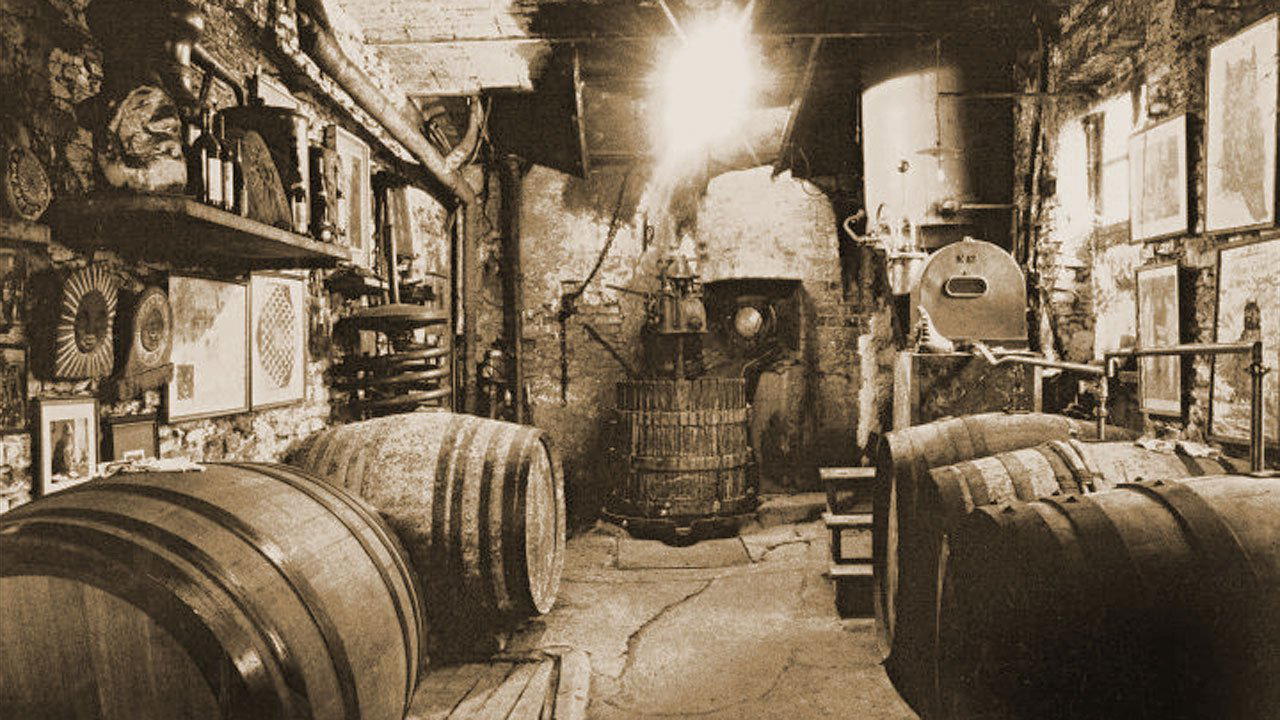
- Barrel Room
- Private Tasting
- Panoramic View
- Sustainable
- Vineyard
- Mountain
- Nebbiolo
- Barbera
- Dolcetto
- Chardonnay
- Still Red
- Still White
- Still Rosé
- Seated Tasting
- Vineyard Tour And Tasting
- Private Appointment
- Educational Tasting
- Italian
- English
Boutique, family-run Barbaresco estate focused on expressing the Rabajà cru terroir, with educational, professionally guided tastings that feel intimate yet polished.