Boundary Breaks Vineyard
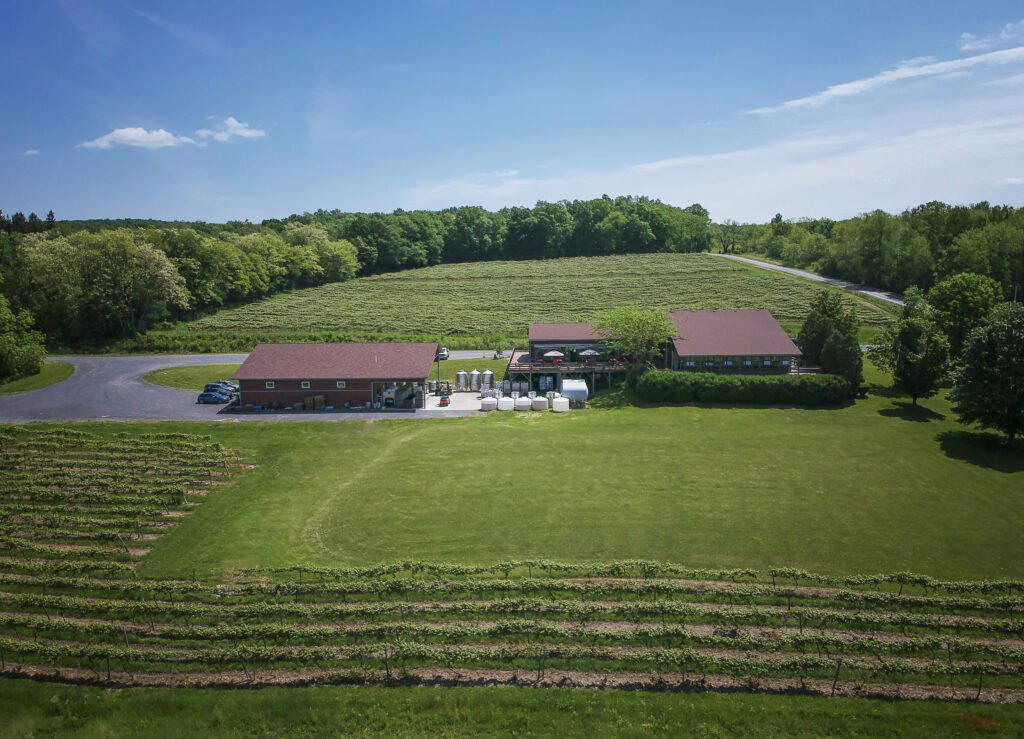
Boundary Breaks Vineyard sits on the western shore of Seneca Lake in the Finger Lakes. The property at 1568 Porter Covert Road, Lodi, NY works the kind of cool-climate site that rewards patience, with elevation and lake influence shaping wines of notable precision. It belongs to a tier of Finger Lakes producers where terroir expression, not volume, drives the conversation.
Pearl is the En Primeur Club membership app — saves, bookings, and concierge access live there. Same editors, same standards.
- Address
- 1568 Porter Covert Rd, Lodi, NY 14860
- Directions
- Get directions
 Saves & bookings on Pearl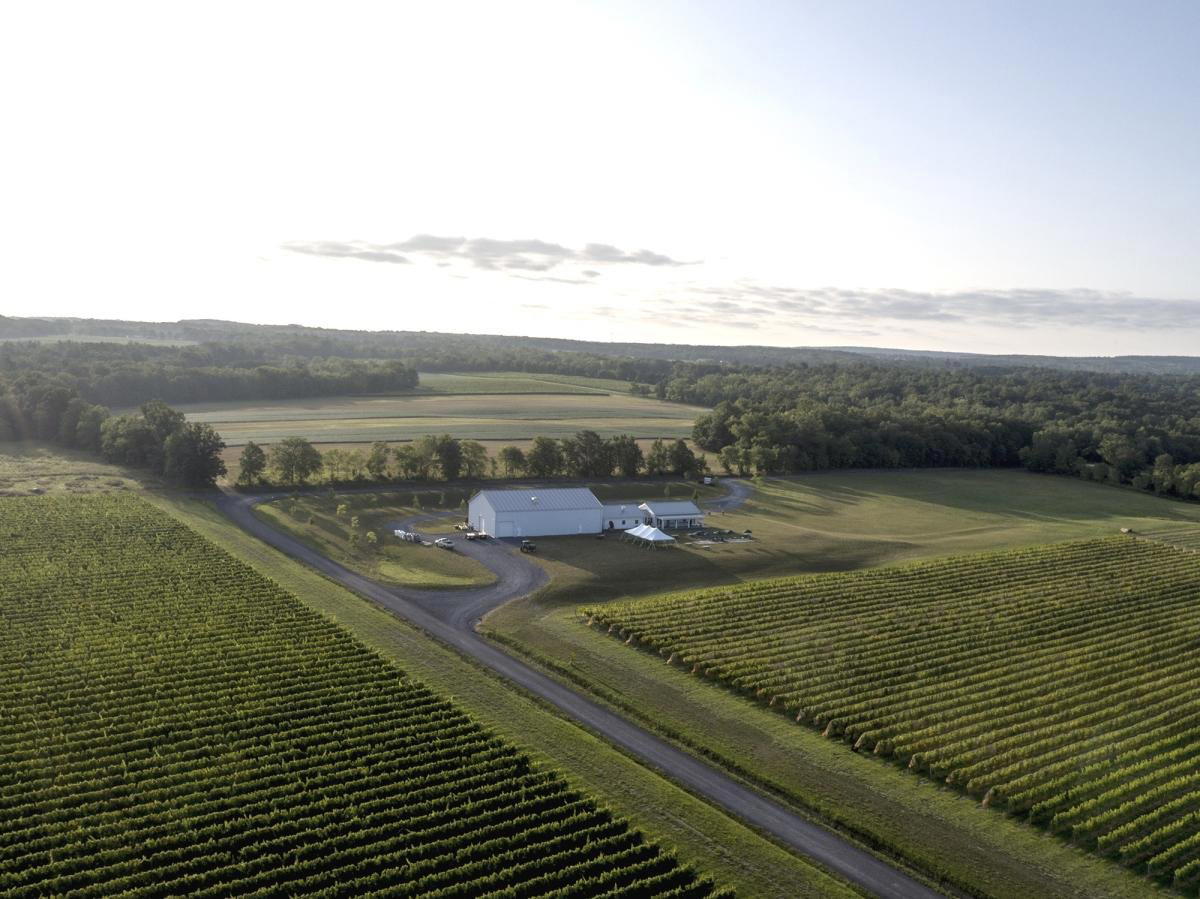
Where the Lake Does the Work
The western shore of Seneca Lake runs through among the more consequential wine-growing corridors in the eastern United States. Elevation drops, cold-air drainage, and the thermal mass of the lake itself create a growing season that is both compressed and, in the right hands, capable of producing wines with a structural precision that flatters comparison to cooler European benchmarks. Boundary Breaks Vineyard, located at 1568 Porter Covert Road in Lodi, NY, sits inside that corridor.
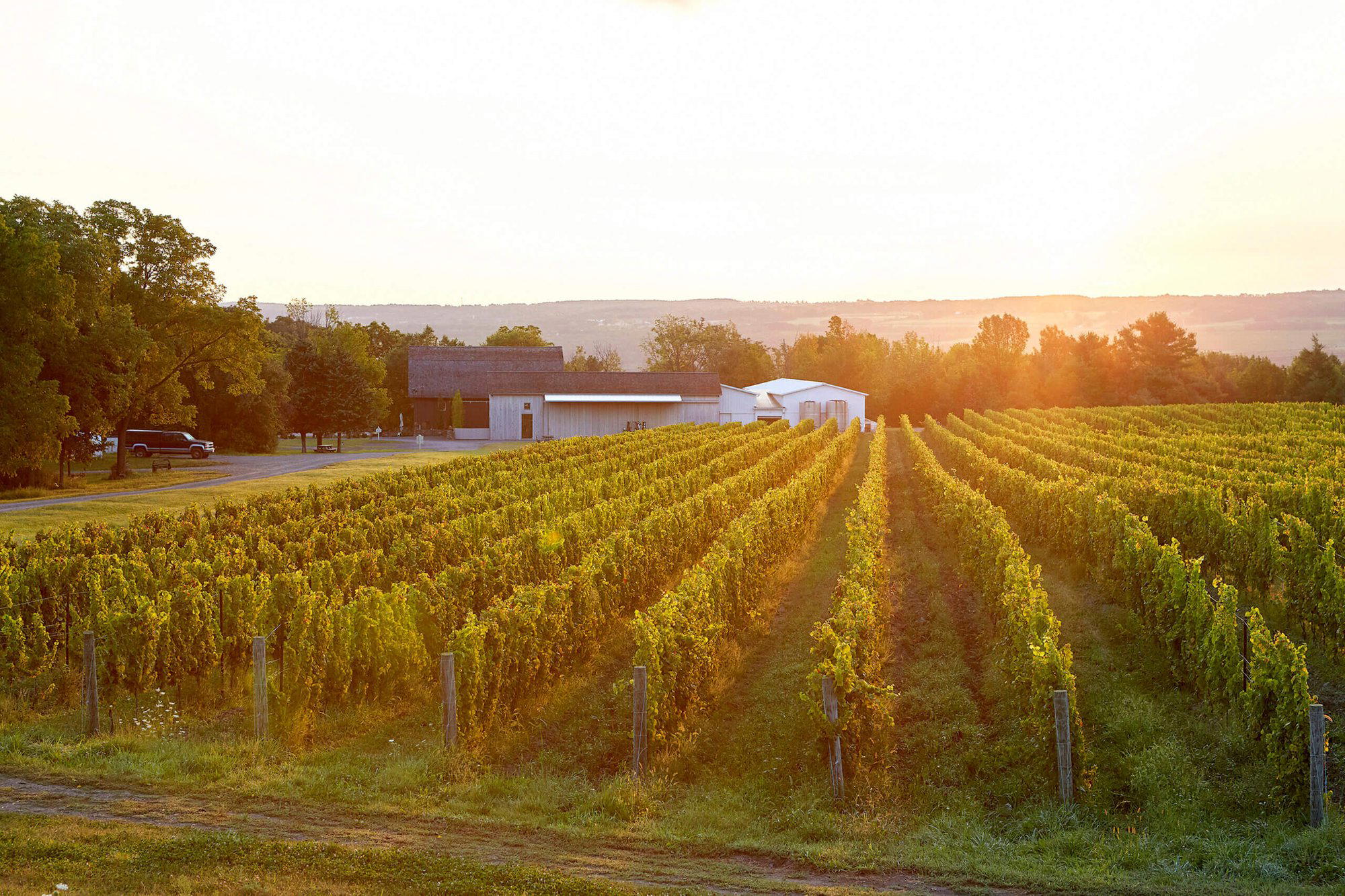
The address places the vineyard in a stretch of Lodi that wine-focused visitors tend to approach from the south, working up Route 414 past the lakeside farms that define this part of Schuyler County. The landscape here is spare in a way that clarifies rather than disappoints: long rows descending toward the water, a sky that changes quickly when weather moves down the lake, the kind of quiet that makes you pay attention to what is actually in the glass. For producers in this sub-region, that physical context is not incidental.
The Terroir Case for the Finger Lakes Western Shore
Finger Lakes viticulture has spent the better part of two decades building a credible case for cool-climate Germanic and Alsatian varieties, with Riesling functioning as the calling card variety for most serious observers. The western shore of Seneca Lake, where Boundary Breaks operates, benefits from a slightly different microclimate than the eastern shore: the prevailing winds and the angle of the slope combine to extend hang time while preserving the acidity that keeps Finger Lakes Riesling structurally interesting rather than merely lean. That combination of ripeness and acid tension is what separates the tier of producers that earn formal recognition from those producing competent but undifferentiated wine.
This dynamic plays out across the Finger Lakes, where particularly decorated estates consistently share the trait of site specificity: they are not making wine that could come from anywhere, but wine that could only come from this particular relationship between water, slope, and sky. Boundary Breaks belongs to that group.
For readers who want to triangulate the Finger Lakes against more internationally familiar reference points, the structural logic of cold-lake-influenced viticulture is not unlike what drives prestige at estates such as Ca' del Bosco in Erbusco, where a specific microclimate underpins a house style that resists easy replication. The geography is entirely different, but the governing principle, site as constraint and advantage simultaneously, is consistent across serious wine regions.
Where Boundary Breaks Sits in the Local comparable set
The Finger Lakes has a tiered producer landscape. At the leading end, a handful of estates work single-vineyard or estate-only programs with allocation lists and serious critical attention. Below that, a larger group of competent producers serves the regional tourism market with approachable, correctly made wine. The gap between those two groups is meaningful, and the criteria for crossing it are familiar: vineyard specificity, winemaking discipline, and a willingness to let difficult vintages speak rather than correcting them into homogeneity.
Boundary Breaks occupies the upper tier of that comparable set, confirmed by its 2025 award. The nearest comparable property in terms of positioning is Lamoreaux Landing Wine Cellars, also in Lodi, which has built a long record of precision viticulture on the same western shore. The two estates make an instructive pair for visitors interested in understanding how different approaches to the same terroir can produce wines with distinct but related personalities.
The Lodi sub-region within the Finger Lakes is less trafficked than the northern Seneca Lake stretch around Watkins Glen, which works in the visitor's favor. Tasting rooms here are typically less crowded on weekday visits, and the producers who operate in this southern reach tend to attract a more wine-focused visitor rather than the broader regional tourism traffic. That selectivity shapes the experience in ways that are difficult to engineer but easy to appreciate when you encounter them.
Planning a Visit
Boundary Breaks Vineyard is reached via Porter Covert Road in Lodi, NY 14860, a rural address that rewards having a map or GPS route confirmed before departure. The surrounding area offers limited dining infrastructure compared to the northern lake towns, so planning meals and accommodation around Watkins Glen or Ithaca before or after a visit is the practical approach for most itineraries. The Finger Lakes wine season runs broadly from May through November, with late September through October representing the period when harvest activity adds a different kind of energy to winery visits, and when the Riesling coming off the vines is at its most instructive to taste in context.
For readers building a multi-stop itinerary around serious wine production, Boundary Breaks makes sense as a pairing with Accendo Cellars in St. Helena as a study in how different cold-climate and warm-climate terroir expressions require different frameworks for evaluation. The contrast is more useful than any single-region deep dive for developing a calibrated palate.
Other internationally recognized estates worth cross-referencing for terroir-expression discipline include Aldo Conterno in Monforte d'Alba, Castello di Volpaia in Radda in Chianti, Lungarotti in Torgiano, and Planeta in Menfi, each a case study in how a defined site produces wines that carry a legible geographic argument. For distillery-focused visitors in the same broader spirit-and-ferment tradition, Nonino Distillery in Pavia di Udine, Distilleria Marzadro in Nogaredo, and Distilleria Romano Levi in Neive offer instructive comparisons in craft-production philosophy. The broader Italian wine context can also be found through L'Enoteca Banfi in Montalcino, Poggio Antico, Campari in Milan, and Aberlour in Aberlour for Scotch whisky parallels in site-driven production.
In Context: Similar Options
Comparable venues nearby, for context on price, style, and recognition.
| Venue | Cuisine | Price | Notes |
|---|---|---|---|
| Boundary Breaks VineyardThis venue — the venue you are viewing | Winery | Not listed | Not listed |
| Keuka Spring Vineyards | Riesling, Chardonnay | $$ | Keuka Lake |
| Finger Lakes Distilling | Winery | $$ | Burdett |
| Chateau Lafayette Reneau | Riesling, Chardonnay | $$ | Hector |
| Union Grove Distillery | Catskill Mountains | $$ | Arkville |
| Coppersea Distilling | Winery | $$ | West Park |

At a Glance
- Scenic
- Quiet
- Rustic
- Solo Exploration
- Wine Education
- Special Occasion
- Vineyard Tour
- Estate Grounds
- Panoramic View
- Design Destination
- Sustainable
- Vineyard
- Waterfront
- Finger Lakes AVA
- Riesling
- Cabernet Franc
- Gewurztraminer
- Still White
- Still Red
- Standing Tasting
- Seated Tasting
- First Come First Serve Tasting
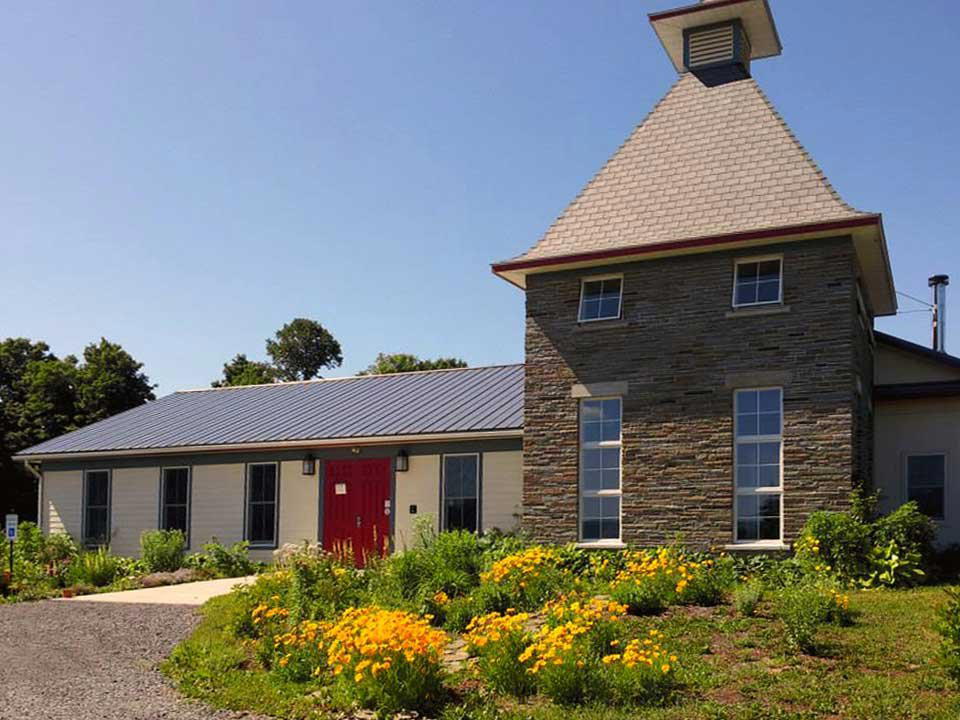
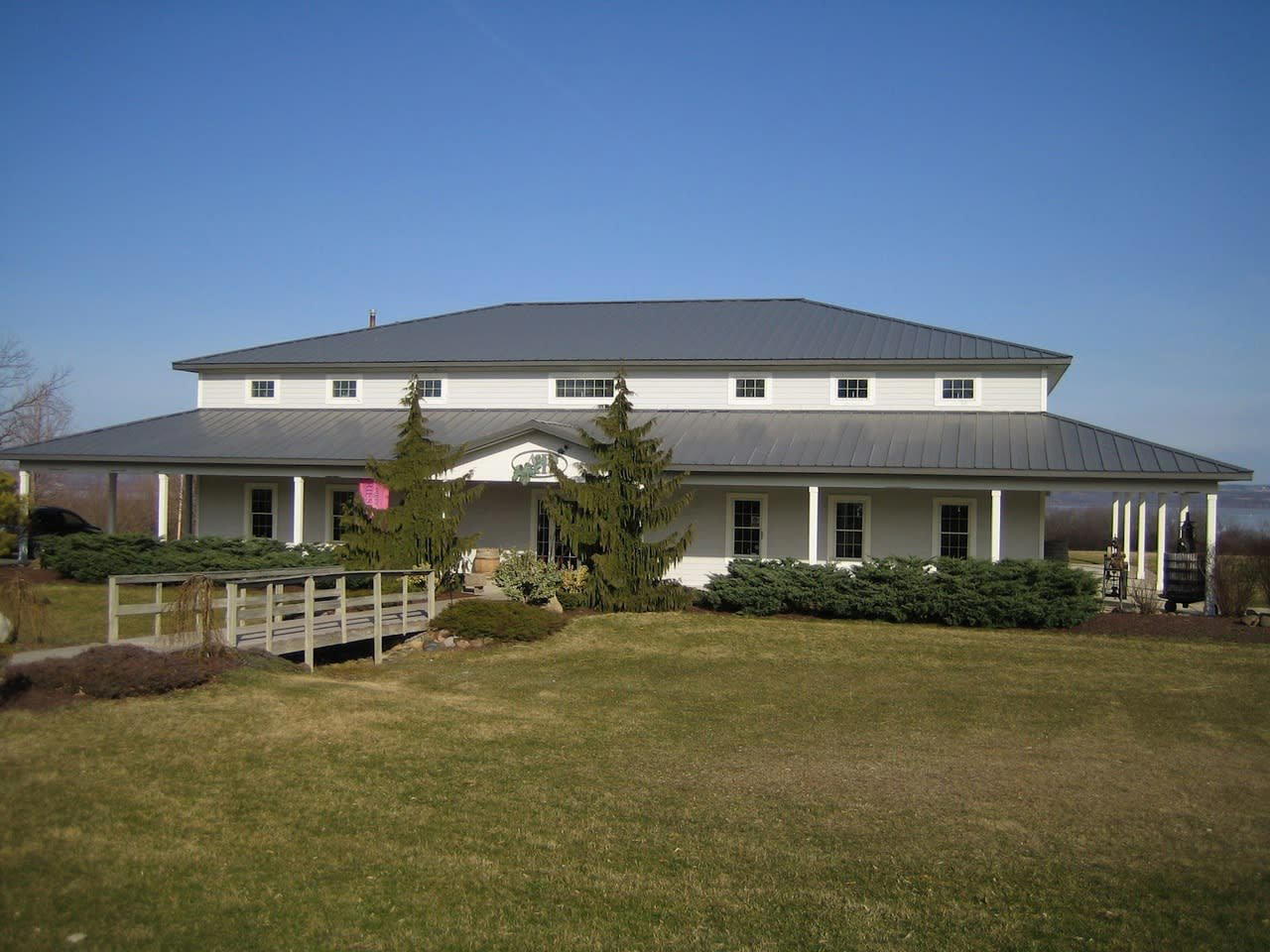
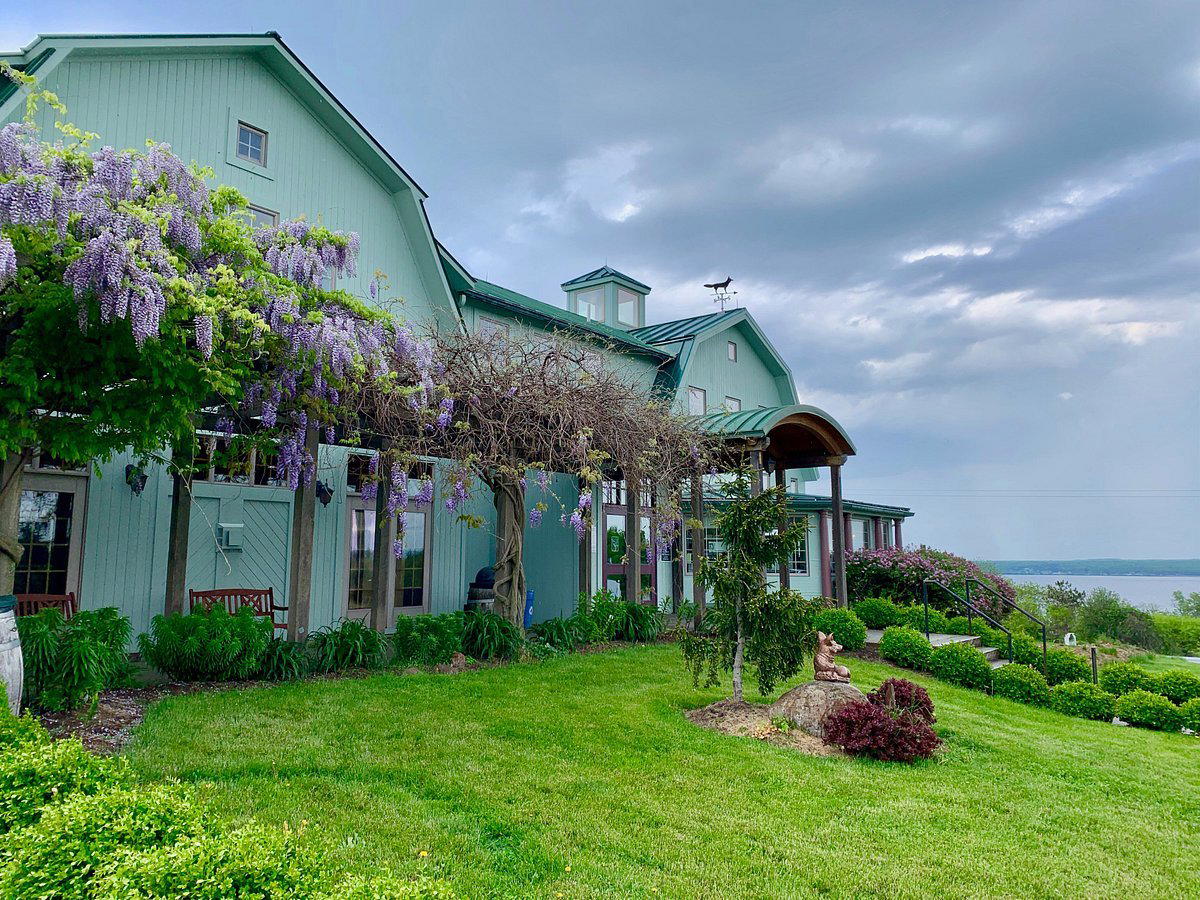
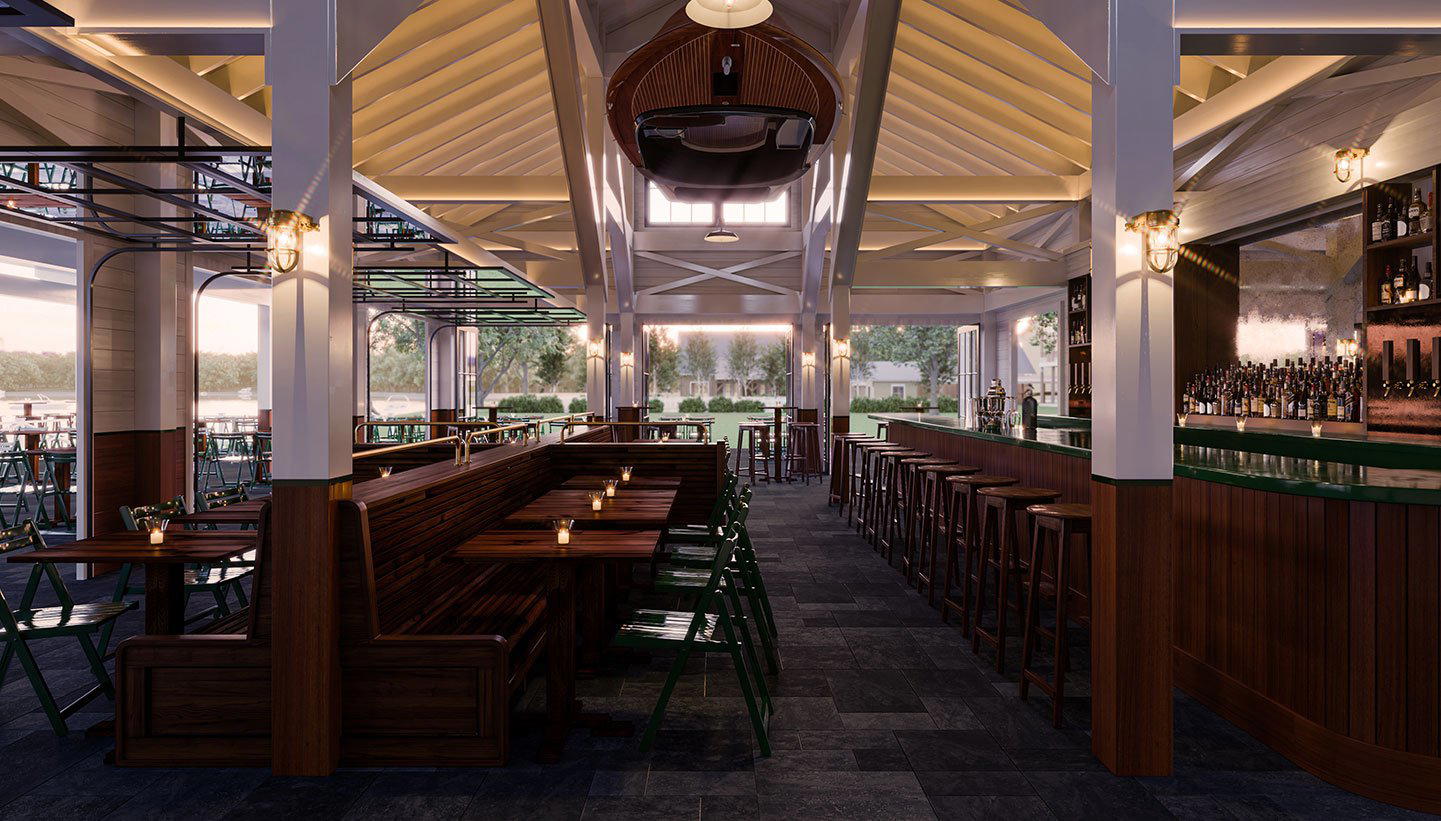
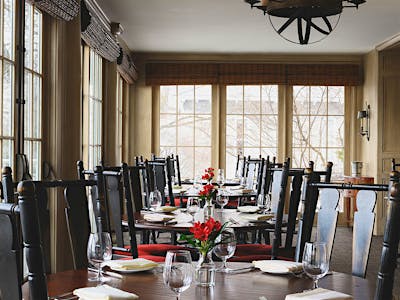
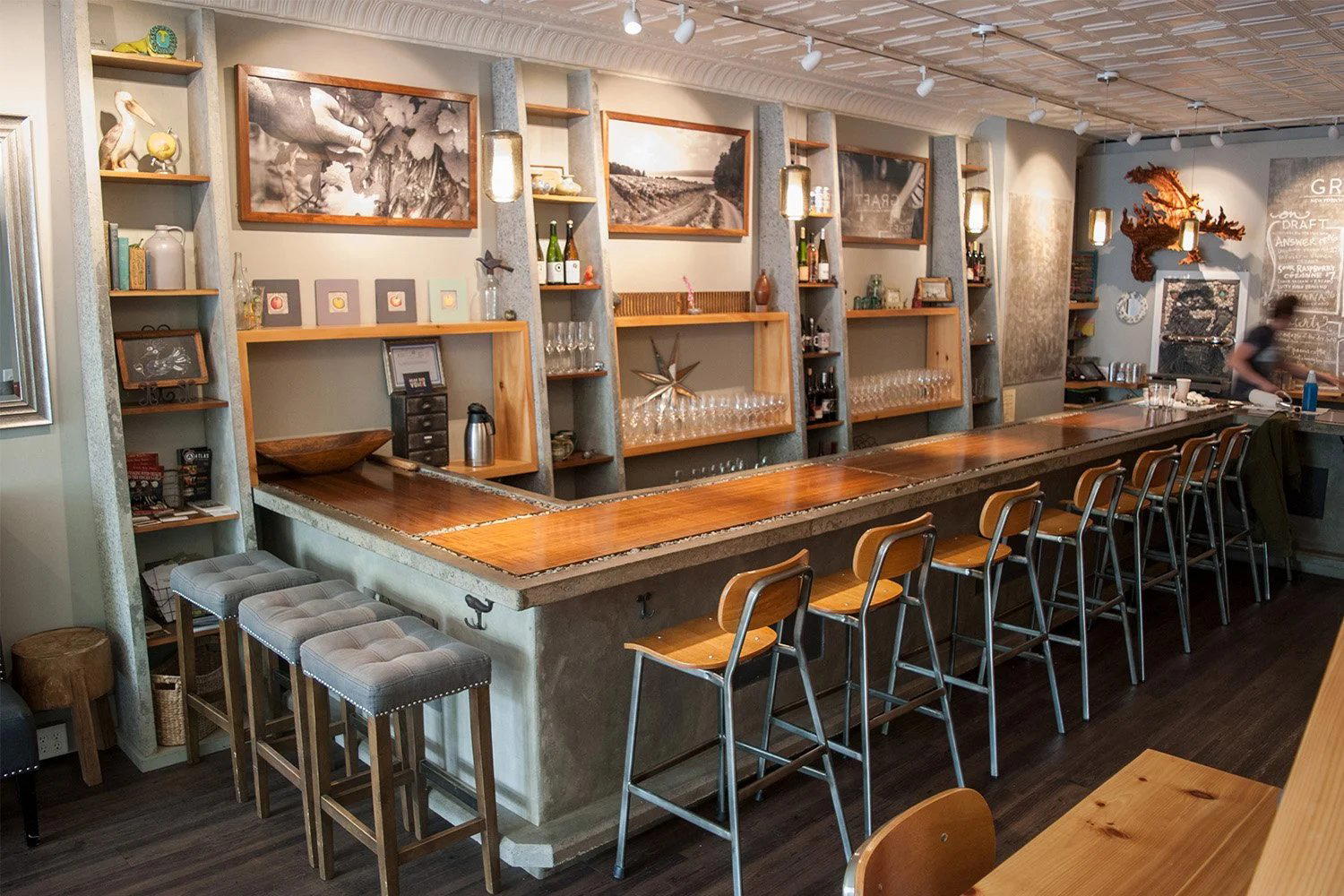
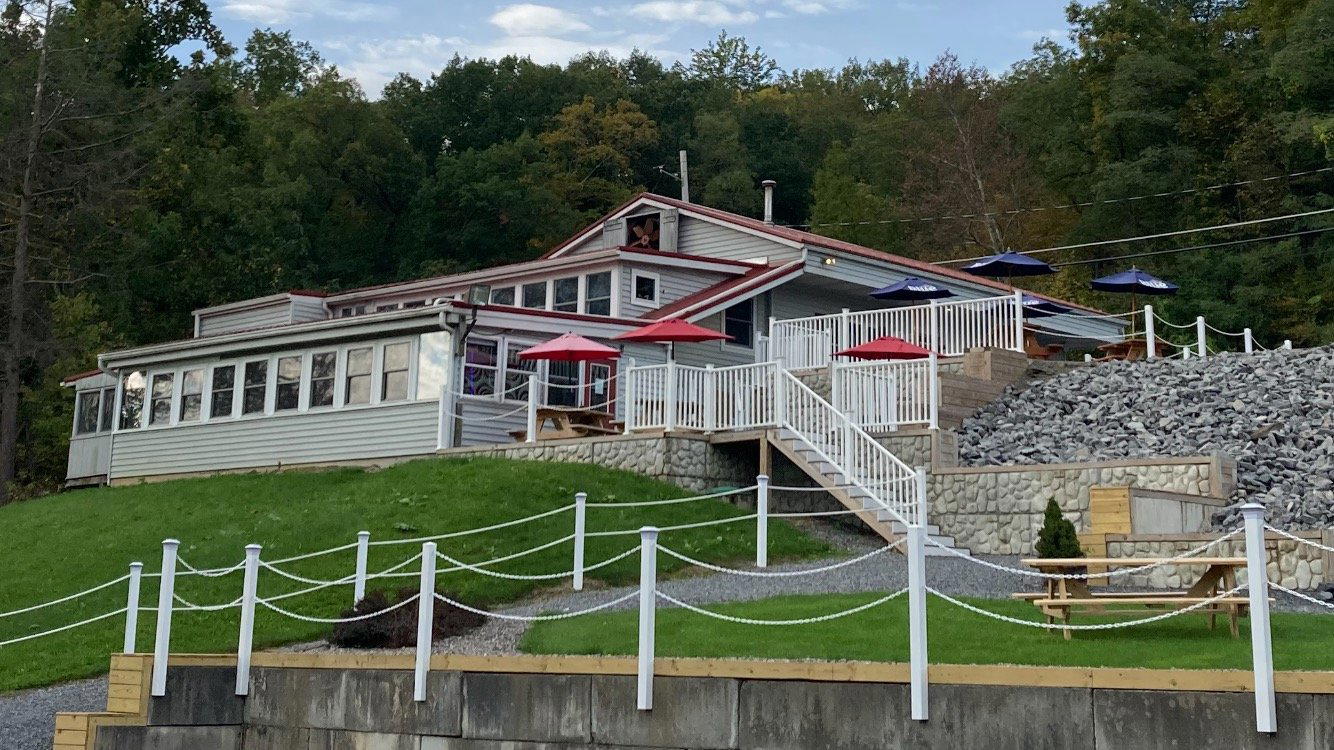
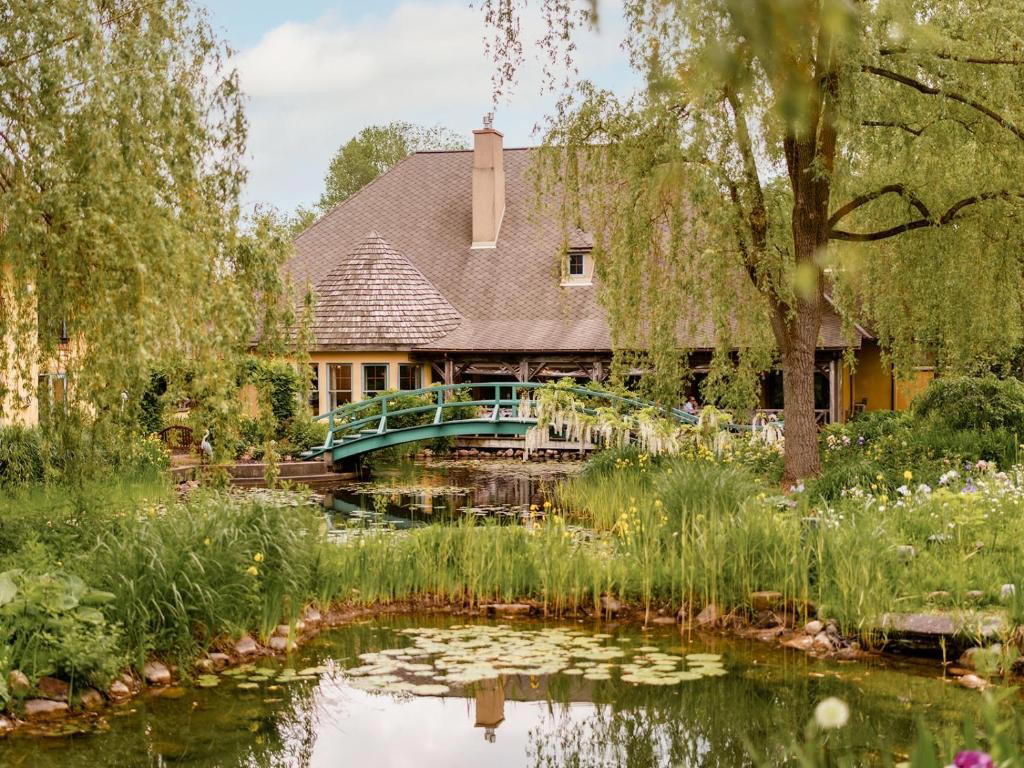
Off-the-beaten-path, scenic tasting room with expansive uninterrupted views over Seneca Lake; relaxed and uncrowded.