The Lake House on Canandaigua



Michelin Selected · Mr & Mrs Smith Seal of Approval · Preferred Hotels L.V.X. Collection
Set on the southern shore of Canandaigua Lake in the Finger Lakes, The Lake House on Canandaigua delivers 124 rooms with direct water access and a design sensibility tuned to the surrounding landscape. It sits in a tier of American lake resorts that prioritize setting over spectacle, placing it alongside destination properties where the view does significant editorial work.

Pearl is the En Primeur Club membership app — saves, bookings, and concierge access live there. Same editors, same standards.
- Address
- 770 S Main St, Canandaigua, NY 14424
- Phone
- (585) 394-7800
- Website
- lakehousecanandaigua.com
- Directions
- Get directions
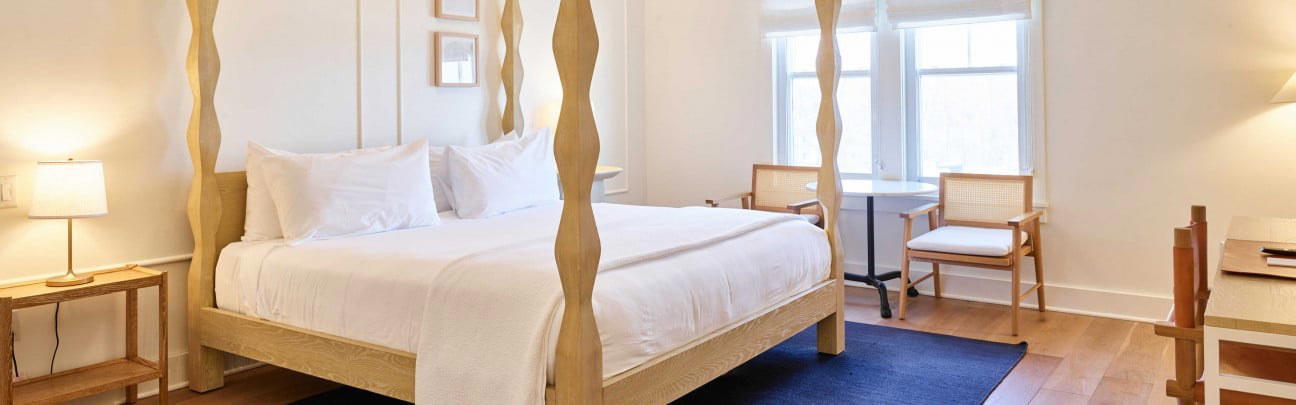
Where the Finger Lakes Take Architectural Shape
Canandaigua Lake has always occupied a particular place in the Finger Lakes hierarchy. It is the westernmost of the major glacial lakes, broader at the shoulders than Seneca or Cayuga, and the town of Canandaigua itself carries a resort history that predates most of the wine-country tourism the region is now known for. The Lake House on Canandaigua, positioned at 770 S Main St on the lake's southern shore, arrives into that context as a property designed to hold a conversation with the water rather than compete with it.
At 124 rooms, the property occupies a scale that separates it from the intimate inn category without pushing it into convention-hotel territory. That middle tier, roughly 80 to 150 keys, has become the preferred format for American resort properties that want to sustain full-service amenities while maintaining the sense that a guest can reasonably orient themselves to the landscape. Compare this with properties like Amangiri in Canyon Point, where a deliberately limited room count enforces exclusivity through scarcity, or Troutbeck in Amenia, which achieves a similar effect through historic scale. The Lake House operates at a different ratio, one where the lake's breadth justifies a larger footprint.
The Architecture of a Lake-Facing Property
The design vocabulary of American lakeside resorts has shifted considerably over the past two decades. The dominant mode through much of the late twentieth century favored a kind of rustic-lodge aesthetic, heavy timber and stone, pitched roofs signaling regionalism without particularly engaging with the water. The more considered approach that emerged in the 2010s reoriented properties toward their shorelines, using glazing, terracing, and material palettes drawn from the immediate landscape to create a visual and physical argument for the setting itself.
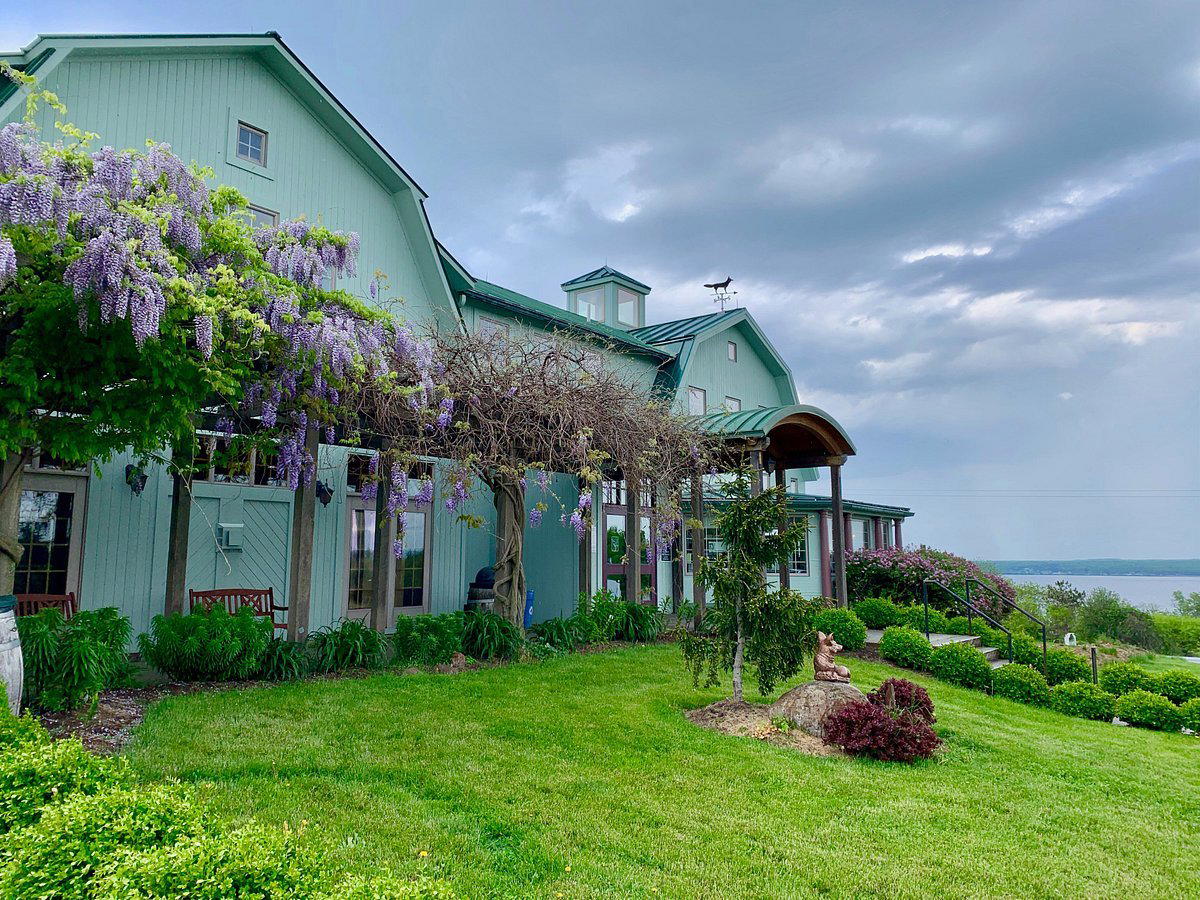
The Lake House follows that later logic. A property positioned at the southern end of Canandaigua Lake has an inherent compositional advantage: guests face north across the water, which means the view deepens rather than terminates at the far bank. The lake at this width functions architecturally, providing a horizontal datum against which the building reads. This is a different design problem than inland resort properties face, and it demands different solutions: orienting public spaces and room configurations to maximize water exposure, treating outdoor terraces as first-class program rather than afterthought, and managing the transition between building and shoreline as a sequence rather than a threshold.
Comparable properties in the American lake-resort category, among them Little Palm Island Resort & Spa in Little Torch Key and Bernardus Lodge & Spa in Carmel Valley, have demonstrated that water and landscape adjacency only translate into a compelling guest experience when the architecture actively mediates between interior and exterior. A room that happens to face a lake is a different product than a room designed around the experience of facing a lake.
Canandaigua in the Finger Lakes Context
For visitors approaching from outside the region, the Finger Lakes require some geographic reorientation. Most wine-country tourism concentrates on the central lakes, particularly Seneca and Keuka, where the largest concentration of established wineries clusters on steep glacial slopes. Canandaigua, by contrast, sits at the western edge of this corridor and has developed a slightly different character, more accessible from Rochester to the north, with a town center that functions as a genuine small city rather than a pure tourism node.
This position has consequences for how a property like The Lake House functions as a base. Guests can reach the principal wine trails of Seneca Lake in under an hour, which places the property within range of the region's most serious producers without requiring immersion in the wine-country tourist infrastructure. The full Canandaigua restaurants guide maps the broader dining and drinking picture for visitors who want to move beyond the property. Rochester's airport, roughly 35 miles north, provides the most convenient commercial air access, with Buffalo serving as an alternative for travelers arriving from the west.
How It Positions Against the American Resort Field
The American resort market has stratified in ways that make peer-set comparisons genuinely useful for travel planning. At the highest price tier, properties like Amangani in Jackson Hole or Post Ranch Inn in Big Sur sell primarily on setting and architectural drama, with amenity depth as a secondary argument. A different cohort, including Blackberry Farm in Walland or SingleThread Farm Inn in Healdsburg, makes a food-and-agriculture argument central to its identity. A third group leans on wellness programming as the organizing principle, as Canyon Ranch Tucson does in the Southwest.
The Lake House on Canandaigua reads primarily as a landscape-and-setting property, with a 124-room scale that allows for amenity breadth. Its Finger Lakes positioning gives it a wine-country adjacency argument without requiring the property to center its identity around viticulture. That positioning is distinct from urban luxury hotels like The Fifth Avenue Hotel in New York City or Raffles Boston, and equally distinct from the remote wilderness positioning of Sage Lodge in Pray or Alpine Falls Ranch in Superior. It sits in a middle category of accessible American landscape resorts, geographically reachable, scenically serious, and structured for guests who want the lake experience without the logistical commitment of a remote destination.
For those calibrating against the broader resort market, Ambiente in Sedona offers an instructive comparison: a property that has committed fully to landscape-responsive design at a scale that maintains a degree of intimacy. The Lake House operates at greater volume, which shifts the experiential register but also expands the practical utility of the property for groups, couples, and multi-generational travel.
Planning a Stay
The Finger Lakes region divides cleanly into seasonal windows. Summer, from mid-June through Labor Day, delivers the lake at its most active, with water temperatures suitable for swimming and the full range of on-water activity available. Autumn, particularly the October harvest period, draws the highest concentration of wine-country visitors to the region, and Canandaigua's foliage window often arrives slightly ahead of the more exposed central lakes. Spring shoulder periods offer the clearest sightlines across the lake before summer haze settles, though water temperatures remain cold through May. Winter visits to Canandaigua are quiet by design, and the property's appeal in that period depends more heavily on interior amenity depth than on the outdoor lake experience.
Guests arriving from New York City have the option of approaching via the New York State Thruway, roughly five hours by car, or flying into Rochester and driving south. The property's address at the southern end of Canandaigua places it at the quieter end of the lake, away from the town center's commercial activity, which suits guests who want the resort experience to feel contained rather than embedded in a town. Those who want regular access to restaurants and shops will want a car regardless of arrival method.
Comparable Venues
Comparable venues nearby, for context on price, style, and recognition.
| Venue | Cuisine | Price | Awards | Notes |
|---|---|---|---|---|
| The Lake House on CanandaiguaThis venue — the venue you are viewing | Historic lakeside retreat with refined artistic details and modern amenities. | Not listed | Michelin Selected · Mr & Mrs Smith Seal of Approval | Not listed |
| Scribner's Catskill Lodge | Modern ski lodge with design-forward style honoring its 1960s heritage. | Not listed | Michelin Selected | Hunter |
| The Shoals Suites & Slips | Bayside boatel blending maritime history with New England modernism. | Not listed | Michelin Selected | Southold |
| Hutton Brickyards | Restored industrial brickyard with private cabins and historic Second Empire mansion. | Not listed | Michelin Selected | Kingston |
| A Room at the Beach | luxury motel | $750–1,000 | Michelin Selected · Vogue 2026 Vogue Best Hotels in the Hamptons | Bridgehampton |
| Bedford Post Inn | rustic-modern country inn | $300–500 | Michelin Selected · Relais Chateaux Award | Bedford |
Recognition history
Dated appearances from independent guides and award organizations, with the underlying list record or original source where available.
Michelin Selected
Michelin
Mr & Mrs Smith Seal of Approval
Mr & Mrs Smith
Preferred Hotels L.V.X. Collection
Preferred Hotels
Continue exploring
More in Canandaigua
Hotels in Canandaigua
Browse all →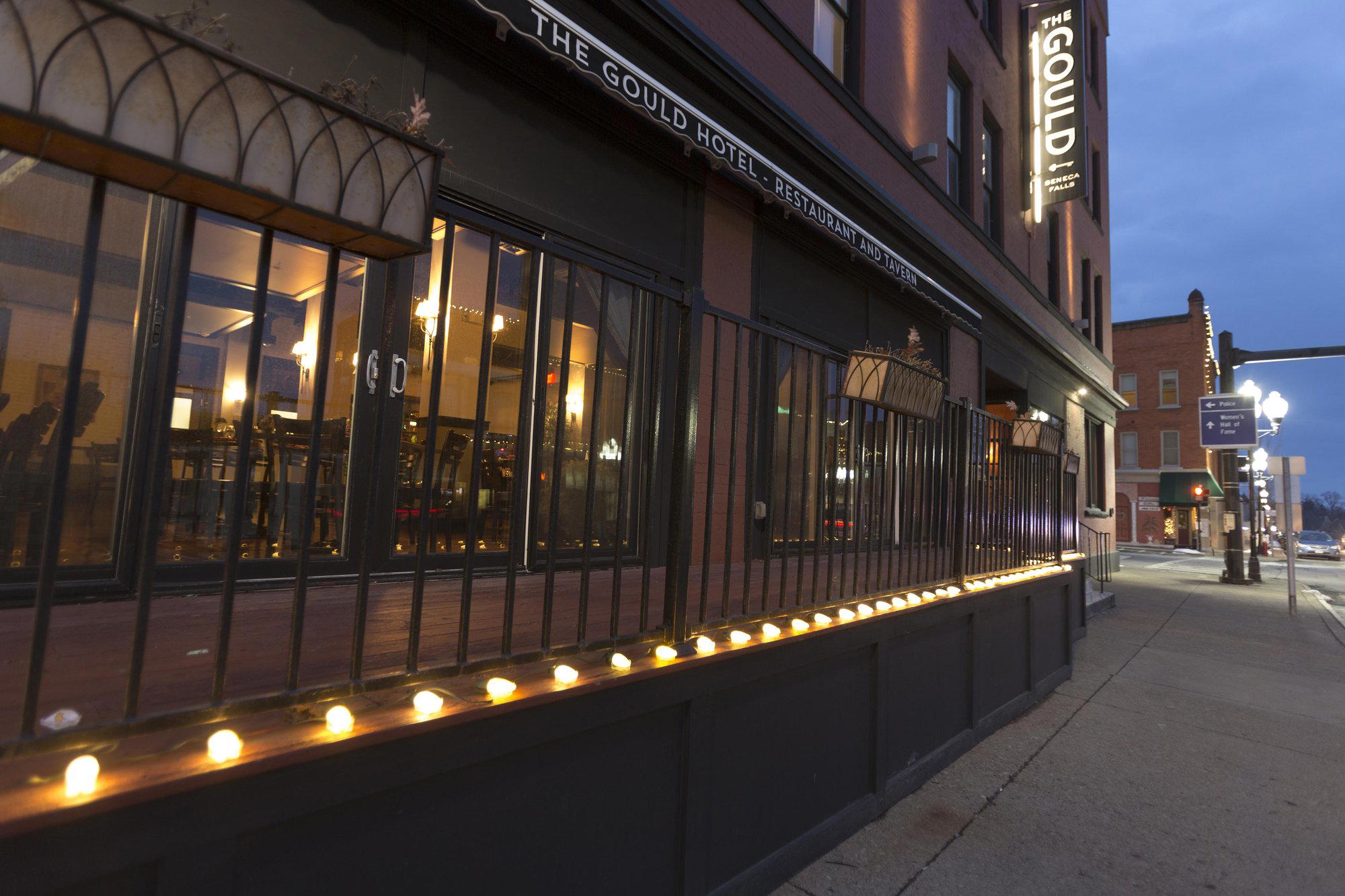
Bars in Canandaigua
Browse all →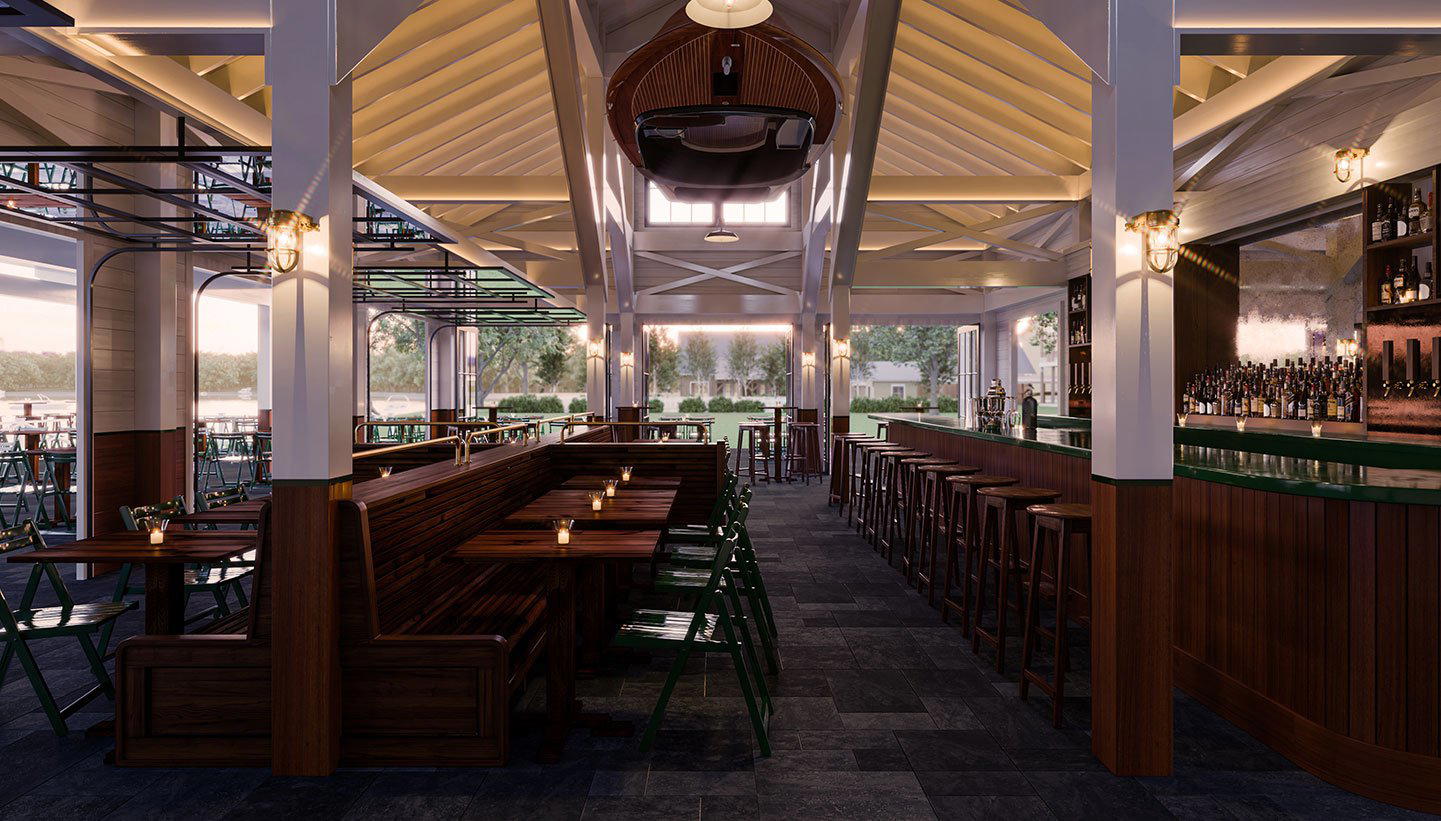
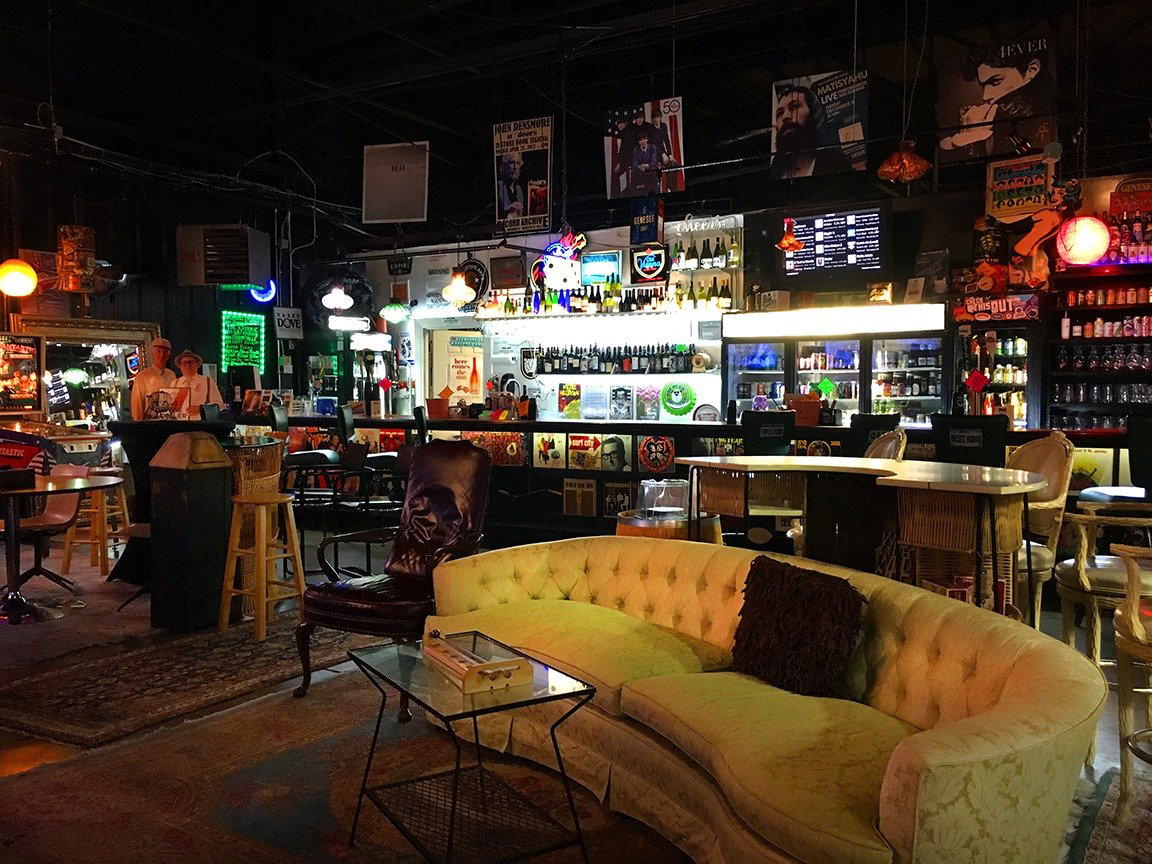
Restaurants in Canandaigua
Browse all →

Details
- Scenic
- Elegant
- Cozy
- Romantic
- Sophisticated
- Romantic Getaway
- Wellness Retreat
- Weekend Escape
- Honeymoon
- Waterfront
- Panoramic View
- Infinity Pool
- Pool
- Spa
- Fitness Center
- Room Service
- Concierge
- Wi Fi
- EV Charging
- Waterfront
- Wheelchair Accessible
- Step Free Entrance
- Accessible Parking
- Elevator
Cozy and inviting with warm lighting from fireplaces, spa-like bathrooms, and a relaxing lakeside atmosphere praised for its spotless, comfortable rooms.