Glenwood Pines
Our verdict
Glenwood Pines sits on Taughannock Boulevard in Ulysses, New York, within reach of Cayuga Lake's agricultural corridor and the farms that define the Finger Lakes table. The restaurant draws from a region where ingredient sourcing is not a marketing posture but a structural fact of how kitchens in this part of upstate New York have always operated. For those tracing farm-to-table dining beyond its coastal centers, this address rewards attention.

Pearl is the En Primeur Club membership app — saves, bookings, and concierge access live there. Same editors, same standards.
- Address
- 1213 Taughannock Blvd, Ithaca, NY 14850
- Phone
- (607) 273-3709
- Hours
- Mon–Tue ClosedWed–Sat 12–8 PMSun 12–5 PM
- Website
- glenwoodpines.com
- Directions
- Get directions
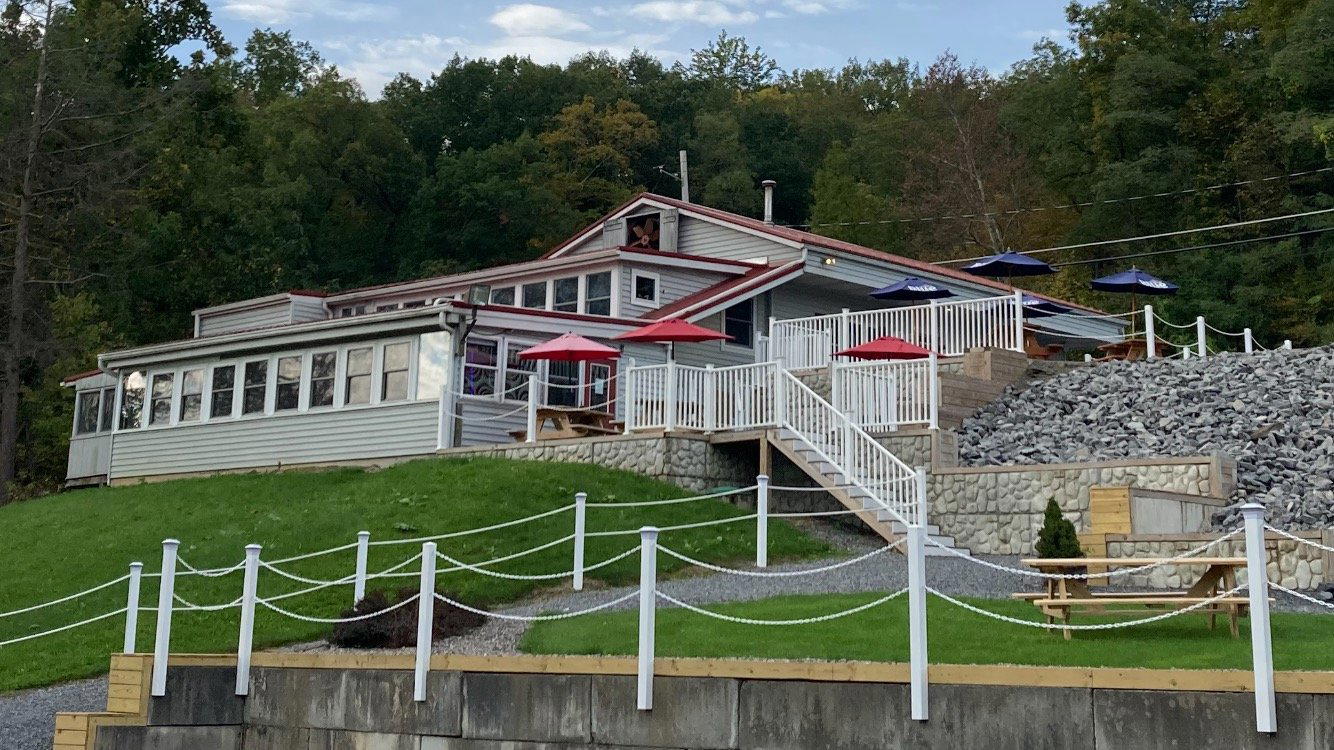
Where the Finger Lakes Table Begins
The stretch of road along Taughannock Boulevard that runs through Ulysses tells you something before you arrive at the door. Cayuga Lake sits to the east, and the agricultural land that fans out from its western shore has supplied Ithaca-area kitchens for generations. This is not a food corridor built on trend cycles. The Finger Lakes region operates on a different logic: cold winters, short growing seasons, and a farming community that has kept small-scale production viable through direct relationships with local restaurants. Glenwood Pines, at 1213 Taughannock Blvd, occupies that geography in a way that matters to how the food arrives on the table.
In the broader context of American farm-connected dining, the Finger Lakes sits in a peer group that includes the Hudson Valley and the Willamette Valley corridor in Oregon. These are regions where proximity to production is not aspirational language but a practical condition. Kitchens here do not need to engineer sourcing programs the way urban restaurants do. The farms are close. The relationships are lateral. That geographic reality shapes what ends up on the plate in ways that are structural rather than performative. Venues like Blue Hill at Stone Barns in Tarrytown and Single Thread Farm in Healdsburg have built international reputations on that same principle, but the Finger Lakes version is quieter, less curated for outside attention, and arguably more embedded in the daily rhythm of the land.
The Sourcing Logic of Upstate New York
What defines ingredient sourcing in the Finger Lakes is not the presence of organic certification or the language of provenance on a printed menu. It is the density of small producers within a short radius. Cayuga County and Tompkins County together support dairy farms, fruit orchards, grain operations, and market gardens that feed a food culture anchored in Ithaca but extending along the lake corridors in both directions. A kitchen on Taughannock Boulevard has structural access to that supply chain that a restaurant in Manhattan or Chicago simply does not, regardless of budget or intent.
This regional dynamic places Glenwood Pines in a conversation that runs alongside, rather than beneath, the nationally recognized farm-connected programs at places like Smyth in Chicago, The Wolf's Tailor in Denver, and Oyster Oyster in Washington, D.C. Those kitchens have built sourcing relationships at considerable logistical effort. In the Finger Lakes, the infrastructure already exists. The question for any kitchen operating here is how intentionally it engages with what the region offers across its seasons.
The Finger Lakes growing calendar concentrates abundance into a compressed window. Late summer and early fall bring the broadest range of produce, coinciding with the harvest period that also defines the wine region. Restaurants that track this calendar closely shift their menus in short cycles, working with what growers are pulling from the ground in any given week rather than backward-engineering from a fixed dish list. This kitchen rhythm is common to the most ingredient-driven programs in the United States, from The French Laundry in Napa to Addison in San Diego, and it represents a meaningful departure from kitchens that treat the menu as a fixed document.
The Setting and What It Signals
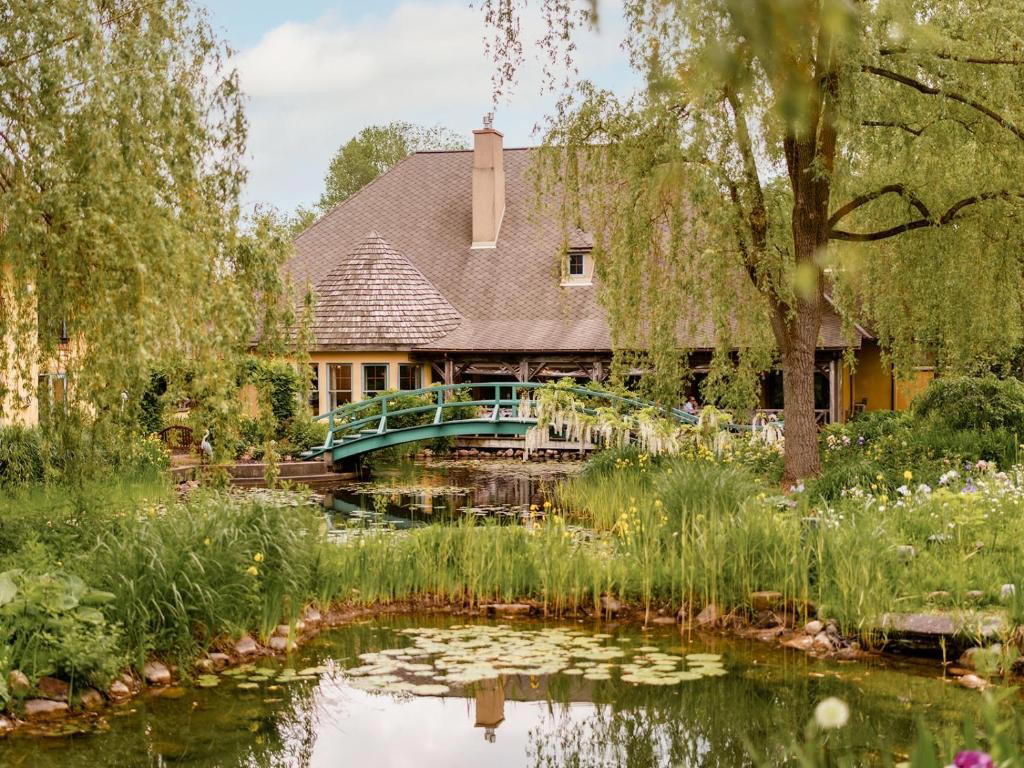
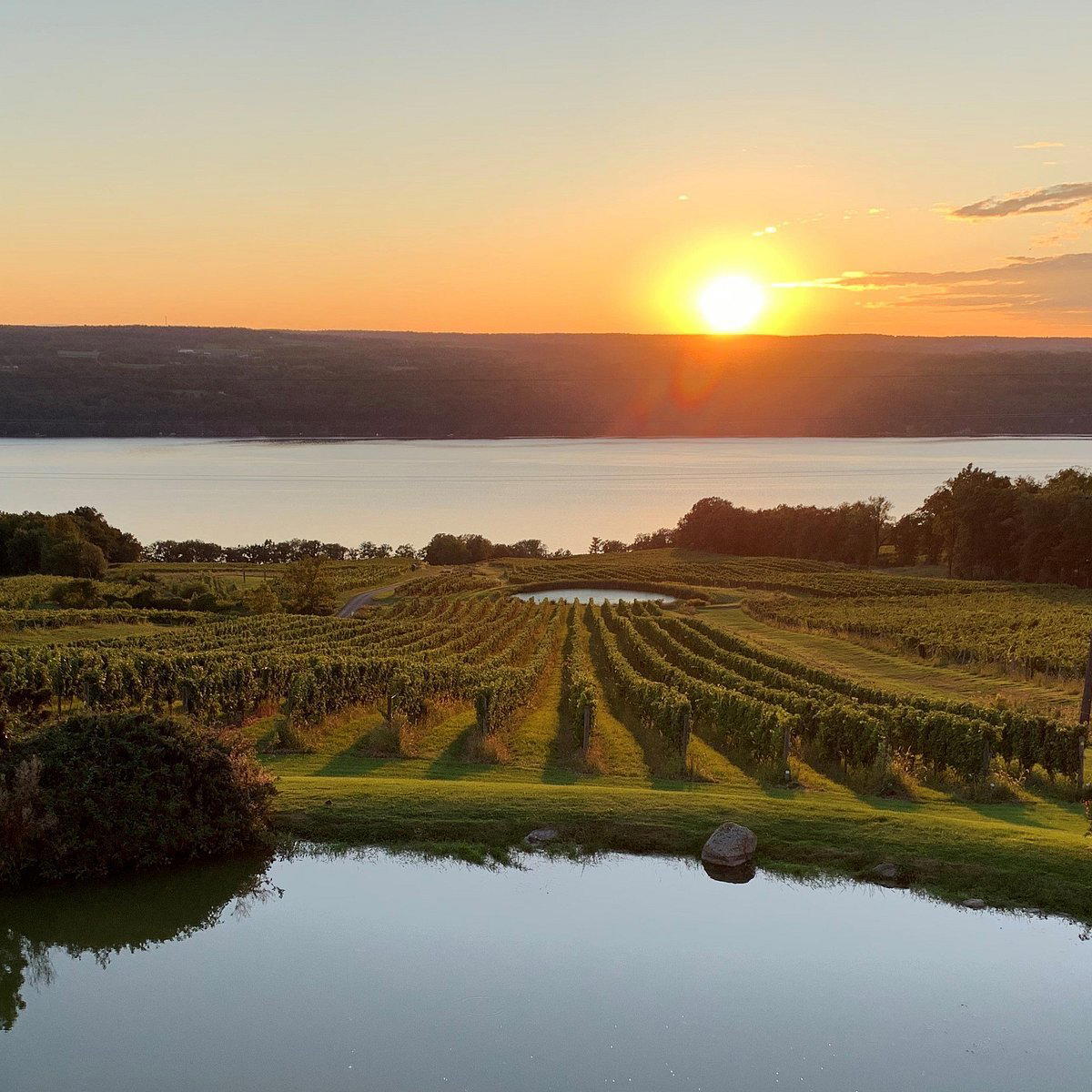
Taughannock Boulevard runs along the western shore of Cayuga Lake, one of the longest of the Finger Lakes and the one most associated with the wine appellations that have drawn outside attention to the region over the past two decades. The physical environment along this road is genuinely lakeside: the water is visible, the land is open, and the scale is residential rather than commercial. A restaurant operating in this setting is not borrowing the lake as scenery. It is embedded in the agricultural and ecological system that the lake anchors.
For the reader planning a Finger Lakes itinerary, the location on Taughannock Blvd places Glenwood Pines within the corridor that connects Ithaca to Taughannock Falls State Park, a route that attracts visitors with genuine interest in the region rather than those passing through. This is relevant to the kind of dining experience the address supports: unhurried, oriented to the surroundings, and more connected to the rhythms of the place than to the urgency of a city dining schedule. Those seeking a comparable sense of place-rooted dining in other American contexts might look at Frasca Food and Wine in Boulder or Bacchanalia in Atlanta, both of which have built reputations on regional attentiveness rather than headline-driven ambition.
Finger Lakes Dining in National Context
American fine dining has developed several distinct models for engaging with local agriculture. The tasting-menu format, practiced at venues including Lazy Bear in San Francisco, Atomix in New York City, and The Inn at Little Washington, uses the sourcing story as a structural element of the menu progression. The a la carte model, more common in smaller regional markets, places the same sourcing logic inside a more flexible ordering format. The Finger Lakes has supported both approaches, with Ithaca functioning as the intellectual and institutional anchor for a food culture that includes Cornell's hospitality programs and a long tradition of cooperative food networks.
Restaurants working at the intersection of regional agriculture and serious cooking, from Emeril's in New Orleans to Providence in Los Angeles to ITAMAE in Miami, demonstrate that ingredient sourcing is not a regional specialty but a discipline that travels across formats and price points. What the Finger Lakes offers is the geographic version of that discipline: a region where the sourcing is embedded in the address rather than engineered after the fact. For a fuller picture of where Glenwood Pines fits within its immediate market, our full Ulysses restaurants guide maps the broader dining context along the lake corridor. For those comparing the Finger Lakes model to European alpine sourcing traditions, Atelier Moessmer Norbert Niederkofler in Brunico offers a useful reference point: a kitchen that made regional constraint the basis of its identity rather than a limitation to work around.
Planning Your Visit
Glenwood Pines is on Taughannock Boulevard in Ulysses, a short drive north of Ithaca along the western shore of Cayuga Lake. The road is accessible by car from Ithaca's center in under fifteen minutes, and the lakeside corridor makes the drive itself part of the experience for those arriving in daylight. Specific booking methods, current hours, and pricing are best confirmed directly with the venue before travel, as details for this address were not available at time of writing. The late summer and fall harvest window, roughly August through October, represents the period when the Finger Lakes agricultural calendar is at its most varied, and restaurants in this corridor tend to reflect that abundance most directly during those months.
Frequently asked questions
Is Glenwood Pines child-friendly?
The Taughannock Boulevard address in Ulysses, positioned along the western shore of Cayuga Lake, points toward a casual lakeside format rather than a formal dining room, which typically accommodates families more comfortably than destination tasting-menu venues.
How would you describe the vibe at Glenwood Pines?
The address on Taughannock Blvd, a road that runs the western shore of Cayuga Lake north out of Ithaca, sets the register before you walk in: this is lake-country dining, not city-pace service. Expect the tempo and atmosphere that define the Finger Lakes wine corridor rather than anything resembling an urban dining room. The setting alone — water to the east, wine country all around — shapes the experience more than decor or awards documentation would.
Is Glenwood Pines a good stop along the Cayuga Lake Wine Trail?
The 1213 Taughannock Blvd address places Glenwood Pines directly within the Cayuga Lake appellation corridor, one of the two primary wine routes in the Finger Lakes region. Visitors moving between tasting rooms on the western shore of Cayuga Lake will find it a geographically logical midday or evening stop.
What should I order at Glenwood Pines?
Verified dish-level data for this address is not in the confirmed record, so specific menu recommendations cannot be made responsibly. What the location does signal is proximity to the Cayuga Lake agricultural and wine corridor, where kitchens in Ulysses and the broader Ithaca region have historically drawn from strong local produce and freshwater resources. Checking the restaurant's current menu directly will give you the most accurate picture of what the kitchen is running.
Where is Glenwood Pines located?
Glenwood Pines is located at 1213 Taughannock Blvd, Ithaca, NY 14850, Ulysses.
How It Stacks Up
Comparable venues nearby, for context on price, style, and recognition.
| Venue | Cuisine | Price | Awards | Notes |
|---|---|---|---|---|
| Glenwood PinesThis venue — the venue you are viewing | American Grill | $20–30 | Not listed | Not listed |
| Northstar Public House | Farm-to-Table Gastropub | $20–30 | Not listed | Fall Creek |
| Cafe Dewitt | American Breakfast & Brunch Cafe | $10–20 | Not listed | Downtown Ithaca |
| Charles Pan-Fried Chicken - West Side | Pan-Fried Chicken & Soul Food | $10–20 | Eater 38 #2 | Upper West Side |
| Ithaca Beer Co | American Brew Pub | $20–30 | Not listed | Ithaca |
| Chimera | Eclectic American Cafe with Vegetarian Focus | $10–20 | World Best Burgers World's 101 Best Burgers #24 | Downtown Tulsa |
Continue exploring
More in Ulysses
Restaurants in Ulysses
Browse all →
Bars in Ulysses
Browse all →
Hotels in Ulysses
Browse all →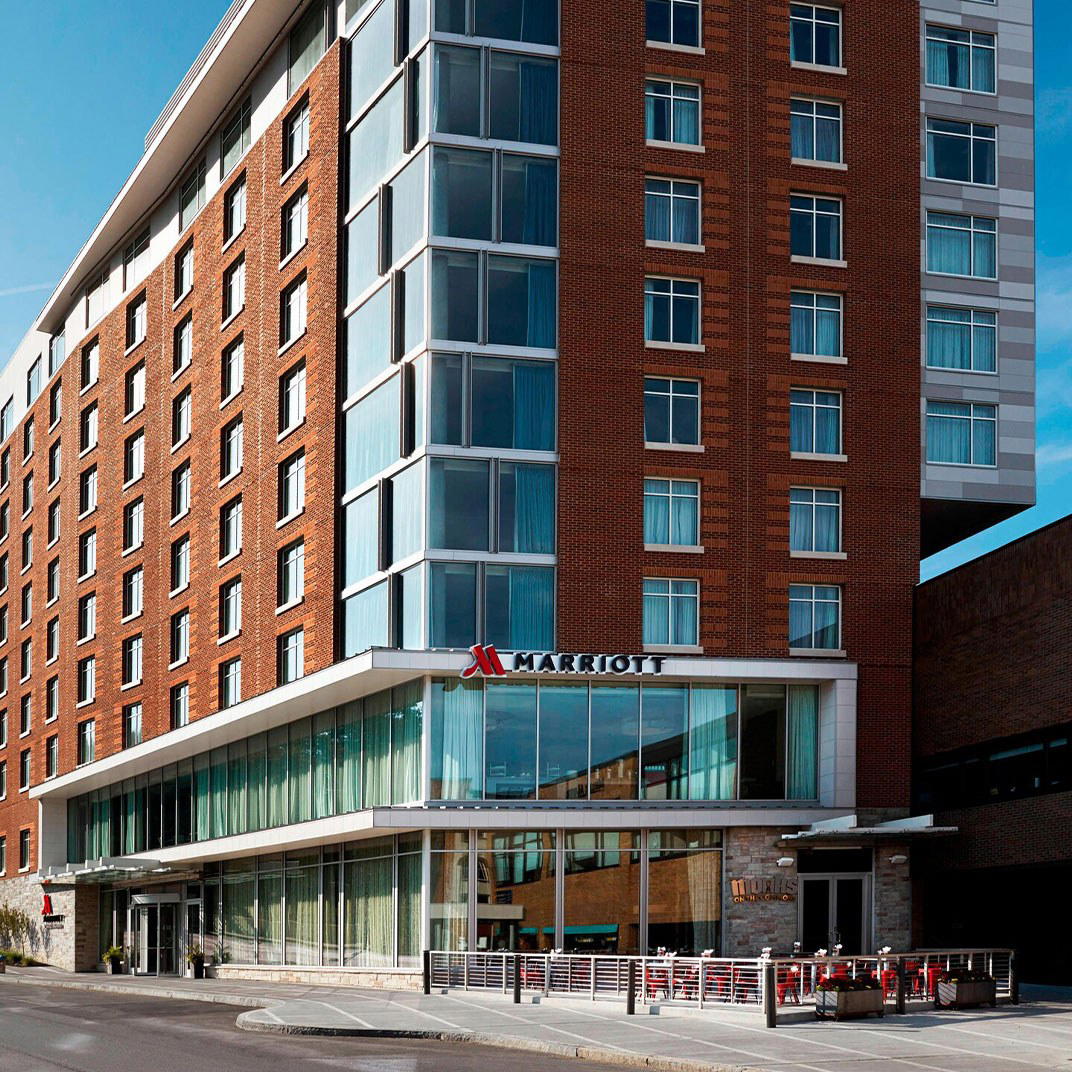
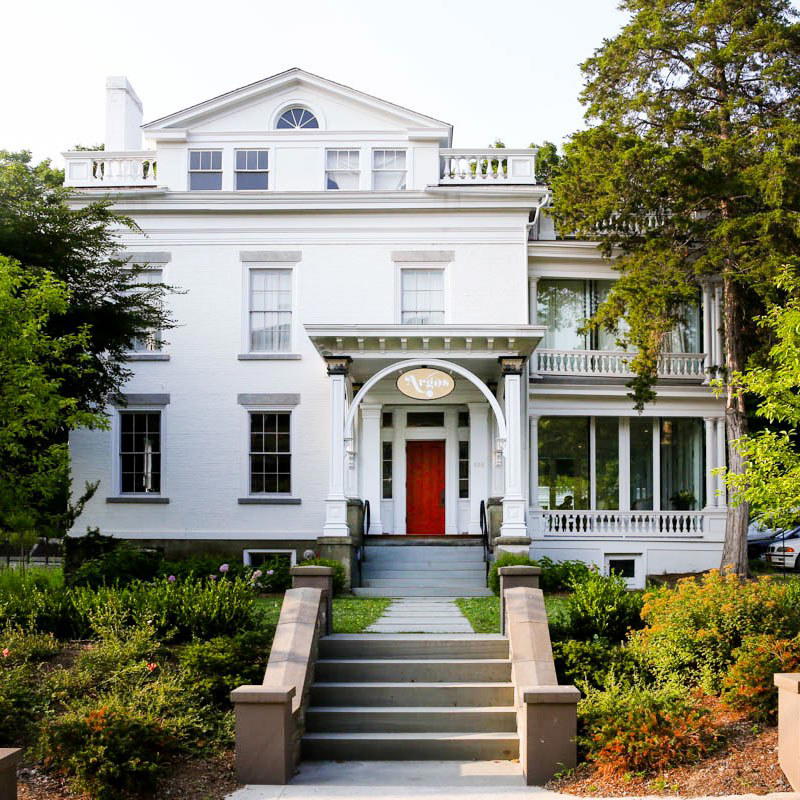
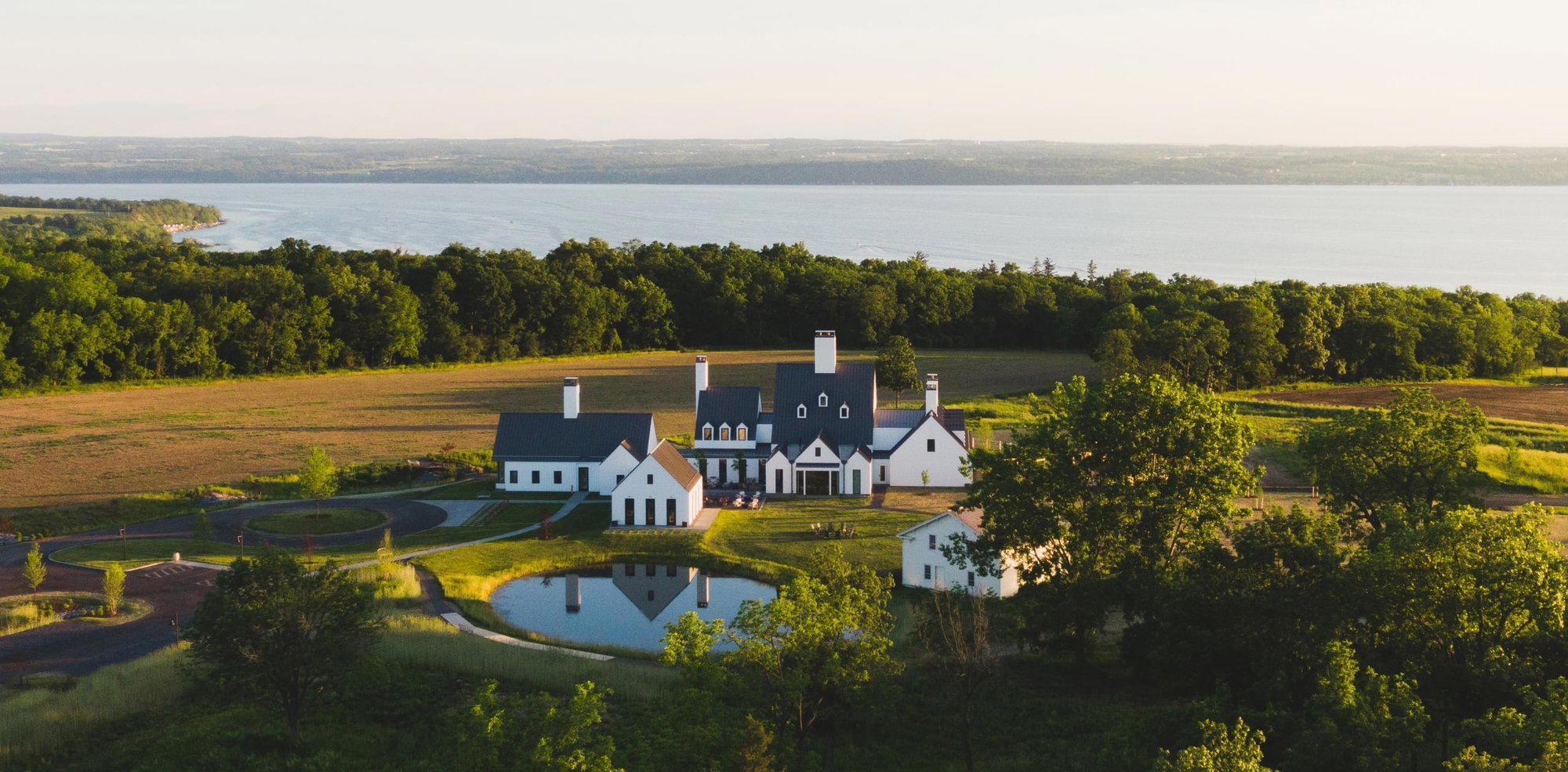
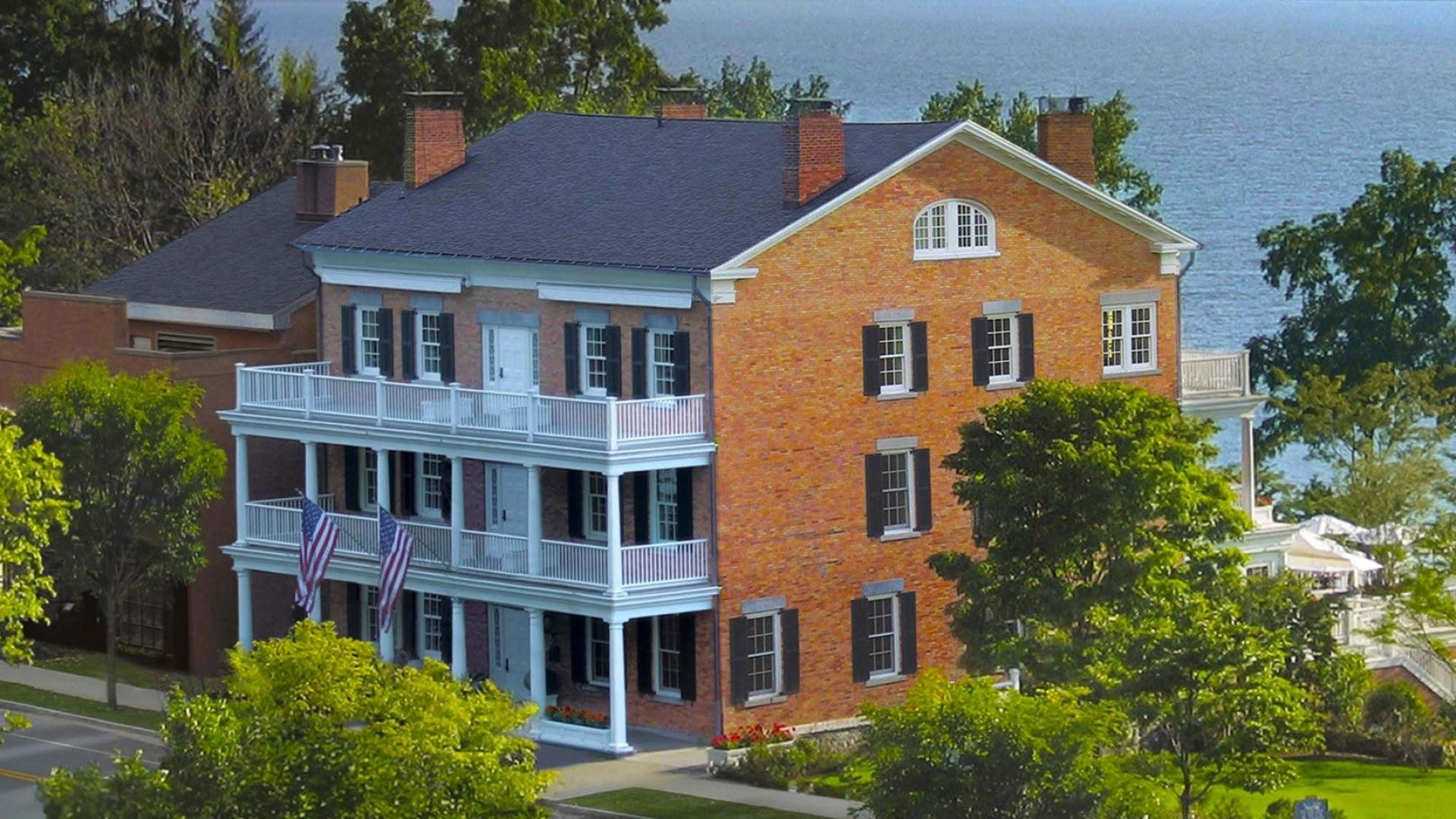

Details
- Casual
- Scenic
- Cozy
- Classic
- Casual Hangout
- Family
- Group Dining
- After Work
- Waterfront
- Standalone
- Beer Program
- Waterfront
- A La Carte
- Beer
Current opening hours
- Monday
- Closed
- Tuesday
- Closed
- Wednesday
- 12–8 PM
- Thursday
- 12–8 PM
- Friday
- 12–8 PM
- Saturday
- 12–8 PM
- Sunday
- 12–5 PM
Hours can change for holidays and private events. Last verified .