Red Newt Cellars
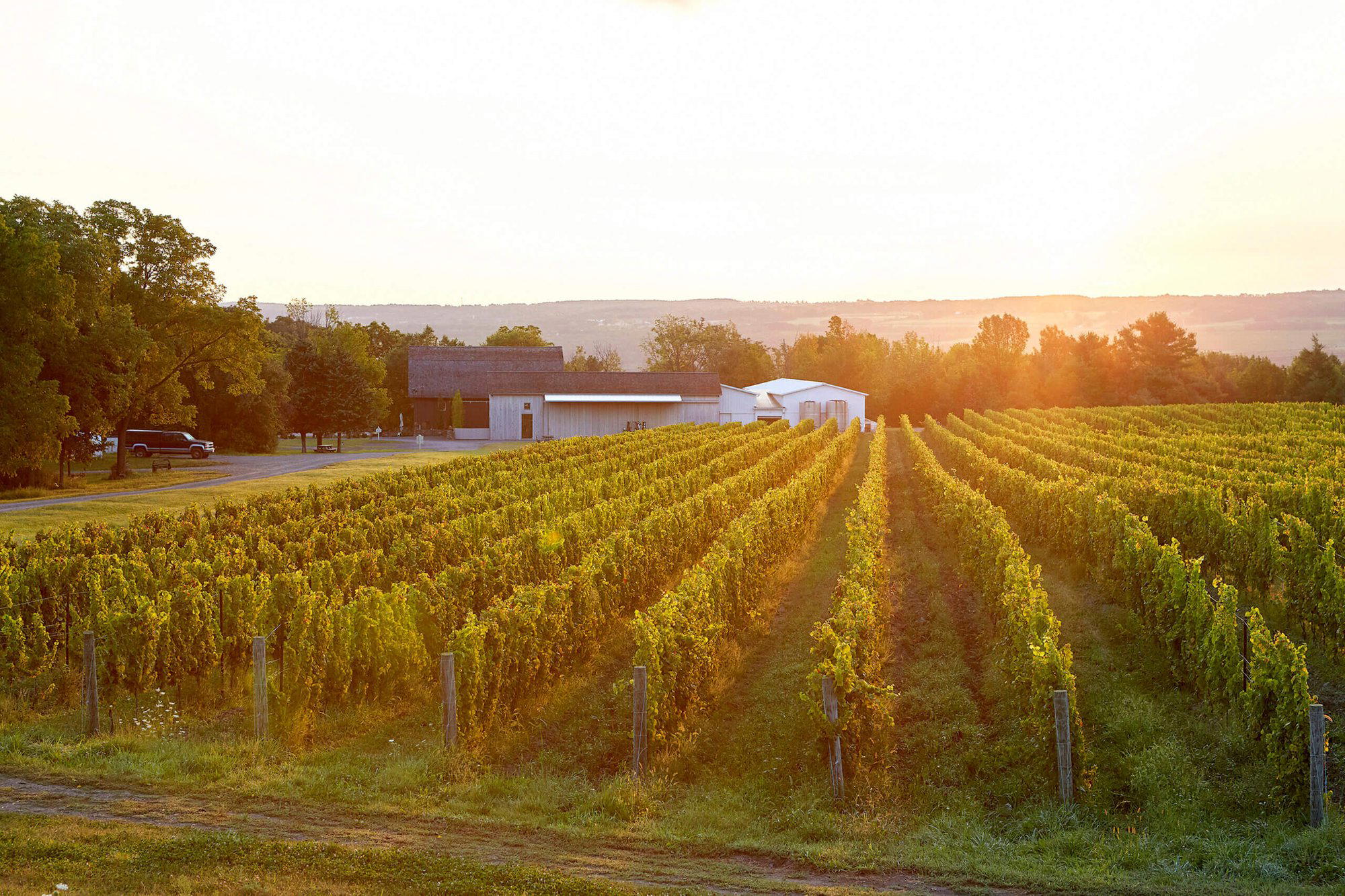
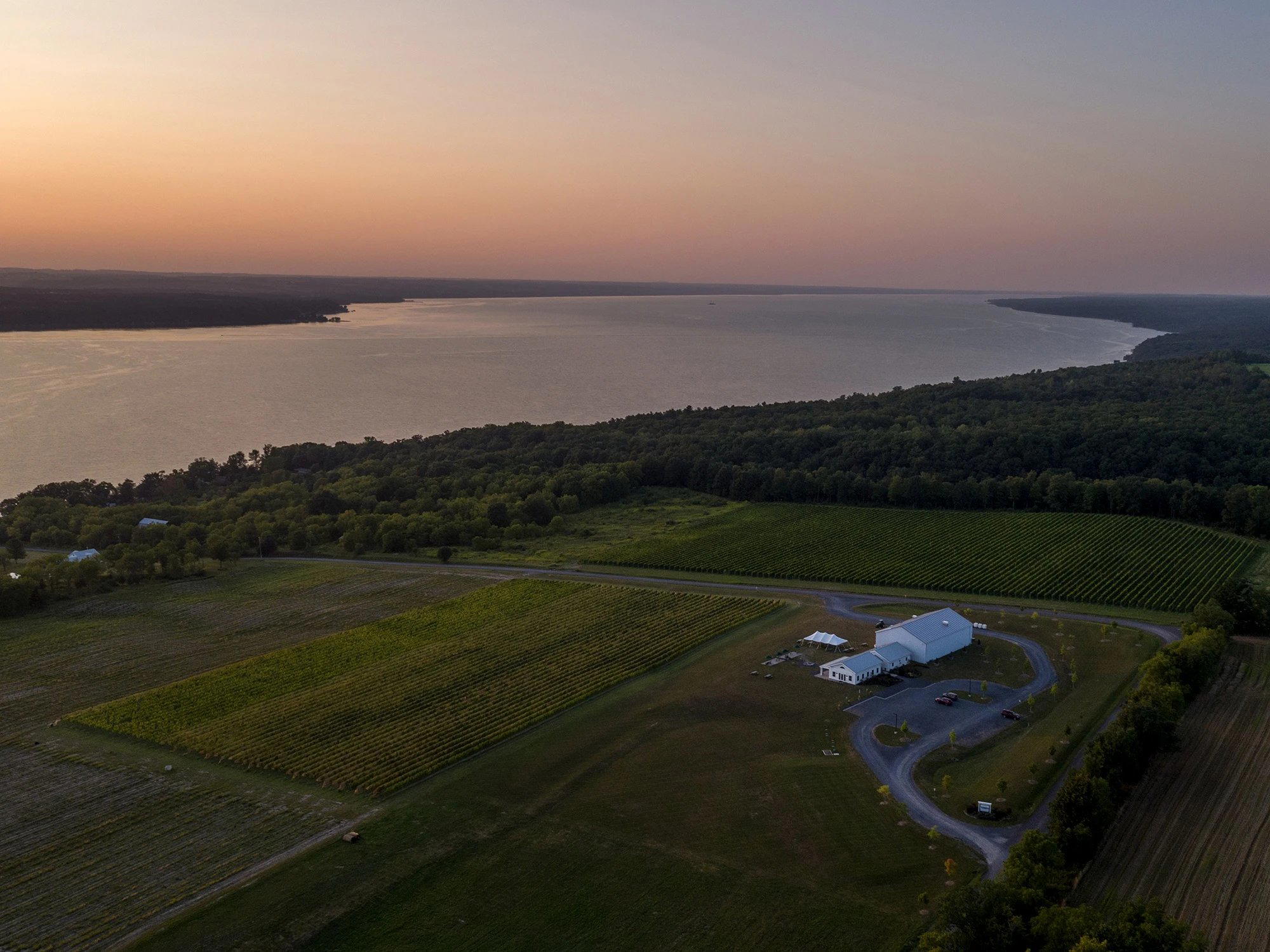
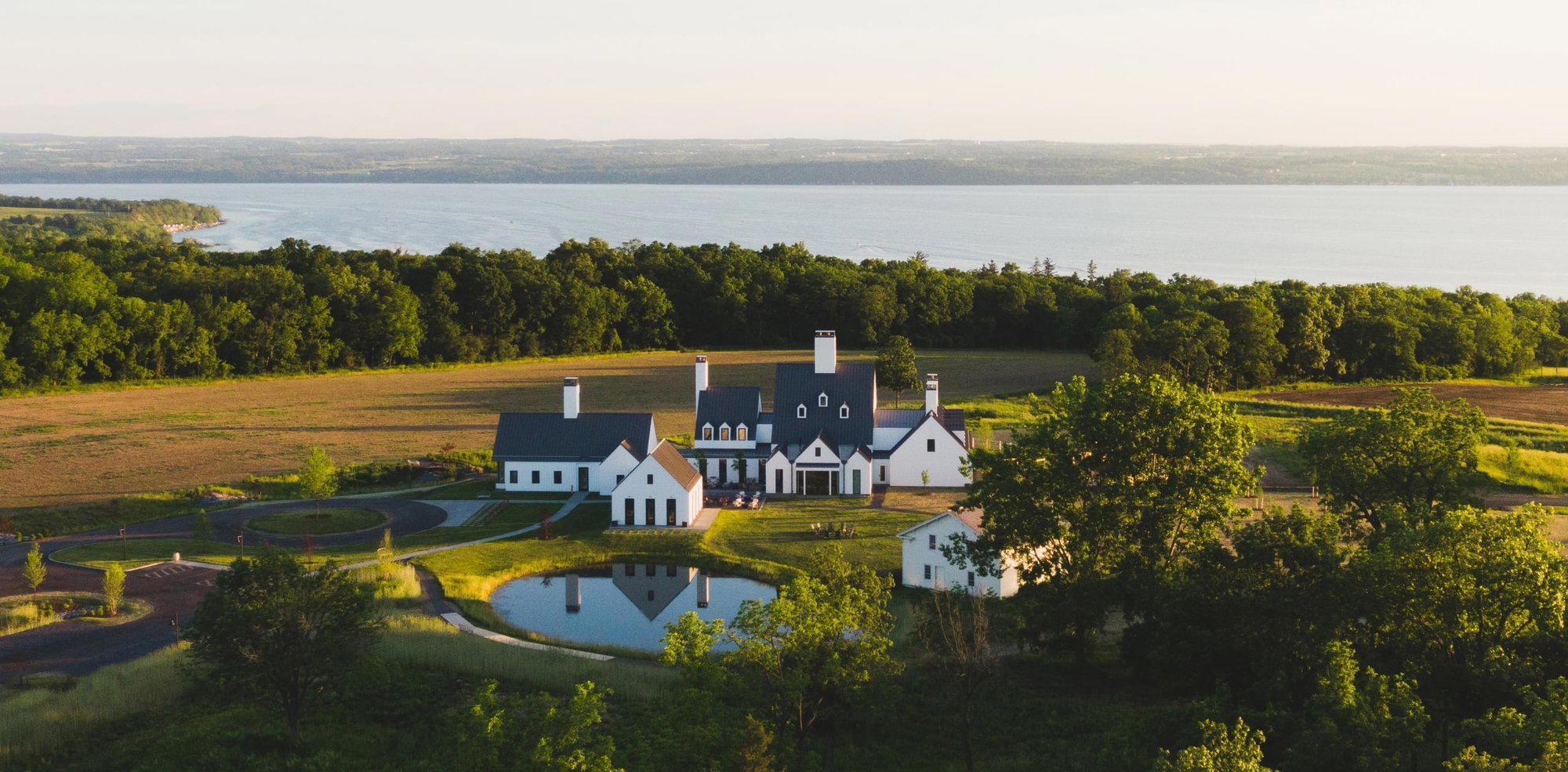
Situated on the slopes above Seneca Lake, the winery operates within a growing scene that has repositioned the Finger Lakes as a serious address for Riesling and cool-climate varieties. Visit for a tasting experience grounded in site-specific viticulture and regional identity.

Pearl is the En Primeur Club membership app — saves, bookings, and concierge access live there. Same editors, same standards.
- Address
- 3675 Tichenor Rd, Hector, NY 14841
- Phone
- (607) 546-4100
- Website
- rednewt.com
- Directions
- Get directions
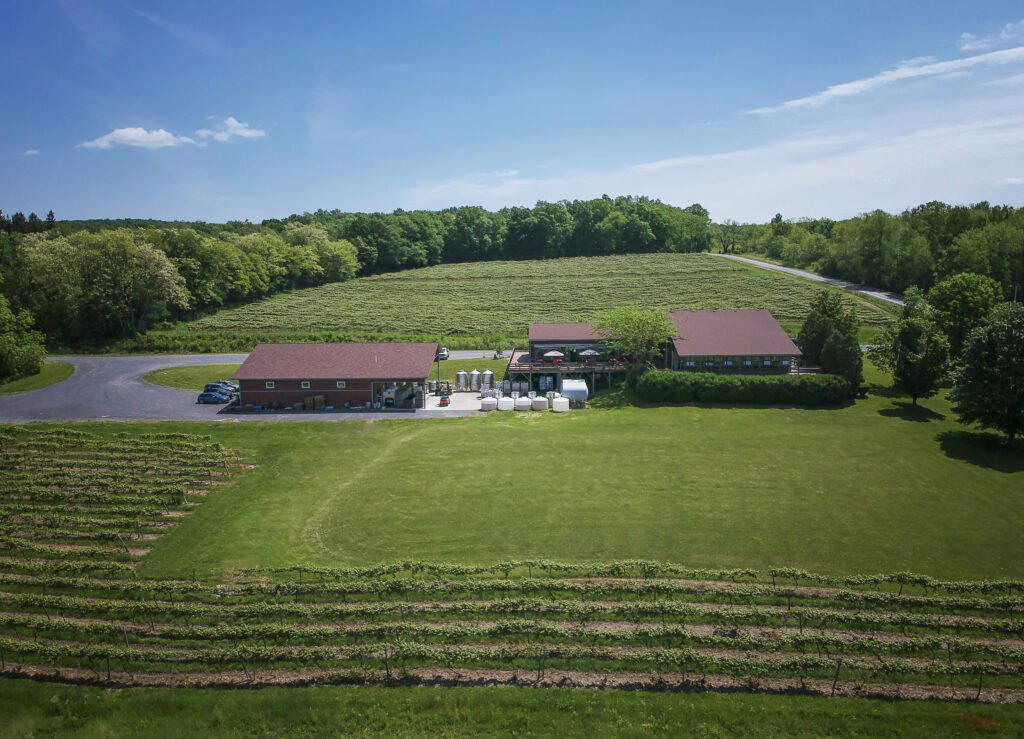
Seneca Lake and the Case for Cool-Climate Seriousness
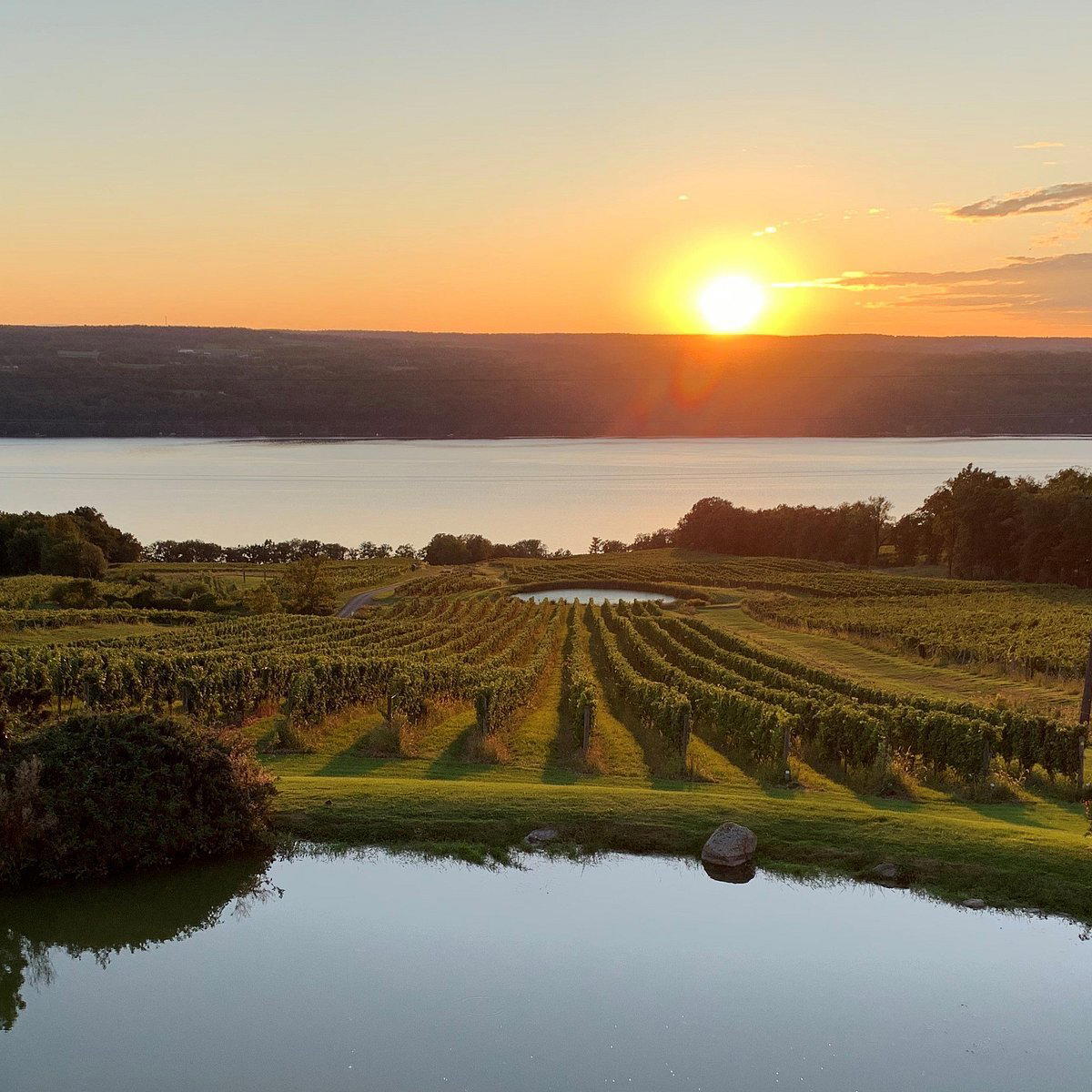
The eastern slope of Seneca Lake has spent the better part of three decades making an argument that cool-climate viticulture in upstate New York belongs in the same conversation as the Pacific Northwest or Alsace. The vineyards that occupy this corridor between Watkins Glen and Geneva share a common advantage: the lake's thermal mass moderates temperatures enough to extend the growing season past what the latitude alone would suggest, while the hillside gradients above the waterline allow cold air to drain rather than settle. It is precisely this combination that draws winemakers who want the tension and acidity that warm regions cannot reliably produce.
A Region Redefining Its Competitive Set
For much of the late twentieth century, the Finger Lakes existed in a kind of regional isolation, admired locally but rarely cited alongside California's established appellations or Oregon's Willamette Valley. That positioning has shifted. The region's Rieslings, in particular, have drawn sustained editorial attention from publications that cover European white wine with equal depth, and the comparative reference point for serious Finger Lakes producers is now as likely to be the Mosel or the Clare Valley as it is Napa.
Producers across the Finger Lakes have increasingly split into two categories. The first operates at scale, supplying regional tourism demand with approachable, fruit-forward wines designed for immediate consumption. The second pursues lower yields, site-specific planting decisions, and aging programs that require patience from both producer and buyer. Red Newt's award profile aligns it with the latter group, a smaller cohort that includes producers with comparably serious credentials and similar commitments to the region's cooler, higher-acidity style. For context on how this compares to prestige-tier production in California, see Accendo Cellars in St. Helena or Aubert Wines in Calistoga, both of which operate within tightly allocated, recognition-driven frameworks that share structural similarities with what Red Newt represents in its own region.
At this level of recognition, the expectation is not simply technical competence but a coherent point of view about place. In the Finger Lakes context, that means a position on the spectrum between intervention-heavy winemaking and site-driven restraint, and the evidence from producers operating at comparable award levels in the region consistently points toward the latter approach. Cool-climate sites like Seneca Lake's eastern slope reward winemakers who resist over-extraction and allow the vintage variation to speak, because the acidity structures and mineral profiles that define the leading wines here are easily obscured by heavy oak or residual sugar additions.
This is a different proposition than what prestige producers manage in warmer appellations. At Adelaida Vineyards in Paso Robles or Alban Vineyards in Arroyo Grande, the challenge is managing ripeness and heat without losing freshness. On Seneca Lake, the challenge runs in the opposite direction: coaxing phenolic maturity out of a short, cool season without sacrificing the acidity that makes the wines worth aging. The winemaking discipline required is distinct, and the producers who do it well tend to operate with a long-term view of their sites rather than a vintage-by-vintage opportunism.
Hector and the Surrounding Wine Geography
Hector is a small town by any measure, and its wine identity is almost entirely shaped by its position on the Seneca Lake Wine Trail. The trail connects dozens of producers along the lake's perimeter, but the concentration of award-recognized estates on the eastern shore around Hector creates a natural cluster for serious tasting itineraries. Chateau Lafayette Reneau, also based in Hector, represents the kind of long-established neighbor that contextualizes Red Newt within a broader local tradition of estate-focused production. The two operate within the same geographic micro-climate and attract visitors who are specifically seeking the eastern slope's cooler, more mineral-driven expression rather than the broader Finger Lakes tourist circuit.
For visitors building an itinerary around the region, Hector rewards a slower approach. The drive along Route 414 above the lake provides a clear read of the slope angles and vineyard exposures that inform the wines poured at every stop. Those arriving from outside the region should plan around the shoulder seasons: late September through early November captures harvest activity and the clearest expression of why the Finger Lakes commands attention from serious wine travelers, while the summer peak brings volume that can work against the contemplative tasting experience that award-tier producers are designed to deliver. See our full Hector restaurants and wine guide for broader itinerary context.
Placing Red Newt in a National Context
It places Red Newt within a national framework of recognized producers that includes estates in Oregon, California, and beyond. Adelsheim Vineyard in Newberg and Andrew Murray Vineyards in Los Olivos each carry their own recognition profiles within their respective cool and warm-climate appellations, and the comparison is instructive: prestige ratings at this tier reflect a consistency of quality across vintages, not just a single exceptional release. For the Finger Lakes, where vintage variation is more pronounced than in California's most stable appellations, that consistency is a harder achievement and a more meaningful signal.
Internationally, the comparison extends further. Producers like Achaia Clauss in Patras demonstrate how regional identity and historical depth can anchor a producer's reputation across generations. The Finger Lakes does not yet carry that accumulated weight of history, but estates like Red Newt are actively building the record that future reputations depend on.
Planning a Visit
Red Newt Cellars is located at 3675 Tichenor Rd, Hector, NY 14841, on the eastern slope of Seneca Lake. The Hector corridor is leading approached with a dedicated half-day or full day, allowing time to move between producers without the rushed tasting pace that characterizes the more trafficked western shore. Those combining the visit with a broader Finger Lakes itinerary will find that the eastern slope producers cluster tightly enough to make efficient sequencing direct.
Booking and Cost Snapshot
Comparable venues nearby, for context on price, style, and recognition.
| Venue | Cuisine | Price | Awards |
|---|---|---|---|
| Red Newt CellarsThis venue — the venue you are viewing | Hector, Riesling, Cabernet Franc | $20–30 | Not listed |
| Chateau Lafayette Reneau | Hector, Riesling, Chardonnay | Not listed | Not listed |
| Heart & Hands Wine Company | Union Springs, Pinot Noir, Riesling | Not listed | Not listed |
| Tommyrotter Distillery | Winery | Not listed | Not listed |
| Iron Smoke Distillery | Fairport, Finger Lakes | Not listed | Not listed |
| Dr. Konstantin Frank Winery | Hammondsport, Riesling, Gruner Veltliner | $50–100 | Falstaff Winery - Listed |
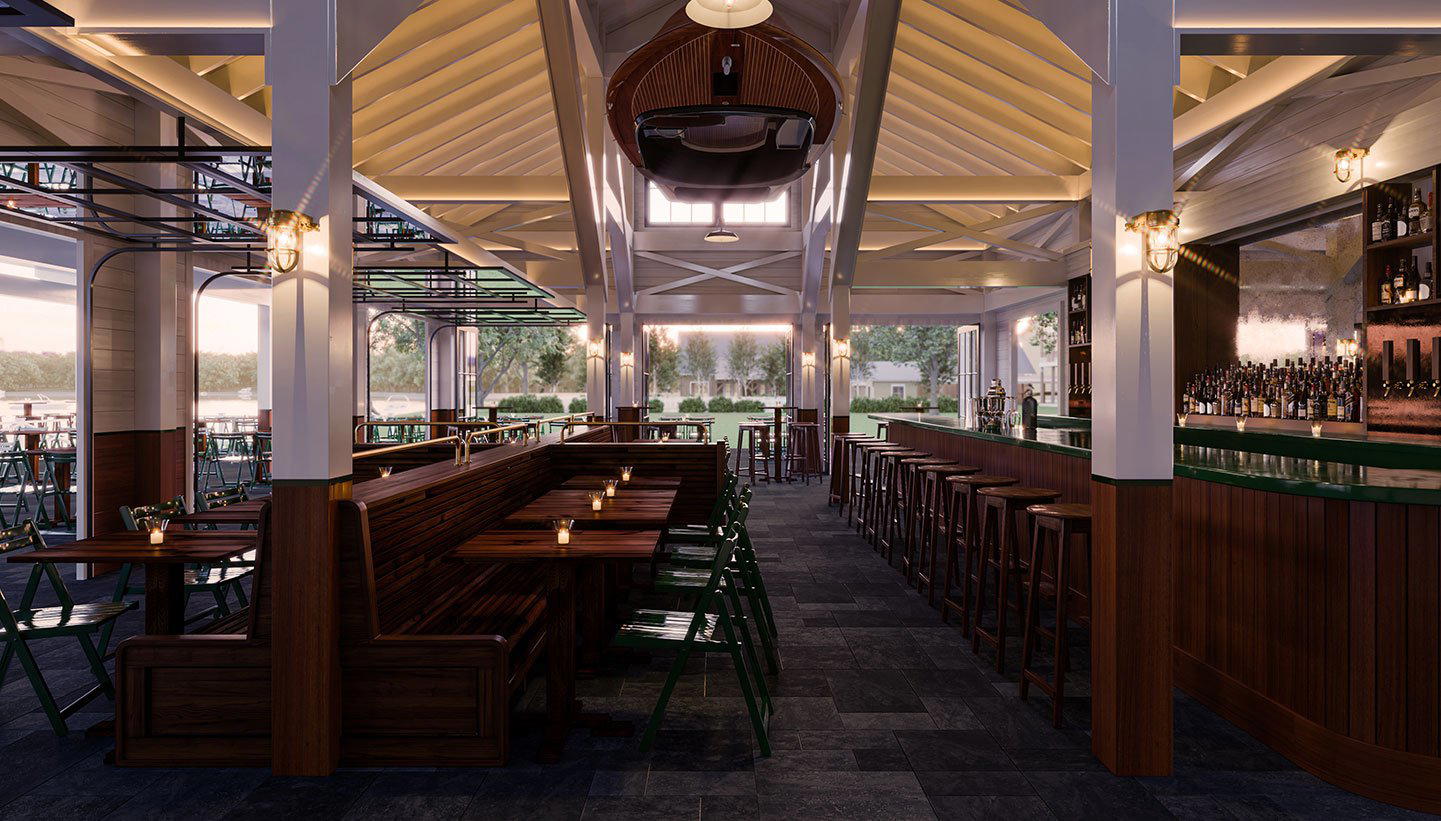

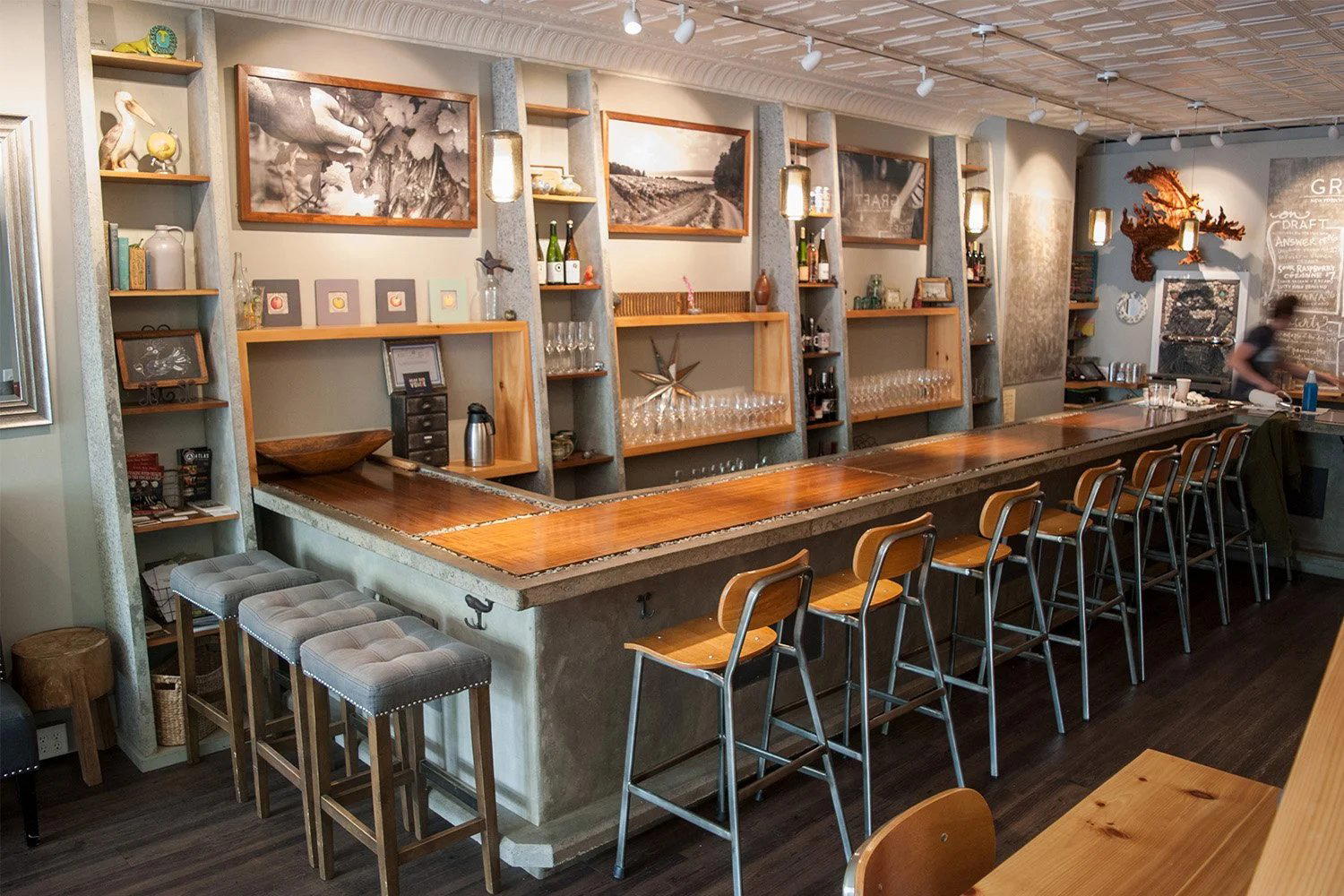
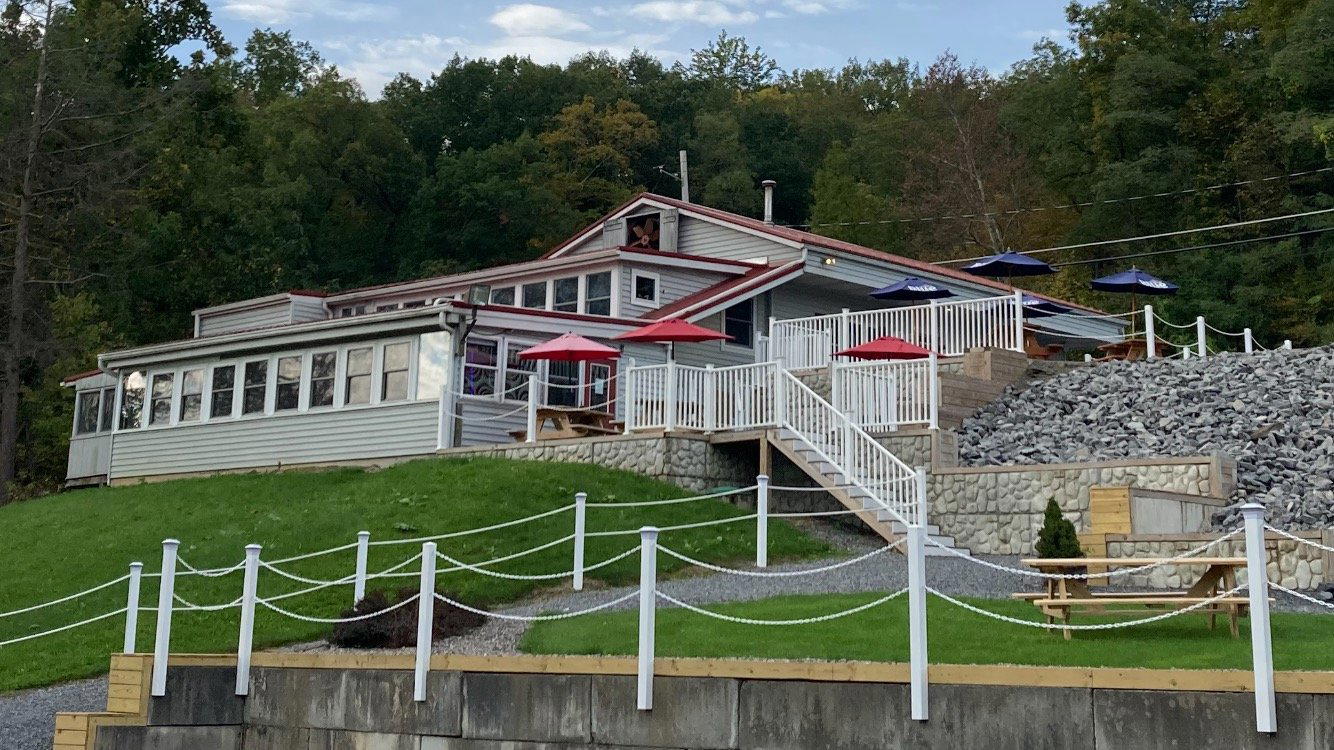
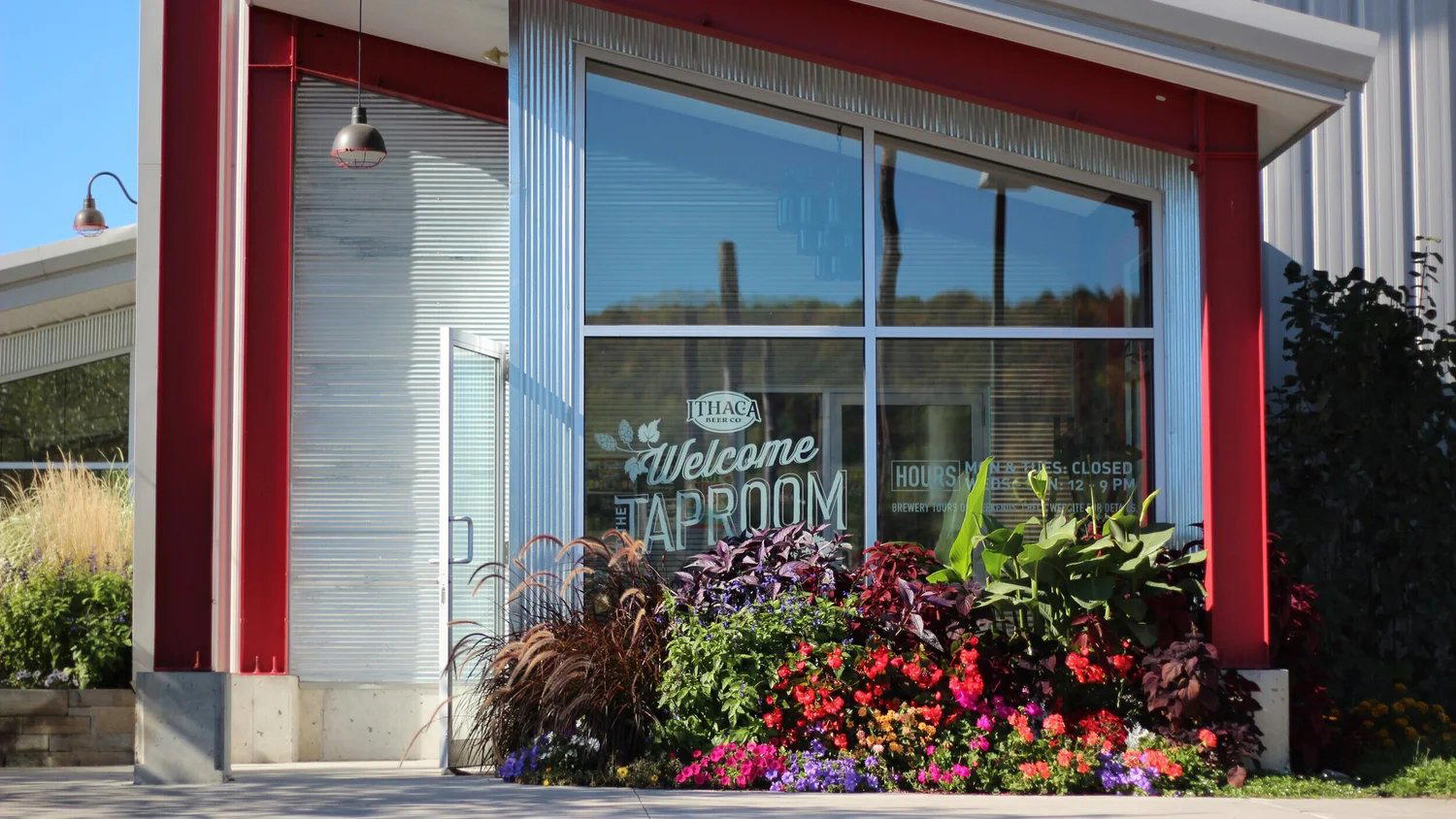
Details
- Scenic
- Rustic
- Elegant
- Romantic Getaway
- Group Outing
- Wine Education
- Estate Grounds
- Terrace
- Panoramic View
- Vineyard
- Waterfront
- Riesling
- Cabernet Franc
- Gewürztraminer
- Pinot Gris
- Merlot
- Still White
- Still Red
- Flight
- Seated Tasting
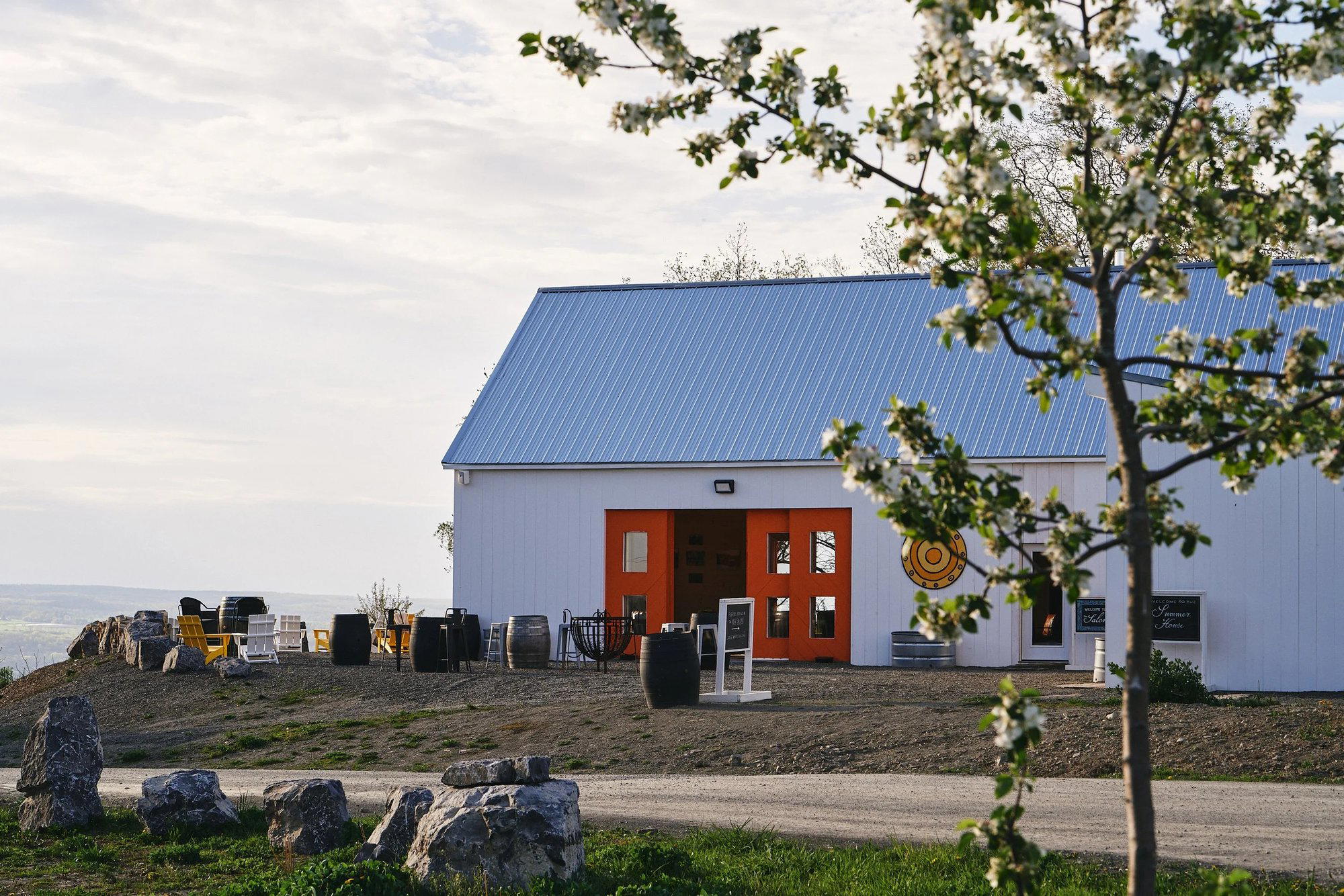
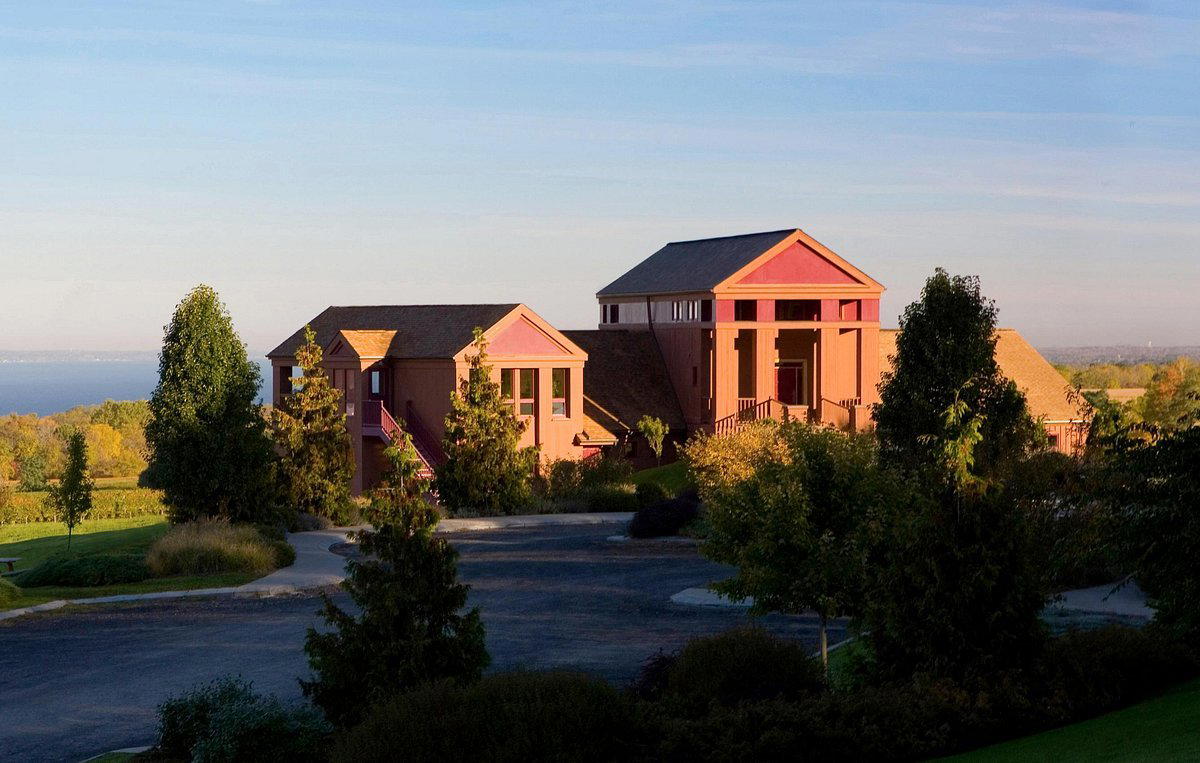
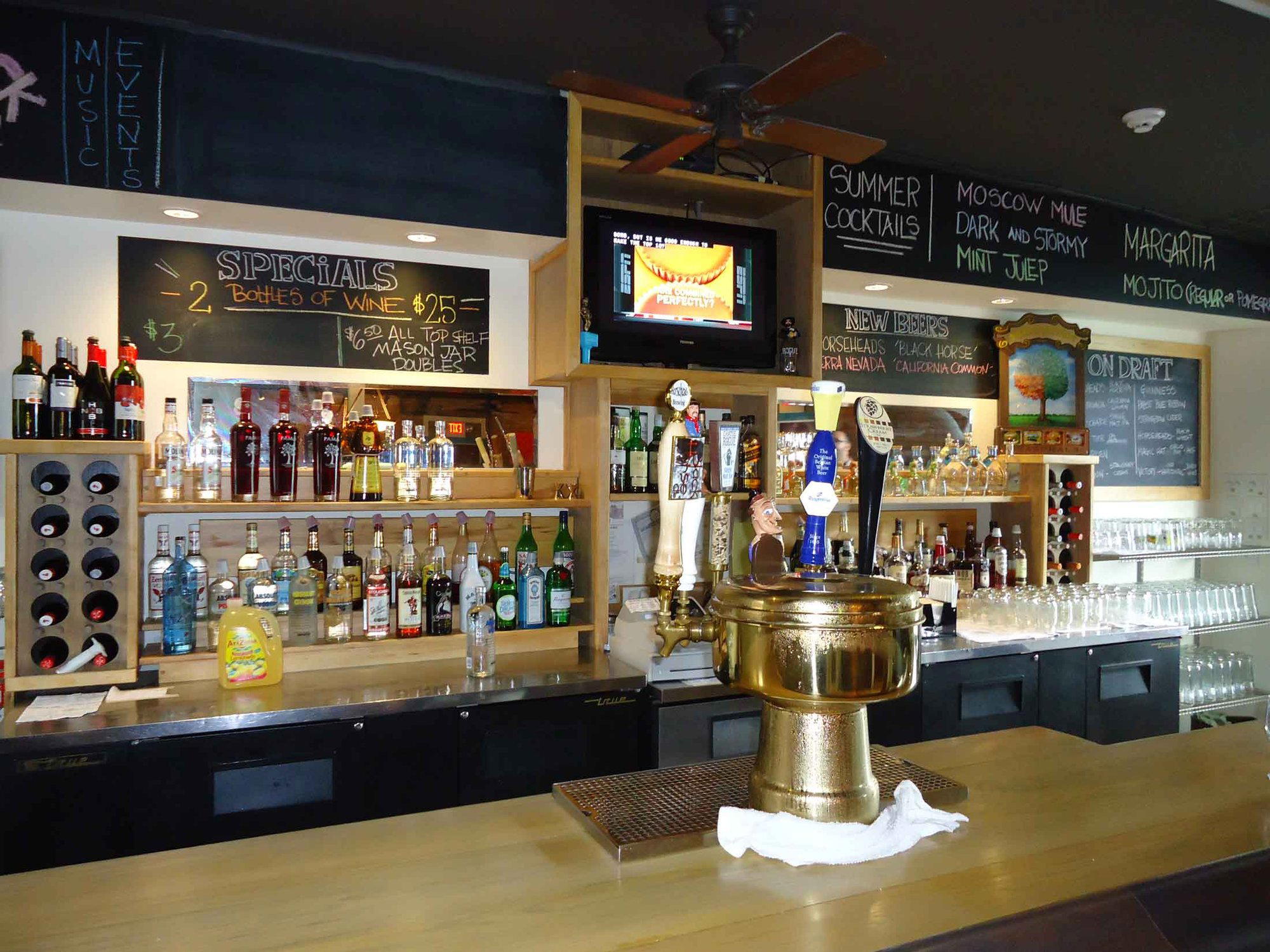
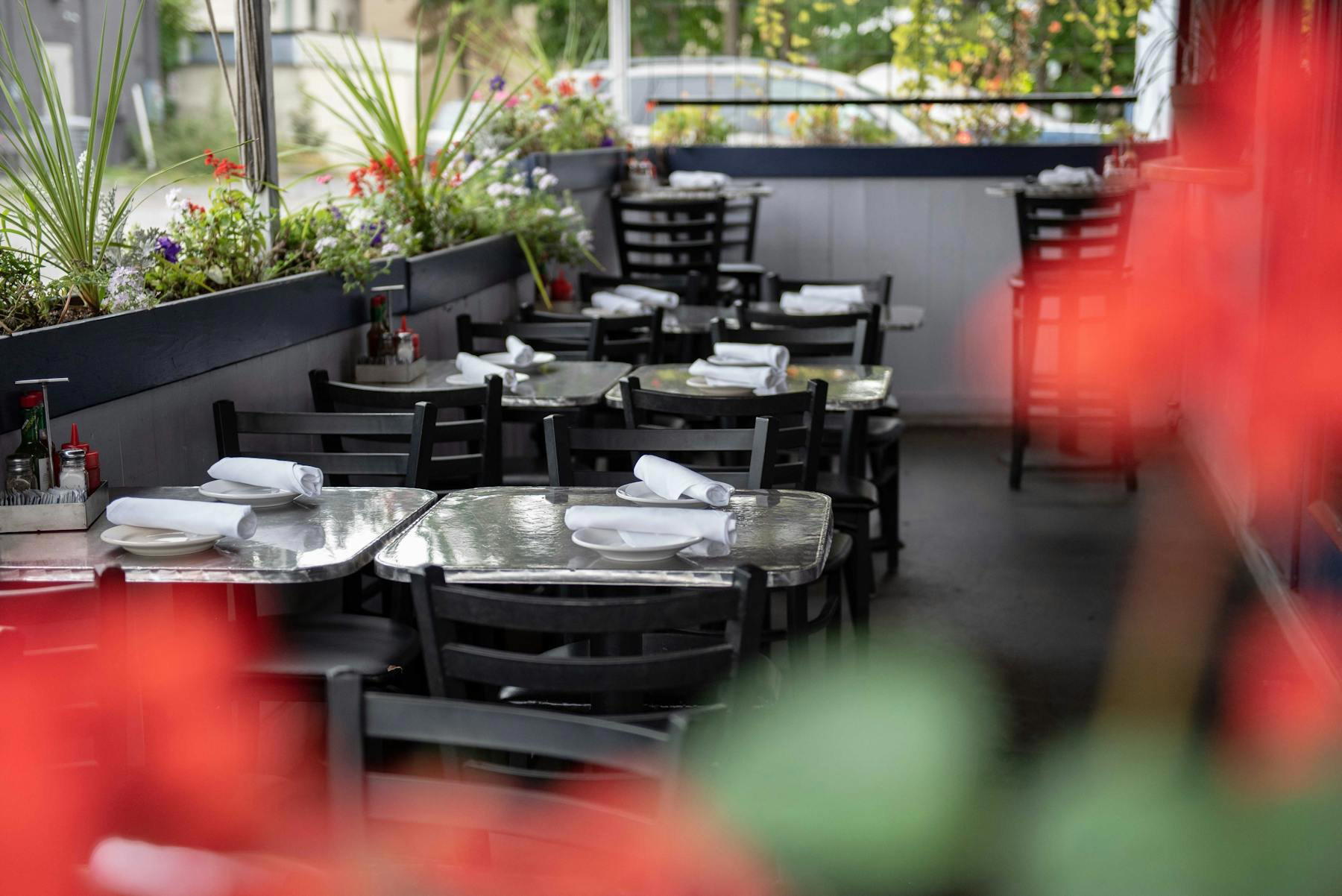
Welcoming atmosphere with beautiful lake views from the covered outdoor deck, enhanced by friendly knowledgeable staff and generous wine pours.