Chateau Lafayette Reneau
On the eastern shore of Seneca Lake, Chateau Lafayette Reneau is one of the Finger Lakes' longer-established estate wineries, working a site where the lake's thermal influence shapes growing conditions across the growing season. It sits on NY-414 in Hector, the corridor that concentrates much of the lake's serious wine production.
Pearl is the En Primeur Club membership app — saves, bookings, and concierge access live there. Same editors, same standards.
- Address
- 5081 NY-414, Hector, NY 14841
- Phone
- +1 607-546-2062
- Website
- clrwine.com
- Directions
- Get directions
 Saves & bookings on Pearl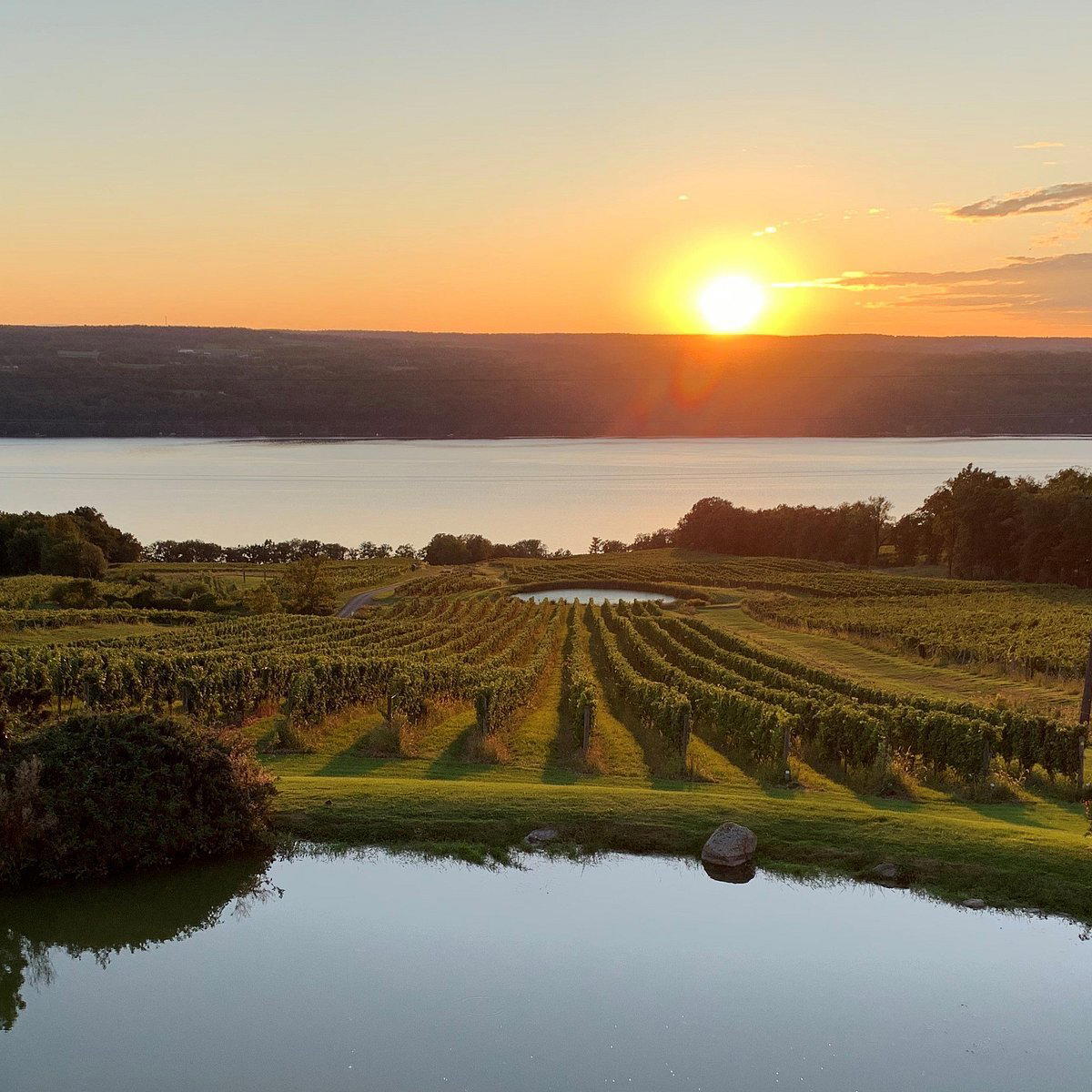
The Eastern Shore and What It Produces
The eastern shore of Seneca Lake runs along NY-414 through Hector, and this particular stretch has become one of the more closely watched addresses in Finger Lakes wine. The lake itself is the argument: at roughly 618 feet deep, Seneca retains heat through the growing season and moderates temperatures into autumn, extending ripening windows that would otherwise close too early this far north. Vineyards on the eastern slope benefit from afternoon shadow and morning sun, a light exposure pattern that distinguishes them from western-shore sites facing the opposite direction. Chateau Lafayette Reneau sits within this geography, working a site where those thermal and light conditions are not incidental, they are the determining factor in what the wines can become.
The Finger Lakes as a wine region has spent several decades moving from a bulk and hybrid identity toward serious vinifera production, and the eastern Seneca corridor has been central to that shift. Riesling drew the early critical attention, but Chardonnay, Pinot Noir, and a range of aromatic whites have followed as producers learned to read individual sites more carefully.
Terroir at This Latitude
Seneca Lake wine production occupies a climate zone that has no clean analogue among the world's established regions. The latitude is closer to Burgundy than to Napa, but the continental weather patterns, glacially formed lake basins, and shale-heavy soils create conditions that are distinctly northeastern American. The shale and silt loam soils common to the eastern Seneca slope drain well and warm relatively quickly in spring, which matters at a latitude where the frost-free window is shorter than in California or even the Pacific Northwest.
For Riesling, these conditions have proven to be a serious match. The grape's natural acidity holds well in cooler climates, and the mineral character associated with shale soils translates into a structural profile that distinguishes Finger Lakes Riesling from warmer-climate versions. The region's leading producers have used this to build a recognizable house style: wines with pronounced acidity, lower alcohol than their California or Rhône counterparts, and a lean texture that rewards aging. Compare this regional positioning to wineries operating in fundamentally different thermal environments: Alban Vineyards in Arroyo Grande builds its reputation on warm-climate Rhône varieties, while Adelaida Vineyards in Paso Robles works a Mediterranean-influenced site where the seasonal temperature swings are wide but the growing season is long. The Finger Lakes proposition is a different argument entirely.
Where Chateau Lafayette Reneau Sits in the Hector Corridor
NY-414 through Hector functions as a de facto wine trail, with a concentration of estate operations that makes it one of the more productive single-road tasting corridors in the northeastern United States. The density here is not accidental: the eastern Seneca slope is narrow, the viable vineyard land is finite, and the producers who established early footholds on that slope have generally held them.
Within this corridor, the winery operates as one of the longer-established estate addresses. That matters in a region where institutional knowledge about specific blocks, drainage patterns, and vintage variability accumulates slowly and cannot be replicated quickly. Nearby, Red Newt Cellars represents the Hector cluster's range, and
For reference against West Coast estate models: Accendo Cellars in St. Helena and Alpha Omega Winery in Rutherford operate in a Napa Valley context where land values and production costs sit at a different order of magnitude. The Finger Lakes model, including Chateau Lafayette Reneau's position within it, is built on a different economic logic: lower land costs, shorter seasons, smaller production scales, and a regional identity still consolidating its international reputation.
The Broader Finger Lakes comparable set
Assessing the winery's place in the regional picture requires understanding how the Finger Lakes positions itself against other American wine regions. Oregon's Willamette Valley, where Adelsheim Vineyard in Newberg has built a multi-decade Pinot Noir record, operates with stronger international name recognition and a more consolidated critical narrative. California producers including Au Bon Climat in Santa Barbara, Aubert Wines in Calistoga, Andrew Murray Vineyards in Los Olivos, Alexander Valley Vineyards in Geyserville, and Artesa Vineyards and Winery in Napa benefit from decades of critical infrastructure and export markets that the Finger Lakes is still building. Even B.R. Cohn Winery in Glen Ellen operates within a Sonoma Valley appellation framework that carries pre-existing weight with wine buyers.
That gap is narrowing. Finger Lakes Riesling has appeared consistently in major American wine publications over the past decade, and the region's cooler-climate argument has gained traction as conversations about lower-alcohol, higher-acid wines have moved into the mainstream. For international comparison at a distance, even producers in unrelated categories like Aberlour in Aberlour or Achaia Clauss in Patras illustrate how regional identity and long production history work together to build credibility, a process the Finger Lakes is completing in real time.
Planning a Visit to Hector
The winery is located at 5081 NY-414 in Hector, New York, on the eastern shore of Seneca Lake. The physical address places it within easy reach of the broader Hector tasting corridor, which is leading visited with a half-day or full day allocated, given the concentration of producers along the route. Autumn is the period of highest visit volume in the Finger Lakes, coinciding with harvest and the region's strongest tourist draw, so timing a visit to late spring or early summer offers a quieter experience with the same wines available for tasting. Given the winery's walk-in-friendly policy, a visit can usually be made without advance booking.
A Quick Peer Check
Comparable venues nearby, for context on price, style, and recognition.
| Venue | Cuisine | Price | Notes |
|---|---|---|---|
| Chateau Lafayette ReneauThis venue — the venue you are viewing | Riesling, Chardonnay | $$ | Not listed |
| Red Newt Cellars | Riesling, Cabernet Franc | $$ | Hector |
| Anthony Road Wine Company | Riesling, Chardonnay | $$ | Penn Yan |
| Keuka Spring Vineyards | Riesling, Chardonnay | $$ | Keuka Lake |
| Boundary Breaks Vineyard | Winery | Not listed | Lodi |
| Lakeward Spirits | Winery | $$ | First Ward |

At a Glance
- Scenic
- Rustic
- Cozy
- Romantic Getaway
- Group Outing
- Solo Exploration
- Vineyard Tour
- Estate Grounds
- Picnic Area
- Panoramic View
- Vineyard
- Seneca Lake
- Riesling
- Chardonnay
- Cabernet Franc
- Cabernet Sauvignon
- Merlot
- Petit Verdot
- Still White
- Still Red
- Still Rosé
- Flight
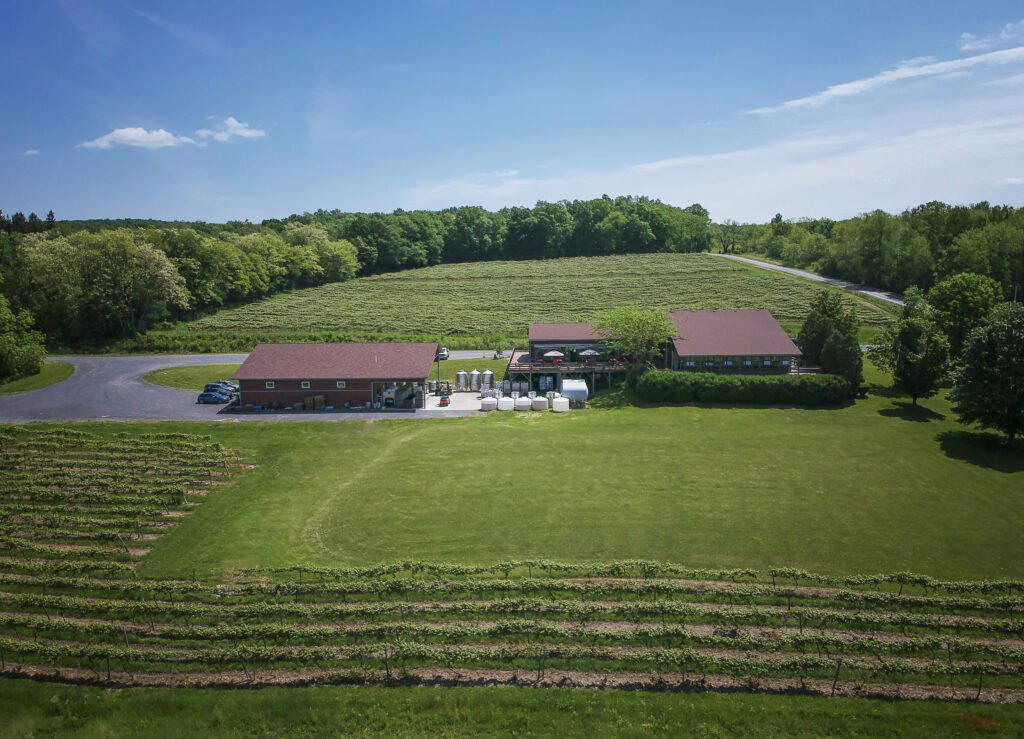
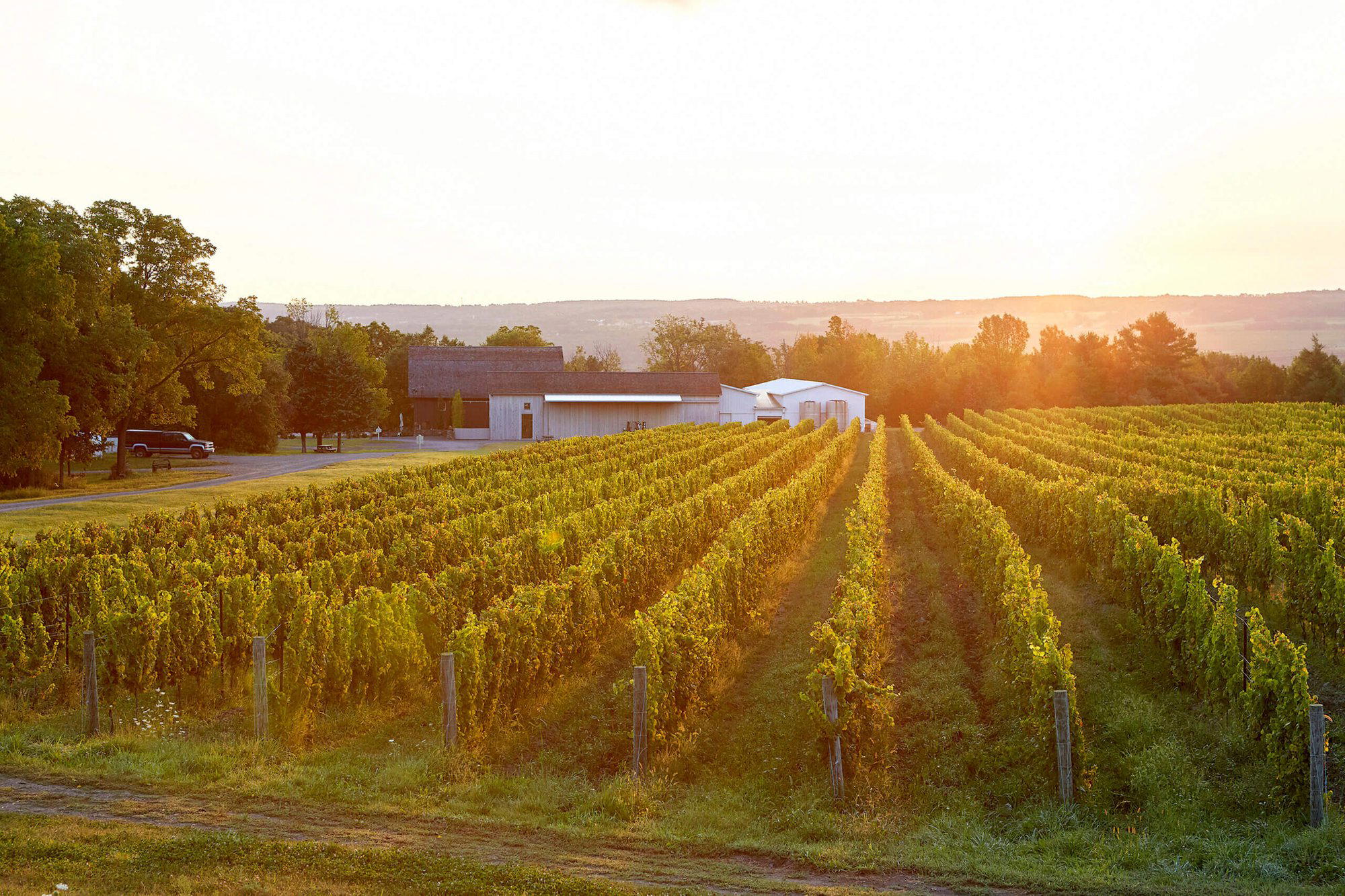
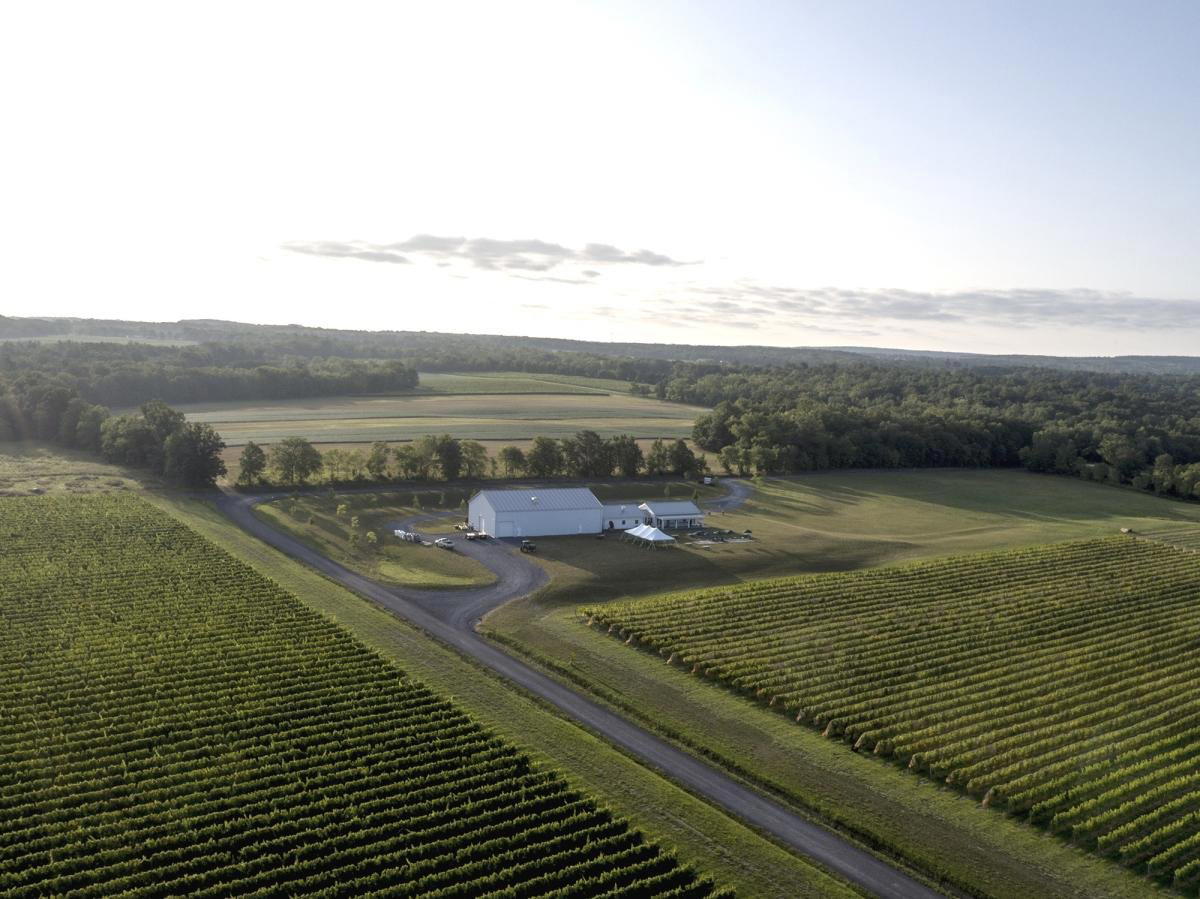
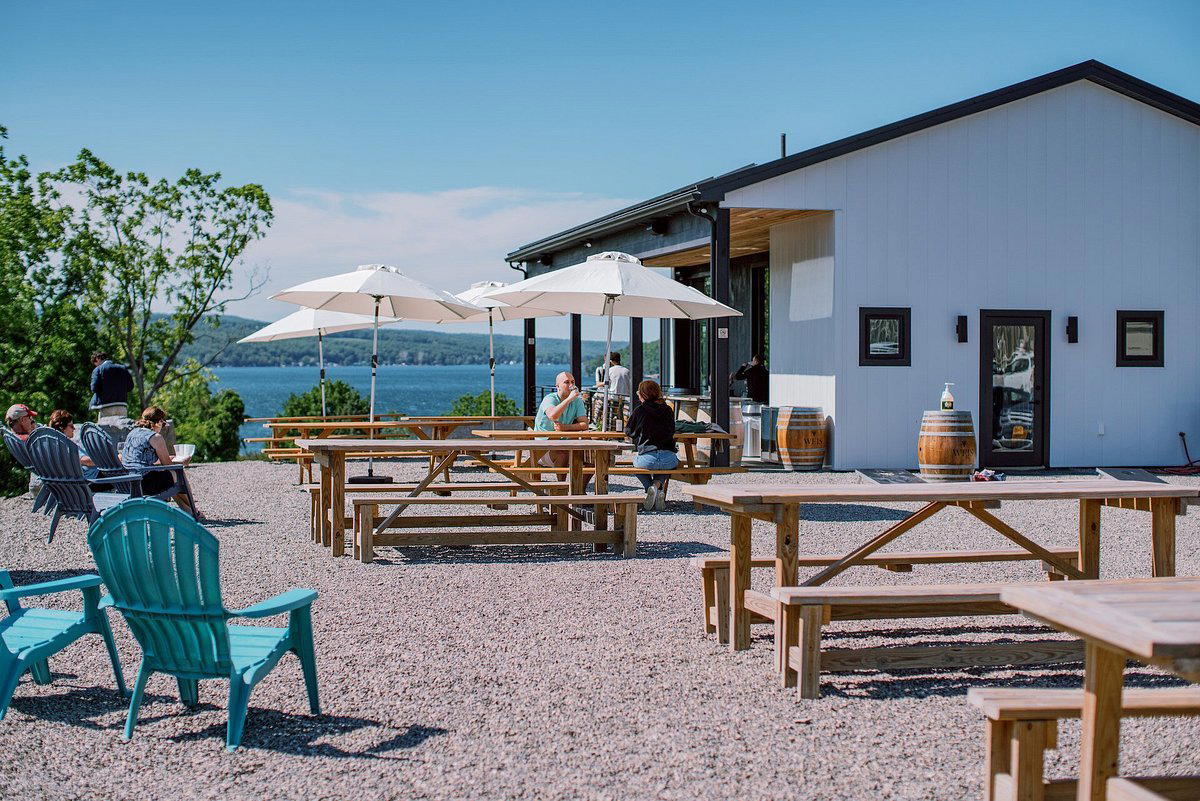
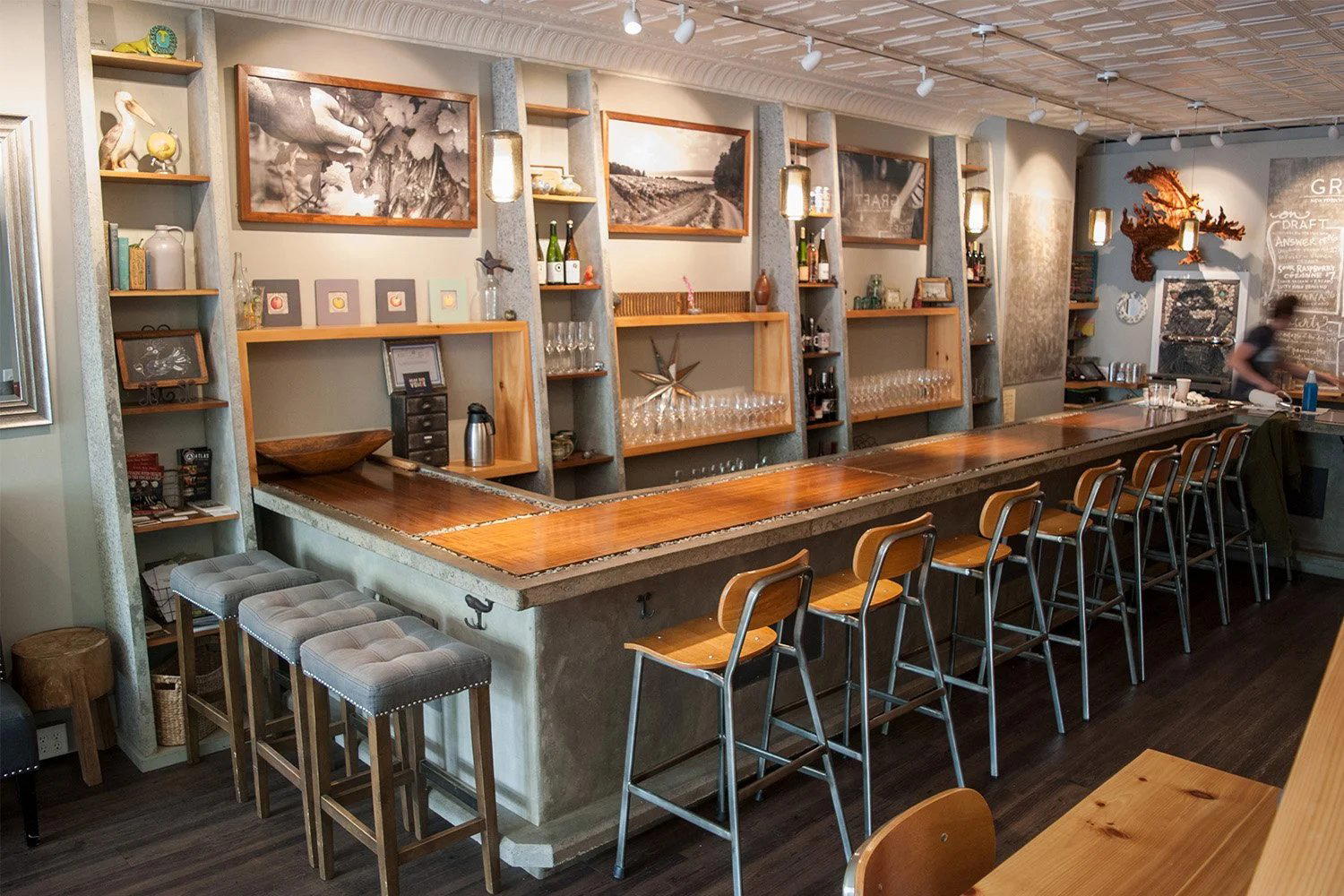
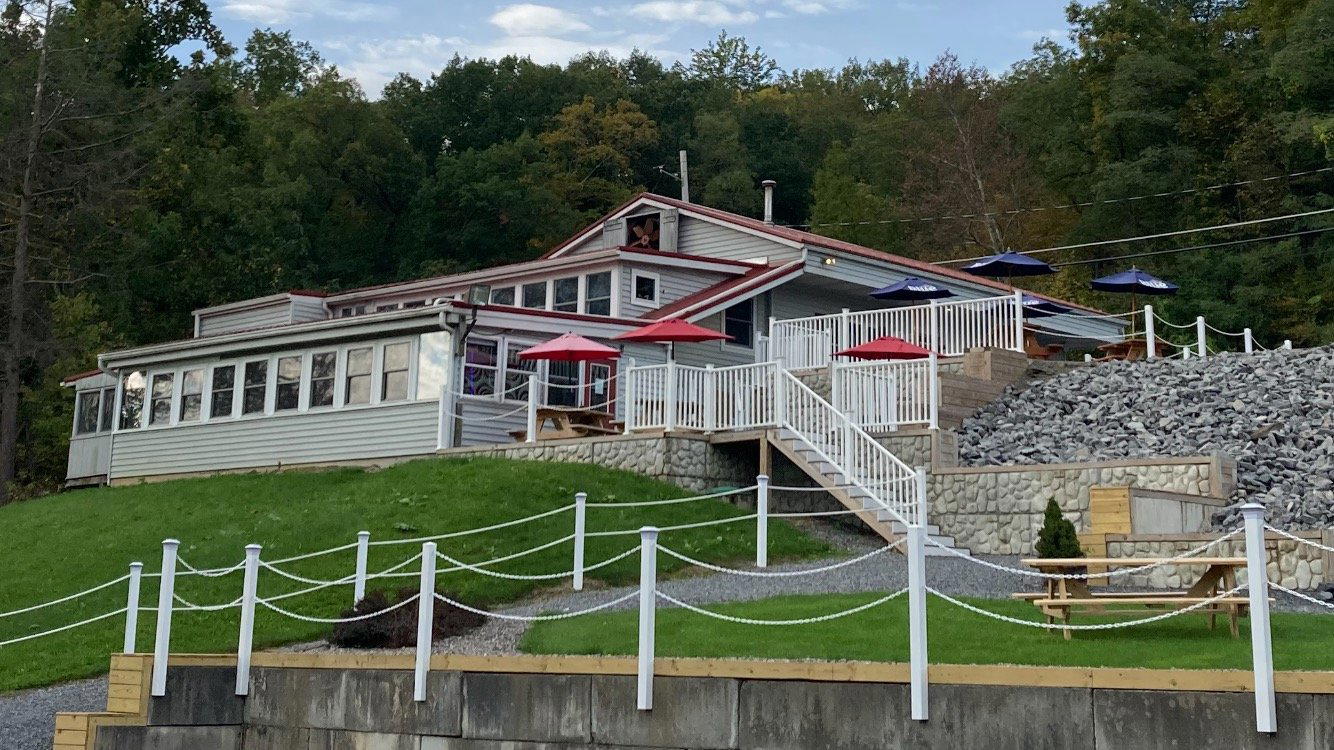
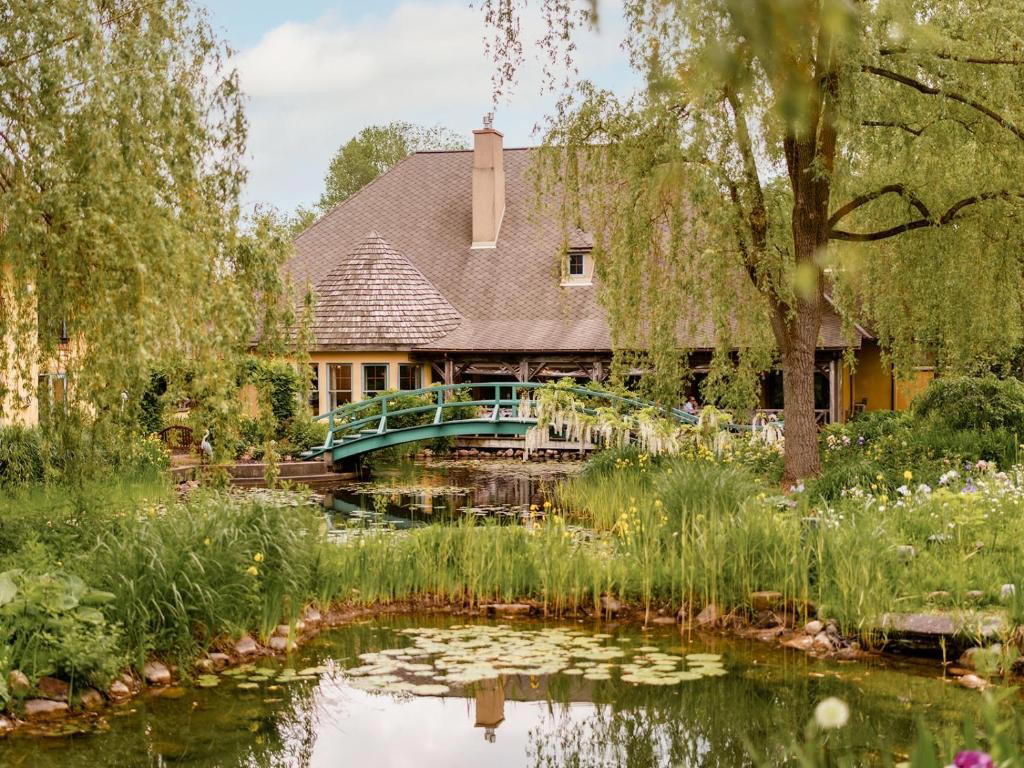
Relaxed and scenic with beautiful lake and vineyard views from the patio and large windows, set in a rustic post-and-beam barn tasting room.