Hermann J. Wiemer Vineyard

Falstaff Winery - Listed
Hermann J. Wiemer Vineyard on New York's Seneca Lake is one of the Finger Lakes' most historically significant Riesling producers. The estate's viticulture philosophy prioritizes minimal intervention and site-driven expression, positioning it alongside America's most serious cool-climate white wine producers. Visitors find a working winery with a low-key tasting experience calibrated toward wine education over spectacle.

Pearl is the En Primeur Club membership app — saves, bookings, and concierge access live there. Same editors, same standards.
- Address
- 3962 NY-14, Dundee, NY 14837
- Phone
- (607) 243-7971
- Website
- wiemer.com
- Directions
- Get directions
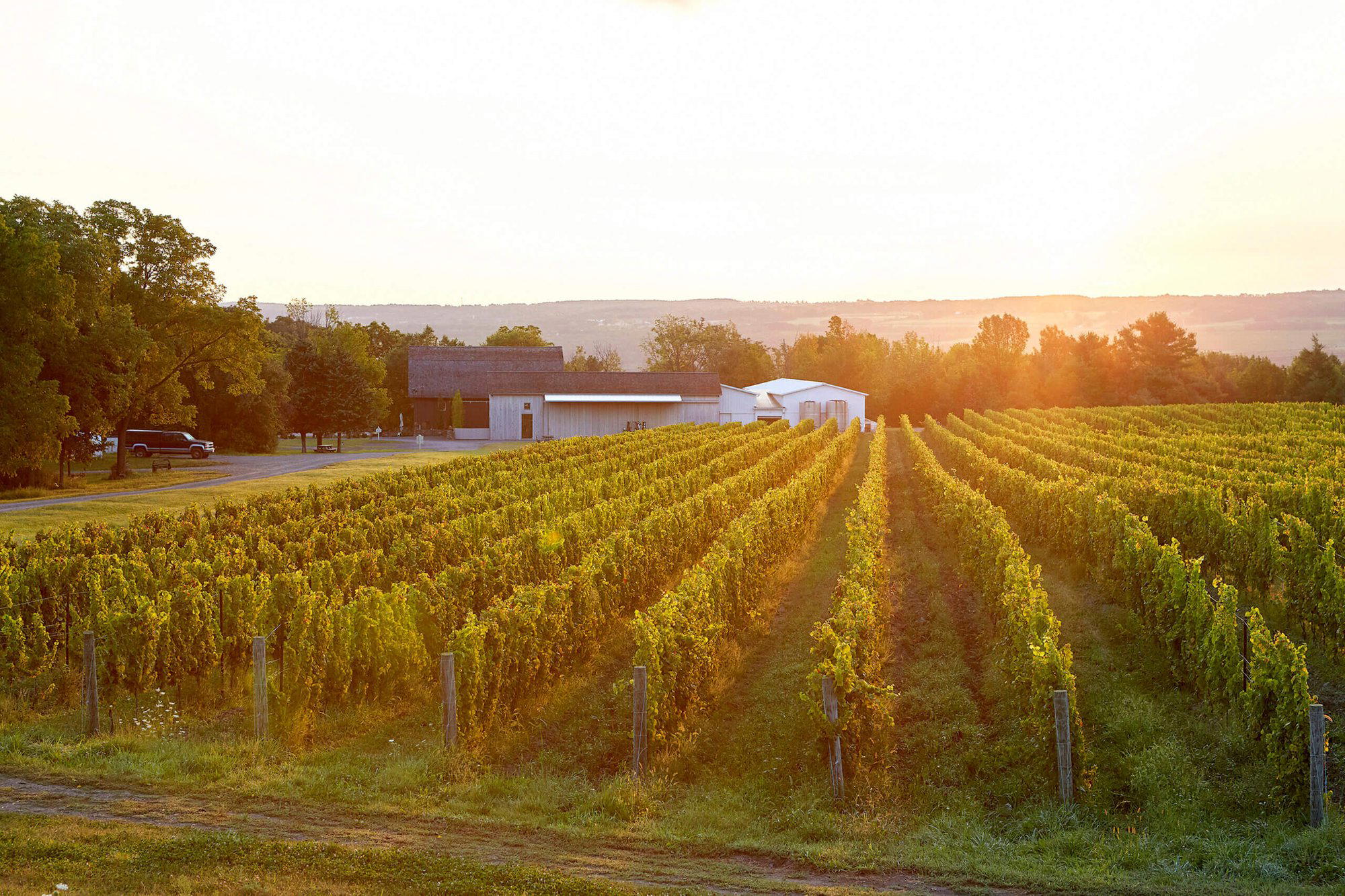
Seneca Lake's Riesling Benchmark
The Finger Lakes wine region occupies a peculiar position in American viticulture: internationally respected by sommeliers and importers, yet underrepresented on premium restaurant lists dominated by California and Oregon. Within that region, a small cohort of estates has spent decades building the case that New York's glacially carved lake valleys can produce Riesling capable of standing against Mosel and Alsatian benchmarks. Hermann J. Wiemer Vineyard, located on New York Route 14 in Dundee along the western shore of Seneca Lake, sits at the top of that cohort.
The address — 3962 NY-14, Dundee — anchors the vineyard to the specific topography that defines Finger Lakes viticulture. Seneca Lake, the deepest of the eleven major Finger Lakes, moderates temperatures across both shoulders of the growing season, allowing varieties that struggle in inland American climates to ripen slowly and develop the acidity structures that make them age-worthy. That moderating effect is not theoretical. It is the reason cool-climate viticulture in this region produces Rieslings with tension and mineral clarity rather than the fruit-forward profiles common in warmer sites further west.
Viticulture First: Why Farming Philosophy Shapes the Wine
American wine's sustainability conversation has sharpened considerably over the past decade. Where once an organic or low-intervention label functioned primarily as a marketing signal, the more rigorous producers now back those commitments with documented farming practices and site-specific decision-making. In the Finger Lakes, where the humid continental climate creates real disease pressure, farming with minimal chemical intervention requires a higher level of viticultural investment than it does in arid California or the rain-shadow conditions of parts of the Pacific Northwest.
Hermann J. Wiemer Vineyard operates within that demanding context. The estate's long-standing emphasis on careful canopy management, site selection, and low-yield viticulture is consistent with the philosophy that the quality of a wine is determined in the vineyard before any winemaking decision is made. This approach separates the Finger Lakes' most serious estates from the region's more production-oriented wineries. When a cool, wet growing season reduces yields further or delays harvest, estates with deep viticultural discipline tend to adapt without sacrificing wine quality. Those that depend on cellar intervention to correct deficiencies face compounding problems.
The comparison with producers in other premium American cool-climate regions is instructive. In the Willamette Valley, estates like Bergstrom Wines and Adelsheim Vineyard in Newberg have built reputations on farming discipline and site-differentiated wines. In Paso Robles, Adelaida Vineyards applies a similar commitment to farming integrity in a very different climate. What connects these producers across geography is the conviction that sustainable, site-attentive viticulture produces wines with a legible sense of place, a quality increasingly valued by both collectors and the trade.
Riesling as the Regional Argument
The Finger Lakes' strongest argument for international relevance rests almost entirely on Riesling. Gewürztraminer, Grüner Veltliner, and Cabernet Franc have shown promise in select sites, but no variety makes the regional case as consistently as Riesling, and no estate has made that case longer or more insistently than Hermann J. Wiemer Vineyard. The winery's history with the variety stretches back to the estate's founding, and its continued focus on Riesling across multiple style categories, from dry to late-harvest, reflects a depth of commitment that newer regional producers are still developing.
In practical terms, this means the estate's range spans wines that express different points on the ripeness and residual sugar spectrum, allowing visitors and buyers to understand Riesling's stylistic range rather than encountering it as a single monolithic category. That educational dimension matters in a market where consumer familiarity with Riesling's versatility lags behind its critical reputation. At Hermann J. Wiemer, the wines do pedagogical work without being simplified for a casual audience.
For context on how the Finger Lakes fits within broader American Riesling production, it is worth noting that most celebrated domestic Riesling comes from either the Finger Lakes or Washington State's Columbia Valley, with Oregon's cool-climate producers focusing predominantly on Pinot Noir and, to a lesser extent, Chardonnay. Estates like Erath Winery, Domaine Roy & Fils, and The Four Graces represent the Willamette Valley's Pinot-centric identity. The Finger Lakes operates in a different register entirely, and Wiemer remains its most recognizable international point of reference.
The Tasting Experience: Low-Key, Wine-Focused
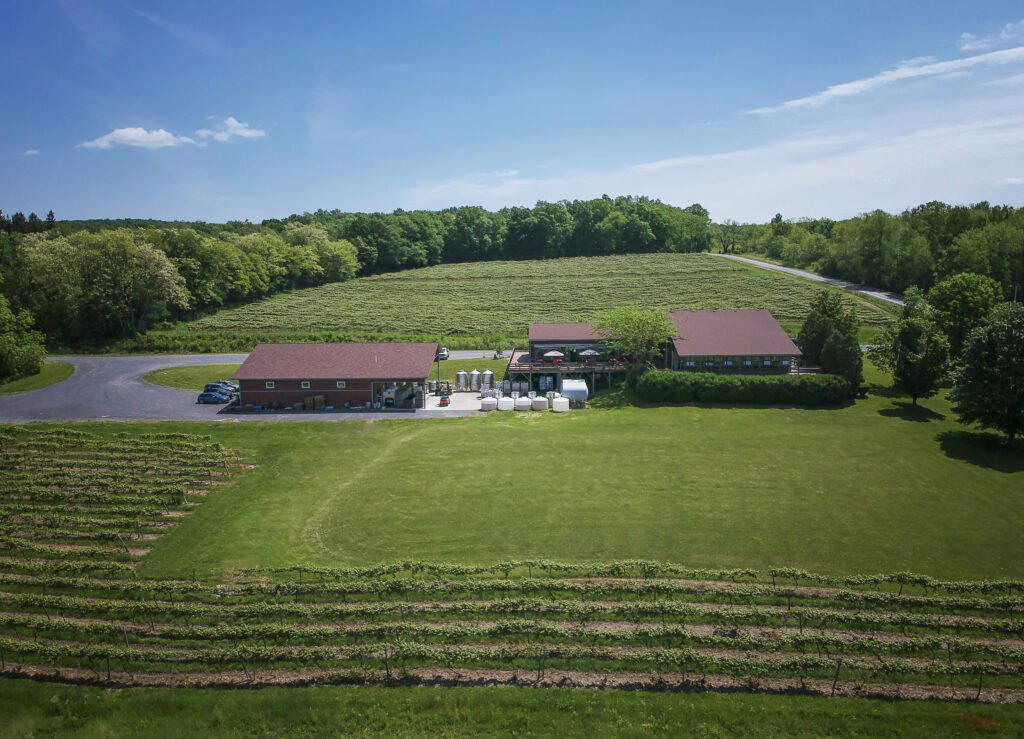
The tasting environment at Hermann J. Wiemer is calibrated toward the wines, not toward the performative aspects of the modern winery visit. There is no immersive architecture, no curated lifestyle retail, and no farm-to-table dining experience designed to extend dwell time and revenue per visitor. What the winery offers is serious access to a serious range of wines, served in a setting that communicates the working reality of a family-scale estate focused on its vineyards and cellar.
That positioning reflects a broader split in how premium American wineries approach the visitor experience. At one end, estates invest heavily in hospitality infrastructure, design hotels, tasting pavilions, guided experiences with significant per-head fees. At the other, producers like Hermann J. Wiemer prioritize the wine conversation itself. In Napa, the contrast is visible between estates like Accendo Cellars in St. Helena and Alpha Omega Winery in Rutherford, which take markedly different approaches to the hospitality equation. Hermann J. Wiemer sits firmly on the substance-over-spectacle end of that spectrum, which makes it a better fit for visitors who arrive with genuine curiosity about Riesling and Finger Lakes viticulture than for those seeking a polished lifestyle afternoon.
For those planning a broader Finger Lakes itinerary, the winery sits within a region that rewards sequential tasting across multiple estates. The Seneca Lake wine trail and nearby properties offer enough variety that a focused two-day visit can cover the region's range without redundancy. Visitors coming from outside the state should factor in travel logistics: the nearest major airport is either Rochester or Syracuse, both roughly an hour to ninety minutes from the Dundee corridor. The season is most active from late spring through October, though the cellar remains operational year-round.
Where It Sits in the American Wine Conversation
That peer group spans multiple regions: in California's Santa Barbara County, Andrew Murray Vineyards in Los Olivos and Alban Vineyards in Arroyo Grande bring different variety focuses to a similar quality-commitment framework. In Alexander Valley, Alexander Valley Vineyards in Geyserville represents a different appellation context with its own regional specificity. In Willamette, Argyle Vineyards anchors the sparkling and Pinot program of that region's premium tier.
The Finger Lakes remains a region where critical recognition has not yet translated into broad consumer demand, which means access to the estate's wines, whether through the tasting room or through allocations, remains more direct than at comparably rated producers in oversubscribed California appellations. That gap between quality recognition and market pressure is unlikely to persist indefinitely, particularly as Riesling's profile among American consumers continues to rise.
For a full picture of the Dundee wine area and how to plan around it, see our full Dundee restaurants guide. Additional international context is available through comparisons with European heritage producers like Aberlour and Achaia Clauss in Patras, which illustrate how long-established wine estates build and maintain identity across generations.
Awards and Standing
Comparable venues nearby, for context on price, style, and recognition.
| Venue | Cuisine | Price | Awards | Notes |
|---|---|---|---|---|
| Hermann J. Wiemer VineyardThis venue — the venue you are viewing | Riesling, Chardonnay | Not listed | Falstaff Winery - Listed | Not listed |
| Weis Vineyards | Riesling, Gewurztraminer | $10–20 | Not listed | Hammondsport |
| Chateau Lafayette Reneau | Riesling, Chardonnay | Not listed | Not listed | Hector |
| Red Hook Barrel Yard | : New York State | Not listed | Not listed | Red Hook |
| Catskill Provisions Distillery | Catskill Mountains | Not listed | Not listed | Callicoon |
| St. Lawrence Spirits | Thousand Islands | Not listed | Not listed | Clayton |
Recognition history
Dated appearances from independent guides and award organizations, with the underlying list record or original source where available.
Falstaff Winery - Listed
Falstaff
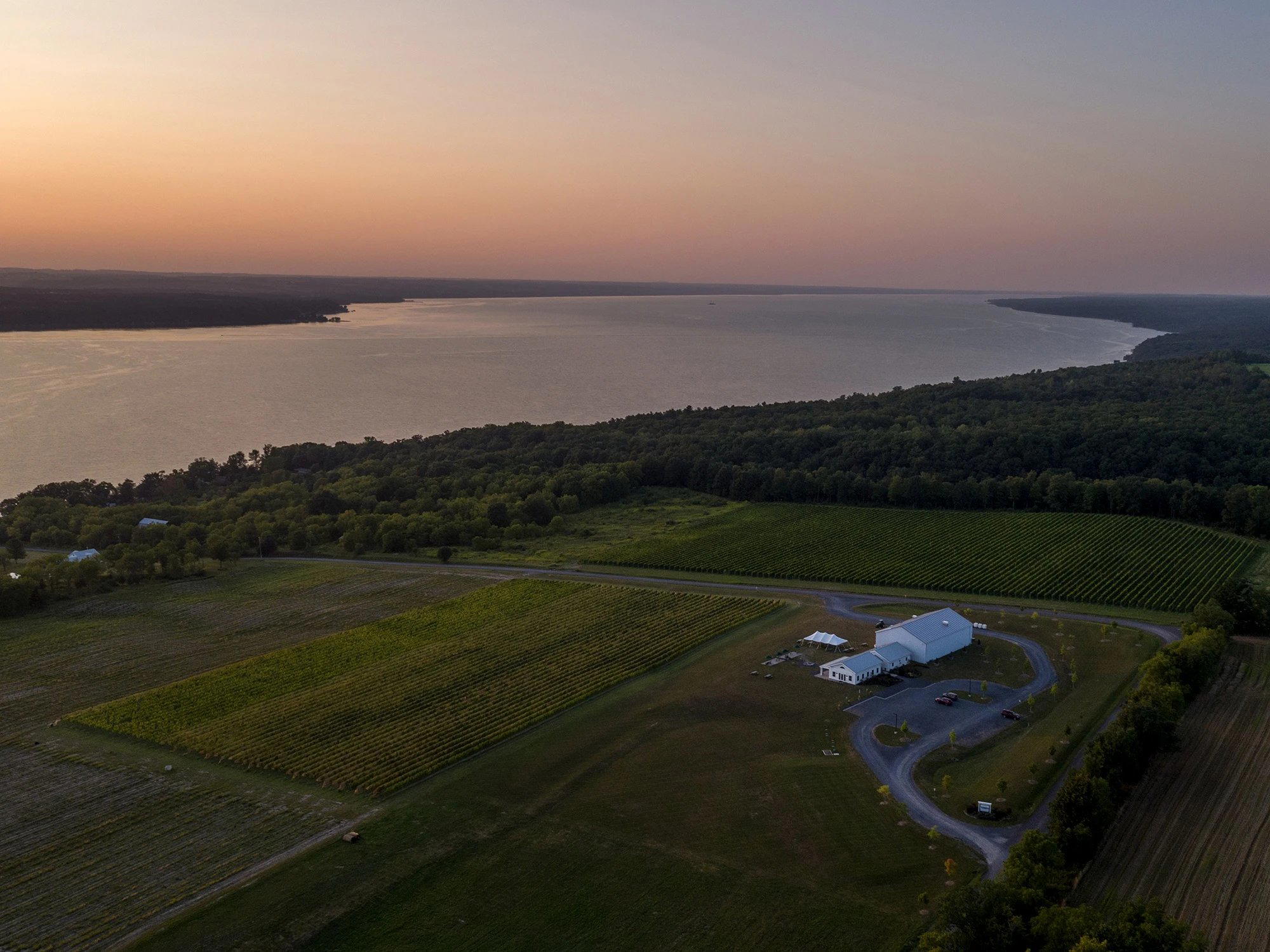
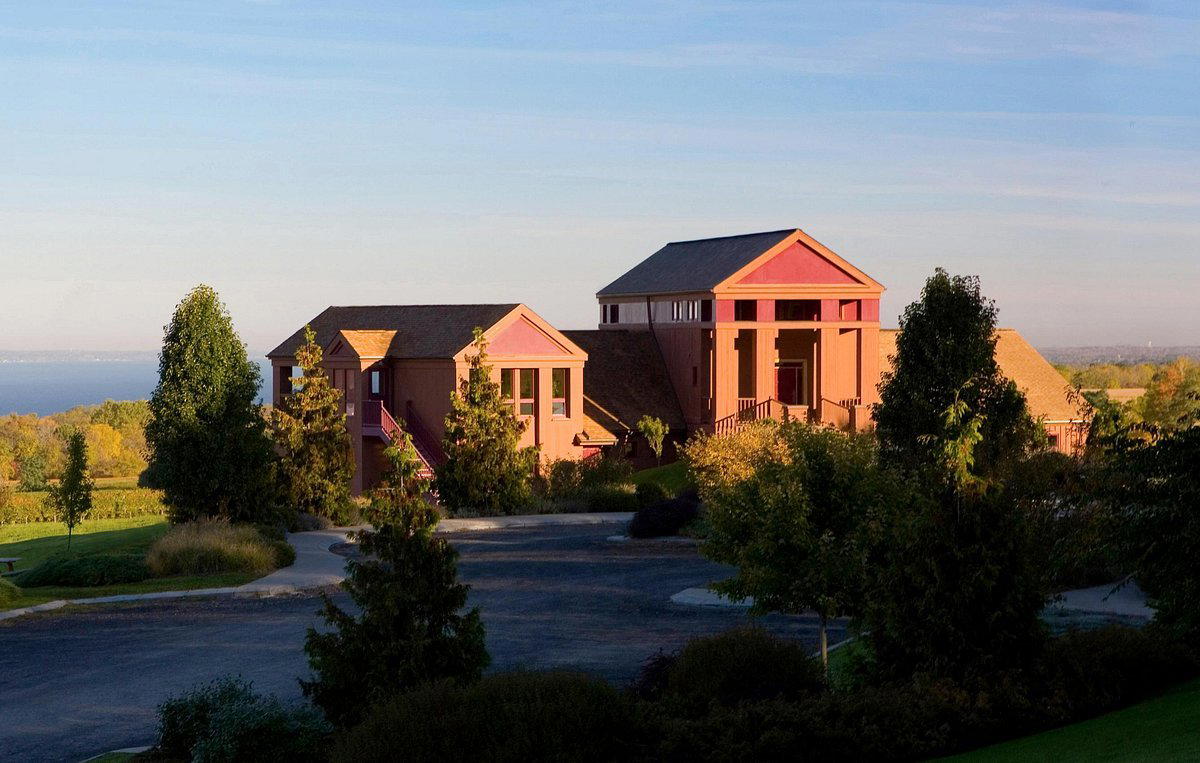
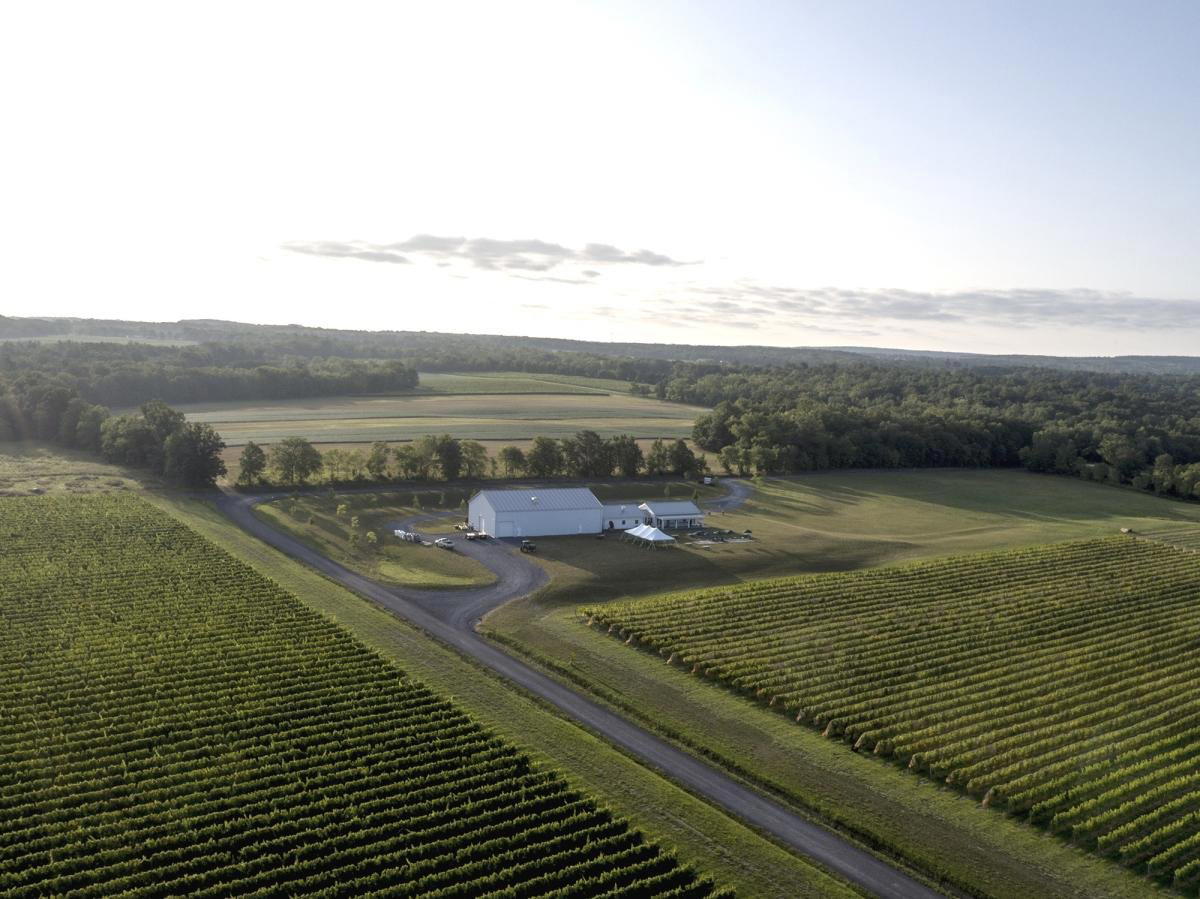
Details
- Scenic
- Elegant
- Classic
- Romantic
- Romantic Getaway
- Wine Education
- Celebration
- Group Outing
- Vineyard Tour
- Estate Grounds
- Panoramic View
- Private Tasting
- Barrel Room
- Biodynamic
- Organic
- Sustainable
- Vineyard
- Waterfront
- Riesling
- Chardonnay
- Gewürztraminer
- Pinot Noir
- Cabernet Franc
- Sparkling Wine
- Still White
- Still Red
- Sparkling
- Dessert
- Build Your Own Flight
- Private Tasting
- Library Tasting
- English
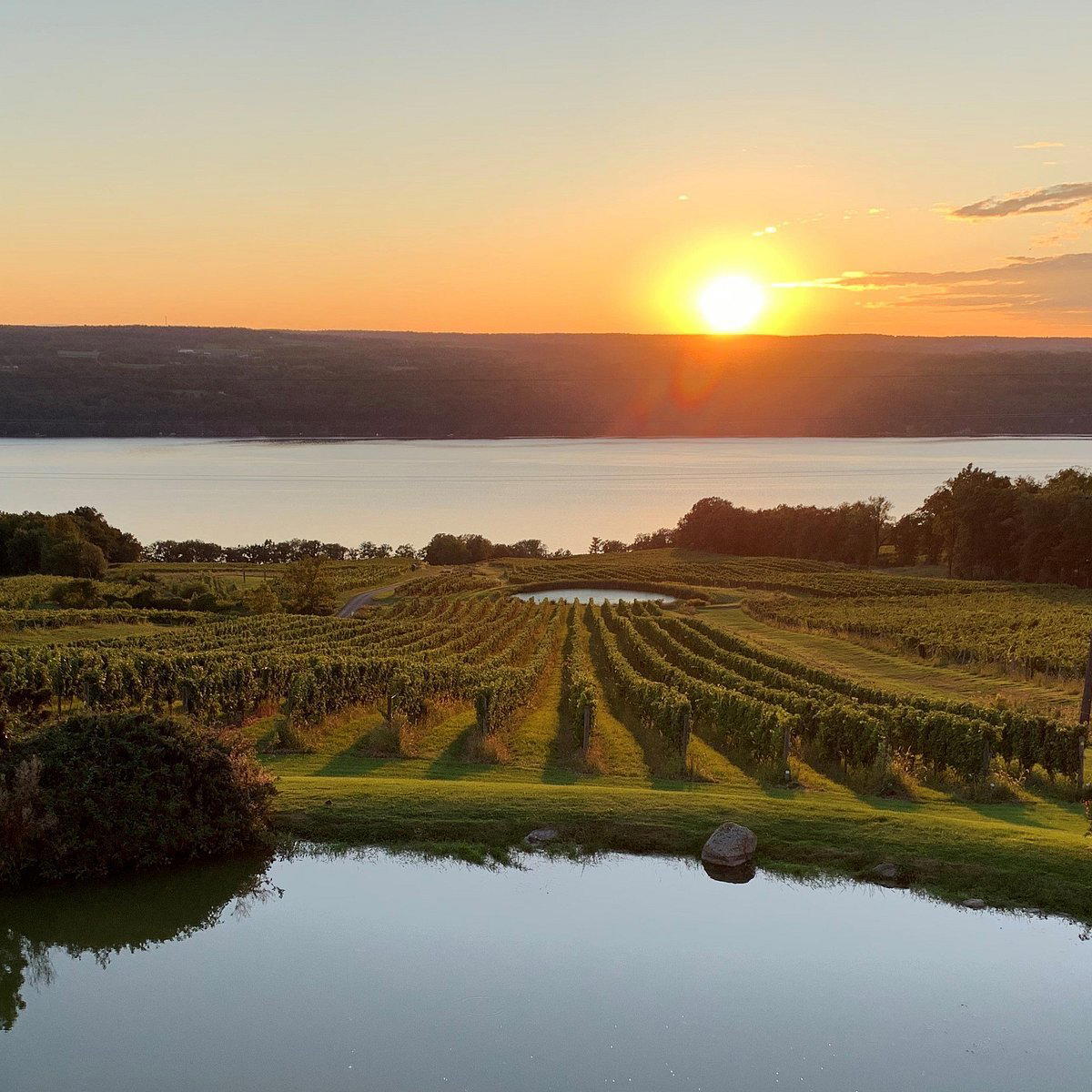
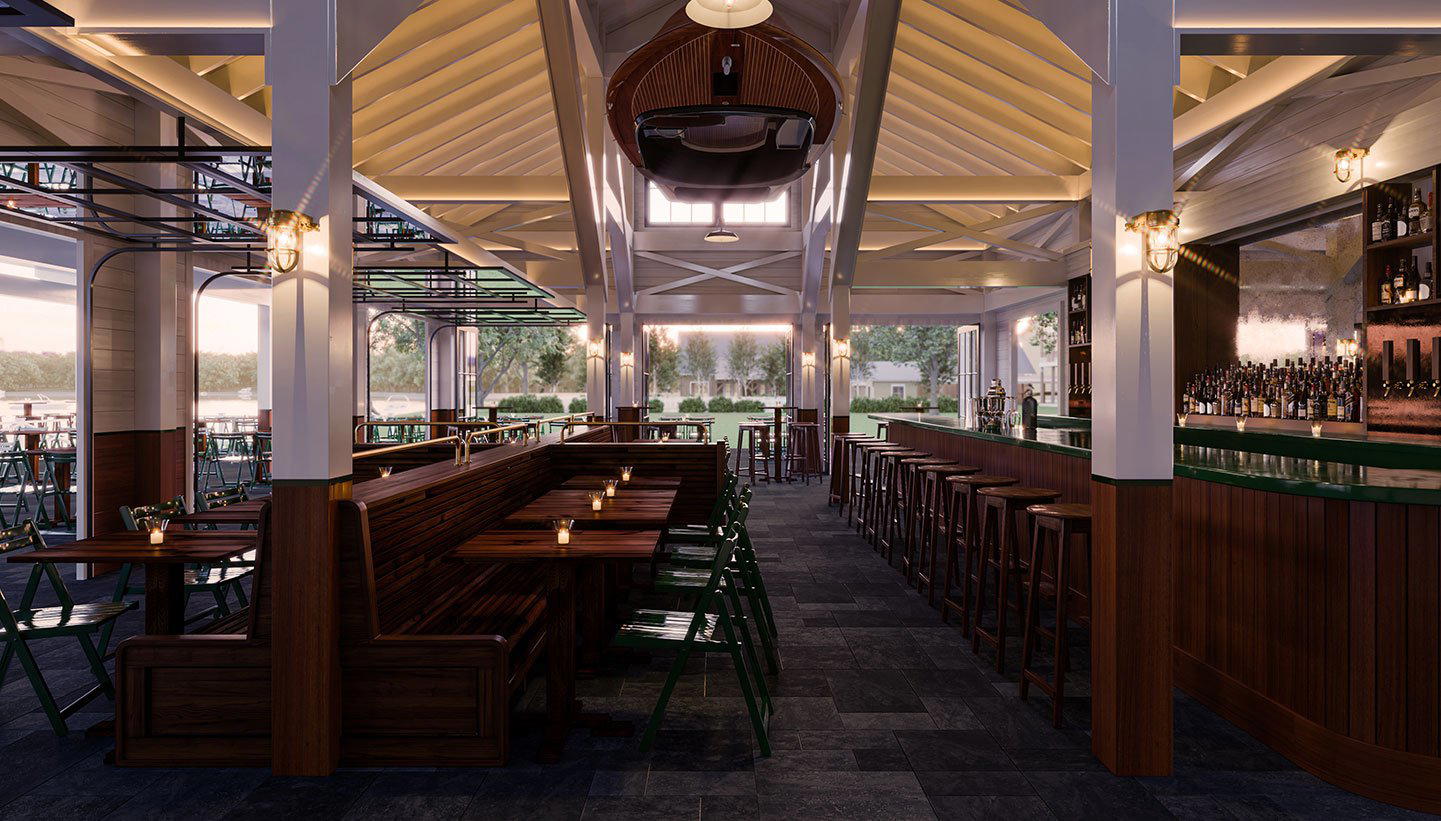
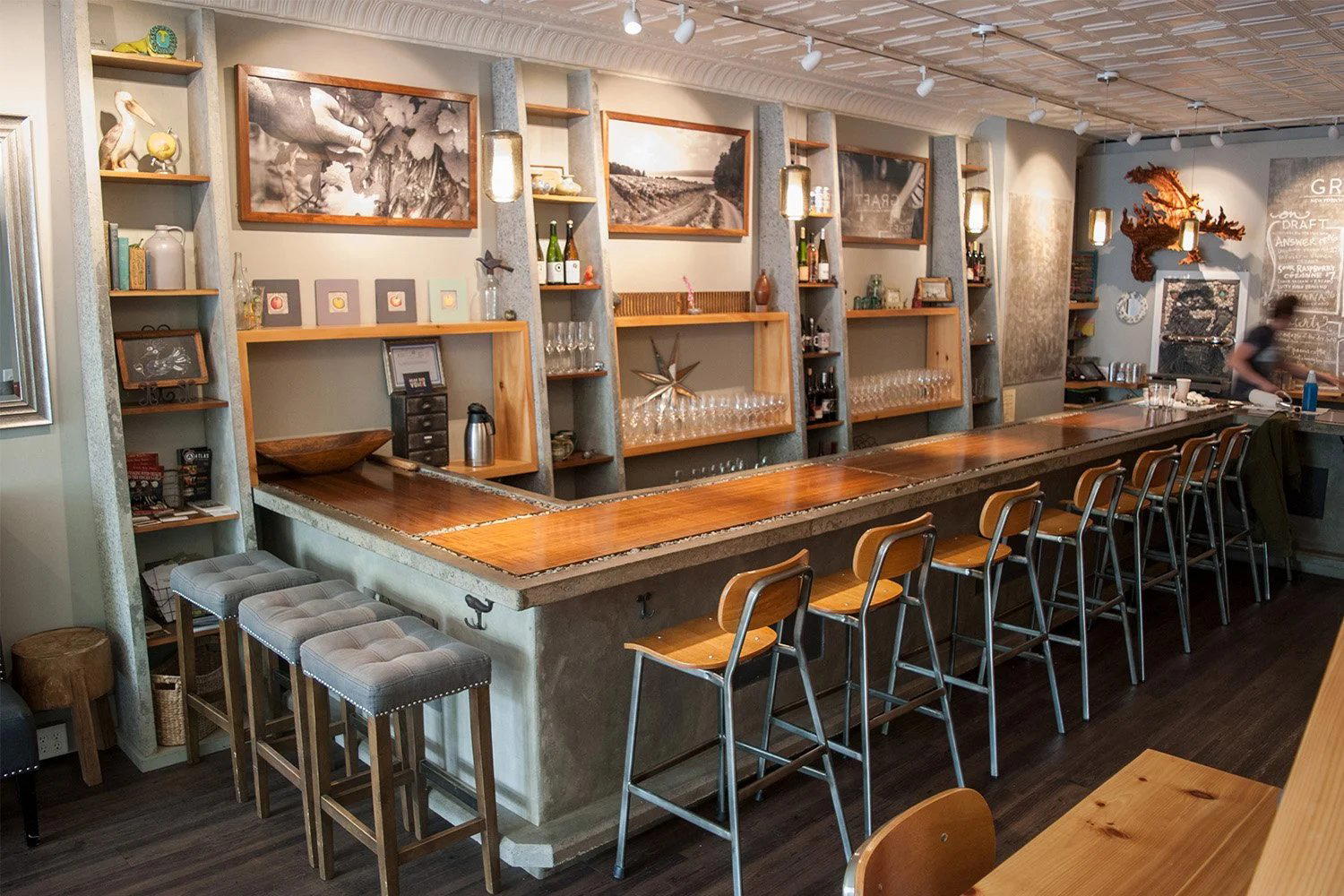
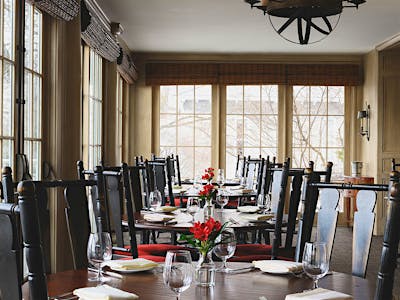
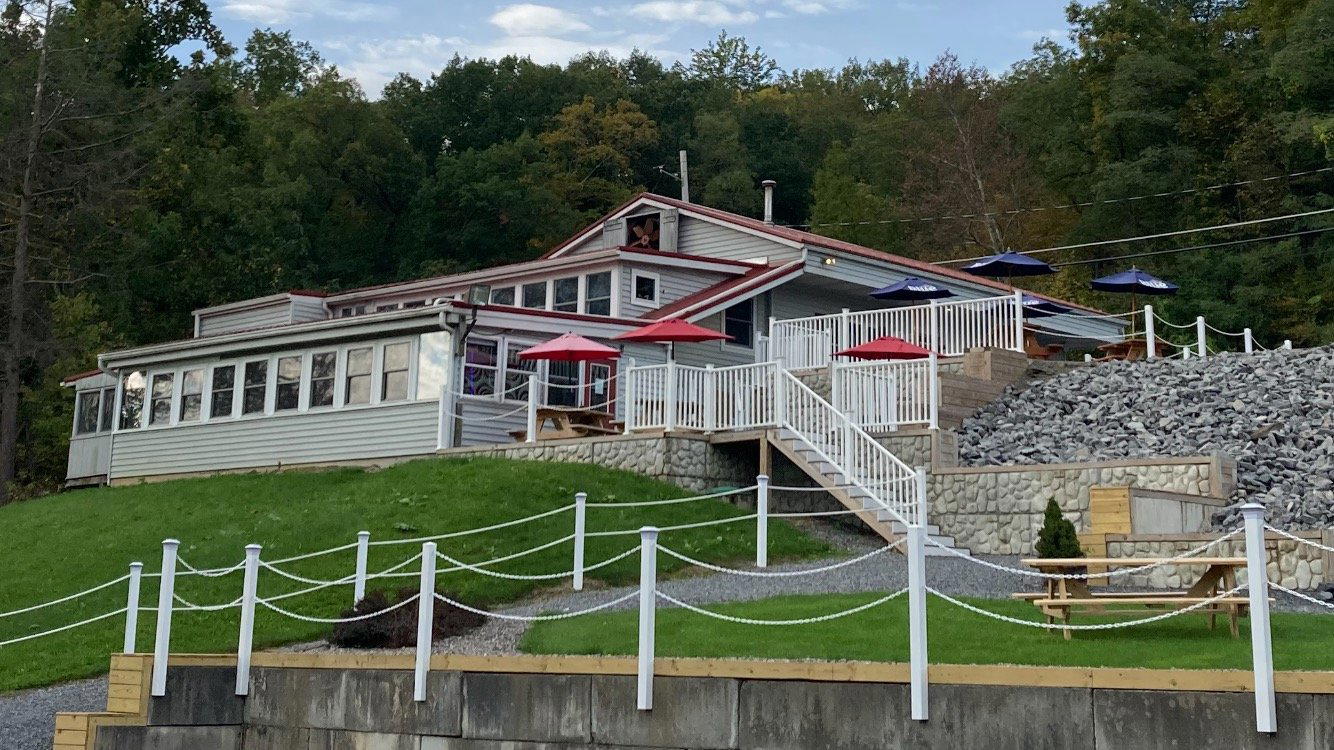
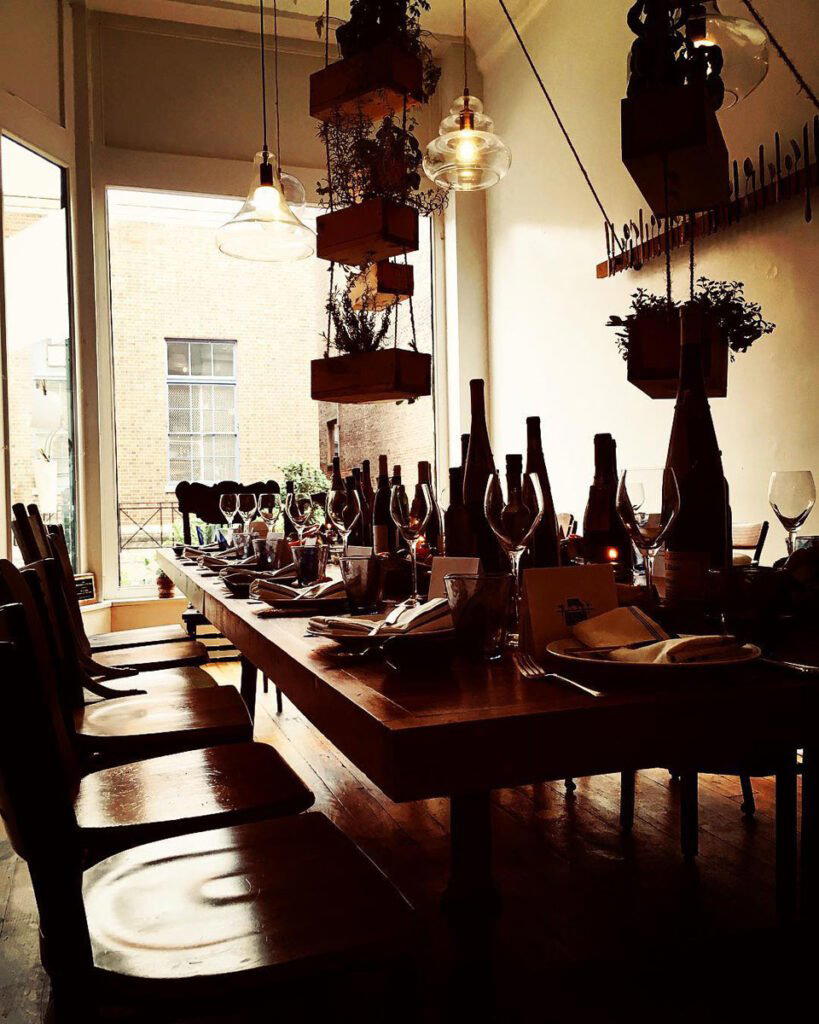
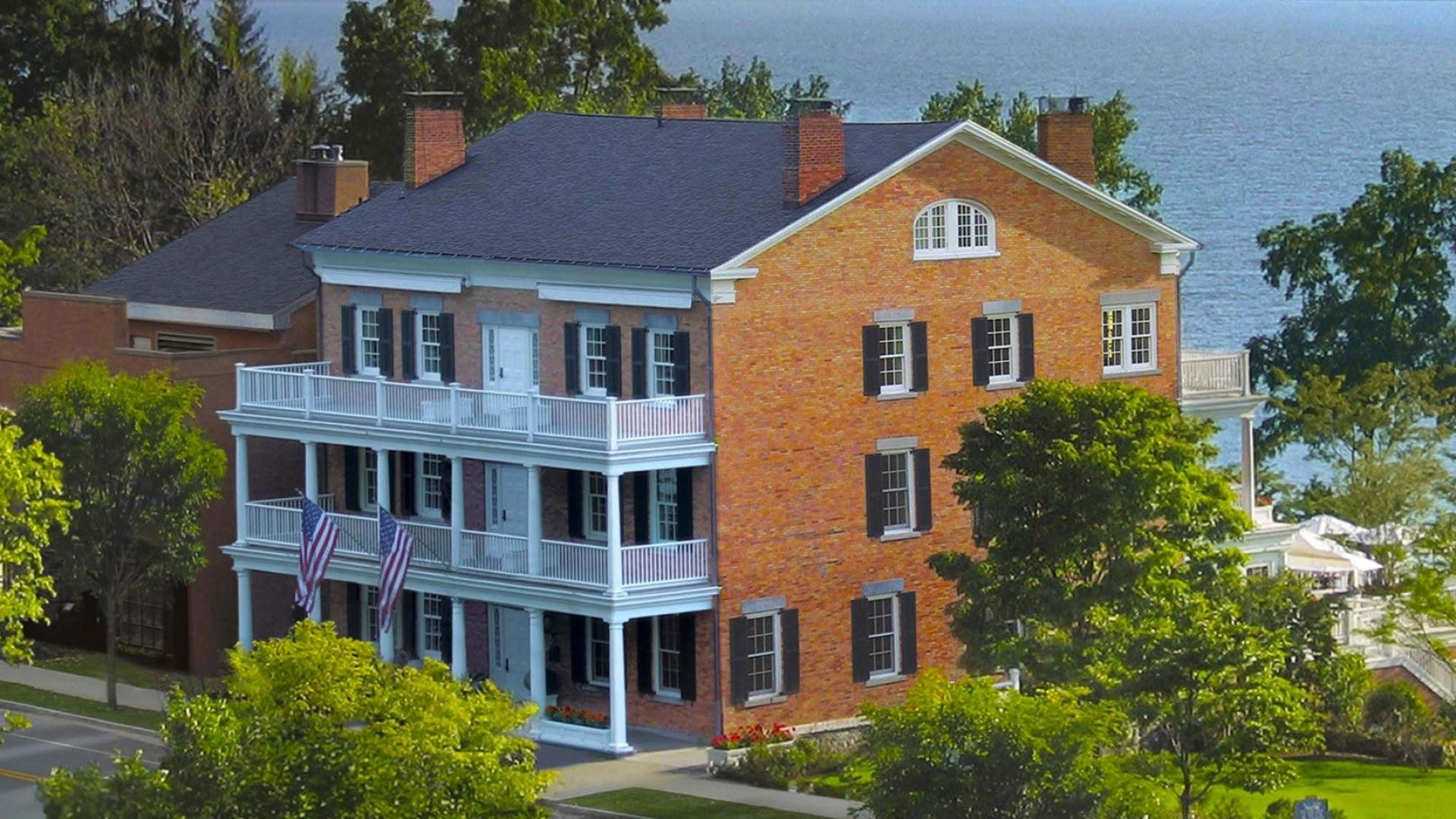
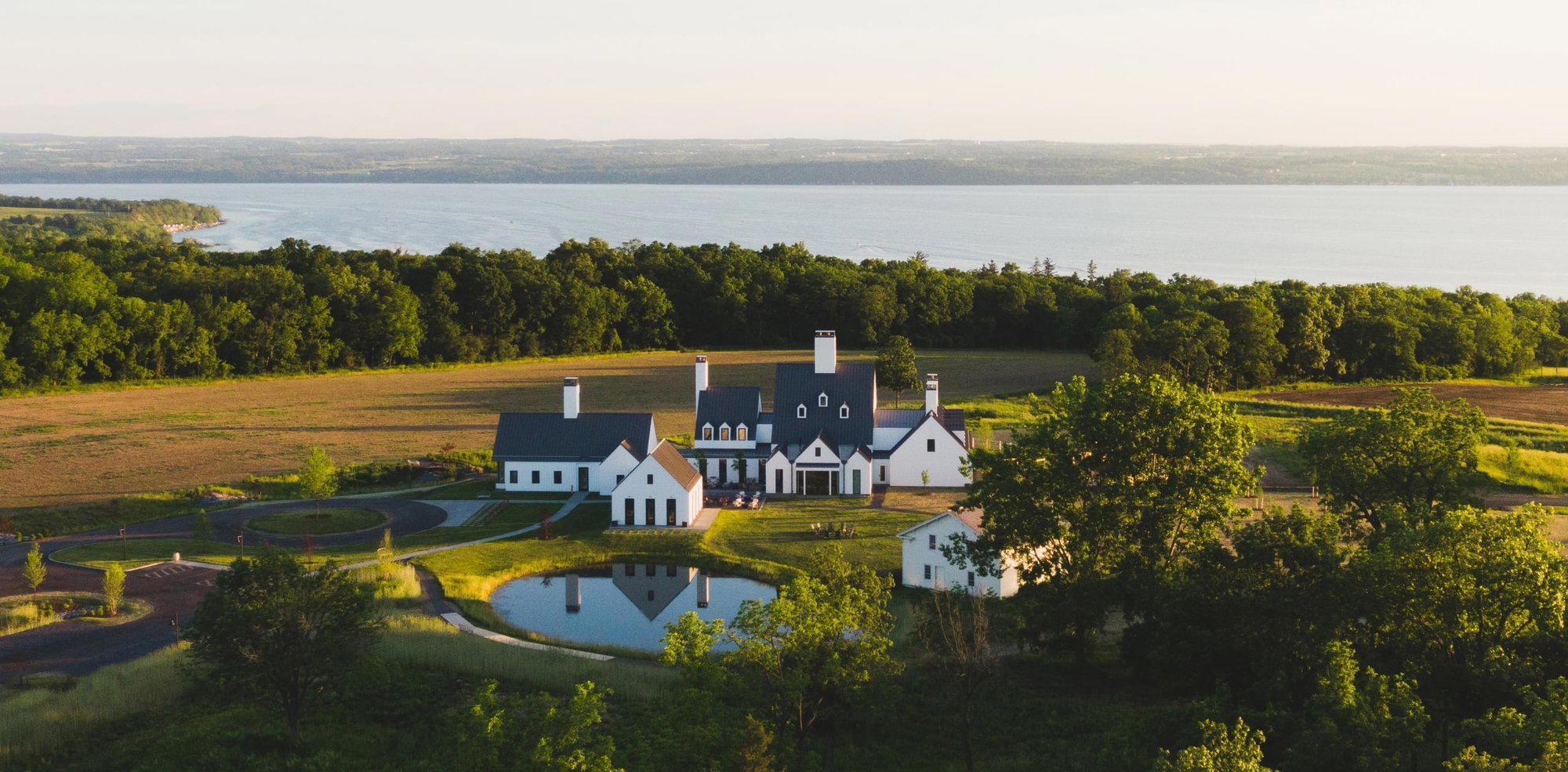
Serene and expansive with far-reaching views of Seneca Lake and vineyard fields; relaxing tasting room with separate tables and welcoming hospitality from knowledgeable staff.