Azienda Agricola San Donatino

Falstaff Winery - Listed
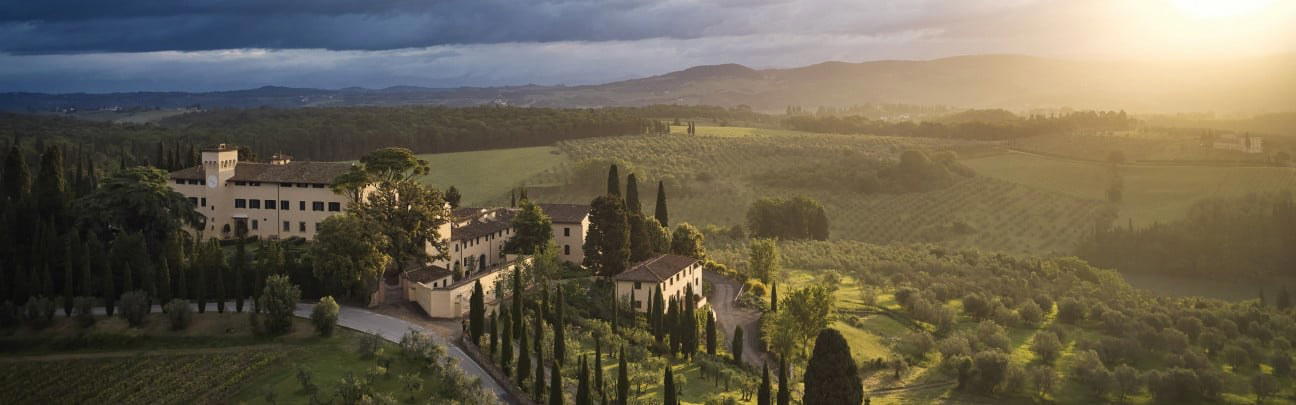
Azienda Agricola San Donatino is a family-run Chianti Classico estate in Castellina in Chianti, shaped by organic farming, estate-grown fruit, and a natural-wine cellar practice. Its 16 hectares range from 250 to 420 metres, giving the wines a clear terrain story rather than a polished export-house profile.

Pearl is the En Primeur Club membership app, where members save venues, book tables and use the concierge.
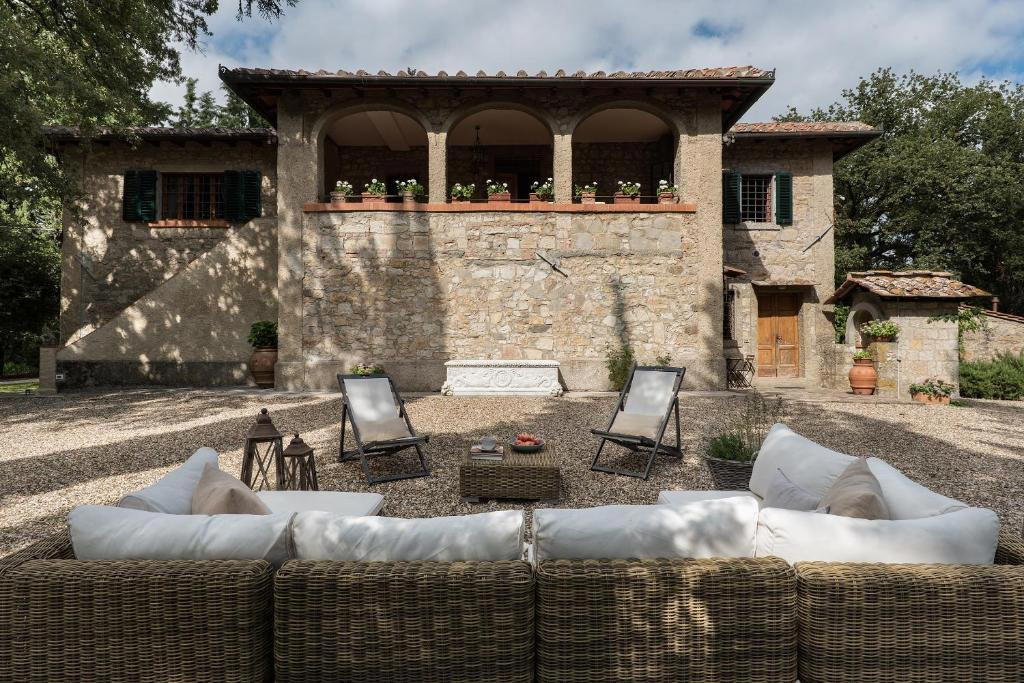
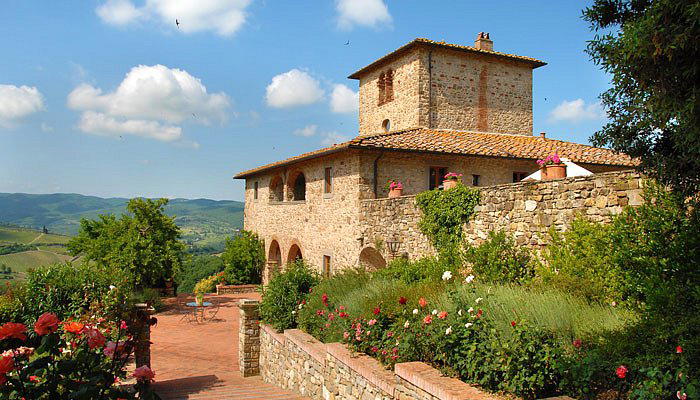
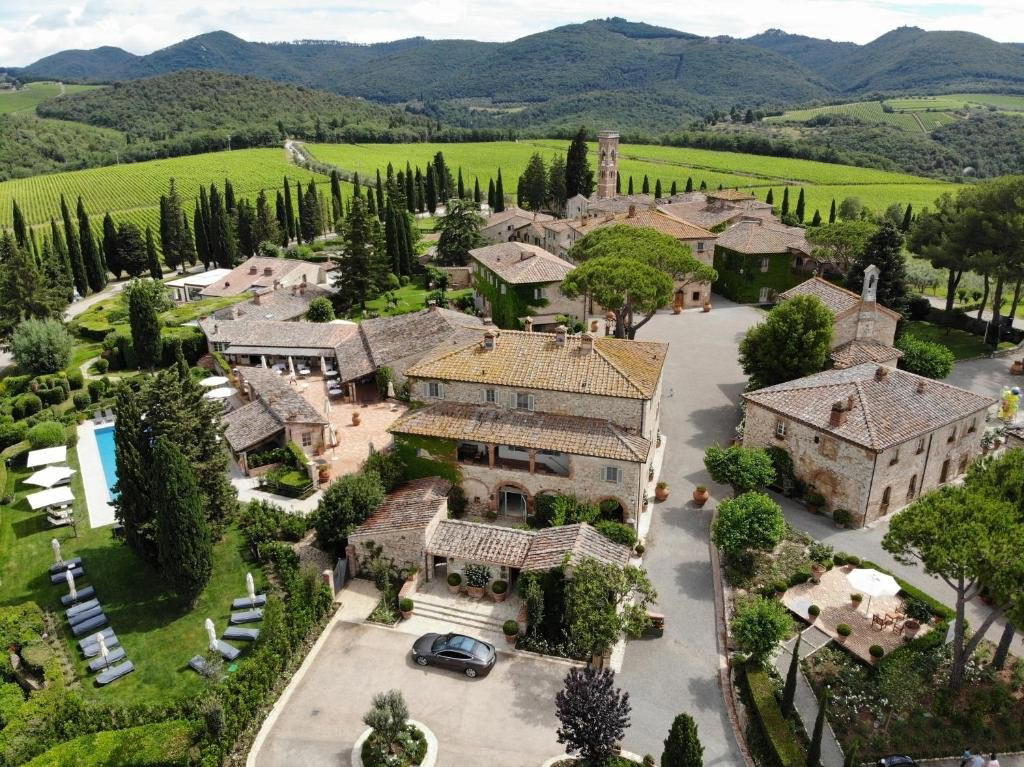
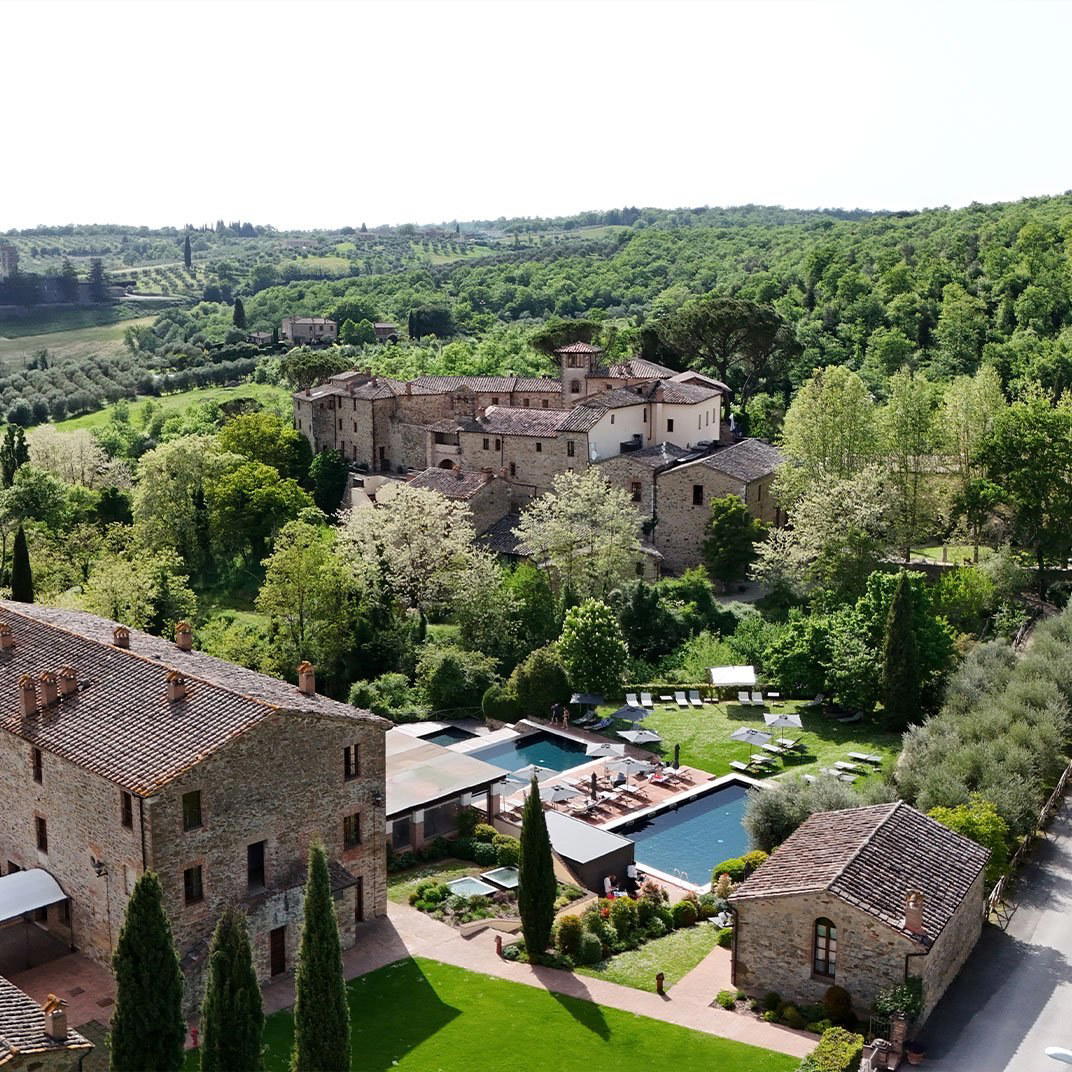
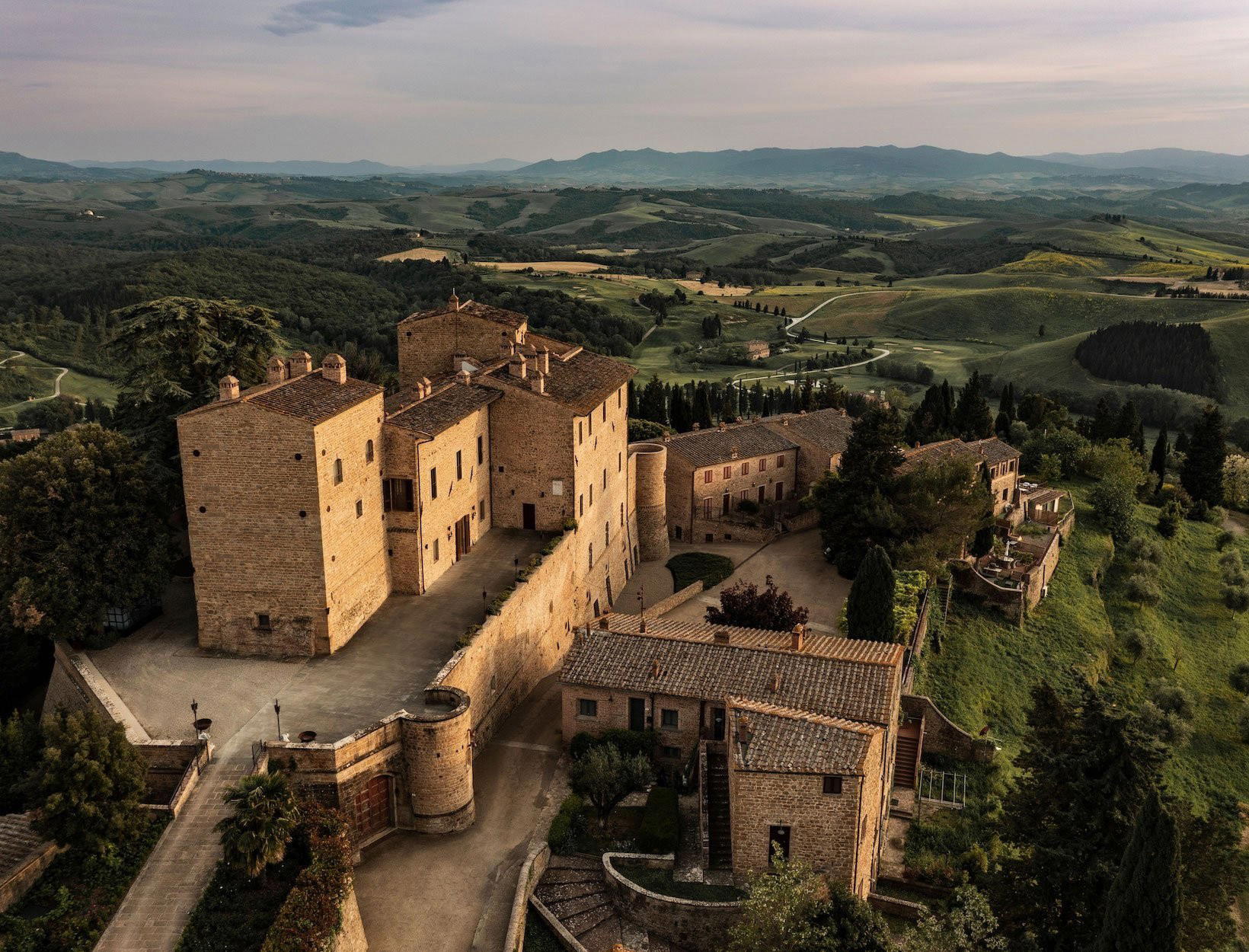
Approaching wine in Castellina in Chianti means reading the hills before reading the label. Elevation, exposure and soil decide the tone of Sangiovese here, and Azienda Agricola San Donatino belongs to the quieter side of that conversation: rustic, rural, and more interested in vineyard difference than cellar gloss. The estate sits in the Chianti Classico orbit with views toward the Val d’Elsa, and its agricultural identity matters as much as its hospitality. This is not the manicured tasting-room model built around spectacle; it is closer to the farm-winery tradition, where olive oil, rooms, apartments and wine production form one working Tuscan property.
The useful way to understand San Donatino is through terroir rather than branding. The estate works 16 hectares of vineyards across three climats, with elevations running from 250 to 420 metres above sea level. In Chianti Classico, that range is not decorative detail. It affects ripening pace, acidity, tannin shape and the balance between the warmth of Tuscany and the freshness that Sangiovese needs. Clay, limestone and sand give the vineyard base enough variation to make site expression more than a slogan.
Chianti Classico through an organic, low-intervention lens
Chianti Classico has long been Sangiovese’s serious Tuscan argument: acidity, red-fruit tension, savoury structure and an ability to show place without excessive weight. San Donatino’s position within that tradition is narrower and more specific. Organic farming began in 2012 and certification followed in 2017, placing the estate among producers that treat vineyard practice as the first act of winemaking rather than a sustainability badge added at the end.
The cellar follows the same logic. Fermentations rely on indigenous yeasts, with no temperature control, no additives and low or zero sulphites. That approach carries risk, but it also places vintage variation and site character nearer the front of the glass. In a region where some producers pursue uniformity for export markets, this style asks the drinker to accept movement: different years, different parcels, different degrees of polish.
The grape mix is broader than the Chianti Classico shorthand suggests. Sangiovese anchors the reds, including DOCG Chianti Classico Poggio Ai Mori and its Riserva, both made from 100 percent Sangiovese. The wider vineyard material includes Trebbiano Toscano, Pinot Grigio, Cabernet Sauvignon, Petit Manseng and Malvasia Toscana, supporting white, rosé, orange and sparkling wines alongside the appellation reds. That range matters because natural-wine estates in Tuscany often reveal themselves through their edges, not only through their appellation bottlings.
A family estate with a French artistic thread
Estate’s history adds an unusual cultural layer without needing to dominate the wines. The property was established in 1971 and is tied to Léo Ferré, the French poet and singer whose family connection remains part of San Donatino’s identity. Today Mathieu Ferré manages the estate with Maria Cristina Diaz, keeping the operation firmly in the family-run category rather than the corporate Chianti model.
That lineage is useful context because it explains the estate’s temperament: independent, agricultural, and resistant to over-designed luxury cues. The phrase “natural company” appears around the estate’s own identity, and in practice it points to a closed-farm logic: grapes come from its own land, with no purchased fruit. Minimum soil tillage, grassing, green manure and manual management are part of the farming vocabulary. Harvest work follows Maria Thun’s calendar, connecting the estate with biodynamic-influenced timing even where the main formal credential is organic certification.
For travellers building a Castellina in Chianti wine itinerary, San Donatino fits the small-estate, natural-leaning lane rather than the high-volume cellar-door circuit. Nearby editorial planning can widen the picture through Our full Castellina in Chianti wineries guide, while other local estate pages such as Azienda Agricola Casavecchia alla Piazza, Belguardo, Casale dello Sparviero, Casina di Cornia and Castagnoli help frame the commune’s range without forcing a false head-to-head.
What the tasting format tells you about the place
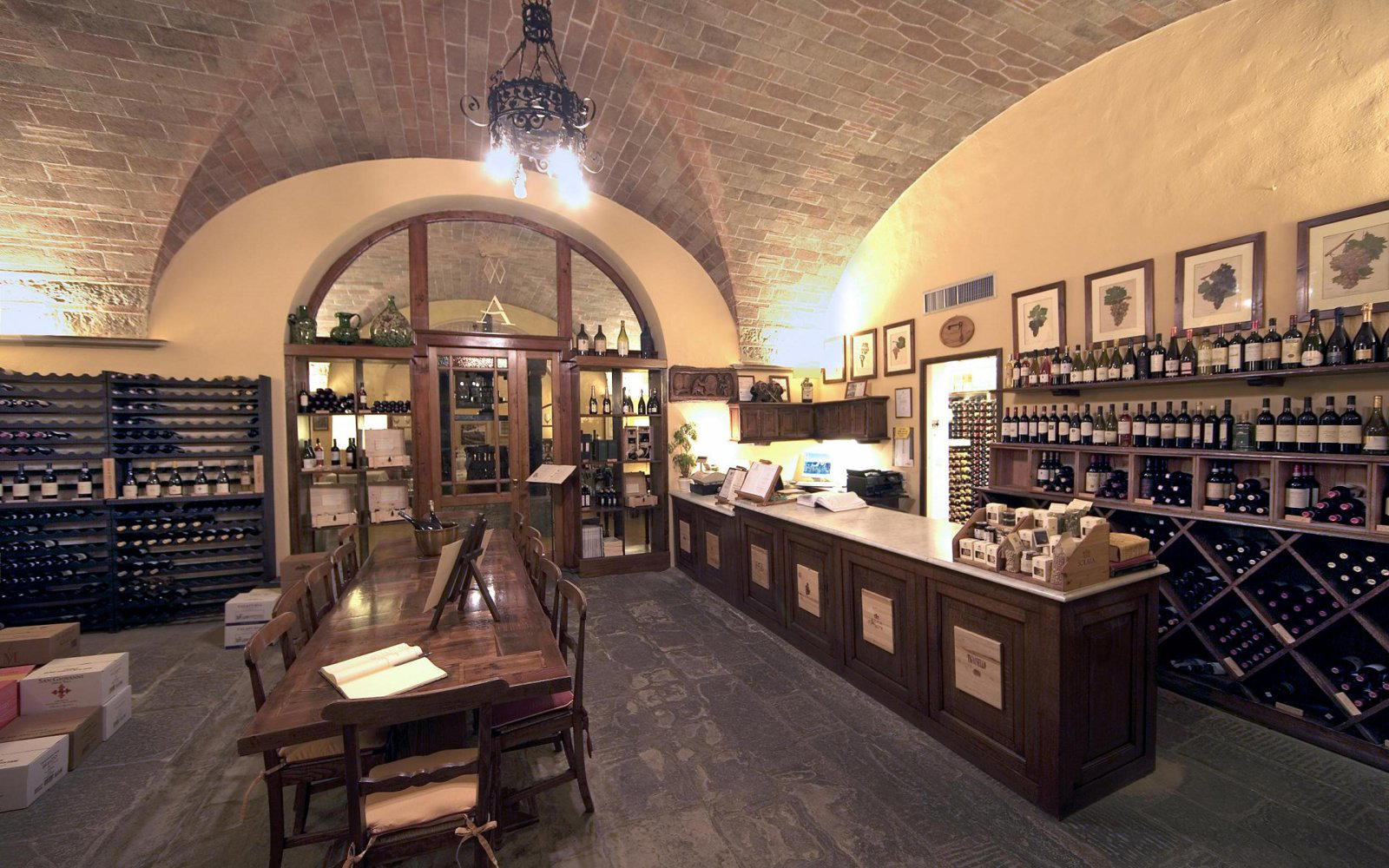
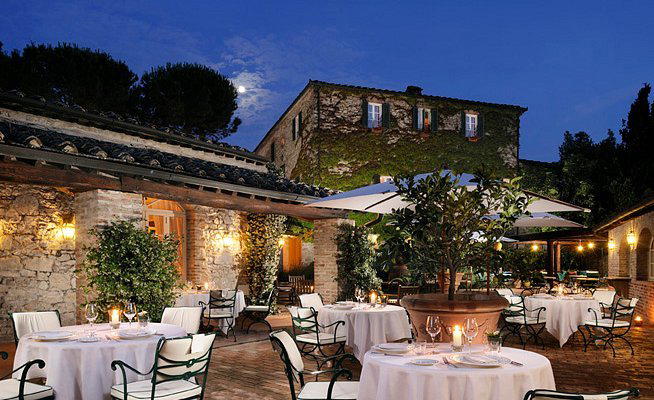
The hospitality format keeps the agricultural scale in view. Tastings are by appointment, and the estate also has agritourism rooms and apartments, so the experience belongs to the slower rural rhythm of Chianti rather than the drop-in bar model. The price signal is moderate, and dress is casual, both of which align with a working winery rather than a formal luxury estate visit.
Portfolio breadth gives the tasting its editorial interest. Poggio Ai Mori and Poggio Ai Mori Riserva present the Sangiovese spine, while labels such as Campacci, Eretico, Diaccio, Lunatico, Musique, Barbagianni, Blasfemo and Irrequieto show how the estate treats IGT reds, whites, rosé, orange wine and sparkling wine within the same low-intervention grammar. The point is not to chase a single trophy bottle; it is to see how a mixed Tuscan farm interprets its soils, grapes and cellar choices across categories.
Recognition here is more about natural-wine affiliation and specialist attention than conventional medal display. San Donatino is associated with the RAW WINE community and has appeared in natural-wine events including Salon des Vins Libres 2026. For some drinkers, that signals exactly the right lane: organic farming, minimal cellar correction, and wines that may speak with more texture and variation than technical symmetry.
Castellina in Chianti rewards travellers who plan the day as a cluster rather than a single stop. Meals, lodging and aperitivi can be shaped through Our full Castellina in Chianti restaurants guide, Our full Castellina in Chianti hotels guide, Our full Castellina in Chianti bars guide and Our full Castellina in Chianti experiences guide. For readers tracking wine travel beyond Tuscany, the wider EP Club winery index reaches producers such as 3GP SRL in Treviso, 47 Anno Domini in Trebaseleghe, A Mano Wine in Noci, »der Steiner« Hans Steiner in Podersdorf am See and & Handwein in Mannheim.
Recognition history
Dated appearances from independent guides and award organizations, with the underlying list record or original source where available.
Falstaff Winery - Listed
Falstaff
Continue exploring
More in Castellina in Chianti
Wineries in Castellina in Chianti
All wineries in Castellina in Chianti →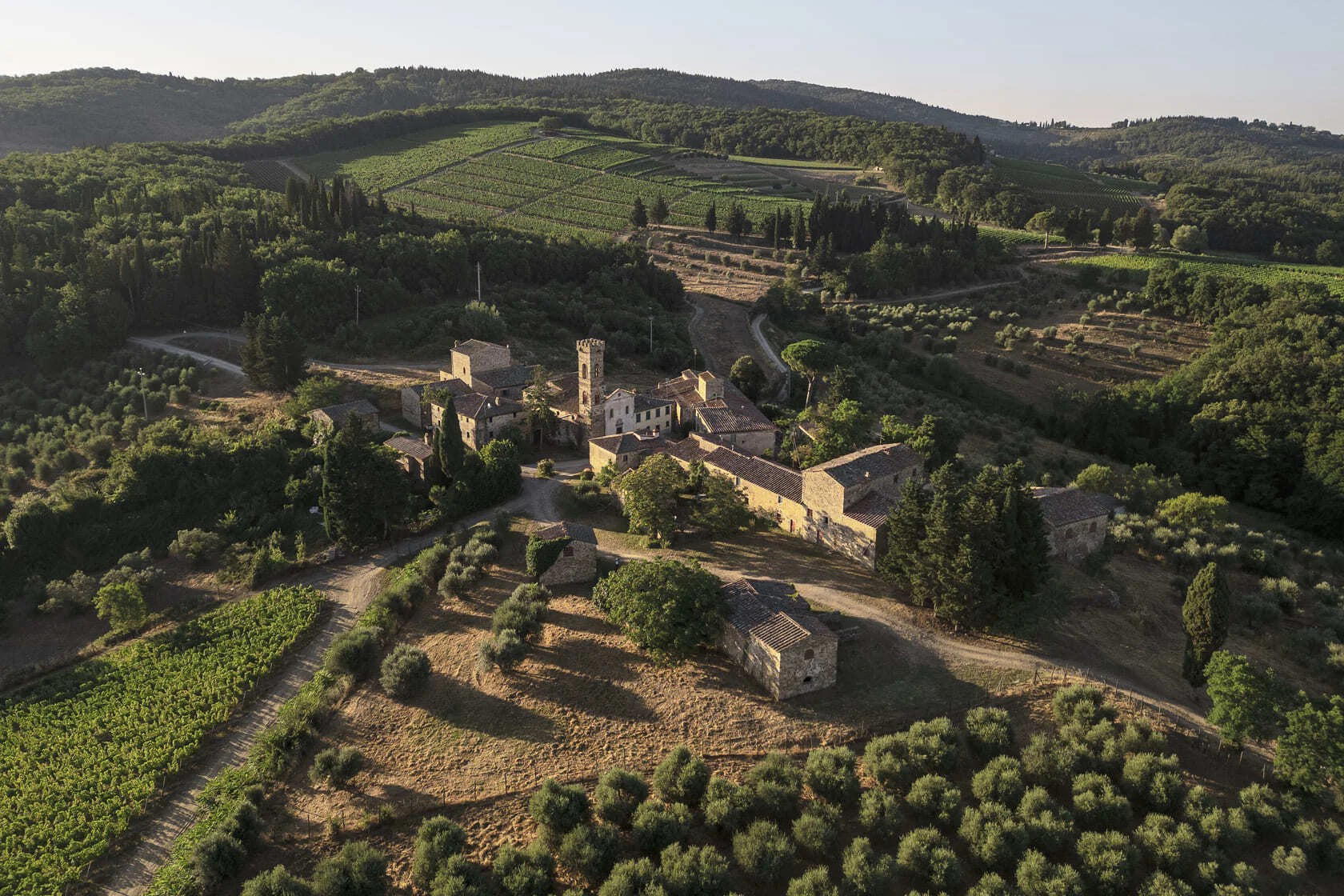
Bars in Castellina in Chianti
Browse all →
Restaurants in Castellina in Chianti
All restaurants in Castellina in Chianti →
Details
- Rustic
- Scenic
- Quiet
- Solo Exploration
- Group Outing
- Family
- Special Occasion
- Vineyard Tour
- Estate Grounds
- Private Tasting
- Organic
- Vineyard
- Mountain
- Sangiovese
- Cabernet Sauvignon
- Trebbiano Toscano
- Malvasia Toscana
- Pinot Grigio
- Still Red
- Still White
- Still Rosé
- Orange
- Sparkling
- Guided Tasting
- Free Tasting
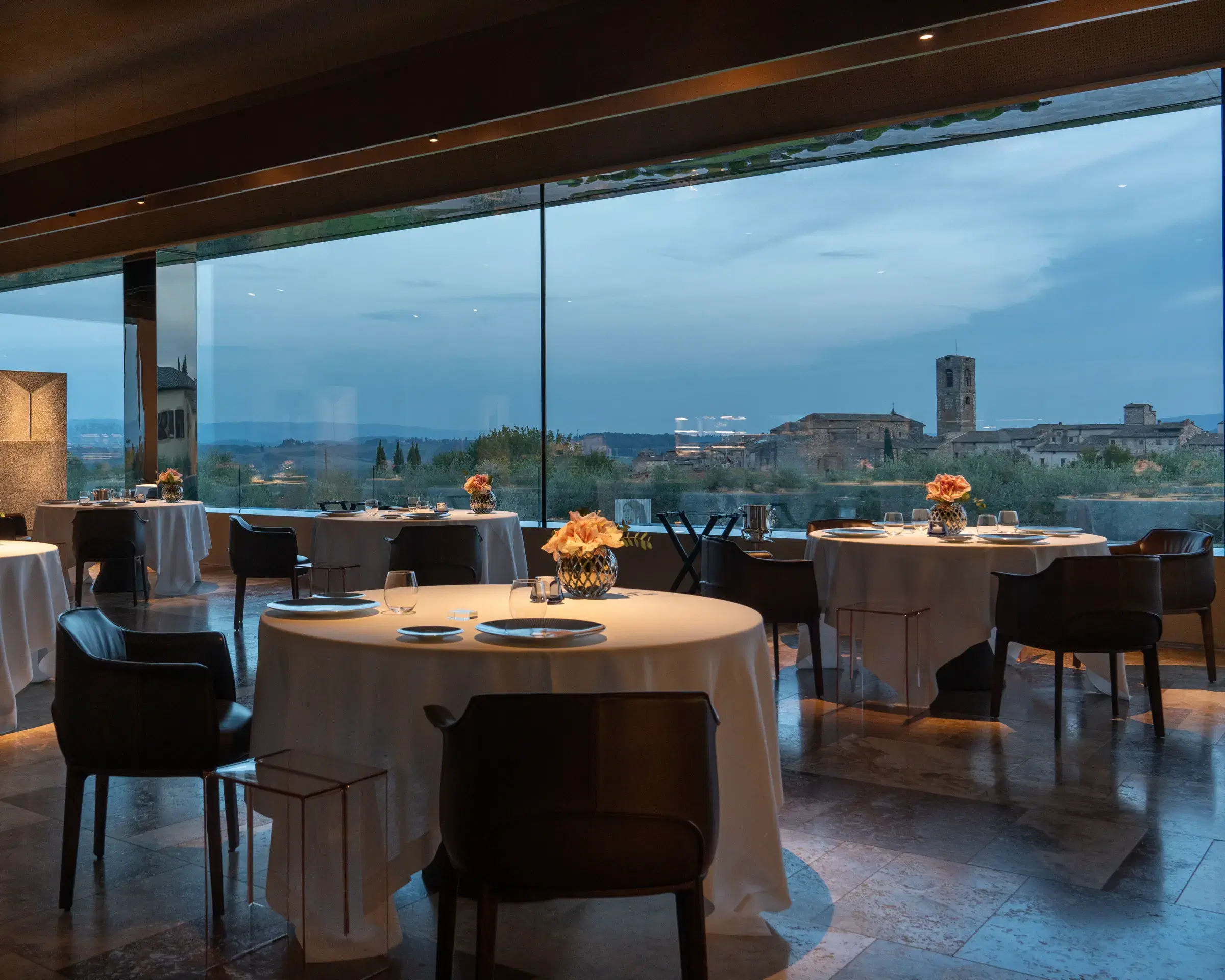
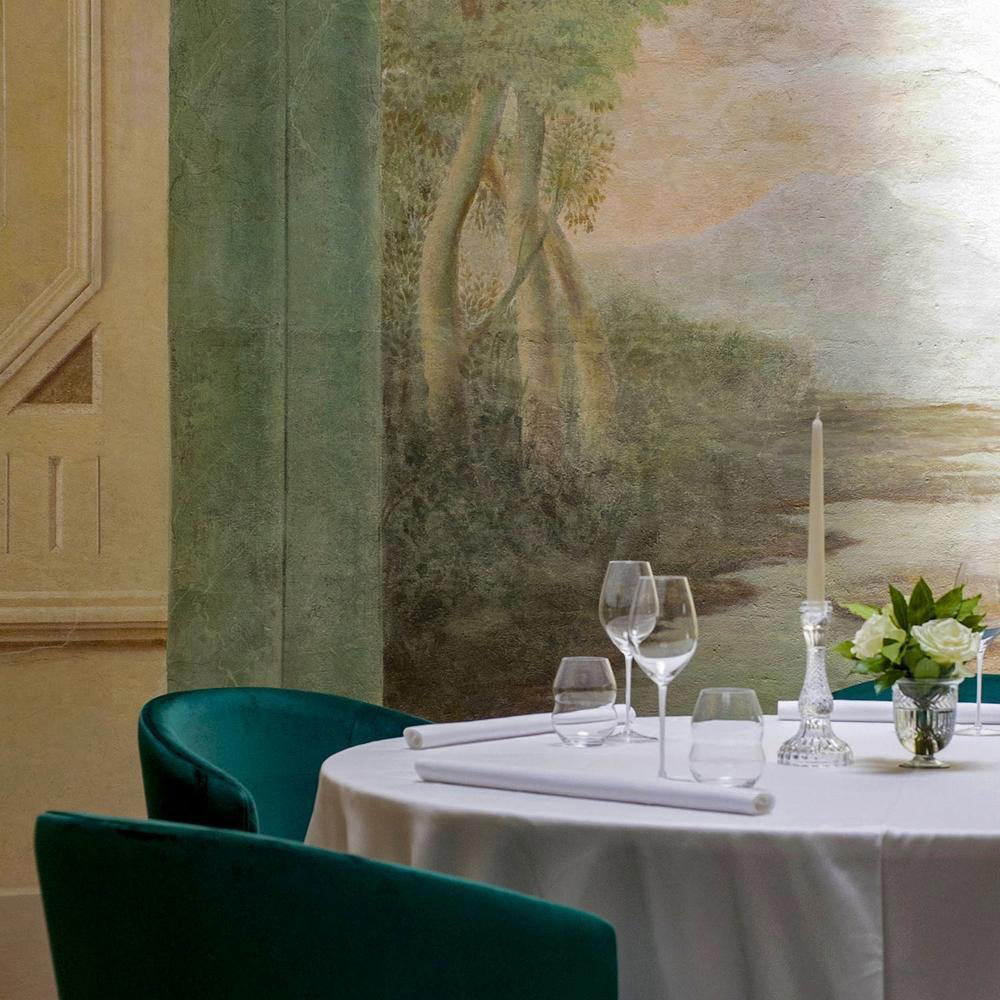
Rustic, scenic Chianti countryside winery with a family-run, natural-winemaking identity.