Koreanz K-BBQ & Korean Comfort Food
Our verdict
Korean barbecue has carved a foothold in Virginia's Blue Ridge foothills, and Koreanz K-BBQ & Korean Comfort Food on Wards Road makes the case for why that matters. In a city where dining options lean heavily Southern and familiar, this address offers table-cooked proteins, fermented sides, and comfort-driven Korean staples that operate on a different logic entirely. For Lynchburg, that specificity counts for something.

Pearl is the En Primeur Club membership app — saves, bookings, and concierge access live there. Same editors, same standards.
- Address
- 2104 Wards Rd, Lynchburg, VA 24502
- Phone
- (434) 234-9903
- Hours
- Daily 11 AM–9:30 PM
- Website
- koreanzk-bbq.com
- Directions
- Get directions
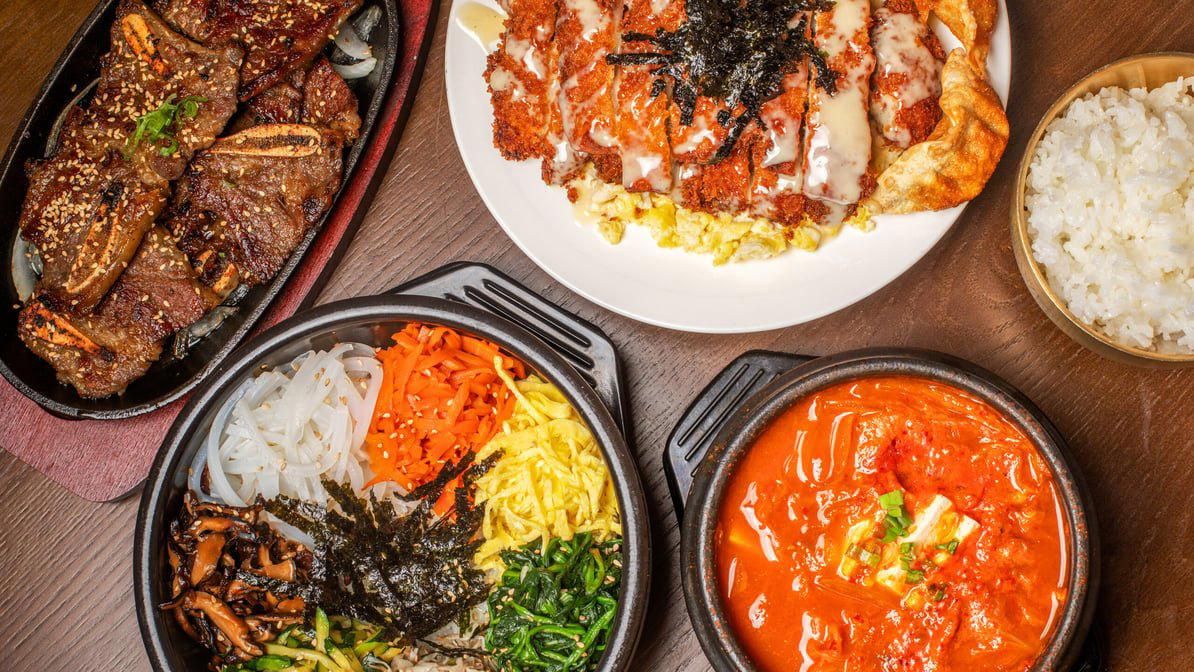
What Korean Barbecue Looks Like Away From the Coasts
The spread of Korean barbecue beyond its traditional American strongholds in Los Angeles, New York, and Northern Virginia follows a recognizable pattern: a city reaches a threshold of demographic diversity and culinary curiosity, and suddenly a format built around communal cooking, fermented condiments, and smoke-forward proteins finds a foothold. Lynchburg is not a large city, and Wards Road is not a dining destination in the way that certain urban corridors are. But that is precisely the point. Koreanz K-BBQ & Korean Comfort Food at 2104 Wards Rd occupies a category that simply did not exist in this part of central Virginia not long ago, and that absence made the arrival meaningful.
The restaurant sits on a commercial stretch that mixes chain restaurants with independently operated spots, the kind of road where a Korean barbecue concept requires diners to seek it out rather than stumble upon it. That dynamic shapes who walks in. The regulars here are not browsing; they have made a deliberate choice, and the kitchen tends to reward that kind of intentional patronage. For a broader picture of where this fits in Lynchburg's dining options, the full Lynchburg restaurants guide maps the city's options across formats and price points.
The Ingredient Logic Behind Korean Barbecue
Korean barbecue's sourcing structure is more transparent than most Western dining formats. The proteins are the primary event, chosen by cut and often by grade, then cooked by the diners themselves over heat at the table. That transfer of control from kitchen to guest is not a gimmick; it reflects a culinary tradition in which the quality of the raw material is not hidden inside a preparation but placed directly in front of the person eating it. The fat marbling of a pork belly slice, the grain of a beef short rib cut thin across the bone, the texture of a plain chuck roll before it hits the grate — these details are impossible to obscure when the cooking happens twelve inches from your face.
The banchan that surrounds the grill — the small plates of fermented and pickled vegetables, the seasoned spinach, the fish cake, the kimchi at various stages of fermentation, function as a sourcing argument in their own right. Kimchi in particular is a long-process product: the quality of the napa cabbage, the fish sauce or salted shrimp used in the paste, the duration and temperature of fermentation all register on the palate in ways that shortcuts make obvious. At a restaurant operating on this format, the banchan are not garnishes. They are a signal of how seriously the kitchen takes the foundation of the cuisine.
The comfort food side of the menu, what Korean restaurants often describe as hansik or home-style cooking, extends that sourcing conversation into braised dishes, stews, and rice bowls. A well-made doenjang jjigae, the fermented soybean paste stew, depends on a paste that has been aged properly, and the difference between a mass-produced version and one made with care is not subtle. These are not dishes that reward shortcuts at the ingredient level, and a kitchen that offers them alongside a barbecue program is committing to a wider range of technical demands.
Where Koreanz Sits in the Lynchburg Dining Context
Lynchburg's restaurant scene is anchored by Southern comfort cooking, chain dining, and a modest cluster of independent spots that have grown alongside the city's university population. Within that context, a Korean barbecue and comfort food concept occupies a niche that has limited direct competition locally. The nearest frame of reference for format comparison would be the Korean restaurant clusters in larger Virginia cities or the Washington, D.C. corridor, where Korean dining options span everything from fast-casual bibimbap counters to reservation-only tasting menus. Atomix in New York City represents one extreme of that spectrum, a modern Korean tasting menu operating at the highest price tier with Michelin recognition; Koreanz operates at an entirely different register, accessible and convivial rather than formal and progression-driven.
That comparison is not a criticism. The formats serve different purposes, and the argument for a neighborhood-scale Korean comfort food operation in a mid-sized Virginia city is not that it competes with Le Bernardin in New York City or Alinea in Chicago on technical ambition, but that it fills a specific gap in a specific place. Other cities with farm-to-table sourcing programs at a high level, such as Blue Hill at Stone Barns in Tarrytown or Single Thread Farm in Healdsburg, pursue ingredient sourcing as a philosophical project. Korean barbecue pursues it as a structural necessity: the format does not work if the protein is mediocre, because there is nowhere to hide it.
Within Lynchburg specifically, this address contrasts with the approach at Fleming Mountain Grill, which operates in the American grill tradition, and with lighter, bowl-format options like Nautical Bowls. Korean barbecue occupies a distinct category: high engagement, table-cooked, fermentation-forward, and designed for groups who want to eat over an extended period rather than move quickly through a meal.
Planning Your Visit
Koreanz K-BBQ & Korean Comfort Food is located at 2104 Wards Rd in Lynchburg, Virginia. The Wards Road corridor is accessible by car and sits within the commercial corridor south of downtown Lynchburg. Given the nature of the Korean barbecue format, where meals tend to run longer than a standard sit-down dinner and group sizes often run larger, calling ahead or checking for current hours before visiting is advisable. No booking data is confirmed in EP Club's records, so treating the visit as a walk-in experience or calling the restaurant directly for current availability is the practical approach.
Korean barbecue as a format is well-suited to groups of three or more, given that the table-grill dynamic works well when there are enough diners to justify ordering across several protein options while the banchan fills out the table. Solo diners and pairs can still eat well, particularly if the comfort food menu offers individual formats like stews or rice dishes. Budget expectations should be calibrated to a casual, independent restaurant in a mid-sized American city: this is not a high-ticket dining experience in the manner of The French Laundry in Napa or Providence in Los Angeles, and pricing should reflect that positioning.
Frequently asked questions
Does Koreanz K-BBQ & Korean Comfort Food work for a family meal?
Korean barbecue as a format is inherently communal — proteins arrive at the table to be grilled and shared, which suits family groups naturally. Koreanz sits on Wards Road in Lynchburg, a corridor with accessible parking and a mix of dining options that draws families regularly. The combination of tabletop cooking and comfort food dishes gives the table a range of entry points for different appetites.
How would you describe the vibe at Koreanz K-BBQ & Korean Comfort Food?
The address on Wards Road places this squarely in Lynchburg's everyday dining corridor rather than a downtown scene, which sets a casual, neighbourhood tone. Korean barbecue restaurants structurally encourage participation — guests manage their own grill, pace their own meal — so the atmosphere tends toward relaxed and interactive rather than formal. Expect smoke, conversation, and the kind of energy that comes from a room where people are cooking at their own tables.
Is Koreanz K-BBQ one of the few Korean restaurants in the Lynchburg, Virginia area?
Lynchburg's dining scene is anchored by Southern cooking and national chains, with a limited number of independent international restaurants. Korean cuisine is not a format with deep roots in this part of central Virginia — the state's Korean restaurant density is concentrated in Northern Virginia and the DC metro corridor. That makes Koreanz at 2104 Wards Rd a relatively rare option for the cuisine type within the region.
What should I order at Koreanz K-BBQ & Korean Comfort Food?
Korean barbecue menus typically centre on grilled proteins — cuts like pork belly, short rib, and marinated chicken — served alongside banchan, the small side dishes that anchor every Korean meal. The 'comfort food' component in Koreanz's name suggests the menu extends to cooked dishes such as bibimbap, japchae, or stews, which are the category's conventional supporting cast. For first-timers to the format, leading with a grilled protein platter and sampling the sides is the standard approach.
Where is Koreanz K-BBQ & Korean Comfort Food located?
Koreanz K-BBQ & Korean Comfort Food is located at 2104 Wards Rd, Lynchburg, VA 24502, Lynchburg.
What's the best way to book Koreanz K-BBQ & Korean Comfort Food?
Walk-in availability is common at Korean barbecue restaurants of this type outside major metro markets.
What has Koreanz K-BBQ & Korean Comfort Food built its reputation on?
Koreanz occupies a specific position in Lynchburg: it brings a cuisine format — tabletop Korean barbecue — that remains rare in Virginia's interior, well outside the Korean restaurant concentration in Northern Virginia and the DC suburbs. That scarcity in the local market is the most direct explanation for its standing. The dual focus on barbecue and broader Korean comfort food gives it a wider appeal than a grill-only concept would.
At-a-Glance Comparison
Comparable venues nearby, for context on price, style, and recognition.
| Venue | Cuisine | Price | Notes |
|---|---|---|---|
| Koreanz K-BBQ & Korean Comfort FoodThis venue — the venue you are viewing | Korean BBQ & Comfort Food | $20–30 | Not listed |
| Nautical Bowls | Açaí Bowls & Superfood Smoothies | $10–20 | Lynchburg |
| Fleming Mountain Grill | American Grill | Not listed | Lee Jackson Hwy |
| Soko | Artisanal American Butcher & Deli | $10–20 | Downtown Leesburg |
| Honey Pig BBQ | Korean BBQ | $20–30 | Centreville |
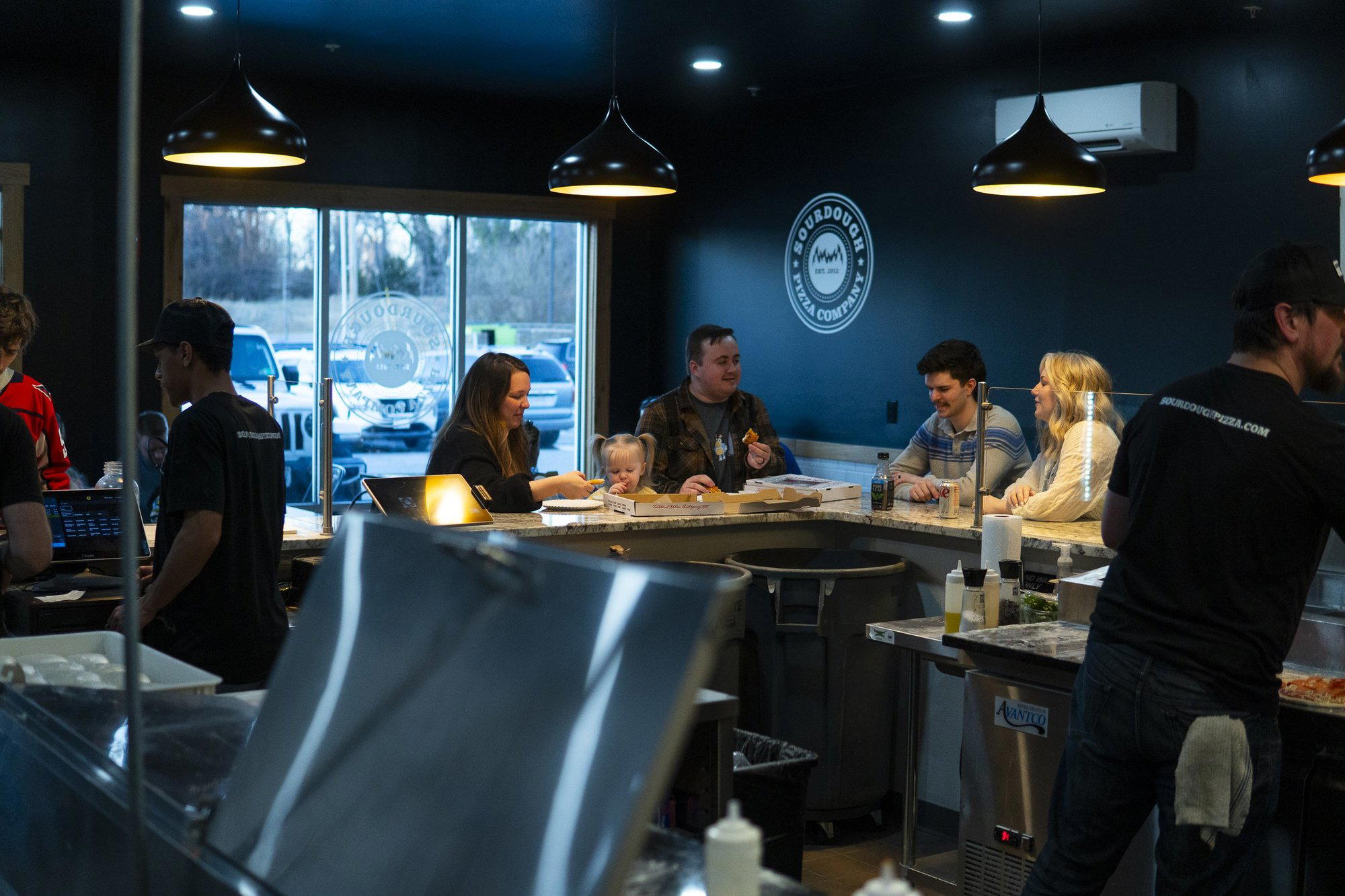
| Sourdough Pizza | Artisanal Sourdough Pizza | $20–30 | Forest |
Continue exploring
More in Lynchburg
Restaurants in Lynchburg
Browse all →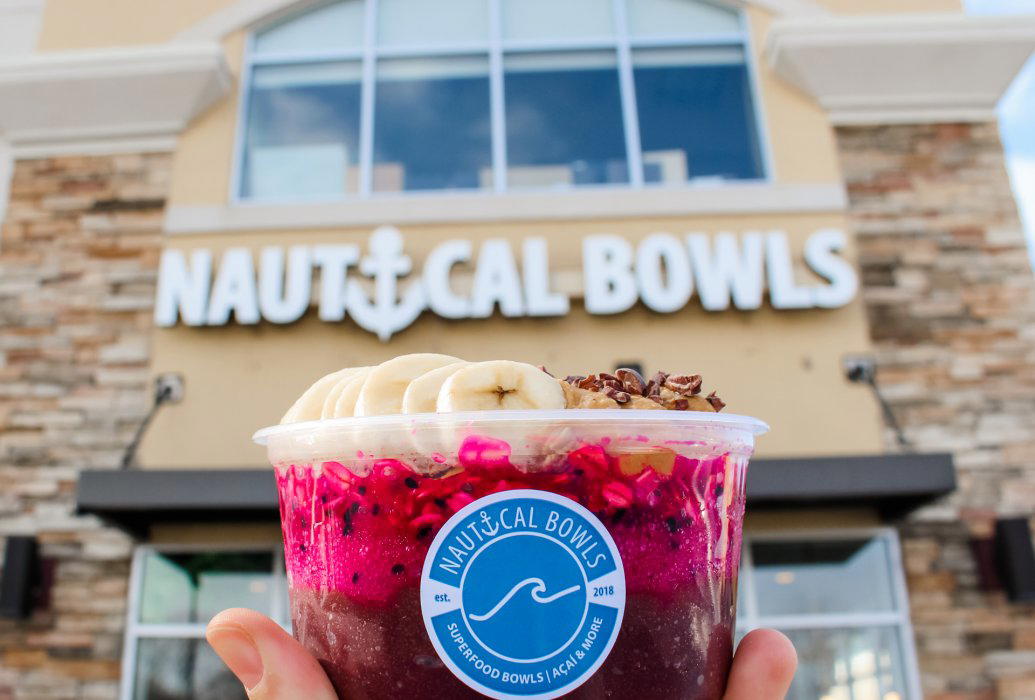
Details
- Modern
- Cozy
- Group Dining
- Casual Hangout
- Open Kitchen
- Sake Program
- A La Carte
- Soju
- Vegetarian Friendly
Current opening hours
- Monday
- 11 AM–9:30 PM
- Tuesday
- 11 AM–9:30 PM
- Wednesday
- 11 AM–9:30 PM
- Thursday
- 11 AM–9:30 PM
- Friday
- 11 AM–9:30 PM
- Saturday
- 11 AM–9:30 PM
- Sunday
- 11 AM–9:30 PM
Hours can change for holidays and private events. Last verified .
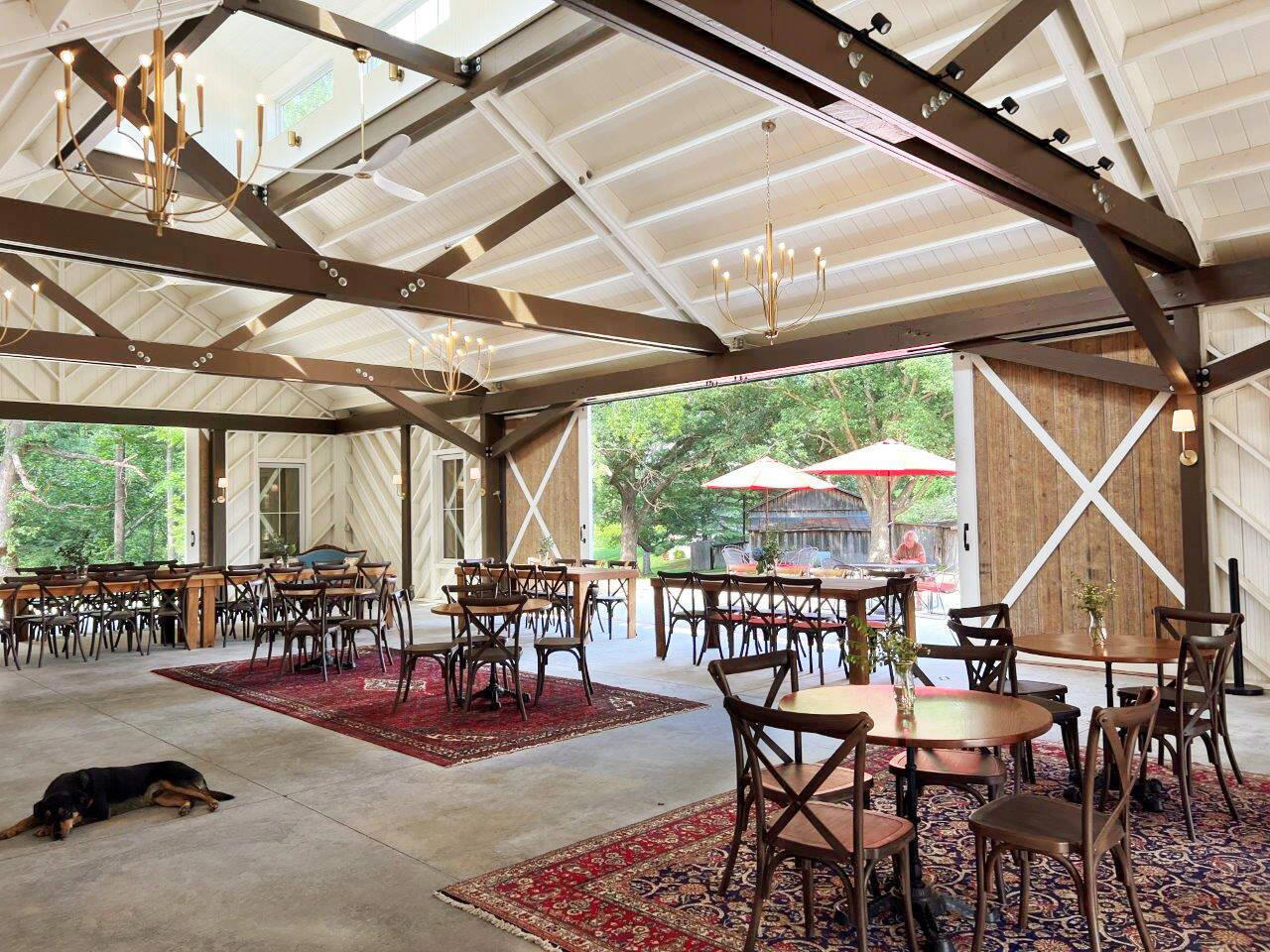
Beautiful ambience with entrancing lit-up mist line in the seating area; clean and spacious atmosphere.