Fleming Mountain Grill
Our verdict
Fleming Mountain Grill serves American Grill dishes at 1060 Lee Jackson Hwy in Lynchburg, with a smart casual, conversational dinner setting.

Pearl is the En Primeur Club membership app — saves, bookings, and concierge access live there. Same editors, same standards.
- Address
- 1060 Lee Jackson Hwy, Lynchburg, VA 24503
- Phone
- (434) 363-5555
- Hours
- Mon–Thu 5–9 PMFri–Sat 5–9:30 PMSun 4–8 PM
- Website
- flemingmountain.com
- Directions
- Get directions
- Booking
- Book on OpenTable
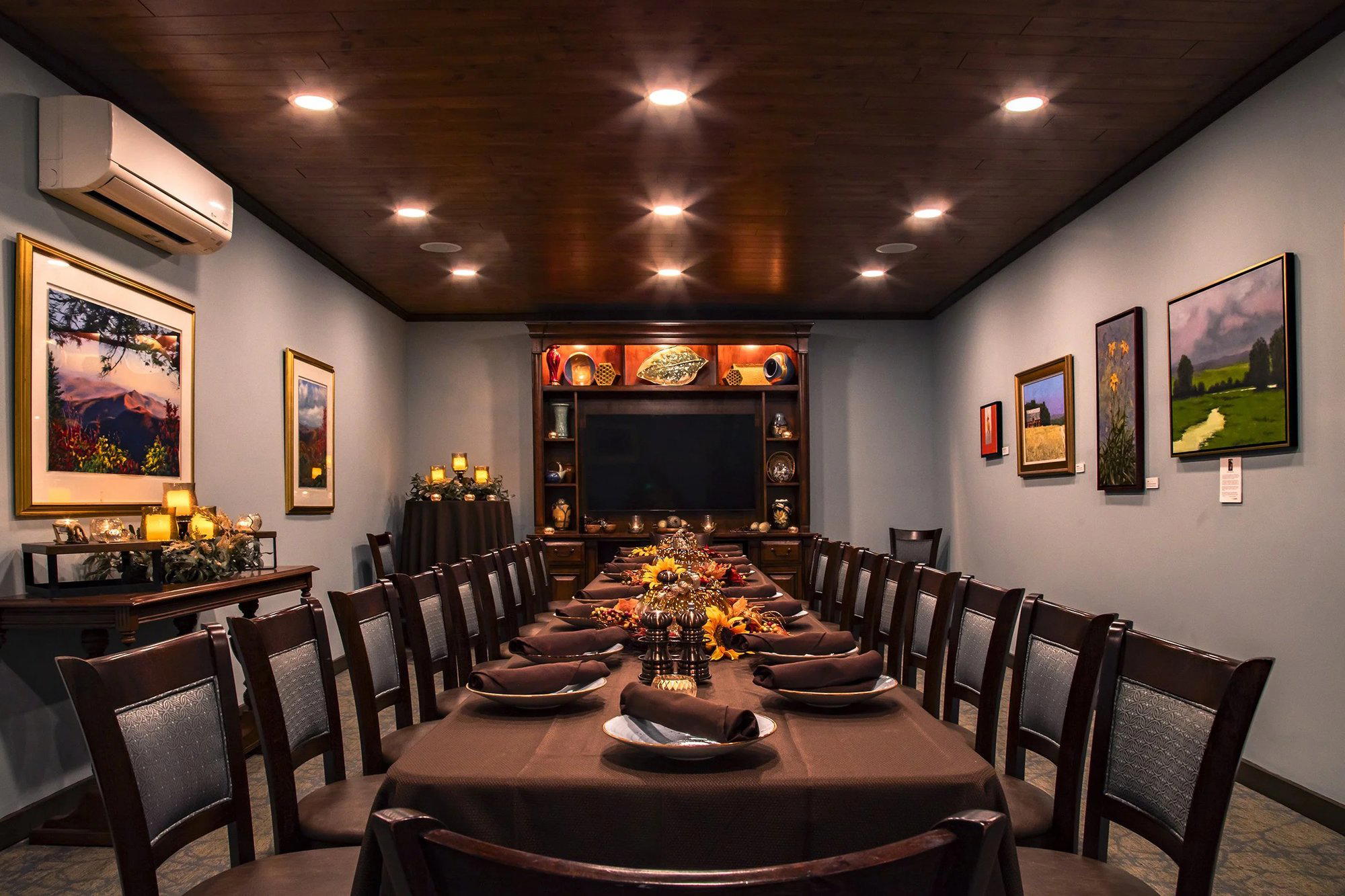
Where the Blue Ridge Foothills Shape the Plate
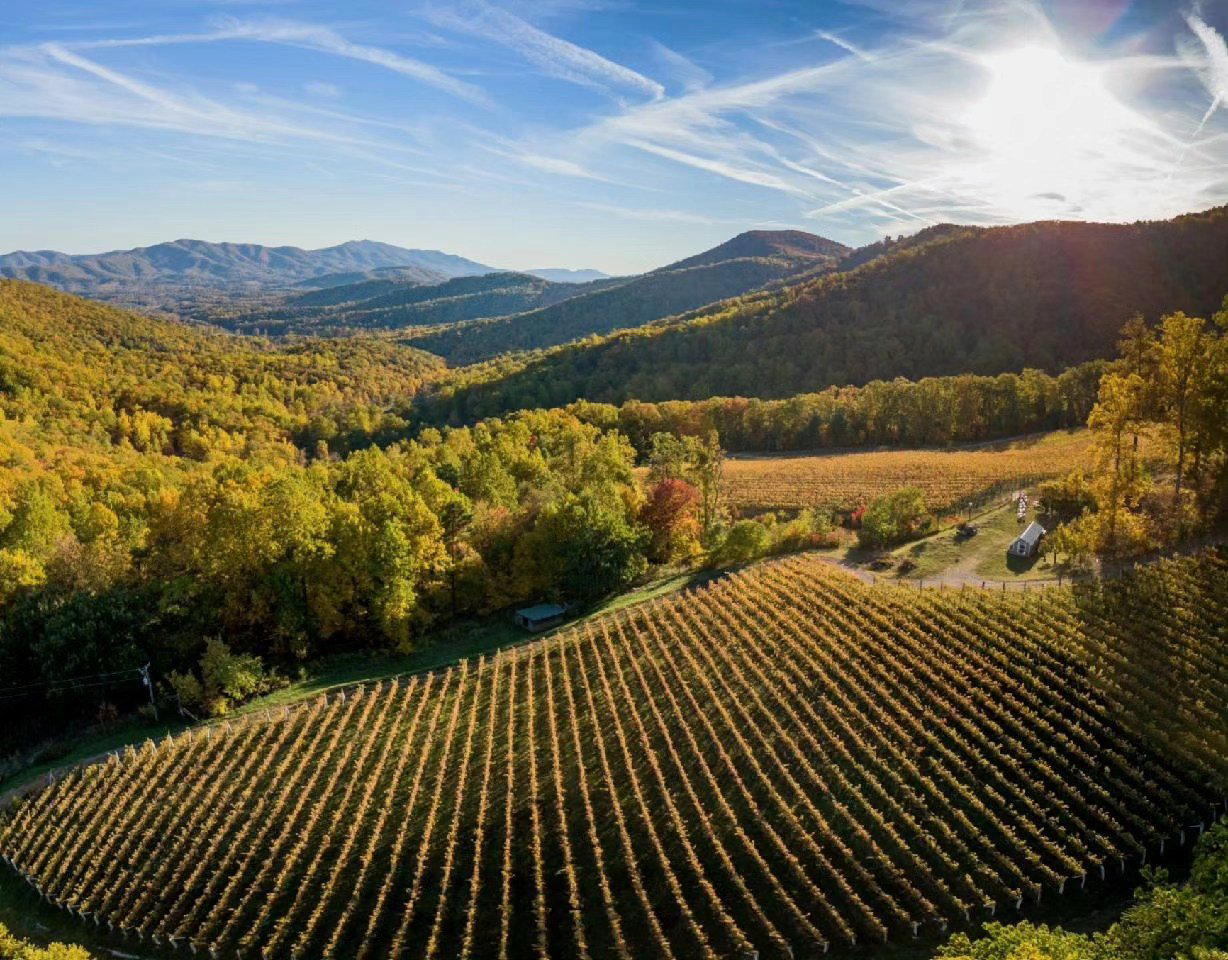
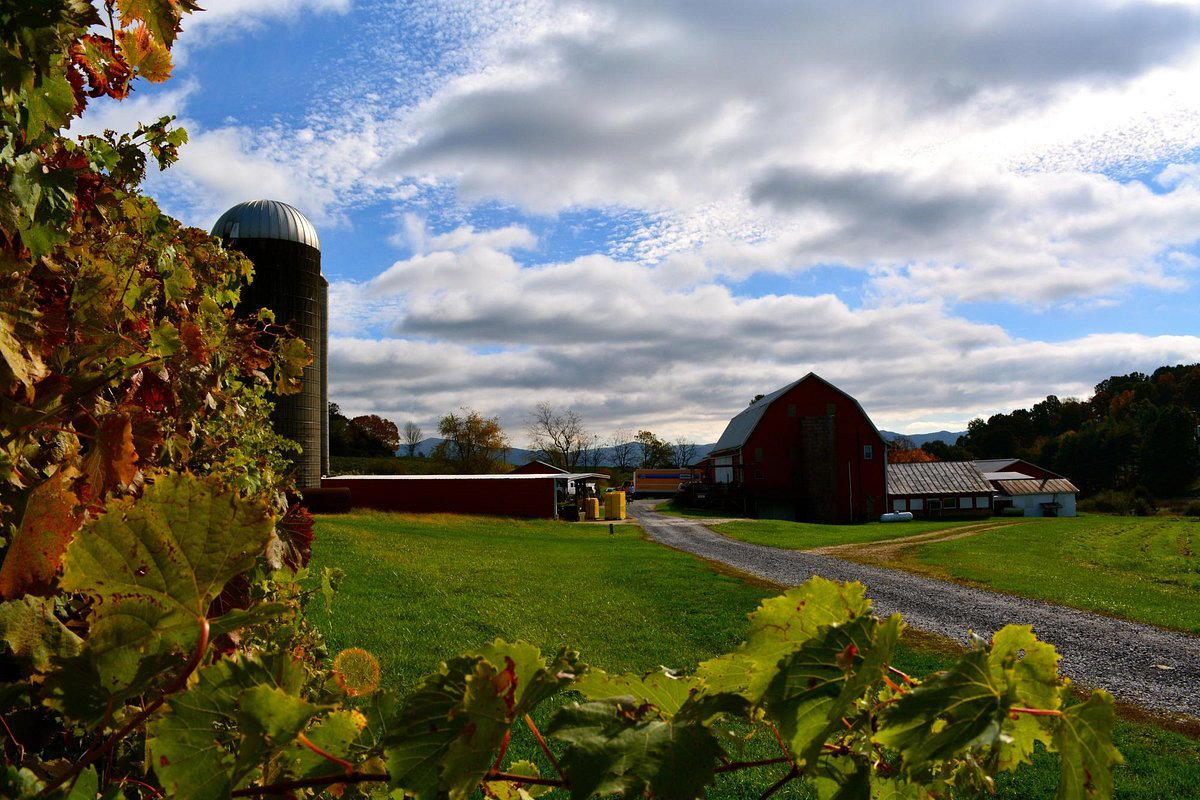
The stretch of Virginia along Lee Jackson Highway carries a particular weight of agricultural history. Farms here have supplied local tables for generations, and the grill format, in this part of the country, has always been less a trendy concept than a practical inheritance: livestock raised close by, wood smoke as the primary flavor tool, and menus that reflect what the surrounding land produces season to season. Fleming Mountain Grill sits within that tradition, occupying a position in Lynchburg's dining scene that leans on the region's sourcing geography as its primary editorial argument.
Lynchburg itself occupies an interesting culinary middle ground in Virginia. It is not Charlottesville, where the university and the wine country draw a more cosmopolitan dining crowd, nor is it Richmond, where the restaurant scene now draws national food press attention. What Lynchburg has is proximity: to the Blue Ridge Mountains, to the valleys that produce some of Virginia's more quietly regarded agricultural output, and to a civic culture that treats the table as a communal rather than performative space. Restaurants here generally do not compete on spectacle. They compete on consistency and material quality, which, when done well, is a harder and more durable standard. For a fuller picture of where Fleming Mountain Grill fits within the city's options, see our full Lynchburg restaurants guide.
The Grill Tradition and Why Sourcing Defines It
The grill format occupies a specific position in American regional cooking. Unlike, say, the farm-to-table tasting menu model that places sourcing credits visibly on the menu as a signal of prestige, a mountain grill absorbs its sourcing story more quietly. The quality shows in the char, in the texture of properly raised protein, in the way a side of vegetables either holds its character or collapses under heat. Across the American South and mid-Atlantic, the leading grill operations draw their authority from supply chain decisions made long before service begins.
This is the category that restaurants like Single Thread Farm in Healdsburg and Blue Hill at Stone Barns in Tarrytown have placed at the center of their propositions, albeit at a price point and formality level far removed from a regional Virginia grill. The underlying principle, that what you serve is inseparable from where it comes from, translates across categories and budgets. In the premium-casual tier where mountain grills typically operate, that principle shows up not in tasting notes printed on a card but in whether the beef is dry-aged, whether the poultry has real flavor, and whether the kitchen treats its vegetables as equals to its proteins.
Virginia's agricultural hinterland supports this approach. The Shenandoah Valley, running parallel to the Blue Ridge, produces beef, pork, poultry, and a growing range of specialty produce. Lynchburg's position on the eastern side of the mountains means a working relationship with that supply is logistically practical rather than aspirational. Restaurants operating in this geography that choose to source locally are not performing a concept; they are making a direct economic and culinary choice.
Atmosphere and the Physical Setting
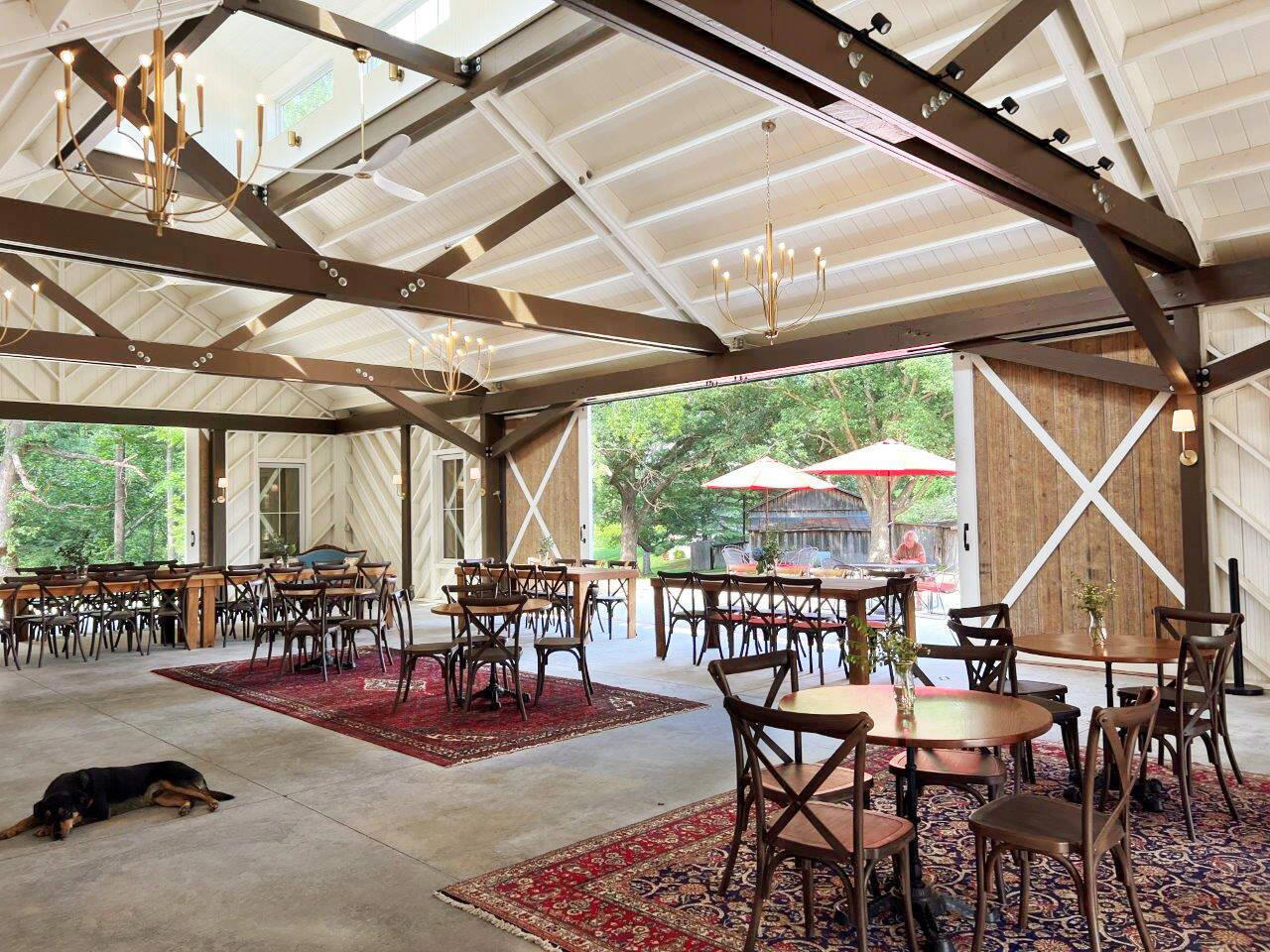
The grill format in the American South and border-South states carries a specific set of atmosphere signals: wood, open fire or its visual equivalent, spatial generosity, and an absence of the performative minimalism you find in urban tasting rooms. A mountain grill setting should feel like it belongs to the land around it, not like it has been imported from a design magazine. The Lee Jackson Highway corridor in Lynchburg is working Virginia rather than scenic Virginia, which tends to produce spaces that prioritize function and comfort over installation-ready aesthetics. That register suits the grill tradition well. Diners arriving here are not looking for the studied neutrality of a room like the one at Le Bernardin in New York City or the theatrical staging of Lazy Bear in San Francisco. The expectation is warmth, directness, and food that does not require a glossary.
That register connects Fleming Mountain Grill to a wider cohort of American regional restaurants that operate outside the major-city fine-dining orbit while still taking ingredient quality seriously. Compare this to the sourcing-led ethos at Smyth in Chicago or the produce-first approach of The Wolf's Tailor in Denver, and you see a spectrum: the underlying value, that food should reflect the land it comes from, runs from three-Michelin-star kitchens down to a properly run regional grill.
Peer Context in Lynchburg's Dining Scene
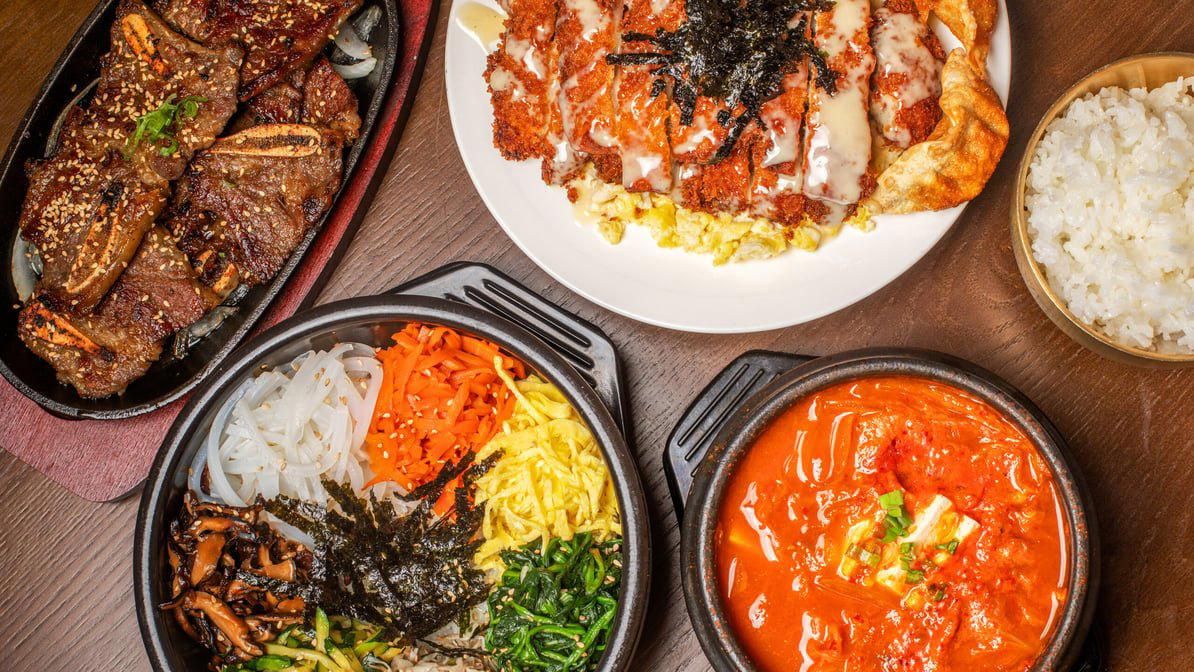
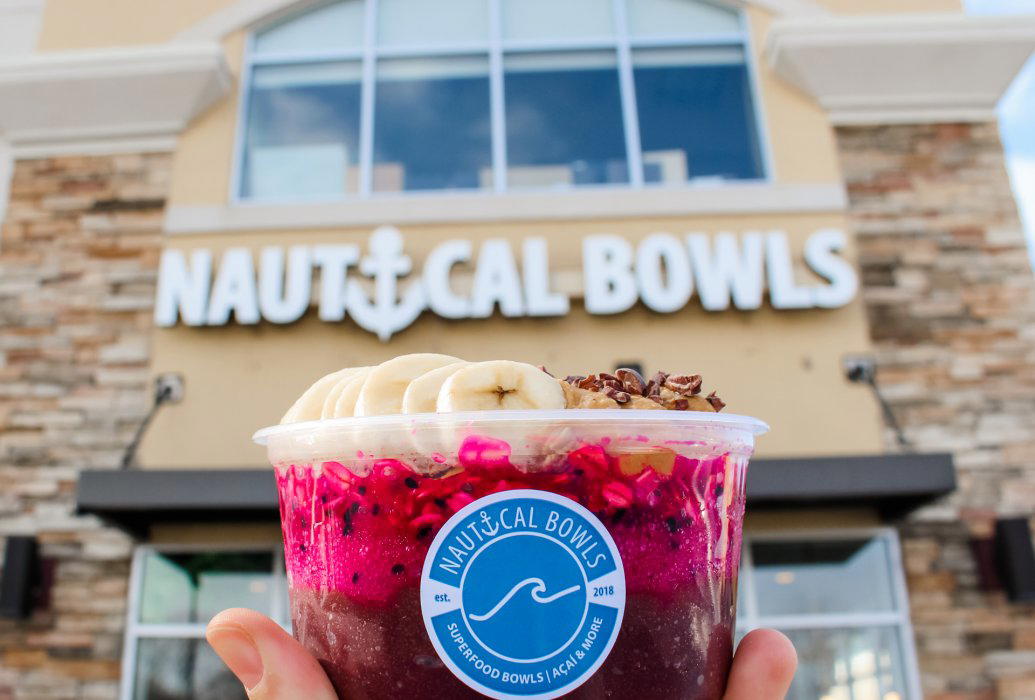
Within Lynchburg specifically, the restaurant set covers a range of cuisines and formats. Koreanz K-BBQ and Korean Comfort Food brings a different grill tradition to the same city, one rooted in Korean culinary technique rather than Appalachian heritage, which illustrates how Lynchburg's dining options have broadened beyond the regional Southern baseline. At the lighter end of the spectrum, Nautical Bowls occupies the health-forward fast-casual position. Fleming Mountain Grill sits between those poles: more substantial and more rooted in regional meat-cooking tradition than a bowl format, more casual and geographically specific than the Korean barbecue experience.
For a broader sense of how regional sourcing and American grill cooking can be taken to different levels of formality and price, the comparison set is wide. Emeril's in New Orleans represents the Southern-American tradition at its most chef-driven and nationally recognized. The Inn at Little Washington shows what happens when Virginia's own agricultural tradition is filtered through fine dining ambition. Addison in San Diego, Providence in Los Angeles, and Frasca Food and Wine in Boulder each demonstrate how regional ingredient identity can anchor a restaurant's position in a competitive set. The principle scales down as well as up.
Planning Your Visit
Fleming Mountain Grill is located at 1060 Lee Jackson Highway, Lynchburg, Virginia. Given the restaurant's position in a regional grill tradition with local sourcing ties, timing visits to avoid peak weekend service hours is generally prudent for this category. The Lee Jackson Highway location is accessible by car; parking in this corridor is typically not a constraint. For broader context on dining in the area, the Lynchburg city guide covers the full range of options across cuisine type and price point. International context on ingredient-driven restaurants of comparable philosophical orientation can be found at Atelier Moessmer Norbert Niederkofler in Brunico, where the Alpine sourcing model has been taken to its most rigorous extreme.
Frequently asked questions
Is Fleming Mountain Grill suitable for children?
Fleming Mountain Grill sits on Lee Jackson Highway in Lynchburg, Virginia, in a setting consistent with the American regional grill format — generally relaxed and accessible rather than formally restrictive. Grill-format venues in this part of Virginia tend to accommodate families without issue.
What should I expect atmosphere-wise at Fleming Mountain Grill?
The venue sits along Lee Jackson Highway in Lynchburg, a corridor with deep agricultural roots in the Blue Ridge foothills region. American regional grill formats in this geography typically signal wood, open-fire cooking aesthetics, and an unfussy, grounded interior — prioritizing the food over theatrical staging.
How does Fleming Mountain Grill fit into the broader Lynchburg, Virginia dining scene?
Lynchburg's restaurant set spans Korean barbecue, casual American, and several independent operations across the city's commercial corridors. Fleming Mountain Grill occupies a specific position on Lee Jackson Highway, anchoring the regional grill format in a part of Virginia where the Blue Ridge foothills have shaped agricultural output for generations. That positioning places it alongside rather than in direct competition with Lynchburg's ethnic and fast-casual options, filling a distinct role in the local dining range.
What's the best thing to order at Fleming Mountain Grill?
What the grill format in Virginia's Blue Ridge corridor historically does well is sourcing-driven proteins — beef, pork, and game that reflect the region's farming output along the Lee Jackson Highway agricultural belt. Reach out to the restaurant directly for current menu offerings.
How do I find Fleming Mountain Grill?
Fleming Mountain Grill is located at 1060 Lee Jackson Hwy, Lynchburg, VA 24503, Lynchburg.
Should I book Fleming Mountain Grill in advance?
For a grill-format venue in Lynchburg's mid-sized dining scene, weekend evenings tend to fill faster than weekday slots across comparable restaurants in the area. Contacting the venue ahead of a planned visit is the safest approach.
What's Fleming Mountain Grill best at?
Based on its location along Lee Jackson Highway in Lynchburg, Fleming Mountain Grill operates within the American regional grill tradition — a format that foregrounds open-fire or hearth-style cooking and leans on local agricultural supply chains common to the Blue Ridge foothills. That regional sourcing relationship, rather than a tasting-menu or fusion approach, is the structural identity of venues in this category.
Quick Comparison
Comparable venues nearby, for context on price, style, and recognition.
| Venue | Cuisine | Price | Notes |
|---|---|---|---|
| Fleming Mountain GrillThis venue — the venue you are viewing | American Grill | Not listed | Not listed |
| Nautical Bowls | Açaí Bowls & Superfood Smoothies | $10–20 | Lynchburg |
| Koreanz K-BBQ & Korean Comfort Food | Korean BBQ & Comfort Food | $20–30 | Wards Road area |
| Saison | Southern-Central American Fusion | Not listed | Jackson Ward |
| Gadsby's Tavern | Colonial American Fine Dining | $50–100 | Old Town Alexandria |
| Continues Arcade | American Gastropub | $30–50 | Old Town North |
Continue exploring
More in Lynchburg
Restaurants in Lynchburg
Browse all →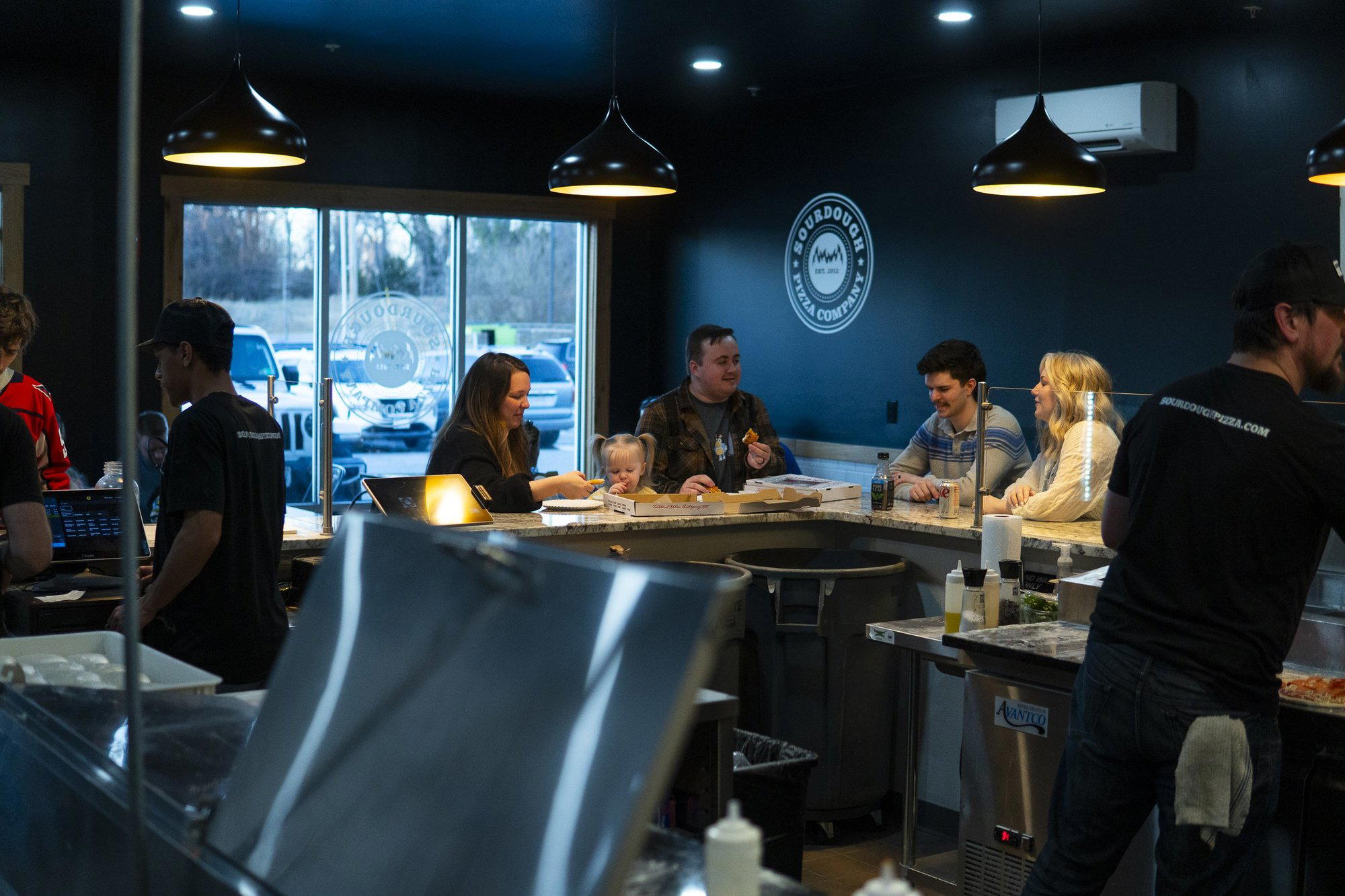
Details
- Rustic
- Lively
- Casual Hangout
- Group Dining
- A La Carte
Current opening hours
- Monday
- 5–9 PM
- Tuesday
- 5–9 PM
- Wednesday
- 5–9 PM
- Thursday
- 5–9 PM
- Friday
- 5–9:30 PM
- Saturday
- 5–9:30 PM
- Sunday
- 4–8 PM
Hours can change for holidays and private events. Last verified .
Lively bar atmosphere blending local charm with culinary excellence.