Degust'Ar occupies a quiet address on Rua Cândido dos Reis in the heart of Évora's walled city, where Alentejo's larder, black pork, cork-oak forests, dry-farmed wheat, and some of Portugal's most characterful red wines, sets the terms of the table. The restaurant operates within a tradition of ingredient-led cooking that has made this UNESCO-listed city a serious stop on Portugal's dining circuit.
Pearl is the En Primeur Club membership app — saves, bookings, and concierge access live there. Same editors, same standards.
- Address
- R. Cândido dos Reis 72, Évora, Portugal
- Phone
- +351266740700
- Website
- mardearhotels.com
- Directions
- Get directions
 Saves & bookings on Pearl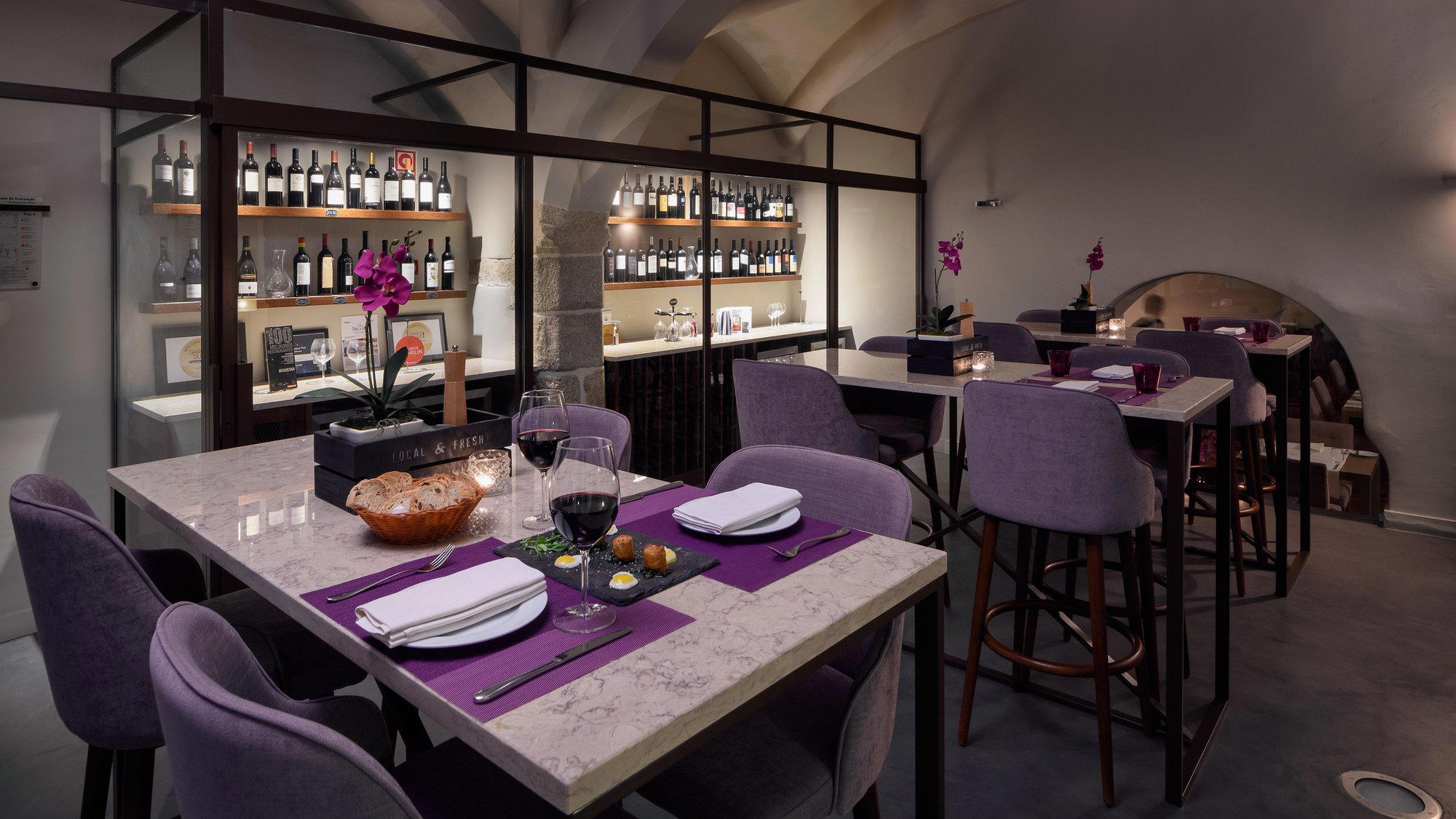
Évora's Table: A City Shaped by What It Grows
The Alentejo is Portugal's largest region by area and its most self-sufficient by larder: black Iberian pig raised on acorn and scrub, free-range lamb from the plains south of Évora, cork-oak forest honey, dry-farmed heritage wheat ground at local mills, and a wine country that has been producing structured, terroir-specific reds since well before the rest of the world noticed. Restaurants operating in this context are not importing an ingredient identity from outside, they are shaped by the produce around them. Degust'Ar, at Rua Cândido dos Reis 72, sits inside that editorial tradition.
What the Alentejo Puts on the Plate
Ingredient sourcing in the Alentejo is less a philosophy than a geographic fact. The region's network of small producers, many operating within a few dozen kilometres of Évora, means that supply chains are short and seasonality is non-negotiable. This matters practically: what arrives at a restaurant here in October looks nothing like what the same kitchen handles in April. Migas (bread-based accompaniments absorbing cooking fat and pork drippings), açorda (a soupy bread preparation often finished with poached egg), and slow-cooked lamb preparations are not nostalgic menu choices; they are expressions of what the land produces in quantity and how Alentejan cooks have historically stretched it. Restaurants in this city that work well do so because they respect the logic of that tradition rather than overriding it with technique for its own sake.
The broader Portuguese fine-dining circuit, represented by addresses such as Belcanto in Lisbon, Casa de Chá da Boa Nova in Leça da Palmeira, and Ocean in Porches, has increasingly drawn on regional ingredient specificity. Évora's dining scene reflects the same shift at a more intimate scale, with fewer tables, shorter menus, and a closer relationship between kitchen and the farms immediately outside the city's walls.
The Address and Its Neighbourhood
Rua Cândido dos Reis runs through one of the denser commercial corridors of Évora's historic centre, close to the Praça do Giraldo, the city's main square and social anchor. The street sees a mix of locals and visitors moving between the square and the city's quieter residential quarters. This is a working street in a functioning medieval city, which gives restaurants here a grounding that purpose-built dining zones tend to lack. Arriving on foot from the cathedral or the Roman Temple, both within a short walk, leaves you with the particular texture of Évora as context before you sit down. That context is worth arriving with.
Évora's position in the Alentejo also makes it a natural base for anyone exploring the region's wine country. The Alentejo DOC has expanded significantly in recognition over the past two decades, with producers around Reguengos de Monsaraz, Borba, and Redondo generating wines that now appear on serious lists internationally. Dining in the city means access to those wines in their home territory, poured by people who know the producers personally. For reference on how Portuguese regional wine tradition translates to fine-dining format elsewhere in the country, The Yeatman in Vila Nova de Gaia offers a useful point of comparison.
How Degust'Ar Fits the City's Dining Register
Évora supports a range of restaurants from casual tascas to more considered tasting formats, and the city's visitor profile has shifted upward in recent years alongside growing international recognition of the Alentejo as a destination. Degust'Ar operates in the more deliberate tier of that range, where the ingredient narrative is central rather than incidental. This places it closer to ingredient-focused provincial restaurants than to the urban creative kitchens of Lisbon or Porto. The comparison is not about ranking but about what the kitchen is doing and why: grounding a meal in place rather than demonstrating technique divorced from it.
For context on how other Portuguese regional kitchens handle the tension between local tradition and contemporary format, Antiqvvm in Porto, Mesa de Lemos in Passos de Silgueiros, and Ó Balcão in Santarém each represent different approaches to the same underlying question. Further south, Al Sud in Lagos and Gusto by Heinz Beck in Almancil show how the Algarve handles comparable sourcing ambitions with a different climatic larder.
Planning Your Visit
Évora is most comfortably reached by train from Lisbon's Oriente station, with journey times of approximately 90 minutes on direct services. The city's historic centre is compact enough to navigate on foot, and Rua Cândido dos Reis is accessible from most accommodation without requiring transport. Dining in the Alentejo tends to follow traditional Portuguese mealtimes, with lunch running from around 12:30 and dinner from 19:30. Advance reservation is advisable, particularly during the spring and autumn shoulder seasons when the city draws significant visitor numbers alongside its resident population. Summer brings higher occupancy across Évora's better restaurants, and the city's appeal to Portuguese domestic travellers means weekends book out faster than midweek slots regardless of season.
Comparison Snapshot
Comparable venues nearby, for context on price, style, and recognition.
| Venue | Cuisine | Price | Awards | Notes |
|---|---|---|---|---|
| Degust'ArThis venue — the venue you are viewing | Modern Alentejo Mediterranean | $$$$ | Not listed | Not listed |
| Hibrido | Modern Portuguese with Local Seasonal Ingredients | $$$ | Michelin Plate | Centre of Évora |
| Origens | Modern Alentejo | $$$ | Michelin Plate | historic centre |
| Dom Joaquim | Traditional Alentejo with Modern Touch | $$ | Michelin Plate | Historic Centre of Évora |
| Cavalariça Évora | Dining | Not listed | Michelin Plate | Évora |
| L'and Vineyards | Modern Portuguese Fine Dining | $$$$ | Not listed | Montemor-o-Novo |
Continue exploring
More in Évora
Restaurants in Évora
Browse all →
Bars in Évora
Browse all →
Hotels in Évora
Browse all →

At a Glance
- Elegant
- Sophisticated
- Intimate
- Cozy
- Historic
- Date Night
- Special Occasion
- Historic Building
- Wine Cellar
- Extensive Wine List
- Sommelier Led
- Local Sourcing
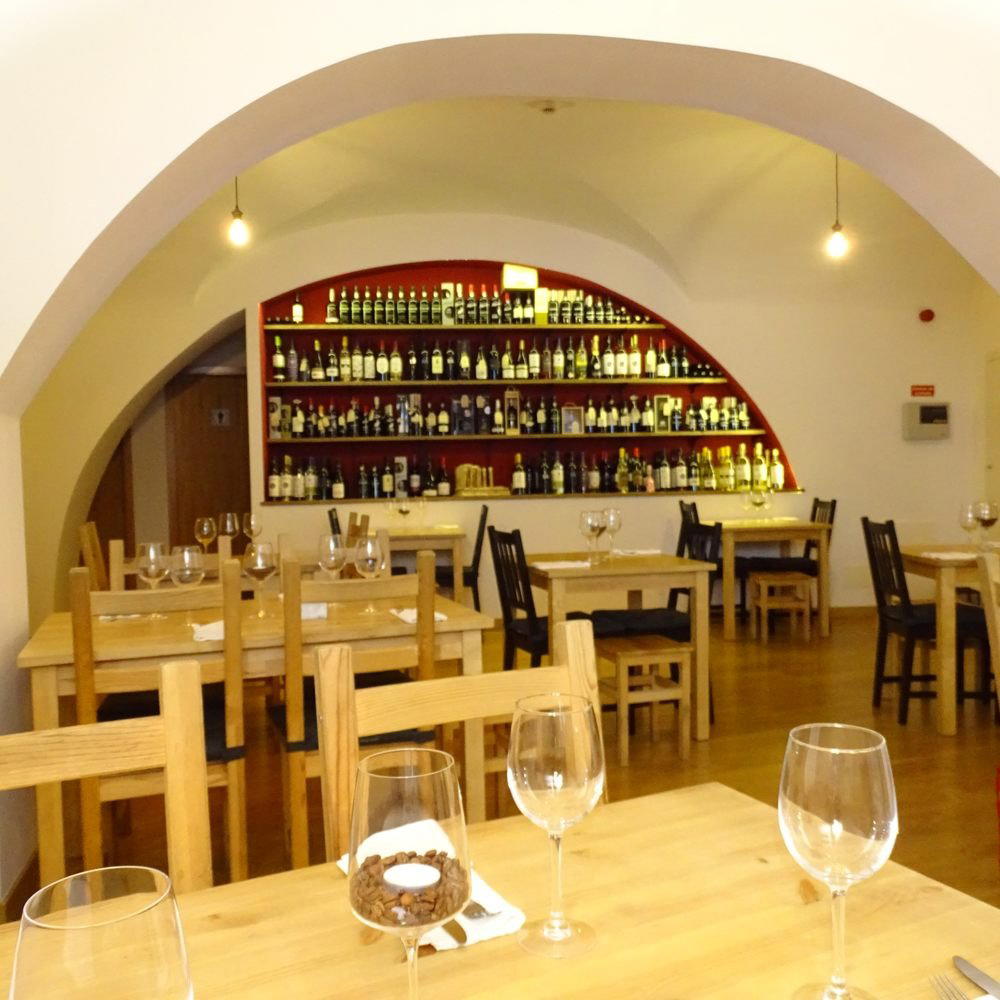
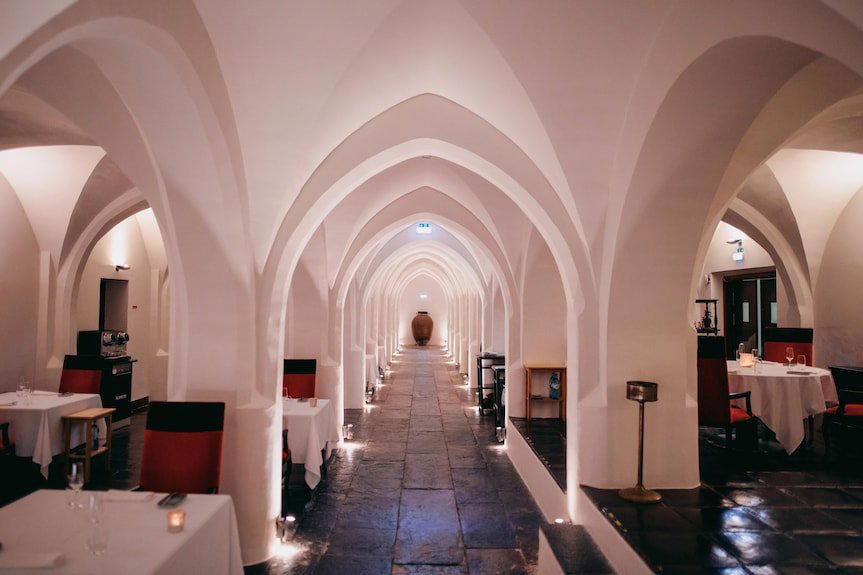
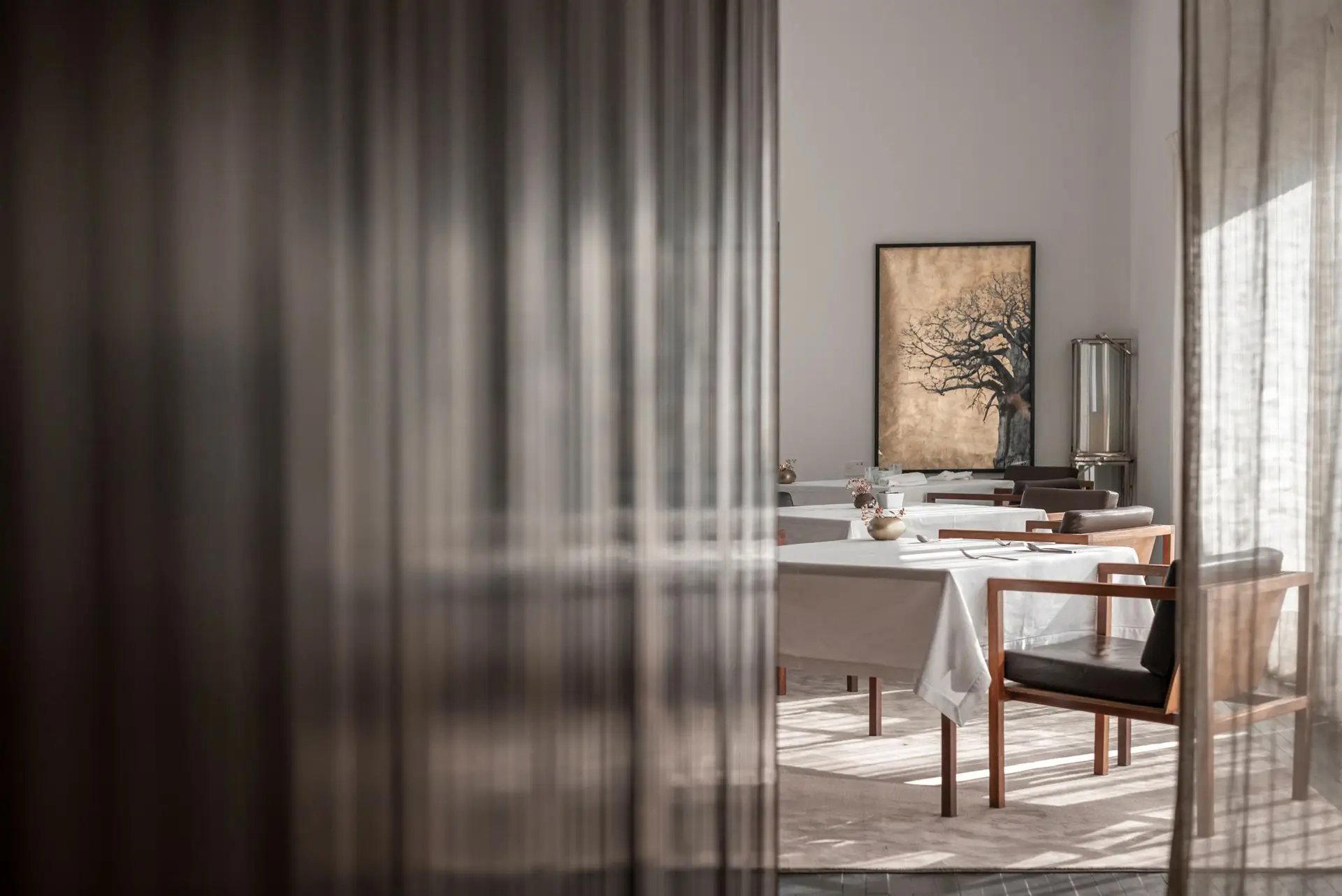
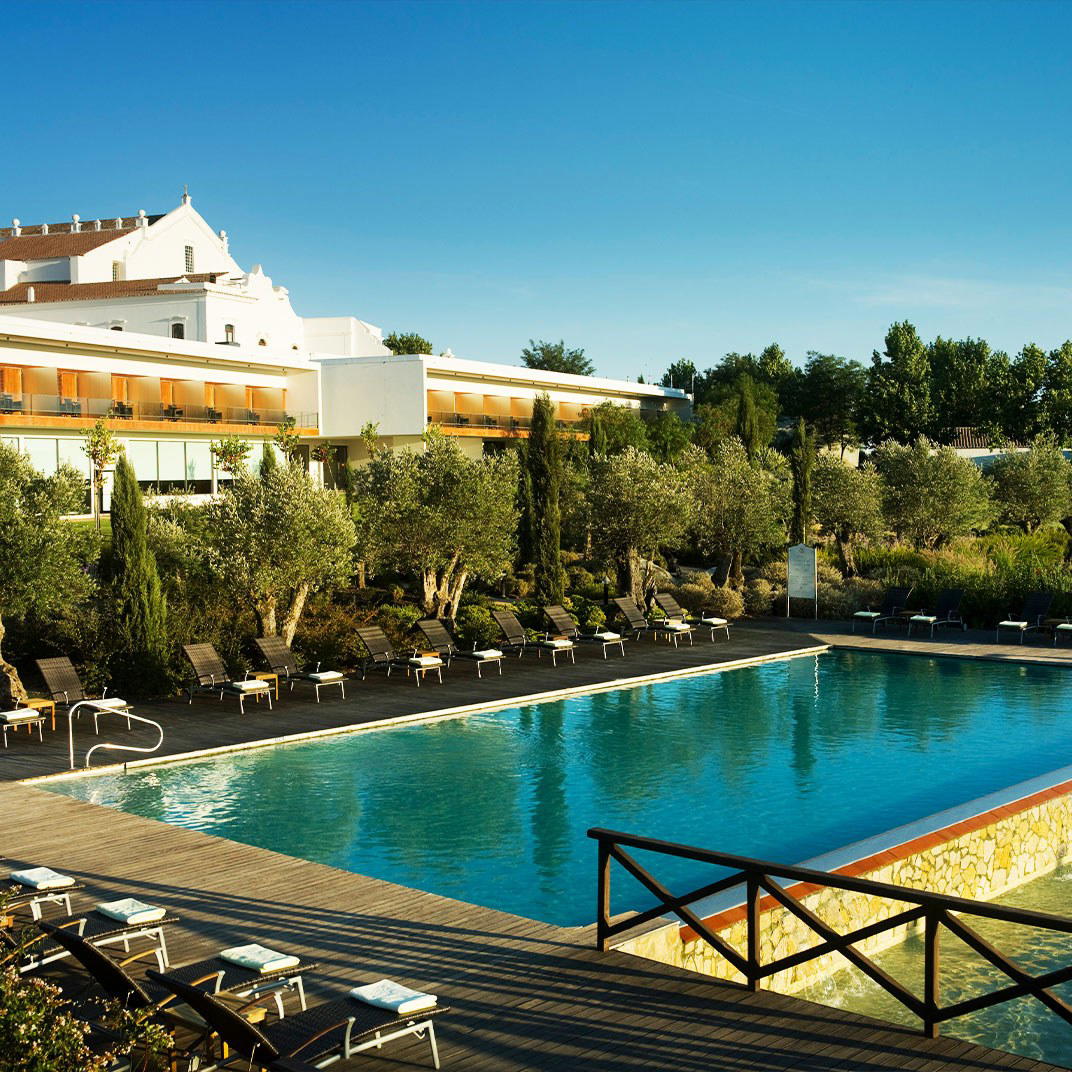
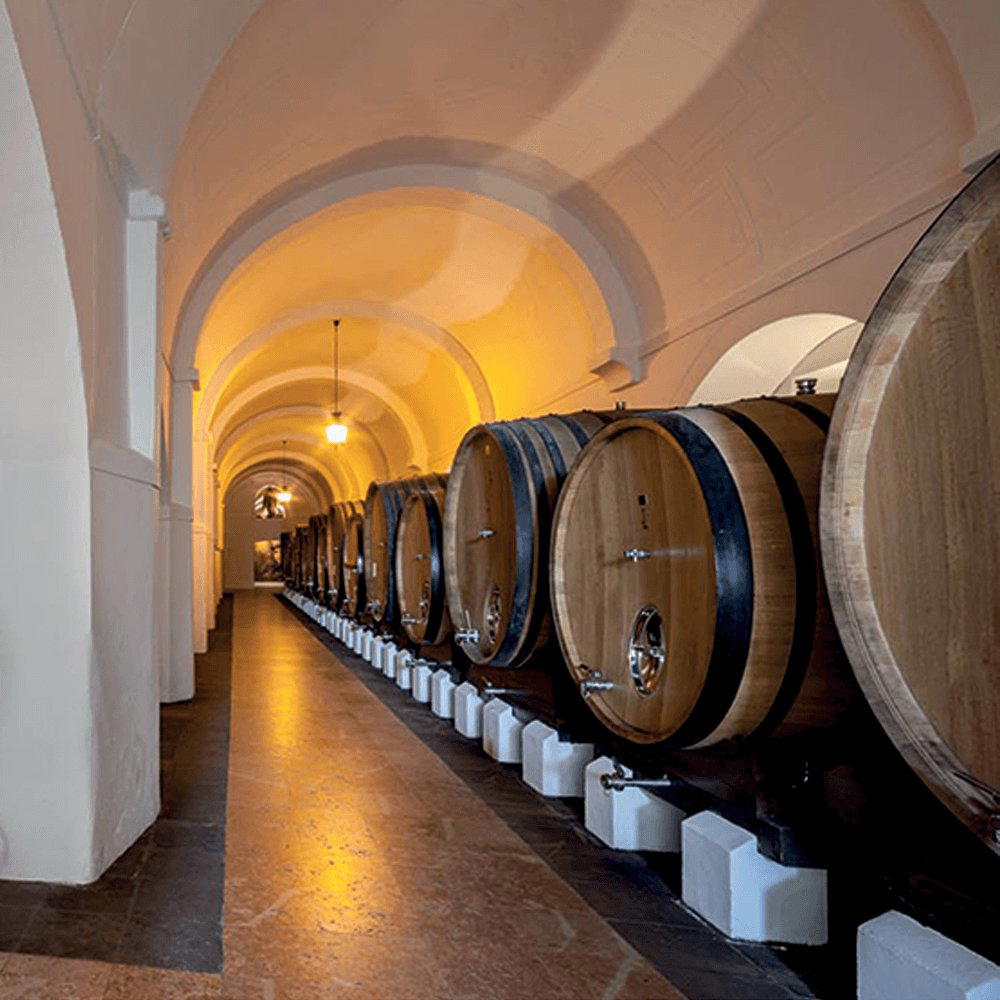
Sophisticated, comfortable, and cozy atmosphere under low white vaulted ceilings with horseshoe arches, frescos, light woods, glass, and crisp white linens creating a spacious and airy feel.