Café da Viagem

Relais Chateaux Award
Our verdict
Café da Viagem gives Montemor-o-Novo’s Alentejo setting a bistro reading rather than a formal tasting-menu treatment. Linked to L’AND Vineyards and listed in the 2026 Relais & Châteaux restaurant selection, it is strongest as an estate dining address for travellers who want regional provenance, wine-country calm, and a less ceremonial counterpoint to Portugal’s urban fine-dining circuit.

Pearl is the En Primeur Club membership app, where members save venues, book tables and use the concierge.
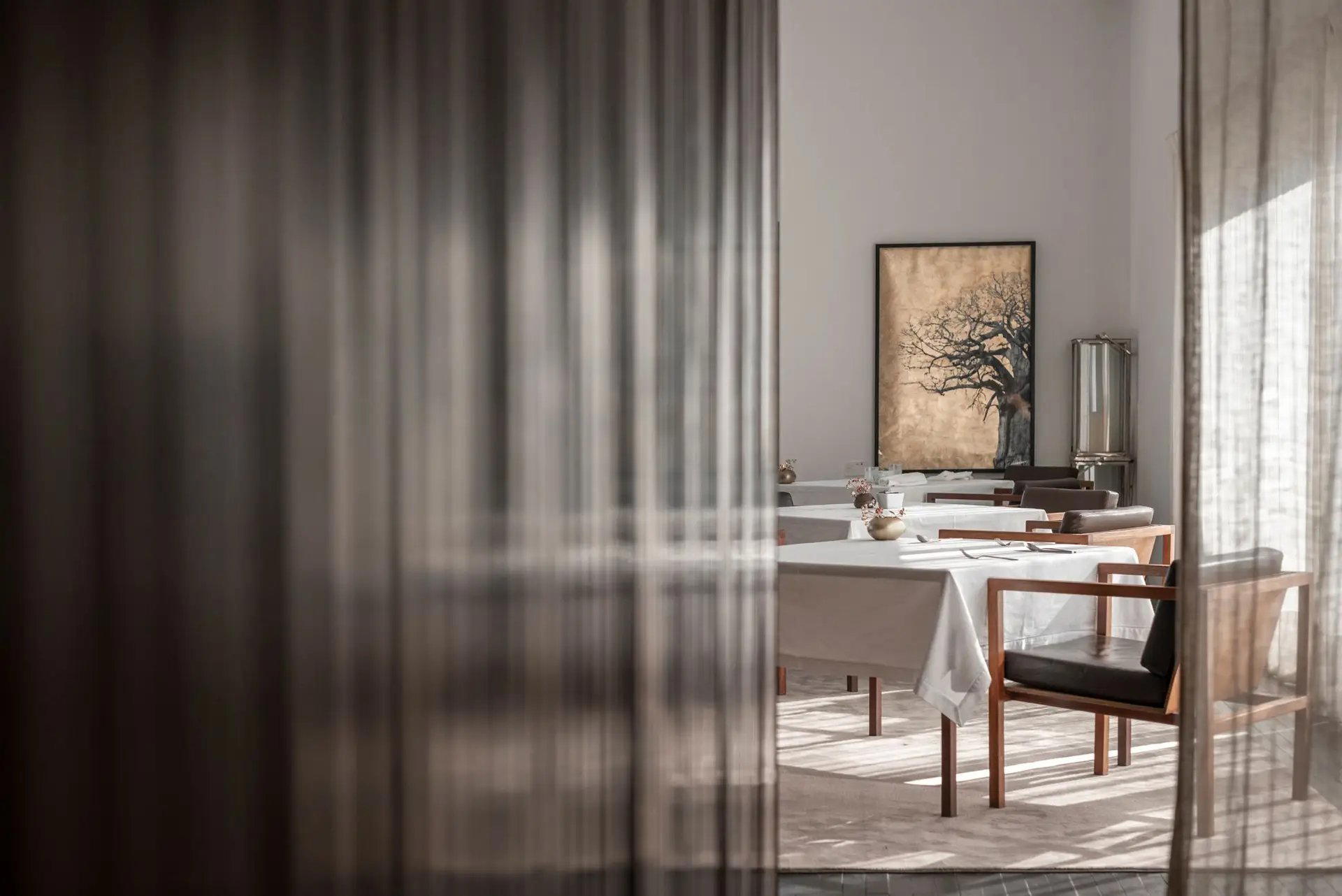
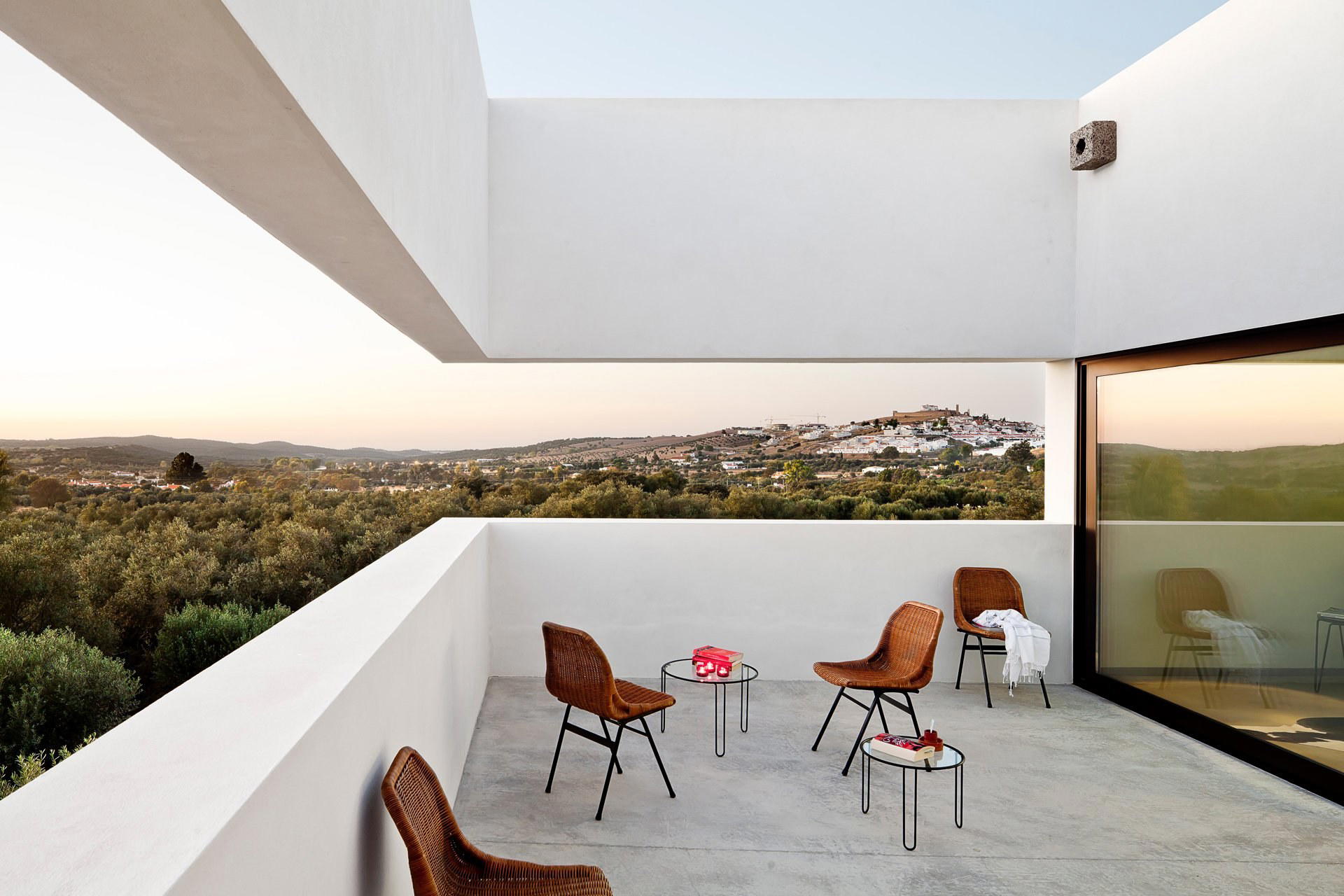
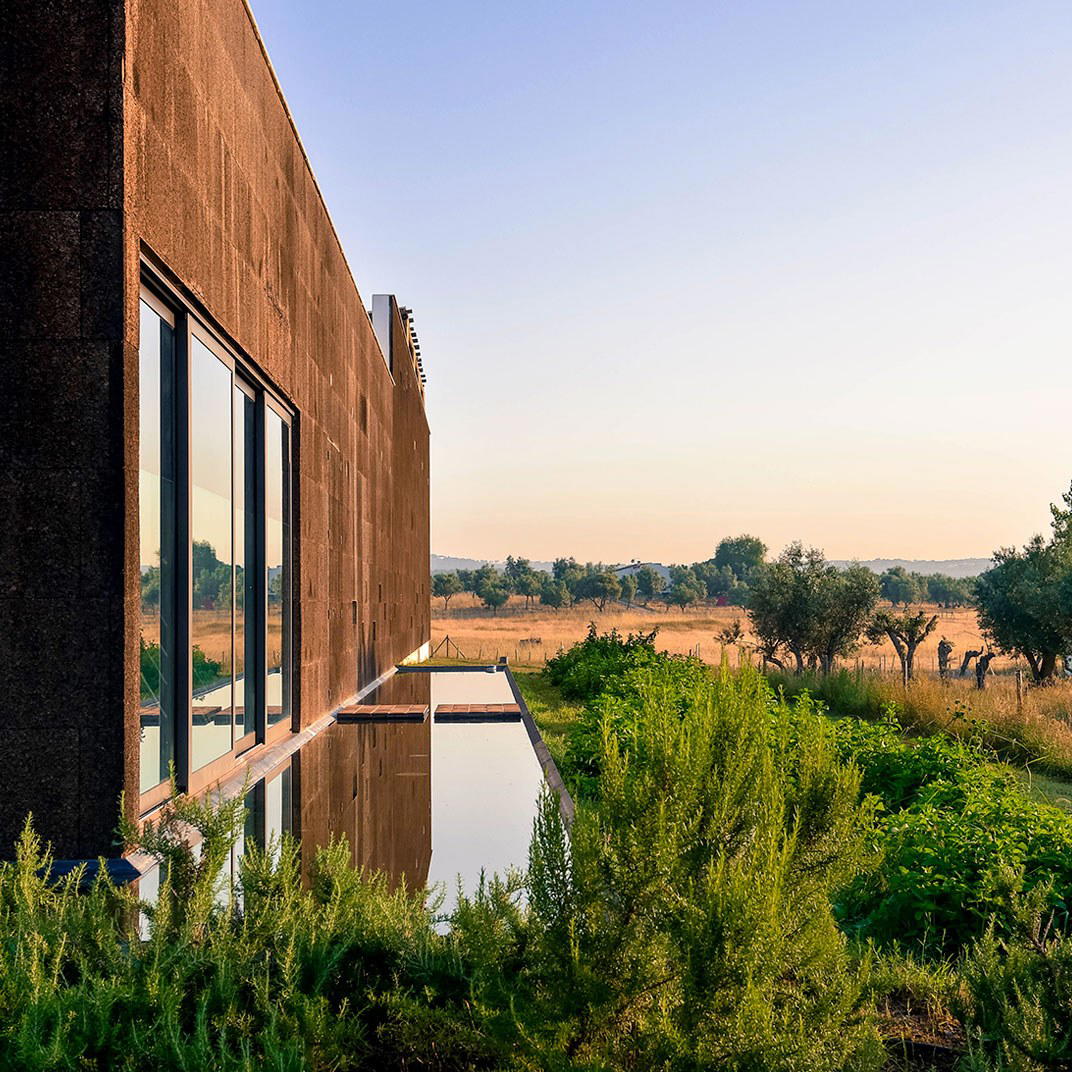
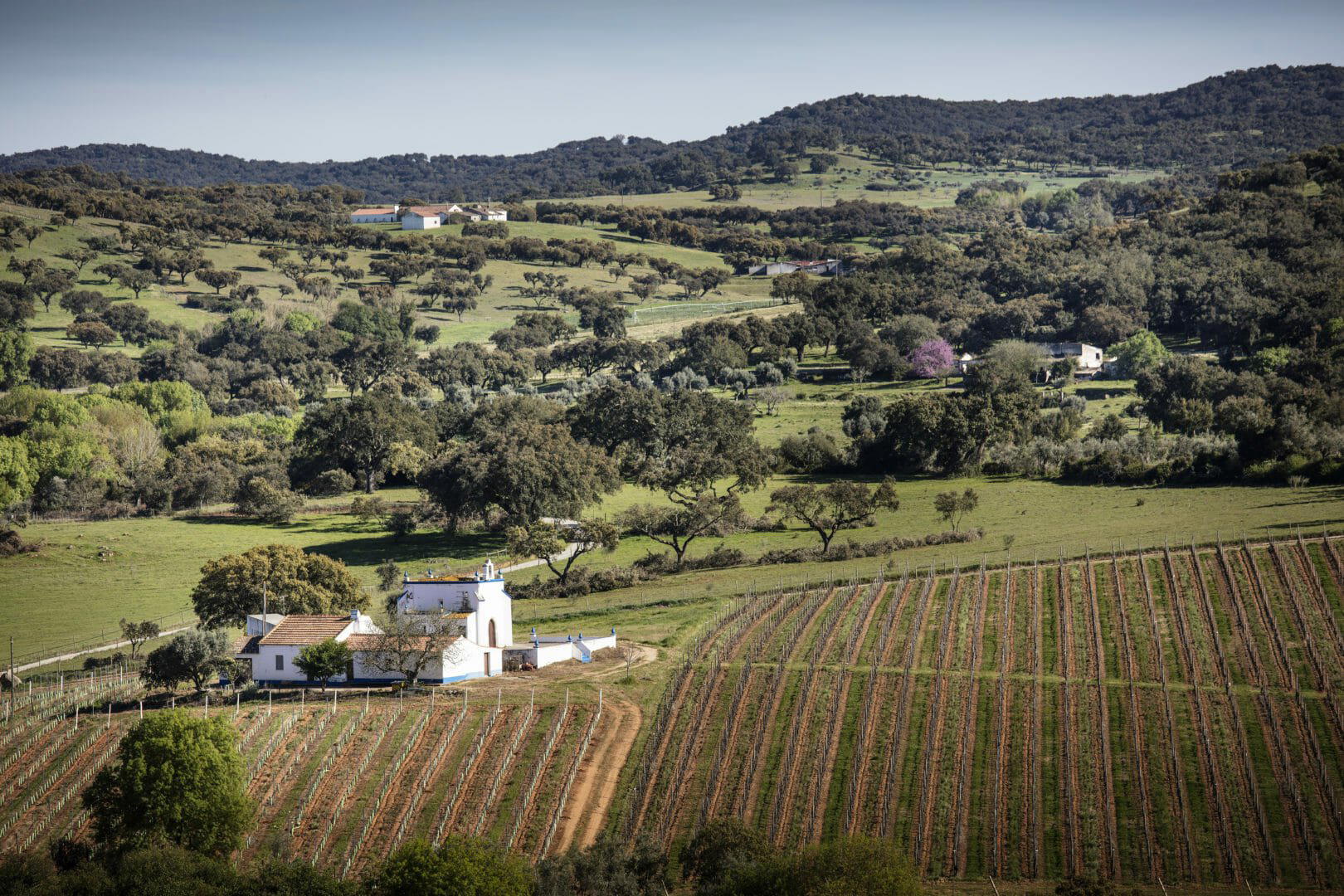
The approach to Montemor-o-Novo is defined less by street theatre than by open Alentejo scale: low horizons, dry light, cork country, and the sense that meals here should answer to land rather than fashion. Café da Viagem sits inside that rhythm. Its bistro-style cooking matters because the format gives the region room to breathe: less choreography than a dégustation, more flexibility than a formal destination restaurant, and a closer fit for travellers moving between vineyards, farms, and long drives across the interior.
Portugal’s restaurant conversation is often pulled toward Lisbon, Porto, and the Algarve, where tasting menus and international recognition shape the itinerary. Montemor-o-Novo asks for a different reading. The dining culture here is tied to Alentejo staples: bread, olive oil, pork, herbs, sheep’s cheese, wine, and a slower rural cadence. In that context, a bistro connected to a wine-country stay is not a secondary option. It can be the more accurate expression of place, especially when the meal is expected to sit between hotel life, vineyard architecture, and the agricultural identity of the region.
Alentejo provenance in a bistro register
Bistro-style cuisine has become a useful category for rural luxury properties because it can carry local ingredients without forcing them into ceremony. At Café da Viagem, the presence of chef David Jesus gives the kitchen a named point of accountability, but the more interesting story is format. A bistro can absorb regional produce, casual pacing, and estate hospitality in a way that a stricter tasting-menu room cannot always manage. That distinction matters in the Alentejo, where the appeal is not only what appears on the plate but how the plate relates to the surrounding land.
The restaurant’s estate association places it inside a broader Portuguese pattern: properties using food to translate terroir beyond the glass. For a more formal read on the same local orbit, other Montemor-o-Novo dining rooms sit in the conversation, while nearby options such as BELA - Food, Drinks & View, Canto Redondo, and The Orangerie point to how compact Montemor-o-Novo’s dining field is: small in scale, but varied in how it frames regional identity. Café da Viagem’s role is the accessible estate bistro, where provenance should register through ingredient logic and restraint rather than through theatrical presentation.
That positioning is strengthened by its inclusion in the 2026 Relais & Châteaux restaurant selection, a useful trust signal in a town where many travellers will be choosing between a hotel-based meal and a drive elsewhere. The listing does not make the restaurant comparable to Portugal’s metropolitan tasting-menu addresses; it places it in a different lane, one where hospitality standards, setting, and regional coherence carry weight. For context across the country, Portugal’s larger-city dining energy is more urban and expressive, while denser city-hotel dining cultures operate on different terms. Montemor-o-Novo is quieter, and that quiet changes the terms of judgement.
Why the estate setting changes the meal
Estate restaurants live or die by whether they feel grounded or merely convenient. In wine regions, the weak version is a hotel dining room with local references added as decoration. The stronger version uses the property’s geography as a frame for the meal: a kitchen that understands daylight, appetite, and the difference between a lunch after the road and a dinner after a cellar visit. Café da Viagem belongs to that second category by intent. Its bistro format makes sense for guests who want the Alentejo without turning every meal into a formal occasion.
The comparison set is not only local. Across Portugal, regional restaurants often gain authority by staying close to their terrain: wine-country rooms read through their surrounding vineyards, coastal restaurants through maritime habits, inland kitchens through regional cooking, and city addresses through their urban setting. Café da Viagem’s lane is narrower: bistro cooking inside an estate environment, with the vineyard-hospitality relationship doing part of the interpretive work.
Internationally, bistro-style cuisine can mean many things, from heritage-hotel polish to resort-driven informality. The Alentejo version should be judged by different criteria: whether it respects rustic abundance without becoming heavy, whether wine-country pacing feels natural, and whether the room offers a credible alternative to driving into a larger city for dinner. On those terms, the address has a clear purpose.
How to place it on a Montemor-o-Novo itinerary
Montemor-o-Novo rewards travellers who build meals around place rather than checklists. The town’s dining identity is not simply an extension of broader Alentejo tourism. It is more dispersed, more estate-led, and more dependent on planning around where one is staying. For a broader read, Our full Montemor-o-Novo restaurants guide helps map the local table, while Our full Montemor-o-Novo hotels guide explains why accommodation and dining often overlap in this part of the Alentejo.
The practical choice is simple: use Café da Viagem when the meal should extend the rhythm of the property and region, not interrupt it. Travellers building a fuller stay can pair that with Our full Montemor-o-Novo wineries guide for the wine context, Our full Montemor-o-Novo experiences guide for cultural pacing, and Our full Montemor-o-Novo bars guide for the smaller after-dinner field. The restaurant is not trying to compete with Portugal’s flashier urban rooms. Its value lies in a calmer proposition: Alentejo ingredients, estate hospitality, and a bistro structure that lets the region remain the subject.
Frequently asked questions
Is Café da Viagem child-friendly?
Café da Viagem’s bistro-style cuisine and estate setting in Montemor-o-Novo make it a plausible fit for family dining. For seating or timing, check directly when booking.
What is the atmosphere like at Café da Viagem?
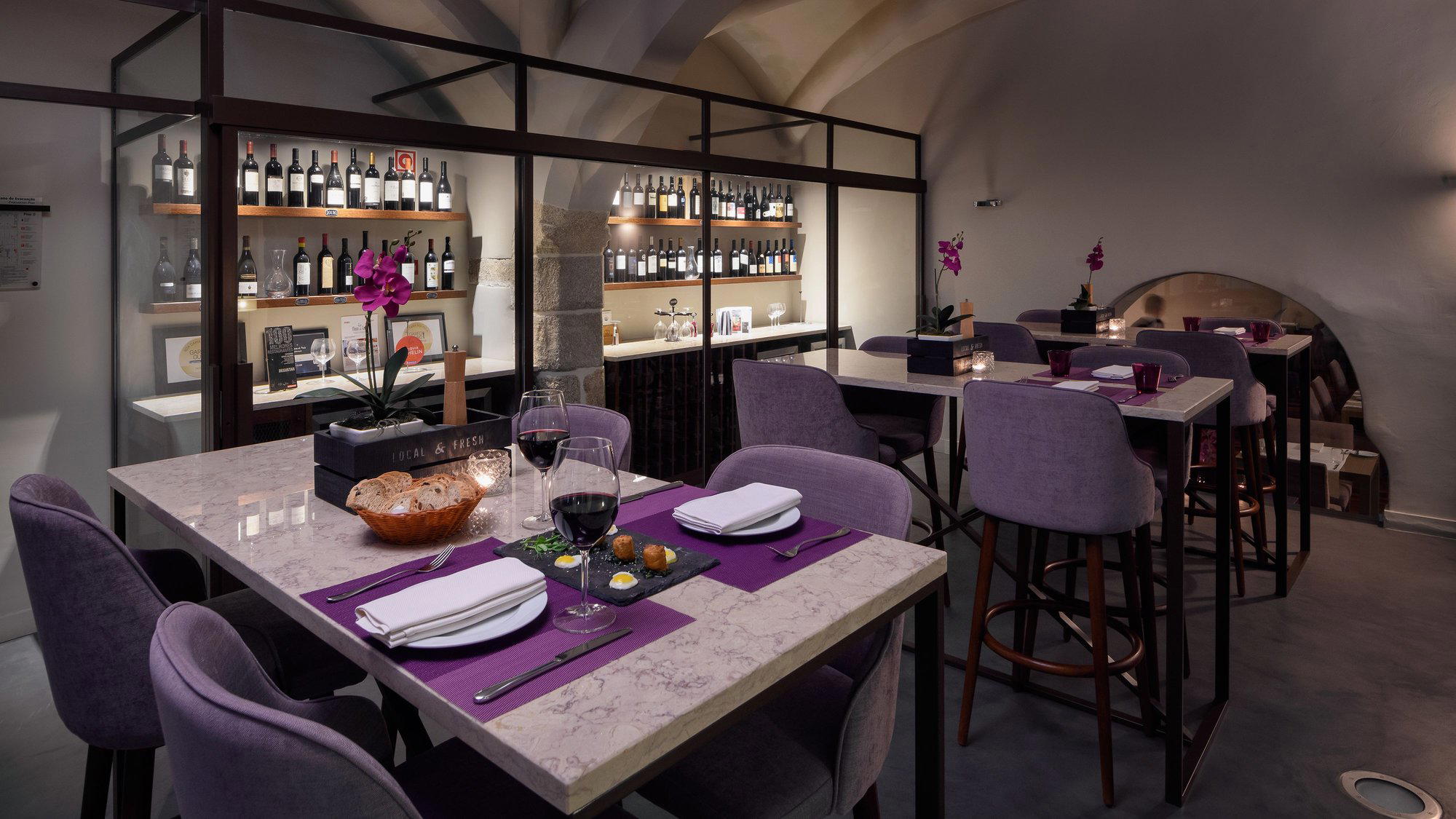
The room reads as an estate bistro rather than a formal dining room, with service framed by its Montemor-o-Novo setting. Its Relais & Châteaux listing gives it a clear hospitality pedigree without pushing the room into ceremony.
What cuisine category does Café da Viagem fall under?
Café da Viagem serves Bistro-style cuisine.
What is Café da Viagem known for?
Café da Viagem is primarily known for Bistro-style cuisine in Montemor-o-Novo.
Comparable Spots, Quickly
Comparable venues by cuisine and price in the same metro.
| Venue | Cuisine | Awards |
|---|---|---|
| Café da ViagemThis venue (the venue you are viewing) | Author & International fusion café and wine bar | Relais Chateaux Award |
| BELA - Food, Drinks & View | Bistro-style cuisine | Not listed |
| The Orangerie | Bistro-style cuisine | Not listed |
| Canto Redondo | Bistro-style cuisine | Not listed |
Recognition history
Dated appearances from independent guides and award organizations, with the underlying list record or original source where available.
Relais Chateaux Award
Relais Chateaux
Continue exploring
More in Montemor-o-Novo
Restaurants in Montemor-o-Novo
All restaurants in Montemor-o-Novo →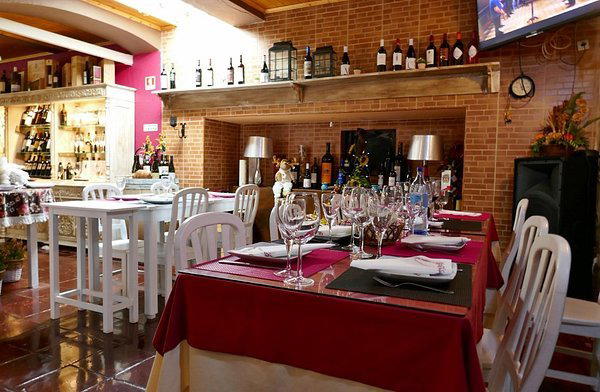
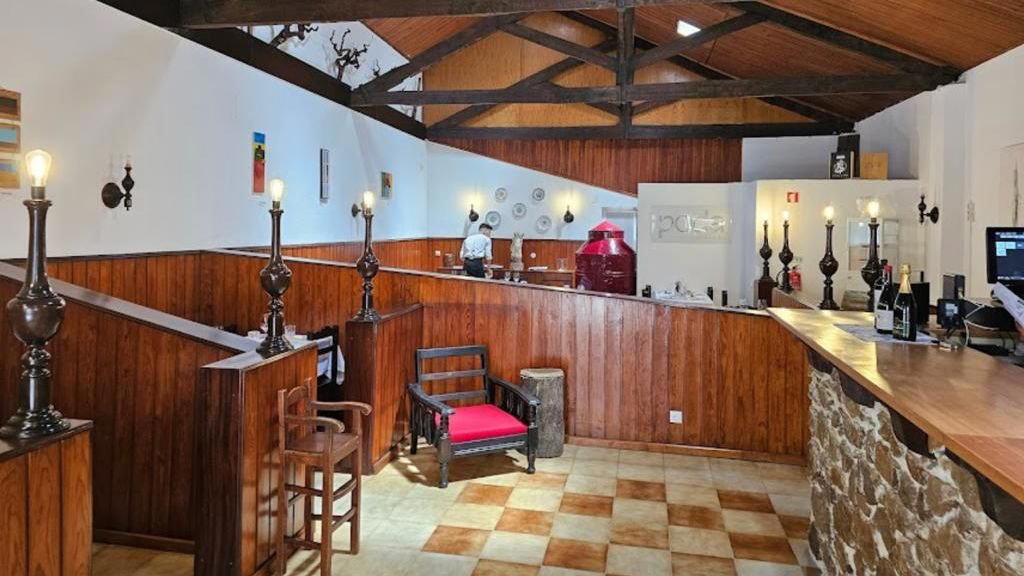
Hotels in Montemor-o-Novo
All hotels in Montemor-o-Novo →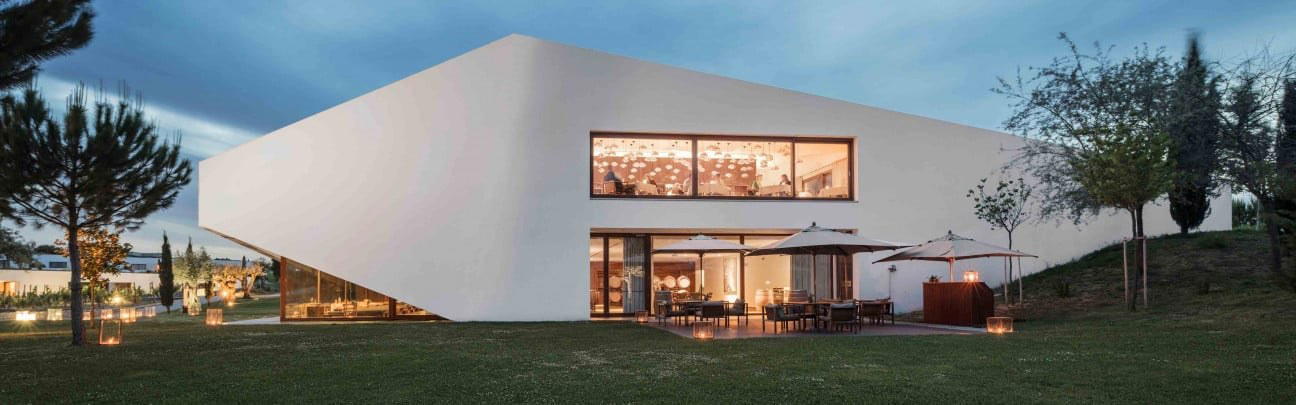

Details
- Cozy
- Modern
- Scenic
- Relaxed
- Casual Hangout
- After Work
- Group Dining
- Solo
- Date Night
- Late Night
- Wine Cellar
- Terrace
- Garden
- Hotel Restaurant
- Design Destination
- Standalone
- Extensive Wine List
- Garden
- Street Scene
- A La Carte
- Small Plates
- Wine
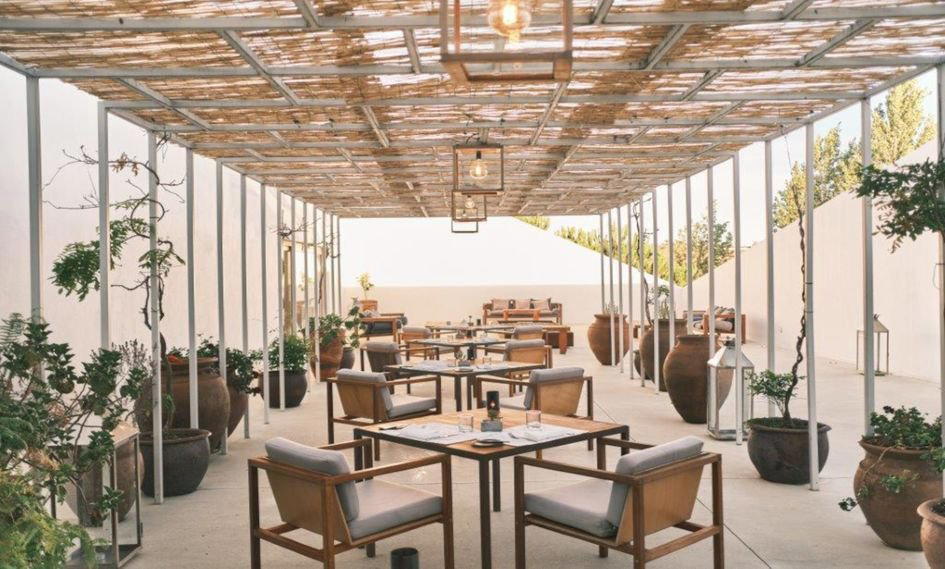
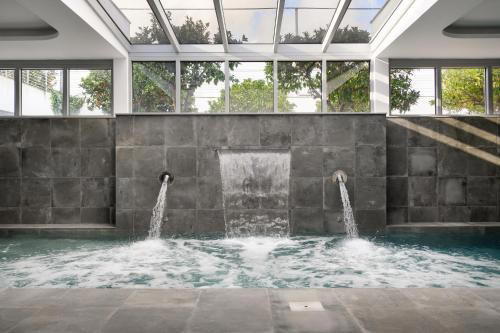
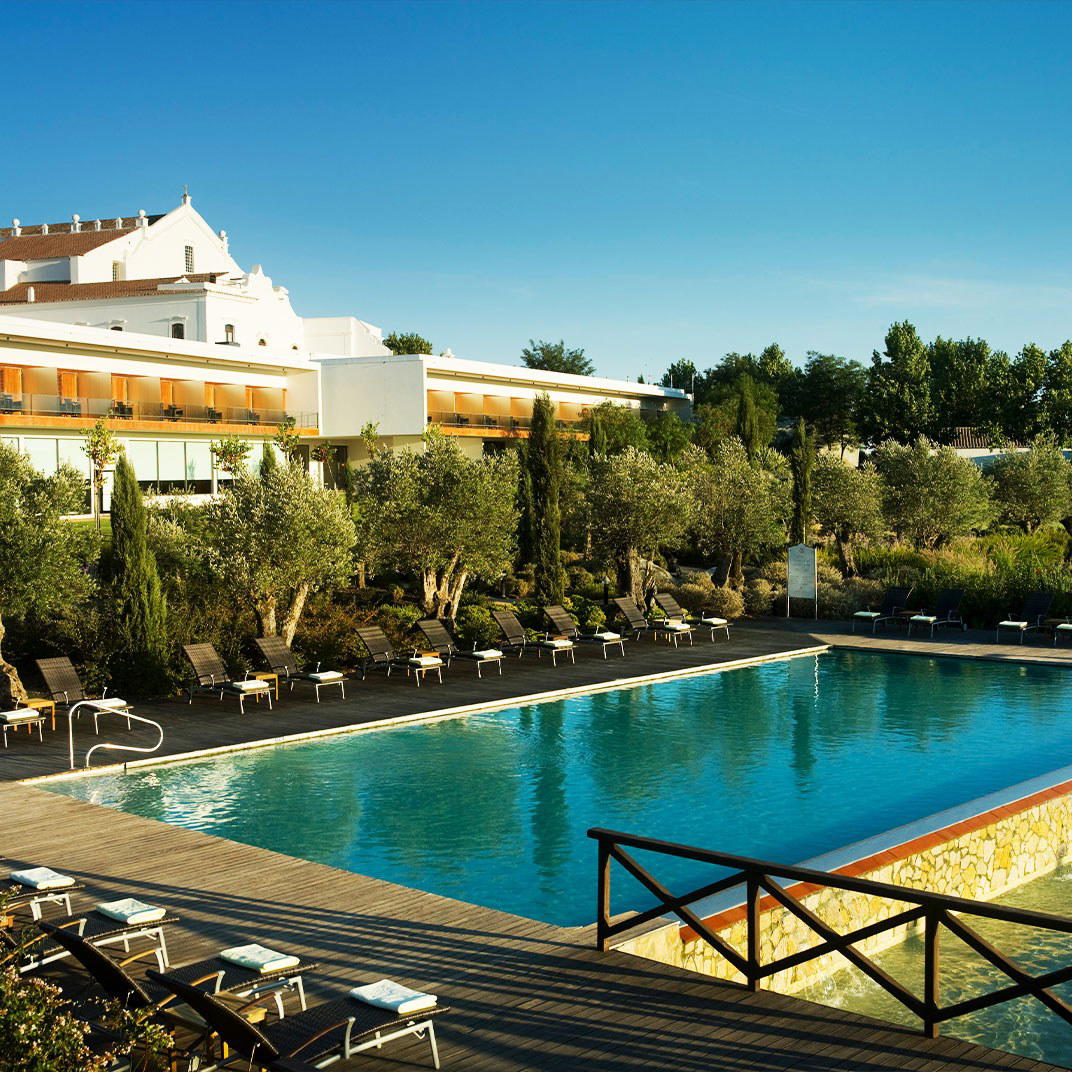
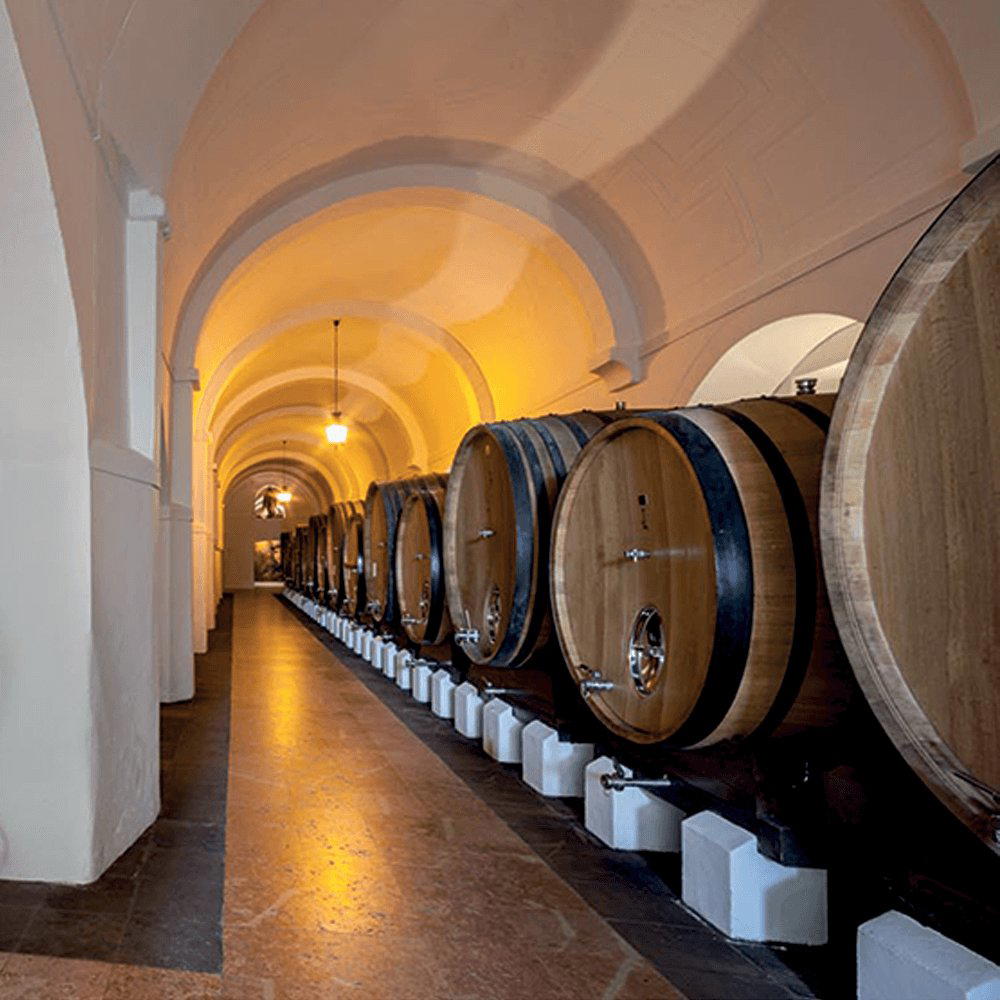
Informal and relaxed café-wine bar setting within a design-focused wine resort, with luminous interiors that open to views of the lake and landscaped gardens and a pergola-shaded terrace for laid-back outdoor meals in warm weather.