The Factory House is one of Porto's most historically charged wine addresses, a Georgian-era merchants' hall on Rua Infante Dom Henrique that has operated as a private British trade institution since the eighteenth century. Port wine has been poured and debated here longer than most modern lodges have existed. For those with access, it offers an unmediated encounter with the fortified wine tradition at its institutional source.
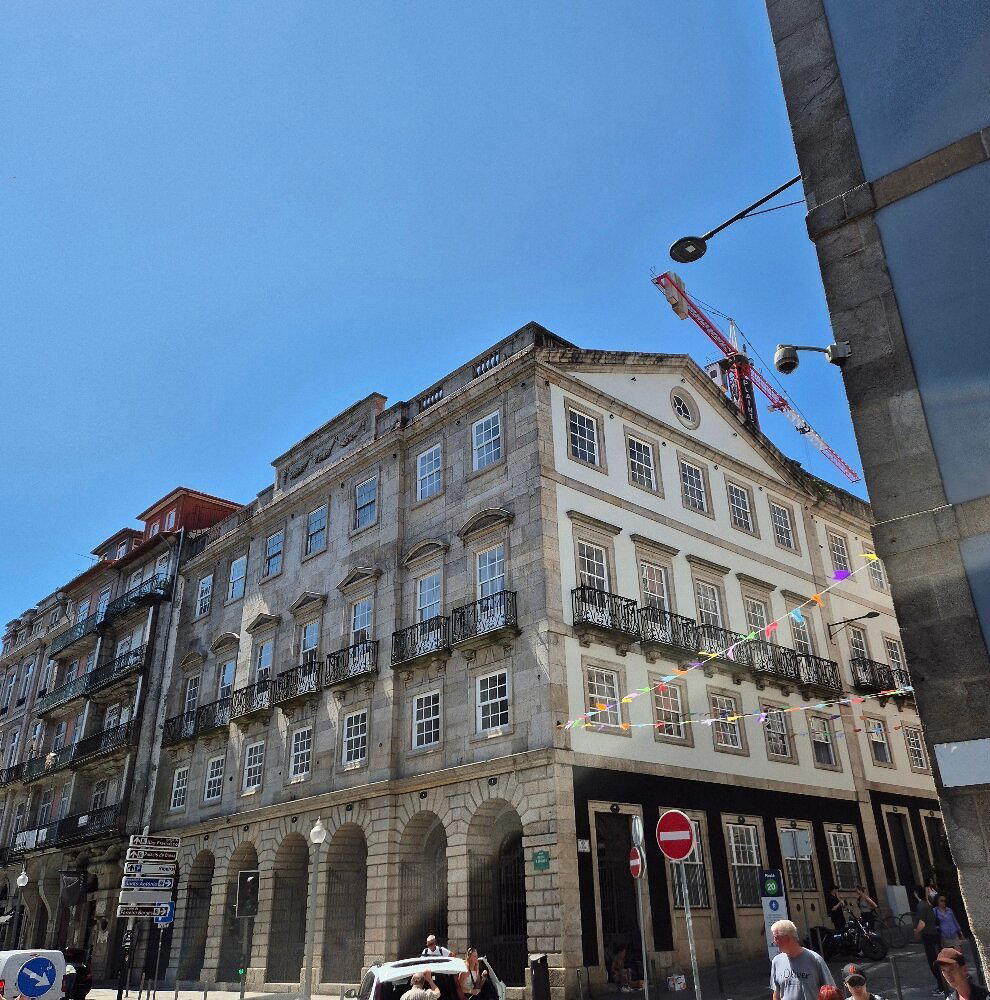
The Weight of Granite and Fortified Wine
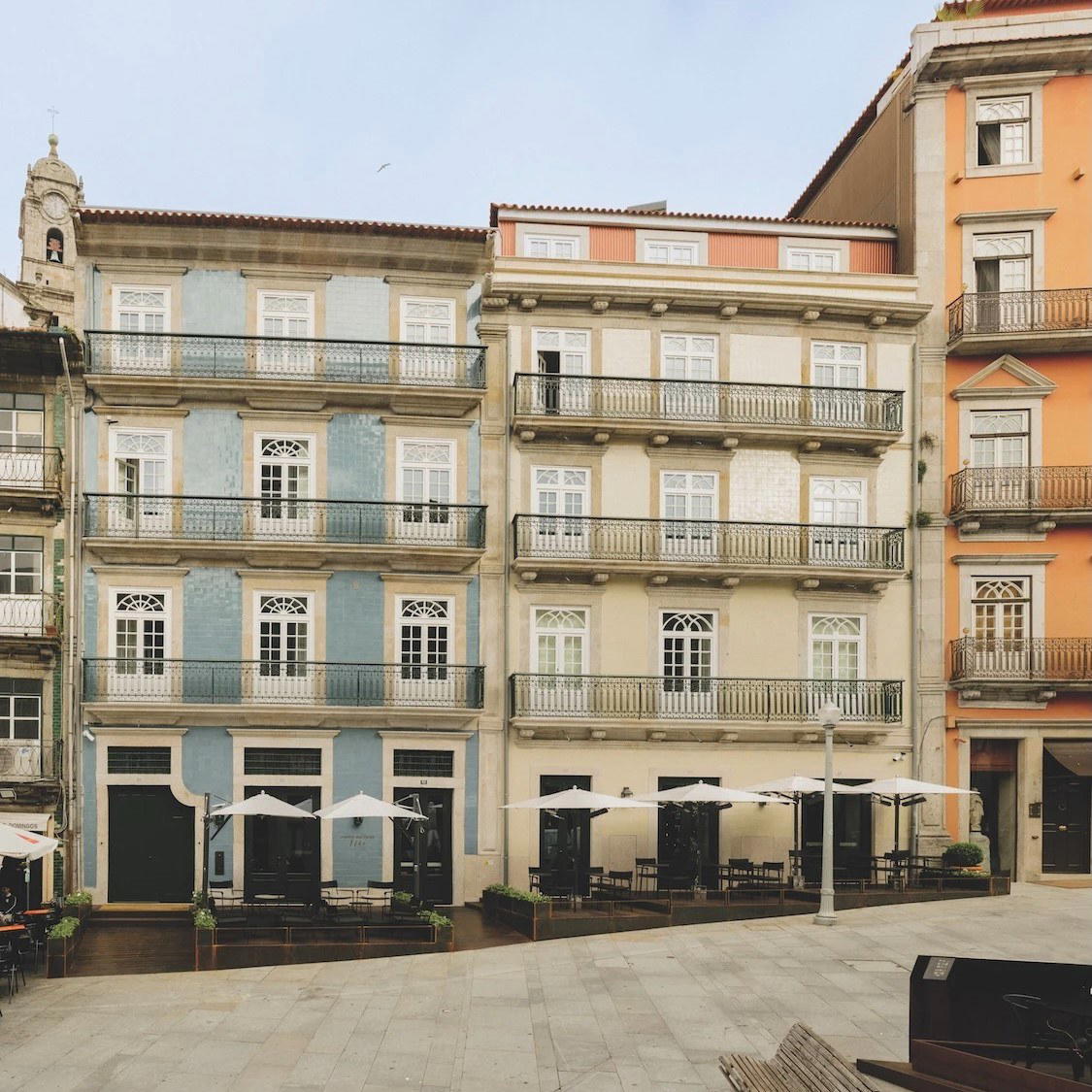
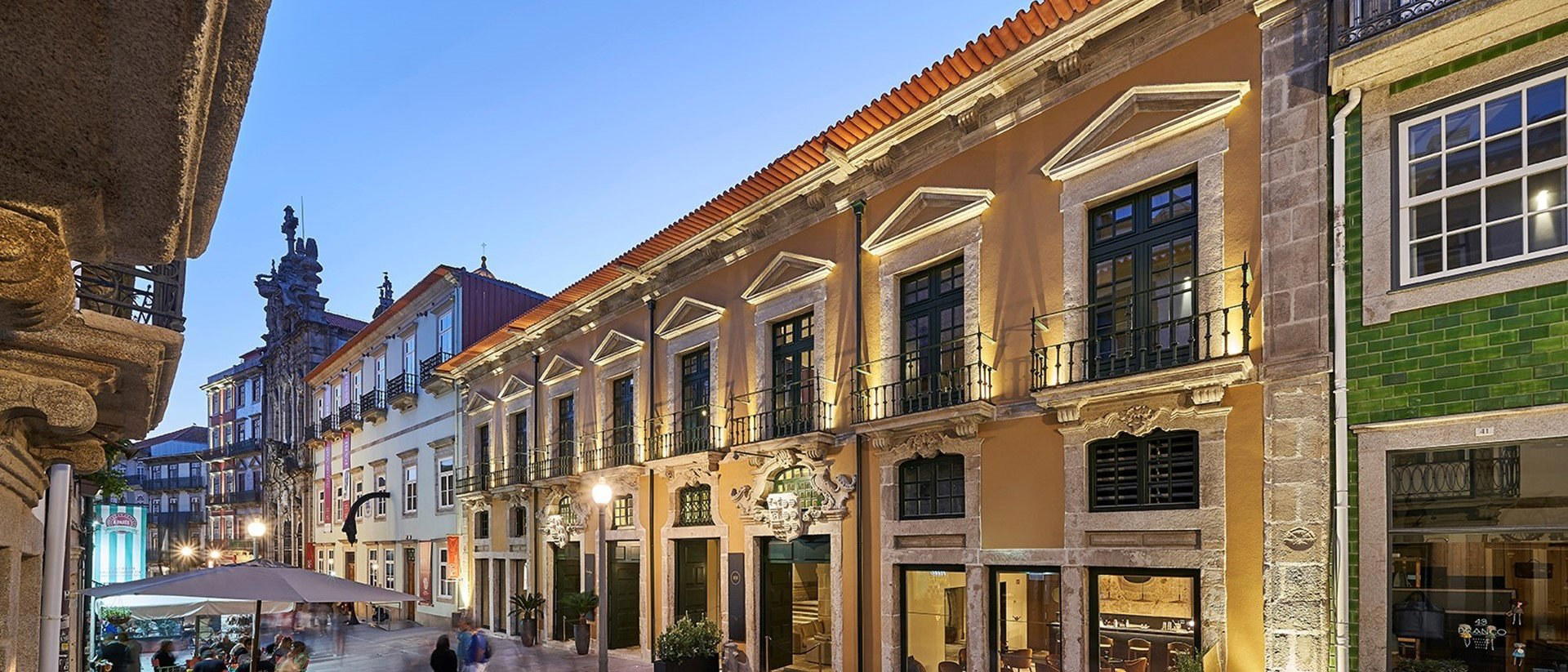
There is a particular quality to buildings that have held the same function for more than two centuries. The Factory House on Rua Infante Dom Henrique in Porto's Ribeira district carries that quality in its stonework and proportions. The Georgian facade, built in the 1790s to a design by the British consul John Whitehead, was conceived as a commercial and social hub for the British Port wine shippers who controlled much of the trade flowing out of the Douro Valley. That function has not fundamentally changed. The institution still operates as a private association of British Port wine houses, and the rituals it maintains, weekly Wednesday lunches, a formal dessert room reserved exclusively for vintage Port, are direct continuations of practices established when the building opened.
That continuity is not nostalgia. It is documentation. What happens inside the Factory House offers a lens onto how the Port wine trade understood itself, how it organized prestige, and how it drew the boundary between everyday fortified wine and the aged, single-vintage expressions the British shippers considered the category's summit. Understanding the Factory House means understanding those distinctions, which remain operative in how Port is evaluated and discussed today.
Terroir Translated Through a Trade Institution
The Douro Valley, the source of all Port wine, is one of the more demanding winegrowing environments in southern Europe. The steep schist slopes retain heat through the day and release it slowly at night, producing the concentration that defines ripe Port-fruit. Water is scarce, yields are low, and the terraced vineyards, many planted on near-vertical gradients, require hand labor that has no mechanized substitute. The result is a raw material with genuine site-specificity: Touriga Nacional, Touriga Franca, Tinta Roriz, and other permitted varieties express those schist-and-heat conditions in ways that are difficult to replicate elsewhere.
The Factory House sits at the downstream end of that supply chain, in the city where the wine arrived by boat for blending, aging, and export. For context on what happens at the production end of that journey, properties like Quinta do Bomfim in Pinhão and Quinta do Seixo (Sandeman) in Tabuaço offer direct valley exposure. Quinta do Vallado in Peso da Régua adds a family-estate dimension to the same upstream conversation. The Factory House represents the trading terminus of that chain: where the wine was assessed, sold, and ceremonially consumed by the men who had shipped it from the schist terraces to the wider world.
Wednesday lunch tradition, in which member shippers rotate hosting duties, is where the Port-terroir argument plays out in the most concentrated form. The second dining room, kept separate from the first course precisely so that no residual food aromas interfere with the Port, is used exclusively for vintage declarations. The practice encodes a conviction, shared across the British shippers for generations, that declared vintage Port is a category apart, deserving conditions of assessment that reflect its age and complexity. Whether or not one subscribes to the ritual logic, the room itself is a physical argument about how terroir expression peaks in a wine that has spent decades in bottle.
Where the Factory House Sits in Porto's Wine Geography
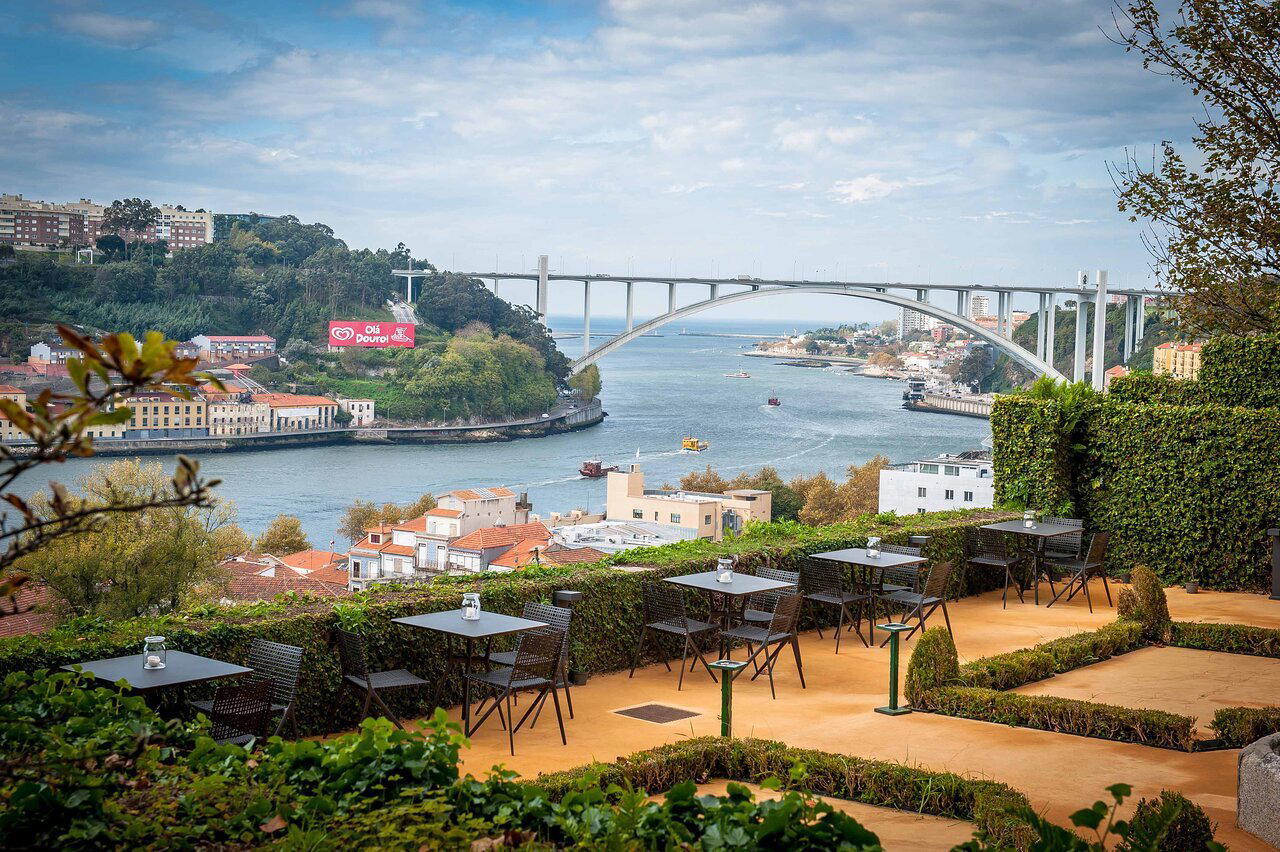
Porto and Vila Nova de Gaia together form the commercial center of the Port wine world, with the lodges of Gaia, where the wine ages in pipe barrels, functioning as the production spine, and the Ribeira district functioning as the historical and institutional address. Churchill's in Vila Nova de Gaia represents the lodge side of that geography, with aging infrastructure across the river. The Factory House occupies a different register entirely: it is not a producer, not a cellar, and not open in the conventional visitor sense. It is a members' institution, and access for non-members is limited to occasional guided tours arranged through specific channels, which makes planning essential.
That access profile sets it apart from the broader Port tourism circuit, which skews toward the Gaia lodges and their tasting rooms. Visitors who arrive at the Factory House expecting a walk-in experience will find the doors closed. Those who arrange access in advance encounter something the lodges cannot replicate: a Georgian interior preserved with institutional care, state rooms with period furniture and silver, and a wine context grounded in trade history rather than consumer hospitality. The practical implication is to treat the Factory House as a structured visit requiring advance communication rather than a drop-in stop on a Porto afternoon.
For broader Portuguese wine context beyond the Douro, the range extends considerably. Bacalhôa Vinhos in Azeitão, Herdade do Esporão in Reguengos de Monsaraz, and Adega Cartuxa in Évora each represent the Alentejo and Setúbal Peninsula traditions. Adega Regional de Colares offers something rarer: pre-phylloxera sandy-soil vines producing Ramisco in a coastal Atlantic context entirely unlike the Douro. Casa de Santar in Nelas and Aliança Vinhos in Sangalhos extend the map into the Dão and Bairrada. For fortified wine comparisons beyond Port, Blandy's Wine Lodge in Funchal charts Madeira's distinct oxidative tradition, a style with its own terroir logic shaped by altitude, volcanic soil, and the estufagem process. Adega Cooperativa de Borba rounds out the Alentejo cooperative story.
For those building a broader wine itinerary that moves beyond Portugal entirely, Aberlour in Aberlour and Accendo Cellars in St. Helena represent different ends of the aged-spirit and premium-Napa spectrum. Our full Porto restaurants guide covers the city's dining context in depth for those combining the wine itinerary with serious eating.
Planning a Visit
The Factory House does not operate as a public tasting room or visitor attraction in the conventional sense. Access has historically been available through guided group tours on specific days, arranged by contacting the British Association of Port and Douro Shippers, which administers the building. Pricing, availability, and tour frequency are subject to change, and the institution's private status means that walk-in access is not a realistic expectation. For visitors committed to seeing the state rooms and the double dining room, early outreach and confirmation of current tour schedules is the only reliable approach. The Ribeira location puts the building within walking distance of the main quayside and the ferry crossing to the Gaia lodges, so a Factory House visit fits logically into a morning that continues across the river for afternoon tastings.
The Broader Argument This Building Makes
The Factory House's persistence as a functioning institution in an era of consolidated Port producers and global wine tourism makes a specific argument about the category. Port's prestige has always been partly constructed through the social architecture of trade, the lodges, the shippers, the declared vintages, the gentlemen's agreements about when a year was good enough to declare. The Factory House is the most intact surviving piece of that architecture. Visiting it with that frame in mind produces a more useful experience than arriving expecting a tasting room. The wine poured here, when it is poured, is context as much as product: it belongs to a tradition of assessment and ceremony that shaped how the world came to understand Port in the first place.
Frequently asked questions
Is The Factory House more low-key or high-energy?
Low-key by every measure. The Factory House in Porto is a private institution operating in a granite building that has held the same function since 1790. There is no wine bar atmosphere, no music, and no crowd management. Access is limited and the pace reflects the building's diplomatic and commercial origins rather than any hospitality concept.
Can you visit The Factory House in Porto independently, or is it members-only?
The Factory House operates as a private institution controlled by the British Association of Porto, whose membership is drawn from British Port wine shippers. It is not open to independent walk-in visitors in the way that the lodges of Vila Nova de Gaia are. Limited public access has historically been available through organized tours, but the building's primary function remains the business and social affairs of its member firms rather than wine tourism.
What wines is The Factory House known for?
The Factory House is associated exclusively with Port wine, the fortified wine produced in the Douro Valley and historically traded through Porto and Vila Nova de Gaia. Its members have been the British shippers at the center of that trade for over two centuries. Vintage Port is the category most directly connected to the institution's history and reputation.
What's the defining thing about The Factory House?
It is a private British trade institution that has functioned continuously in Porto since 1790, making it one of the few buildings in southern Europe that still operates according to its original commercial purpose. The connection to Port wine is not curatorial or touristic, it is structural. The institution exists because the wine trade required it.
Is The Factory House reservation-only?
Access to The Factory House in Porto is not available through a standard reservation system. Historically, visits have been possible through guided tours at specific times, but it does not function as a public tasting room or attraction. Checking directly with Porto's tourism infrastructure or the British Association is the practical route for current access details.
What's a smart way to approach The Factory House?
Treat it as a context stop rather than a tasting destination. Understanding the Factory House's role in Porto's Port wine geography, alongside the lodges of Vila Nova de Gaia across the Douro, gives the broader wine geography of the region considerably more weight. Combining any Factory House access with lodge visits in Gaia makes for a coherent reading of how Port wine moves from the Douro schist slopes to the bottle.
Is The Factory House worth a detour?
For anyone engaged with Port wine beyond the commercial surface, yes. No other building in Porto makes the argument for the British role in shaping the fortified wine trade as directly. The architecture and institutional continuity are evidence rather than backdrop, the granite on Rua Infante Dom Henrique is the historical record made physical.
Comparable Spots, Quickly
Comparable venues nearby, for context on price, style, and recognition.
| Venue | Cuisine | Price | Awards | Notes |
|---|---|---|---|---|
| The Factory HouseThis venue (the venue you are viewing) | Touriga Nacional, Touriga Francesa | Not listed | Not listed | Not listed |
| Ferreira | Touriga Nacional, Touriga Franca | $20–30 | Falstaff Winery - Listed | Vila Nova de Gaia |
| Casa de Santar | Touriga Nacional, Encruzado | Not listed | Falstaff Winery - Listed | Santar |
| Bacalhôa Vinhos | Cabernet Sauvignon, Merlot | Not listed | Not listed | Azeitão |
| Quinta do Vale Meão | Touriga Nacional, Touriga Franca | Not listed | Falstaff Winery - Listed | Vila Nova de Foz Côa |
| Adega Cooperativa de Borba | Aragonez, Trincadeira | $30–50 | Not listed | Borba |
Request a visit to The Factory House
Tell us when you would like to go and how many people, and we put the request to the estate and reply to you by email.
Continue exploring
More in Porto
Wineries in Porto
All wineries in Porto →
Bars in Porto
All bars in Porto →
Restaurants in Porto
All restaurants in Porto →
Details
- Elegant
- Classic
- Sophisticated
- Well Known
- Special Occasion
- Wine Education
- Corporate Event
- Historic Building
- Private Tasting
- Waterfront
- Touriga Nacional
- Touriga Francesa
- Tinta Barroca
- Tinta Roriz
- Fortified
- Port Wine Tasting
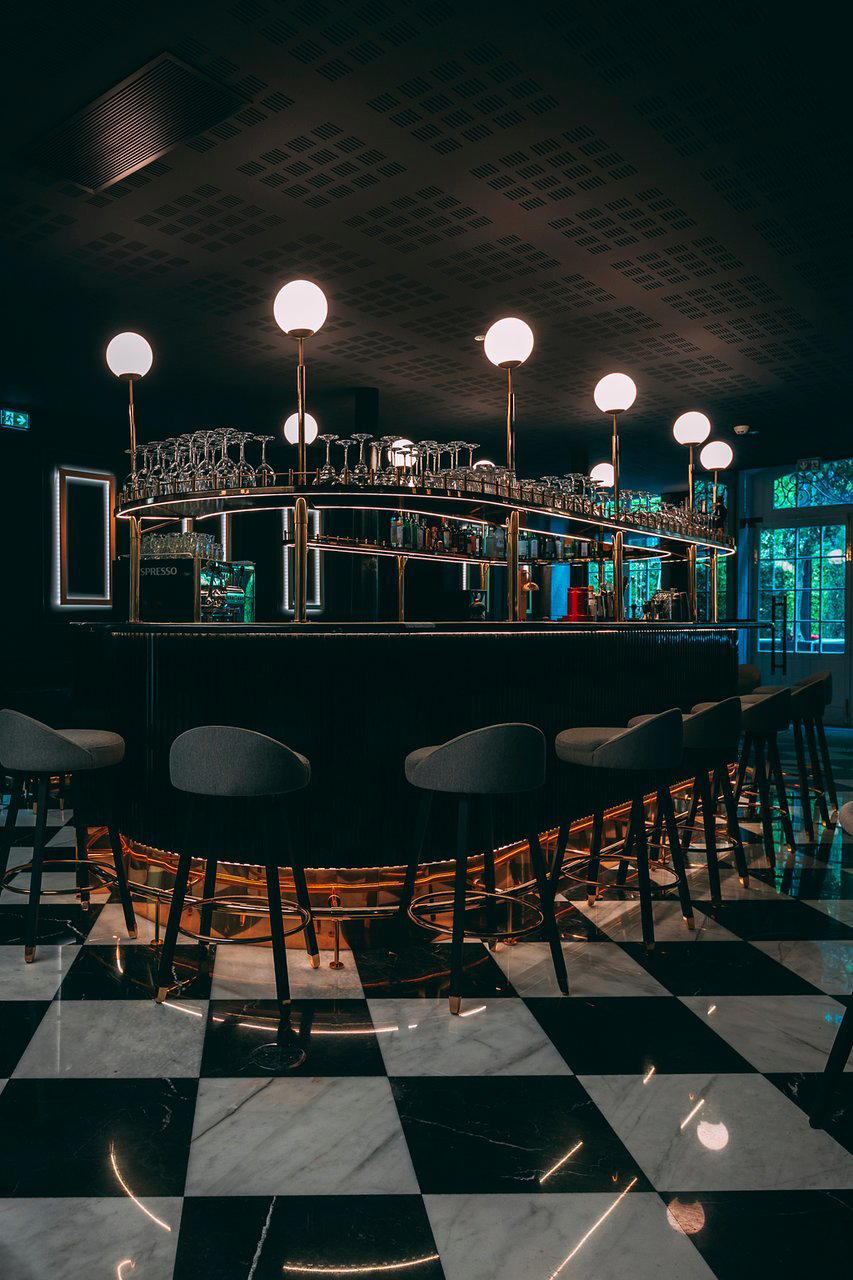
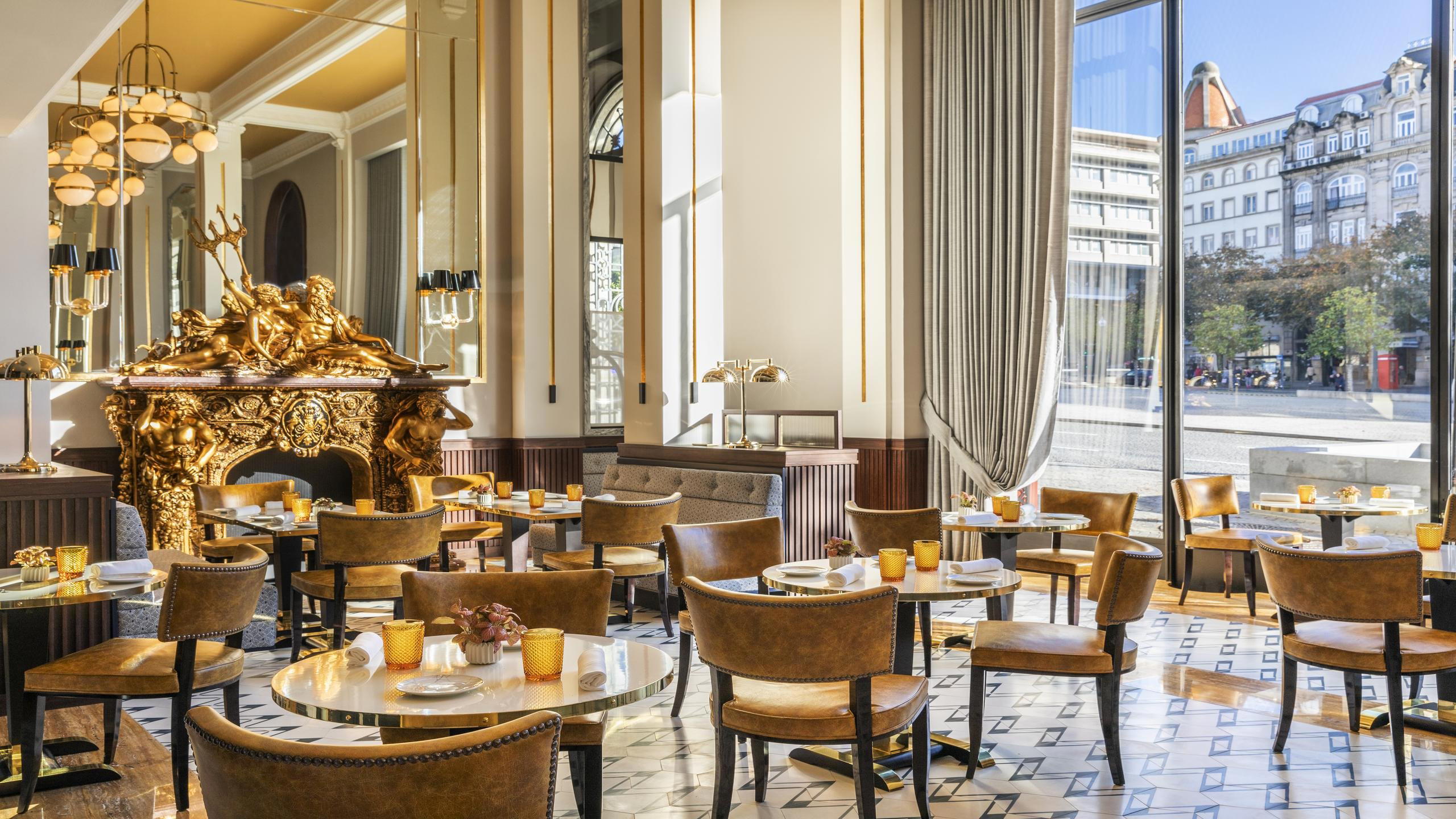
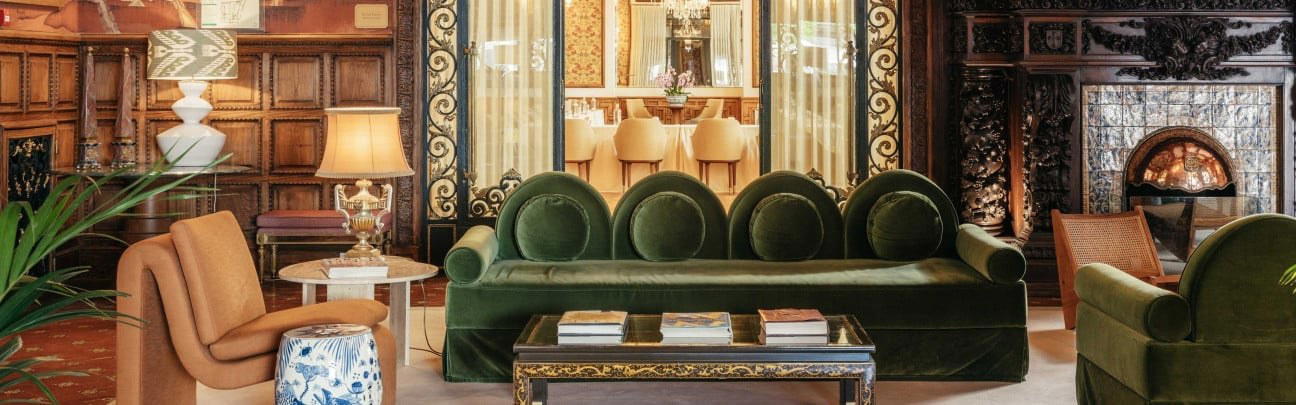
Grand and refined with imposing proportions, elegant dining rooms, and a cast-iron kitchen reflecting 18th-century craftsmanship and contemporary taste for civilized entertainment.