
Michelin Plate
Our verdict
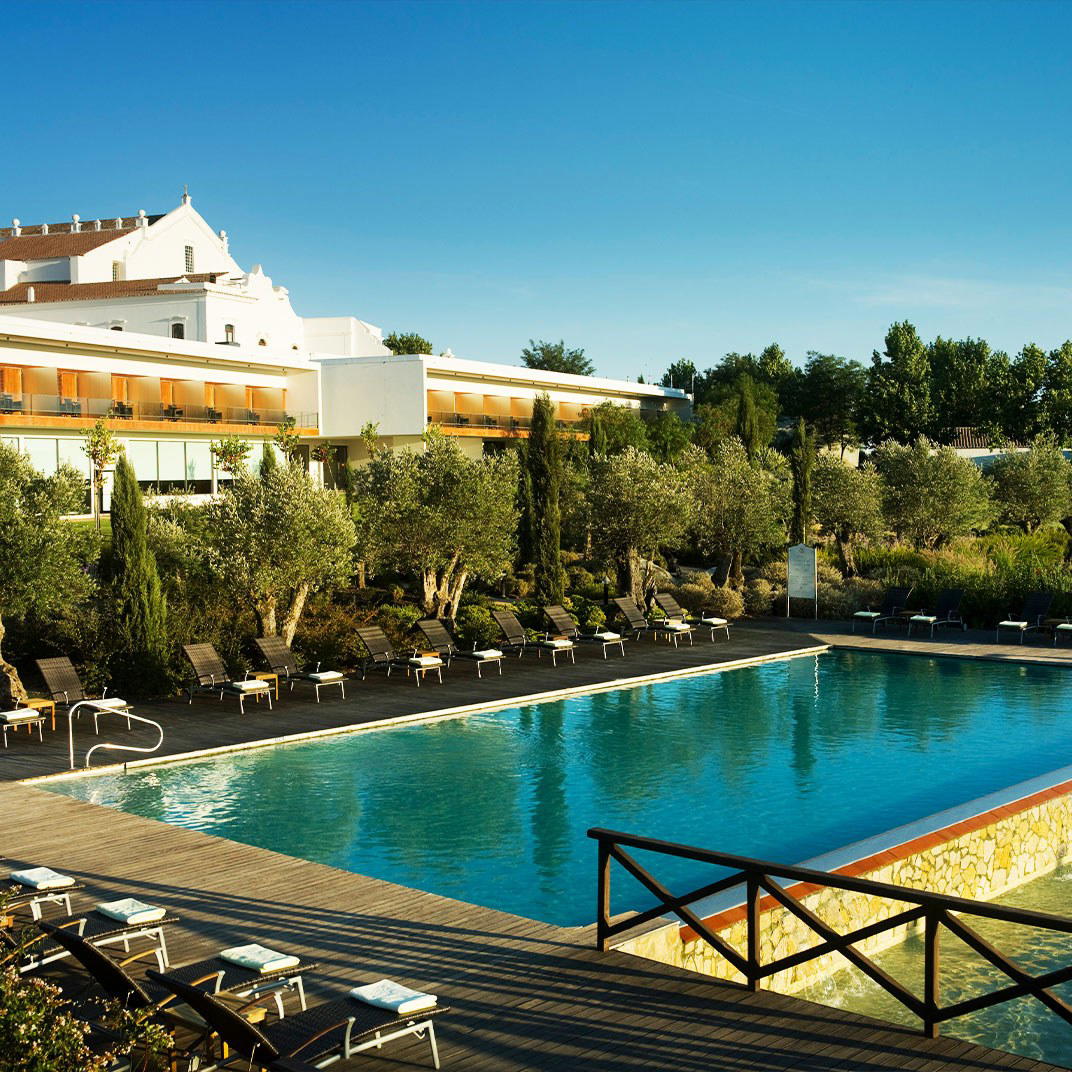
Forno da Telha reads Évora through the Alentejo pantry rather than through monument-facing formality: black pork, cod, chickpeas, chouriço, offal traditions and bread-thickened comfort appear in a contemporary register under chef Miguel Rocha Vieira. The rehabilitated former tile factory gives the restaurant a more expansive, informal rhythm than many central dining rooms, with terrace, bar and pool extending the visit beyond the table.

Pearl is the En Primeur Club membership app — saves, bookings, and concierge access live there. Same editors, same standards.
- Address
- Estrada Penedo do Ouro Lote 18 A, Évora, Évora, 7005-001, PRT
- Phone
- +351 916 398 513
- Hours
- Daily 12–10:30 PM
- Website
- fornodatelha.pt
- Directions
- Get directions
- Booking
- Book on TheFork
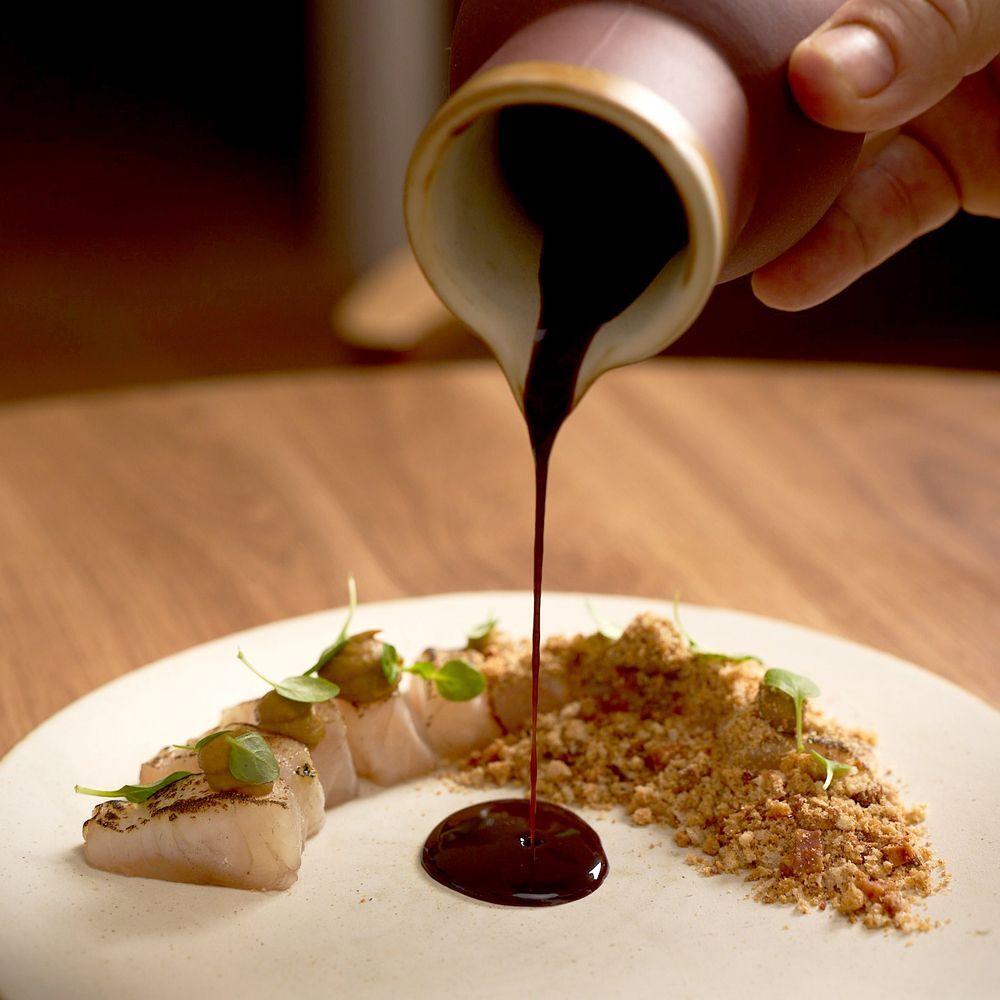
The menu
What to order
- Bacalhau com grão, chouriço e estufadinho de línguas e samos
- Porco Preto presa marinada no alguidar com miguinhas de batata e coração de alface grelhado
- Ensopado de cação
- Bacalhau com crosta de chouriço de porco preto
Approaching Forno da Telha, the first cue is that it belongs within Évora’s restaurant conversation rather than serving as a generic stop between sights. In a city where meal pacing often shapes expectations, the restaurant reads as a relaxed alternative to more tightly scheduled dining. The appeal is less about a single headline detail than about how it gives visitors another way to organize a meal in Évora.
Évora’s dining scene has split into recognizable lanes. The regional table, represented by Dom Joaquim, values continuity and directness. The hotel and heritage-room tier, including Degust'Ar and Divinus Restaurant, frames meals through more formal hospitality. The contemporary lane, visible at Cavalariça Évora, gives diners a lighter, more current register. Forno da Telha sits comfortably in that conversation, with its strongest appeal coming from how it fits Évora rather than trying to feel interchangeable with larger-city dining.
An Évora meal with a current point of view
The restaurant’s stronger argument is the way it can speak to place without turning the meal into a museum piece. Évora rewards dining rooms that understand the city around them: its slower pace, its sense of continuity and its expectation that a meal should feel grounded rather than merely decorative. A current restaurant in the city can either sand that identity down or make it more legible for visitors. Forno da Telha is best understood through the latter lens.
Rather than treating Évora as background colour, the restaurant’s role in the city is to offer a present-tense reading of local appetite. That means the meal should be judged by balance, clarity and confidence, not by imported luxury cues or novelty for its own sake. The point is translation, not spectacle: a table that feels connected to the city while still being accessible to diners comparing meals across Portugal.
The kitchen’s importance lies in that need for control and restraint. In Évora, the most persuasive contemporary restaurants are not those that imitate Lisbon, Porto or resort dining elsewhere; they are the ones that show why the city can support a complete meal on its own terms. Forno da Telha belongs in that national context as part of the city’s answer to a broader question: how does a smaller Portuguese destination keep its food culture alive while still feeling current?
A room built for a longer Évora pause
The setting changes the dining equation. Many Évora meals follow the old city’s compact rhythm: lunch between visits, dinner after hotel check-in, a table squeezed into a busy schedule. Forno da Telha offers a less compressed cadence, making it a useful choice when the meal is meant to be part of the day rather than a quick interruption. In Évora, that slower sense of time matters.
That informality gives the restaurant a different use case from Évora’s more ceremonial end. It suits travelers wanting a current meal without the stiffness of a hushed dining room, and groups looking for somewhere that feels easier than a highly formal reservation. The result is a restaurant that can work for a practical lunch as well as for a more deliberate visit.
Comparisons inside Évora help because the restaurant map is small enough that choices often come down to mood. Diners seeking a classical regional meal may find a clearer fit at Dom Joaquim. Those wanting a contemporary room can weigh Cavalariça Évora. Forno da Telha makes more sense when the brief is a relaxed Évora meal with a current point of view. For a broader read on the city, keep it alongside the wider Évora restaurants guide.
How to place it in a wider Portugal itinerary
Évora rewards travelers who treat meals as part of the city’s wider logic rather than as isolated bookings. A table here should be judged less by imported signals of prestige than by how intelligently it handles place, timing and appetite. Forno da Telha’s value is clearest when seen through that lens: as part of a city where dining is inseparable from pace and context.
For visitors building a fuller stay, the restaurant works better within a regional plan than as a standalone checkbox. Pair city dining with the Évora wineries guide to understand why local bottles matter at the table, then use the Évora hotels guide, Évora bars guide and Évora experiences guide to avoid treating the city as a single-night stop. Further north and south, Portugal’s restaurant culture changes tone quickly, which is exactly why Évora should be read on its own terms rather than as a smaller version of another destination.
The verdict is clearest for travelers wanting a contemporary Évora meal without losing the sense that they are still in the city. The restaurant gives the experience breathing room, while the wider Évora context keeps the table anchored. In a place where heritage can easily become costume, that restraint is the stronger move.
For contrast beyond Évora, the difference is instructive: some focused venues build identity through tightly defined formats, while the stronger tables here build it through local context and the social pace around the meal. Forno da Telha belongs to that second logic.
Frequently asked questions
Would Forno da Telha be comfortable with kids?
Yes, Forno da Telha reads as a more relaxed Évora option than a very formal dining room, which can make it workable for an easier family lunch or a less rigid meal.
What should I expect atmosphere-wise at Forno da Telha?
Expect a restaurant in Évora suited to a longer, more informal meal rather than only a quick table turn. Its appeal is the way it fits the city’s slower rhythm.
Is Forno da Telha Michelin-listed?
Yes. Forno da Telha is listed in the MICHELIN Guide with a MICHELIN Plate distinction.
What's Forno da Telha's location?
Évora.
A Quick Peer Check
Comparable venues by cuisine and price in the same metro.
| Venue | Cuisine | Price | Awards | Notes |
|---|---|---|---|---|
| Forno da TelhaThis venue — the venue you are viewing | Contemporary Alentejo restaurant | $30–50 | Michelin Plate | Not listed |
| Degust'Ar | Modern Alentejo Mediterranean | $50–100 | Not listed | Not listed |
| Cavalariça Évora | Contemporary | Not listed | Michelin Plate | Not listed |
| Hibrido | Modern Portuguese with Local Seasonal Ingredients | $50–100 | Michelin Plate | Modern Cuisine |
| Dom Joaquim | Traditional Alentejo with Modern Touch | $30–50 | Michelin Plate | Regional Cuisine |
| Divinus Restaurant | Fine dining Alentejo & Mediterranean | $50–100 | Not listed | Not listed |
Recognition history
Dated appearances from independent guides and award organizations, with the underlying list record or original source where available.
Michelin Plate
Michelin
Continue exploring
More in Évora
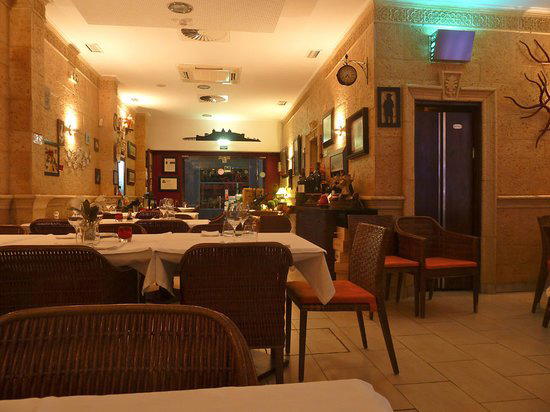
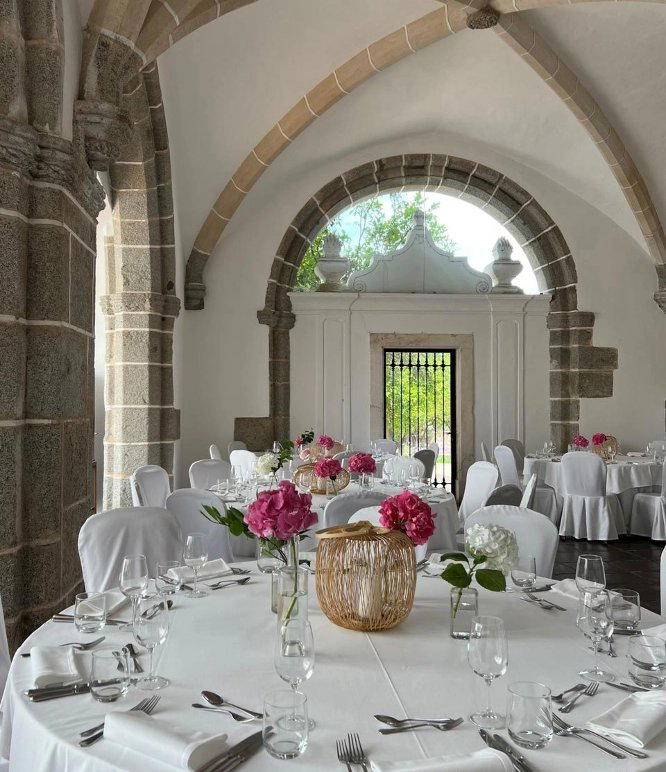
Restaurants in Évora
Browse all →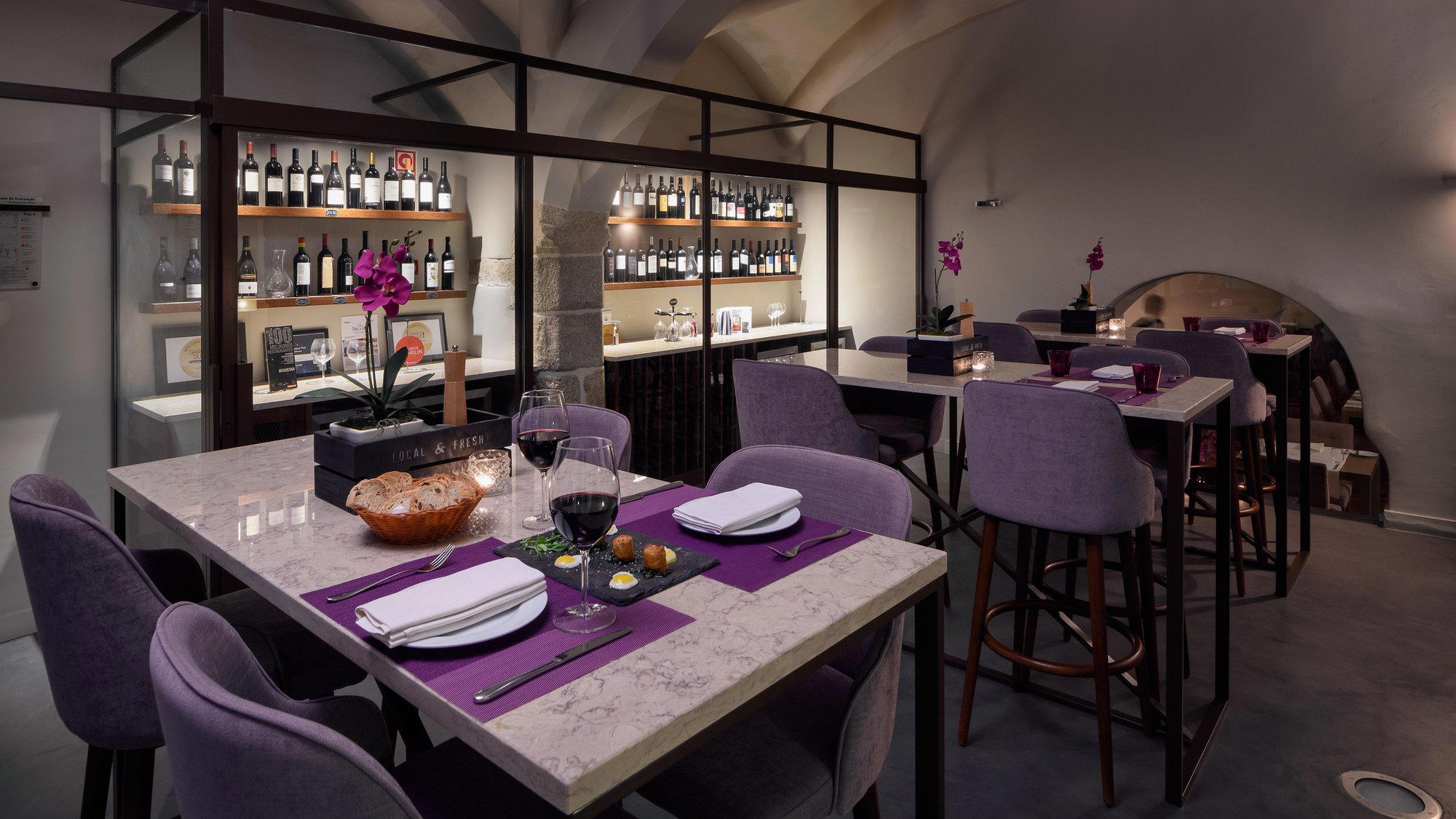
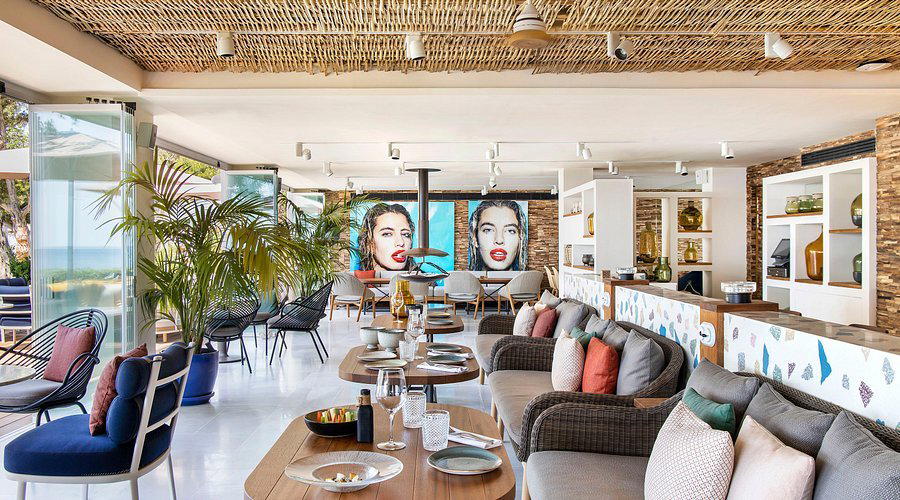
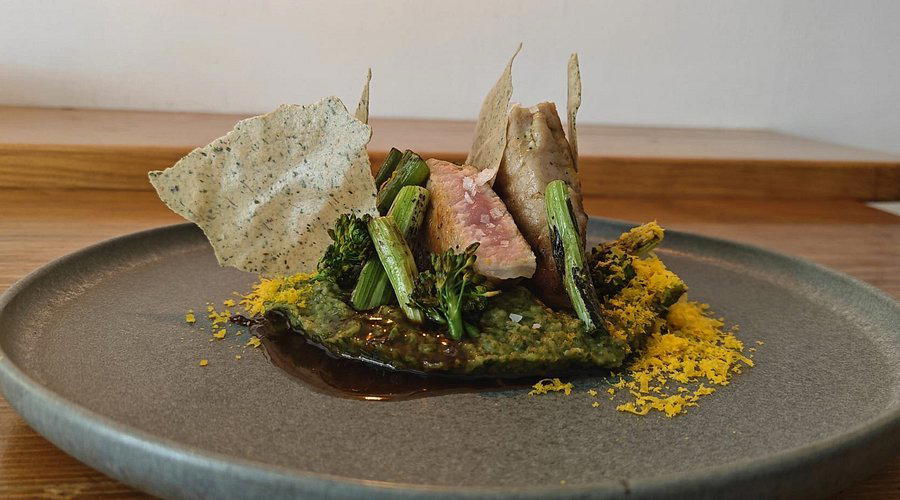
Bars in Évora
Browse all →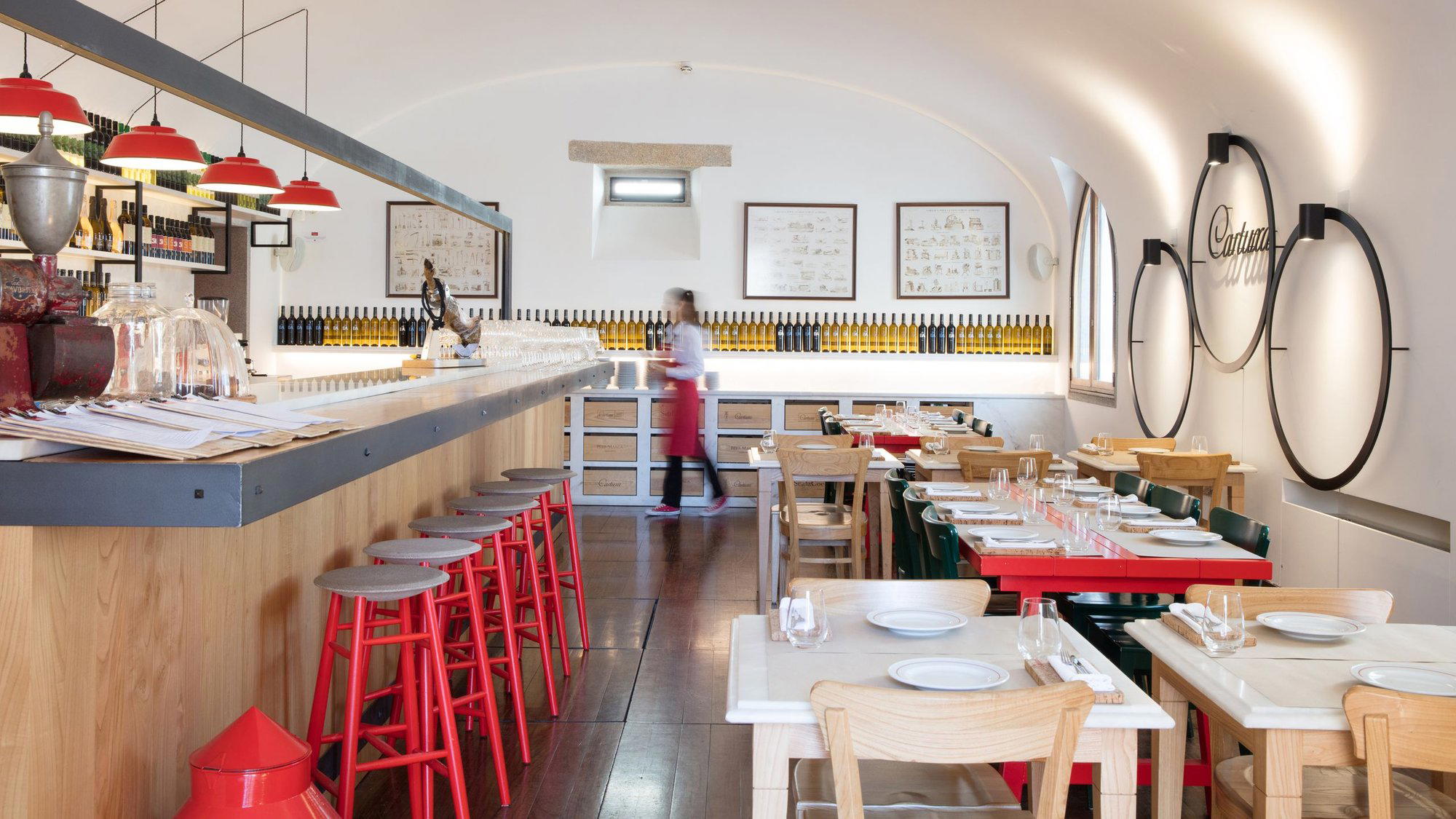
Hotels in Évora
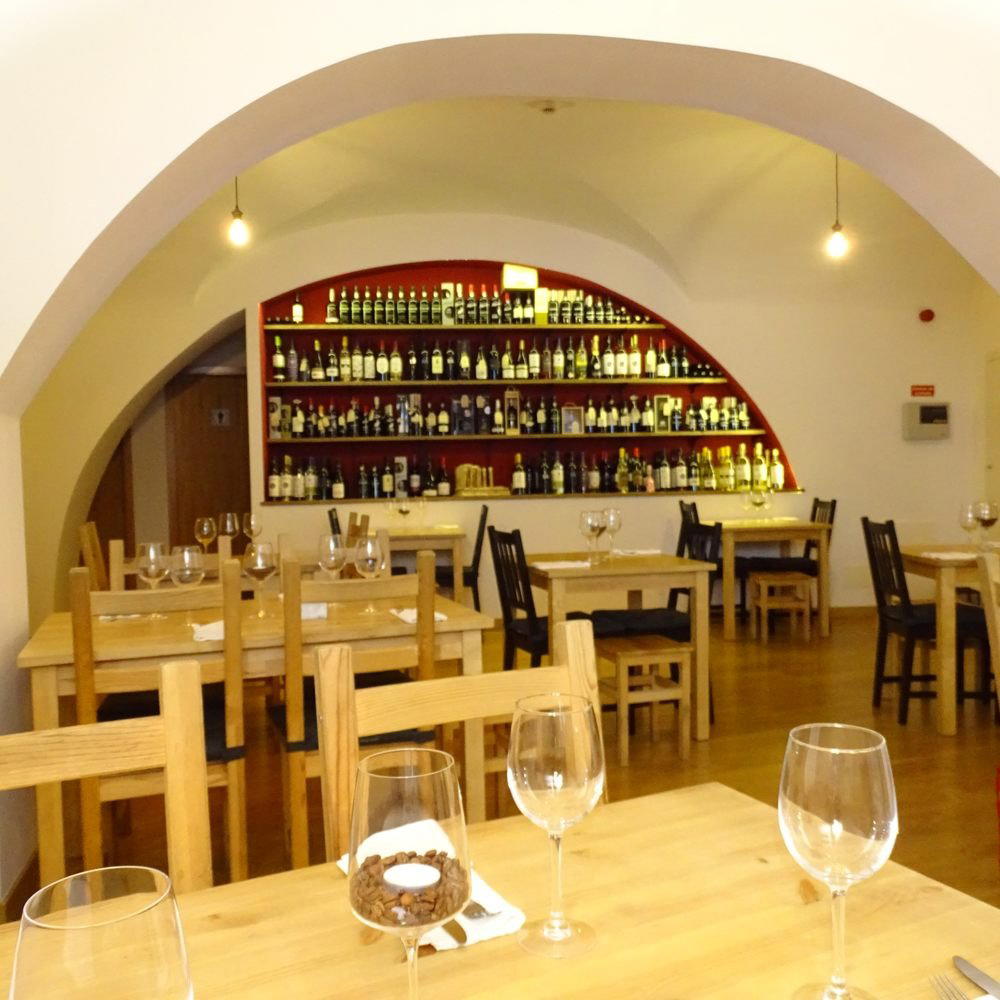
Browse all →

Details
- Modern
- Rustic
- Cozy
- Elegant
- Scenic
- Date Night
- Group Dining
- Family
- Casual Hangout
- Special Occasion
- After Work
- Terrace
- Courtyard
- Historic Building
- Standalone
- Extensive Wine List
- Local Sourcing
- A La Carte
- Wine
- Cocktails
- Vegetarian Friendly
- Vegan Options
Current opening hours
- Monday
- 12–10:30 PM
- Tuesday
- 12–10:30 PM
- Wednesday
- 12–10:30 PM
- Thursday
- 12–10:30 PM
- Friday
- 12–10:30 PM
- Saturday
- 12–10:30 PM
- Sunday
- 12–10:30 PM
Hours can change for holidays and private events. Last verified .
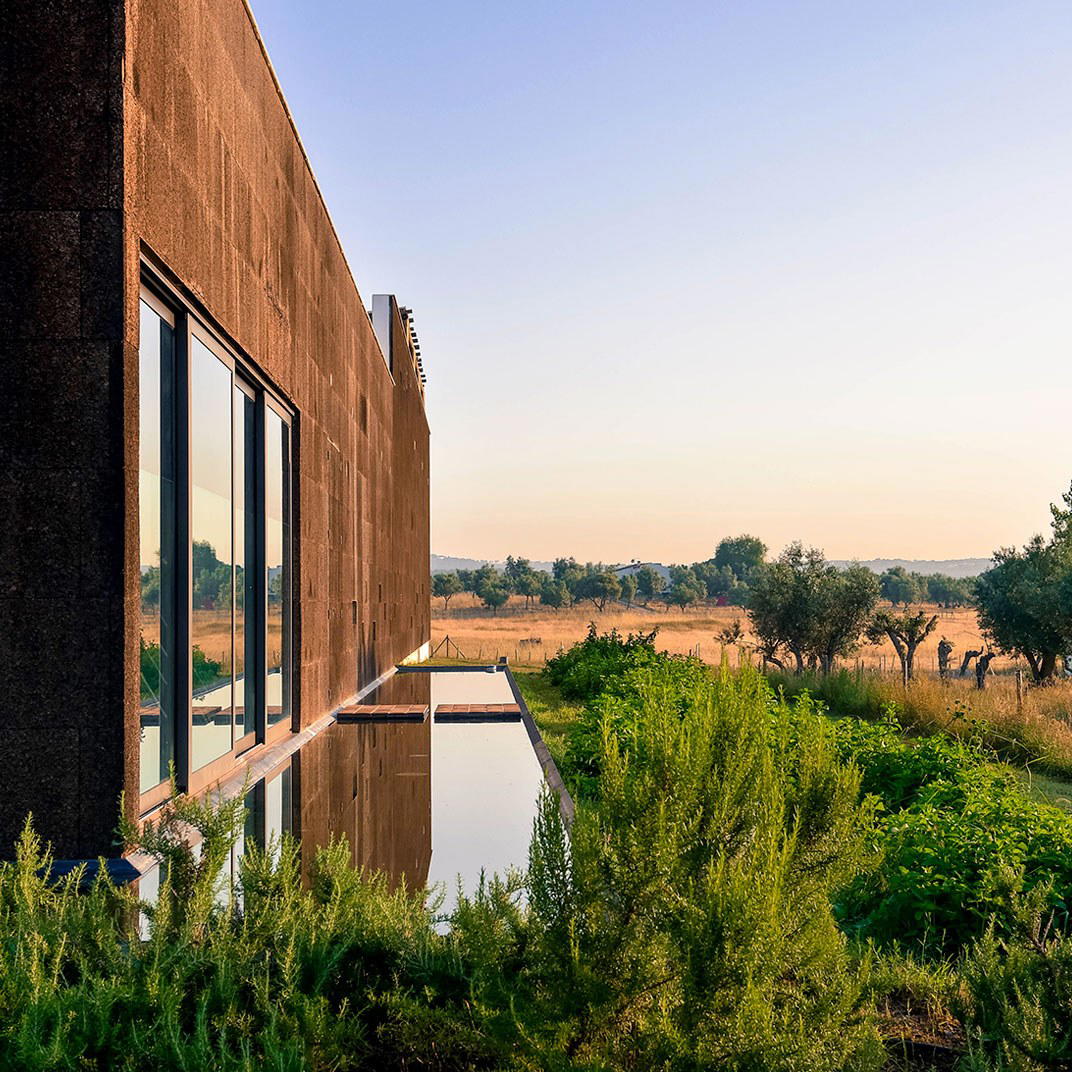
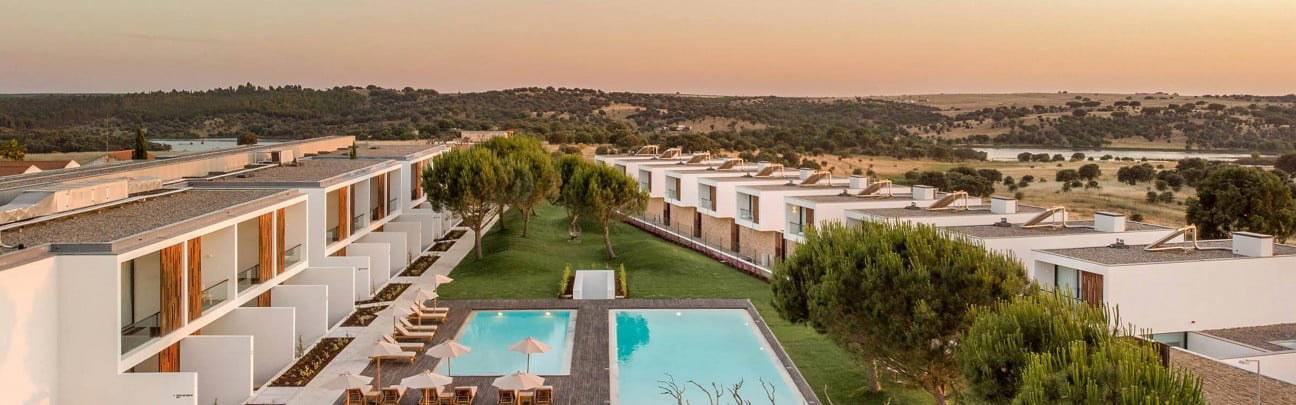
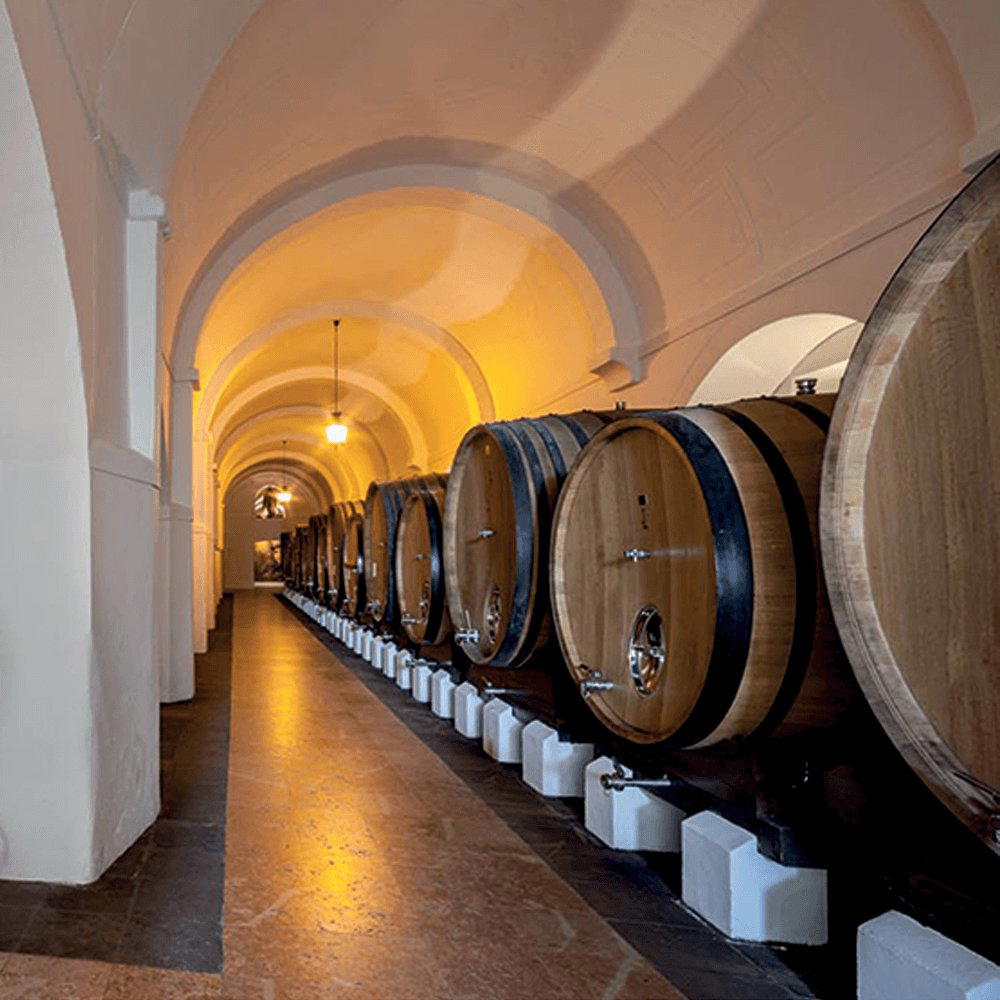
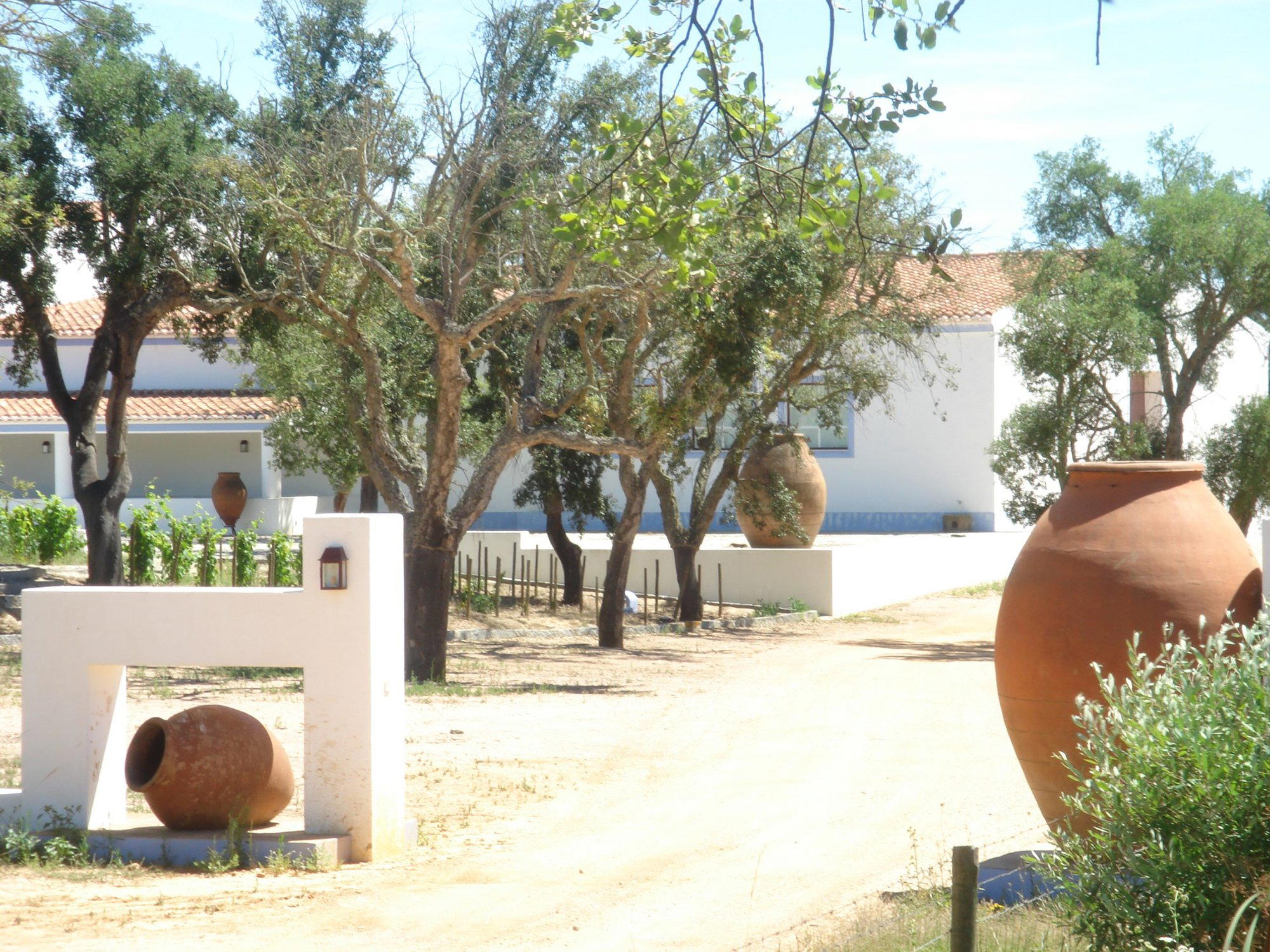
Renovated from an old roof-tile factory, the restaurant blends warm wood and brick with contemporary design, offering relaxed but polished dining with comfortable spacing, soft lighting and a calm, unhurried feel that suits both families and food-focused travelers.