
Positioned beside one of Évora's old city gates, Dom Joaquim holds consecutive Michelin Plates (2024 and 2025) for its rooted approach to Alentejo cooking. Chef Joaquim Almeida draws on the region's larder and convent recipe traditions to produce a menu that ranges from daily market specials to heritage desserts, all inside a stone-walled dining room with a calm, contemporary feel.
Pearl is the En Primeur Club membership app — saves, bookings, and concierge access live there. Same editors, same standards.
- Address
- R. dos Penedos 6, 7000-133 Évora, Portugal
- Phone
- +351 266 731 105
- Website
- restaurantedomjoaquim.pt
- Directions
- Get directions
 Saves & bookings on Pearl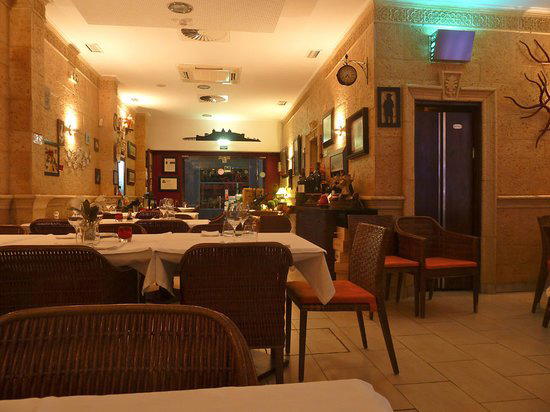
Stone Walls, Convent Recipes, and the Alentejo Larder
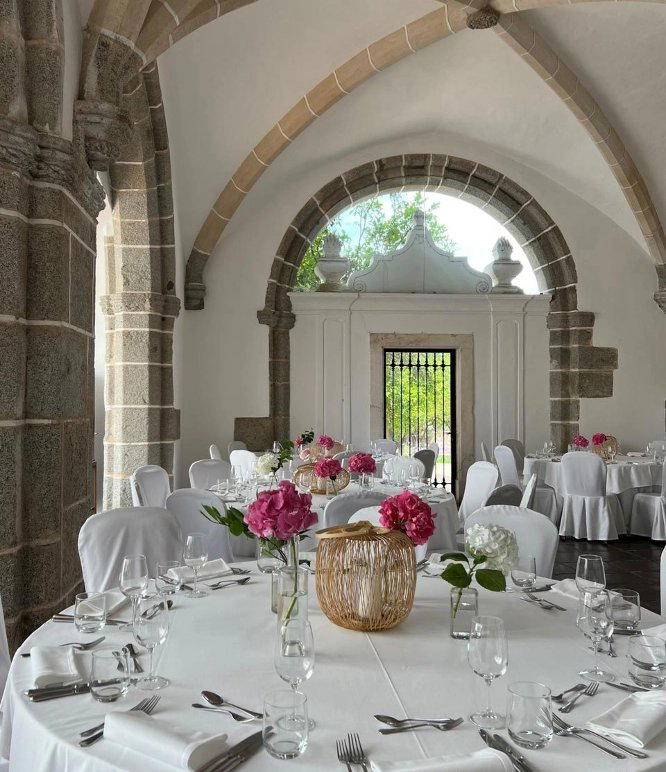
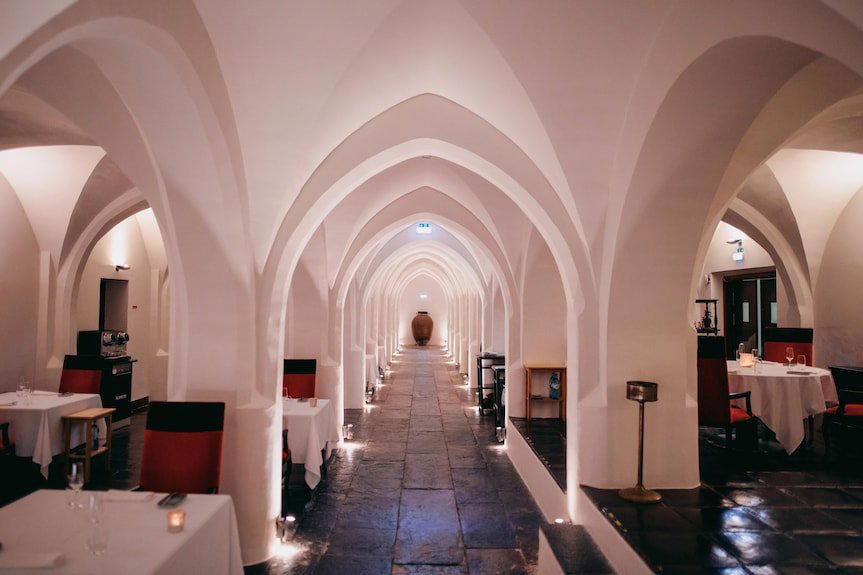
Évora's historic centre is enclosed by Roman walls and punctuated by medieval gates, and the approach to Dom Joaquim along Rua dos Penedos makes that context immediate. The restaurant sits directly beside the Porta de Serpa Pinto, one of the stone archways that still marks entry into the old city. Inside, bare stone walls run the length of the dining room, and a series of hanging sculptures break up the vertical space in a way that reads as considered rather than decorative. The atmosphere lands in a register that is common to the better Alentejo restaurants: calm, unhurried, and confident enough in its setting not to over-explain itself.
That physical grounding matters because it mirrors the food's logic. Dom Joaquim's kitchen does not import its frame of reference. It sources from the region's own deep larder, among the more ingredient-specific in Portugal, and builds from there.
What the Alentejo Larder Actually Means
Understanding why Dom Joaquim's approach carries weight requires understanding what Alentejo cooking is built on. The region covers roughly a third of Portugal's land area and produces a disproportionate share of its leading ingredients: Iberian pork from acorn-fed pigs, cured meats, sheep's milk cheeses from the Serpa and Évora designations, olive oil with protected origin status, cork oak and holm oak landscapes that define what animals eat and how slowly they grow. Bread-thickened soups, in particular the açorda and migas traditions, reflect a rural economy that wasted nothing and built flavour through patience rather than richness.
This is not a cuisine that needs external validation to justify itself, but it has historically received less international attention than the seafood-forward cooking of the Algarve or the progressive restaurant scene of Lisbon, where operators like Belcanto and Antiqvvm in Porto operate at two-star level on entirely different terms. The restaurant sits in a separate tier and a separate conversation: regional fidelity rather than creative reinvention.
The Convent Connection
One of the more specific claims the restaurant makes concerns its dessert menu and its relationship to Évora's convent baking tradition. The água de prata pudding, a recipe traced to the Convento de Santa Clara a few metres from the restaurant's address, is the clearest expression of this. Convent pastry in Portugal is not a romantic footnote. It is a historically documented culinary system that originated in the convents and monasteries of the sixteenth and seventeenth centuries, where egg yolks surplus to fabric-starching processes became the basis for an elaborate sugar-and-yolk pastry canon. Évora has its own entries in that canon, and the proximity of the Santa Clara convent to the restaurant's kitchen is a geographic fact that gives the dessert course a traceable provenance rather than a vague heritage claim.
The broader dessert menu also includes a selection of what the kitchen describes as convent-style pastries, placing the restaurant in a small group of Alentejo restaurants that treat this tradition as an active reference point rather than a historical curiosity.
How Dom Joaquim Sits Within Évora's Restaurant Scene
Évora's restaurant offer has expanded in recent years, with operations like Híbrido and Origens representing a more contemporary and internationally inflected approach to the city's dining. The restaurant occupies a different position: it is one recognised expression of traditional Alentejo cooking in the historic centre, holding Michelin Plates in both 2024 and 2025. The Plate, distinct from a star, signals that the Guide's inspectors find the cooking worth seeking out, applied here to a kitchen that makes no claim to progressive technique.
That recognition places the restaurant in a comparable set that includes other regionally anchored Portuguese restaurants earning Michelin attention for fidelity to place rather than innovation. Across Portugal, the Michelin-recognised tier is dominated by creative and contemporary formats, from the two-star operations at Ocean in Porches, Casa de Chá da Boa Nova in Leça da Palmeira, and Il Gallo d'Oro in Funchal, to the starred regional cooking at A Cozinha in Guimarães and A Ver Tavira in Tavira. The restaurant's Plate recognition within that context confirms the kitchen's standing without overstating it.
What Chef Almeida's Modern Touch Actually Means Here
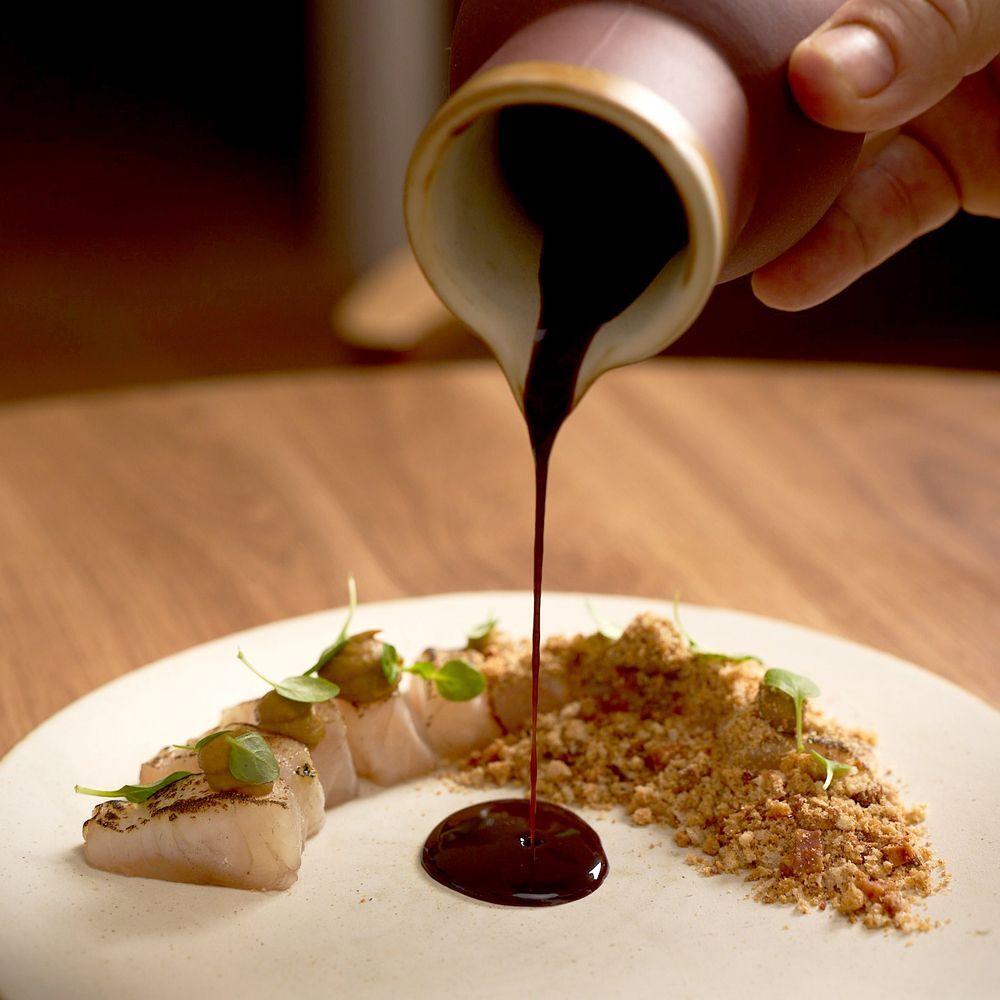
Chef Joaquim Almeida's stated approach is traditional Alentejo cooking with a modern touch, which in practice refers to presentation and technique rather than ingredient substitution or conceptual reframing. This is a meaningful distinction. Some Portuguese chefs with regional training have moved toward menus that use local ingredients as raw material for international frameworks, and that approach has produced some of the country's most recognised restaurants, including the The Yeatman in Vila Nova de Gaia and Vila Joya in Albufeira. The restaurant is not in that register. The menu's daily specials and traditional dishes are the primary framework; the modern touch operates at the level of execution and plating rather than concept.
That is a coherent editorial position for a kitchen working in Évora's historic centre, where the dining room's own materiality, stone walls, an old city gate at the door, and a convent recipe in the dessert course, makes conceptual distance from the Alentejo tradition a harder argument to sustain.
Comparable regional-cuisine operations earning Michelin-level recognition elsewhere in Europe, such as Fahr in Künten-Sulz and Gannerhof in Innervillgraten, demonstrate that the Plate tier internationally rewards kitchens that command their own regional tradition without reaching toward a different one.
Planning Your Visit
The restaurant is at Rua dos Penedos 6, immediately beside the Porta de Serpa Pinto in Évora's walled centre. The price range sits at the €€ tier, positioning it as accessible relative to the country's Michelin-starred operators while reflecting the quality differential from Évora's more casual options. For dining, drinking, and accommodation context around the visit, the full Évora restaurants guide, bars guide, hotels guide, wineries guide, and experiences guide cover the broader picture.
Comparable Venues
Comparable venues nearby, for context on price, style, and recognition.
| Venue | Cuisine | Price | Awards | Notes |
|---|---|---|---|---|
| Dom JoaquimThis venue — the venue you are viewing | Traditional Alentejo with Modern Touch | $$ | Michelin Plate | Not listed |
| Origens | Modern Alentejo | $$$ | Michelin Plate | historic centre |
| Hibrido | Modern Portuguese with Local Seasonal Ingredients | $$$ | Michelin Plate | Centre of Évora |
| Degust'Ar | Modern Alentejo Mediterranean | $$$$ | Not listed | historic centre |
| Cavalariça Évora | Dining | Not listed | Michelin Plate | Évora |
| O Leão de Porches | Modern Mediterranean with Indian Influences | $$ | Michelin Plate | Porches |
Recognition history
Dated appearances from independent guides and award organizations, with the underlying list record or original source where available.
Michelin Plate
Michelin
Michelin Plate
Michelin
Michelin Plate
Michelin
Continue exploring
More in Évora
Restaurants in Évora
Browse all →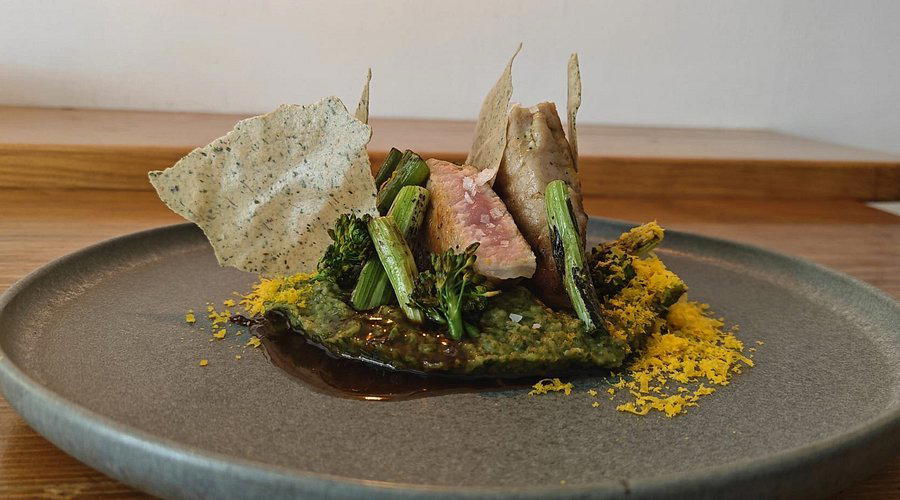
Bars in Évora
Browse all →
Hotels in Évora
Browse all →

At a Glance
- Classic
- Rustic
- Elegant
- Cozy
- Well Known
- Date Night
- Group Dining
- Special Occasion
- Family
- Historic Building
- Standalone
- Wine Cellar
- Extensive Wine List
- Sommelier Led
- Local Sourcing
Current opening hours
- Monday
- Closed
- Tuesday
- 12–3 PM, 7–10:45 PM
- Wednesday
- 12–3 PM, 7–10:45 PM
- Thursday
- 12–3 PM, 7–10:45 PM
- Friday
- 12–3 PM, 7–10:45 PM
- Saturday
- 12–3 PM, 7–10:45 PM
- Sunday
- Closed
Hours can change for holidays and private events. Last verified .
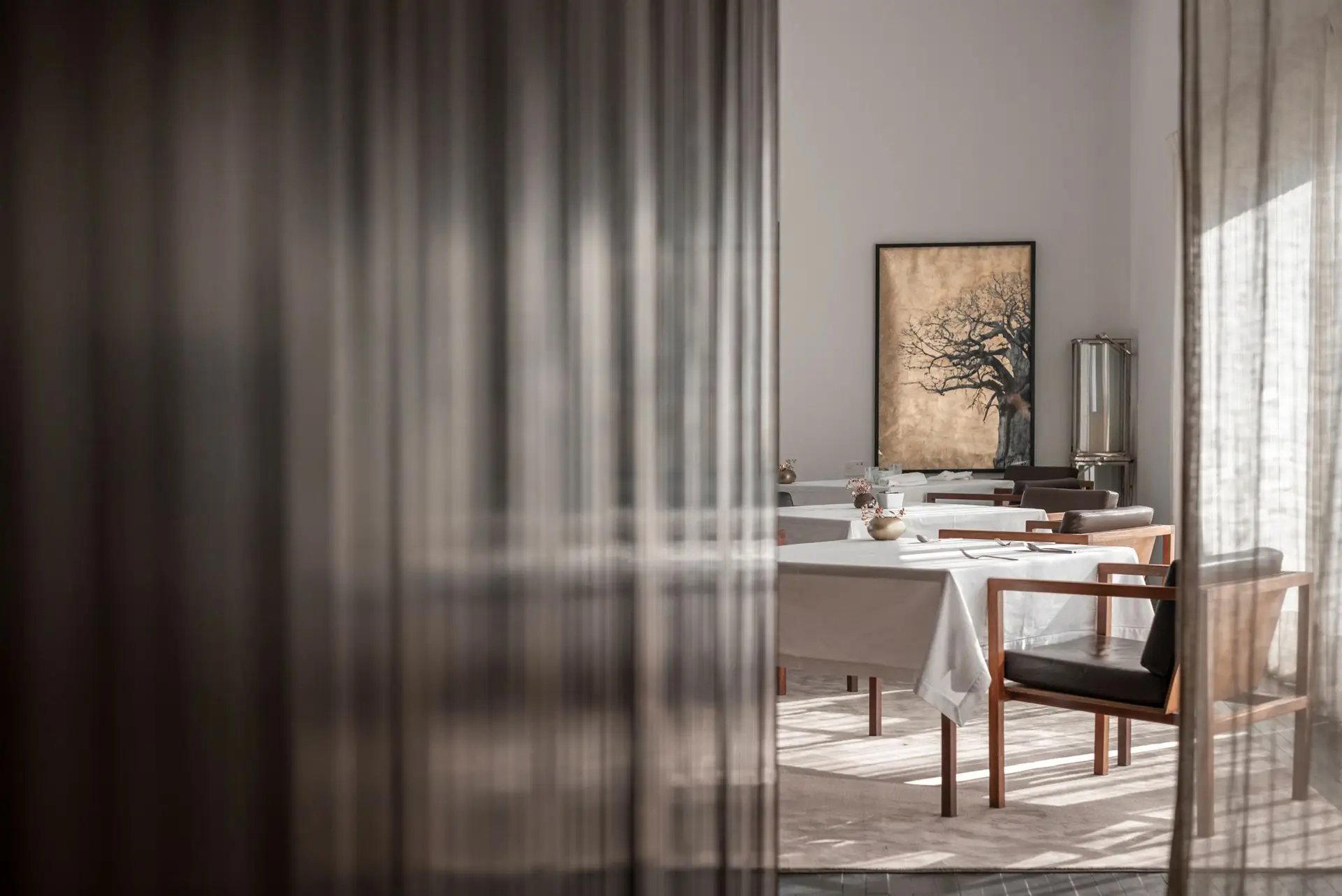
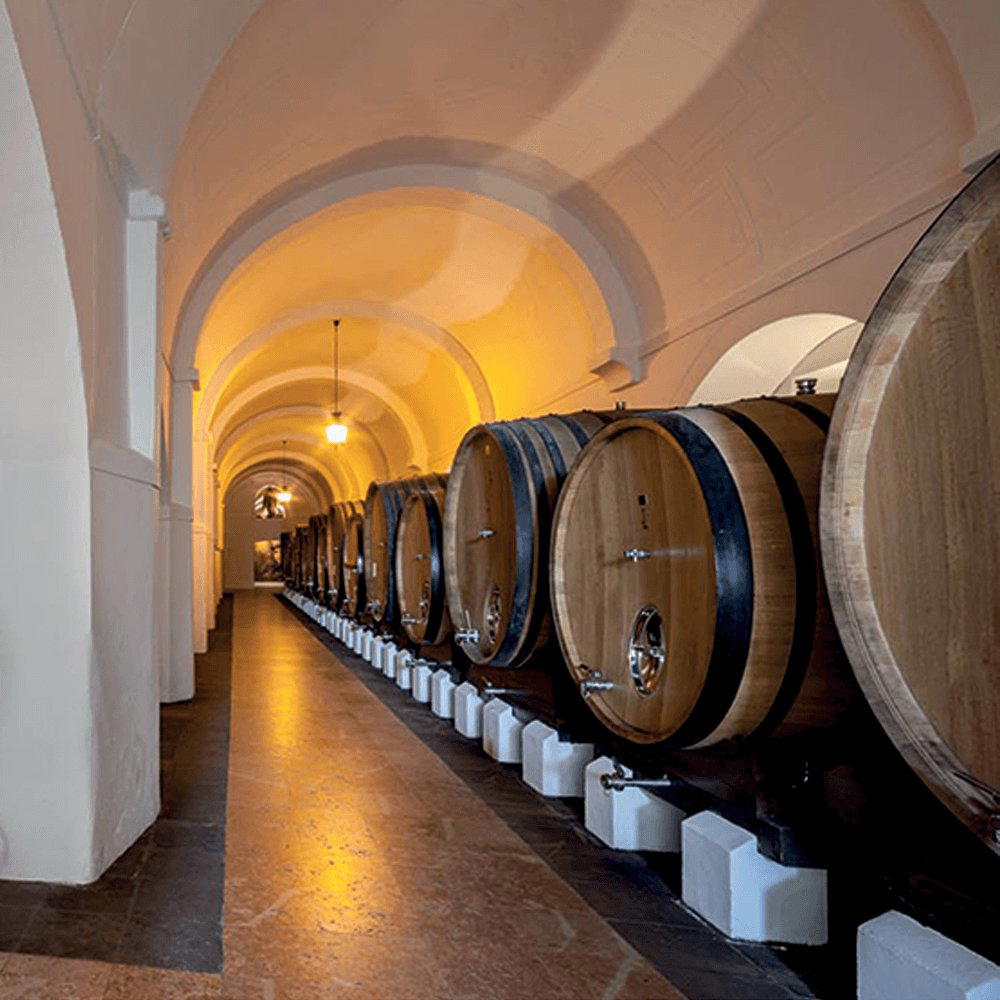
Stylish classic-contemporary setting with bare stone walls, hanging sculptures, dark wood bar, and warm lighting that evokes a refined 1950s aesthetic with rustic elegance.