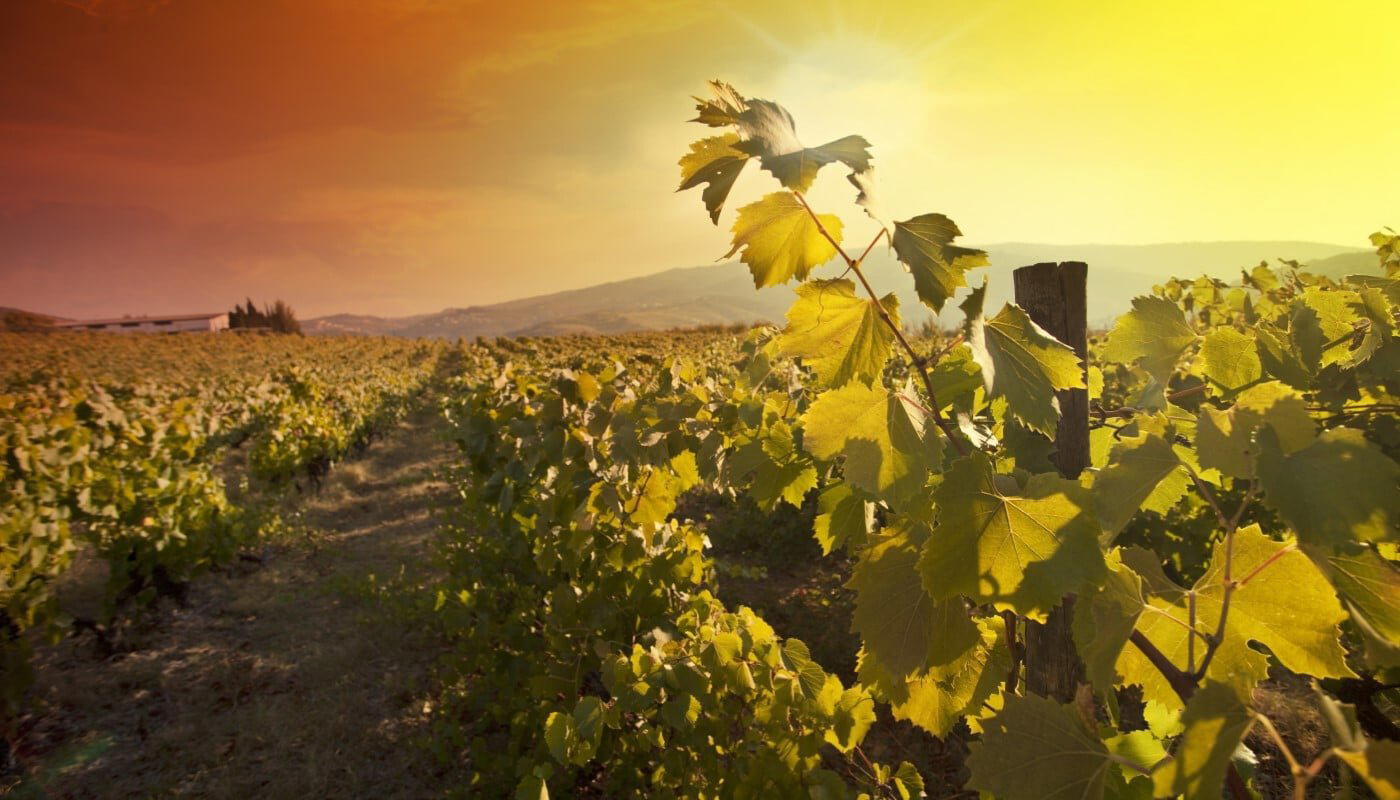
The estate sits in a sub-region where Baga grape dominance and Atlantic-influenced clay-limestone soils shape a house style unlike anywhere else in Portugal. For serious wine travellers exploring the country's less-celebrated appellations, this is a reference-point visit.
Pearl is the En Primeur Club membership app — saves, bookings, and concierge access live there. Same editors, same standards.
- Address
- Rua da Quinta Nova, 3780-017 Amoreira da Gândara, Anadia, Portugal
- Phone
- +351231596432
- Website
- luispato.com
- Directions
- Get directions
 Saves & bookings on Pearl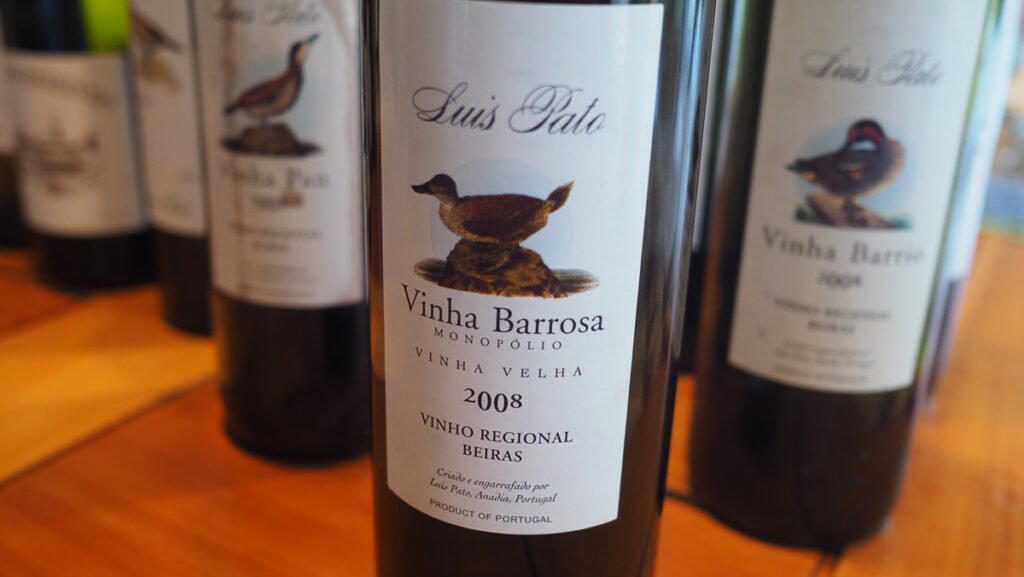
Bairrada's Terroir Case, Made in Concrete
Portugal's wine map divides neatly between the regions with international name recognition and the ones that reward the traveller who arrives with some homework done. The Bairrada appellation, running south from Porto through the Anadia district toward Coimbra, sits firmly in the second category. Its Atlantic proximity, heavy clay-limestone soils, and near-total dependence on the Baga grape produce wines that behave differently from anything in the Douro or Alentejo: higher acidity, firmer tannin structure, and an ageing trajectory that often requires patience measured in years rather than months. Luis Pato, located at Rua da Quinta Nova in Amoreira da Gândara outside Anadia, is among the addresses that make the case for this region most forcefully.
For travellers mapping out Portugal's serious wine circuit alongside visits to properties like Herdade do Esporão in Reguengos de Monsaraz or Adega Cartuxa in Évora, Bairrada operates as a structural counterpoint. The south gives you warmth, ripeness, and early approachability. Bairrada gives you tension, mineral edge, and wines that repay cellaring. Luis Pato sits at the sharper end of that regional identity.
What the Soil Actually Does
The Bairrada terroir argument begins underground. The region's clay-limestone base retains moisture through the dry summer months, moderating vine stress in a way that sandier soils cannot. This contributes to Baga's characteristic freshness even in warm vintages, keeping acidity refined and giving the wines a structural rigidity that occasionally reads as austerity in youth. The Atlantic influence compounds this: Anadia sits close enough to the coast that harvest temperatures rarely spike the way they do in interior appellations, and the diurnal range during the growing season preserves aromatic complexity.
Baga itself is a grape that polarised opinion for decades. High in tannin, prone to over-extraction if handled roughly, it produces wines that were often dismissed as too tight or too rustic in an era when international palates leaned toward softness and fruit weight. The shift in critical reception over the past fifteen years has tracked closely with a change in winemaking approach across the region: lower yields, more careful extraction, and a willingness to give the wines the time they need.
For comparative context, consider how Baga's tannin structure maps onto international reference points. It shares something with aged Nebbiolo in its demand for time, and its acidity profile puts it closer to Burgundy's red fruit register than to Bordeaux's structural weight. These are useful analogies for visitors arriving without deep Bairrada knowledge. The wines do not give themselves up immediately, which makes the context of a winery visit particularly valuable for understanding what you're tasting.
The Estate in Context
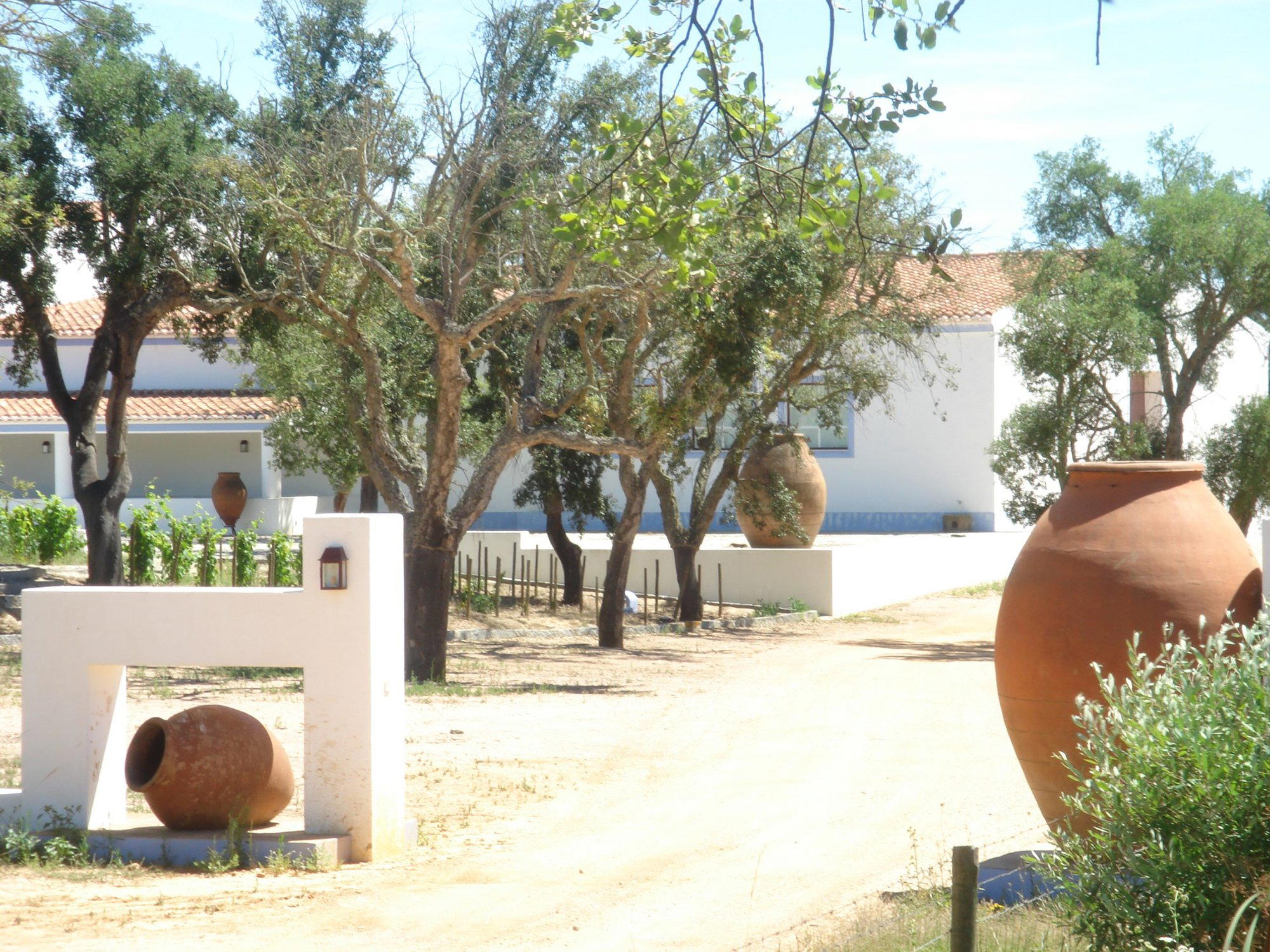
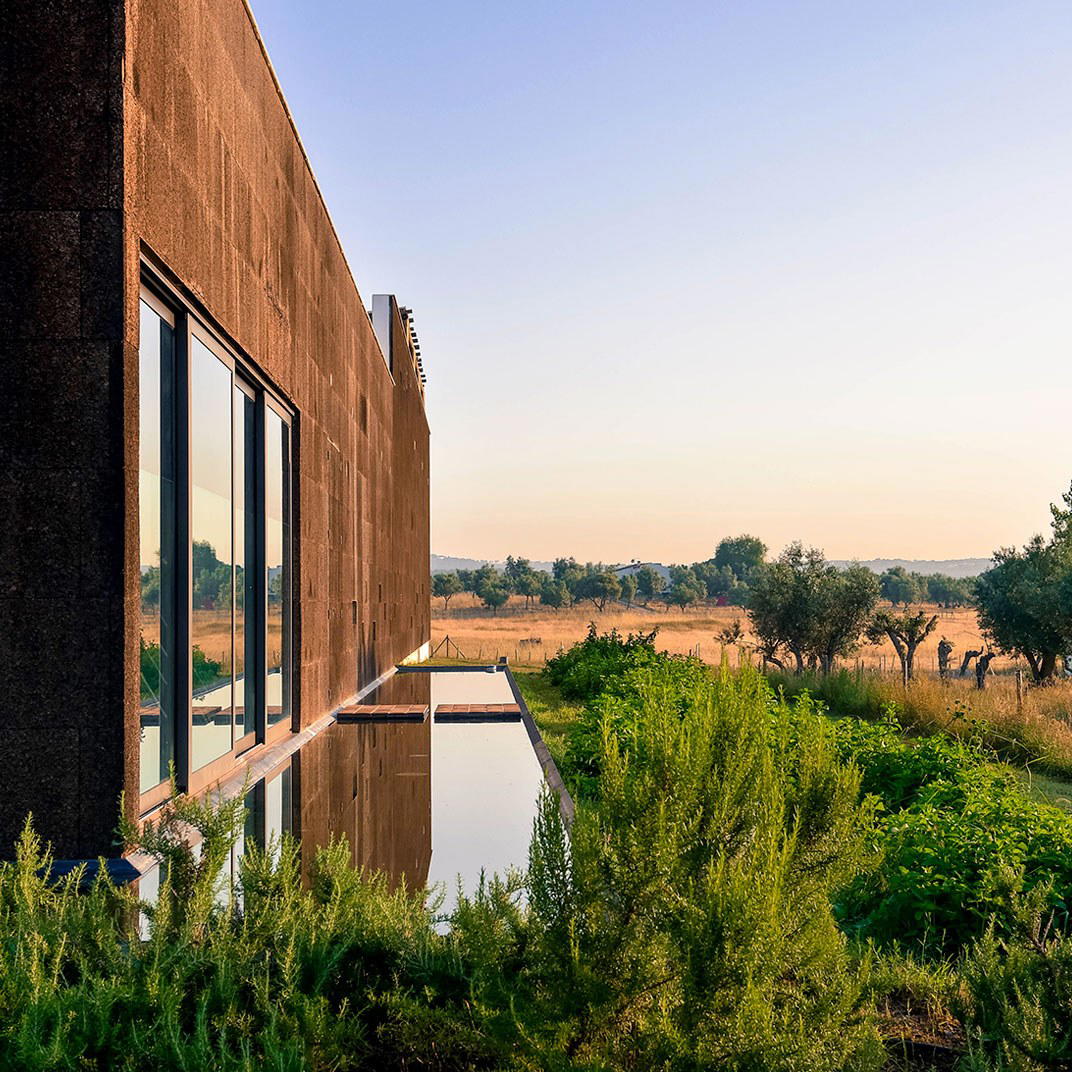
Amoreira da Gândara is a small parish within the Anadia municipality, sitting in the heart of the Bairrada DOC zone. The address at Rua da Quinta Nova places the estate in genuinely rural surroundings, removed from the commercial infrastructure of larger Portuguese wine regions. This is not a winery built around a tourism model of large visitor centres and café menus. The experience is closer in character to visiting a serious working estate, where the winery itself and its vineyards carry the weight of the visit.
This positions Luis Pato differently from the more tourism-oriented operations elsewhere on the Portuguese wine circuit. Properties like Bacalhôa Vinhos in Azeitão or Blandy's Wine Lodge in Funchal have built substantial visitor infrastructure designed for a broad audience. Bairrada estates, including this one, tend to attract a more wine-focused visitor who arrives specifically for the appellation rather than in search of a general experience. The reward for that focus is a more direct relationship with the wines and the land that produces them.
Port-producing estates like Quinta do Bomfim in Pinhão, Quinta do Seixo in Tabuaço, and Quinta do Vallado in Peso da Régua offer striking Douro Valley scenery alongside their tasting programs. Churchill's in Vila Nova de Gaia represents the lodge-based Port experience in the city. Bairrada offers something quieter and less cinematic, but for the wine itself, arguably more instructive.
Planning a Visit to Anadia
Anadia sits roughly midway between Porto and Coimbra, making it accessible from either city as a day trip or a base for a longer Bairrada exploration. The region does not have the hotel infrastructure of the Douro or Alentejo, so visitors planning an overnight stay will benefit from consulting our full Anadia hotels guide before arriving. The town of Anadia itself has cafés and restaurants serving the roast suckling pig that the region pairs with its red wines, a local tradition worth investigating alongside the wine program. For the broader Anadia food scene, our full Anadia restaurants guide covers current options across price points.
Given the rural character of the estate address, arriving by car is the practical approach. Public transport connections to Amoreira da Gândara from Anadia town are limited. Visitors building a broader Bairrada itinerary can supplement a winery stop with the region's other experiences, covered in our full Anadia experiences guide, and its drinking culture through our full Anadia bars guide. The full winery picture for the appellation is in our full Anadia wineries guide.
Timing matters in Bairrada as it does in most wine regions. Harvest activity in September and October brings the vineyards to life and offers the most immediate connection to the production process. Spring visits, when the vines are in growth, provide a different perspective on the land. Winter, when the estate is less active, is the quieter option for those who prefer it. Whatever the season, arriving with some knowledge of Baga's tannin structure and the regional DOC framework will sharpen what you take from the visit.
For non-Portuguese reference points that sit in a comparable register of serious wine production, Abadía Retuerta in Sardón de Duero offers a Spanish counterpart worth the comparison. And for those whose travel extends to Scotland, Aberlour illustrates how a different kind of terroir-driven production operates in an entirely different climate.
Continue exploring
More in Anadia
Wineries in Anadia
Browse all →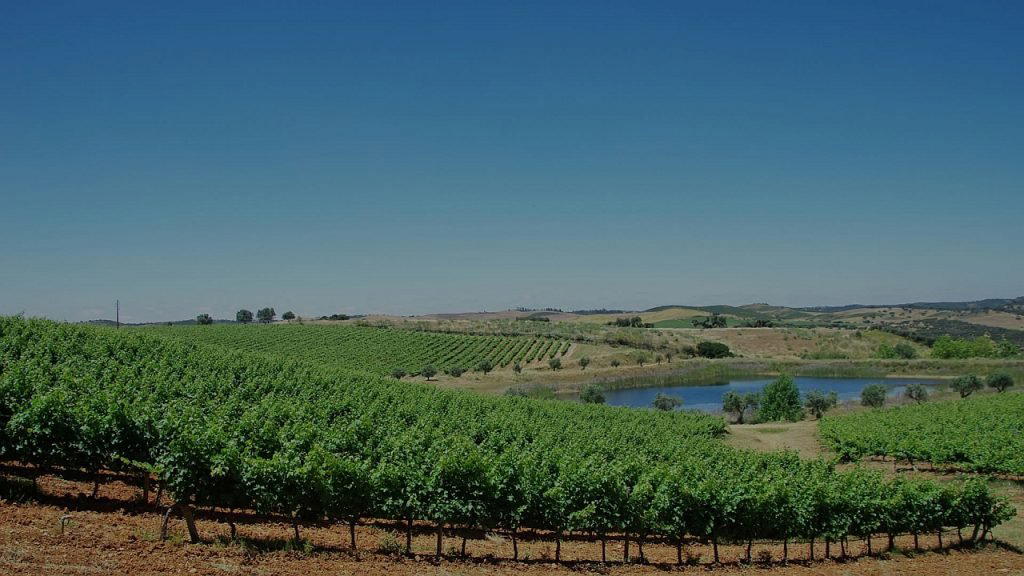

Bars in Anadia
Browse all →
Restaurants in Anadia
Browse all →
At a Glance
- Rustic
- Classic
- Intimate
- Scenic
- Wine Education
- Group Outing
- Solo Exploration
- Vineyard Tour
- Estate Grounds
- Historic Building
- Vineyard
- Bairrada
- Baga
- Touriga Nacional
- Maria Gomes
- Bical
- Sercial
- Still Red
- Still White
- Sparkling
- Guided Tasting
- Wine Tasting
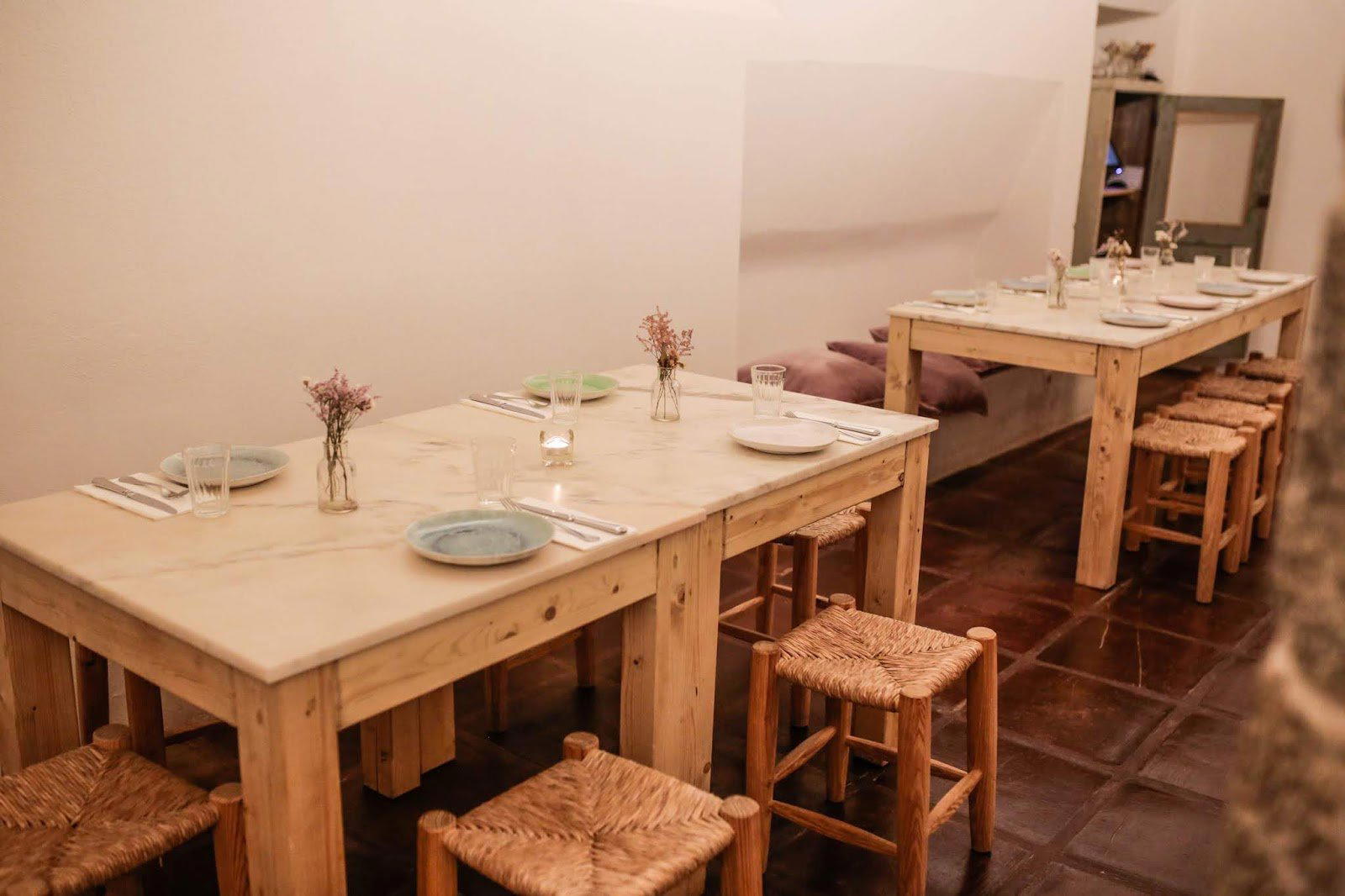
Intimate and hospitable tasting room with warm family atmosphere and informative guided experiences.
Know Before You Go
- Getting there
- Rua da Quinta Nova, 3780-017 Amoreira da Gândara, Anadia, Portugal