
Michelin Plate
Our verdict
A Michelin Plate-recognised address on Walluf's main street, Zur Schlupp operates in the mid-range tier of the Rheingau's seasonal cooking scene. For seasonal German cooking at accessible prices in wine country, it earns serious consideration.

Pearl is the En Primeur Club membership app, where members save venues, book tables and use the concierge.
The menu
What to order
- Five-course goose menu
- Cornish chicken with orange marmalade sauce
Walluf's Seasonal Kitchen, in Context
The Rheingau produces some of Germany's most celebrated Riesling, and the villages along its wine route have developed a dining culture that takes seasonal produce seriously without always chasing Michelin stars. Walluf sits at the eastern edge of this stretch, quieter than Eltville or Rüdesheim, and Zur Schlupp on Hauptstraße occupies the kind of position that anchors a village's culinary identity: a mid-priced, consistent kitchen recognised by Michelin not for haute technique but for honest execution of seasonal cooking. That is a meaningful distinction. In Germany's Michelin framework, the Plate designation signals that inspectors found food worth eating, not merely worth noting. Consecutive Plate recognition in both 2024 and 2025 indicates that the kitchen is not coasting.
The price range sits at €€, which in the Rheingau context places Zur Schlupp well below the region's top-end wine-country restaurants and squarely in the territory of dependable local dining. Compare that to the €€€€ tier occupied by addresses like Schwarzwaldstube in Baiersbronn or Aqua in Wolfsburg, and the positioning becomes clear: Zur Schlupp is not competing in the same arena as multi-starred destination restaurants. It is making a different argument, one about accessibility, regularity, and rootedness in its immediate landscape.
Where the Food Comes From
Seasonal cuisine as a label is broad enough to be almost meaningless in some contexts, but in the Rheingau it carries specific implications. The region's growing conditions, shaped by the Rhine's moderating influence and the south-facing slopes above the river, produce not only grapes but also the kind of varied agricultural output that supports genuine farm-to-table cooking. Vegetables, herbs, game from the Taunus hills, fish from the Rhine, and regional charcuterie form the backbone of what kitchens in this corridor have historically put on the table.
A kitchen described as seasonal at this price point is making a sourcing commitment that affects cost structure and menu flexibility. Dishes rotate with what is available rather than with what is convenient to import, which means the menu in April looks materially different from the menu in October. For a diner visiting the Rheingau during Riesling harvest, that alignment between what is growing or being harvested and what arrives at the table is part of the reason to choose this style of restaurant over a more static international menu.
This approach to sourcing connects Zur Schlupp to a broader pattern visible across German wine regions, where the most respected mid-range kitchens have moved away from generic European bistro formats toward menus that treat the surrounding agricultural calendar as a structural element. You see this logic at work in the seasonal kitchens of Austria as well, at addresses like Kirchenwirt in Leogang and Mesnerhaus in Mauterndorf, where the commitment to what is local and timely shapes the entire offer rather than just a section of the menu.
The Rheingau Table: A Wider Frame
To understand where Zur Schlupp sits in Germany's broader dining conversation, it helps to map the distances between tiers. At the top of the national hierarchy, restaurants like Vendôme in Bergisch Gladbach, Restaurant Haerlin in Hamburg, and Victor's Fine Dining by Christian Bau in Perl operate at the multi-star level with tasting menus priced accordingly. Below that, a substantial middle tier of Plate-recognised and Bib Gourmand kitchens handles the day-to-day work of feeding people well. Zur Schlupp occupies this middle tier, and within it, the Rheingau location is an asset: diners arriving from Frankfurt or Wiesbaden are not choosing between Zur Schlupp and a three-star destination. They are choosing between Zur Schlupp and the broader offer of casual wine-country eating, where Michelin recognition at any level marks a kitchen as worth the deliberate choice.
The wine-region context also matters for what ends up in the glass. Walluf's proximity to Rheingau producers means that a seasonal kitchen here has access to wines that pair with the food on structural and geographic terms. Riesling from this corridor, with its tension between acidity and fruit weight, is a natural match for the kind of vegetable-forward, seasonally driven plates that such kitchens tend to produce. That alignment is not incidental; it is part of why the Rheingau has supported this style of cooking at the neighbourhood level for generations. For deeper orientation across the region's drinking options, our full Walluf wineries guide maps the local producers worth knowing.
Among Germany's Michelin Plate addresses focused on seasonal cooking, Zur Schlupp holds a position defined more by geography and price than by any claim to technical ambition. That is not a criticism. The Plate tier serves a specific function in the Michelin ecosystem: it identifies places where the cooking is honest and the standards are maintained, without implying the kind of transformation-driven ambition you find at creative addresses like CODA Dessert Dining in Berlin or ES:SENZ in Grassau.
That positioning also affects how the restaurant functions socially. A €€ Plate-recognised kitchen in a village of Walluf's scale is not primarily attracting international wine tourists making a detour. It is serving the local and regional population that wants to eat well without building an evening around a statement reservation. For context on the wider scene around Walluf, our full Walluf restaurants guide covers the surrounding options.
Planning a Visit
Zur Schlupp is located at Hauptstraße 25 in Walluf, on the village's main street and accessible from the Rhine wine route without requiring a significant detour. The Rheingau is reachable from Frankfurt in under an hour by road or regional rail, with Eltville am Rhein serving as the nearest larger station.
Walluf itself is a small village, and visitors combining dinner at Zur Schlupp with a broader Rheingau trip will find orientation useful across all categories: our Walluf hotels guide, bars guide, and experiences guide cover the remaining practical ground. For those extending into the Mosel corridor, addresses like Schanz in Piesport, Waldhotel Sonnora in Dreis, and Bagatelle in Trier represent different points on the quality and price spectrum worth factoring into a longer itinerary. And for those approaching from Munich, JAN in Munich offers a useful data point on the creative end of the Bavarian seasonal cooking scene.
Frequently asked questions
What's the price range at Zur Schlupp?
Pricing at Zur Schlupp is listed as €€.
Where do I go for Zur Schlupp?
Zur Schlupp is located at Hauptstraße 25, 65396 Walluf, Germany, Walluf.
Comparison Snapshot
| Venue | Cuisine | Price | Awards | Notes |
|---|---|---|---|---|
| Zur SchluppThis venue (the venue you are viewing) | Seasonal German Fine Dining | $100–150 | Michelin Plate | Not listed |
| Schwarzwaldstube | Modern French Fine Dining | $150–200 | 3 Michelin Stars · World's 50 Best #47 | French, Classic French |
| Aqua | Contemporary German, Italian/Japanese, Creative | Not listed | Michelin 3 Star | Not listed |
| CODA Dessert Dining | Dessert-Inspired Fine Dining | $200–300 | 2 Michelin Stars · World's 50 Best #79 | Creative |
| Tantris | Modern French, French Contemporary | Not listed | Michelin 2 Star | Not listed |
| Vendôme | Modern German Haute Cuisine | $200–300 | 2 Michelin Stars · World's 50 Best #47 | Modern European, Creative |
Recognition history
Dated appearances from independent guides and award organizations, with the underlying list record or original source where available.
Michelin Plate
Michelin · 2026 Michelin Plate
Full recognition history (3 entries)
Michelin Plate
Michelin
Michelin Plate
Michelin
Continue exploring
More in Walluf
Restaurants in Walluf
All restaurants in Walluf →
Bars in Walluf
Browse all →
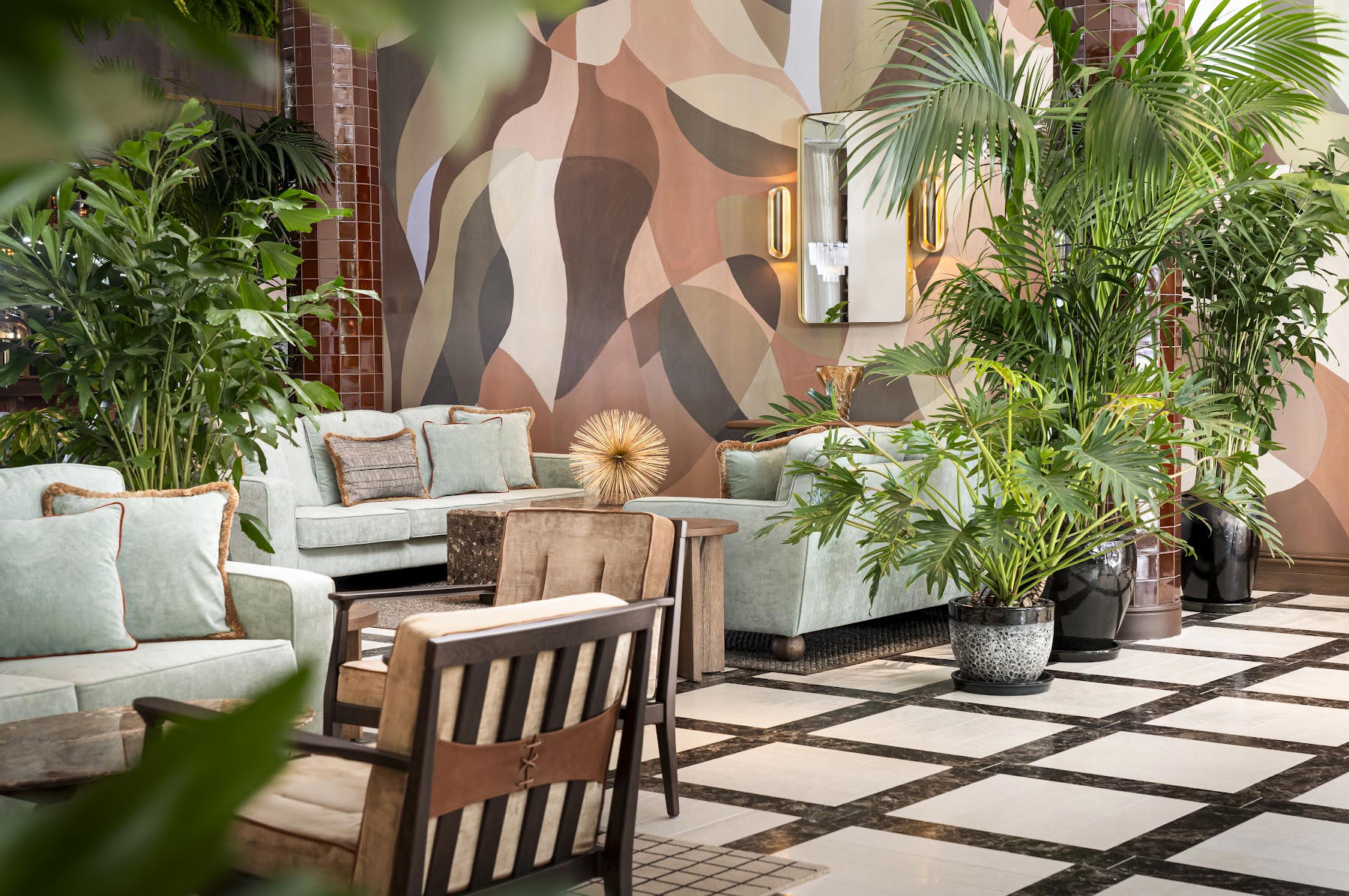
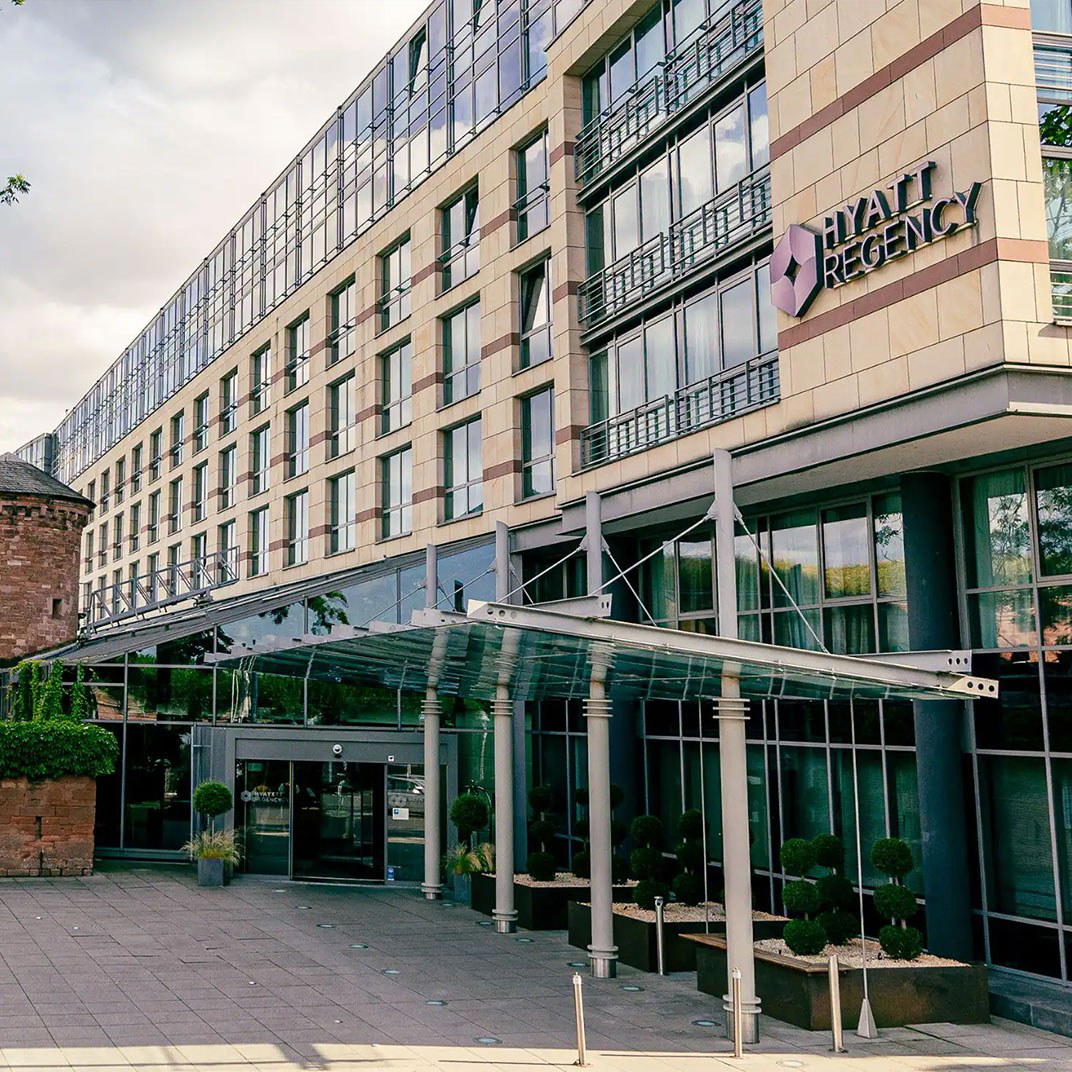
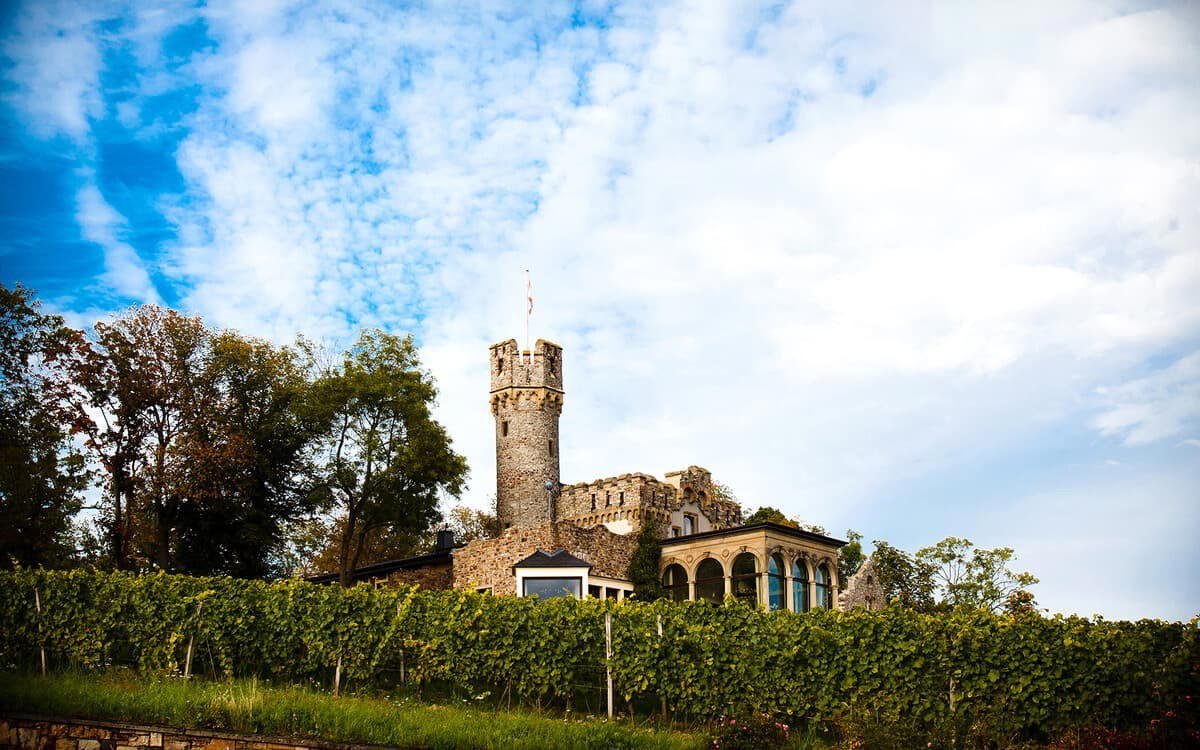
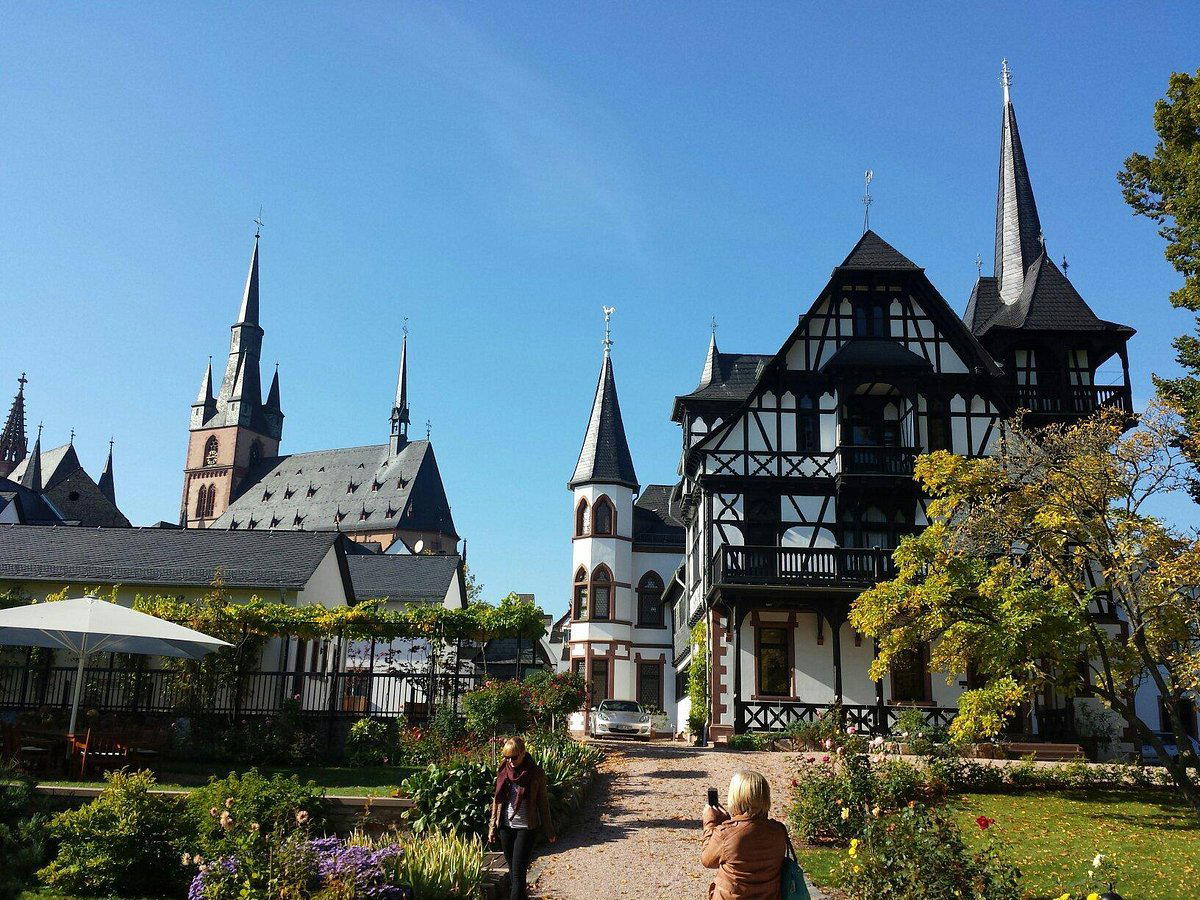
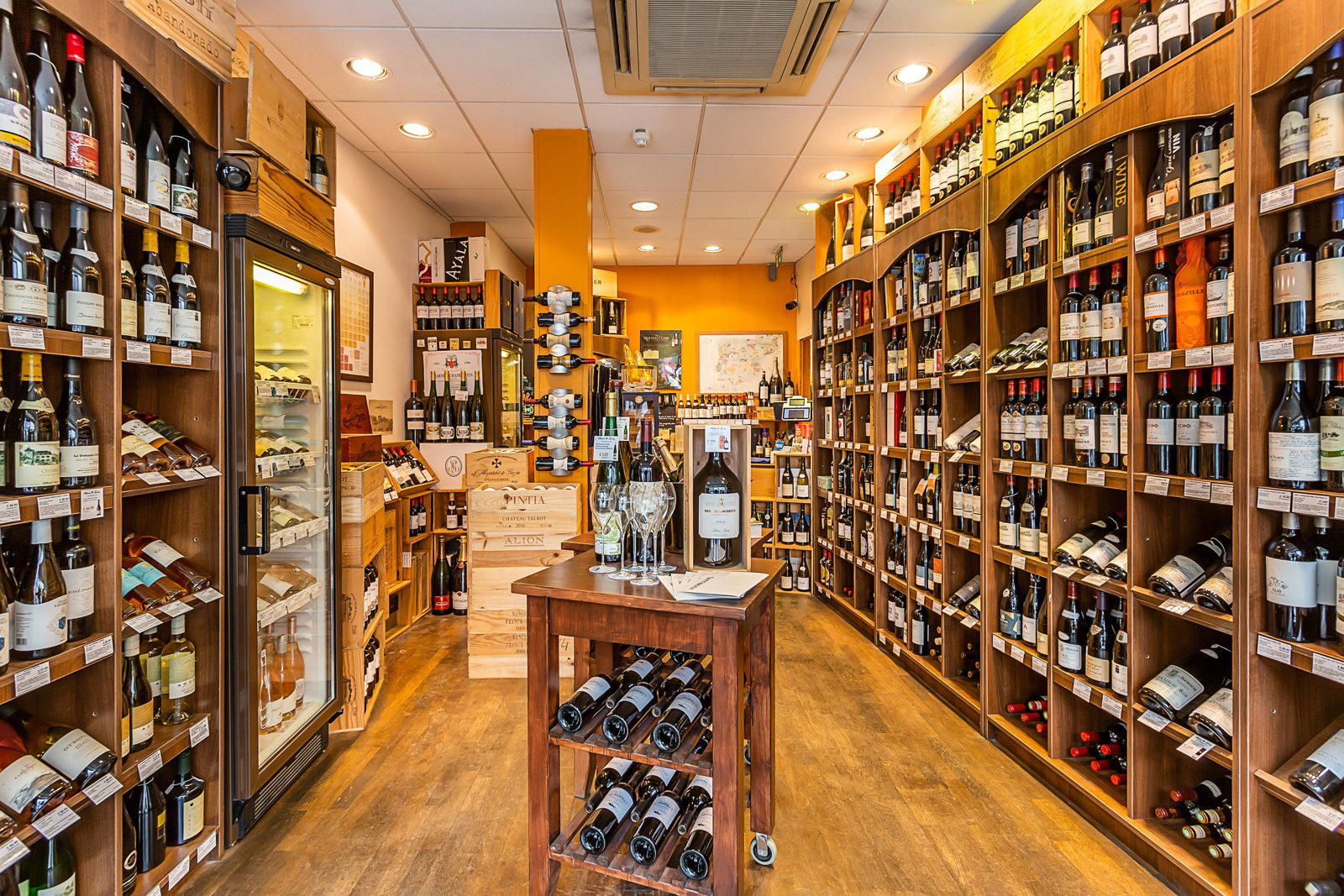
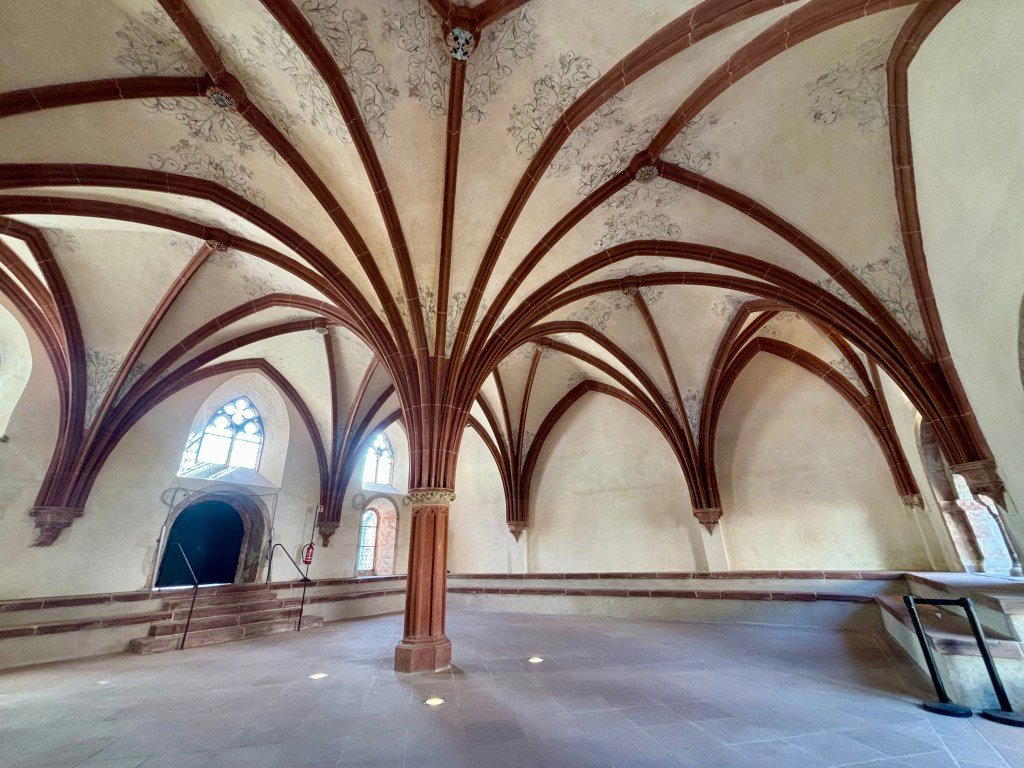
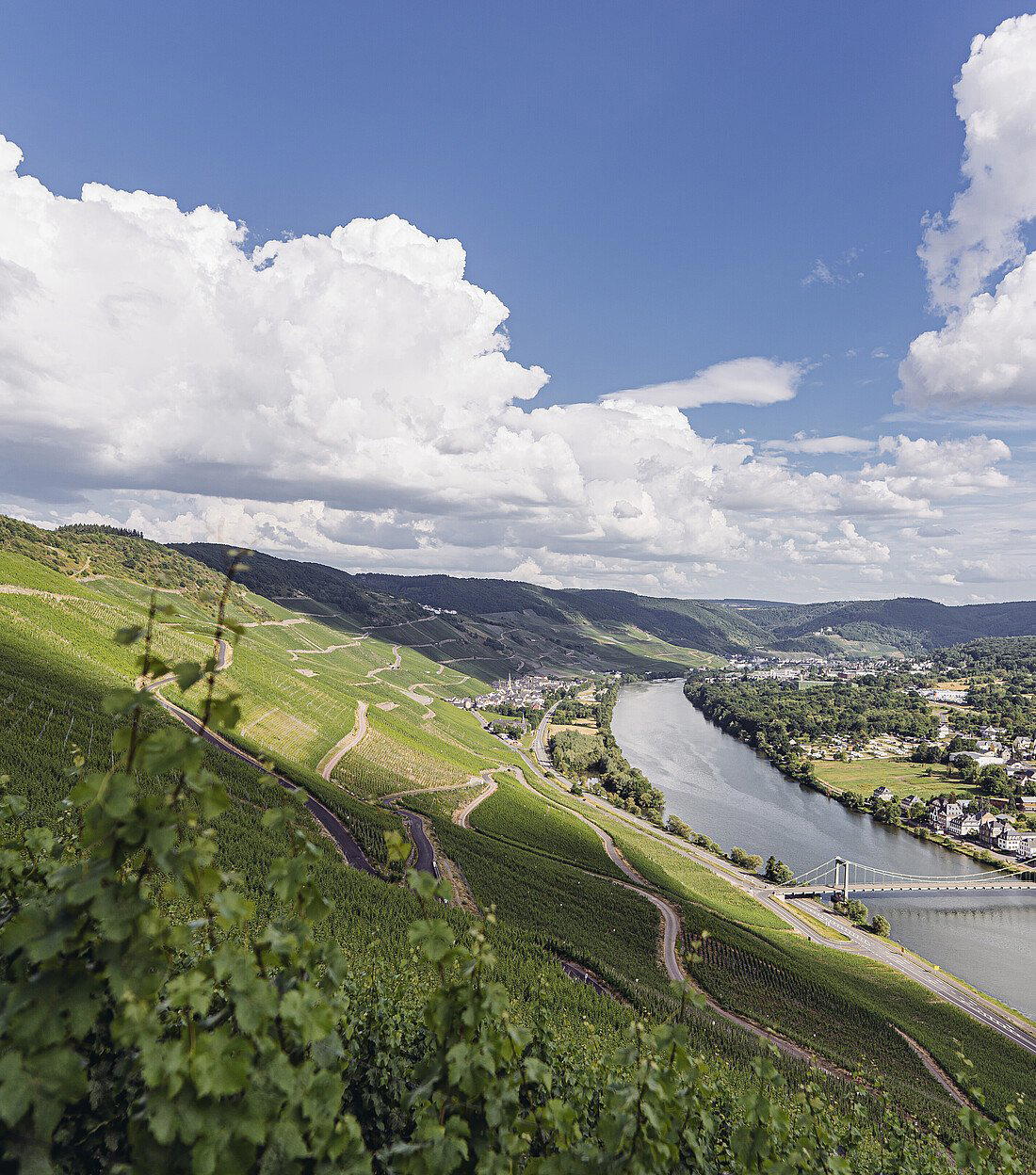
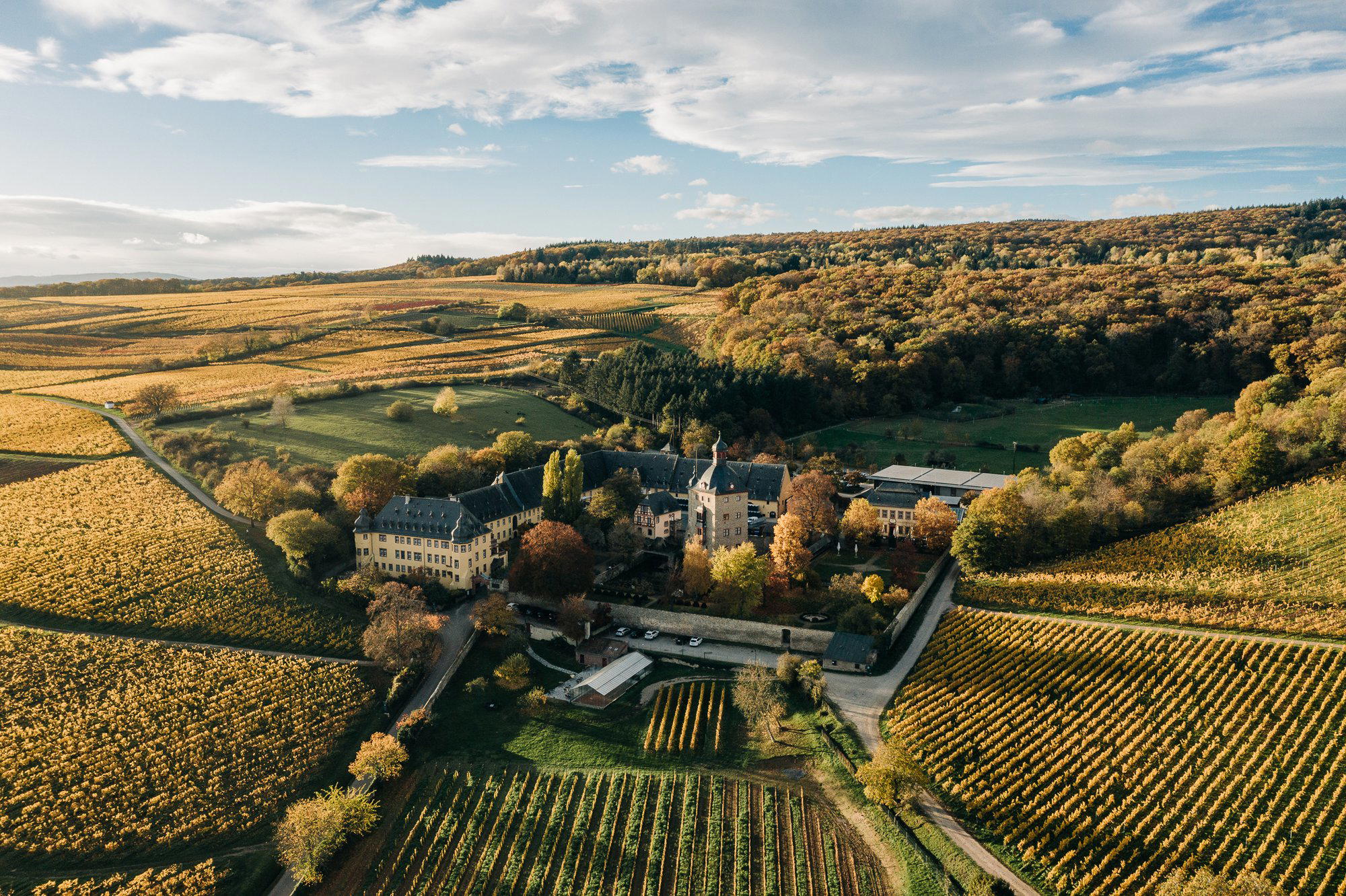
Zur Schlupp
The wine
- Wine program
- Deep wine list
- Extensive wine list
- Sommelier-led
Details
- Romantic
- Cozy
- Elegant
- Intimate
- Classic
- Date Night
- Special Occasion
- Celebration
- Courtyard
- Historic Building
- Standalone
- Extensive Wine List
- Sommelier Led
- Local Sourcing
- Garden
- Set Menu
- A La Carte
- Wine
- Local Wines
- Vegetarian Friendly
- Vegan Options
- Gluten Free Options
Current opening hours
- Monday
- 6–10 PM
- Tuesday
- Closed
- Wednesday
- Closed
- Thursday
- Closed
- Friday
- 6–10 PM
- Saturday
- 6–10 PM
- Sunday
- 5–10 PM
Hours can change for holidays and private events. Hours as of .
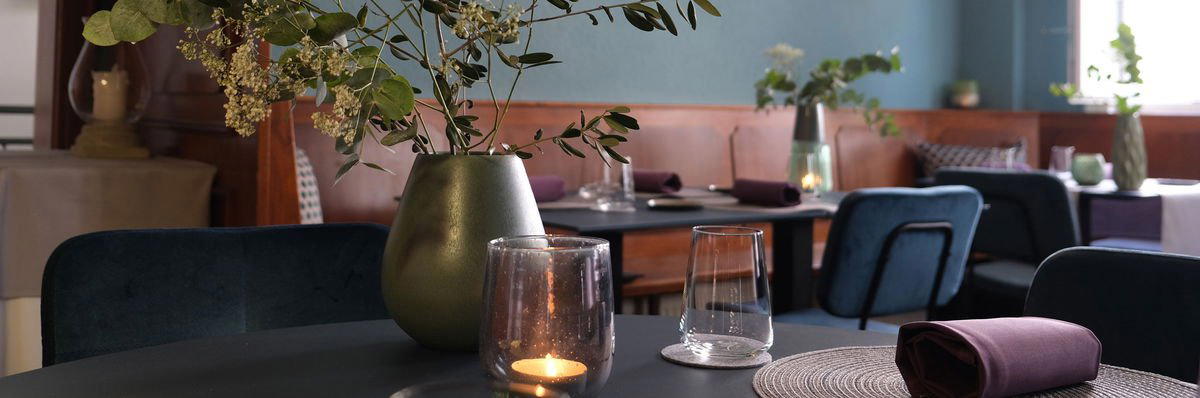
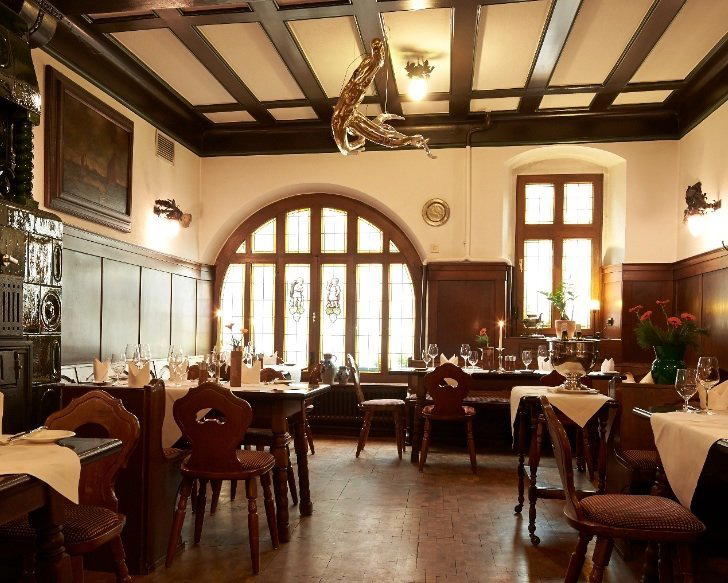
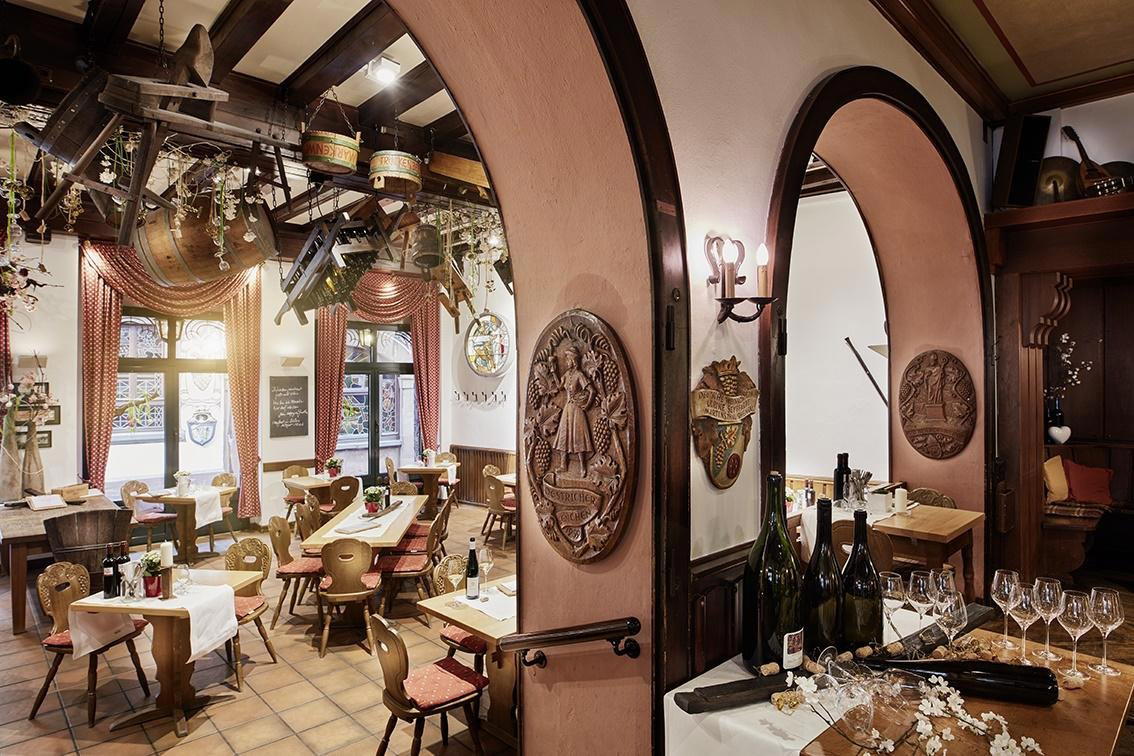
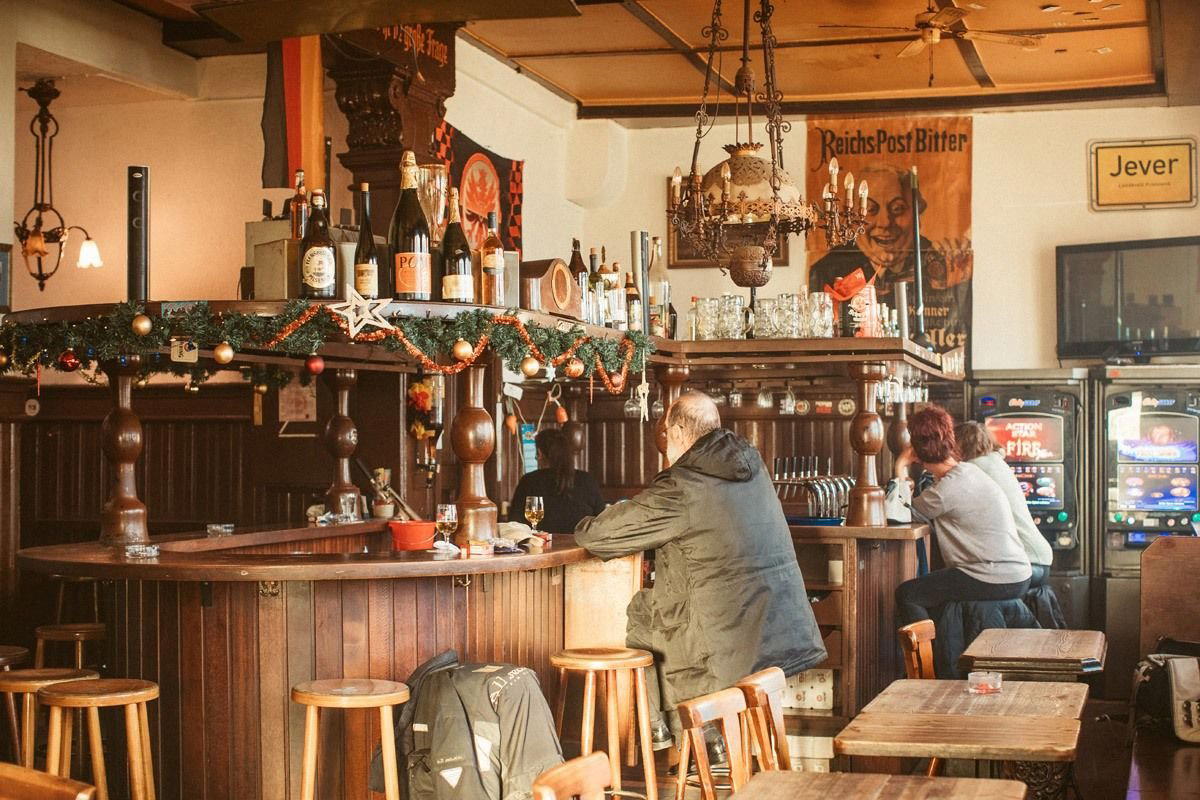
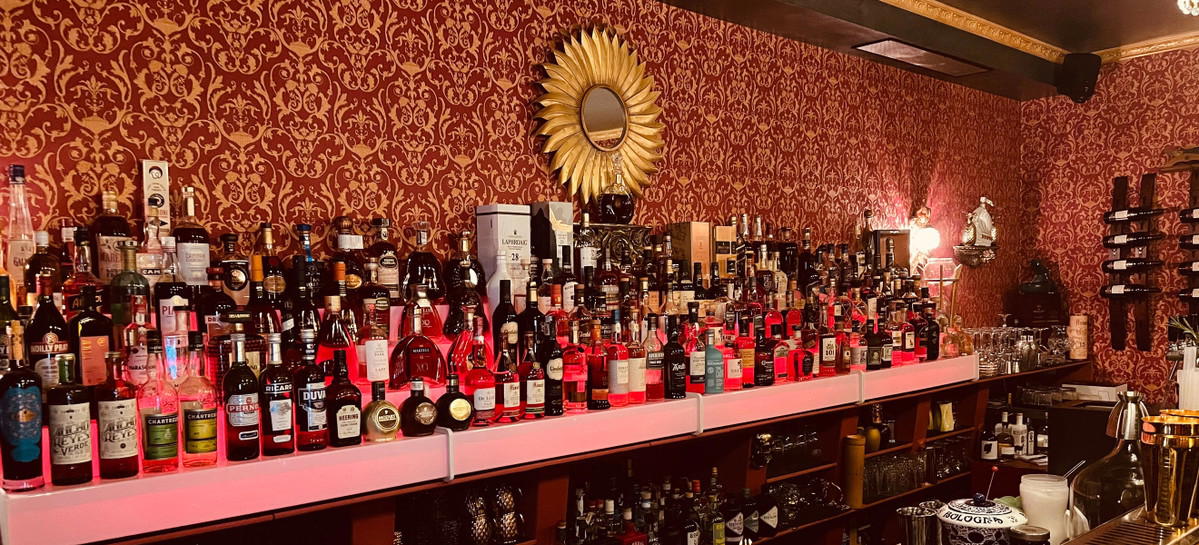
Cosy and charming with old-fashioned styling, warm lighting, and an intimate atmosphere that feels both relaxed and refined.