


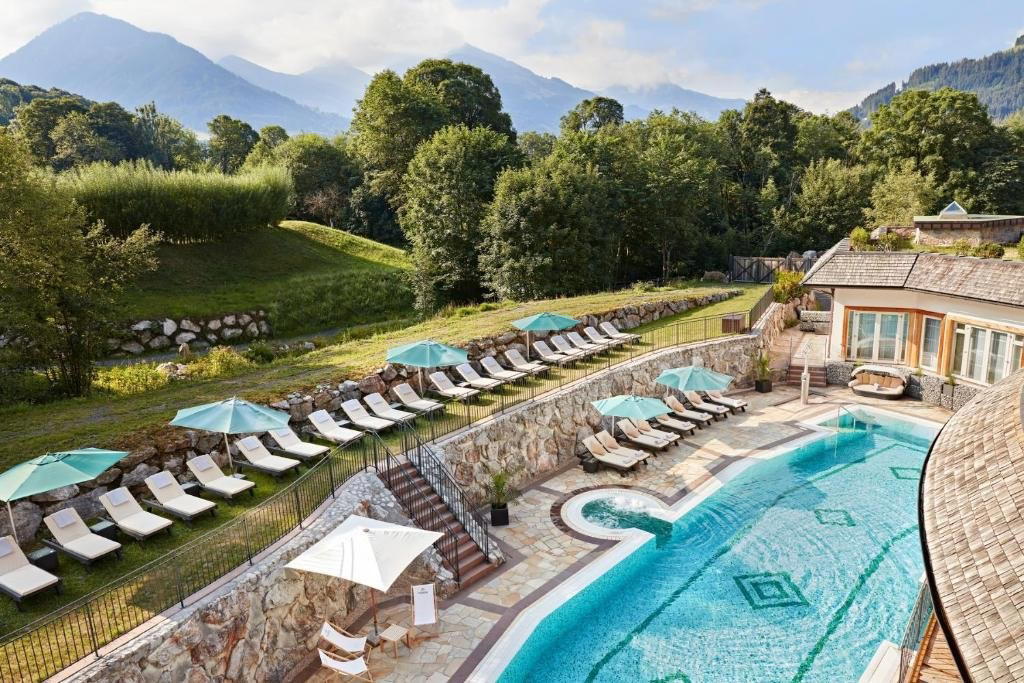
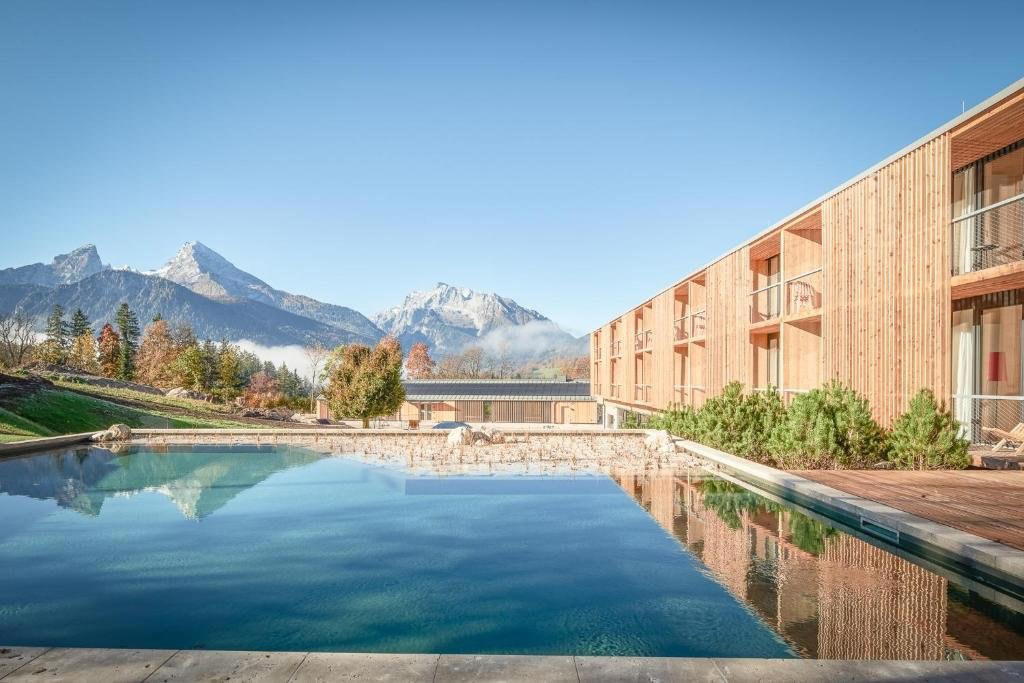
A Michelin-starred inn in Leogang with roots dating to 1326, Kirchenwirt has been in the same family for over 130 years and now earns its star through Chef Stefan Birnbacher's Alpine-rooted seasonal cooking. The six-course tasting menu sits at the summit of the village's dining tier, alongside a wine list that draws serious national and international depth. Hotel rooms are available on site.
Pearl is the En Primeur Club membership app — saves, bookings, and concierge access live there. Same editors, same standards.
- Address
- Leogang 3, 5771 Leogang, Austria
- Phone
- +43 6583 8216
- Website
- hotelkirchenwirt.at
- Directions
- Get directions
 Saves & bookings on Pearl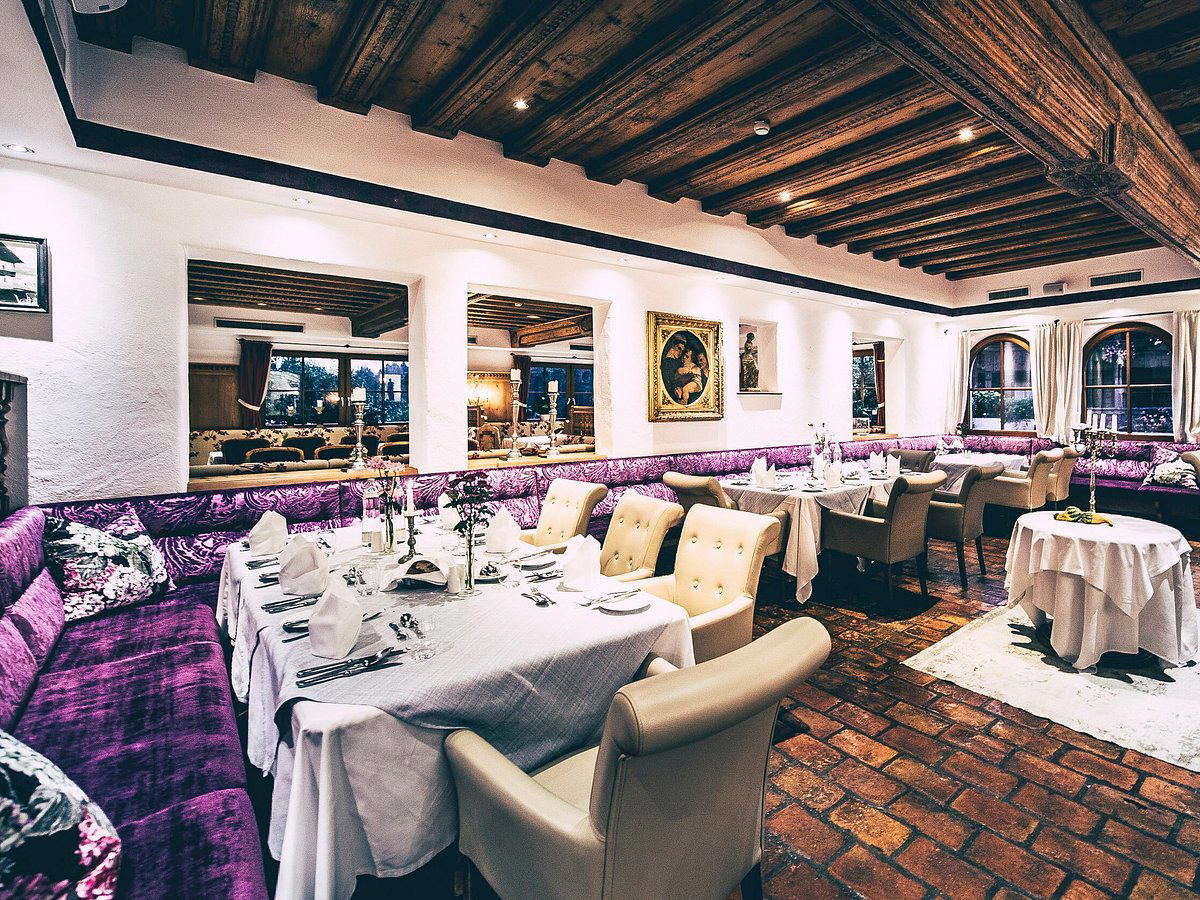
Where a Medieval Inn Meets Modern Alpine Cooking
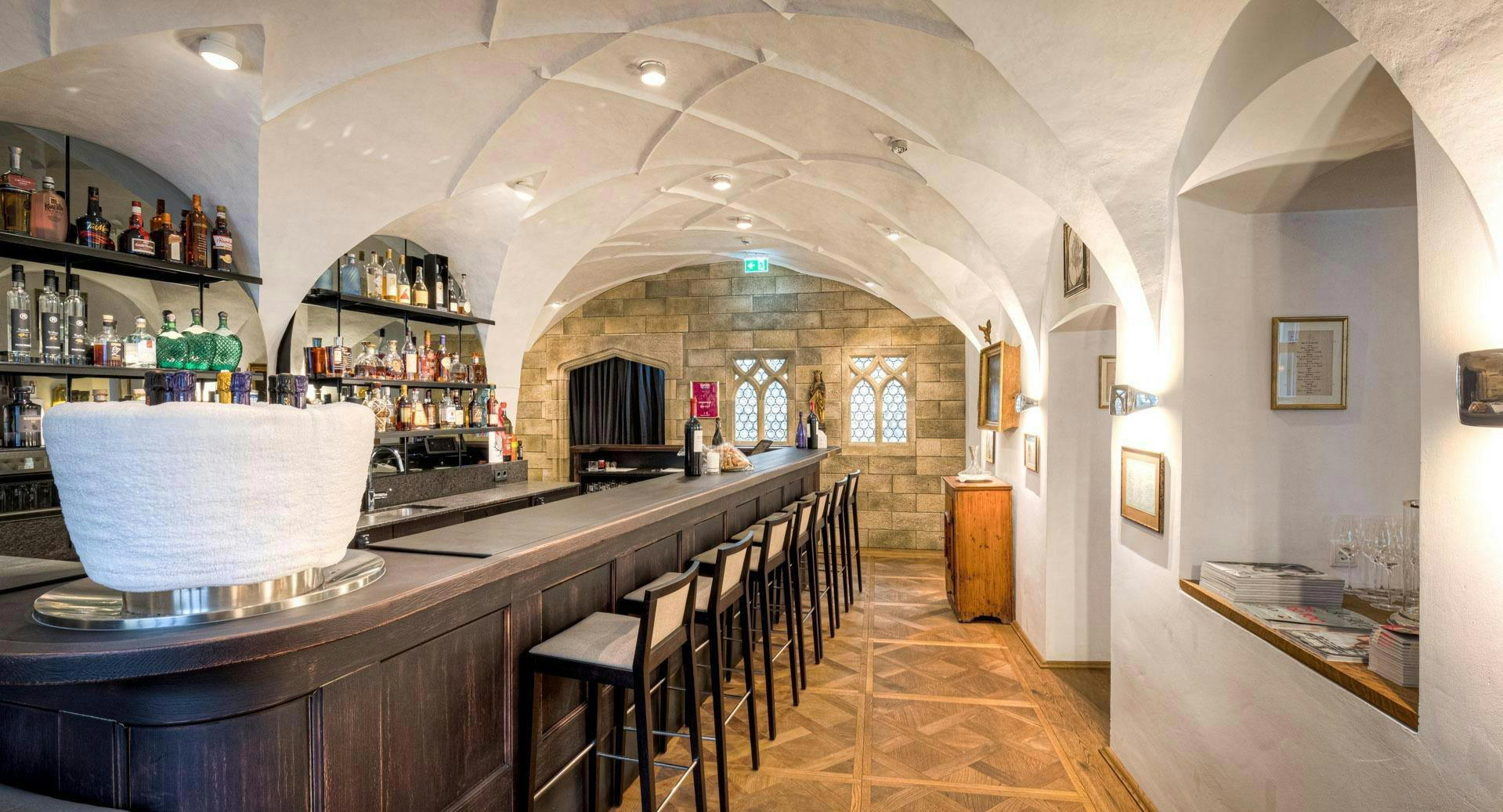
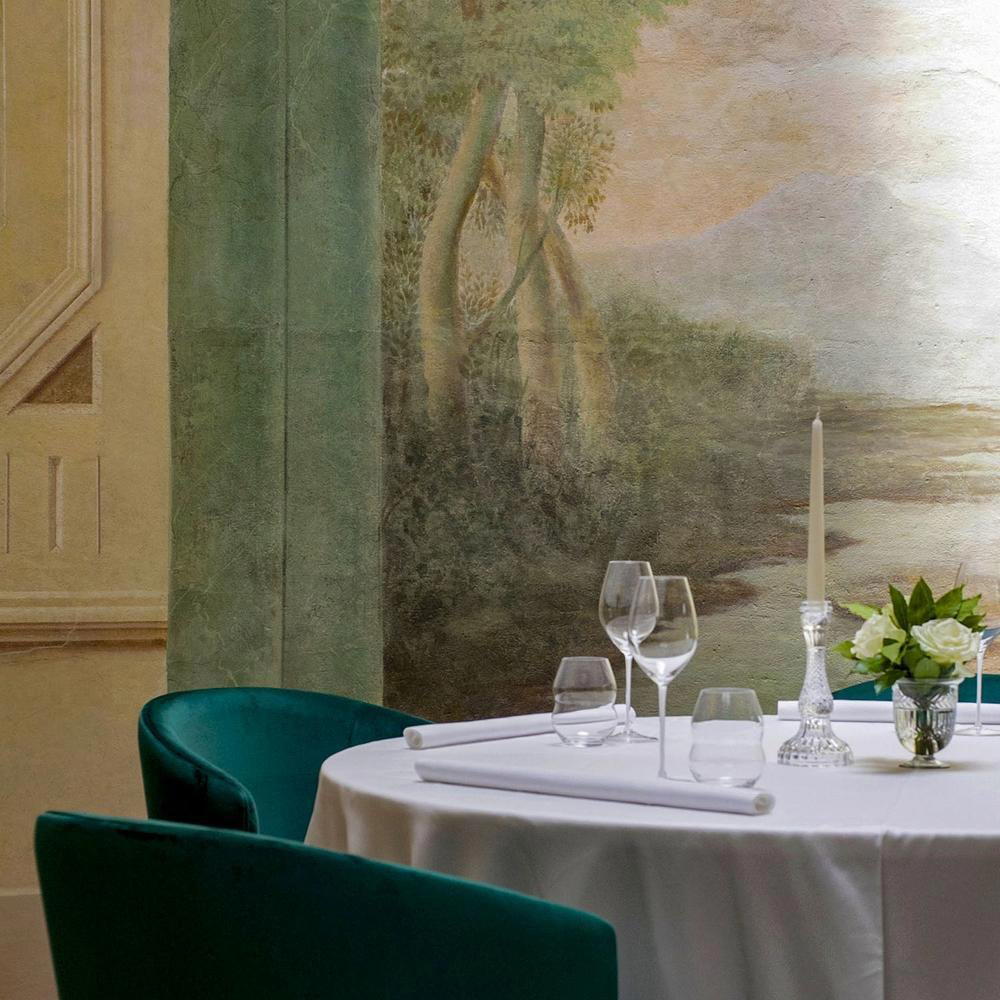
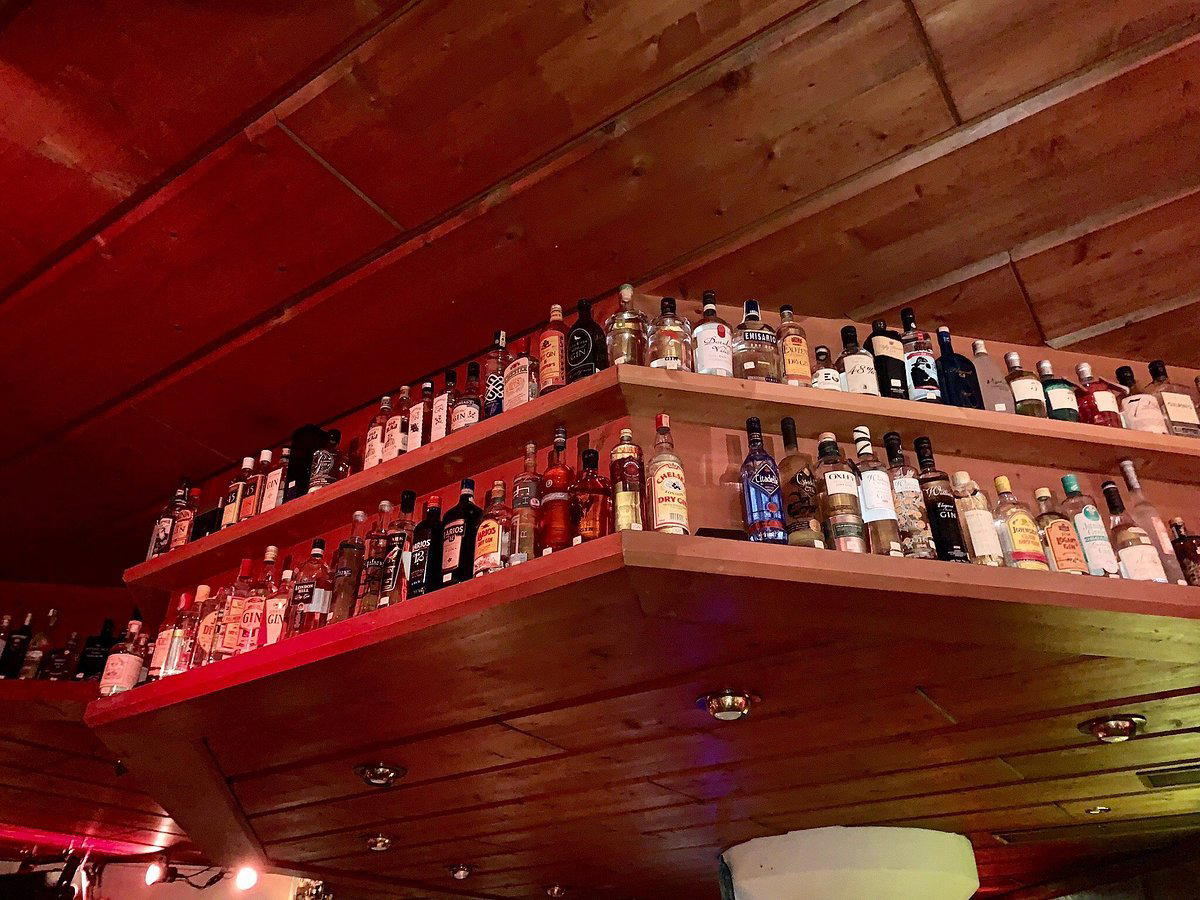
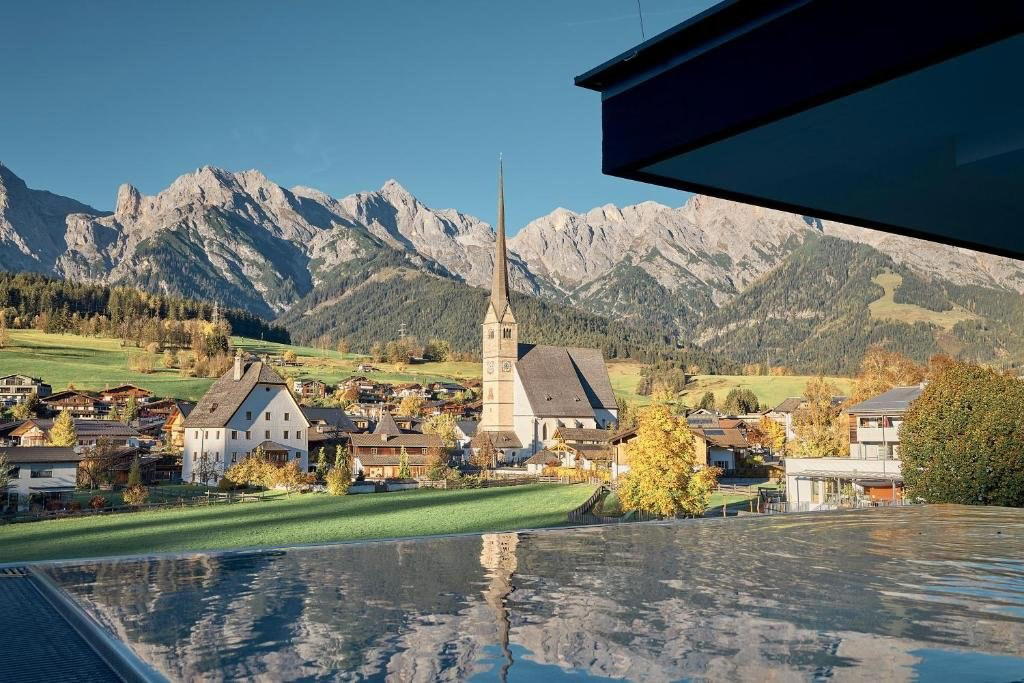
The parish church of Leogang has anchored this corner of the Salzburg Alps for centuries, and the inn beside it has kept pace in its own way. Kirchenwirt's building dates to 1326. Inside, the dining room is deliberately rustic: low ceilings, warm timber, the kind of proportions that suggest a room built for shelter rather than spectacle. In summer, the terrace opens toward the church facade, a setting that frames the meal in a way no interior design intervention could replicate. This physical continuity between the medieval fabric of the village and the dining experience is not incidental to what Kirchenwirt does, it is the editorial premise of the whole operation.
That premise matters more in the context of the Austrian Alps than it might elsewhere. In the Salzburg region, the Gasthof and Wirtshaus tradition runs deep: the inn as civic institution, the kitchen as keeper of local identity. What has changed in recent decades is the arrival of formal fine-dining ambition within that frame. At Kirchenwirt, the result is a Michelin star. That balance is harder to sustain than it sounds, and the star signals that the kitchen is maintaining it.
The Sixth Generation and What That Means for the Kitchen
Long-held family ownership is common enough in Austrian provincial dining that it barely registers as a distinguishing fact. What matters is what that continuity produces in practice. At Kirchenwirt, Barbara Kottke and her brother Hans-Jörg Unterrainer represent the sixth generation of the same family at the helm, a line of succession stretching back well over a century from the current operators. The front-of-house culture here reflects that depth: the service style is reportedly grounded in genuine wine knowledge, with the team described as fluent across both the national Austrian list and the international selections. In a region where front-of-house wine competence can vary widely, that matters.
The kitchen operates under Chef Stefan Birnbacher, whose cooking is categorized as traditional Austrian gourmet. Birnbacher's approach draws explicitly on Alpine produce and local micro-ingredients: Leogang saffron appears in the broth component of the "Alpine Waters" dish, hemp nut oil seasons the same plate, and lardo from the region provides the fat layer over pickled brook trout. The produce sourcing is local enough that the menu functions as a kind of cartography of the immediate valley, though the technique applied to it draws on the conventions of contemporary European fine dining rather than folk cookery. That combination, hyper-local ingredient sourcing with technically precise preparation, is now a widely understood format in Alpine fine dining, and Kirchenwirt sits comfortably within it.
For broader reference points in Austrian Alpine cooking at this level, the work at Döllerer in Golling an der Salzach and Kräuterreich by Vitus Winkler in Sankt Veit im Pongau occupy adjacent territory in the Salzburg region, each applying serious technical ambition to the same Alpine larder. Further afield in Austrian fine dining, Steirereck im Stadtpark in Vienna and Landhaus Bacher in Mautern an der Donau represent what sustained excellence in this tradition looks like at the summit of the national tier. Among the mountain resort addresses, Gourmetrestaurant Tannenhof in Sankt Anton am Arlberg and Griggeler Stuba in Lech offer useful comparisons for the format of high-end inn dining within a ski-resort context. For seasonal cuisine in a similarly heritage-rooted building, Mesnerhaus in Mauterndorf is worth the comparison.
The Menu: Two Routes, One Kitchen
The format at Kirchenwirt gives diners a genuine choice rather than a single imposed structure. The six-course tasting menu is the kitchen's primary statement, available in both a standard version and a pescetarian variant. The à la carte option is available alongside, which places Kirchenwirt closer to the traditional Wirtshaus model than a pure tasting-menu-only operation would. Wiener schnitzel and beef broth sit on the same menu as caviar and pickled trout. That range is not a compromise, it is a deliberate holding of both registers at once, which connects to the broader cultural point about what the leading Austrian inns do.
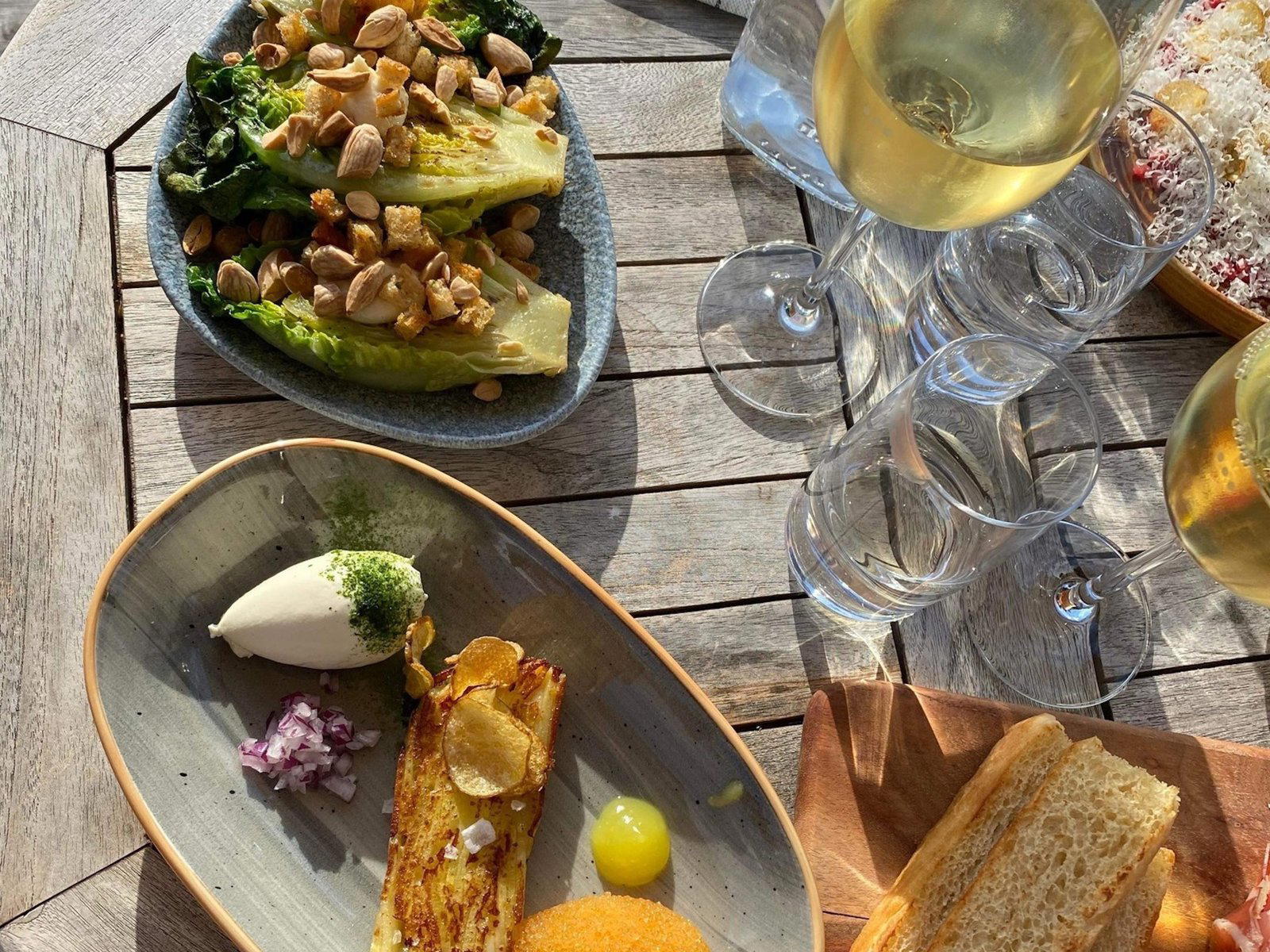
The dish identified as "Alpine Waters" illustrates the kitchen's method clearly: brook trout, pickled and mildly spiced, receives a layer of lardo so thin it functions more as seasoning than substance. Kohlrabi appears twice, as a pickle and as a cream, giving the dish textural contrast within a single vegetable. The broth, made with Leogang saffron and finished with hemp nut oil, adds both local specificity and aromatic depth. The "Black Gold" caviar dish is cited as a signature alongside it. The wine list, with strong national and international coverage, is handled by a front-of-house team that evidently takes it seriously, a factor that makes the tasting menu format more rewarding for those who want to match through the courses.
For seasonal cuisine comparisons beyond Austria, Fields by René Mathieu in Luxembourg applies a similarly ingredient-led, hyper-local methodology in a different European context. Within Leogang itself, the dining scene spans a range of registers: dahoam by Andreas Herbst and Silva both operate at the €€€€ tier, while Mizūmi and Restaurant 1617 offer different cuisine approaches at a lower price point. Ikarus in Salzburg represents a contrasting model for high-ambition dining in the broader region.
Planning Your Visit
Kirchenwirt operates on a schedule worth reading carefully before travelling. The kitchen is open Monday, Wednesday through Sunday from 2 PM to 10 PM; Tuesday is closed. The address is Kirchenwirt, Leogang 3, 5771 Leogang. The price tier is €€€€, consistent with the Michelin-starred positioning and with the other upper-tier addresses in the village.
What to Order at Kirchenwirt
The six-course tasting menu is one coherent way to read the kitchen's current thinking, and the pescetarian version means it works for mixed groups without the kitchen needing to improvise. Among the named dishes, "Alpine Waters", the pickled brook trout with lardo, kohlrabi two ways, Leogang saffron broth, and hemp nut oil, is the clearest expression of the kitchen's local-sourcing logic applied with fine-dining precision. The "Black Gold" caviar dish signals the kitchen's willingness to work with luxury ingredients alongside more austere Alpine produce; both the restraint and the indirection are worth experiencing in the same meal. For those ordering à la carte, the beef broth and Wiener schnitzel are present as serious renditions of the classical Austrian register, not token concessions to a different audience. The wine list rewards engagement: the front-of-house team's depth in Austrian and international selections makes consultation worthwhile rather than merely polite. Given the kitchen's use of Leogang saffron and other hyper-local ingredients, the tasting menu's seasonality will shift across the year, arriving in late autumn or winter, when the Alpine larder is at its most concentrated, tends to anchor those ingredients most firmly in the cooking.
Budget and Context
Comparable venues nearby, for context on price, style, and recognition.
| Venue | Cuisine | Price | Awards | Notes |
|---|---|---|---|---|
| KirchenwirtThis venue — the venue you are viewing | Seasonal Cuisine | $$$ | Michelin 1 Star | Not listed |
| dahoam by Andreas Herbst | Rain, Modern Alpine Fine Dining | $$$$ | Michelin 1 Star | Not listed |
| Restaurant 1617 | Not listed | $$ | Michelin Plate | Leogang, Traditional Austrian Alpine Cuisine |
| Mizūmi | Not listed | $$$ | Michelin Plate | Leogang, Contemporary Japanese with Alpine Views |
| KrallerAlm | Rain, Alpine Austrian Grill & Pizzeria | $$ | Not listed | Not listed |
| mama thresl | Leogang, Modern Austrian Grill | $$ | Not listed | Not listed |
Recognition history
Dated appearances from independent guides and award organizations, with the underlying list record or original source where available.
Falstaff Restaurant - 95 Falstaff Points
Falstaff
Michelin 1 Star
Michelin
Wine Spectator Best of Award of Excellence
Wine Spectator
Michelin 1 Star
Michelin
Michelin 1 Star
Michelin


At a Glance
- Rustic
- Cozy
- Classic
- Historic
- Special Occasion
- Date Night
- Historic Building
- Extensive Wine List
- Mountain
Current opening hours
- Monday
- 2–10 PM
- Tuesday
- Closed
- Wednesday
- 2–10 PM
- Thursday
- 2–10 PM
- Friday
- 2–10 PM
- Saturday
- 2–10 PM
- Sunday
- 2–10 PM
Hours can change for holidays and private events. Last verified .
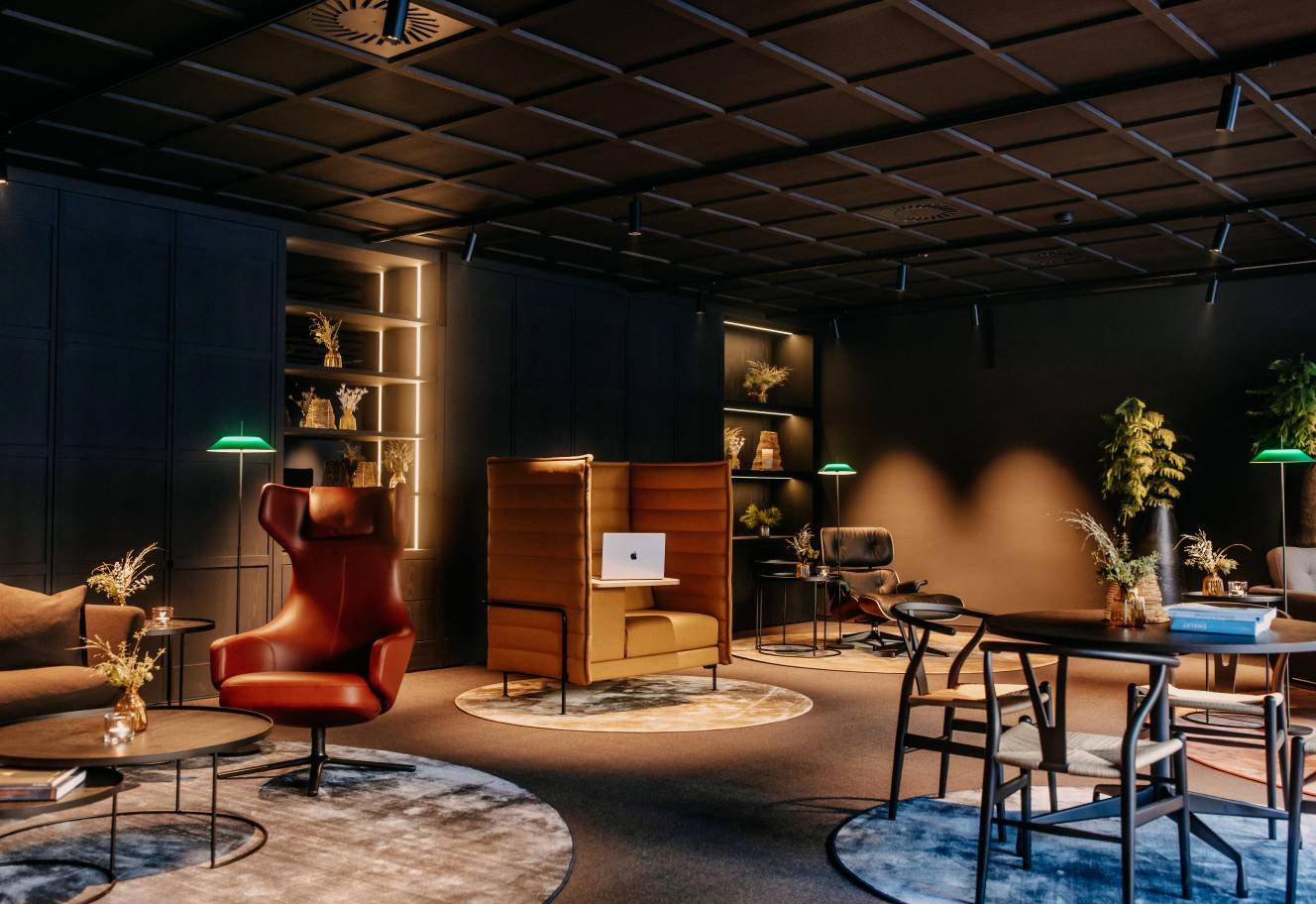
Cozy rustic dining area with historic wood-paneled rooms and a terrace offering views of the parish church.