Zuma Boston

Zuma Boston occupies the second floor of the Four Seasons Hotel on Boylston Street, bringing the global izakaya format that made the brand a fixture in London, Dubai, and Hong Kong to the Back Bay dining scene. The format splits across a robata grill, sushi counter, and main kitchen, with a drinks program weighted toward Japanese whisky and sake. Reservations are advised, particularly for weekend dinner service.
Pearl is the En Primeur Club membership app — saves, bookings, and concierge access live there. Same editors, same standards.
- Address
- 2nd Floor Four Seasons Hotel, Boston, MA 02115
- Phone
- +18574492500
- Website
- zumarestaurant.com
- Directions
- Get directions
 Saves & bookings on Pearl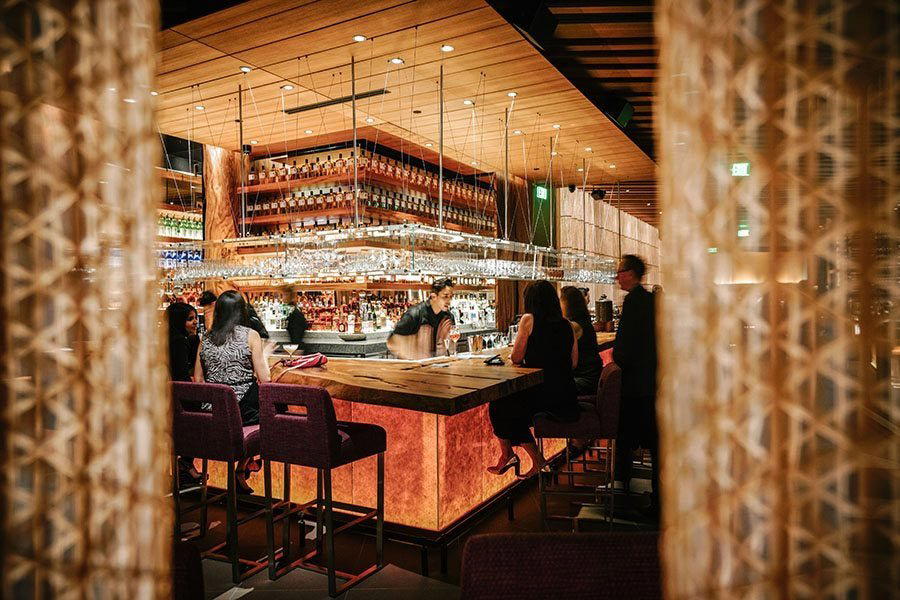
A Global Format Lands in Boston's Back Bay
Zuma Boston is a Modern Japanese Izakaya in Boston's Back Bay, located on the second floor of the Four Seasons Hotel. That placement tells you something about how the brand positions itself globally.
The Back Bay address puts Zuma Boston near some of the city's more formal dining rooms, but the izakaya DNA makes the register less ceremonial than a tasting-menu counter. The robata grill, the shared-plate format, and a room designed for movement and noise sit at an angle to the reverent silence of the omakase experience. If you want a sense of where Boston's Japanese dining spectrum runs, 311 Omakase and Oishii Boston occupy the quieter, counter-led end; Zuma is the louder, more social expression of the same culinary tradition.
Lunch vs. Dinner: Two Different Propositions
Lunch and dinner differ at Zuma Boston. At dinner, the robata grill, the sushi counter, and the main kitchen all operate at full capacity, and the room is designed to absorb the kind of energy a busy Friday or Saturday night generates. The shared-plate format rewards a table of four or more, where ordering across all three kitchen sections makes structural sense. The drinks program, sake, Japanese whisky, cocktails, is part of the dinner experience rather than an afterthought.
Lunch at a hotel-anchored restaurant in this tier tends to run quieter, with a more edited menu and a clientele that skews toward business and hotel guests. At midday, the room is easier to read, service is less stretched, and the robata and sushi sections are accessible without the wait dynamics of a packed evening. Visitors who want to experience the format without the full dinner price commitment should treat lunch as a genuine alternative rather than a lesser version of the same meal. Across hotel-restaurant formats globally, from 8 1/2 Otto e Mezzo Bombana in Hong Kong to comparable rooms in New York, the lunch service frequently delivers the kitchen's technical range at a fraction of the per-head spend.
The dinner crowd at the restaurant includes hotel guests from the Four Seasons, but the restaurant also draws independently from the city, particularly from the Back Bay and Beacon Hill neighborhoods. Weekend evenings tend to be the hardest to access without advance planning; weekday dinners offer more flexibility, though the robata section in particular can move quickly once the room fills.
Where Zuma Boston Sits in the City's Broader Scene
Boston's premium dining market has diversified. The old model of white tablecloths, French technique, and formal service shares space with chef's counters, tasting-menu formats, and now the kind of high-energy, multi-section Japanese dining room that Zuma represents. For context, Agosto operates at the chef's-counter end of that spectrum with Portuguese-influenced tasting menus, while Abe & Louie's anchors the classic American steakhouse tier. Zuma occupies a different axis entirely: it is neither a quiet counter nor a traditional dining room, but a format built around energy, fire, and shared plates.
The menu architecture, robata, sushi, and main kitchen operating as three distinct but complementary sections, is consistent across locations, which means the format rewards those who know how to order across all three rather than treating it as a conventional à la carte dinner. That cross-section ordering approach is where the format earns its price point; a table that only orders from one section misses the structural logic of izakaya dining.
Boston's waterfront and Back Bay scenes each have their own character when it comes to seafood and Japanese cooking. 1928 Rowes Wharf and 75 on Liberty Wharf represent the waterfront end of the premium dining spectrum, while Zuma's Back Bay positioning aligns it with the hotel and retail corridor that runs along Boylston. The city's raw bar tradition, well represented by Neptune Oyster, sits in a different category entirely, but that Boston diners are comfortable with raw seafood formats, which means the sushi counter at Zuma has a receptive audience.
Zuma in the Context of Global Japanese Fine Dining
The izakaya format that Zuma globalised is distinct from the omakase counter model that has attracted critical attention in the United States over the past decade. Where omakase counters like Atomix in New York City operate within a single tightly controlled sequence, the izakaya model is deliberately open-ended: the table builds the meal through shared ordering, and the kitchen's range is accessed through breadth rather than depth. Neither format is inherently superior; they are answers to different dining intentions.
At the upper end of the American fine dining market, the tasting-menu counter format dominates critical conversation. Restaurants like Alinea in Chicago, The French Laundry in Napa, Le Bernardin in New York City, and Single Thread Farm in Healdsburg each operate within tightly scripted formats that prioritise the chef's sequence over guest choice. Zuma's format is philosophically different: the guest constructs the meal. That distinction matters when you're deciding how to allocate an evening. Restaurants like Blue Hill at Stone Barns in Tarrytown, Lazy Bear in San Francisco, Providence in Los Angeles, Addison in San Diego, The Inn at Little Washington, and Emeril's in New Orleans all sit within the structured tasting format. Zuma is for a different kind of evening.
Planning Your Visit
| Factor | The restaurant | O Ya (peer Japanese) | La Brasa (peer sharing-plate) |
|---|---|---|---|
| Format | Izakaya sharing plates, robata, sushi counter | Omakase-style Japanese | Mexican sharing plates |
| Setting | Hotel dining room, Four Seasons | Independent, intimate | Independent, neighbourhood |
| Energy Level | High at dinner, calmer at lunch | Quiet, focused | Casual, lively |
| Booking Pressure | Weekend dinner advance recommended | High demand, advance booking required | Walk-ins more viable |
| Group Size Suitability | Four or more benefits most from format | Counter format suits pairs | Flexible across group sizes |
The restaurant is located on the second floor of the Four Seasons Hotel, Boylston Street, Back Bay.
Price and Positioning
Comparable venues nearby, for context on price, style, and recognition.
| Venue | Cuisine | Price | Notes |
|---|---|---|---|
| Zuma BostonThis venue — the venue you are viewing | Prudential, Modern Japanese Izakaya | $$$$ | Not listed |
| Hojoko | West Fens, Rock n Roll Japanese Izakaya | $$$ | Not listed |
| Irashai Sushi | Chinatown, Authentic Japanese Sushi | $$ | Not listed |
| Grana at The Langham, Boston | Financial District, Modern Italian | $$$$ | Not listed |
| Mariel | Not listed | $$$$ | Financial District, Cuban-Inspired Latin Fusion |
| Mamma Maria | North End, Seasonal Regional Italian | $$$$ | Not listed |
Recognition history
Dated appearances from independent guides and award organizations, with the underlying list record or original source where available.
Wine Spectator Award of Excellence
Wine Spectator
Continue exploring
More in Boston
Restaurants in Boston
Browse all →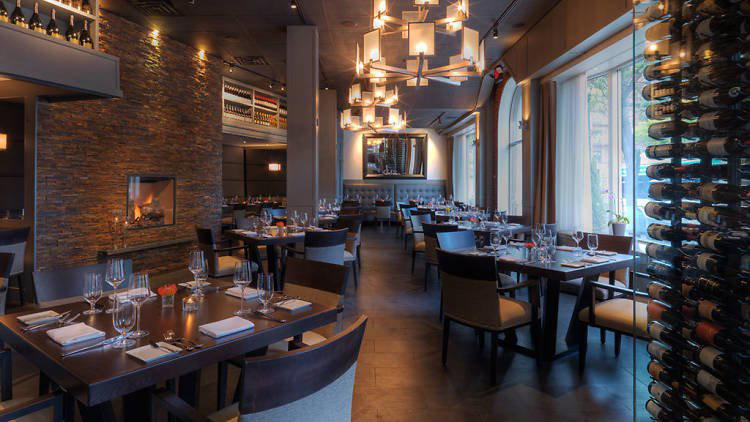
Bars in Boston
Browse all →
Hotels in Boston
Browse all →
Wineries in Boston
Browse all →
At a Glance
- Lively
- Trendy
- Sophisticated
- Elegant
- Energetic
- Date Night
- Business Dinner
- Group Dining
- Celebration
- Special Occasion
- Open Kitchen
- Hotel Restaurant
- Craft Cocktails
- Sake Program
Current opening hours
- Monday
- 5–10 PM
- Tuesday
- 5–10 PM
- Wednesday
- 12–3 PM, 5–10 PM
- Thursday
- 12–3 PM, 5–10:30 PM
- Friday
- 12–3 PM, 5–11:15 PM
- Saturday
- 11:30 AM–3 PM, 5–11:15 PM
- Sunday
- 11:30 AM–3 PM, 5–10 PM
Hours can change for holidays and private events. Last verified .
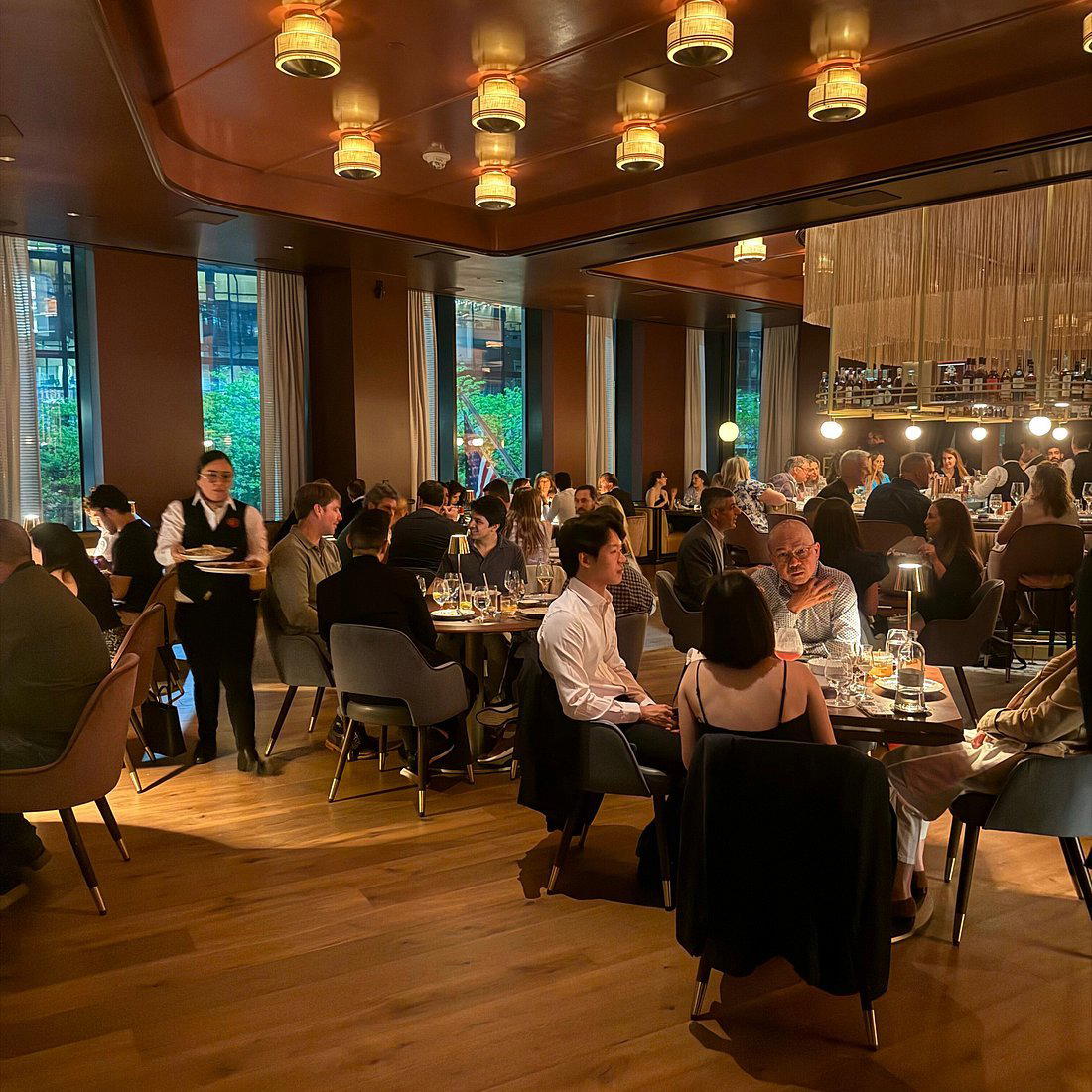
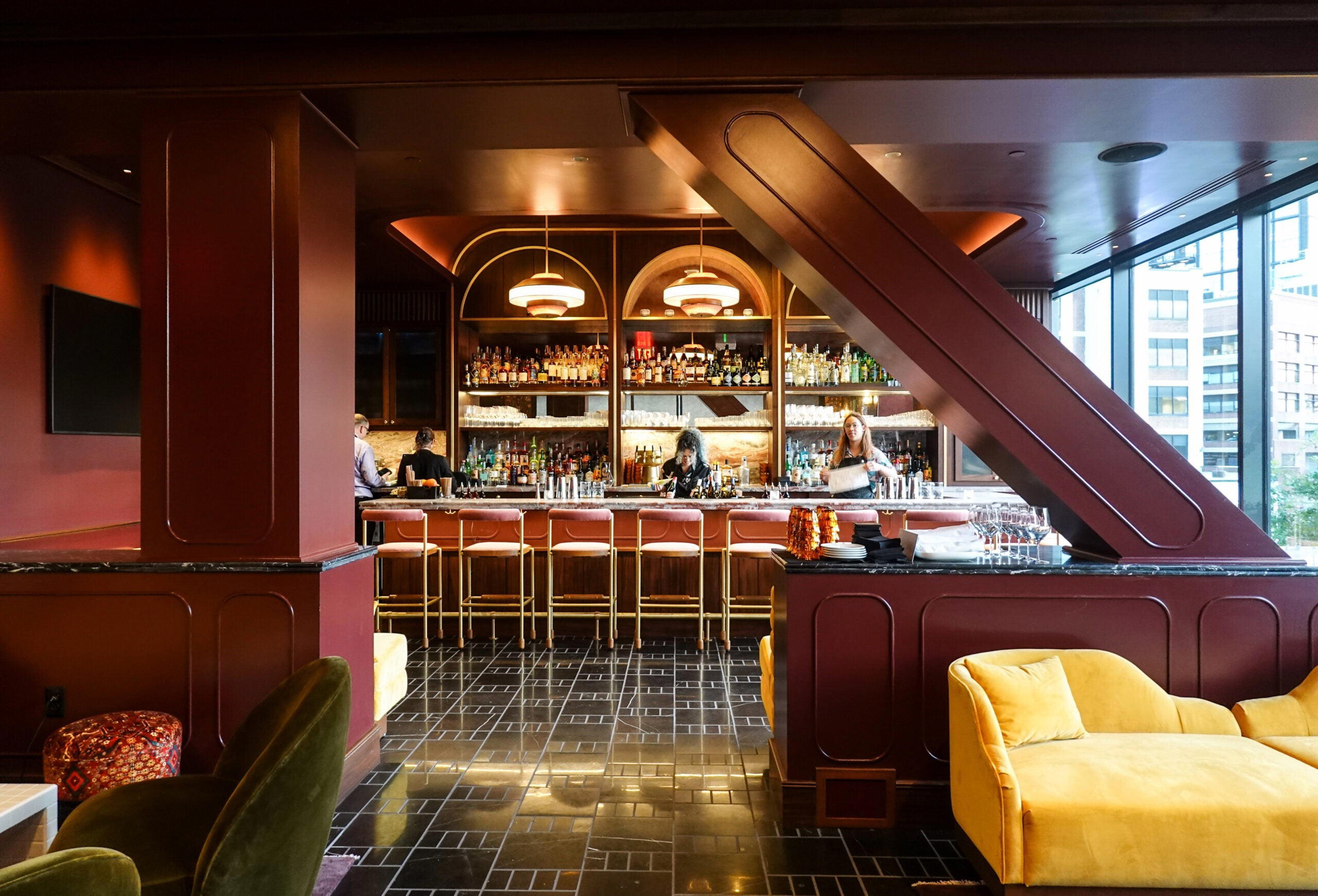
Energetic and lively atmosphere with natural wood, granite, and glass design, lively bar, and sophisticated lighting ideal for seeing and being seen.