Irashai Sushi
Irashai Sushi occupies a compact address on Kneeland Street in Boston's Chinatown-adjacent corridor, positioning itself within the city's small but serious Japanese counter dining scene. Where peers like O Ya operate at the higher end of the omakase price spectrum, Irashai offers a more accessible entry point into disciplined sushi service without abandoning technical ambition. For Boston diners tracking the city's evolving Japanese dining options, it merits close attention.
Pearl is the En Primeur Club membership app — saves, bookings, and concierge access live there. Same editors, same standards.
- Address
- 8 Kneeland St, Boston, MA 02111
- Phone
- +16173506888
- Website
- irashaisushi.net
- Directions
- Get directions
 Saves & bookings on Pearl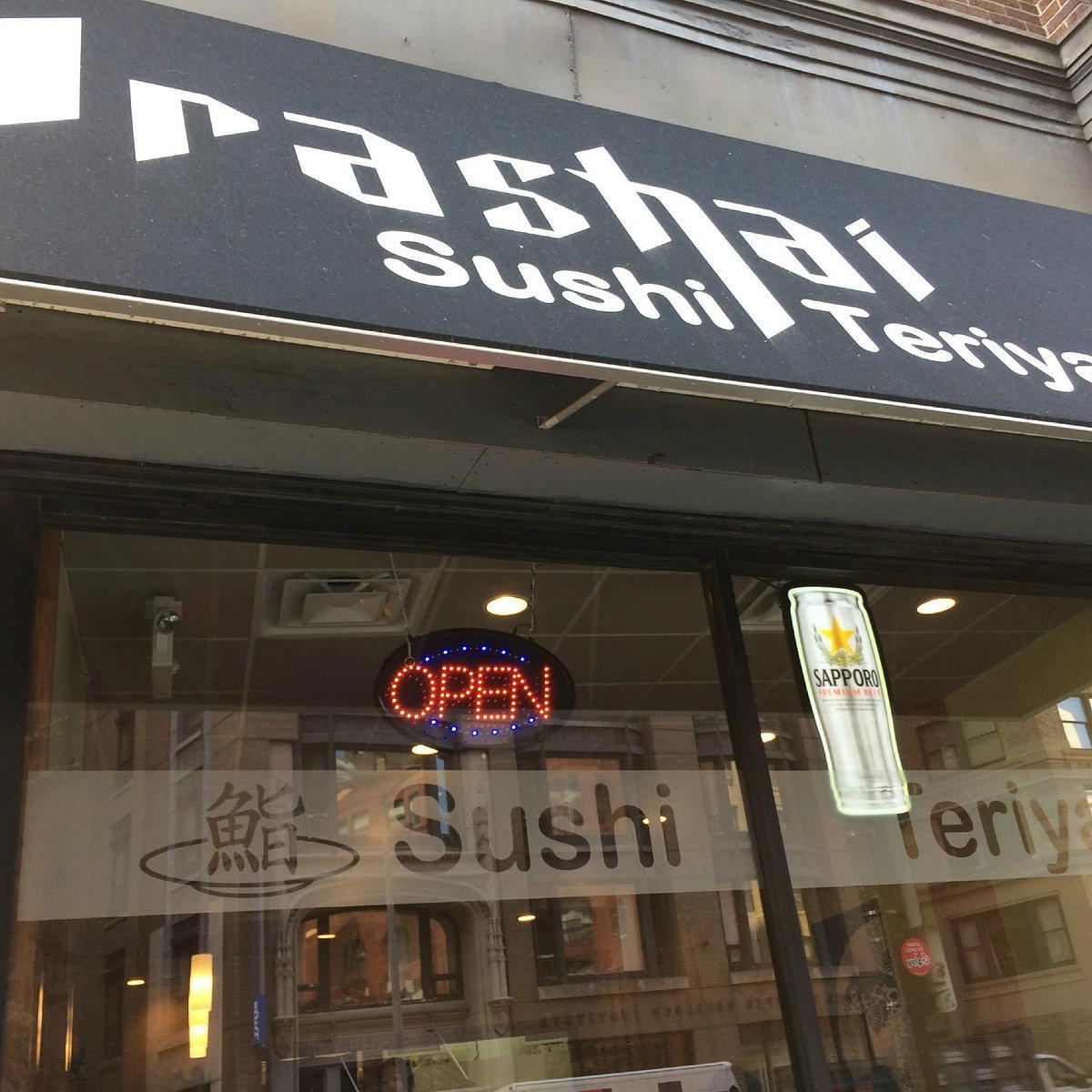
Kneeland Street and the Counter That Earns Its Address
Boston's Chinatown edge has long been a neighborhood of transitions: dim sum parlors giving way to late-night noodle spots, older family-run restaurants holding ground against newer concepts angling for a different clientele. On Kneeland Street, the block functions as a kind of culinary threshold, where the density of Asian dining thins out just enough for a focused sushi counter to define its own territory. Irashai Sushi occupies that threshold, operating at 8 Kneeland St in a city where serious Japanese dining has historically concentrated downtown or in the Fenway corridor.
The physical experience of arriving at a counter like this one matters more than it does at a large-format restaurant. At smaller counters, the moment you walk in determines much of what follows: the proportion of the room, the arrangement of the bar, the sight lines to the preparation area. These spatial decisions are not decorative. They signal how seriously the operation takes the interaction between diner and the work being done in front of them. At counters operating in this register, the room is designed to reduce distraction, not amplify it.
Where Irashai Sits in Boston's Japanese Dining Tier
Boston's Japanese dining scene has developed more slowly than New York's or Los Angeles's, but it has developed with some coherence. At the upper end, 311 Omakase has established the city's most demanding reservation and price point for counter sushi. O Ya, operating for nearly two decades in the Theater District, built its reputation on a hybrid format that blends Japanese technique with an international flavor vocabulary, drawing comparisons to similarly boundary-crossing operations like Atomix in New York City. Oishii Boston has pursued a more traditional nigiri-forward approach, with multiple locations signaling a broader market ambition.
Irashai fits into a different position: a neighborhood-scaled counter that sits below the rarefied tier of 311 Omakase but above the casual sushi restaurant category. This middle ground is where most diners actually operate, and it is where the team dynamic at a counter becomes most legible. Without the insulation of extreme price points or the noise of a full dining room, the interaction between the person handling the fish and the person across the bar becomes the primary event. Whether that interaction is managed well depends almost entirely on how a counter's kitchen, floor, and service functions are coordinated.
The Architecture of a Counter Service
At sushi counters operating at this level, the collaboration between preparation and service is not incidental. The chef's pacing determines when courses arrive; the front-of-house must read that pacing and translate it into conversation, beverage timing, and guest management without breaking the rhythm. In the American context, this kind of coordination is harder to achieve than in Japan, where the cultural grammar of counter dining is well established and guests arrive already calibrated to the format. Boston diners, accustomed to a more European-style service model inherited from the city's long fine dining history, sometimes need more active guidance through a counter progression.
This is where team dynamic becomes the real differentiating factor at a place like Irashai. Comparable operations in other cities have demonstrated that the gap between a technically proficient counter and a genuinely memorable one is almost always a floor problem, not a kitchen problem. Lazy Bear in San Francisco built its reputation as much on the integration of hospitality and kitchen communication as on the cooking itself. Single Thread Farm in Healdsburg formalized this integration into an explicit farm-to-counter hospitality philosophy that won it Michelin recognition. At smaller counters without that institutional infrastructure, the coordination is less systemic and more personal.
Boston's Counter Scene in National Context
Counter dining in the United States has matured considerably in the last decade. What began as a format borrowed almost entirely from Japanese precedent has developed local inflections in most major cities. In New York, operations like Atomix have taken the counter format into Korean fine dining. In Chicago, Alinea has pushed the chef-as-performer idea in a different direction entirely. In Los Angeles, Providence and operations of its tier have shown how serious seafood technique translates into a counter-adjacent format. The commonality across these different operations is the primacy of a prepared, coordinated team.
Boston's counter scene is smaller than these cities' equivalents but not less serious. The city has historically supported demanding dining formats, as the longevity of operations like Agosto, a Portuguese-inspired tasting-menu chef's counter, and the sustained relevance of seafood-forward restaurants like those along the waterfront demonstrate. Irashai's position on Kneeland Street places it within walking distance of the Theater District and the Financial District, giving it a mixed clientele drawn from both the downtown lunch market and the evening fine dining circuit.
What to Know Before Visiting
Irashai Sushi is part of a category of Boston restaurants where advance planning pays dividends. Counter seats at operations in this tier are limited by format, and popular service windows, particularly Friday and Saturday evenings, can fill quickly. Diners approaching Irashai from a broader Japanese dining context should note that Boston's counter options at this tier are few enough that each fills a distinct slot: 311 Omakase for the high-commitment omakase format, Oishii for a more accessible à la carte sushi experience, and Irashai for a middle register that combines counter intimacy with a lower reservation barrier than the top tier.
Visitors coming to Boston for a wider dining itinerary might anchor the sushi visit alongside the city's seafood-forward options. 75 on Liberty Wharf covers the waterfront seafood bracket. 1928 Rowes Wharf offers a more hotel dining context along the harbor. For red meat contrast, Abe and Louie's holds the traditional steakhouse position in the Back Bay. In a city where the leading Japanese dining is concentrated at a handful of addresses, Irashai's Kneeland Street location makes it a practical anchor for a Chinatown-adjacent evening that might begin or end at one of the neighborhood's longer-established restaurants.
Know Before You Go
- Address: 8 Kneeland St, Boston, MA 02111
- Neighborhood: Chinatown edge / Theater District corridor
- Format: Counter sushi; specific seat count not listed
- Reservations: Advance booking recommended for weekend service windows; contact details not currently listed
- Price tier: Mid-range counter; below the leading omakase tier, above casual sushi
- Nearby dining: O Ya, 311 Omakase, Oishii Boston for Japanese dining comparisons; Agosto for chef's counter contrast
- Getting there: Accessible from Chinatown and Downtown Crossing MBTA stops
A Lean Comparison
Comparable venues nearby, for context on price, style, and recognition.
| Venue | Cuisine | Price | Notes |
|---|---|---|---|
| Irashai SushiThis venue — the venue you are viewing | Chinatown, Authentic Japanese Sushi | $$ | Not listed |
| Basho Japanese Brasserie | Not listed | $$$ | West Fens, Modern Japanese Izakaya Brasserie |
| Momosan Boston | West End, Japanese Ramen & Izakaya | $$ | Not listed |
| Joia | Downtown, Modern Italian | $$ | Not listed |
| Al Dente Ristorante | North End, Traditional Italian Trattoria | $$ | Not listed |
| Artu | Not listed | $$ | North End, Italian Rosticceria & Trattoria |
Continue exploring
More in Boston
Restaurants in Boston
Browse all →
Bars in Boston
Browse all →
Hotels in Boston
Browse all →
Wineries in Boston
Browse all →
At a Glance
- Cozy
- Casual Hangout
- Sake Program
Current opening hours
- Monday
- 11 AM–10 PM
- Tuesday
- 11 AM–10 PM
- Wednesday
- 11 AM–10 PM
- Thursday
- 11 AM–10 PM
- Friday
- 11 AM–10 PM
- Saturday
- 11 AM–10 PM
- Sunday
- 11 AM–10 PM
Hours can change for holidays and private events. Last verified .
Cozy and inviting atmosphere with meticulous attention to authentic Japanese dining