Hojoko
Hojoko serves Rock n Roll Japanese izakaya at 1271 Boylston St, with craft cocktails, a sake program, and street-scene views for brunch, dinner, or late night.
Pearl is the En Primeur Club membership app — saves, bookings, and concierge access live there. Same editors, same standards.
- Address
- 1271 Boylston St, Boston, MA 02215
- Phone
- +16176700507
- Website
- hojokoboston.com
- Directions
- Get directions
 Saves & bookings on Pearl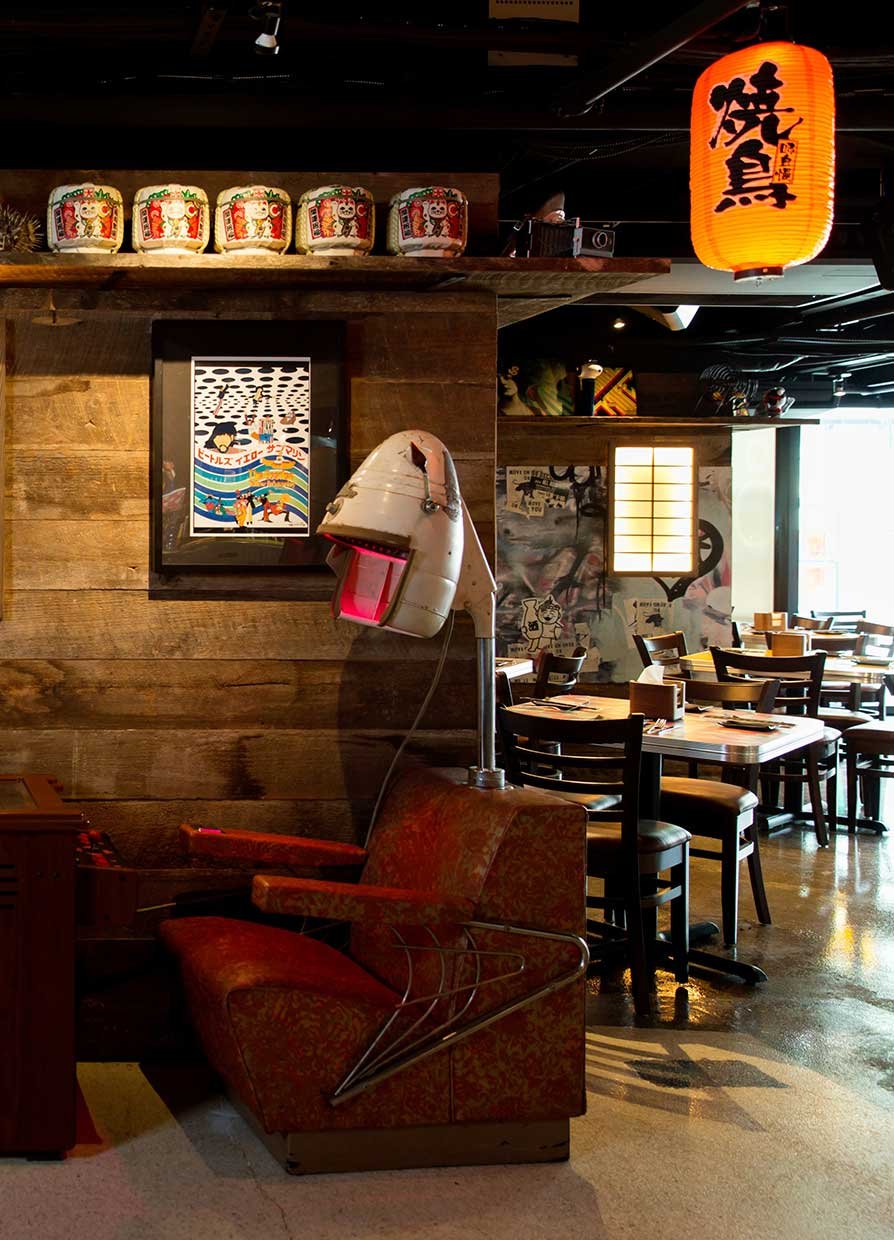
Fenway's Late-Night Japanese Bar Scene, Grounded on Boylston
Hojoko is a Rock n Roll Japanese Izakaya in Boston's Fenway district at 1271 Boylston St, priced around $50 per person. On game nights it pulses with crowd energy; on quieter evenings it settles into a rhythm that favors bars with real programs over sports-bar defaults. Hojoko, at 1271 Boylston St, sits inside that context, a Japanese-inflected izakaya-style space that draws from the Fenway crowd without being defined by it. The exterior is low-key against the busier commercial strip.
Inside, the room reads dark and deliberate. Izakaya formats in Japan developed partly as democratic counterweights to formal kaiseki dining, places where the food and drink were serious but the register was informal. Boston's version of that format is still finding its footing. Hojoko occupies a different tier: the drink program has enough depth to make it a destination for people who aren't eating, while the kitchen output gives it credibility beyond the bar.
The Drink Program as Editorial Object
In izakaya culture, the drink list is not decorative. It is the organizing logic of the evening, and food choices rotate around it. What distinguishes the better izakaya-style operations in American cities, and separates them from the broader Japanese-American casual tier, is whether the drinks program has its own curatorial discipline or simply tracks what sells. At Hojoko, the Japanese whisky and sake selections function as the spine of the bar's identity.
Japanese whisky has expanded dramatically in global availability since the early 2010s, but well-curated selections remain harder to assemble than they appear. Supply constraints on aged Suntory and Nikka expressions have pushed prices upward across the category; bars that locked in strong allocations before the shortage tightened are in a different position than those building programs now. The width and depth of any Japanese whisky list is a good proxy for how much a bar has invested in the category. A serious list here signals commitment to the format rather than trend-chasing.
Sake curation carries similar weight. The gap between a list that offers Junmai Daiginjo as a gesture toward completeness and one that distinguishes between prefecture styles, rice polishing ratios, and serving temperature preferences is substantial. For guests accustomed to sake as an afterthought, the warm carafe that arrives alongside a sushi platter, a genuinely considered sake program recalibrates expectations. Boston has relatively few venues where that recalibration happens with any consistency. Among the Japanese-leaning options in the city, Hojoko sits closer to O Ya in terms of program seriousness, though the formats diverge sharply: O Ya operates in the premium omakase tier, while Hojoko's izakaya register makes the drinks program accessible across a wider price band.
Where Hojoko Sits in Boston's Japanese Dining Spread
Boston's Japanese dining options now span a meaningful range. At the premium end, omakase counters like 311 Omakase operate on reservation-only formats with fixed menus and price points well above casual thresholds. At the other end, fast-casual ramen formats have proliferated across the city's neighborhoods. Hojoko occupies a middle register that Boston has historically underserved: the serious izakaya, where the food is composed and the drink list has genuine depth, but the atmosphere doesn't require advance orchestration the way an omakase counter does.
That positioning matters for the Fenway neighborhood specifically. The area around the park draws a large volume of pre- and post-game traffic, most of which routes toward simpler, higher-turnover formats. Venues that can hold their programming discipline against that ambient pressure tend to develop a loyal secondary audience, regulars who arrive specifically because the crowd dynamic doesn't dilute the offer. For comparison, Agosto operates on a tasting-menu chef's counter format in a different part of the city that insulates it from crowd-driven pressure by design. Hojoko manages the same outcome through atmosphere and program depth rather than format restriction.
Within the broader Boston restaurant scene, Hojoko's positioning also contrasts with the waterfront seafood tier, venues like 75 on Liberty Wharf or 1928 Rowes Wharf that lean on location as a primary draw. Hojoko's address offers no such geographic shortcut. The venue earns its traffic on the strength of the program itself, which is a useful filtering mechanism. Guests who find it are generally looking for what it offers rather than what's convenient.
Against the National Izakaya Field
American cities with serious Japanese dining programs have developed their izakaya tiers at different rates. New York's density has produced multiple high-caliber options; Los Angeles benefits from a large Japanese-American community that supports authenticity-focused formats. Boston occupies a smaller market with correspondingly fewer specialists, which means individual venues in the category carry proportionally more weight. The broader national conversation about Japanese-American dining, the same one that has made Atomix in New York a reference point for Korean-Japanese technique integration, is filtering into mid-market cities, though more slowly.
The izakaya format, when executed with discipline, competes on different grounds from the destination fine-dining tier that includes venues like Alinea in Chicago or The French Laundry in Napa. Those venues define ambition through formal progression and controlled environment. Izakaya ambition runs through accumulation, the quality of what's in the glass, the range of small plates, the way an evening builds through ordering rather than through a chef-controlled sequence. It is a format that rewards guests who know how to direct it, and venues that reward that knowledge with genuine depth of selection.
Planning a Visit
Hojoko is located at 1271 Boylston St in the Fenway neighborhood, accessible from the Kenmore or Fenway MBTA stops on the Green Line. On Red Sox game nights, the surrounding blocks fill quickly, and the bar's more considered atmosphere makes it a logical retreat from the louder strip nearby, which also means arrival timing matters. Visiting on non-game evenings, or arriving early on game days before the post-game surge, gives the visit more room to develop at its own pace. Given the depth of the drinks program, this is a venue where the evening benefits from not being scheduled too tightly. Guests who fold it into a broader Fenway or Kenmore evening can pair it with other nearby stops, from the steakhouse tier at Abe and Louie's to the raw bar circuit anchored by Neptune Oyster further toward downtown.
Fast Comparison
Comparable venues nearby, for context on price, style, and recognition.
| Venue | Cuisine | Price | Notes |
|---|---|---|---|
| HojokoThis venue — the venue you are viewing | Rock n Roll Japanese Izakaya | $$$ | Not listed |
| Basho Japanese Brasserie | Modern Japanese Izakaya Brasserie | $$$ | West Fens |
| Zuma Boston | Modern Japanese Izakaya | $$$$ | Prudential |
| Mai | French-Inspired Japanese Izakaya | $$$ | South Boston Waterfront |
| North End Fish & Sushi | Japanese Sushi & Seafood | $$ | North End |
| Roger’s Fish Co. | Seafood Counter | $$$ | Logan Airport |
Continue exploring
More in Boston
Restaurants in Boston
Browse all →
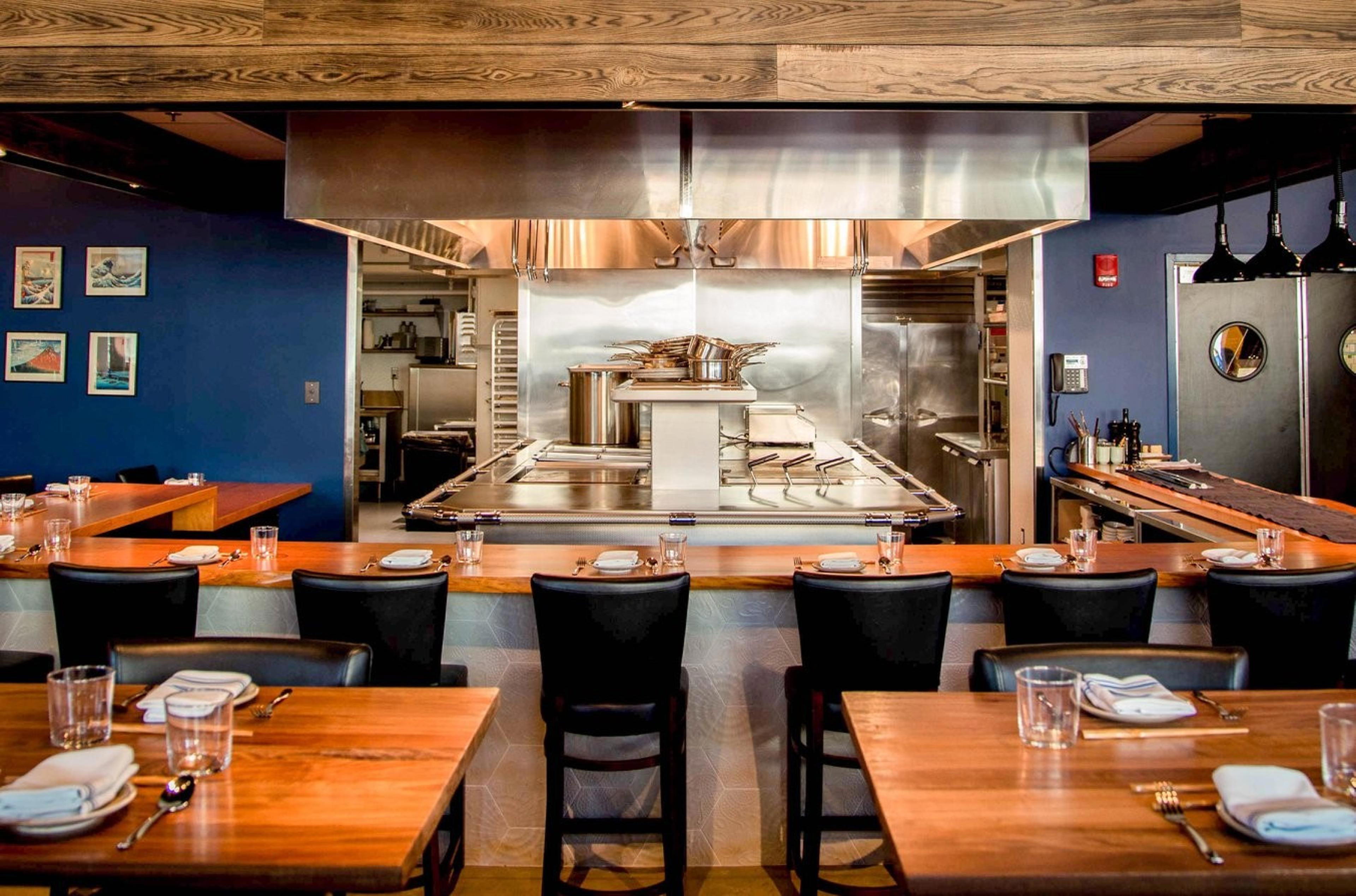
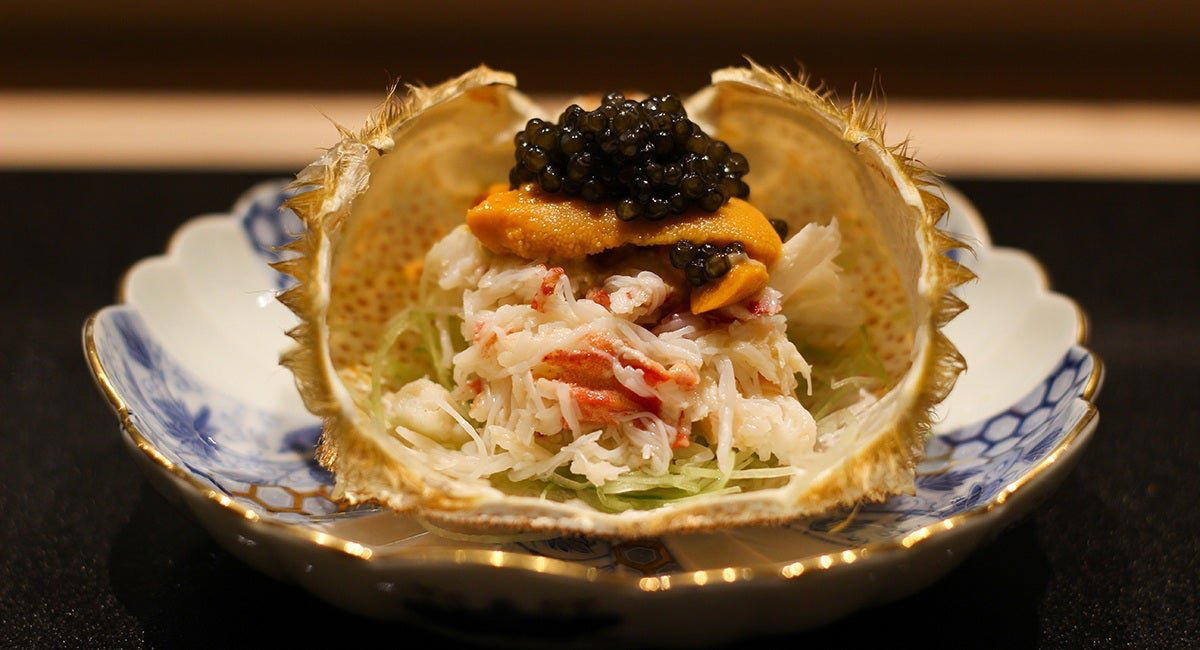
Bars in Boston
Browse all →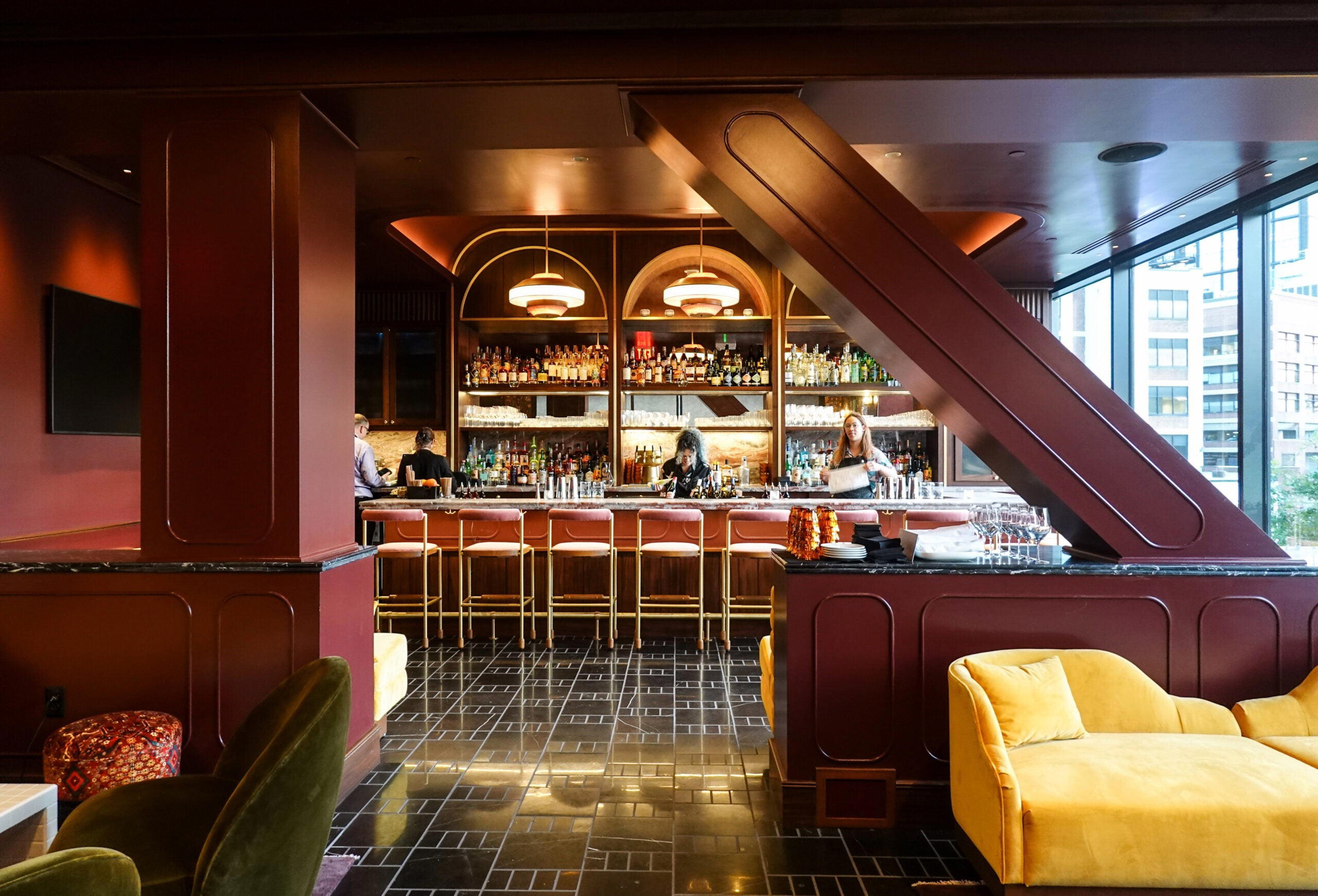
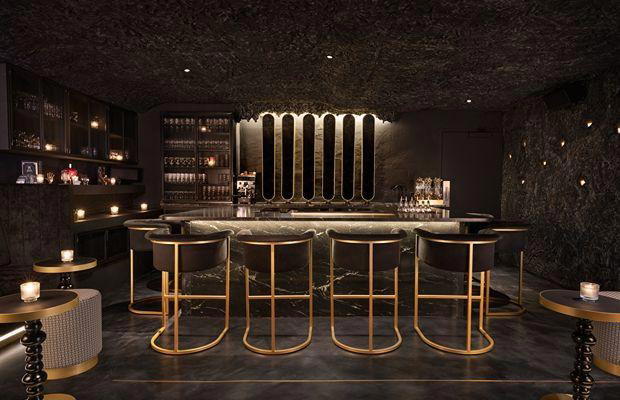
Hotels in Boston
Browse all →
Wineries in Boston
Browse all →
At a Glance
- Lively
- Trendy
- Energetic
- Industrial
- Group Dining
- Casual Hangout
- Late Night
- Open Kitchen
- Craft Cocktails
- Sake Program
- Street Scene
Current opening hours
- Monday
- 11:30 AM–12 AM
- Tuesday
- 11:30 AM–12 AM
- Wednesday
- 11:30 AM–12 AM
- Thursday
- 11:30 AM–12 AM
- Friday
- 11:30 AM–12 AM
- Saturday
- 11:30 AM–12 AM
- Sunday
- 11:30 AM–10 PM
Hours can change for holidays and private events. Last verified .
High-energy atmosphere with playful 1960's surf vibe, classic diner fixtures, and irreverent rock n roll energy.