


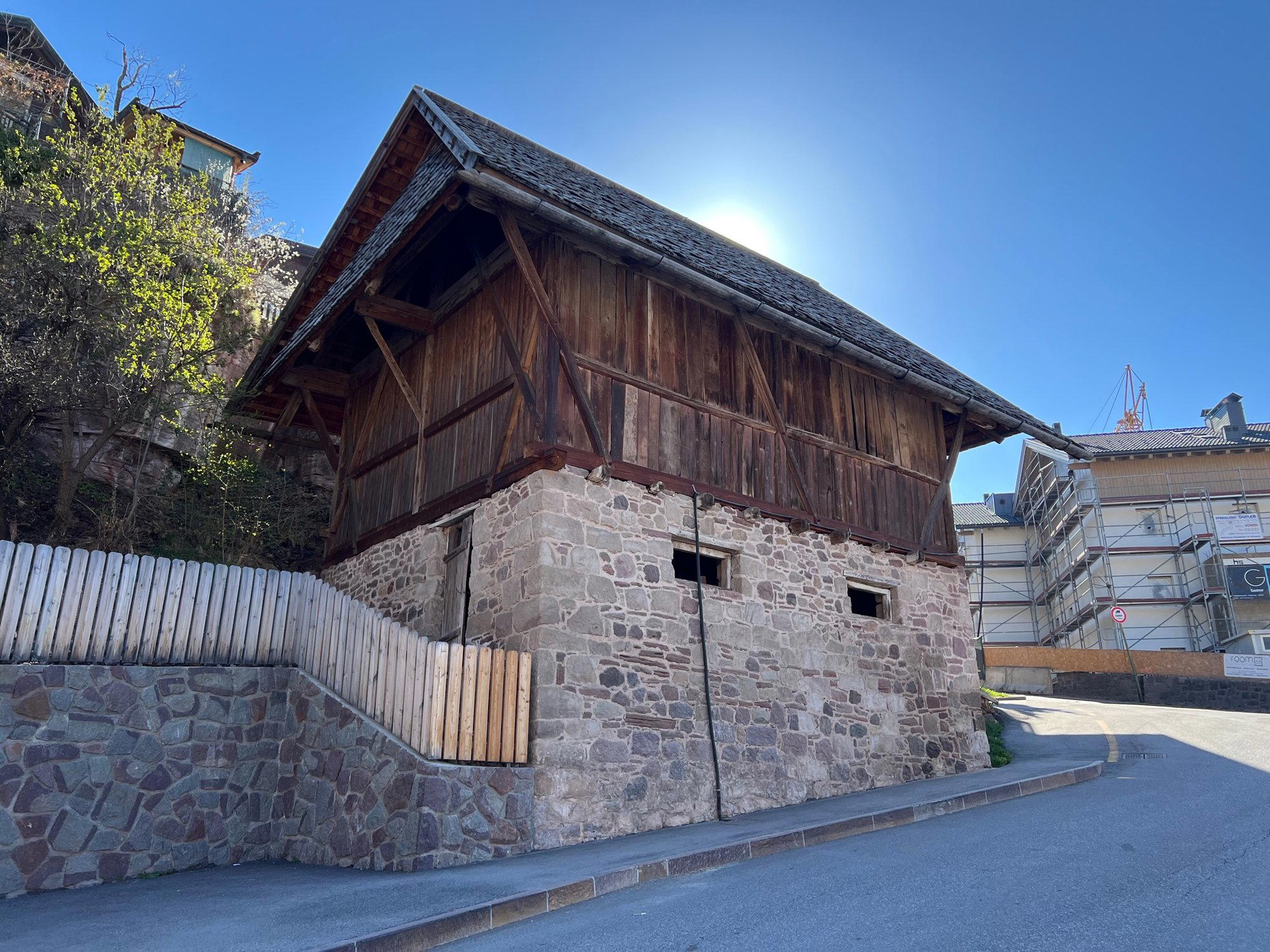
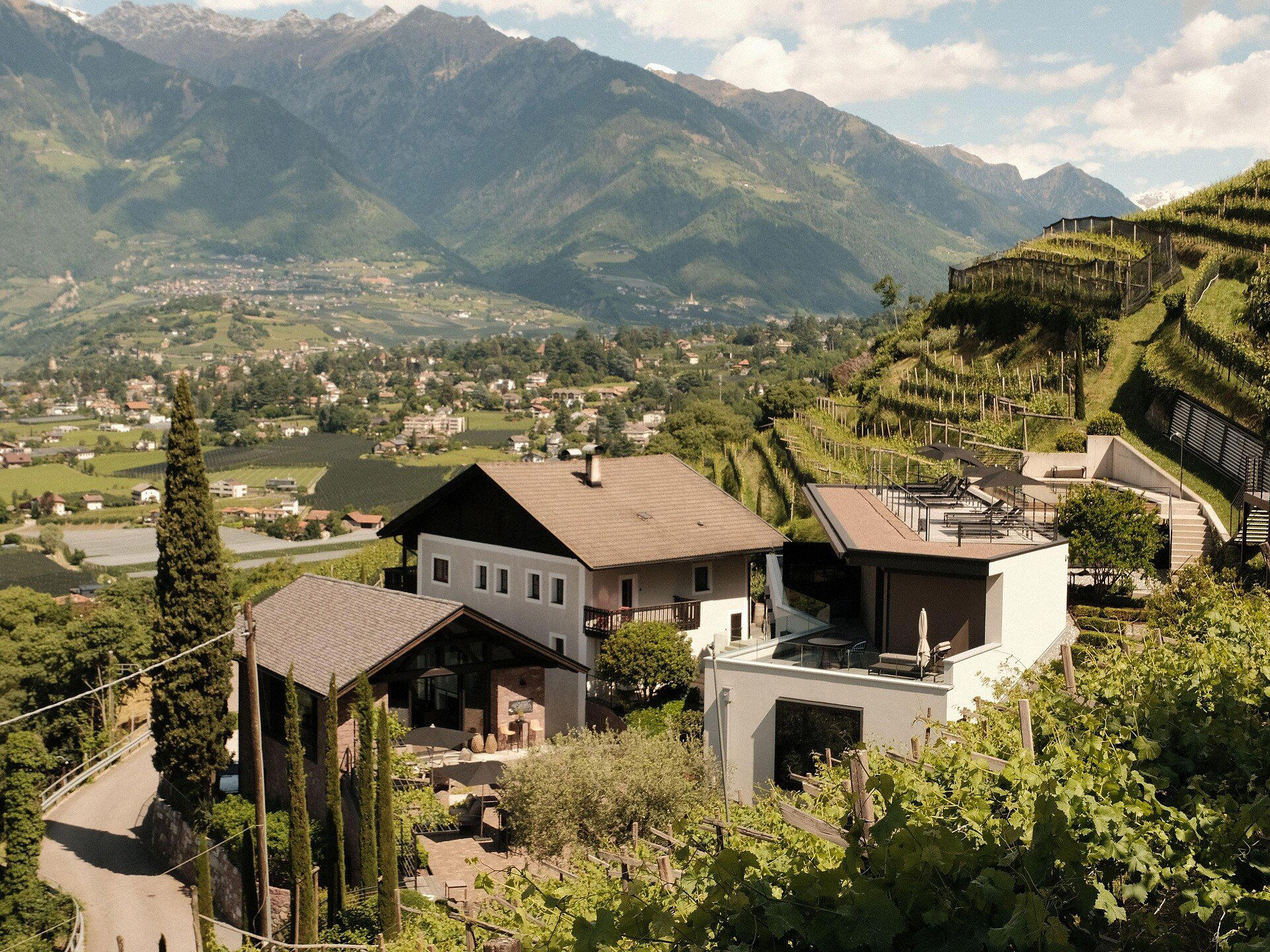
A Michelin-starred farmhouse conversion in the South Tyrolean hills above Merano, Zum Löwen holds 81 points in La Liste 2026 and operates under Elisabeth's 'Wine & Dine' concept, pairing local alpine flavors with a cellar built over decades. The setting, renovated from barn and stables into a warm dining room, places it firmly in the tradition of South Tyrol's ingredient-rooted, place-specific cooking.
Pearl is the En Primeur Club membership app — saves, bookings, and concierge access live there. Same editors, same standards.
- Address
- V. Tirolo, 25, 39010 Tesimo BZ, Italy
- Phone
- +39 0473 920927
- Website
- zumloewen.it
- Directions
- Get directions
 Saves & bookings on Pearl
Where the Farmhouse Becomes the Frame
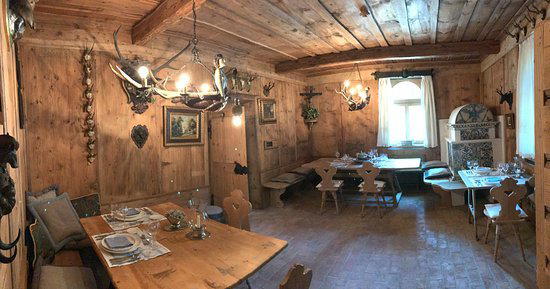
South Tyrol has produced a particular category of destination restaurant: those built inside, or literally out of, the agricultural structures that once shaped the land around them. Old barns, converted granaries, former stables repurposed into dining rooms that carry the geometry and material memory of working farm life. Zum Löwen is a one-Michelin-star restaurant in Tesimo, Italy, serving Modern South Tyrolean Fine Dining at about $120 per person. The building is a renovated farmhouse, its barn and stables absorbed into the interior, the threshold between outside and inside redrawn so that what was once exterior agricultural space now holds tables, a wine cellar, and the warmth of a room that has been occupied and cared for over many years.
This approach to hospitality space matters in the Alto Adige context. The region's most serious restaurants do not read as neutral or international; they read as local in a specific, material sense. The stone, the timber, the proportions of the rooms, the relationship between dining space and the landscape visible through the window: all of it contributes to an argument about where you are and what that place produces. Zum Löwen makes that argument through its architecture as much as through its plates.
The Logic of the 'Wine & Dine' Concept
Elisabeth's 'Wine & Dine' concept at Zum Löwen reflects a broader shift in how serious alpine restaurants now position themselves. The move toward more essential, less architecturally complex dishes is not a retreat from ambition; it is a reorientation of ambition toward legibility. A plate that foregrounds one or two local ingredients and steps aside is harder to execute well than a plate that distracts through accumulation. In South Tyrol, where the raw materials, mountain herbs, valley-floor produce, aged speck, alpine dairy, speak clearly on their own terms, restraint reads as confidence.
The pairing of a deliberately curated wine program with a menu built around local flavors also signals something about how the kitchen understands its role. Wine in this region is not an afterthought. The Alto Adige DOC zone produces some of Italy's most precise white wines: Pinot Bianco, Gewürztraminer, Kerner, and Weissburgunder from slopes that catch sun and cold in alternation. A cellar built over years, as Zum Löwen's has been, reflects the kind of considered accumulation that distinguishes a serious regional program from a decorative wine list. The 'Wine & Dine' framing places the cellar at equal standing with the kitchen, which in this context is the correct call.
Ingredient Territory: What South Tyrol Puts on the Plate
The editorial angle for understanding the restaurant's cuisine is sourcing, and the sourcing logic in South Tyrol operates at a smaller radius than in most Italian fine dining contexts. The valley floors around Merano and the slopes above Tisens support apple orchards, market gardens, and dairy farms at altitudes that produce milk with a different fat and flavor profile than lowland equivalents. Wild herbs, foraged mushrooms, and mountain game contribute seasonal depth that no supply chain from outside the region replicates with fidelity.
This is the material that restaurant's kitchen works with when it translates 'local flavors with refined simplicity.' In the Alto Adige tradition, that phrase carries specific weight. It refers to a cuisine that emerged from the intersection of Tyrolean and Italian culinary logics, where bread dumplings and rye sit alongside polenta and pasta, where cured pork and fresh dairy coexist on the same menu, and where the mountains set the seasonal clock more firmly than any chef preference. The Michelin one-star recognition affirms that restaurant executes within this tradition at a level that holds up to international assessment. The La Liste scores, 81.5 points in 2025 and 81 points in 2026, place it in a tier of Italian restaurants recognized for consistency and place-specificity rather than spectacle.
For comparison, Italy's most celebrated creative kitchens, among them Osteria Francescana in Modena, Enoteca Pinchiorri in Florence, and Enrico Bartolini in Milan, occupy a different competitive tier, one oriented toward technique-led transformation of ingredients. The restaurant's comparable set is closer to regionally anchored, ingredient-first kitchens: places like Atelier Moessmer Norbert Niederkofler in Brunico, where the mountain sourcing ethos runs deep, or Dal Pescatore in Runate, which holds its own regional identity with similar tenacity. Within that set, the restaurant holds its position through the quality of the room, the cellar, and a consistency of approach that La Liste's multi-year scores reflect.
South Tyrol's fine dining range also includes Piazza Duomo in Alba, Le Calandre in Rubano, and Reale in Castel di Sangro at the higher end of national recognition. For those tracing classic cuisine formats across borders, KOMU in Munich and Maison Rostang in Paris offer useful points of reference for how the genre handles itself in neighboring culinary cultures. Closer to home within northern Italy, Casa Perbellini 12 Apostoli in Verona, Quattro Passi in Marina del Cantone, and Uliassi in Senigallia represent the spectrum of how Italian kitchens handle place and product with similar seriousness.
Service, the Room, and the Cellar
The service at the restaurant registers as commendable in the public record, which in a South Tyrolean context tends to mean attentive and knowledgeable without the performative architecture that some urban fine dining rooms impose. The Tyrolean hospitality tradition values directness and warmth over ceremony, and that shapes how tables are looked after in the region's leading restaurants. The combination of a converted farmhouse interior, warm-toned from the recovered timber and stone of the original structures, and service calibrated to the room rather than to a generic luxury script produces an atmosphere that is coherent rather than contrived.
The wine cellar, accumulated over years rather than assembled as a launch statement, carries the credibility that comes from sustained investment. Alto Adige producers have moved considerably in critical standing over the past two decades, with estates in the Terlano, Caldaro, and Bolzano subzones earning international recognition for white wines that age with more complexity than their reputations historically suggested. A cellar built through that period would have absorbed both the overlooked earlier vintages and the wines that now command attention. This kind of depth is a genuine service advantage in the region.
Planning a Visit to Tisens
Tesimo sits above the Adige Valley floor, accessible from Merano or Bolzano. The village itself is small; the restaurant at Via Tirolo 25 is a destination in the proper sense, meaning the restaurant is the reason for the detour rather than part of a broader program of local attractions. Reservation is essential. The price level is about $120 per person.
At-a-Glance Comparison
Comparable venues nearby, for context on price, style, and recognition.
| Venue | Cuisine | Price | Awards | Notes |
|---|---|---|---|---|
| Zum LöwenThis venue — the venue you are viewing | Modern South Tyrolean Fine Dining | $$$$ | Michelin 1 Star | Not listed |
| Hofstätterhof | Traditional South Tyrolean Tavern Cuisine | $$ | Not listed | Tisens (Tesimo) |
| Luisl Stube | Contemporary Italian Fine Dining | $$$$ | Michelin 1 Star | Algund |
| Gourmet Restaurant Prezioso | Modern South Tyrolean Fine Dining | $$$$ | Michelin 1 Star | Merano |
| In Viaggio - Claudio Melis | Modern Italian Fine Dining | $$$$ | Michelin 1 Star | Merano |
| Quellenhof Gourmetstube 1897 | Modern South Tyrolean Fine Dining | $$$$ | Michelin 1 Star | Saint Martin in Passeier |
Recognition history
Dated appearances from independent guides and award organizations, with the underlying list record or original source where available.
Falstaff Restaurant - 95 Falstaff Points
Falstaff
La Liste Top Restaurants
La Liste
Michelin Plate
Michelin
La Liste Top Restaurants
La Liste
Michelin 1 Star
Michelin
Continue exploring
More in Tisens
Restaurants in Tisens
Browse all →
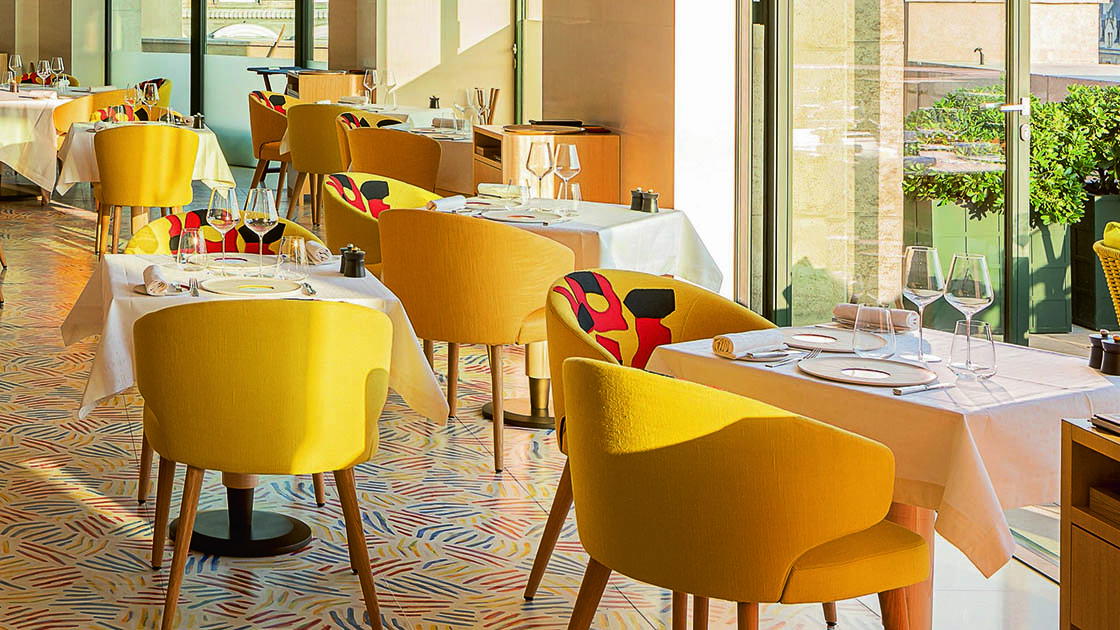
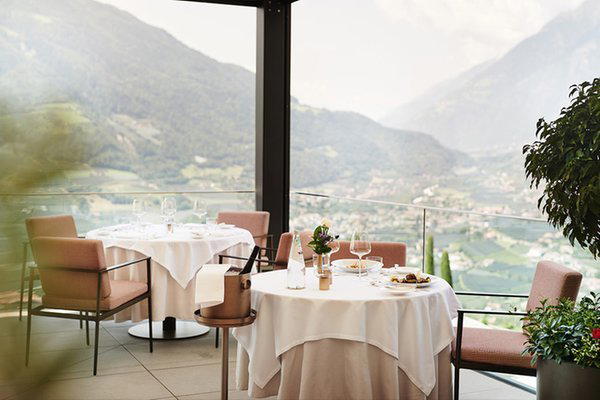
Bars in Tisens
Browse all →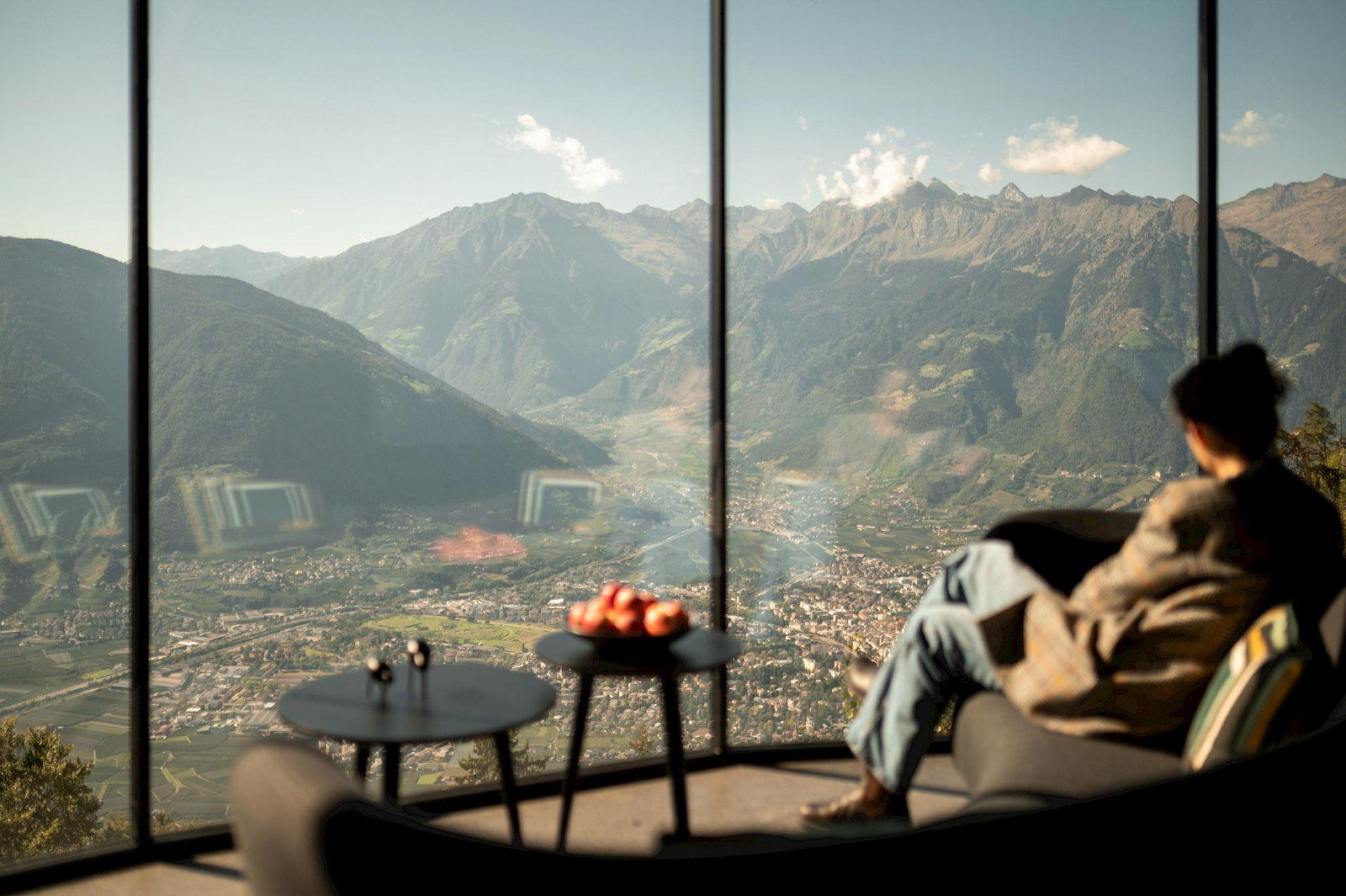
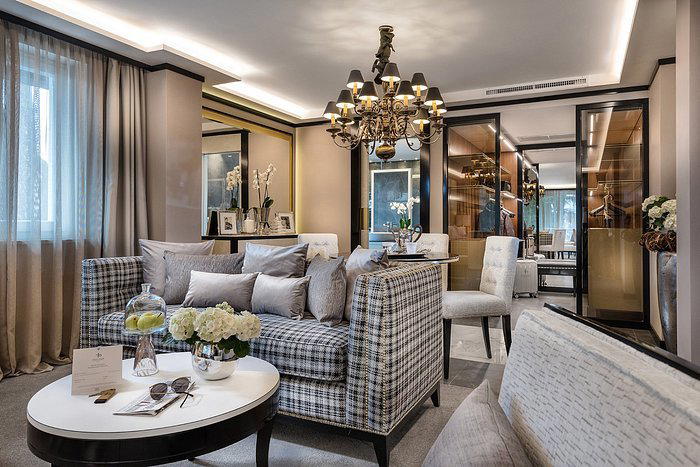
Hotels in Tisens
Browse all →
At a Glance
- Elegant
- Romantic
- Intimate
- Sophisticated
- Classic
- Date Night
- Special Occasion
- Celebration
- Business Dinner
- Wine Cellar
- Private Dining
- Historic Building
- Standalone
- Extensive Wine List
- Sommelier Led
- Local Sourcing
Current opening hours
- Monday
- Closed
- Tuesday
- Closed
- Wednesday
- 6–9:30 PM
- Thursday
- 6–9:30 PM
- Friday
- 6–9:30 PM
- Saturday
- 6–9:30 PM
- Sunday
- 12–1:30 PM, 6–9:30 PM
Hours can change for holidays and private events. Last verified .
Elegant and intimate atmosphere created by skillful renovation of an old farmhouse with minimalist modern touches, warm lighting, and a refined but unpretentious setting that balances historic charm with contemporary design.