Zjalto occupies a quiet address at Gemeenteheide 64 in Geel, a Flemish city that sits well outside the obvious dining circuits of Antwerp or Brussels. Positioned among a small cluster of serious restaurants that have made Geel a more interesting provincial dining destination than its size suggests, Zjalto draws visitors willing to travel for a considered meal in an unhurried setting.
Pearl is the En Primeur Club membership app — saves, bookings, and concierge access live there. Same editors, same standards.
- Address
- Gemeenteheide 64, 2440 Geel, Belgium
- Phone
- +32495273313
- Website
- zjalto.be
- Directions
- Get directions
 Saves & bookings on Pearl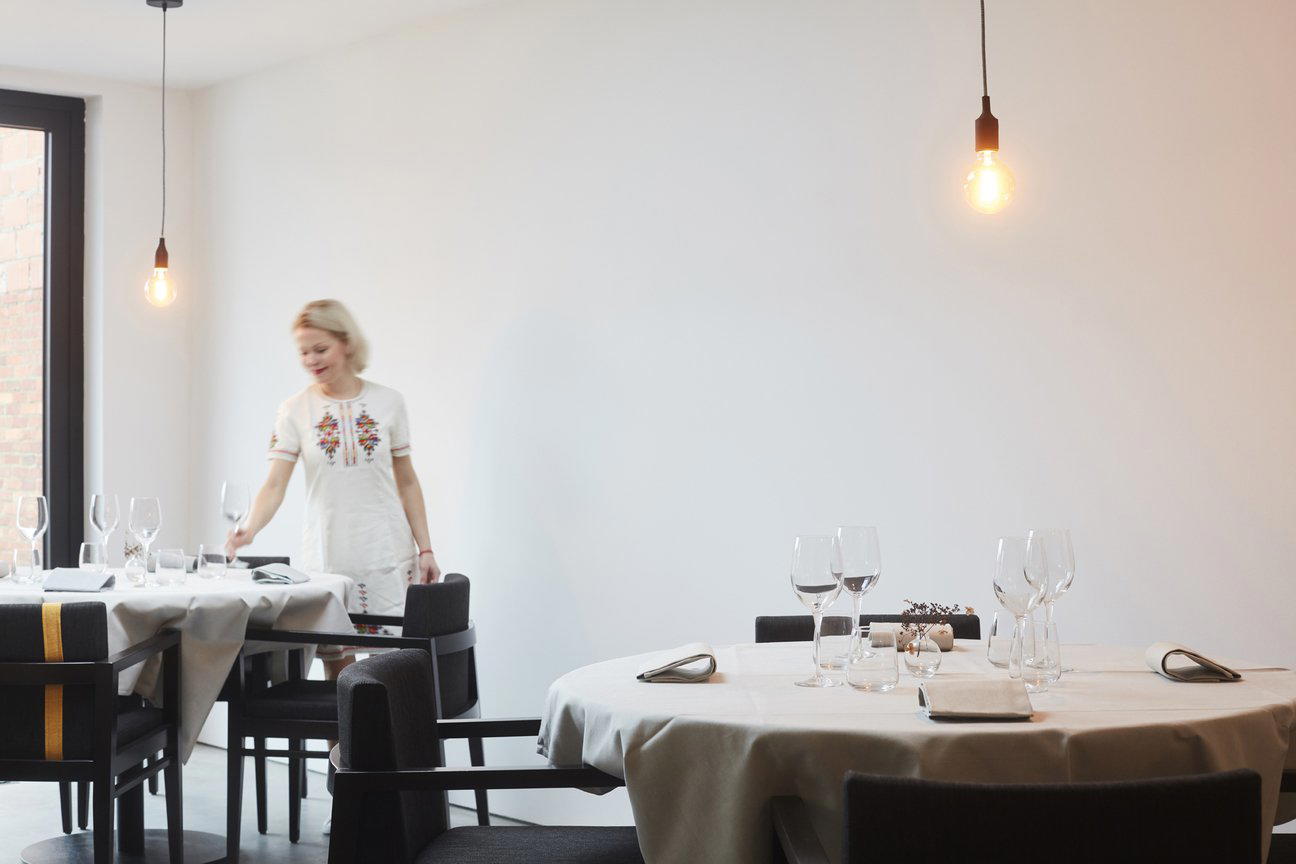
Geel's Quiet Case for Serious Dining
Belgium's most-discussed restaurant addresses cluster predictably: Antwerp's waterfront, Brussels' inner ring, the Flemish countryside between Ghent and the coast. Geel sits outside all of those circuits. A mid-sized Flemish city in the Kempen region, roughly equidistant between Antwerp and Hasselt, it has not historically appeared on the itineraries of visiting food writers. What has changed in recent years is the quiet accumulation of independently-minded restaurants within the city that, taken together, give Geel a dining identity more substantive than its population or profile would suggest. Zjalto, at Gemeenteheide 64, is part of that accumulation.
The address itself signals something about the dining proposition. Gemeenteheide sits away from Geel's commercial centre, in the kind of low-density residential fringe that Belgian provincial restaurants have long favoured: easier parking, lower rents, and a clientele that arrives with intention rather than passing by. Restaurants in this mould, and Belgium has many of them, from Hof van Cleve in Kruishoutem to Bartholomeus in Heist, tend to operate on destination logic rather than foot traffic. The diner drives out, parks, and commits to the evening.
What the Geel Scene Looks Like From the Outside
Geel's restaurant cluster rewards a closer look. La Belle operates in the Creative French register at the €€€ tier, while De Cuylhoeve sits in Modern French at the same price bracket. Both point toward a local appetite for French-influenced cooking at a level above casual, which in Belgium's provincial dining culture has historically been the dominant prestige register. Roosendaelhof, U-Ziel, and Woods complete a grouping that, between them, gives the city a comparable set more commonly associated with larger centres.
In this context, Zjalto occupies a specific position: a restaurant at a residential-fringe address in a city that has developed a modest but coherent dining identity, drawing on a regional tradition where driving to dinner is understood as part of the format. The comparison is not with Zilte in Antwerp or Bozar Restaurant in Brussels, both of which operate in demonstrably different competitive and urban contexts. Zjalto's frame of reference is provincial Flanders, where the restaurant-as-destination model has its own logic and its own loyal audience.
The Kempen Context
The Kempen region, the low-lying heathland and agricultural plateau stretching across the Belgian provinces of Antwerp and Limburg, has not generated the kind of restaurant tourism that the Flemish coast or the Ardennes attract. Accessibility partly explains this: the region lacks obvious leisure infrastructure, and its towns are mid-sized rather than picturesque. What it does have is a dense population of Flemish families with strong restaurant-going habits and limited interest in travelling to Antwerp or Brussels for every significant meal. That local demand has sustained a tier of serious provincial restaurants across the Kempen for decades.
Geel is the largest city in this part of the region, and its dining scene reflects the same pattern visible in comparable Kempen towns: a handful of French-influenced, formally run restaurants that serve a local clientele looking for quality without the urban premium. This dynamic is distinct from the coastal or urban scenes represented by venues like Willem Hiele in Oudenburg or De Jonkman in Sint-Kruis, where destination dining operates against a different backdrop.
Zjalto's Gemeenteheide address fits squarely into that provincial pattern. The surrounding area is quiet, the setting is low-key, and the assumption built into the format is that the food is reason enough to make the trip.
Belgian Provincial Dining and the Destination Restaurant Model
Belgium's provincial restaurant culture has long operated on a model that puzzles visitors more familiar with urban dining. Serious cooking, technically accomplished, formally served, with wine lists curated to match, appears in small towns and edge-of-town addresses at a consistency that larger countries rarely produce outside major cities. The explanation lies partly in Belgium's dispersed population density and partly in a culture where restaurant meals carry significant social weight. A family celebration in Flemish Belgium calls for a proper restaurant, not a bistro, and that demand has historically sustained kitchens in places other European dining cultures would have left to casual formats.
The venues that have attracted attention further afield, Boury in Roeselare, Castor in Beveren, d'Eugénie à Emilie in Baudour, L'air du temps in Liernu, all operate on versions of this model. They are not urban restaurants in non-urban locations. They are something more specifically Belgian: serious restaurants that exist because local demand is sufficient to sustain them, and that occasionally pull visitors from elsewhere as a secondary effect. The international frame of reference, for curiosity's sake, might reach as far as Le Bernardin in New York City or Atomix in New York City, but the operational logic is entirely different. Those restaurants exist in cities that generate their own destination gravity. Zjalto and its Geel peers exist because the surrounding population wants them to.
Planning a Visit
Geel is accessible by road from Antwerp in under an hour, and from the Brussels ring in roughly ninety minutes depending on traffic. Train connections exist via the Antwerp-Hasselt line, though the distance from Geel station to Gemeenteheide makes a car the more practical option for reaching the restaurant directly. Given the provincial format, advance reservations are advisable: restaurants of this type in Flemish Belgium tend to fill their weekend sittings well ahead, and a destination visit without a confirmed booking is an unnecessary risk. Contact via the restaurant's current channels is the recommended approach, as
For visitors building a broader Geel itinerary, the city's restaurant cluster makes a multi-meal visit credible. The combination of Zjalto, La Belle, and De Cuylhoeve alone covers a range of styles and formats across the French-influenced register, with Roosendaelhof, U-Ziel, and Woods available for different meal occasions. The city rewards this kind of structured visit more than casual drop-in exploration.
The Short List
Comparable venues nearby, for context on price, style, and recognition.
| Venue | Cuisine | Price |
|---|---|---|
| ZjaltoThis venue — the venue you are viewing | Not listed | $$$ |
| Woods | center, Modern Belgian | $$$ |
| U-Ziel | Geel, Modern Belgian Fine Dining | $$$ |
| De Cuylhoeve | Geel, Classic French-Belgian Fine Dining | $$$ |
| Roosendaelhof | city center, French Bistro | $$$ |
| La Belle | Geel, Modern French Fine Dining | $$$$ |
Continue exploring
More in Geel
Restaurants in Geel
Browse all →
Bars in Geel
Browse all →

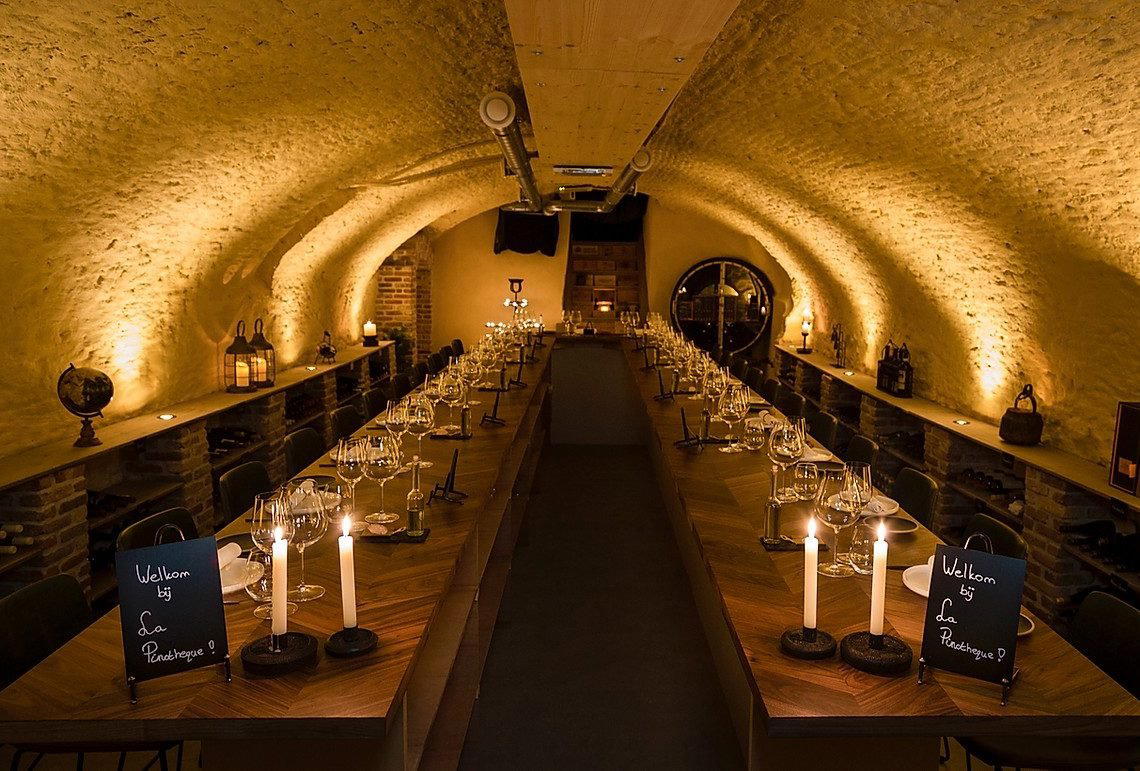
Hotels in Geel
Browse all →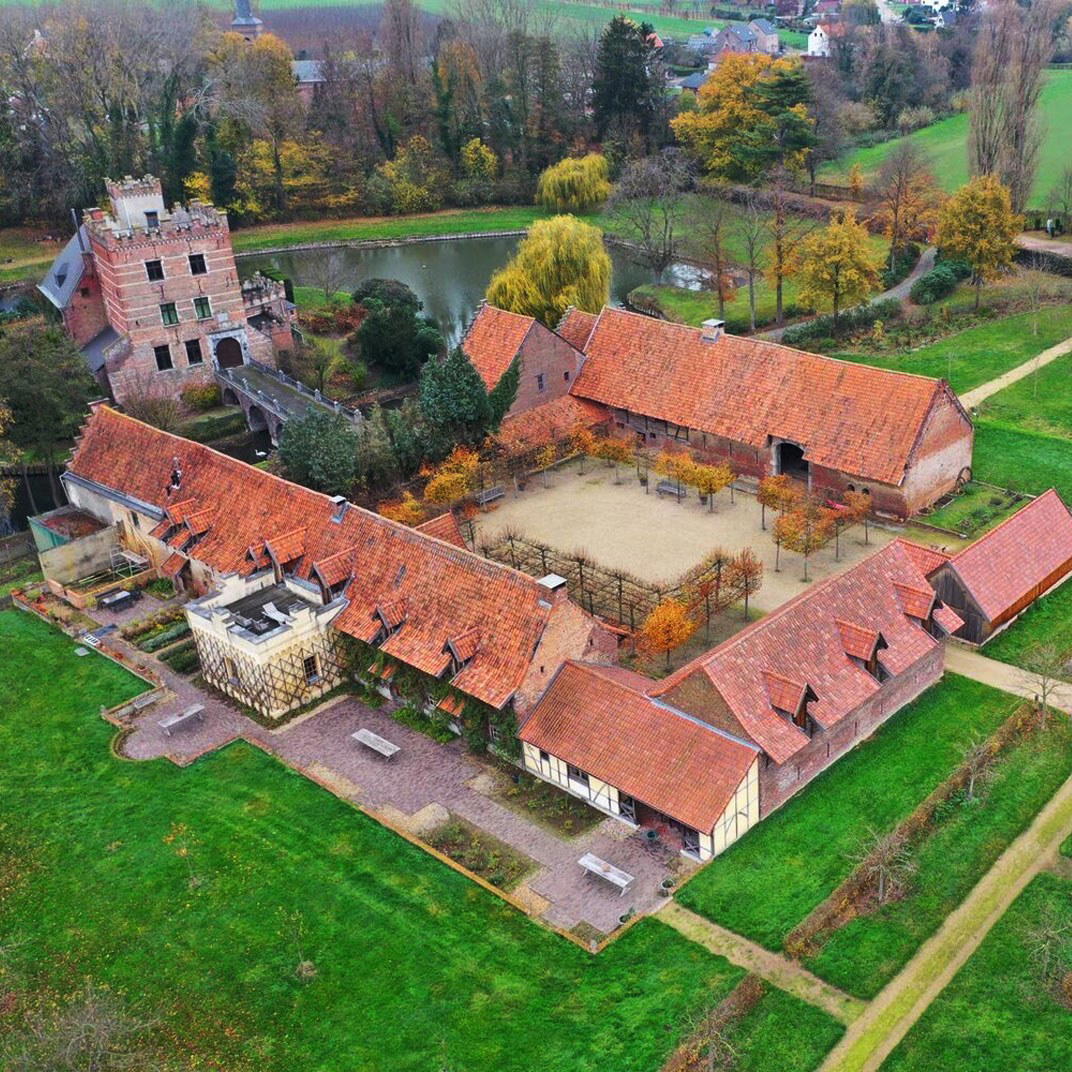
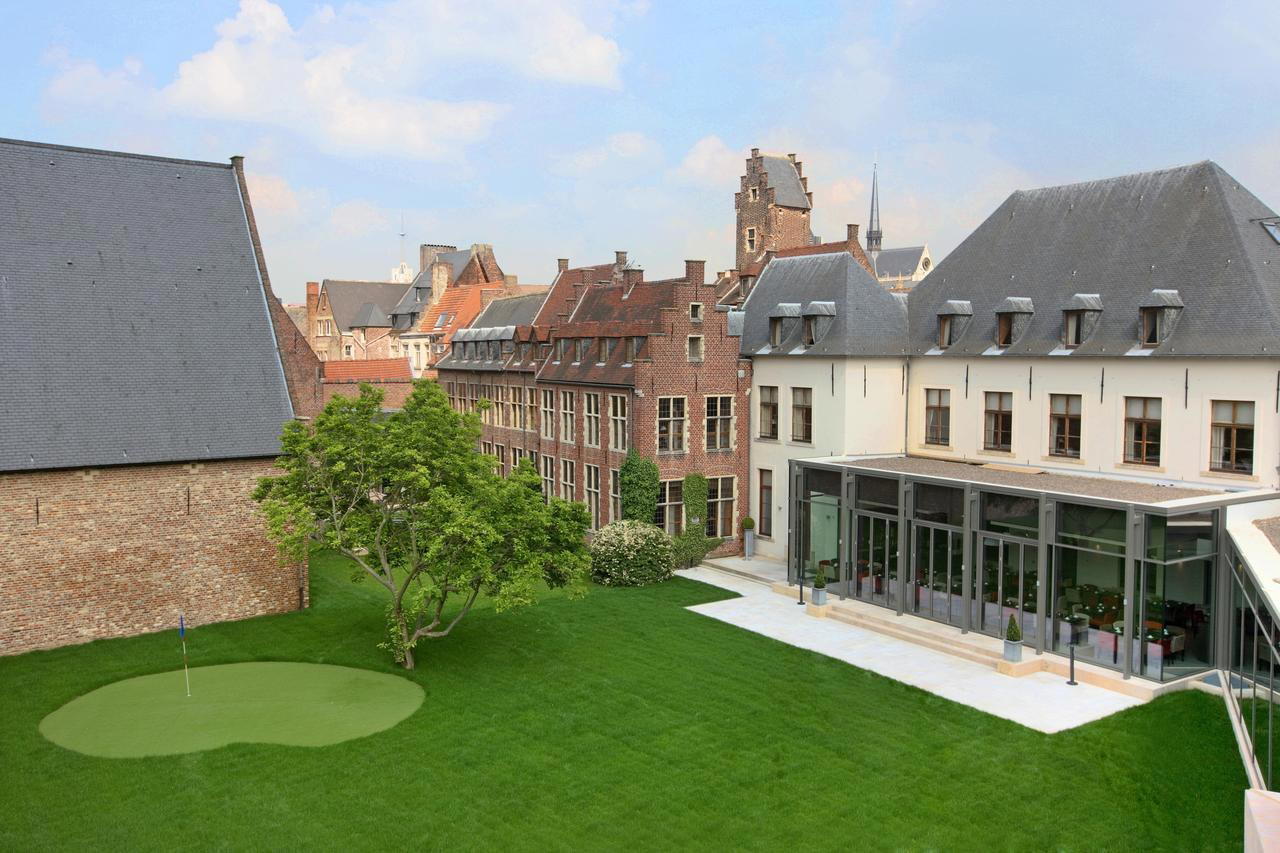
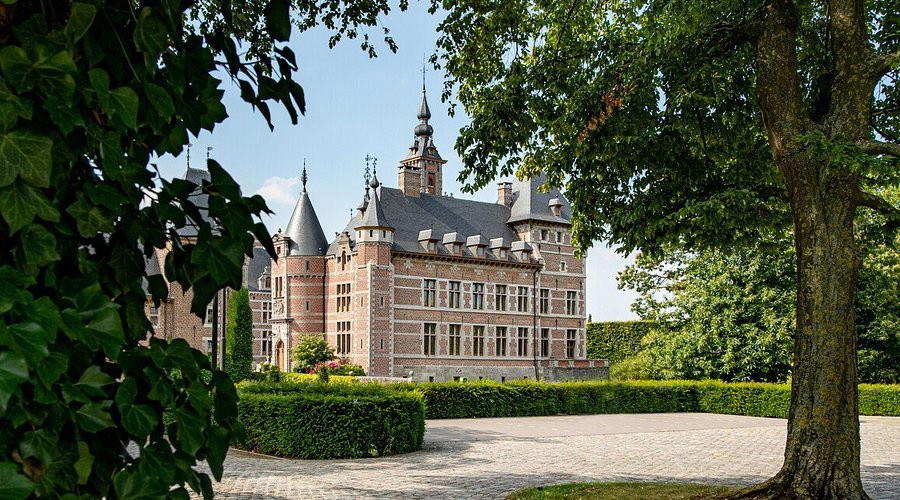
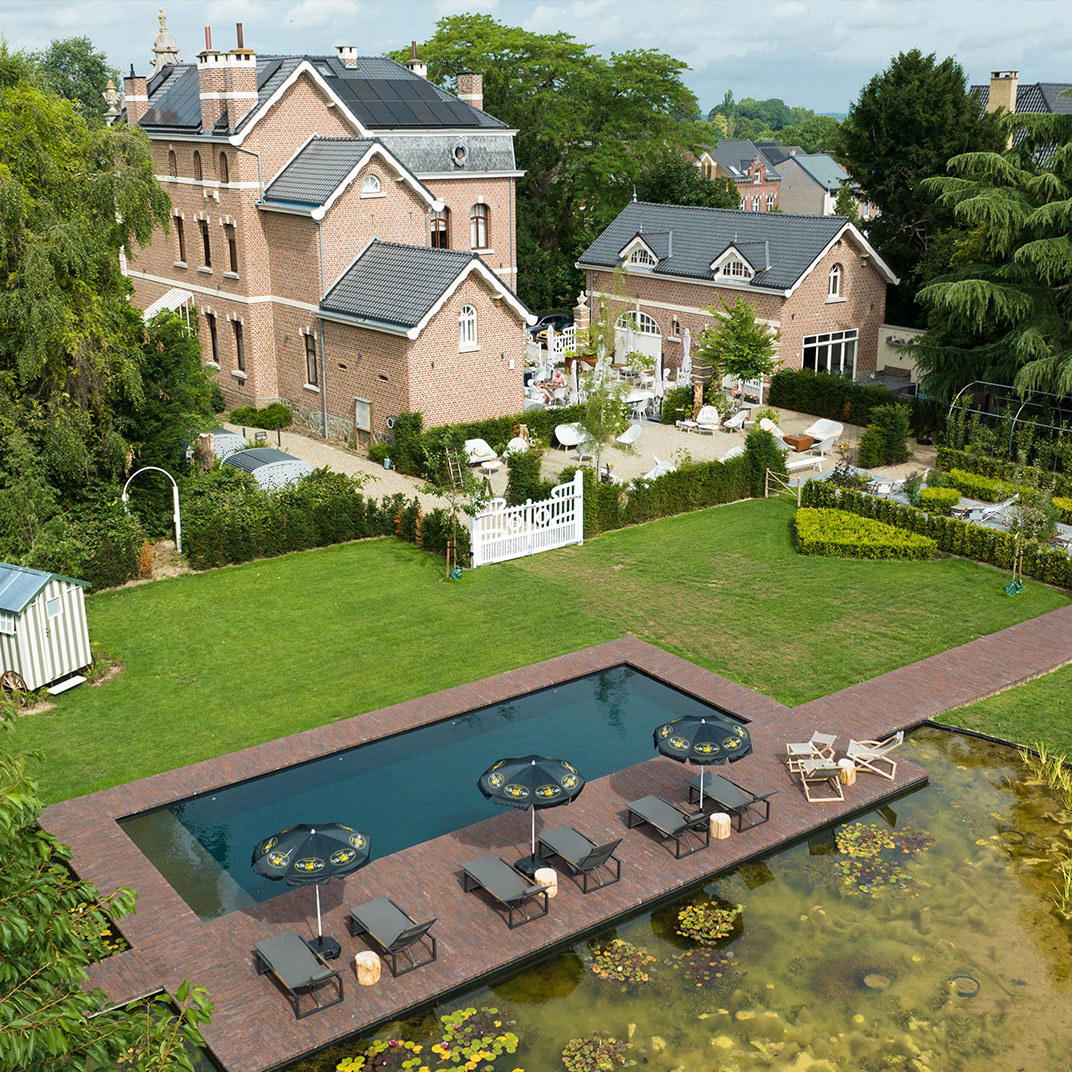
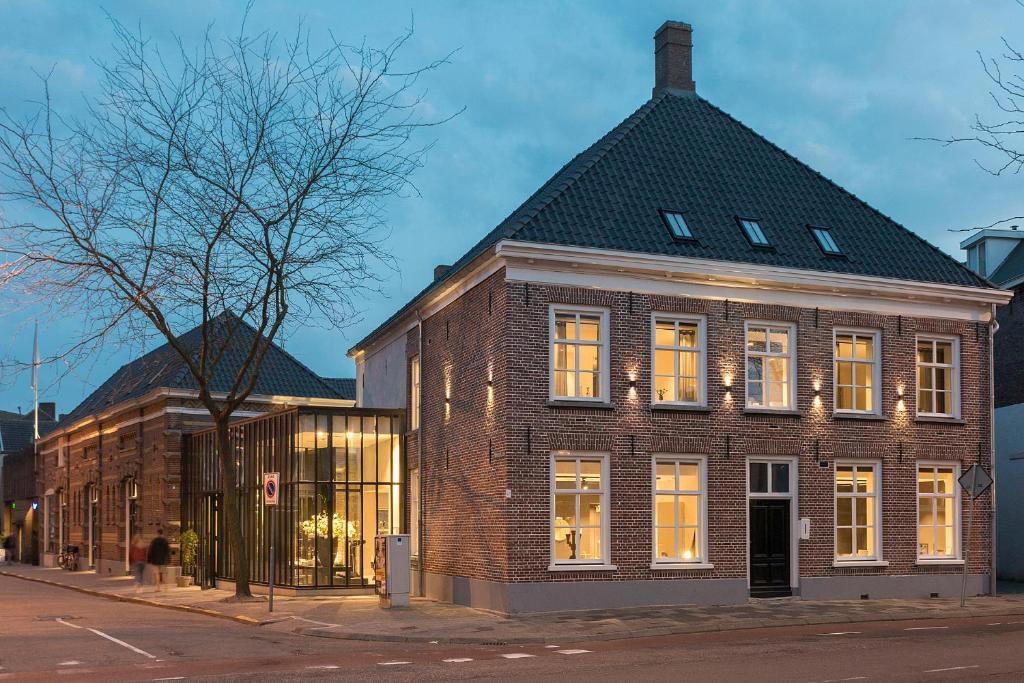
Wineries in Geel
Browse all →
At a Glance
- Cozy
- Intimate
- Elegant
- Date Night
- Special Occasion
- Extensive Wine List
- Local Sourcing
Current opening hours
- Monday
- Closed
- Tuesday
- Closed
- Wednesday
- 7 PM–12 AM
- Thursday
- 7 PM–12 AM
- Friday
- 7 PM–12 AM
- Saturday
- 7 PM–12 AM
- Sunday
- 7 PM–12 AM
Hours can change for holidays and private events. Last verified .
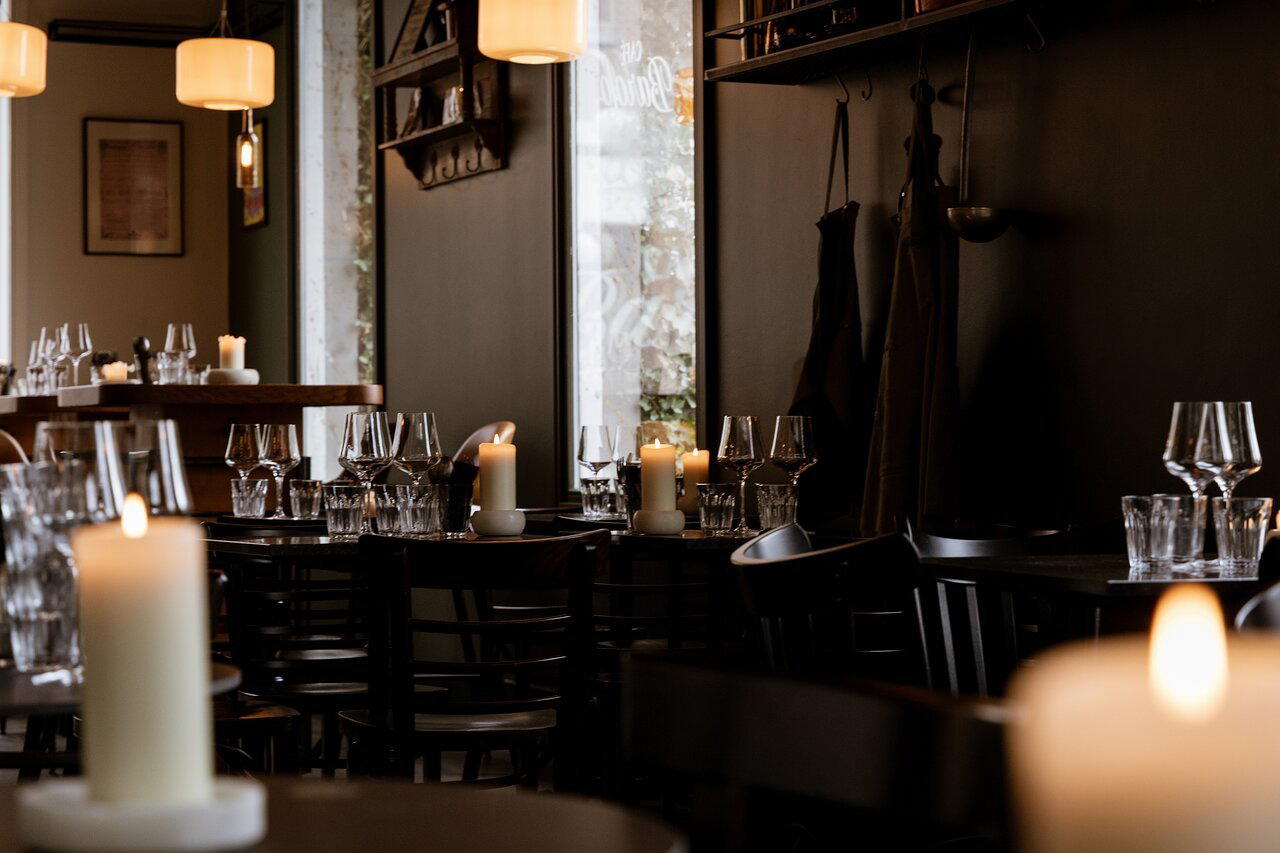
Warm, homely living room atmosphere with relaxed and welcoming hospitality.