
La Belle holds a Michelin star for the second consecutive year (2024 to 2025), placing Creative French cooking by Chef Peter Vangenechten among the more recognised tables in Belgium's Kempen region. For the Antwerp province, it represents a credible destination for structured French technique outside the city.
Pearl is the En Primeur Club membership app — saves, bookings, and concierge access live there. Same editors, same standards.
- Address
- Bel 162, 2440 Geel, Belgium
- Phone
- +32 14 70 84 51
- Website
- la-belle.be
- Directions
- Get directions
 Saves & bookings on Pearl
Where Geel Meets the French Tradition
The bistro tradition in France was never about spectacle. It was about craft held to a rigorous standard within a room that expected you to linger: a glass refilled without being asked, a sauce reduced until it said something specific, a menu that changed with the season rather than the marketing calendar. That tradition, which shaped European fine dining far more than its informal register suggests, is the lens through which La Belle reads most clearly. Geel is not a dining capital in the obvious sense. It sits in the Kempen, Belgium's quiet northeastern interior, at a remove from the restaurant density of Antwerp or Brussels. Yet it is precisely in towns like this that the French bistro tradition has historically taken root most honestly, away from the pressure to perform for a cosmopolitan audience.
La Belle, at Bel 162, has held a Michelin star in both 2024 and 2025 under Chef Peter Vangenechten, working in a Creative French register. That consecutive recognition places it among Belgium's Michelin-starred restaurants.6 across 249 reviews adds a second data point. The consistency signal matters more than the aggregate score.
Creative French in the Kempen: What That Actually Means
Creative French, as a category, covers significant ground in Belgium. At the three-star end, Boury in Roeselare operates at €€€€ with a Modern Flemish inflection that draws on French classical architecture while pushing ingredient sourcing and technique into its own register. Further along the spectrum, Castor in Beveren and Cuchara in Lommel hold two stars each at the same €€€€ price tier, representing the rung immediately above La Belle in both recognition and price. What separates a one-star Creative French house from its two- and three-star peers is not always ambition; it is often scope, seat count, and the degree to which a kitchen is willing to absorb the cost of absolute precision at scale.
The restaurant's €€€ pricing positions it a tier below those comparators on price, which is a meaningful distinction in this context. Belgian fine dining at €€€€ tends to require a specific kind of planning: a special-occasion frame, advance booking weeks or months out, and a commitment to multi-course formats that run well past two hours. The €€€ bracket, by contrast, allows for something closer to the original bistro proposition: serious food at a price that permits return visits rather than annual pilgrimages. That accessibility without compromise is the harder thing to sustain, and it is where the restaurant's Michelin recognition carries greater weight.
For a broader view of where the restaurant sits within Belgian Creative French, the country's Michelin cohort includes reference points across regions: Zilte in Antwerp, Hof van Cleve in Kruishoutem, Willem Hiele in Oudenburg, Bartholomeus in Heist, De Jonkman in Sint-Kruis, and Bozar Restaurant in Brussels. Each sits in a different regional and price context, but together they define what serious French-rooted cooking looks like across the country. The restaurant's place in that map is as the Kempen's representative, which makes it a different kind of anchor than a city restaurant: it defines the standard for an entire sub-region.
The Bistro Argument
The classic French bistro was, at its core, a neighbourhood institution with serious ambitions constrained by honest economics. It did not pretend to be a grand restaurant. It cooked what it could cook well, charged what the ingredients and labour justified, and asked the room to do the rest. The leading versions of that format, from Lyon's bouchons to Paris's zinc-counter neighbourhood rooms, produced cooking that was technically precise without being theatrical. The food argued for itself through density of flavour rather than complexity of presentation.
Creative French, in its contemporary form, applies classical French technique to a more open framework: seasonal flexibility, non-French ingredient integration where it strengthens rather than distracts, and presentation that has moved on from nouvelle cuisine minimalism without reverting to Escoffier excess. What connects this to the bistro tradition is the underlying commitment to craft as an end in itself rather than as a vehicle for spectacle. A Michelin-starred Creative French kitchen in a Flemish market town is, in structural terms, closer to the original bistro ideal than a multi-starred city restaurant with a media profile to maintain.
That framing matters when thinking about the restaurant not as a curiosity outside Belgium's main restaurant corridors, but as an example of where the bistro tradition has migrated and why it survives most honestly away from the centre. For comparable Creative French approaches outside Belgium, Restaurant Haerlin in Hamburg and Atelier in Munich offer useful German reference points in the same broad European tradition.
Geel as a Dining Address
Geel's dining identity is narrow by the numbers but pointed in its quality signals. The presence of two Michelin-recognised restaurants in a town of this scale, including De Cuylhoeve working in Modern French, suggests a local appetite for serious cooking that goes beyond occasion dining. For visitors, the town functions well as a day-trip from Antwerp (roughly 45 kilometres northeast) or as an overnight stop for those planning a broader Kempen circuit.
Planning around the restaurant requires attention to the practical realities of small-town fine dining. Restaurants at this level in non-urban Belgian settings typically run limited service days and fill tables weeks in advance around key dates. Contact the restaurant directly before planning travel.
The address at Bel 162 sits on one of Geel's main arterial roads, accessible by car from both the E313 motorway corridor and regional routes through the Kempen. Parking in this part of Geel is generally not the constraint it would be in an urban setting, which removes one of the common friction points of Belgian city-restaurant visits.
Planning Your Visit
The restaurant operates at the €€€ price tier, which in the Belgian fine dining context typically means a multi-course format at a total spend that sits meaningfully below the €€€€ bracket but still reflects the cost structure of a Michelin-starred kitchen. Reservations are essential, and current hours should be confirmed directly before visiting.
Pricing, Compared
Comparable venues nearby, for context on price, style, and recognition.
| Venue | Cuisine | Price | Awards | Notes |
|---|---|---|---|---|
| La BelleThis venue — the venue you are viewing | Geel, Modern French Fine Dining | $$$$ | Michelin 1 Star | Not listed |
| Roosendaelhof | city center, French Bistro | $$$ | Not listed | Not listed |
| De Cuylhoeve | Geel, Classic French-Belgian Fine Dining | $$$ | Michelin Plate | Not listed |
| Woods | center, Modern Belgian | $$$ | Not listed | Not listed |
| Zjalto | Not listed | $$$ | Not listed | Geel, Contemporary Belgian with Japanese Influences |
| U-Ziel | Geel, Modern Belgian Fine Dining | $$$ | Not listed | Not listed |
Recognition history
Dated appearances from independent guides and award organizations, with the underlying list record or original source where available.
Michelin 1 Star
Michelin
Michelin 1 Star
Michelin
Michelin 1 Star
Michelin
Continue exploring
More in Geel
Restaurants in Geel
Browse all →
Bars in Geel
Browse all →
Hotels in Geel
Browse all →
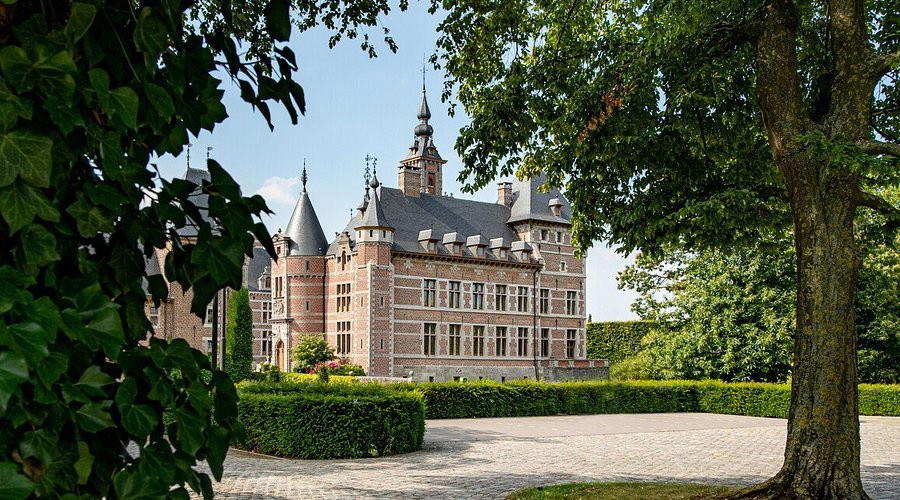
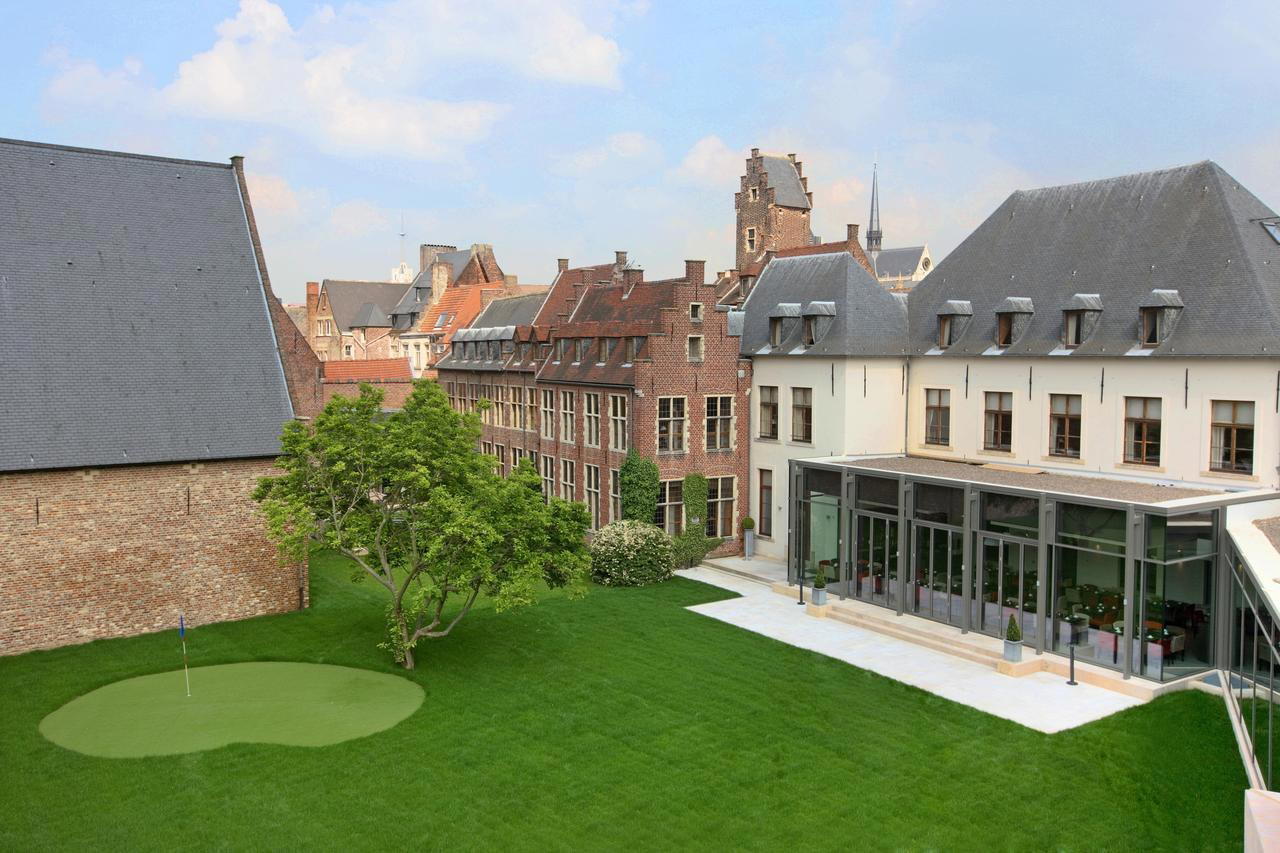
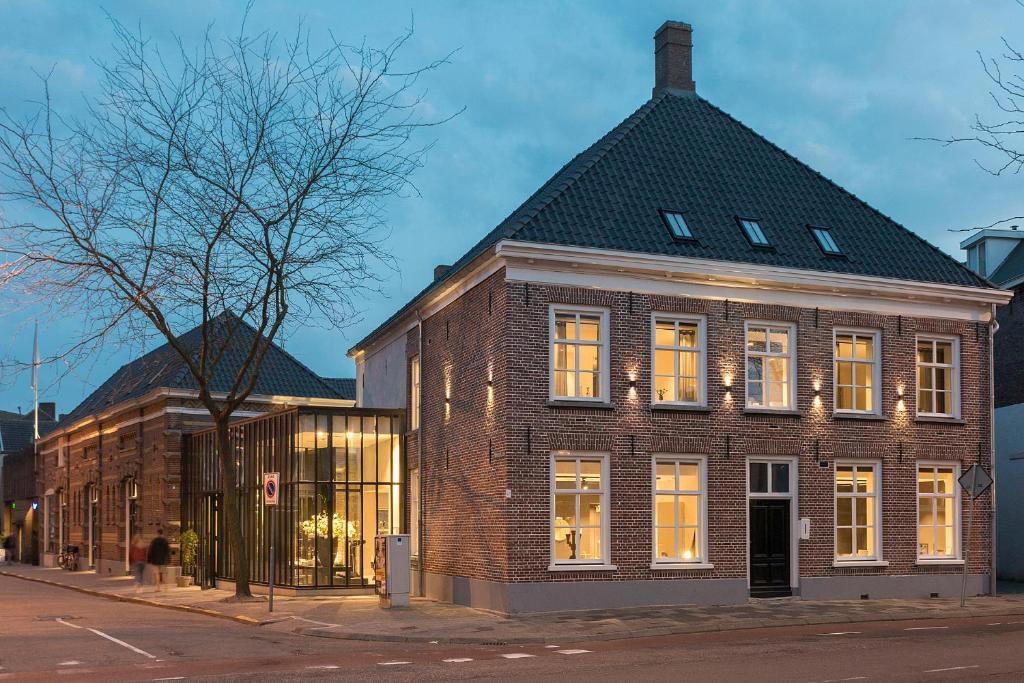
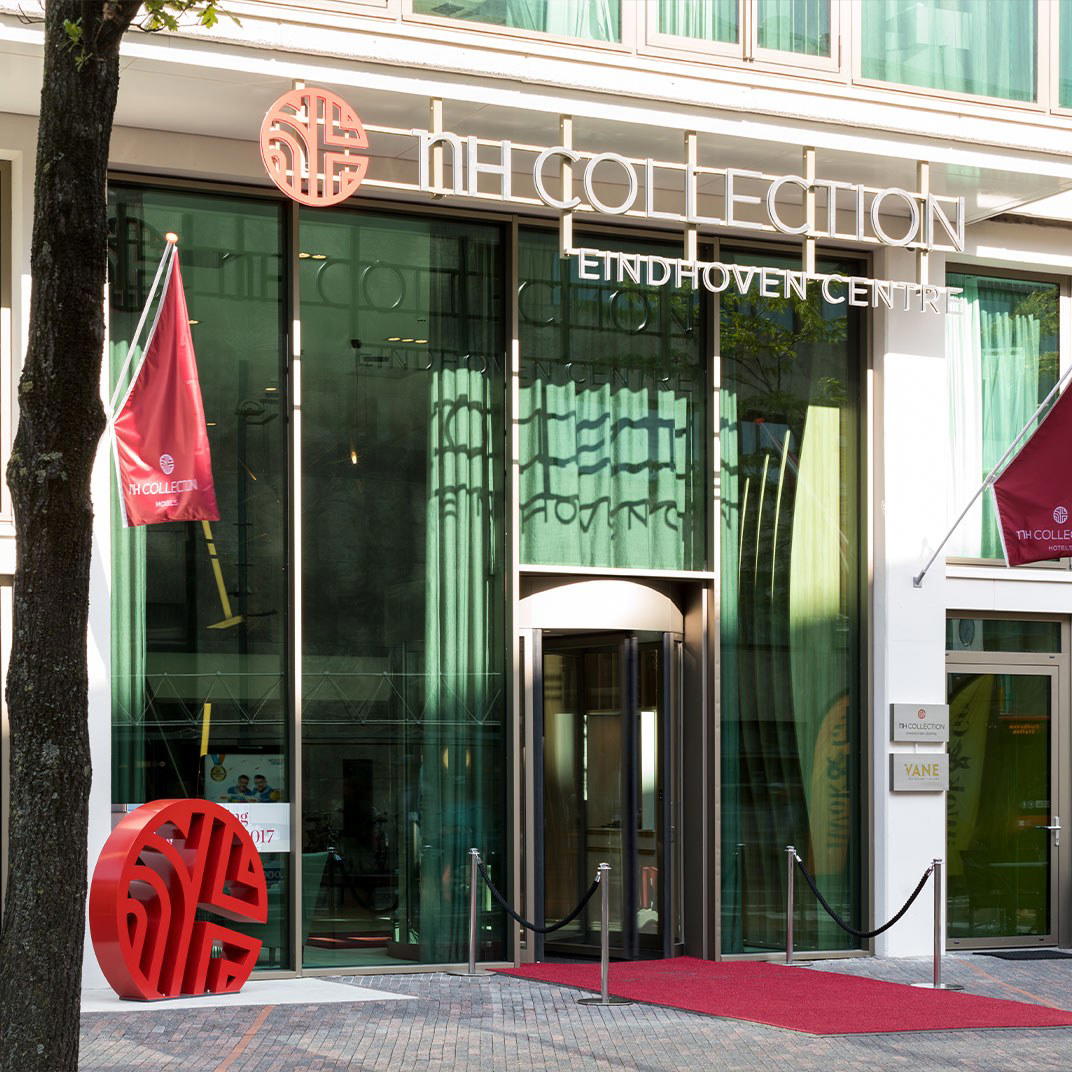
Wineries in Geel
Browse all →
At a Glance
- Cozy
- Elegant
- Intimate
- Classic
- Special Occasion
- Date Night
- Celebration
- Group Dining
- Historic Building
- Extensive Wine List
- Local Sourcing
Current opening hours
- Monday
- 12–1:30 PM, 6:30–8 PM
- Tuesday
- Closed
- Wednesday
- Closed
- Thursday
- 6:30–8 PM
- Friday
- 12–1:30 PM, 6:30–8 PM
- Saturday
- 6:30–8 PM
- Sunday
- 12–1:30 PM, 6:30–8 PM
Hours can change for holidays and private events. Last verified .
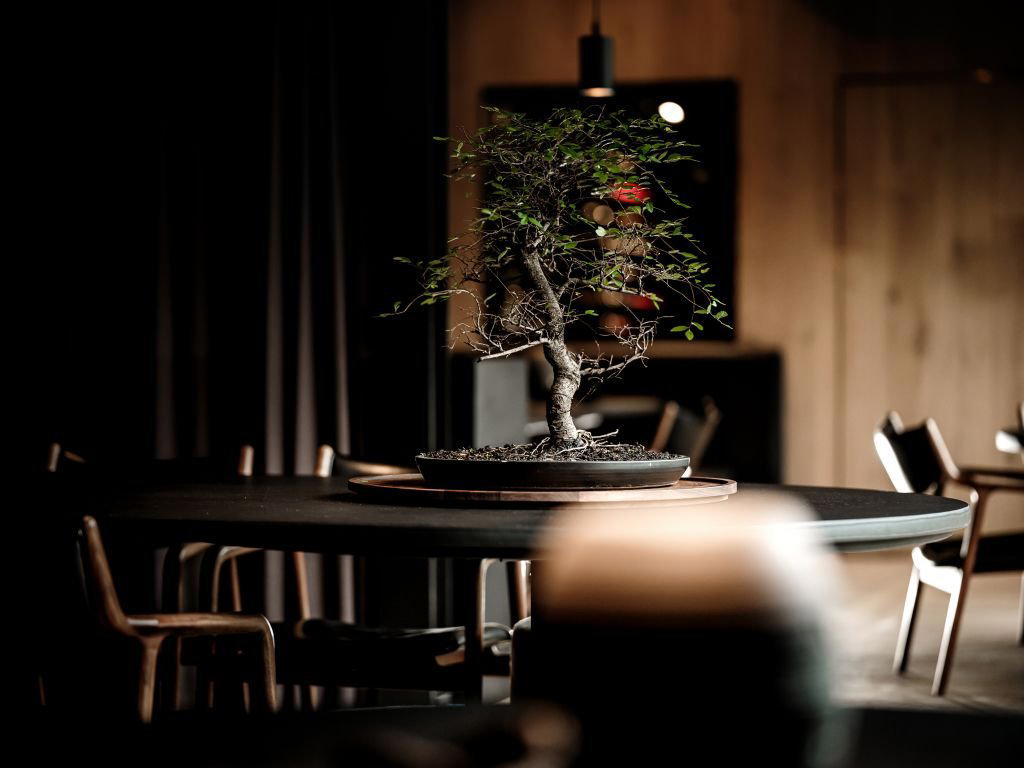
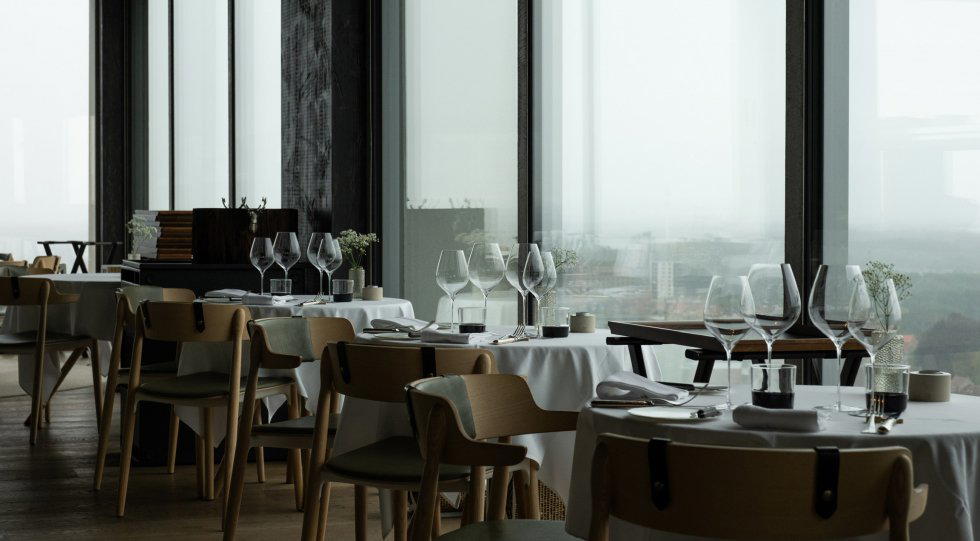
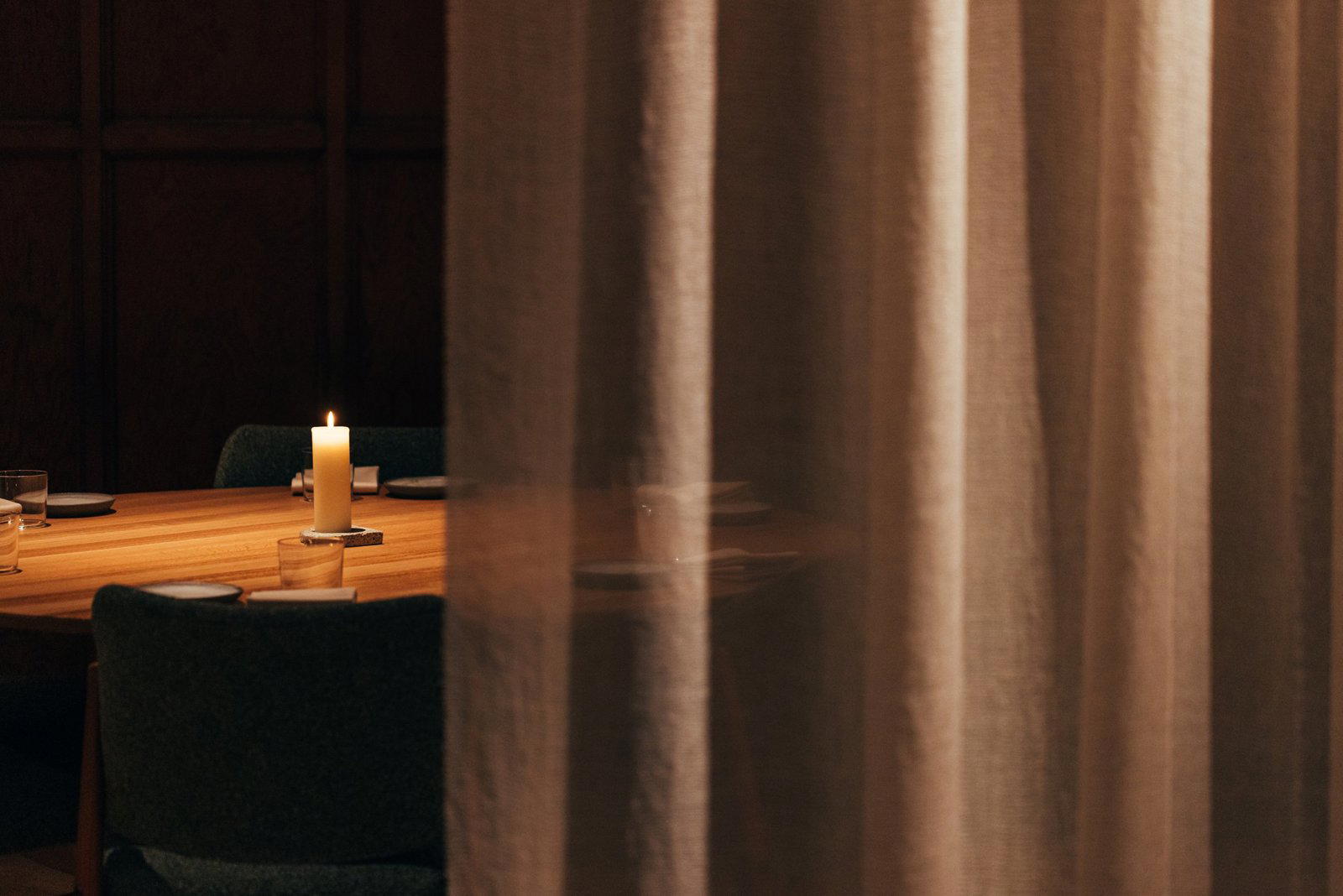
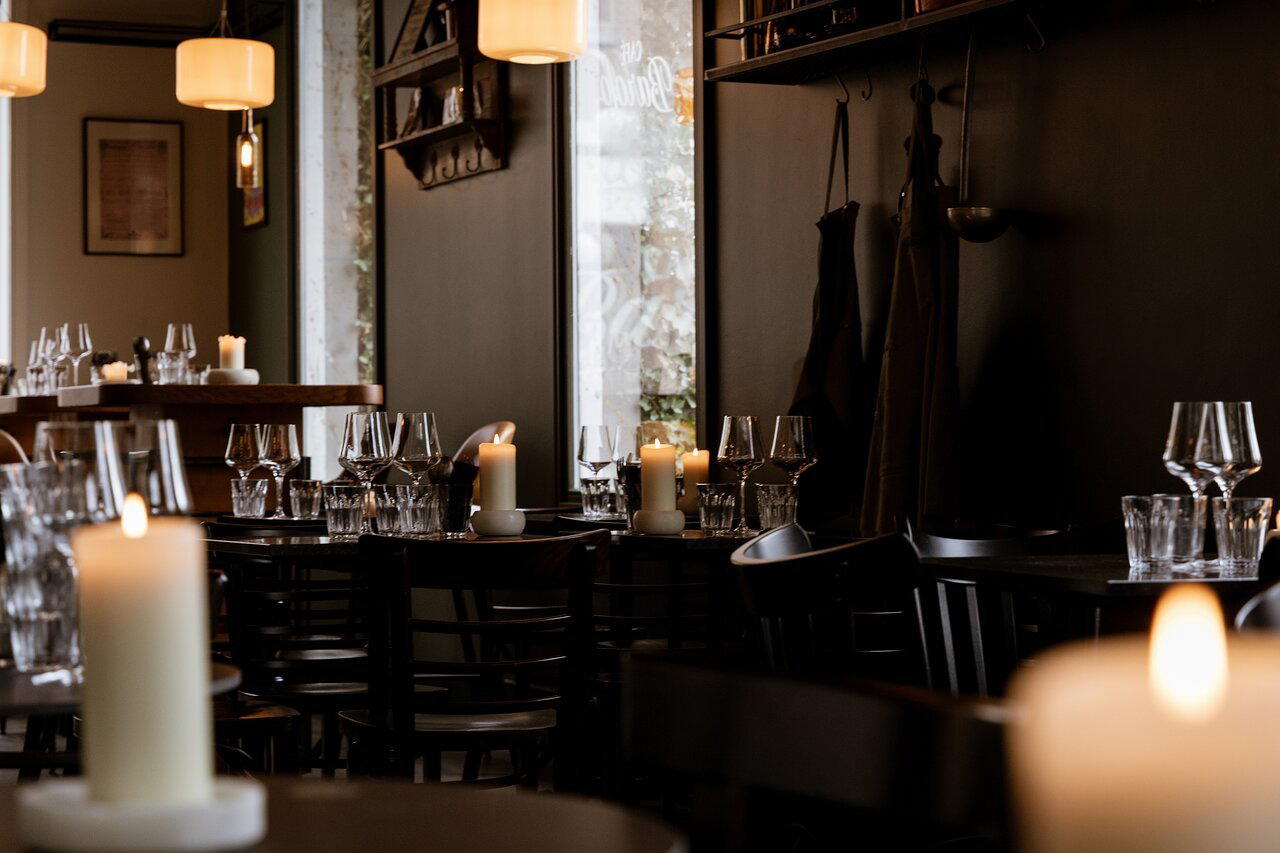
Cozy and elegant interior in a renovated farm with bare timbers, high ceilings, warm welcoming atmosphere, and good acoustics, though sometimes noted as dark.