
Opened in April 2025 and already a Tabelog Award 2026 Silver winner with a score of 4.57, Kisanuki operates at the quieter, higher-stakes end of Kanazawa dining. Dinner runs JPY 50,000–59,999, reservations are essential, and the kitchen's focus on Japanese cuisine places it firmly within the city's ingredient-forward fine dining tradition.
Pearl is the En Primeur Club membership app — saves, bookings, and concierge access live there. Same editors, same standards.
- Address
- 15-3 Tokiwamachi, Kanazawa, Ishikawa 920-0834, Japan
- Website
- instagram.com
- Directions
- Get directions
 Saves & bookings on Pearl
Kanazawa's Ingredient Economy and Where Kisanuki Sits Within It
Few Japanese cities carry as much culinary credibility per square kilometre as Kanazawa. The city's direct access to the Sea of Japan, its proximity to the Noto Peninsula's farming communities, and centuries of castle-town patronage have produced an ingredient culture that other cities routinely reference but rarely replicate. In that context, a new restaurant opening at the JPY 50,000–59,999 dinner tier is not making a modest statement. It is placing itself inside one of Japan's most demanding raw-material traditions and asking to be judged accordingly.
Kisanuki opened on 18 April 2025 at 15-3 Tokiwamachi, a residential address in the Tokiwamachi district that sits roughly two kilometres from Hokutetsu Kanazawa station. The location is deliberately low-profile: no walk-in traffic, no signage designed to catch a passing tourist. The restaurant operates on reservations only, which filters the room before service even begins. By late 2025, Tabelog had scored it 4.57 and listed it as a Silver winner in the Tabelog Award 2026, placing it 57th nationally in that tier — a notable result for a kitchen that had been open for only a matter of months when the review cycle closed.
The Ingredient Logic of a JPY 50,000 Counter in Kanazawa
At this price point in Japan, the kitchen's relationship with its suppliers is the actual product. What arrives on the plate is only the final stage of a procurement process that in premium Japanese dining can involve direct relationships with fishermen operating specific boats on specific routes, farmers growing heirloom rice strains, and makers of fermented condiments working on months-long production cycles. Kanazawa's position in Ishikawa Prefecture makes those relationships structurally easier to maintain than in Tokyo or Osaka, where the same ingredients must travel further and pass through more intermediary hands.
The Hokuriku region's seasonal calendar is particularly compressed. Crab season on the Sea of Japan coast runs from November through March, and the Kaga area's winter vegetables — Kaga lotus root, Gorojima kintoki carrots, Kaga renkon, have protected regional designations. A kitchen working at Kisanuki's price tier in this city is expected to build its menu around this calendar, not around a fixed signature repertoire. Regulars return not to eat the same dishes repeatedly but to track what the season is producing at any given moment. That pattern of repeat visits structured around seasonality is a defining characteristic of high-end Japanese dining across the country, and it is especially pronounced in cities like Kanazawa where the ingredient provenance story is part of the restaurant's identity.
For context on how Kanazawa's premium Japanese cuisine scene distributes across formats, Kataori represents the kaiseki tradition in the city, structured around multi-course seasonal progression. Hamagurizaka Maekawa addresses the yakitori end of the spectrum with equal seriousness. Kisanuki occupies a different register: Japanese cuisine at a price tier where the question is not what category the cooking falls into, but how precisely the kitchen is reading the moment in the agricultural and fishing calendars.
Positioning Within Japan's New-Opening Premium Tier
Japan's fine dining scene in 2024 and 2025 has seen a cluster of ambitious openings in secondary cities, as chefs who trained in Tokyo or abroad have moved toward regions with stronger ingredient access and lower operational overhead. Kanazawa has attracted several of these moves. The pattern is consistent: small rooms, reservation-only formats, dinner-only or dinner-primary programming, and pricing that competes with Tokyo's upper-mid tier rather than with the local tourist restaurant market.
Kisanuki's Tabelog score of 4.57 within its first year puts it in a nationally competitive position. For reference, Silver-tier Tabelog Award recognition at that rank implies consistent performance across a large review sample, not a single extraordinary meal but a pattern of execution that holds across different nights and different seasonal ingredients. That consistency matters more at the JPY 50,000 price point than at lower tiers, because the gap between a strong night and a weak one is felt much more sharply when the commitment is this significant.
Among the broader network of Japanese cuisine venues operating at comparable price points, Gion Sasaki in Kyoto and Harutaka in Tokyo illustrate how different cities frame the same commitment to raw materials through different culinary lenses. Mitsuyasu in Kyoto and Beppu Hirokado in Oita are further points of comparison for ingredient-driven Japanese cooking in non-Tokyo markets. HAJIME in Osaka and Goh in Fukuoka show how the format adapts in cities with their own distinct pantries. 1000 in Yokohama and akordu in Nara extend the picture further into Japan's regional fine dining circuit.
Kanazawa's Wider Dining Scene
Kisanuki operates in a city whose restaurant culture has historically been overshadowed by Kyoto in international coverage, but whose ingredient access is in many respects superior. The Omicho market remains one of Japan's most active fish markets outside the metropolitan centres, and the farming traditions of the Kaga plain have produced a regional vegetable culture that kaiseki kitchens across Japan seek out. Komatsu and Kyo Gion Negiyaki Kona represent other points of the city's dining spectrum, while Budoonomori Les Tonnelles shows how French cuisine has taken root in the city. For a complete view of where to eat, drink, and stay, see our full Kanazawa restaurants guide, our Kanazawa hotels guide, our Kanazawa bars guide, our Kanazawa wineries guide, and our Kanazawa experiences guide.
Planning Your Visit
Kisanuki accepts credit cards and does not accept electronic money or QR code payments. There is no on-site parking and no private dining room, though the space is available for private hire as a whole. The restaurant is reservation-only; walk-ins are not a viable strategy at any tier of Japanese fine dining in this city, and particularly not at this price point. Business hours are not publicly listed, which is consistent with reservation-only operations of this type, confirmed booking will include the relevant timing. The address at 15-3 Tokiwamachi puts it approximately two kilometres from Hokutetsu Kanazawa station, accessible by taxi in under ten minutes.
Dinner is priced between JPY 50,000 and JPY 59,999. There is no listed lunch service. Given the Tabelog trajectory, a 4.57 score and Silver recognition within the first operational year, lead time on reservations is worth factoring into itinerary planning, particularly during the peak crab season months of November through March when Hokuriku ingredient quality draws the most competition for tables.
A Lean Comparison
| Venue | Cuisine | Price |
|---|---|---|
| KisanukiThis venue — the venue you are viewing | Japanese Cuisine | JPY 50,000 - JPY 59,999 View spending breakdown |
| Kataori | Kaiseki | Not listed |
| Sushi Kibatani | Chinese | Not listed |
| Zeniya | Kaiseki | Not listed |
| Respiracion | Innovative Spanish | Not listed |
| Hamagurizaka Maekawa | Yakitori | Not listed |
Recognition history
Dated appearances from independent guides and award organizations, with the underlying list record or original source where available.
Tabelog Silver #57
Tabelog
Continue exploring
More in Kanazawa
Restaurants in Kanazawa
Browse all →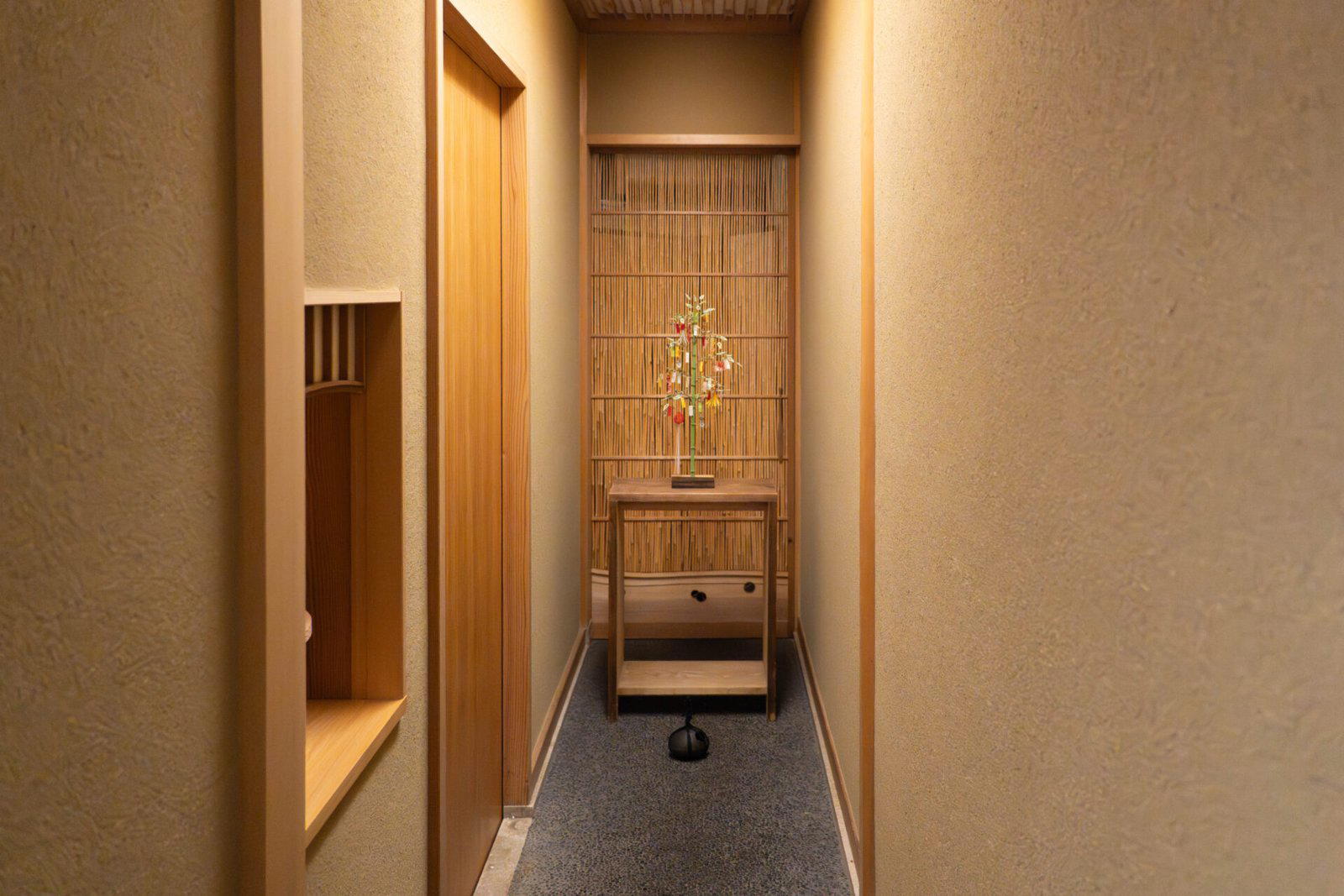
Bars in Kanazawa
Browse all →
Hotels in Kanazawa
Browse all →
Wineries in Kanazawa
Browse all →
At a Glance
- Intimate
- Elegant
- Cozy
- Sophisticated
- Special Occasion
- Date Night
- Chefs Counter
- Open Kitchen
- Sake Program
- Local Sourcing
- Street Scene
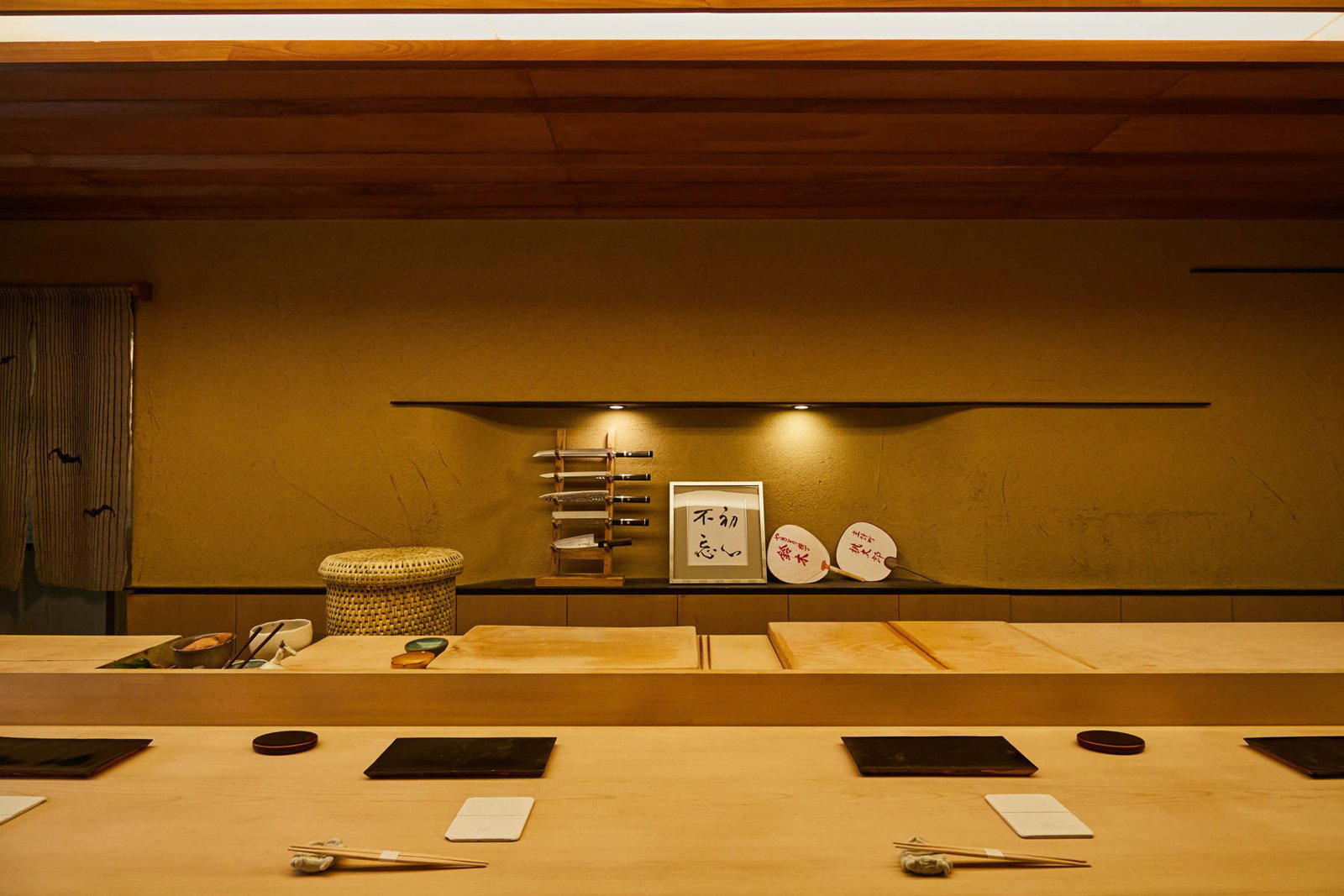
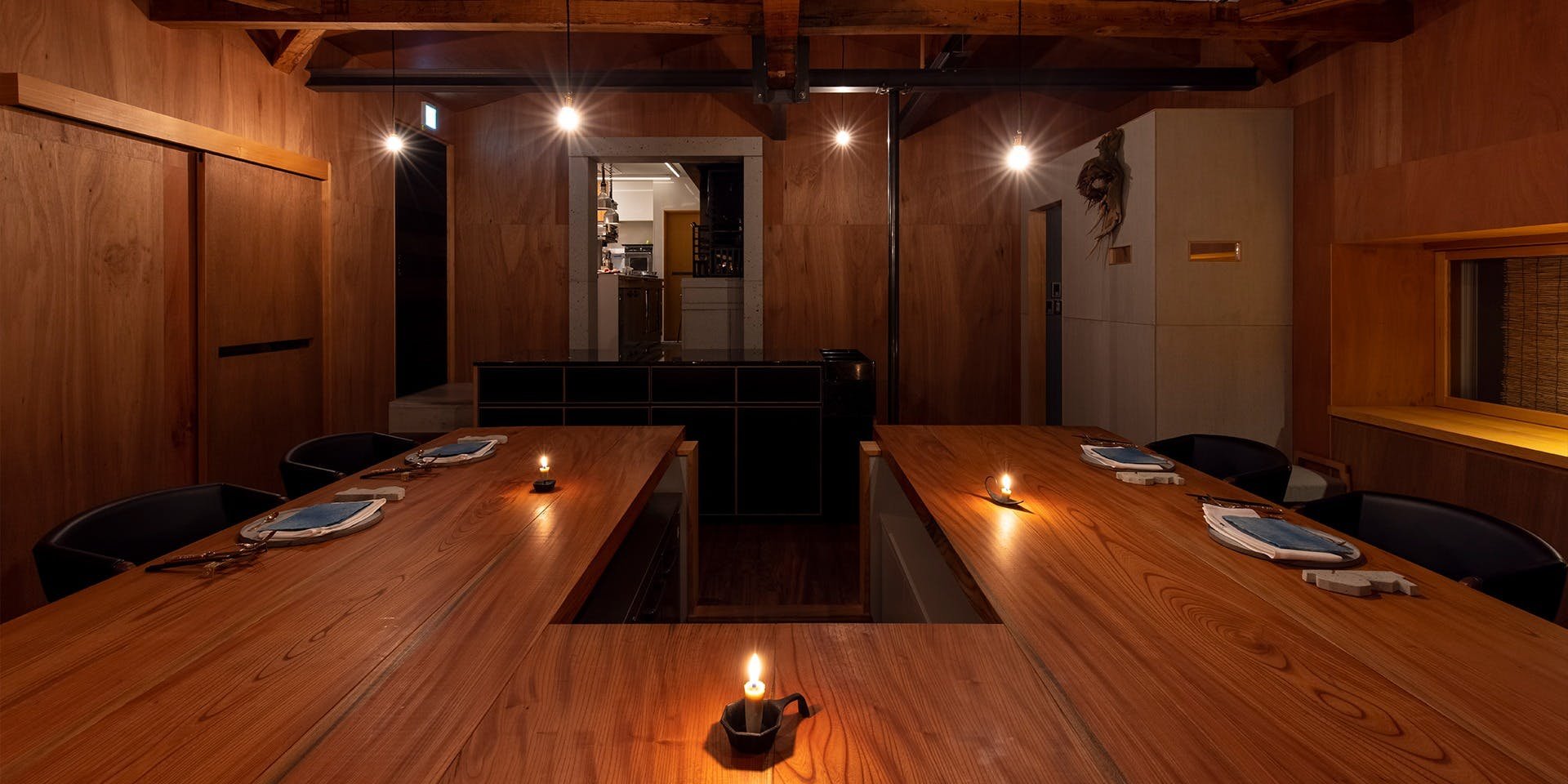
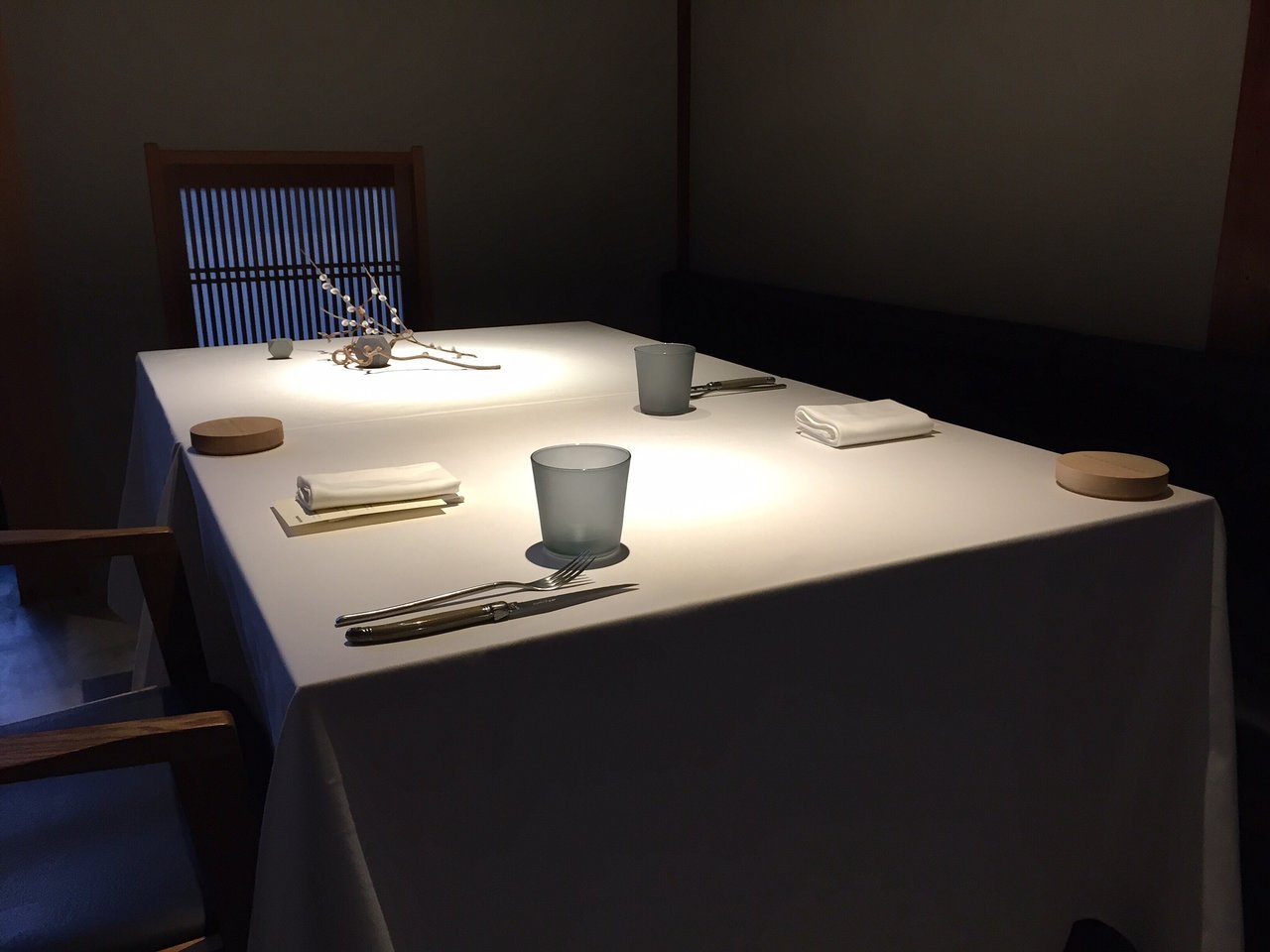
Warm and inviting atmosphere with spacious Ate wood counter, local Tomuro stone floors, stained glass shoji screens, and wild plants for a welcoming regional hospitality feel.
Know Before You Go
- Getting there
- 15-3 Tokiwamachi, Kanazawa, Ishikawa 920-0834, Japan