
Zayton Courtyard in Licheng District occupies a heritage setting beside the Confucius Temple, with a menu grounded in Minnan culinary tradition. Dishes like ginger duck stew and braised taro in meat gravy make the case for southern Fujian cooking as a distinct regional category. The terrace table, overlooking the adjacent temple complex, is among the more considered lunch settings in Quanzhou's old district.
Pearl is the En Primeur Club membership app — saves, bookings, and concierge access live there. Same editors, same standards.
- Address
- 104 Nanjun N Rd, Licheng District, Quanzhou, Quanzhou, Fujian, China, 362002
- Phone
- +86 595 2228 6285
- Directions
- Get directions
 Saves & bookings on Pearl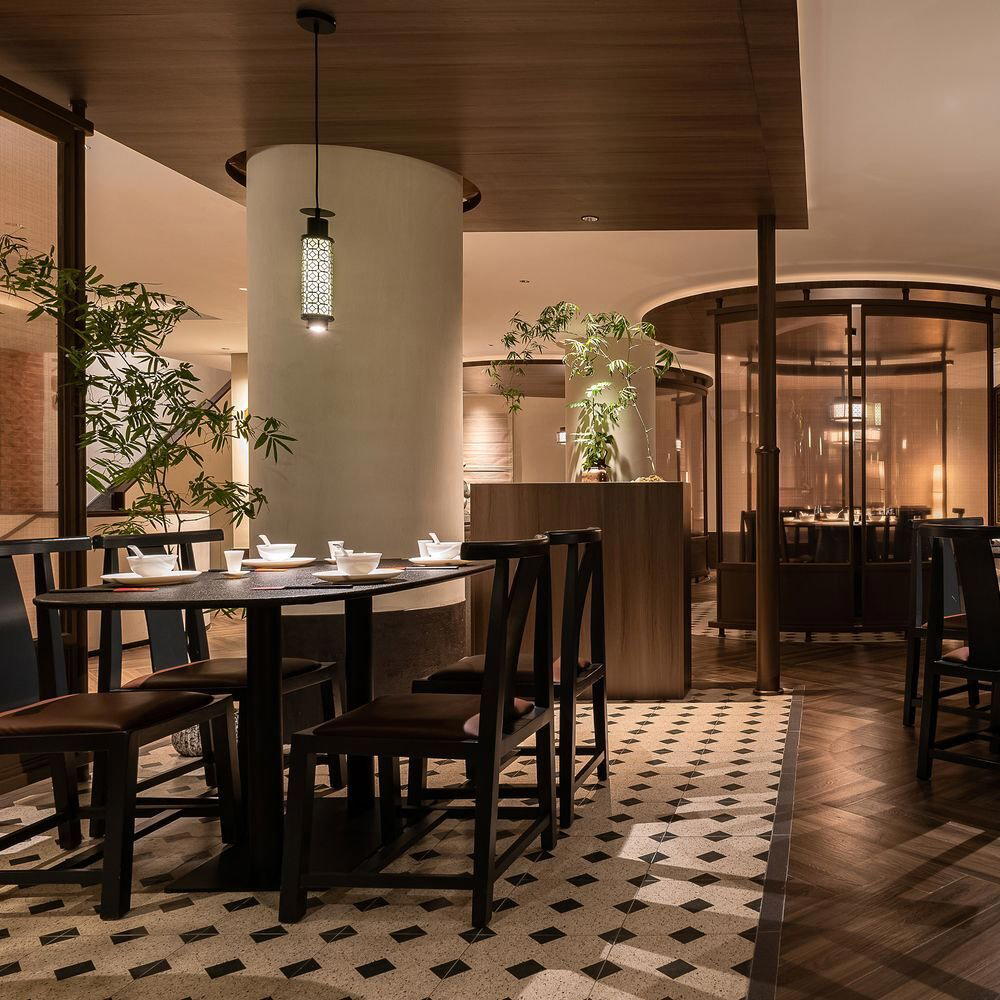
Where Minnan Cooking Meets the Old City
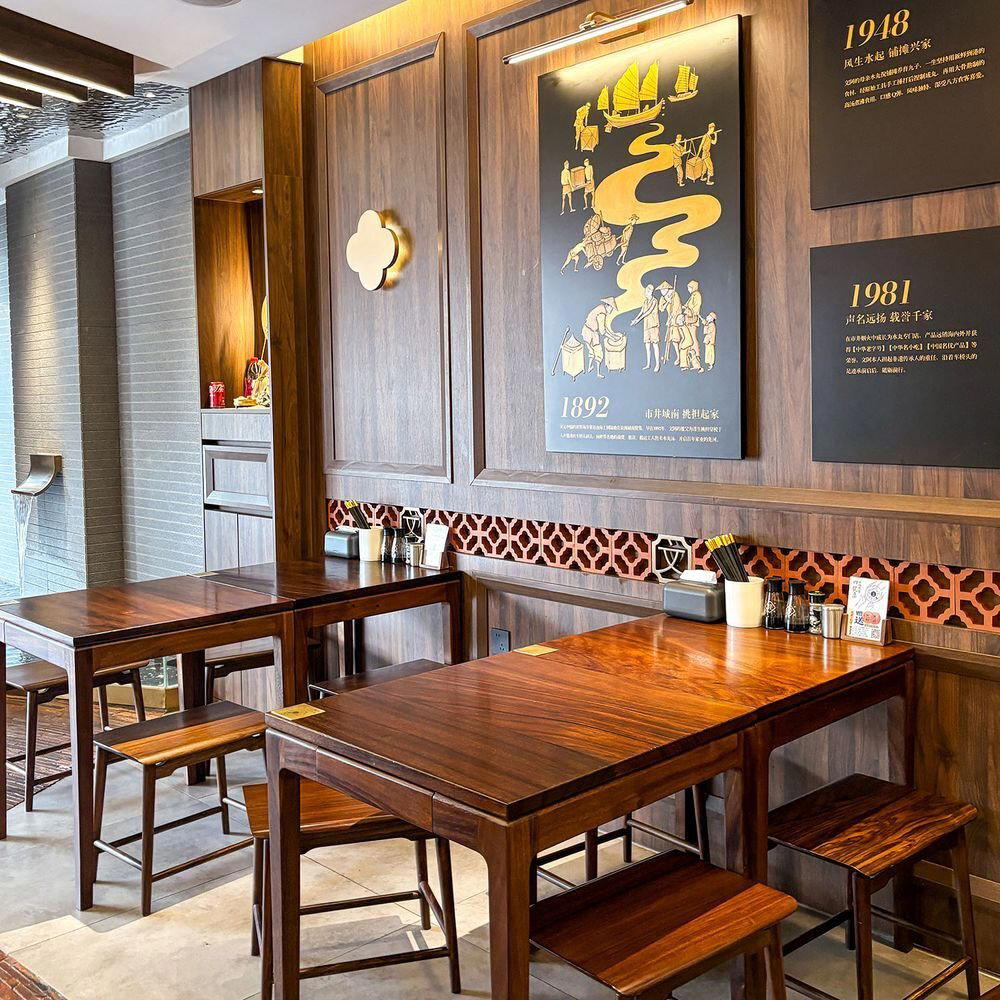
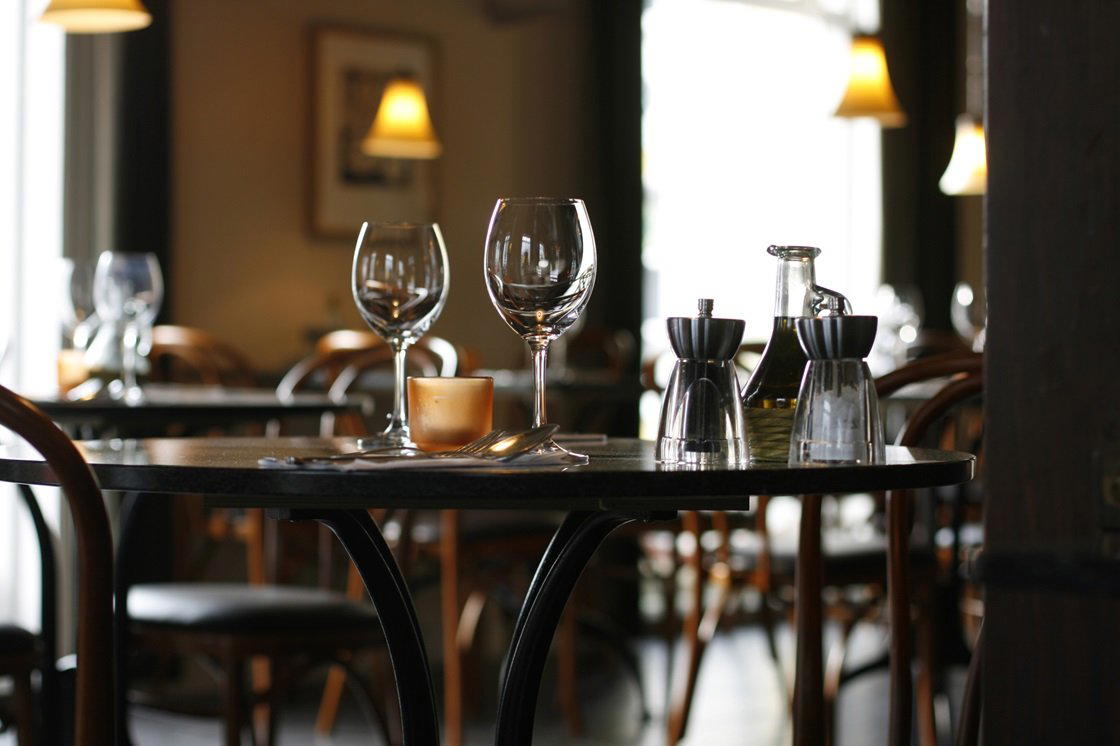
Zayton Courtyard (Licheng) is a restaurant in Quanzhou's Licheng District serving Traditional Minnan Fujian Cuisine, with meals averaging about US$20 per person. Zayton Courtyard belongs to the second category. Its red-brick façade reads as continuous with the surrounding streetscape along Nanjun North Road, and the retro mosaic flooring and dark peach wood furniture inside sustain that register without tipping into theme-restaurant territory. The physical environment does something useful here: it frames the food as part of a longer local story rather than a departure from it.
The Minnan region, the southern Fujian coastal belt that includes Quanzhou, Xiamen, and their hinterlands, has a cooking tradition that rarely gets the national editorial attention that Cantonese or Shanghainese cuisines receive. Dishes tend toward slow-cooked depth, fermented and preserved flavour bases, and a particular affinity for taro and duck prepared in ways that reward patience. Zayton Courtyard's menu is organised around exactly these registers, with ginger duck stew and braised taro in meat gravy among the dishes that give the kitchen its clearest identity. For readers exploring regional Chinese cooking through dedicated restaurants like Ru Yuan in Hangzhou or Xin Rong Ji in Chengdu, Minnan cuisine operates in a distinct lane: less sweet than eastern Zhejiang preparations, less spice-forward than Sichuan, and more reliant on layered braise technique than either.
Lunch on the Terrace: The Case for Daytime
The editorial angle on Zayton Courtyard shifts significantly depending on when you arrive. At lunch, the terrace overlooking the Confucius Temple next door is the defining feature of the experience. On a clear day, the combination of natural light, the temple's grey-tiled rooflines, and a slow-cooked bowl of ginger duck stew constitutes one of the more grounded midday meals available in this part of the city. Lunch in this setting functions as a piece of neighbourhood orientation as much as a meal: the Confucius Temple complex is among the more intact Ming-dynasty educational sites in southeastern China, and eating beside it gives the surrounding history a legible frame.
Daytime service at heritage-adjacent restaurants in Chinese old districts also tends to attract a different crowd than evening: more local families, more visitors arriving as part of a broader neighbourhood walk, fewer banquet-format tables. The pace is slower, the ordering more informal. Zayton Courtyard's layout and the terrace access make it particularly suited to this kind of unhurried lunch rather than a formal multi-course evening visit. If you are planning a day that also includes time at the nearby Kaiyuan Temple or the old merchants' quarter, a midday stop here fits naturally into the sequence.
Evening Service and the Menu's Depth
Evening at the same table feels measurably different. The Confucius Temple complex shifts in character after dark, the terrace loses its primary visual draw, and the interior's dark timber furniture and warm lighting take over as the dominant atmospheric registers. This is when the menu's more considered dishes warrant attention. The ginger duck stew, tender meat in a deep aromatic braise, is a dish that takes time to develop and benefits from being ordered without the distraction of midday foot traffic. The braised taro in meat gravy, described as starchy, creamy, and full of flavour, is the kind of slow-cooked preparation that Minnan cooking has historically built its reputation on.
In the premium Chinese dining tier nationally, restaurants like Xin Rong Ji in Beijing and 102 House in Shanghai have built audiences around refined regional cooking in heritage-conscious settings. Zayton Courtyard operates at a different price point and without equivalent national recognition, but it works through the same logic: a physical environment that reinforces culinary identity, a menu that treats its source region as a serious subject, and a setting specific enough to resist easy replication. That is not a minor achievement in a city where tourism infrastructure is still consolidating around the 2021 UNESCO World Heritage listing.
Quanzhou Context and the Regional Dining Scene
Quanzhou was designated a UNESCO World Heritage Site for its role as a maritime trading hub during the Song and Yuan dynasties, and the food culture that developed here reflects that layered history. The city's cooking absorbed influences from Arab, South Asian, and Southeast Asian merchants while maintaining a distinctly Minnan core. That context matters when reading a restaurant like Zayton Courtyard: dishes built on preserved flavours, slow braises, and taro are not nostalgic gestures but continuations of a culinary logic that has deep roots in the city's history.
The broader dining scene in Licheng and across Quanzhou spans a wide range. At the affordable end, specialists like De Wen Xia Zai Mian and Che Qiao Tou Wen A Shui Wan (Daxi Street) focus on noodle and bowl formats that represent a different register of the same Minnan tradition. At a comparable mid-range level, Chun Sheng offers another lens on Fujian cooking in the city. For something outside the Chinese cooking tradition, Antstory and A Qiu Niu Pai (Huxin Street) work in different formats. Across the region, Chef Tam's Seasons in Macau and Imperial Treasure Fine Chinese Cuisine in Guangzhou represent the premium southern Chinese dining tier for comparison. For those cross-referencing with international fine dining, Le Bernardin in New York City and Atomix in New York City offer a sense of what heritage-informed cooking looks like at the highest technical tier. For a complete picture of what Quanzhou offers beyond restaurants,
Planning Your Visit
Zayton Courtyard is located at 104 Nanjun North Road in Licheng District, directly adjacent to the Confucius Temple complex, which makes it direct to incorporate into a walking itinerary of the old city. The terrace tables are particularly contextually specific seats in the house; on days when the weather cooperates, requesting one is advisable. Reservations are recommended. Given the location's prominence in the heritage district and the terrace's appeal on fine days, arriving early for lunch is prudent.
At a Glance
Comparable venues nearby, for context on price, style, and recognition.
| Venue | Cuisine | Price | Notes |
|---|---|---|---|
| Zayton Courtyard (Licheng)This venue — the venue you are viewing | Not listed | $$ | Not listed |
| Nan Qi Lou 1924 | Not listed | $$$ | Licheng, Minnan with Southeast Asian influences |
| Chun Sheng | Jinjiang, Home-style Fujian | $$ | Not listed |
| Wai Tou Niu Rou (Meiling Road) | Jinjiang, Fujian Beef House | $$ | Not listed |
| Jian Lai Fa | Licheng, Traditional Minnan Fujian | $$ | Not listed |
| De Wen Xia Zai Mian | Licheng, Fujian Hokkien Hae Mee Noodles | $$ | Not listed |
Recognition history
Dated appearances from independent guides and award organizations, with the underlying list record or original source where available.
Michelin Plate
Michelin
Continue exploring
More in Quanzhou
Restaurants in Quanzhou
Browse all →
At a Glance
- Classic
- Cozy
- Scenic
- Family
- Group Dining
- Courtyard
- Terrace
- Street Scene
Retro mosaic flooring, dark peach wood furniture, and terrace overlooking Confucius Temple create a heritage-inspired, relaxed atmosphere.