
A Quanzhou institution named after its owner's nickname, Wai Tou Niu Rou on Meiling Road has built a loyal following around two beef dishes that define the city's approach to slow cooking: a curry-inflected braised beef rib served alongside seasoned rice, and a double-boiled oxtail enriched with Indian mulberry root. Popular enough that key items sell out before midday, this is neighbourhood dining at its most purposeful.
Pearl is the En Primeur Club membership app — saves, bookings, and concierge access live there. Same editors, same standards.
- Address
- 494 Huxin St, Fengze District, Quanzhou, Fujian, China, 362017
- Phone
- +86 595 2216 3336
- Directions
- Get directions
 Saves & bookings on Pearl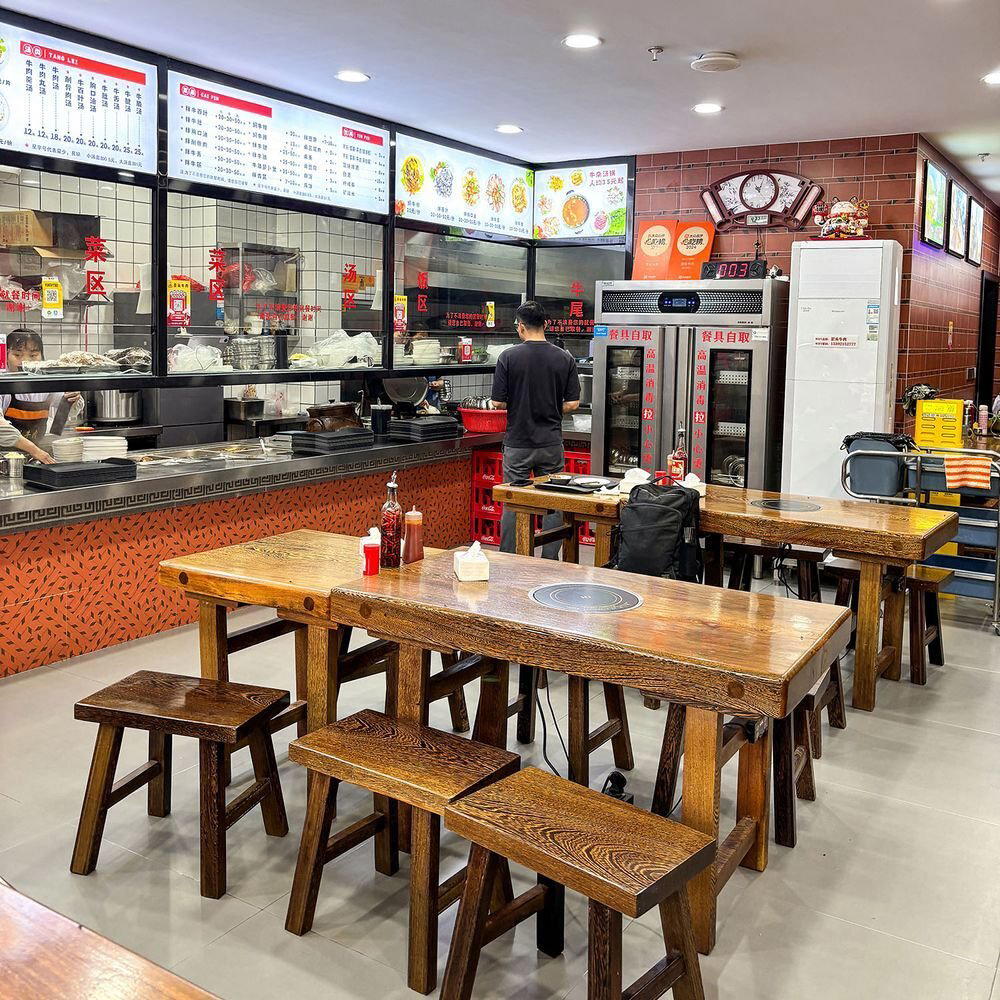
Where Quanzhou's Beef Tradition Sits Down
Fengze District runs on working rhythms. The streets around Huxin are lined with the kind of eating houses that open early, fill fast, and close when the pots run dry — a format that has defined Fujian's street-level food culture for generations. Wai Tou Niu Rou operates within that tradition, and to walk in during the morning rush is to understand something specific about how Quanzhou treats beef: not as a centrepiece ingredient dressed up for occasion dining, but as a slow-cook craft refined over years of daily repetition.
The shop takes its name from the owner's moniker, which translates roughly as "wryneck," and that personal branding has become shorthand in the neighbourhood for a particular style of braised meat. In a city where seafood tends to dominate the culinary conversation — A Qiu Niu Pai on Huxin Street works the same beef-focused niche nearby, this stretch of Fengze offers an alternative thread worth following.
The Case for Braised Beef at a Milestone Table
There is a recurring debate in Chinese regional dining about whether slow-cooked beef belongs in the category of occasion food. At the high end of the spectrum, restaurants like Xin Rong Ji in Beijing or Imperial Treasure Fine Chinese Cuisine in Guangzhou frame similar techniques inside formal dining rooms with corresponding price points. What makes Wai Tou Niu Rou worth considering as a destination for a meaningful meal is precisely that the formality is stripped away while the craft remains.
The braised beef rib is the anchor. It carries curry flavour with a secondary note of Chinese herbs, a combination that reflects Quanzhou's historical position as a major port city on the Maritime Silk Road, where Southeast Asian spice trade routes left their mark on local cooking. The meat reaches a fork-tender consistency that only comes from extended braising at controlled temperatures. It is served alongside seasoned rice cooked with enough fat and aromatics to function as a complete dish in its own right, not a neutral base.
This pairing, yielding braised meat against buttery, well-seasoned grain, is the kind of combination that tends to anchor a meal in memory. For a birthday lunch, a quiet family gathering, or the sort of low-key celebration that does not require white tablecloths, it delivers on the expectations placed on occasion food: a dish with clear technical intention behind it, served in a setting that makes the meal feel specific to this city and this tradition.
The Oxtail as a Second Argument
Quanzhou's cooking has long drawn on a cross-cultural pantry, and the double-boiled oxtail at Wai Tou Niu Rou makes that lineage explicit. The broth is infused with Indian mulberry root, known in traditional Chinese medicine contexts for its mild, slightly sweet flavour profile, and the oxtail is cooked until the collagen breaks down fully, leaving the meat gelatinous and the liquid dense with body. Double-boiling, as a technique, preserves clarity in the broth while concentrating flavour over several hours, it is a labour-intensive method more commonly associated with Cantonese restaurant kitchens than with neighbourhood shops of this scale.
That the oxtail achieves this level of finish in a small, community-facing spot is the editorial point. Across Fujian, the gap between formal restaurant technique and street-level execution has historically been narrow. Chun Sheng and Antstory represent different registers of that same tradition, one rooted in local Fujian cuisine, the other in a more contemporary format. Wai Tou Niu Rou belongs to the older, less-mediated end of that range.
How This Compares in the Quanzhou Eating Map
Quanzhou's dining scene operates across several distinct price tiers. At the affordable end, noodle shops like De Wen Xia Zai Mian anchor the under-¥50 category. Seafood-focused rooms occupy the upper end of the local market. Wai Tou Niu Rou sits in the middle bracket, where technique and ingredient quality justify a modest premium over bowl-format meals without approaching the pricing of a formal dinner. It is comparable in spirit, if not in cuisine type, to Che Qiao Tou Wen A Shui Wan on Daxi Street, another address that has built its reputation on one or two things done with consistency.
For visitors arriving from other major Chinese cities, the reference points are instructive. The craft-over-setting proposition here is not unlike what you find at respected neighbourhood addresses elsewhere in the country, the kind of cooking that draws loyal repeat customers rather than first-time diners chasing atmosphere. Venues like Ru Yuan in Hangzhou or 102 House in Shanghai operate in different cuisines and formats, but share the underlying value: the meal justifies itself on the strength of what arrives at the table, not on how the room is dressed. At the furthest end of that spectrum, technically meticulous restaurants like Atomix in New York City or Le Bernardin demonstrate how sustained craft eventually earns formal recognition. Wai Tou Niu Rou operates at a very different scale, but the underlying principle, consistency over time, identifiable signatures, is the same one that generates reputation in any dining category.
Planning Your Visit
The address is 494 Huxin Street, Fengze District, which places it in a part of Quanzhou accessible from the city centre without extended travel. The practical constraint that matters most is timing: specific items, particularly the braised beef rib, sell out during service and are not restocked. Arriving early is the single most important logistical variable. There is no published reservation system and no website, which puts this firmly in the walk-in, arrive-and-assess category. For those building a Quanzhou itinerary around the city's food culture, the full picture is available in our full Quanzhou restaurants guide, and broader trip planning is supported by our Quanzhou hotels guide, bars guide, wineries guide, and experiences guide.
For an occasion meal in Quanzhou, the question is rarely whether the food can carry the weight of the moment. At addresses like this one, the weight is in the patience behind the cooking, and the braised rib and oxtail broth arrive having already done the slow work.
How Wai Tou Niu Rou (Meiling Road) Quanzhou Verdict compares with similar nearby venues.
| Venue | Cuisine | Price | Awards |
|---|---|---|---|
| Wai Tou Niu Rou (Meiling Road) | Not listed | Not listed | Bib Gourmand |
| A Qiu Niu Pai (Huxin Street) | Fujian | ¥ | Not listed |
| Hall Thing (Licheng) | Fujian | ¥¥ | Not listed |
| Zhuang Ji Quan Fu Lu Mian Guan | Noodles | ¥ | Not listed |
Recognition history
Dated appearances from independent guides and award organizations, with the underlying list record or original source where available.
Michelin Bib Gourmand
Michelin
Continue exploring
More in Quanzhou
Restaurants in Quanzhou
Browse all →

At a Glance
- Rustic
- Cozy
- Casual Hangout
- Standalone
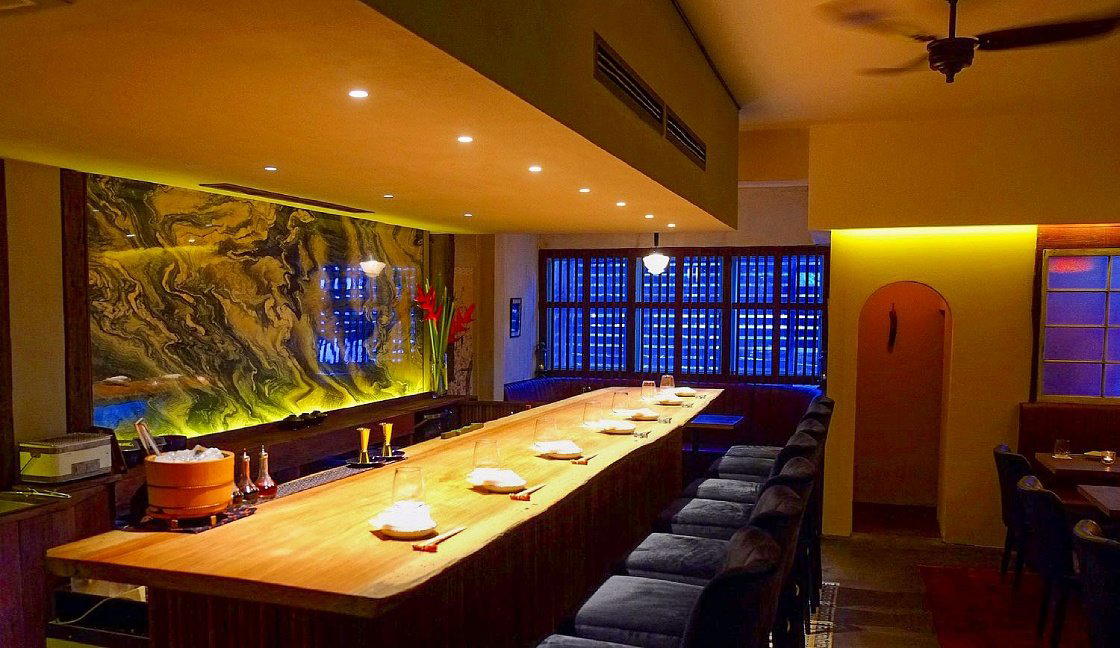
Unpretentious modest interior with functional seating, utility-focused design, and service-forward local atmosphere emphasizing efficient turnover and conversation.
Know Before You Go
- Getting there
- 494 Huxin St, Fengze District, Quanzhou, Fujian, China, 362017