
Inside a century-old shophouse in Quanzhou's historic core, Nan Qi Lou 1924 serves food that maps the city's centuries-long role as a departure point for Southeast Asia. The menu moves between Minnan and Southeast Asian registers, with dishes like a dried-seafood-infused curry crab and a ginger braised squab leg that treats the surrounding neighbourhood as both archive and larder.
Pearl is the En Primeur Club membership app — saves, bookings, and concierge access live there. Same editors, same standards.
- Address
- Quanzhou, Fujian, China
- Directions
- Get directions
 Saves & bookings on Pearl
Where Quanzhou's Maritime Past Arrives on the Plate
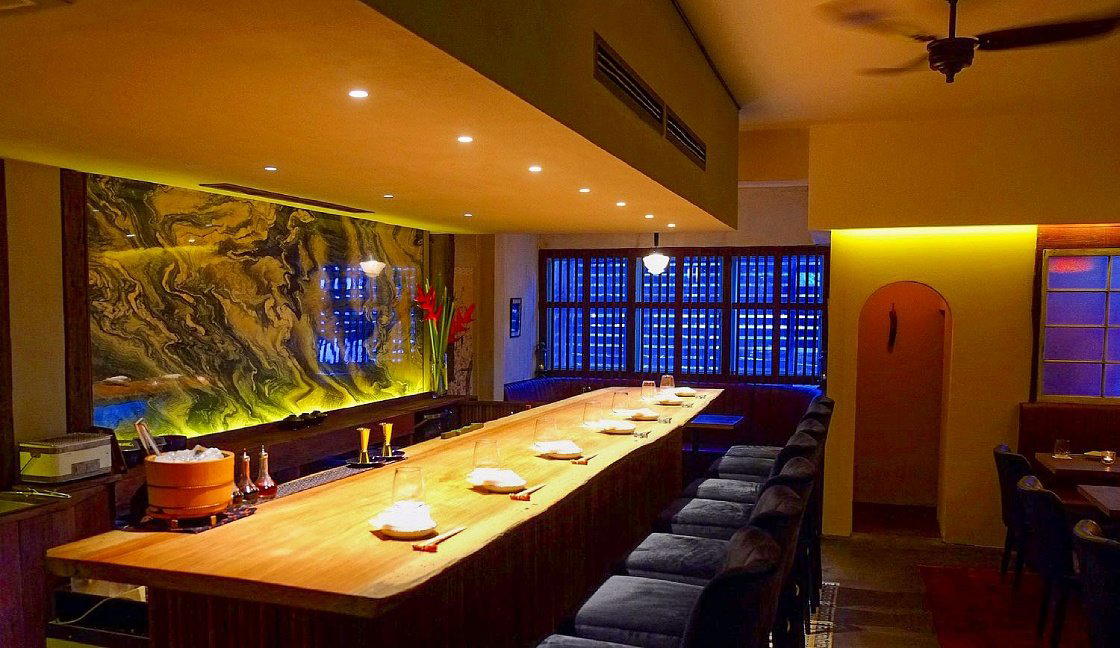
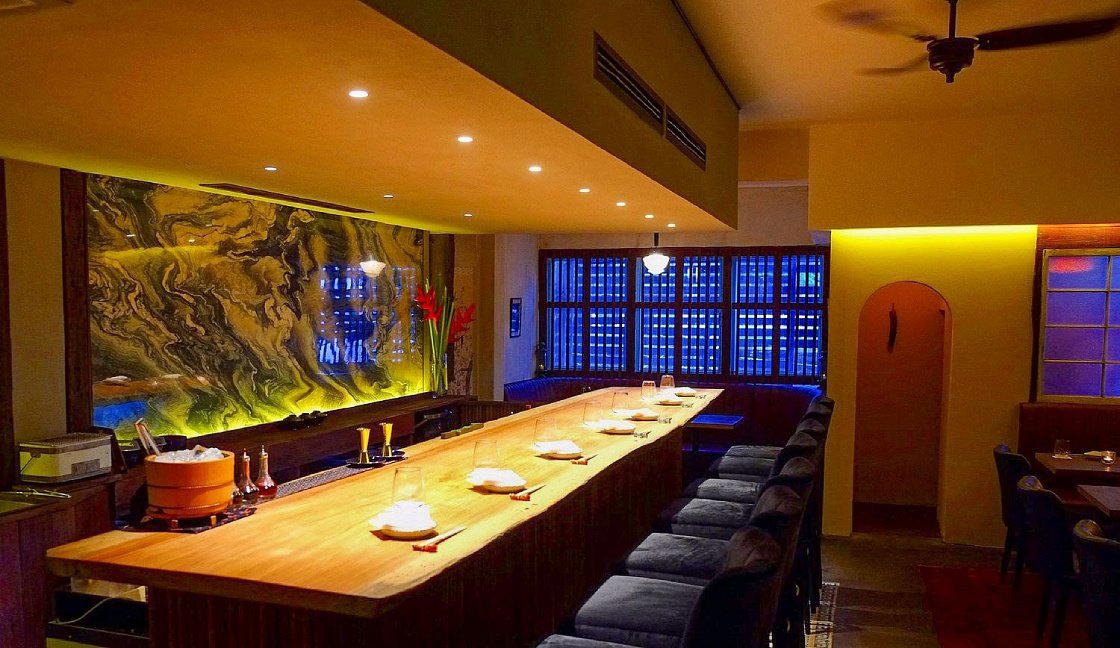
Dark wood joinery, painted tile floors, and a building that predates the People's Republic by decades: the physical environment of Nan Qi Lou 1924 does a lot of work before the first dish reaches the table. This is a century-old neighbourhood in Quanzhou's historic centre, and the restaurant sits inside it like a preserved chapter rather than a themed reconstruction. The retro aesthetic is structural, not applied.
Quanzhou spent centuries as one of China's primary ports of departure for Southeast Asia, and the Minnan diaspora that took root across the Philippines, Malaysia, Indonesia, and Singapore carried a culinary vocabulary with them that evolved in both directions. Dishes absorbed coconut milk, tamarind, and lemongrass, then returned home in modified form as the diaspora maintained ties across generations. Restaurants operating in this tradition sit at a genuinely complex intersection: they are neither strictly Chinese nor narrowly Southeast Asian, but rather a record of sustained exchange. In cities like Quanzhou, a small number of kitchens still cook from within that tradition rather than borrowing from it selectively.
The Minnan–Southeast Asian Kitchen: Technique Meets Diaspora Ingredient
The editorial angle that matters here is the use of imported methods applied to local and cross-regional products. Quanzhou's curry crab illustrates this precisely. Where the Southeast Asian version of curry crab typically relies on coconut milk to carry and soften the spice paste, the Quanzhou iteration removes it, substituting dried seafood as the primary flavour vehicle. The result is a mildly spicy preparation where the sauce draws its depth from concentrated umami rather than dairy fat. It is a technique-first decision: the kitchen is working from a distinct flavour logic, not simply omitting an ingredient.
That approach places Nan Qi Lou 1924 in a different register from the growing number of Chinese restaurants in tier-one cities that deploy Southeast Asian references as accents or garnishes. Compare the self-conscious cross-cultural positioning visible at some refined Fujian-adjacent restaurants in Shanghai, such as 102 House, or the precision-driven Zhejiang lineage represented at Xin Rong Ji (Xinyuan South Road) in Beijing. Those restaurants are building fusion consciously. Nan Qi Lou 1924 is working from an inheritance that has always been mixed.
The ginger braised squab leg extends the same logic. It derives from the classic Fujian ginger duck stew, a preparation that uses ginger as a medicinal and flavour base rather than a supporting note. The substitution of squab for duck shifts the texture and concentration of the dish without abandoning the structural technique. This is the kind of variation that develops inside a living culinary tradition over time, not through menu innovation as a stated goal.
Quanzhou's Dining Scene and Where This Restaurant Sits
Quanzhou's restaurant offering spans a wide price range, from noodle counters serving oyster vermicelli at street-food pricing, such as De Wen Xia Zai Mian, to mid-tier Fujian seafood specialists like Che Qiao Tou Wen A Shui Wan (Daxi Street). Within that spread, restaurants offering the Minnan-Southeast Asian synthesis at a sit-down, full-service level represent a narrower tier. Nan Qi Lou 1924's address in the historic core, combined with its preserved shophouse setting, positions it toward a more considered dining format than the city's casual Fujian staples.
For visitors cross-referencing Quanzhou against other Fujian dining options, Chun Sheng and Antstory operate in adjacent mid-range territory, though with different culinary emphases. A Qiu Niu Pai (Huxin Street) targets a younger, more casual crowd.
Outside Fujian, the broader Chinese fine-dining conversation is increasingly shaped by institutional players: the Zhejiang-rooted Xin Rong Ji in Chengdu, the classical Cantonese precision of Imperial Treasure Fine Chinese Cuisine in Guangzhou, and destination formats like Chef Tam's Seasons in Macau. Nan Qi Lou 1924 is not competing in that register. It operates as a neighbourhood-specific, tradition-grounded table in a city whose culinary identity remains significantly underrepresented in the national conversation about Chinese regional cuisine.
It is worth noting, for context, that the kind of technique-meets-diaspora-ingredient cooking practiced here has attracted international attention in other frameworks. Restaurants like Atomix in New York City or Ru Yuan in Hangzhou demonstrate how deeply rooted culinary inheritance can be positioned at the highest tier of the market when framed with sufficient deliberateness. The ingredients at Nan Qi Lou 1924 suggest a kitchen with genuine depth in that same inherited tradition, operating at a local rather than international price point.
Planning Your Visit
Nan Qi Lou 1924 is located in Quanzhou's historic city centre, a walkable district dense with Song and Ming dynasty architecture that was inscribed as a UNESCO World Heritage Site in 2021 as part of the "Quanzhou: Emporium of the World in Song-Yuan China" designation. The neighbourhood rewards slow exploration before or after a meal. For visitors building a broader itinerary, the Quanzhou hotels guide covers accommodation options across the city, while the bars guide, wineries guide, and experiences guide round out a multi-day programme.
Given the restaurant's position in a high-footfall historic district and its reputation within the local dining scene, visiting outside peak lunch and dinner service windows reduces the likelihood of a wait, particularly on weekends when domestic tourism in the old city is at its highest. For a broader view of where this restaurant fits among Quanzhou's options, see the full Quanzhou restaurants guide.
How Nan Qi Lou 1924 Quanzhou compares with similar nearby venues.
| Venue | Cuisine | Price | Awards |
|---|---|---|---|
| Nan Qi Lou 1924 | Not listed | Not listed | Michelin Plate (2026) |
| Lao A Bo | Fujian | ¥¥ | Not listed |
| A Qiu Niu Pai (Huxin Street) | Fujian | ¥ | Not listed |
| Zhuang Ji Quan Fu Lu Mian Guan | Noodles | ¥ | Not listed |
Recognition history
Dated appearances from independent guides and award organizations, with the underlying list record or original source where available.
Michelin Plate
Michelin




At a Glance
- Retro
- Classic
- Cozy
- Special Occasion
- Business Dinner
- Historic Building
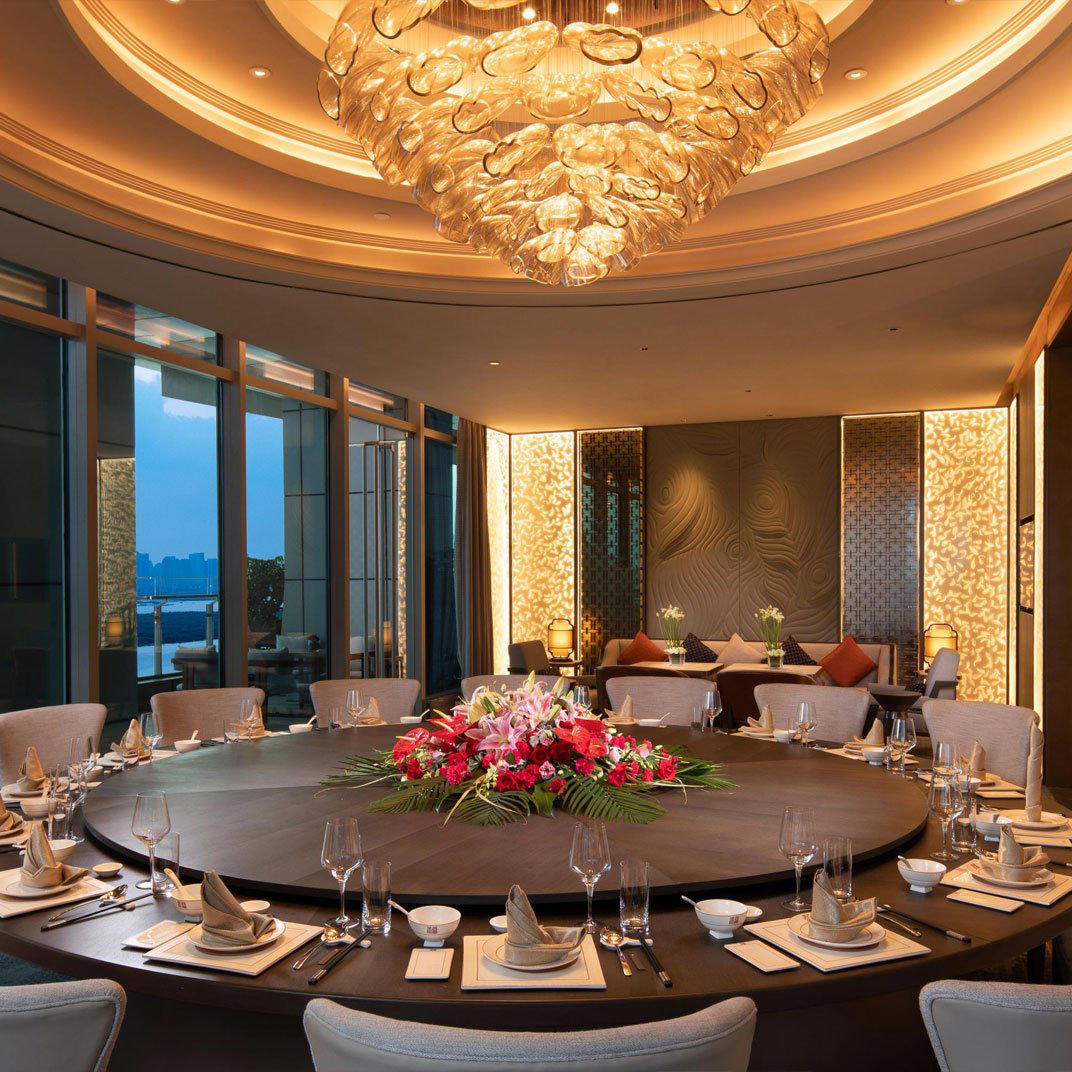
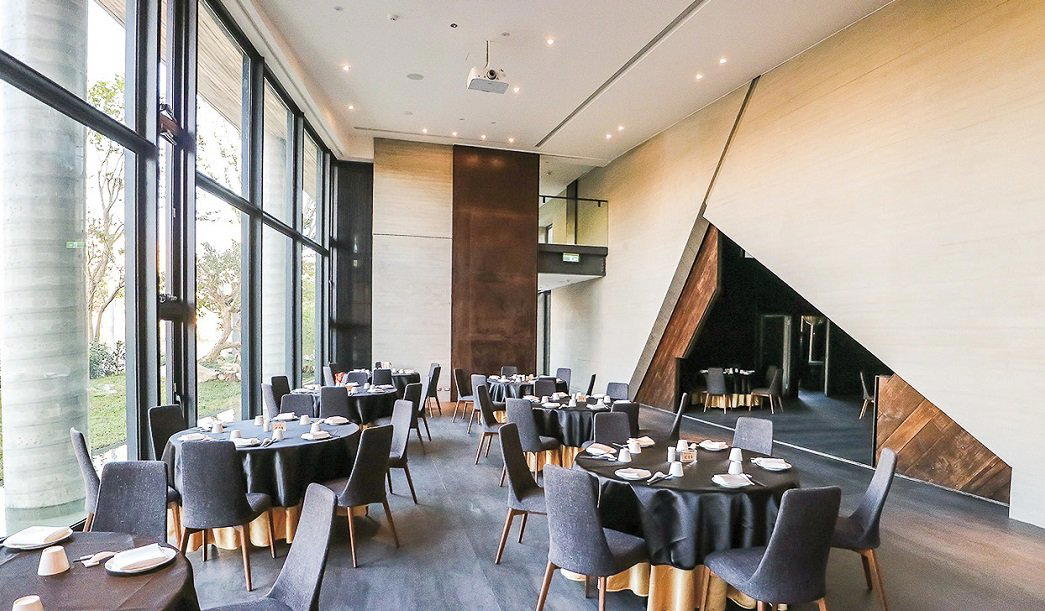
Dark wood finishes and painted tile flooring exude a retro vibe.
Know Before You Go
- Getting there
- Quanzhou, Fujian, China