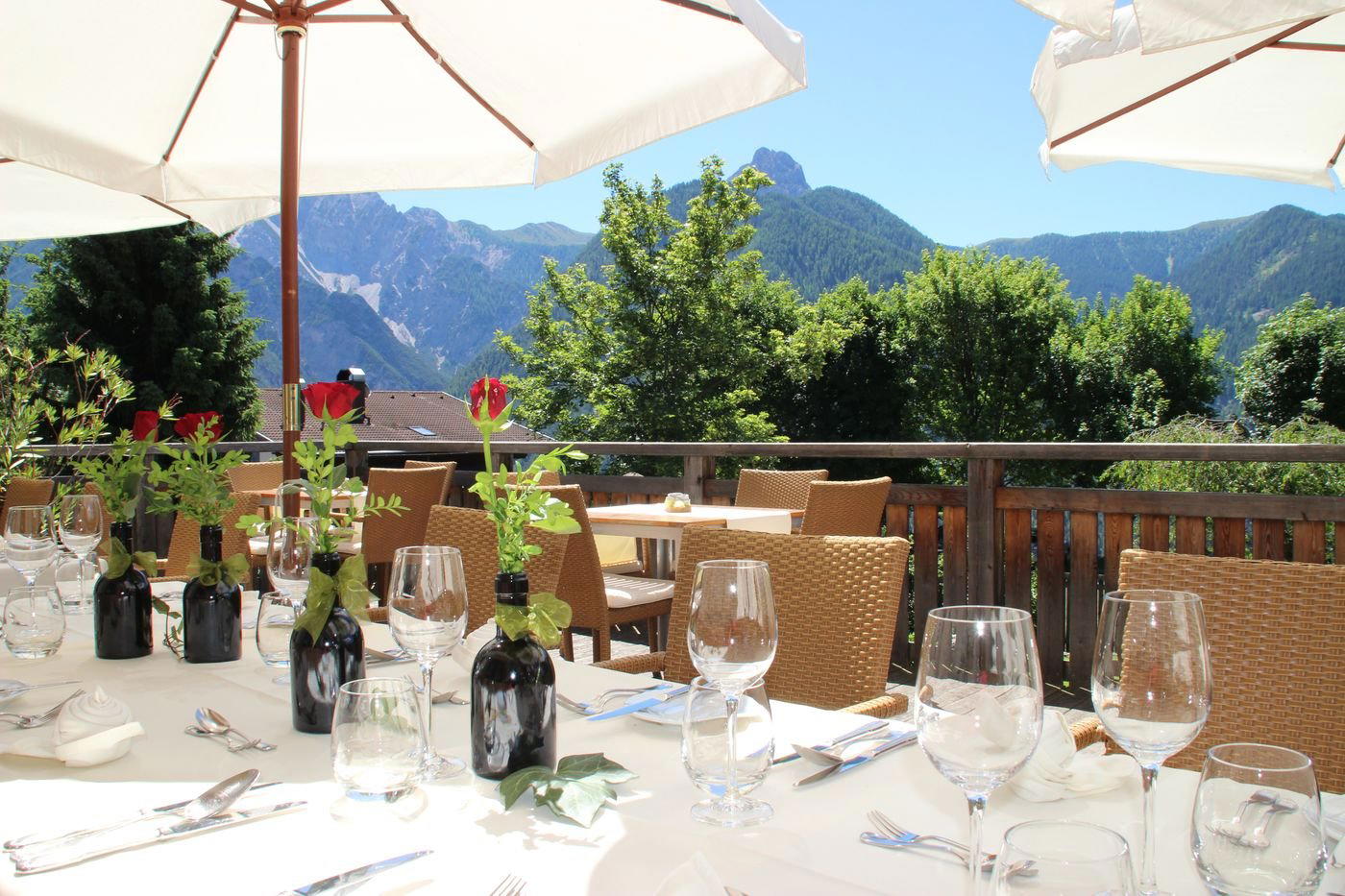
Zaine serves Traditional Italian Mountain Cuisine in a historic building in Sappada, with local sourcing, mountain views, and quiet casual service.
Pearl is the En Primeur Club membership app — saves, bookings, and concierge access live there. Same editors, same standards.
- Address
- Borgata Soravia, 32, 33012 Sappada UD, Italy
- Phone
- +393943566057
- Website
- agriturismozaine.it
- Directions
- Get directions
 Saves & bookings on Pearl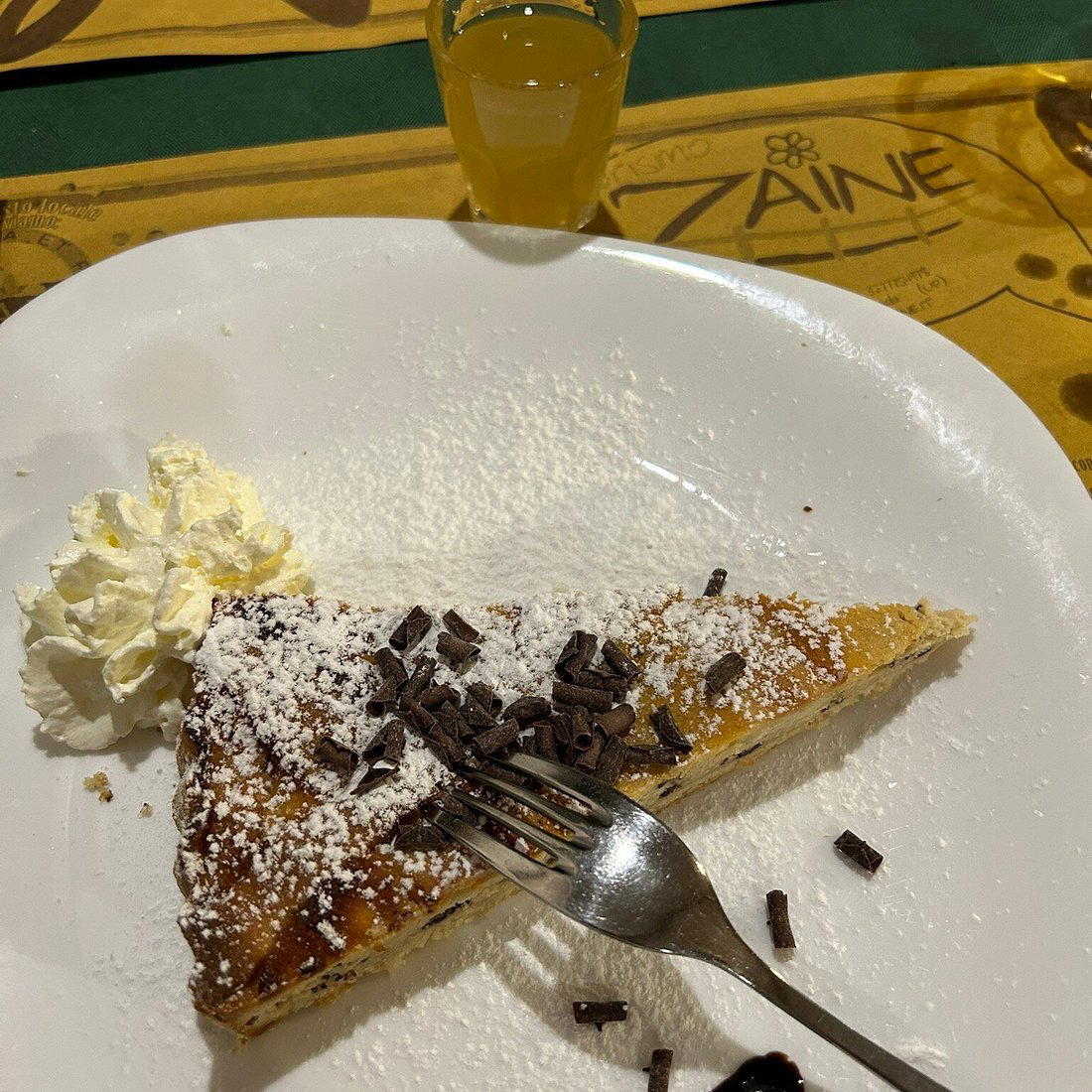
Where the Carnic Alps Set the Table
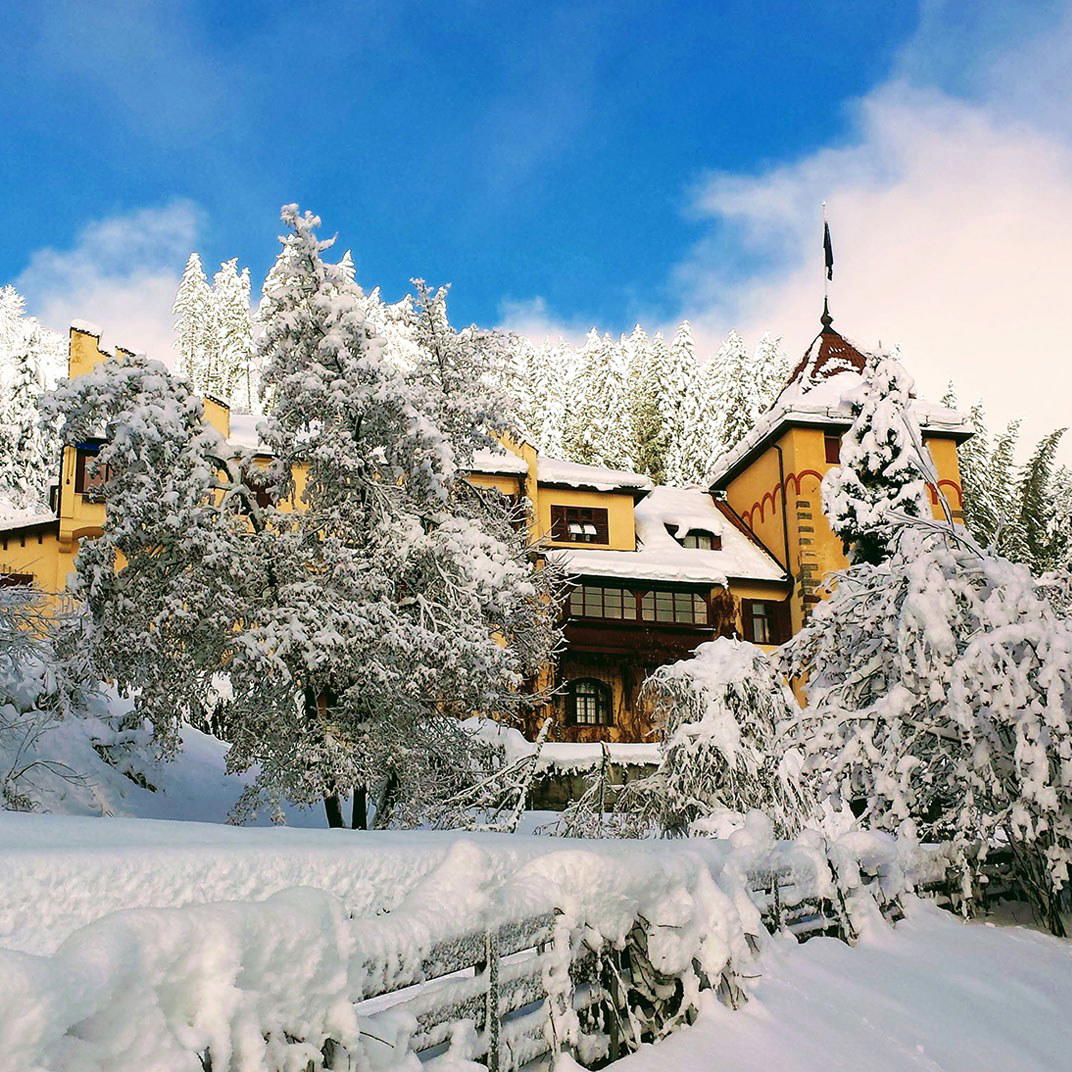
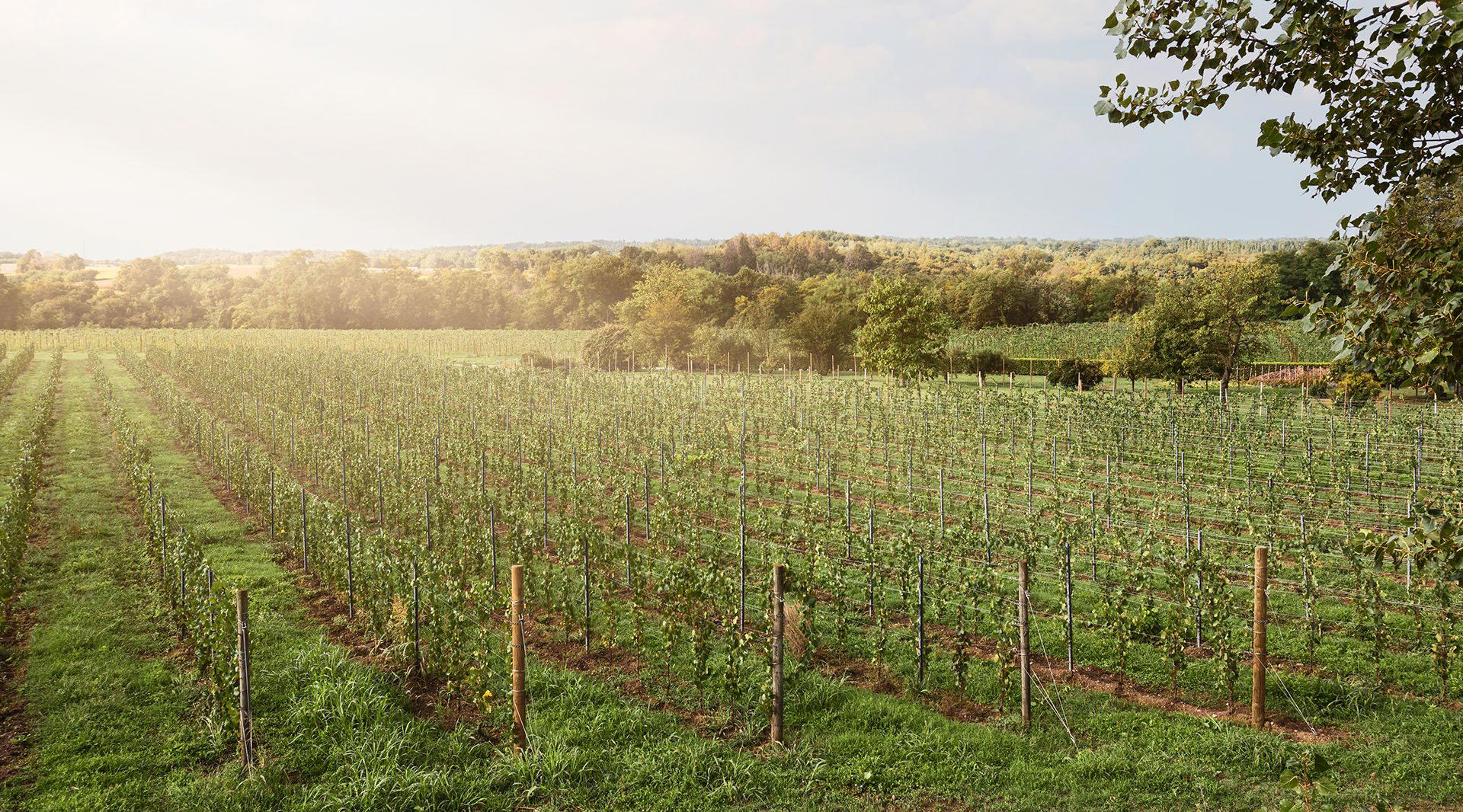
Sappada sits at the far northeastern edge of the Italian Dolomites, a village of scattered borgatas pressed against the Austrian border where the Piave river begins its long southern run. The air here is genuinely cold for most of the year, the growing season is short, and the cuisine that developed over centuries reflects both facts without apology. Arriving at Borgata Soravia, the oldest of Sappada's eleven historic hamlets, you feel the weight of that compressed geography: timber-framed buildings, narrow lanes, and a quietness that signals how far this place sits from the northern Italian cities most visitors think of when they think of serious dining. It is precisely that distance, and the sourcing discipline it demands, that defines what eating in this corner of Friuli-Venezia Giulia means at its most considered.
The Sourcing Argument for the High Carnic Alps
Across the Alpine arc, from the Südtirol restaurants gathered around Brunico (where Atelier Moessmer Norbert Niederkofler has made mountain-sourced ingredient discipline a formal program) to the quieter Carnic valleys of Friuli, a pattern holds: particularly interesting kitchens are the ones that treat their immediate geography as a constraint to work within rather than a limitation to import their way out of. At altitude, the pantry is smaller but more specific. Alpine herbs, mountain dairy, cured meats tied to local pig breeds, freshwater fish from cold rivers, and wild forage from surrounding forests produce a flavour register that has no convincing substitute from flatland suppliers. The short summer window in places like Sappada concentrates ingredients in ways that longer growing seasons do not.
Zaine, located in Borgata Soravia, operates inside that tradition. The address alone positions it within a dining culture shaped by Carnic and Ladinian food history, where smoked meats, barley soups, and aged dairy products have been table staples across generations. In the same cluster of villages, Laite has brought formal recognition to Sappada's dining scene, and Mondschein anchors the more traditional end of the local offer. Zaine sits within that local conversation, drawing on the same larder geography those neighbours work with.
Reading the Menu Through the Mountain Pantry
The ingredient logic of the Carnic Alps is not the same as that of Italy's better-publicised fine-dining regions. Coastal kitchens like Uliassi in Senigallia or Quattro Passi in Marina del Cantone build around Adriatic and Tyrrhenian seafood; urban powerhouses like Enrico Bartolini in Milan or Enoteca Pinchiorri in Florence access national and international supply chains that give their kitchens broad seasonal range. Mountain kitchens work differently. The constraint produces a different kind of menu: tighter in scope, more reliant on preservation techniques, and more legible as a record of place. Lard-enriched doughs, smoked trout from Alpine streams, cured speck, and mountain cheese boards are not pastoral affectations at this latitude; they are the honest expression of what grows and survives here.
For readers familiar with how destination restaurants at altitude construct their identity, consider the contrast with Reale in Castel di Sangro or Piazza Duomo in Alba, both of which translate strong regional ingredient traditions into formally structured tasting experiences. Sappada's scale is more intimate, and Zaine fits that register: a restaurant operating at village scale, in a hamlet with a documented history stretching back several centuries, where the sourcing story is inseparable from the architectural setting.
The Sappada Context: A Dining Scene Worth the Drive
Sappada is not a stop on any obvious Italian itinerary, which is both its limitation and its argument. The village is accessible from Udine in roughly ninety minutes by road, or from Venice in under two and a half hours, making it a viable day trip or short stay rather than a major detour. The majority of visitors arrive in winter for skiing or in summer for hiking, which means the restaurant season tracks those peaks. Visiting outside those windows typically means reduced hours or closure across the village's dining establishments, so timing matters.
Within Italy's broader fine-dining geography, the northeast is less discussed than Emilia-Romagna, where Osteria Francescana in Modena and Dal Pescatore in Runate anchor one of Europe's most recognised restaurant corridors, or Lombardy, where Da Vittorio in Brusaporto represents a different model of high-investment family dining. Friuli-Venezia Giulia's restaurant culture is quieter and less internationally promoted, which is why addresses in Sappada, including Laite and the handful of smaller operators around it, attract a specific kind of traveller: one who is already oriented toward the Dolomites, already interested in Alpine food traditions, and willing to put in the road time.
Practical Planning
Zaine's address in Borgata Soravia puts it among Sappada's most historically intact borgatas, a short distance from the village centre. Given Sappada's scale, all of the village's main restaurants are reachable on foot or by a brief drive. the safest approach is to arrive in Sappada and make contact directly, or to ask your accommodation to confirm current opening status before you travel. Sappada's visitor season has clear peaks in December through March and July through August, when the bulk of the village's restaurant capacity is reliably operational. Visitors planning a broader Dolomites itinerary might also consider Casa Perbellini 12 Apostoli in Verona or Le Calandre in Rubano for the Veneto leg of that circuit, with La Pergola in Rome or Le Bernardin in New York City and Atomix in New York City representing entirely different poles of the high-end dining spectrum for those planning onward trips.
Comparable Venues
Comparable venues nearby, for context on price, style, and recognition.
| Venue | Cuisine | Price | Awards | Notes |
|---|---|---|---|---|
| ZaineThis venue — the venue you are viewing | Traditional Italian Mountain Cuisine | $$ | Not listed | Not listed |
| Mondschein | Modern Alpine Italian | $$$$ | Michelin Plate | Sappada |
| Laite | Michelin-Starred Friulian Mountain Cuisine | $$$ | Michelin 1 Star | Sappada |
| Trota Blu | Italian Seafood with Trout Specialties | $$ | Not listed | Caneva |
| Trattoria Ca' D'Oro - Cucina Tipica Veneziana | Traditional Venetian Trattoria | $$ | Not listed | Cannaregio |
| Osteria Solder | Friulian Osteria with Seasonal Twists | $$ | Not listed | Corno di Rosazzo |
Continue exploring
More in Sappada
Restaurants in Sappada
Browse all →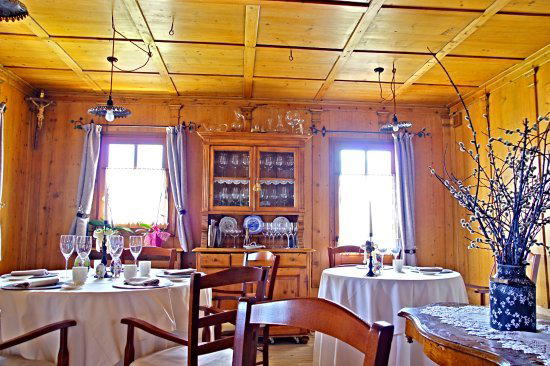
Bars in Sappada
Browse all →
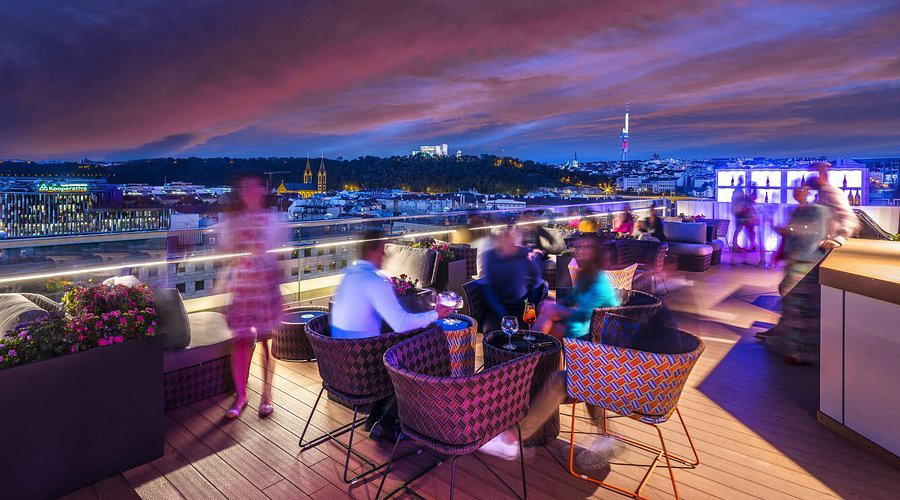
Hotels in Sappada
Browse all →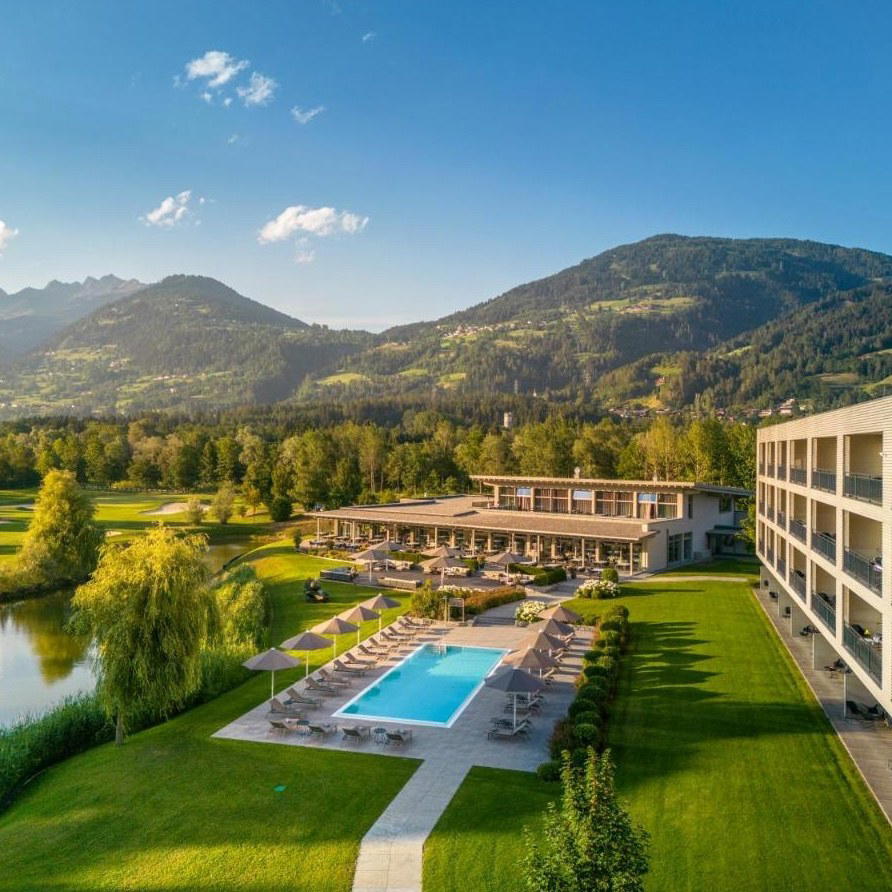
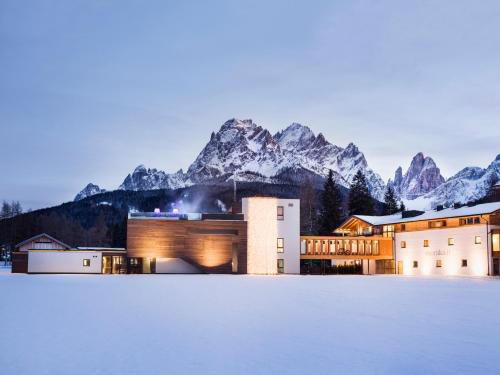
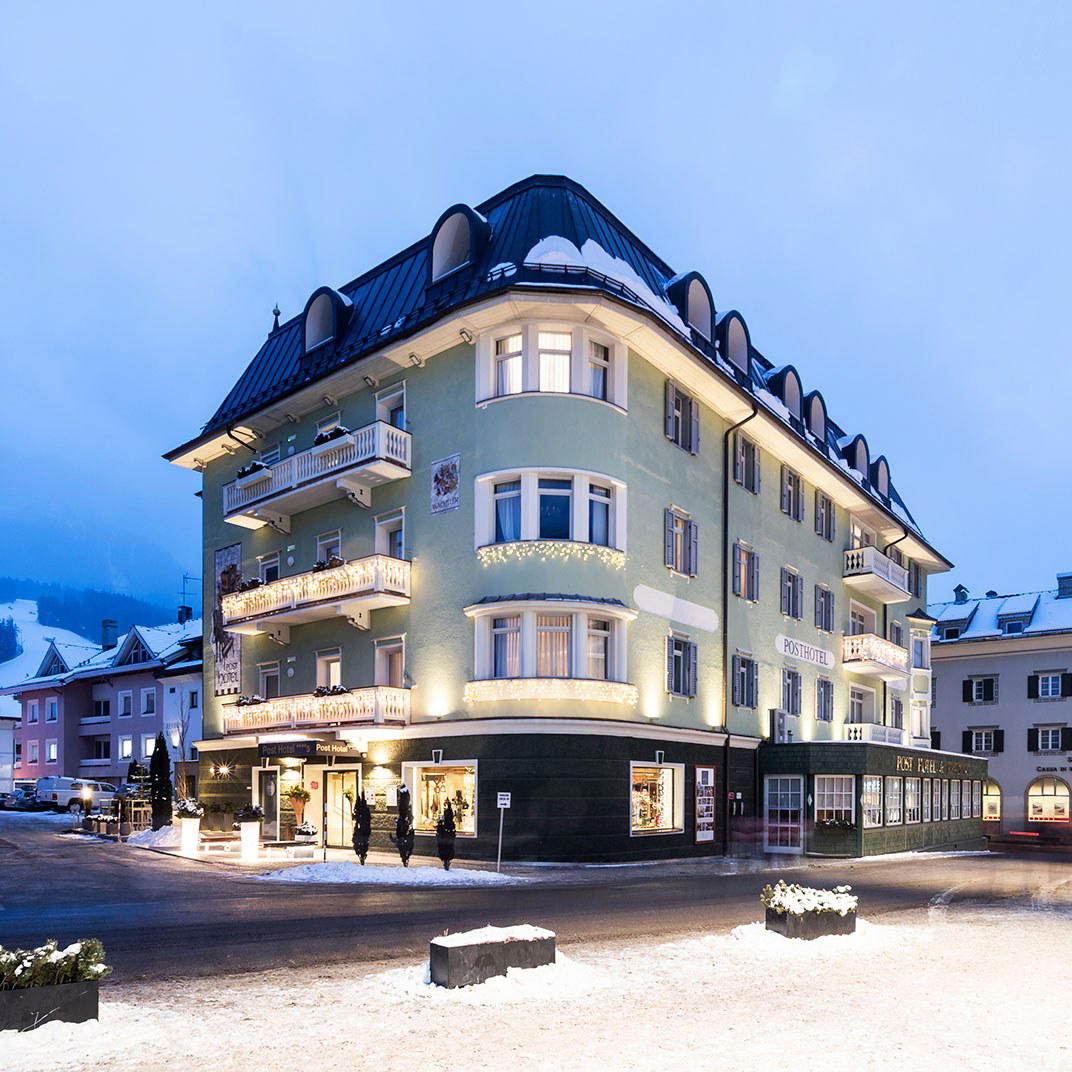

At a Glance
- Cozy
- Rustic
- Quiet
- Family
- Casual Hangout
- Historic Building
- Standalone
- Local Sourcing
- Mountain
Quiet, casual, and rustic, with a traditional mountain-lodge feel.