
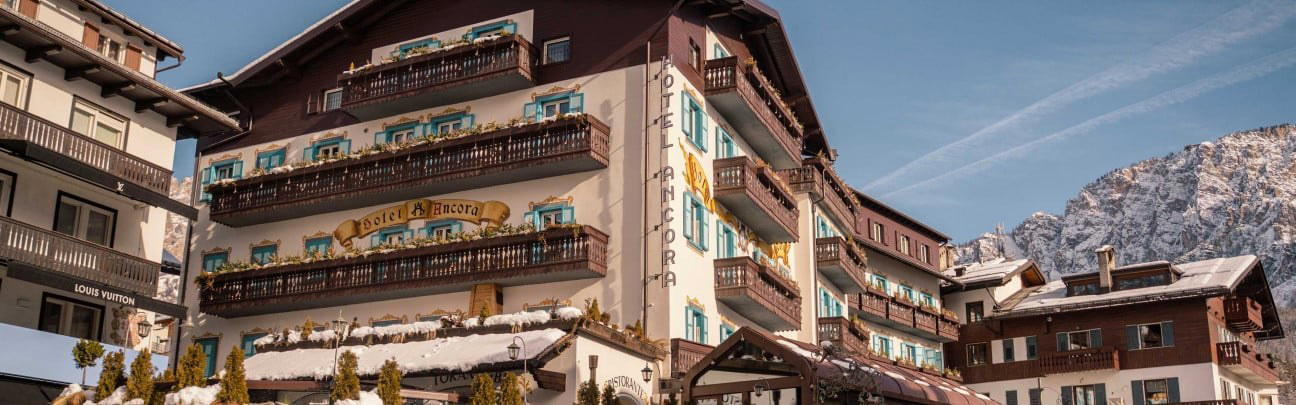
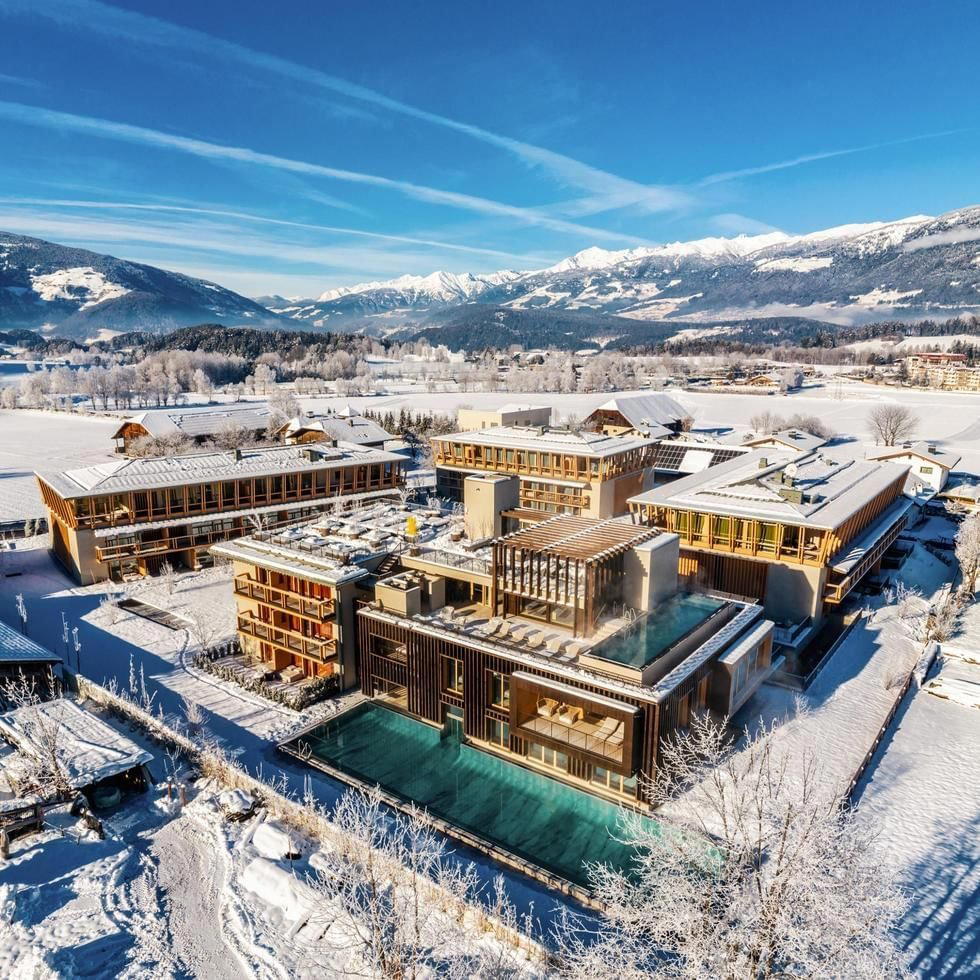
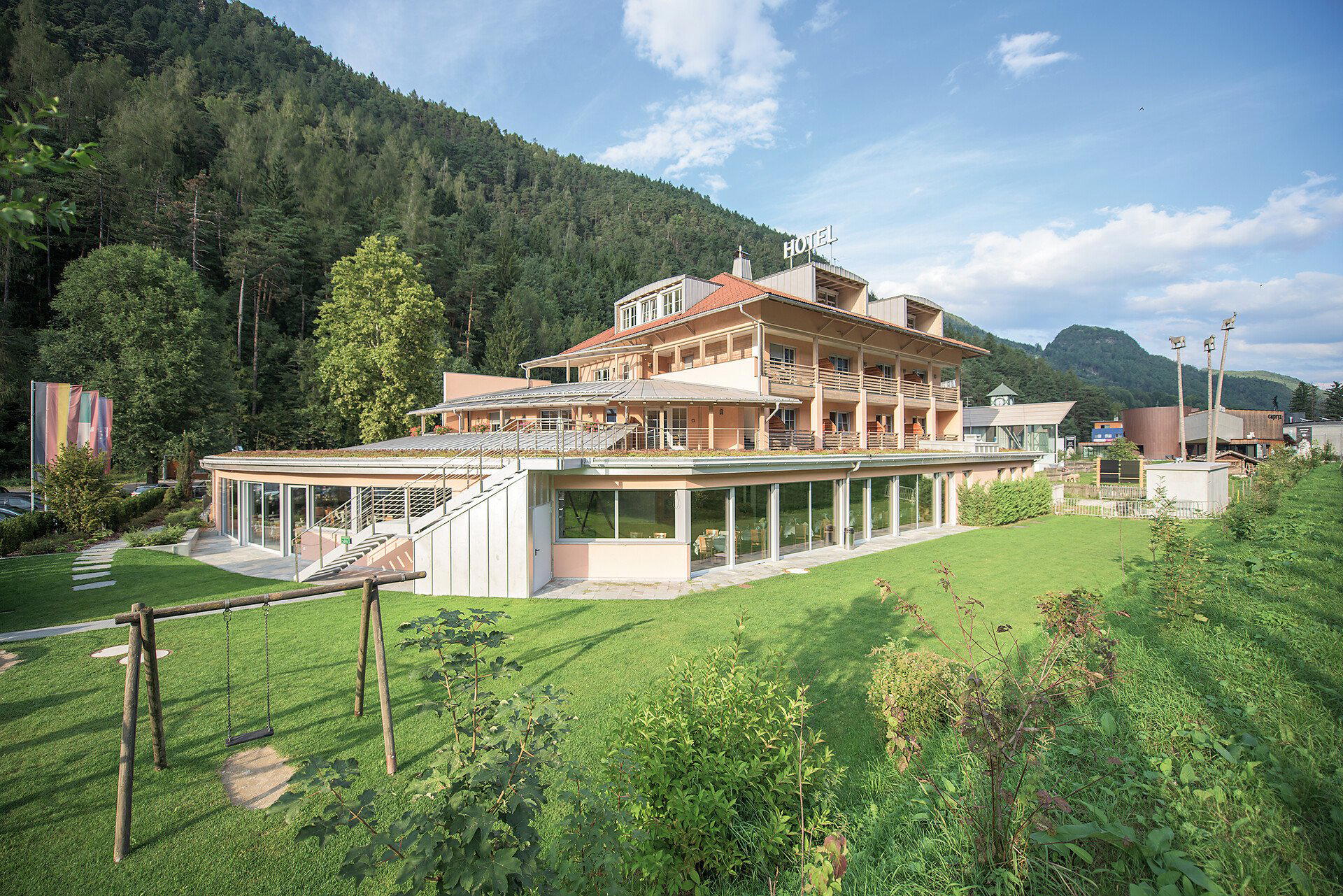
A Michelin Selected château property in the South Tyrolean Dolomites, Valcastello combines castle architecture with a polo club setting at Toblach, one of the Alto Adige's most scenically positioned villages. The combination of heritage built fabric, Alpine terrain, and equestrian facilities places it in a niche tier of Italian country-house hotels where sport, landscape, and architectural character converge.
Pearl is the En Primeur Club membership app — saves, bookings, and concierge access live there. Same editors, same standards.
- Address
- Via Valcastello, 15, 39034 Toblach (BZ), Italy
- Phone
- +39 335 227 536
- Website
- valcastello.com
 Saves & bookings on Pearl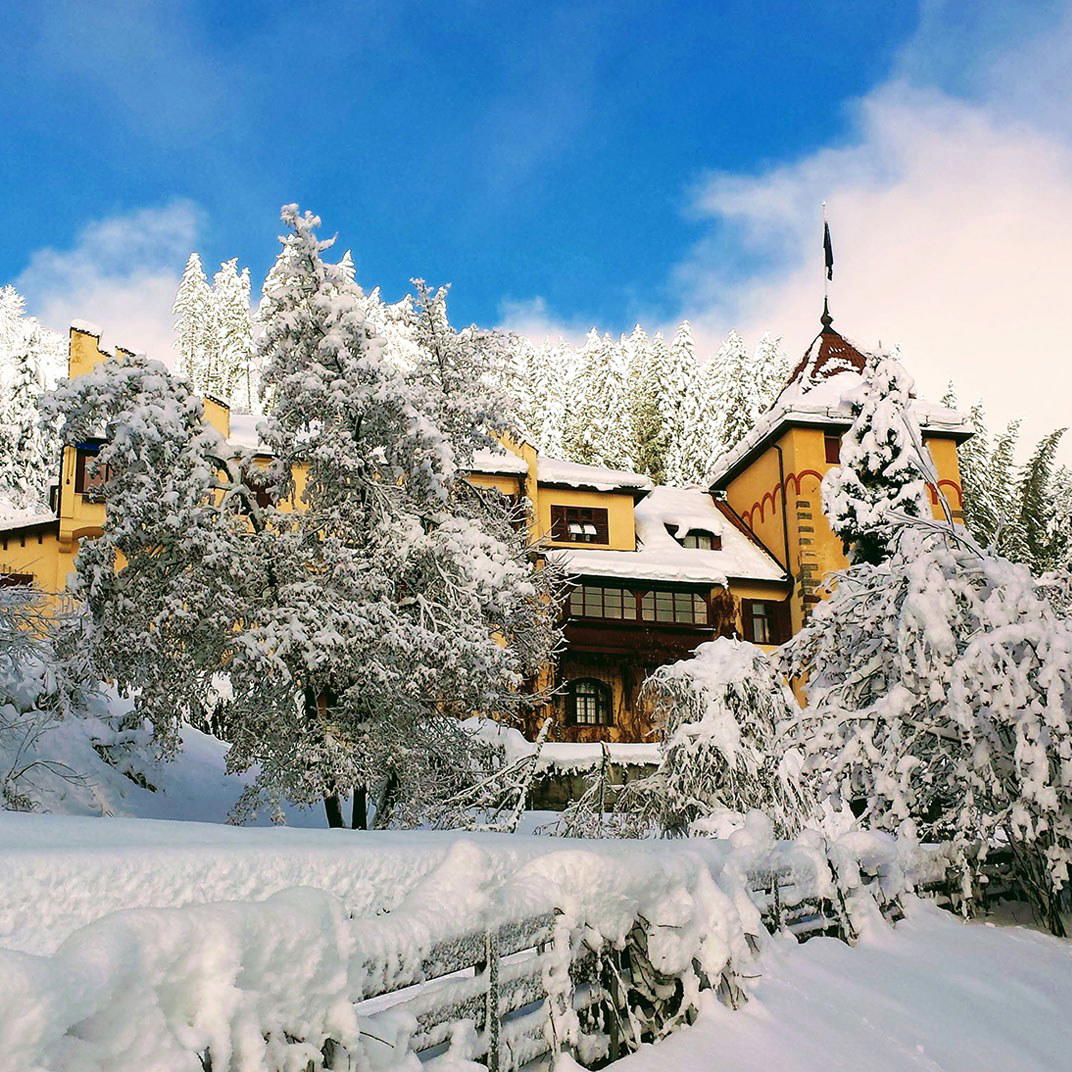
Stone, Scale, and the Dolomite Backdrop
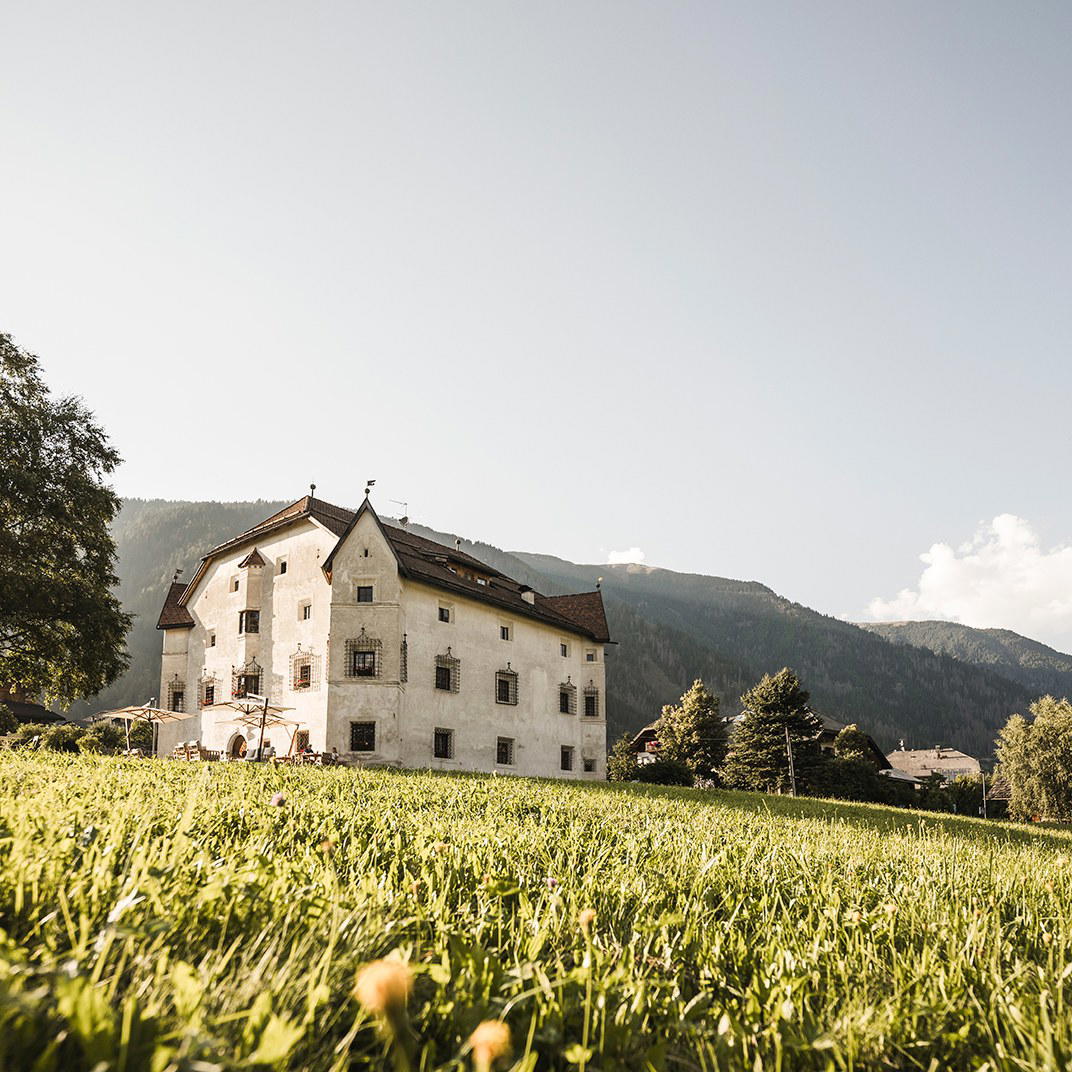
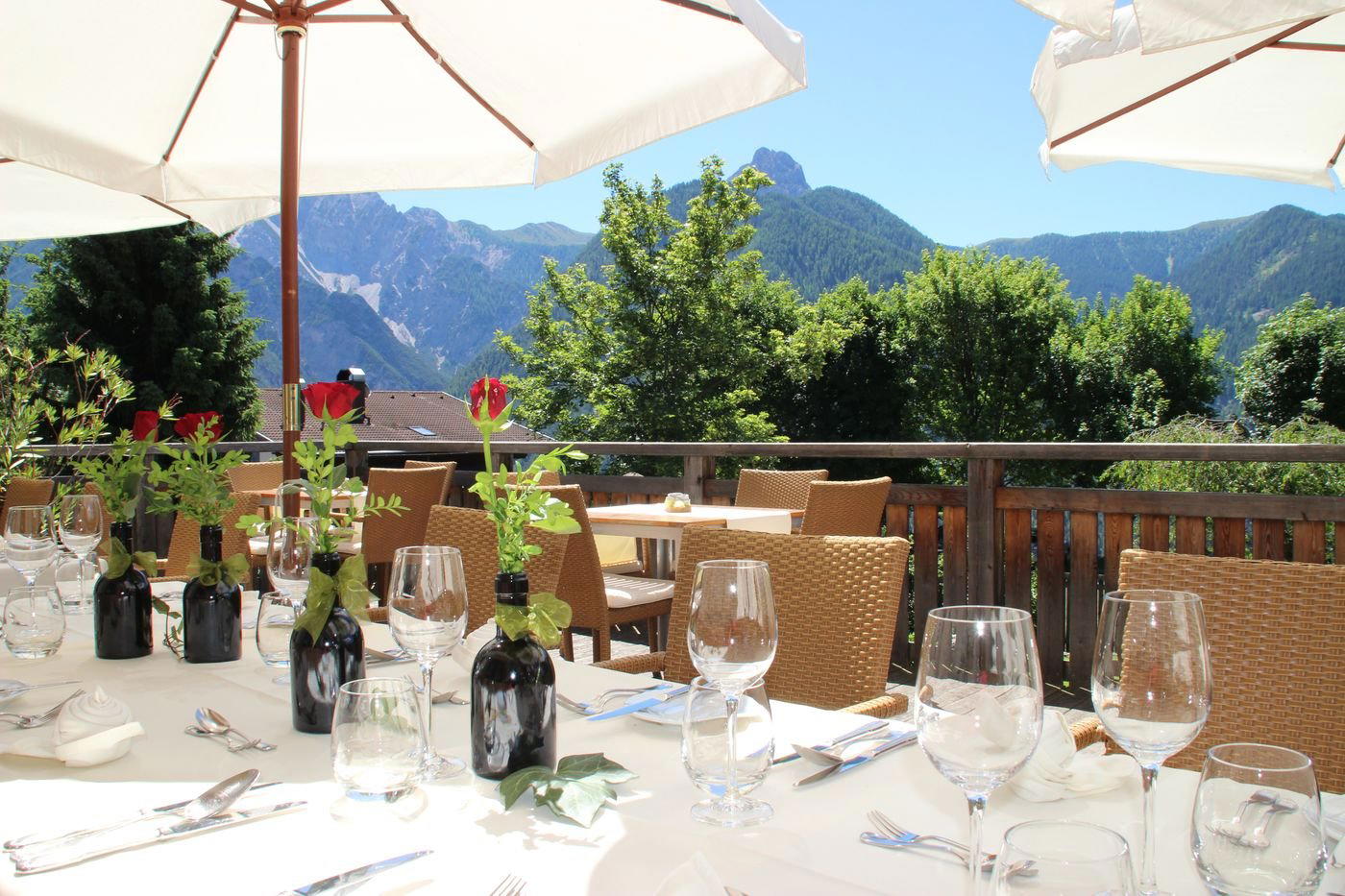
There is a particular category of Alpine property that earns its place not through amenity lists but through sheer physical presence. Valcastello Dolomite Château & Polo Club, addressed at 15 Costanosellari in Toblach, belongs to that category. Approaching the property, the château form asserts itself against a backdrop that the Dolomites supply with an almost theatrical generosity: pale limestone towers catching afternoon light, forested ridgelines at altitude, and the particular quality of air that sits above 1,200 metres in the Puster Valley. These are not incidental conditions. For a château property, this setting is load-bearing architecture in its own right.
Toblach sits at the northern end of Alto Adige, administratively Italian but culturally and linguistically shaped by its proximity to Austria. The village served as a significant rail junction in the late Habsburg era, and that layered identity, Central European in character, Italian in jurisdiction, runs through the built environment here in ways that distinguish it from the lake-country estates further south. Properties in this part of the Dolomites occupy a different frame than urban luxury hotels like Aman Venice or Bulgari Hotel Roma; the comparison is not urban luxury but Alpine heritage, where the landscape itself functions as primary infrastructure.
The Architecture as Argument
Château typology in the Alpine context carries specific design obligations that the Mediterranean castle tradition does not. The steep pitches, the tower profiles, the relationship between solid masonry wall and punched window opening, these elements respond to snow load, to cold, and to a tradition of fortified agricultural holdings that predates the region's tourism economy by centuries. Valcastello's designation as a château property signals that it operates within that tradition rather than importing a foreign aesthetic onto mountain terrain.
The physical logic of these buildings tends toward vertical organisation: reception and public rooms at ground level, accommodation arranged on the floors above, with the tower elements providing a spatial hierarchy that no amount of contemporary design intervention fully displaces. Where château conversions succeed as hospitality properties, it is usually because the operators have worked with that hierarchy rather than against it, preserving the ceremonial scale of principal rooms while engineering the private spaces for contemporary thermal comfort. In the Dolomites, where winters arrive early and the heating demands on historic masonry are significant, that engineering is not cosmetic.
For guests who have stayed at comparably positioned heritage properties elsewhere in northern Italy, such as Castel Fragsburg in Merano or Castello di Reschio in Lisciano Niccone, the frame of reference will be familiar: the tension between conservation imperative and comfort expectation, and the ways in which the leading operators resolve it.
The Polo Club Dimension
The polo club designation is the element that separates Valcastello from the broader inventory of Dolomite château conversions. Polo at altitude is not a common configuration. The sport demands specific terrain, level ground of sufficient acreage, suitable footing, and stabling infrastructure, conditions that the Puster Valley can accommodate where the valley floor is wide enough. Adding an equestrian and polo dimension to a château property does something particular to the guest profile it attracts: it signals a clientele that travels with sporting purpose rather than purely recreational passivity, and it creates a distinct competitive identity in a region where the broader hospitality offer is weighted toward hiking, cycling, and spa formats.
The combination of heritage architecture and active equestrian programme places Valcastello in an informal European peer group that includes properties like Borgo Egnazia in Puglia, properties where a defined sporting or cultural activity shapes the property's identity as much as the accommodation itself. It is a format that tends to generate repeat visits, because the activity provides structure across multiple stays.
Michelin Selection and What It Signals
Valcastello holds a MICHELIN Selected designation in the Michelin Hotels & Stays guide for 2025, a trust signal worth unpacking in context. Michelin's hotel selection, distinct from its restaurant star system, identifies properties that meet a threshold of quality across accommodation, setting, and character. Selection does not imply the same evaluation depth as a restaurant star, but it does mean the property has been assessed and judged to clear a standard that a meaningful proportion of the regional inventory does not.
In the context of Toblach and the broader Puster Valley, Michelin Selection positions Valcastello in the upper tier of local accommodation. The valley has no shortage of competent mountain hotels, but the château format combined with equestrian programming represents a specific investment in distinctive character that Michelin's editorial team evidently weighted. For travellers cross-referencing with Bellevue Hotel & Spa in Cogne or Castel Fragsburg in Merano, the Michelin Selected signal provides a common calibration point across different Alpine sub-regions.
Placing Toblach in the Dolomite Itinerary
Toblach's position at the junction of the Puster Valley and the Val di Landro makes it a natural staging point for any serious engagement with the Dolomites. The Tre Cime di Lavaredo, arguably the most photographed mountain formation in the Alps, lies approximately 14 kilometres to the east, close enough for a dawn departure by car or, in summer, by bicycle along the valley cycle path. The lakes of Toblach and Dobbiaco add a lower-altitude dimension that is useful in high summer when the passes above 2,000 metres become crowded.
For guests constructing a multi-property northern Italian itinerary, Toblach connects logically to Merano to the west and to the Cortina d'Ampezzo basin to the south. The rail connection via the Puster Valley line links the village to Innsbruck in one direction and to Fortezza (for Bolzano connections) in the other, making car-free arrival more practical than at many comparable Alpine properties. Our full Toblach restaurants guide covers the dining options around the village in detail, a useful complement to in-property dining, particularly for guests staying multiple nights.
Planning a Stay
For those assembling an itinerary across northern Italy's heritage properties, Valcastello competes for a specific slot: the Alpine château with equestrian character that neither the lake-country properties (Il Sereno in Torno, Grand Hotel Tremezzo) nor the Tuscan estate hotels (Rosewood Castiglion Del Bosco, Borgo San Felice Resort) can replicate. The Dolomite season runs most actively from late June through September for summer programming, and from December through March for winter access to the skiing in the Alta Pusteria area. Shoulder months, May and October, offer the landscape in quieter conditions and typically better availability at premium properties across the region. Advance reservation for peak summer and ski-season weeks is advisable. Contacting the property directly via its address at 15 Costanosellari, Toblach, is the appropriate starting point for reservation enquiries.
Other Italian Properties Worth Considering
If Valcastello's Dolomite setting and architectural character align with your travel priorities, several other Italian properties in EP Club's coverage address related appeals from different geographic positions: Casa Maria Luigia in Modena for a villa format in the Po Valley, Four Seasons Hotel Firenze for a palace conversion in an urban context, Borgo Santandrea on the Amalfi Coast for a coastal counterpoint, Il Pellicano in Porto Ercole for the Tuscan coast, Passalacqua in Moltrasio for Lake Como heritage, and Portrait Milano for a design-led city option. Further afield, Savoia Excelsior Palace Trieste covers the northeast corner of Italy from a grand-hotel rather than château perspective.
A Quick Peer Check
Comparable venues nearby, for context on price, style, and recognition.
| Venue | Cuisine | Price | Awards | Notes |
|---|---|---|---|---|
| Valcastello Dolomite Château & Polo ClubThis venue — the venue you are viewing | 19th-century alpine chateau with polo club | $$$$ | , | |
| Torre di Moravola | Medieval watchtower converted into contemporary luxury retreat | $$$$ | , | Montone |
| Principe di Salina | barefoot luxury | $$$$ | , | Malfa |
| Poggio Piglia | Cultured contemporary Tuscan casale in bucolic countryside setting | $$$$ | , | Macciano |
| Felder Alpin Lodge | Restored 11th-century Alpine farmhouse with modern luxury | $$$$ | Villanders | |
| Tenuta Cammarana | Historic 18th-century neo-baroque farmhouse elegantly restored as an aristocratic country retreat. | $$$$ | , | Ragusa Ibla |
At a Glance
- Elegant
- Scenic
- Classic
- Quiet
- Rustic
- Romantic Getaway
- Family Vacation
- Group Retreat
- Weekend Escape
- Historic Building
- Panoramic View
- Terrace
- Golf Course
- Wifi
- Sauna
- Fitness Center
- Room Service
- Concierge
- Tennis Court
- Polo Field
- Mountain
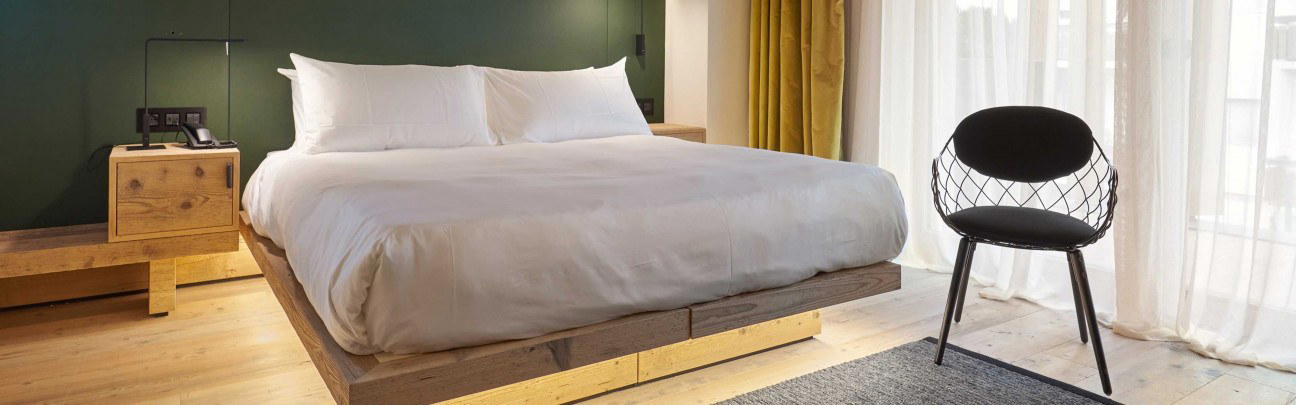
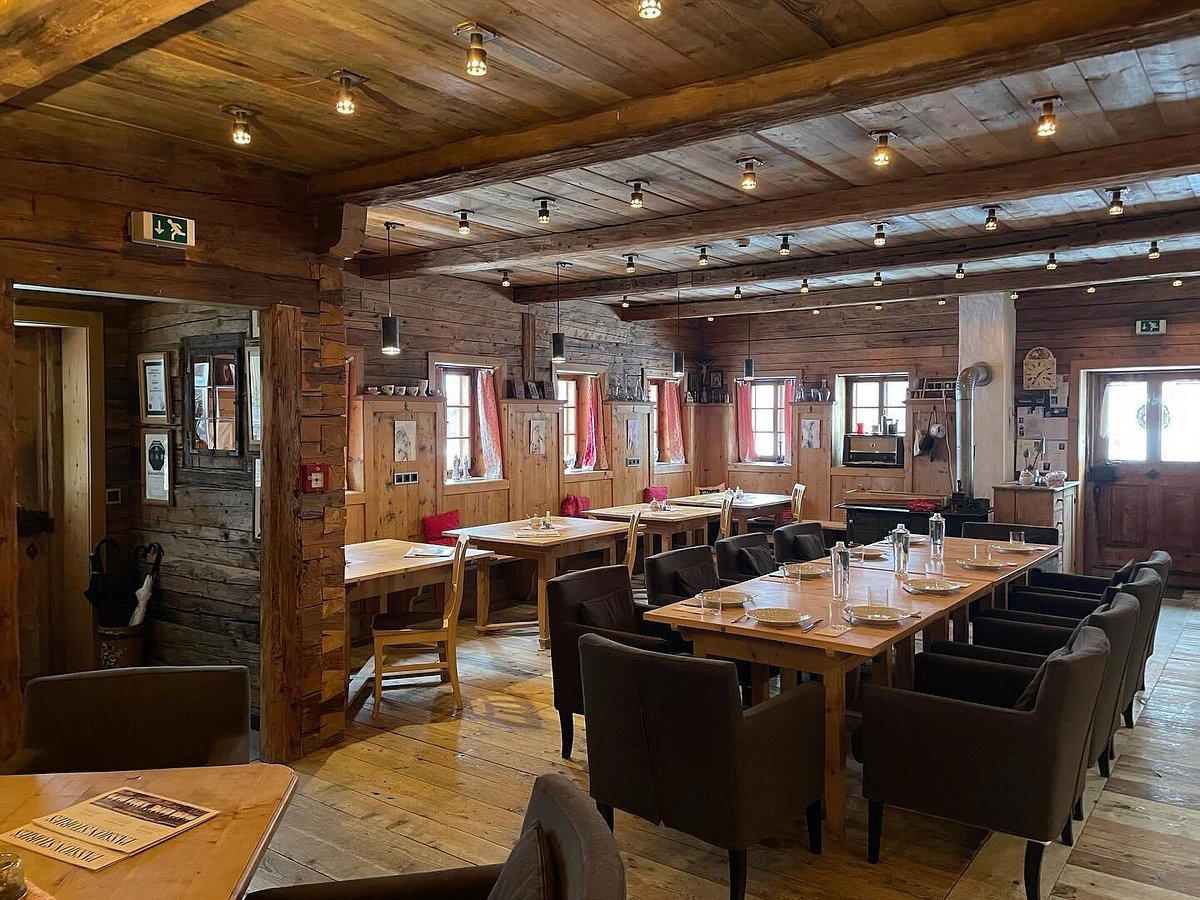
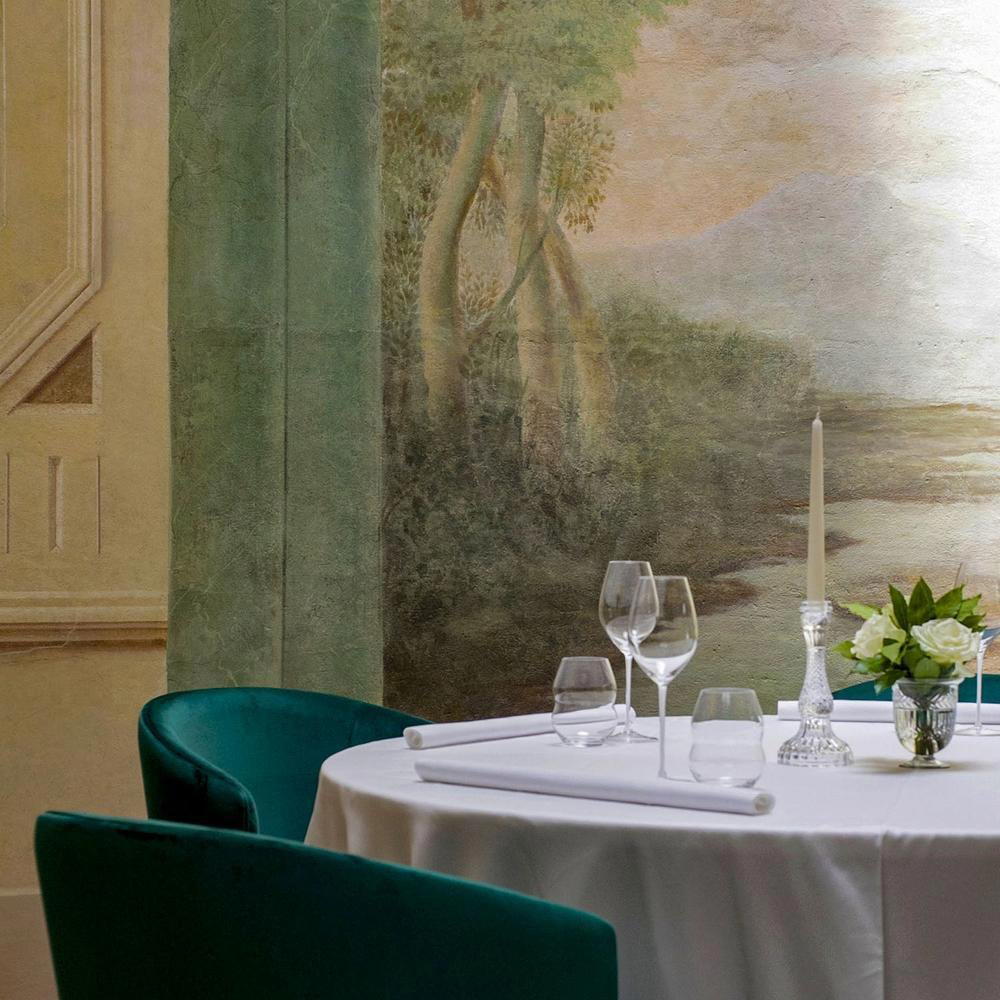
Elegant 19th-century chateau with timeless charm, antique furnishings, laidback hunting lodge feel, and peaceful alpine surroundings.