Scherer

Michelin Bib Gourmand
Our verdict
Scherer has held the Michelin Bib Gourmand in both 2024 and 2025, a signal that serious regional cooking is happening in one of Austria's most remote Alpine villages. For anyone moving through East Tyrol, it belongs in the planning.

Pearl is the En Primeur Club membership app — saves, bookings, and concierge access live there. Same editors, same standards.
- Address
- Dorf 145, 9942 Obertilliach, Austria
- Phone
- +43 4847 20000
- Website
- almfamilyhotel.com
- Directions
- Get directions
- Booking
- Book on the venue's website
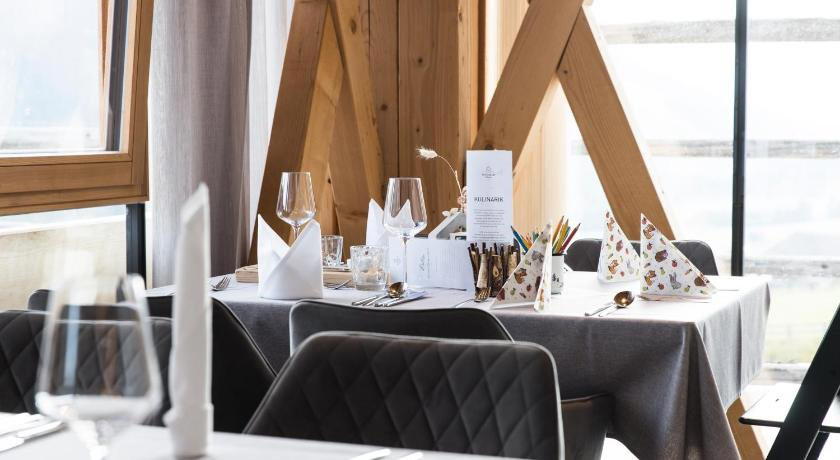
Where East Tyrol's Altitude Meets Regional Conviction
Obertilliach sits at the far eastern edge of Tyrol, a village that most Austrian itineraries skip entirely on the route between Lienz and the Carnic Alps. The built environment is spare and functional in the way of high-altitude farming settlements: pitched roofs, weathered timber, a church, and the kind of quietness that urban visitors find either restorative or disorienting depending on their disposition. It is in this context that Scherer, at Dorf 145, operates — not as a destination restaurant transplanted into a scenic backdrop, but as something that reads as genuinely of its place. That distinction matters when assessing what the Michelin Bib Gourmand recognition, awarded in both 2024 and 2025, actually means here.
The Bib Gourmand is Michelin's marker for kitchens delivering quality above the price band, and its presence in a village of this scale and remoteness is not routine. Austria's Bib Gourmand list skews toward accessible towns and ski-resort perimeters. Receiving the award two consecutive years in Obertilliach positions Scherer in a small cohort of rural Austrian kitchens where the inspector's visit is itself a statement about the seriousness of what's being cooked. For context on what the broader Austrian fine-dining tier looks like, compare the €€€€ positioning of destinations like Steirereck im Stadtpark in Vienna or Döllerer in Golling an der Salzach — Scherer's €€ price point occupies a fundamentally different tier, and the Bib Gourmand confirmation that quality is present at that tier is the whole point.
Regional Cuisine in the East Tyrol Tradition
Austrian regional cooking in the eastern Alpine corridor draws from a larder shaped by altitude and seasonality: game, dairy from mountain pastures, foraged ingredients tied to short growing windows, and grain traditions that predate industrial supply chains. The cuisine at Scherer sits within this framework, and the regional designation is not a marketing shorthand but a description of sourcing logic and menu architecture. Kitchens working in this mode tend to resist the abstraction that characterises Austria's leading creative tier, places like Ikarus in Salzburg or Kräuterreich by Vitus Winkler in Sankt Veit im Pongau, in favour of legible, place-specific cooking that communicates its geography on the plate.
Chef Josh Scherer leads the kitchen. The name itself carries the same weight as the village address, suggesting a generational or deeply rooted relationship with the site rather than the peripatetic career arc common among Austria's more internationally profiled chefs. In the East Tyrol context, where restaurants at this recognition level are sparse, a kitchen anchored to its location rather than a resort circuit has a different kind of staying power. Comparable examples of this regional-anchoring approach in the Austrian Alps include Gannerhof in Innervillgraten, also in East Tyrol, and Obauer in Werfen, where family continuity and regional identity have produced decades of consistent recognition.
How Scherer Sits Within the Austrian Alpine Dining Circuit
Austria's premium Alpine dining scene concentrates heavily in the western ski resorts, Griggeler Stuba in Lech, Stüva in Ischgl, Gourmetrestaurant Tannenhof in Sankt Anton am Arlberg, where affluent seasonal tourism funds the infrastructure for high-end covers. East Tyrol operates outside that economy. The visitor base is smaller, the tourism infrastructure less developed, and the restaurants that earn recognition do so without the revenue cushion of a ski-season rush at €€€€ price points.
This shapes what the Bib Gourmand signals at Scherer specifically. The award is not decorating a venue that already had a captive premium market. It is recognising a kitchen working within the real economic constraints of a remote Austrian village and still producing food that Michelin's inspectors found worth returning to assess in consecutive years. For comparison, consider how similar regional-anchoring plays out in a different geography at Fahr in Künten-Sulz.
Scherer's natural peer comparison is not the Austrian fine-dining canon, not Schwarzer Adler in Hall in Tirol or Restaurant 141 by Joachim Jaud in Mieming or Ois in Neufelden, but the smaller cluster of Bib Gourmand-holding regional kitchens in remote Alpine settings where the cuisine is fundamentally tied to its territory. In that cohort, what distinguishes a kitchen is the consistency and specificity of its regional sourcing, and the degree to which the menu shifts with the seasons and the available larder rather than holding a fixed repertoire year-round.
Austria does not have a large number of restaurants earning Bib Gourmand recognition in villages at this altitude and this degree of geographic isolation. The recognition at Scherer over two consecutive years suggests not a fortuitous inspection visit but a kitchen that has built the operational discipline to maintain standards without the stabilising effect of high-traffic covers or a well-funded hotel group behind it.
Planning a Visit
Obertilliach is accessible by road from Lienz, the nearest significant town in East Tyrol, and represents a deliberate drive rather than an incidental stop. That means a visit to Scherer works well when built into a broader East Tyrol itinerary rather than treated as a standalone trip from a major Austrian city. For those planning time in the region, our full Obertilliach restaurants guide covers the wider dining picture, while accommodation options are outlined in our full Obertilliach hotels guide. If you are planning a broader visit to the area, our Obertilliach bars guide, wineries guide, and experiences guide fill out the picture.
Scherer operates at the €€ price point, which by Austrian standards represents accessible value, particularly against the Bib Gourmand credential. Given the village's remote position, advance planning is advisable; this is not a walk-in dining culture in the way of a city neighbourhood restaurant. Booking ahead and confirming hours directly with the venue is the standard approach for any serious visit to a kitchen at this recognition level operating outside a resort infrastructure.
Frequently asked questions
What's the price range at Scherer?
Pricing at Scherer is listed as €€.
How It Stacks Up
| Venue | Cuisine | Awards |
|---|---|---|
| SchererThis venue — the venue you are viewing | Austrian Alpine Dining | Michelin Bib Gourmand |
| Steirereck im Stadtpark | Creative | Michelin 3 Star |
| Döllerer | Contemporary Austrian, Innovative | Michelin 2 Star |
| Ikarus | Modern European, Creative | Michelin 2 Star |
| Mraz & Sohn | Modern Austrian, Creative | Michelin 2 Star |
| Obauer | Classic Cuisine | Michelin 2 Star |
Recognition history
Dated appearances from independent guides and award organizations, with the underlying list record or original source where available.
Michelin Bib Gourmand
Michelin
Full recognition history (3 entries)
Michelin Bib Gourmand
Michelin
Michelin Bib Gourmand
Michelin
Continue exploring
More in Obertilliach
Restaurants in Obertilliach
Browse all →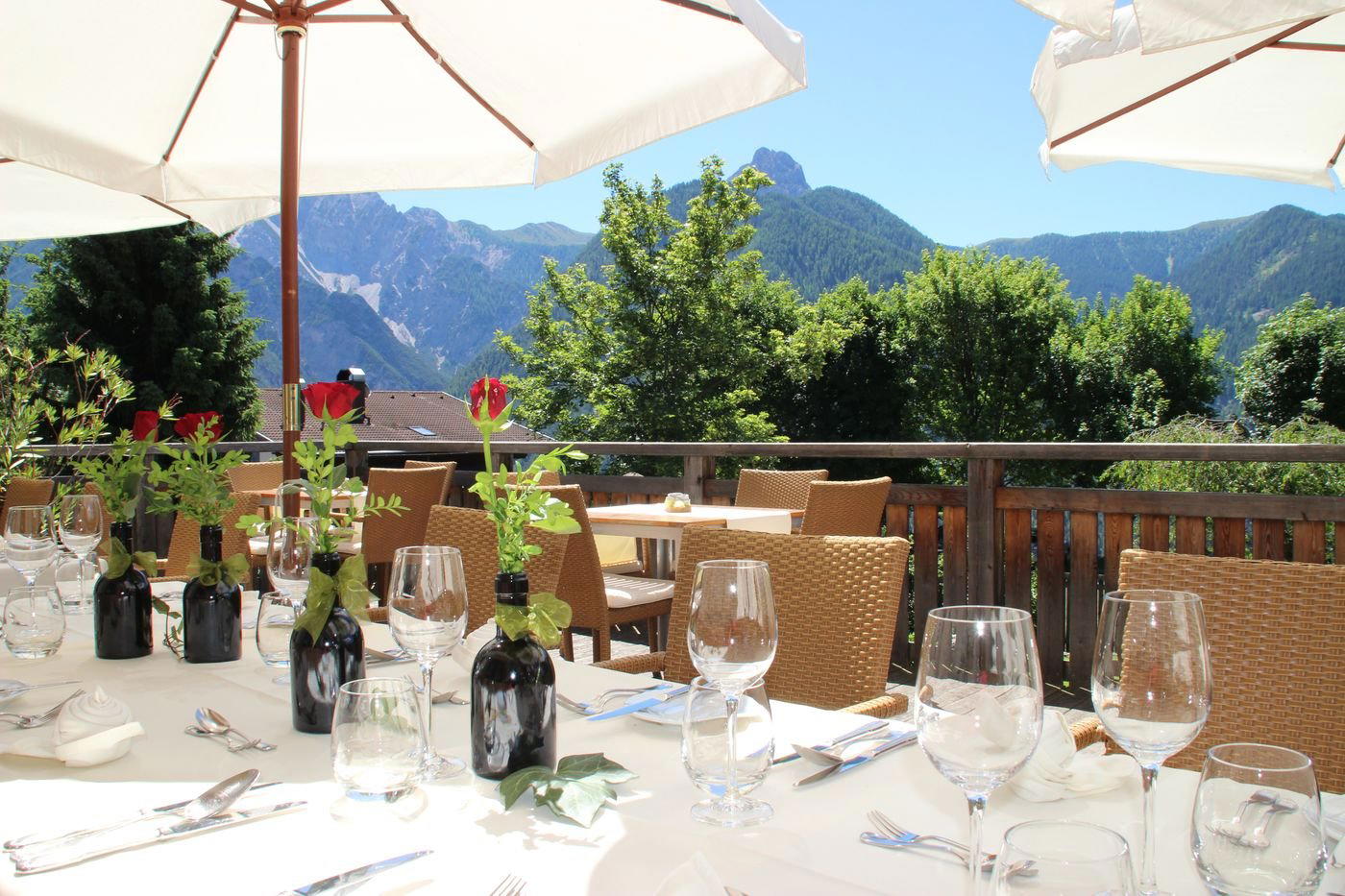
Bars in Obertilliach
Browse all →

Hotels in Obertilliach
Browse all →
Wineries in Obertilliach
Browse all →
Details
- Scenic
- Cozy
- Rustic
- Family
- Casual Hangout
- Hotel Restaurant
- Standalone
- Mountain
- A La Carte
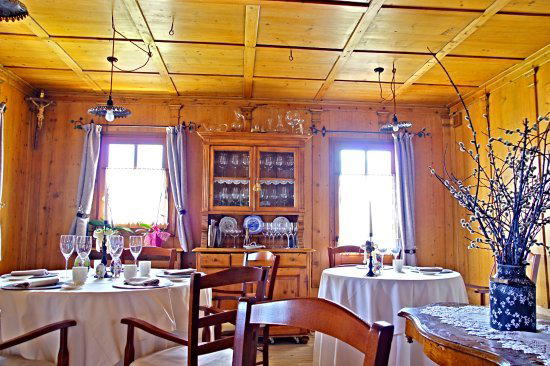
Warm, family-oriented alpine atmosphere with a cozy mountain-hotel feel.