Michelin Plate
Our verdict
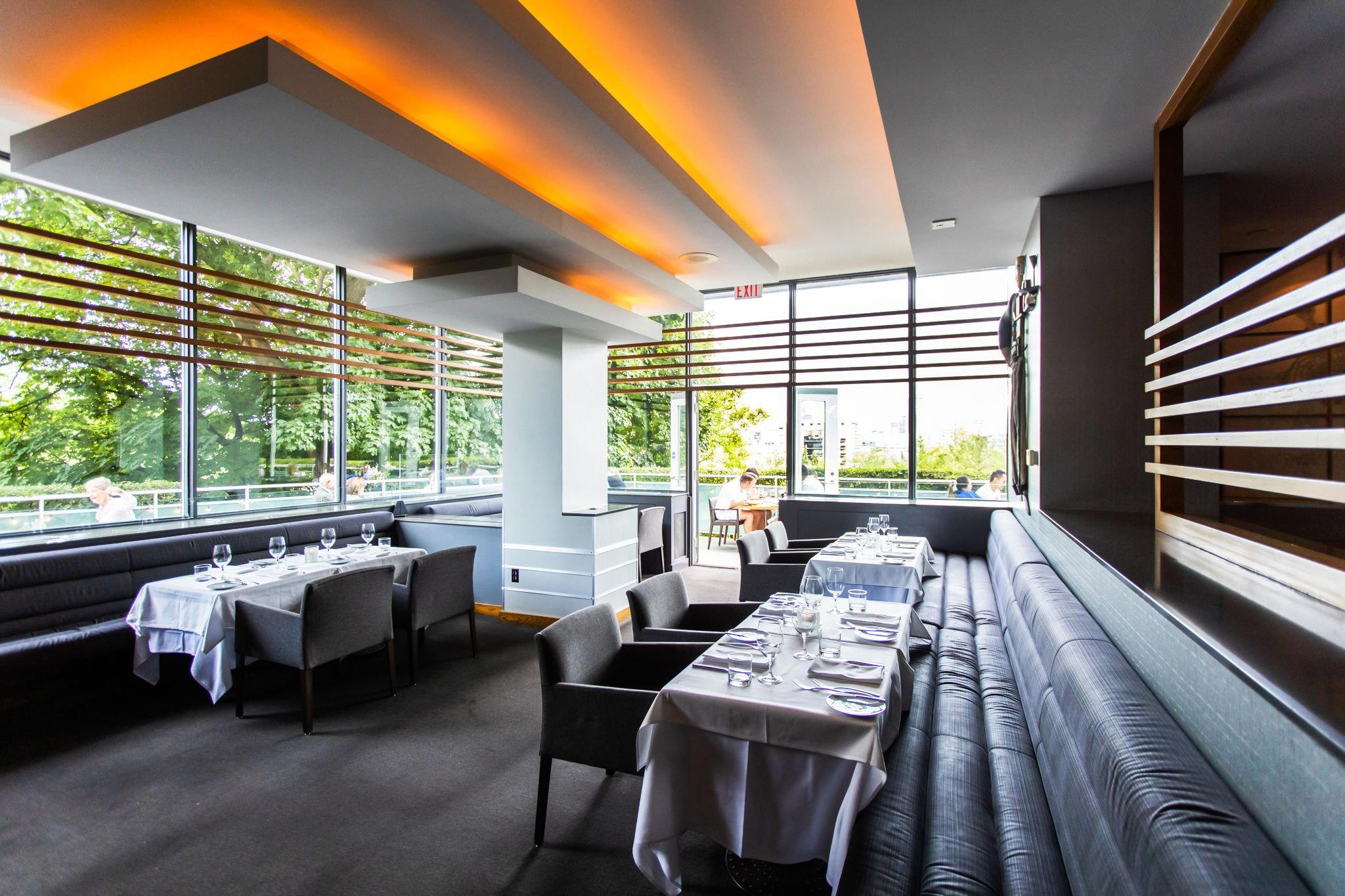
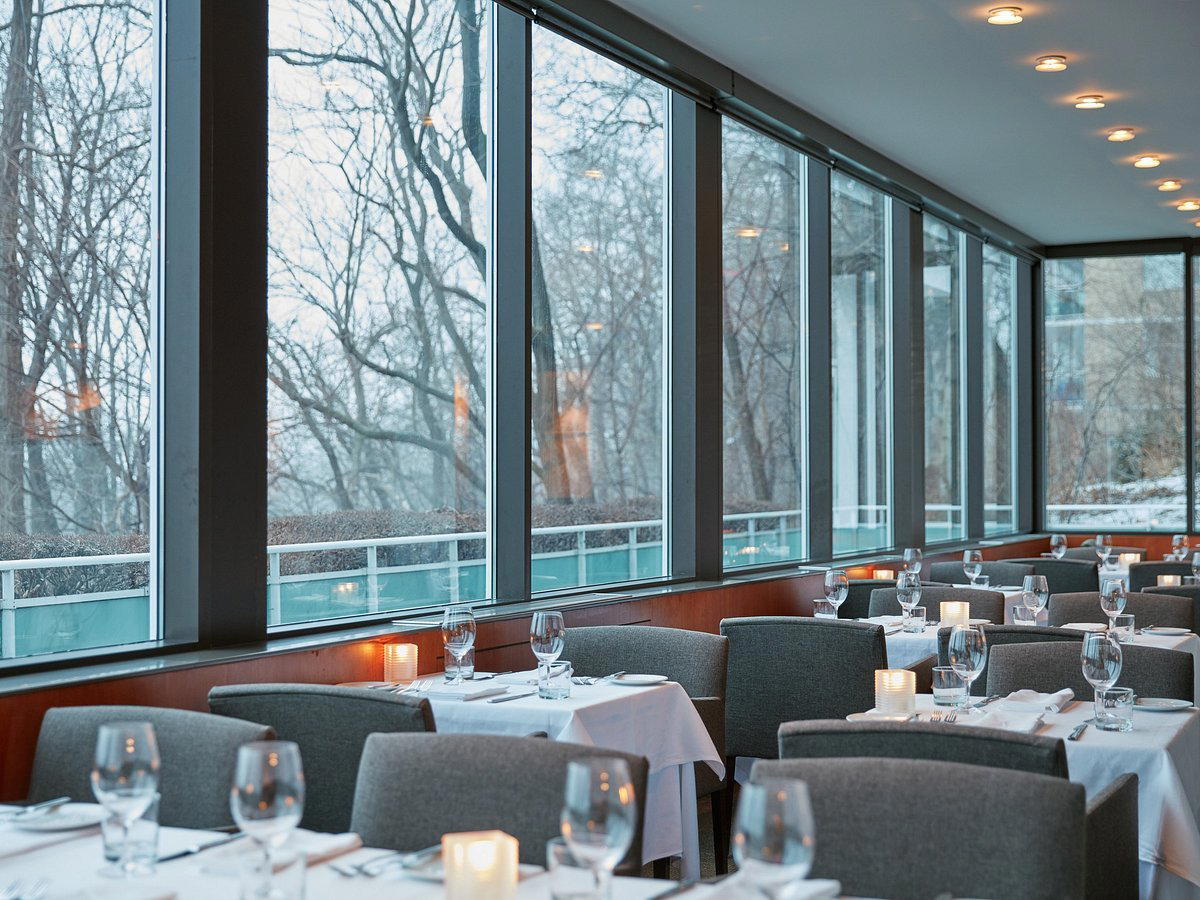
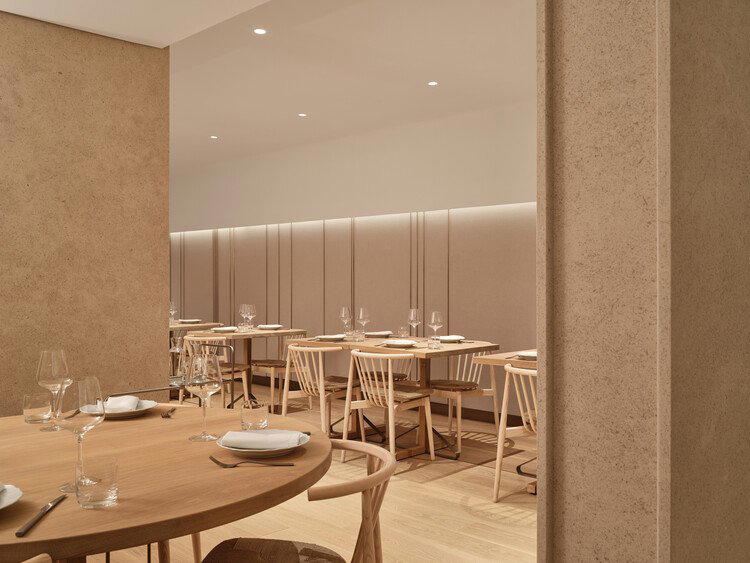
A Michelin Plate-recognised Japanese restaurant on Mt Pleasant Road, Yukashi brings the measured pacing and ingredient discipline of kaiseki-adjacent dining to Toronto's Midtown. it occupies the quieter, more deliberate end of the city's Japanese fine dining tier — closer to Kyoto in spirit than to Tokyo in tempo.

Pearl is the En Primeur Club membership app — saves, bookings, and concierge access live there. Same editors, same standards.
- Address
- 643a Mt Pleasant Rd, Toronto, ON M4S 2M9, Canada
- Phone
- (416) 489-6993
- Hours
- Mon–Tue ClosedWed–Sat 5:30–10:30 PMSun Closed
- Website
- yukashitoronto.com
- Directions
- Get directions
- Booking
- Book on OpenTable
Midtown Quiet, Kyoto Cadence
Toronto's Japanese fine dining scene has developed two distinct registers over the past decade. One follows Tokyo's model: fast-moving omakase counters, competitive booking windows, and menus that change with each season's produce. The other draws from Kyoto's slower tradition — meals that resist urgency, rooms that ask something of the guest, and a kitchen language built around restraint rather than display. Yukashi, on Mt Pleasant Road in Midtown, belongs firmly to the second register. Its back-to-back Michelin Plate recognition in 2024 and 2025 signals consistent, calibrated execution rather than the kind of flashpoint attention that accompanies a starred debut.
That distinction matters for how you approach the reservation. Michelin Plates are awarded for good cooking, not for spectacle — they identify kitchens that meet a standard without necessarily chasing volume or visibility. In Toronto's current Japanese tier, which includes the more widely publicised Shoushin and the kappo-format Kappo Sato, Yukashi operates with less fanfare and a correspondingly different kind of guest expectation.
The Tokyo–Kyoto Divide in a Canadian Context
The tension between Tokyo-style Japanese dining and Kyoto-style dining isn't merely geographic, it reflects two different philosophies about what a meal is supposed to do. Tokyo fine dining tends to reward novelty: seasonal ingredients pushed to their technical limit, courses that arrive with explanation, a kitchen that signals its own ambition in each plate. Kyoto dining, particularly in the kaiseki tradition, operates on the opposite premise. The structure is predetermined, the rhythm unhurried, and the ambition is expressed through omission as much as addition. Less sauce. Fewer garnishes. Temperatures and textures that ask the diner to pay attention.
Canadian interpretations of Japanese fine dining have historically skewed Tokyo-ward, partly because omakase formats travel well, partly because the produce-forward innovation story is easier to communicate to a broad audience. The kaiseki-adjacent approach is harder to market and slower to build an audience for. For context, the address sits in the Davisville Village corridor, quieter than the King West or Yorkville clusters where Toronto's other flagship Japanese rooms tend to concentrate, and that remove from the city's dining theatre districts is part of what the room offers.
For readers who want to understand how this fits into the wider Canadian fine dining moment, the Michelin framework in Toronto has pushed the city's Japanese restaurants into sharper focus. Alongside Yukashi, venues like JaBistro cover different price points and formats within the Japanese category, while the ramen end of the spectrum, represented by places like Musoshin Ramen, operates in an entirely separate register. Yukashi's $$$$ price tier places it alongside Toronto's contemporary flagships such as Alo, meaning the competitive comparison is less about Japanese cuisine specifically and more about what the city's top-tier tasting formats charge and deliver across categories.
What the Michelin Recognition Actually Tells You
Two consecutive Michelin Plates carry a specific message: the inspectors returned, and the kitchen held its standard. In a city where Michelin only entered formally in 2022, that consistency across the 2024 and 2025 guides represents a track record that many newer entrants haven't had time to establish. The Plate designation sits below the star tier but above the anonymous mass of unrecognised restaurants, it is the guide's way of saying the cooking is worth a detour, even if the overall experience hasn't reached the constellation of factors required for a star.
In practice, Michelin Plate kitchens at the $$$$ price point in Toronto are operating with the same ingredient budgets and technique expectations as starred neighbours. The difference between a Plate and a star often comes down to consistency across multiple visits, service architecture, and room design as much as the cooking itself. For a diner whose primary interest is what's on the plate rather than the ceremony around it, a Plate restaurant at the leading price tier frequently offers better value per culinary dollar than the star tier directly above it.
That assessment holds particularly for Japanese cuisine, where the Kyoto-influenced end of the market is less dependent on service theatre and more reliant on ingredient quality and kitchen precision, precisely the factors that a Michelin Plate is designed to recognise. For comparable reference points in Tokyo, the cooking tradition that informs this style of dining can be found at places like Myojaku and Azabu Kadowaki, restaurants that sit within the same kaiseki-rooted framework and carry their own Michelin recognition.
Yukashi in the Broader Canadian Picture
Japanese fine dining in Canada occupies an interesting position relative to the country's broader tasting-menu culture. The dominant narrative in Canadian fine dining over the past five years has been about hyper-local sourcing and indigenous ingredient frameworks, a story told most forcefully at restaurants like Tanière³ in Québec City, AnnaLena in Vancouver, and Jérôme Ferrer - Europea in Montréal. Japanese fine dining sits adjacent to that conversation rather than inside it, the sourcing philosophy is different, the seasonal logic is Japanese rather than Canadian, and the reference points are Kyoto and Tokyo rather than the Laurentian highlands or the Niagara peninsula.
That distinctiveness is an asset. Diners who have covered the Canadian-terroir tasting menu circuit, which might also include Restaurant Pearl Morissette in Lincoln or The Pine in Creemore, will find in Yukashi a different set of assumptions about what a serious meal looks like. The flavour logic, the pacing expectations, and the visual vocabulary of the plates all come from a separate tradition, and that separation is exactly the point.
For readers planning a broader Toronto visit, our full Toronto restaurants guide maps the city's dining tiers in detail. Supplementary planning resources include our full Toronto hotels guide, our full Toronto bars guide, our full Toronto wineries guide, and our full Toronto experiences guide. A side trip for ramen context after a week of tasting menus might also bring Narval in Rimouski onto the itinerary for those travelling east.
Know Before You Go
- Address: 643a Mt Pleasant Rd, Toronto, ON M4S 2M9
- Neighbourhood: Davisville Village, Midtown Toronto
- Price tier: $$$$ (comparable to Toronto's leading tasting-menu tier)
- Awards: Michelin Plate 2024; Michelin Plate 2025
- Guest rating:
- Cuisine: Japanese (kaiseki-adjacent)
- Booking: Advance reservations strongly advised given the Michelin profile and limited neighbourhood seating
- Getting there: Mt Pleasant Road is accessible via the Davisville TTC subway station (Yonge-University line), approximately a short walk north
Frequently asked questions
What awards or recognition does Yukashi have?
Yukashi has received recognition including: Michelin Plate (2025); Michelin Plate (2024).
Where is Yukashi located?
Yukashi is located at 643a Mt Pleasant Rd, Toronto, ON M4S 2M9, Canada, Toronto.
What dish is Yukashi famous for?
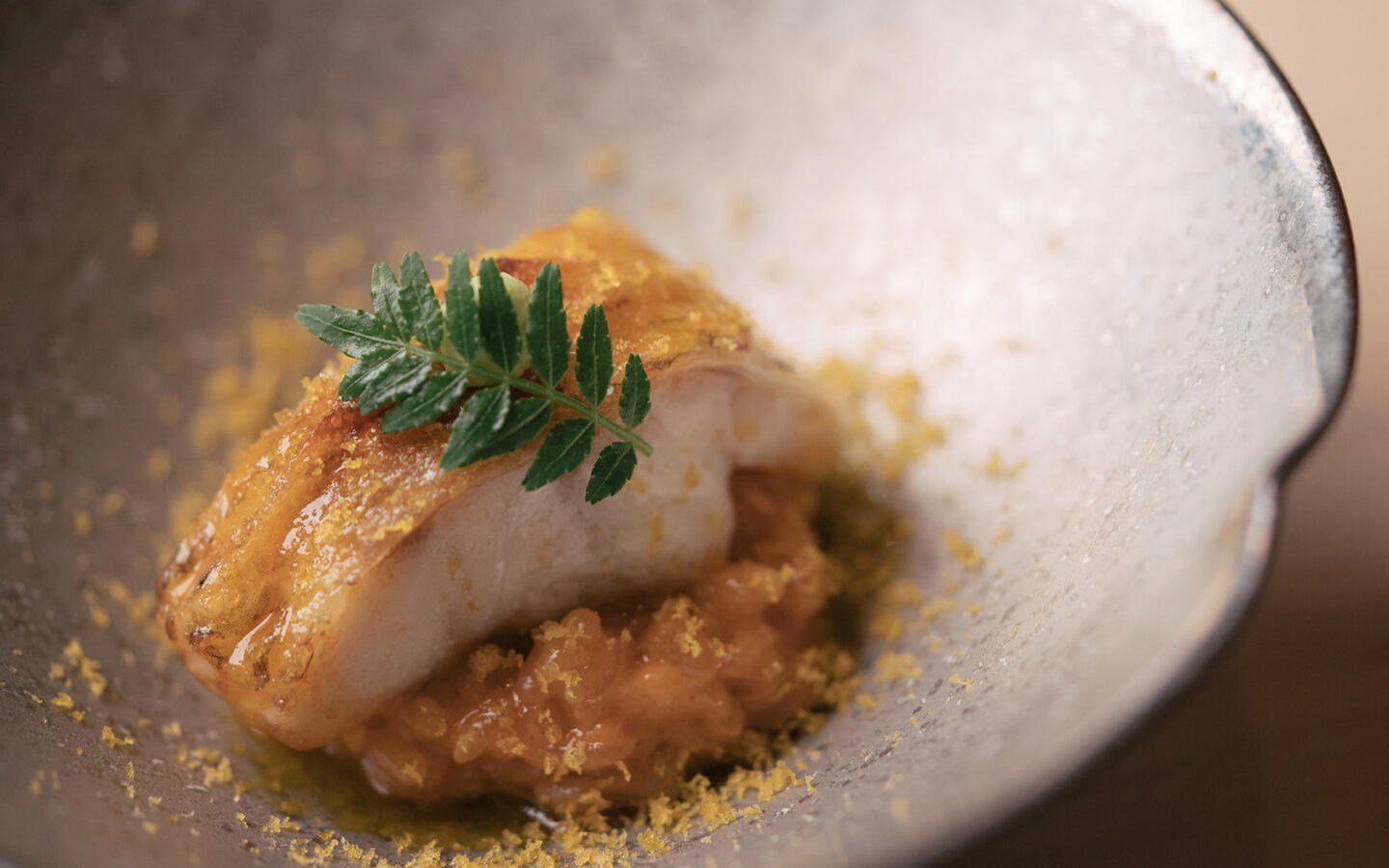
Yukashi does not publish a detailed à la carte menu, which aligns with the Kyoto kaiseki tradition where the meal is a composed sequence rather than a collection of signature dishes. The kitchen has earned back-to-back Michelin Plates in 2024 and 2025, suggesting consistent execution across the menu as a whole. Regulars and reviewers tend to speak about the experience in seasonal terms rather than singling out one preparation — a deliberate structural choice at the $$$$ price point.
What's the cuisine at Yukashi?
Is Yukashi expensive?
Pricing at Yukashi is listed as $$$$.
Standing Among Peers
| Venue | Cuisine | Price | Awards | Notes |
|---|---|---|---|---|
| YukashiThis venue — the venue you are viewing | Japanese Kaiseki | Not listed | Michelin Plate | Not listed |
| Alo | Modern French Fine Dining with Asian Influences | $200–300 | 1 Michelin Star · La Liste Top Restaurants | Contemporary |
| Sushi Masaki Saito | Edomae-Style Omakase | $500+ | 1 Michelin Star · La Liste Top Restaurants | Sushi, Japanese |
| Aburi Hana | Modern Japanese Kyō-Kaiseki | $300–500 | 1 Michelin Star · The Best Chef One Knife | Kaiseki, Japanese |
| Don Alfonso 1890 | Modern Italian Fine Dining | $200–300 | 1 Michelin Star · La Liste Top Restaurants | Contemporary Italian, Italian |
| Edulis | Mediterranean Seafood Tasting Menu | $150–200 | 1 Michelin Star · World's 50 Best #25 | Canadian, Mediterranean Cuisine |
Recognition history
Dated appearances from independent guides and award organizations, with the underlying list record or original source where available.
Michelin Plate
Michelin
Full recognition history (2 entries)
Michelin Plate
Michelin