Yufuincho Kawakami sits in Yufu, Oita Prefecture, a town whose hot-spring culture and agricultural surroundings have long shaped what ends up on the plate. The address places it within one of Kyushu's quieter resort corridors, where the sourcing logic of any serious kitchen is written into the land itself. For travellers building a Kyushu dining itinerary, it belongs in the same regional conversation as the better-documented tables in Fukuoka and Oita city.
 Request Booking on Pearl
Pearl is the En Primeur Club membership app — saves, bookings, and concierge access live there. Same editors, same standards.
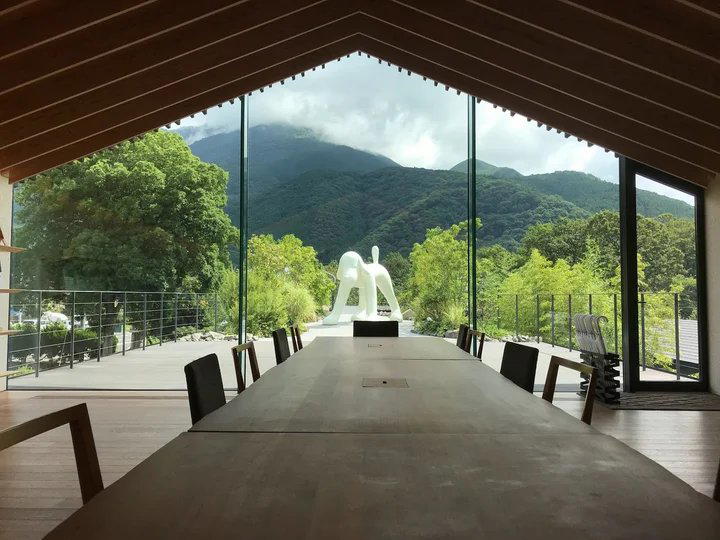
Where the Land Sets the Menu
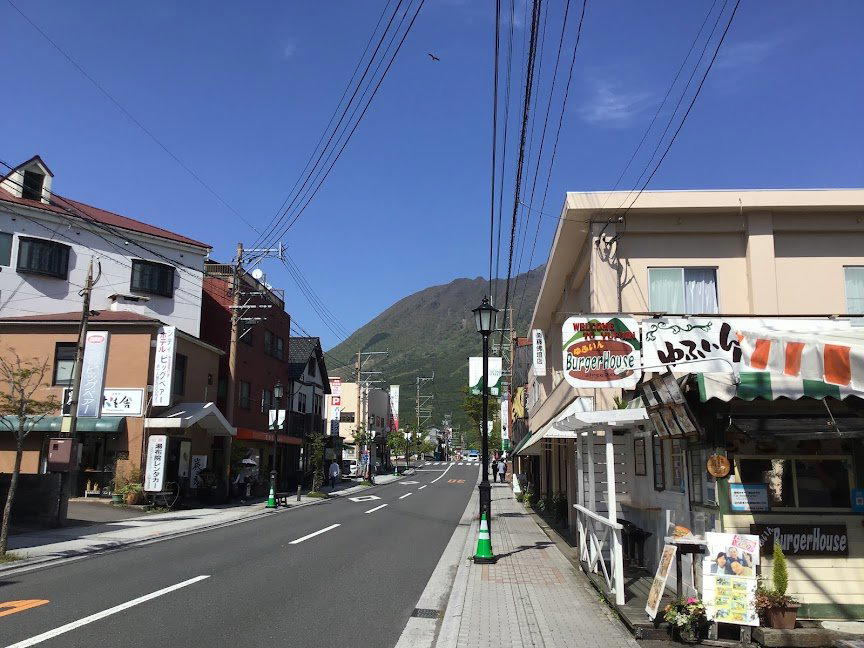
Yufu sits in a volcanic basin in Oita Prefecture, ringed by mountains that feed the area's famous hot springs and, less discussed outside Japan, sustain a network of small farms, river fisheries, and artisan producers that serious kitchens in the region draw from directly. Arriving in Yufuin, the spa town at the foot of Mount Yufu, you pass paddies, roadside vegetable stalls, and the kind of agricultural density that explains why Oita dining at its most considered tends to read as produce-first rather than technique-first. Yufuincho Kawakami sits at Yufu, Oita 879-5102, Japan.
The gravitational pull of Tokyo counters like Harutaka and the formal kaiseki tradition represented by Gion Sasaki in Kyoto has not diminished, but it has created a counter-narrative: that proximity to source material, rather than proximity to a metropolis, is the more honest credential for a certain kind of meal. Regional Kyushu tables have built their reputations on exactly this argument, with venues like Goh in Fukuoka demonstrating that Michelin attention follows ingredient integrity as readily as it follows urban concentration.
Oita's Ingredient Geography
Oita Prefecture has a specific claim on Japan's food map that goes beyond its onsen reputation. The prefecture produces Bungo beef, a Wagyu lineage raised on local feed in the mountain valleys; Usa chicken, prized for its lean texture and clean fat; and seafood drawn from both the Bungo Channel and the Seto Inland Sea approaches. River fish, including ayu sweetfish in season, move through the mountain streams that cut through the Yufu basin. These are not generic regional products, they have documented production lineages and a buying community of Tokyo and Osaka restaurants willing to pay for overnight delivery. A kitchen based in Yufu operates within walking distance of supply chains that urban competitors source at a premium and a day's remove.
This sourcing geography places Yufuincho Kawakami in a broader pattern visible across Japan's onsen resort towns, where the most serious dining often develops in parallel with the ryokan culture rather than independently of it. Towns like Kinosaki, Ginzan, and Yufuin itself have produced tables that operate on small covers and high ingredient spend, serving guests who have already committed to extended stays and are receptive to meals that reflect the specific landscape around them. The format tends toward restraint in presentation and depth in ingredient sourcing, a different priority order than the technique-driven innovation of venues like HAJIME in Osaka, but no less considered in its ambitions.
For context on the wider Kyushu dining circuit, Aji Arai in Oita represents the prefecture's more urban fine-dining register, while Yufuincho Kawakami's Yufu address positions it within the resort-adjacent tier where the guest experience is shaped as much by the surroundings as by what arrives at the table. These are not competing models, they attract different itineraries and different expectations about what a meal should accomplish.
The Regional Dining Tier in Kyushu
Kyushu's dining scene has developed unevenly across the island. Fukuoka holds the densest concentration of recognised tables, with a street-food culture in Hakata that coexists with formal counters pulling national attention. Oita Prefecture sits further from that concentration, which has historically meant less international visibility despite strong local ingredient credentials. That gap has been narrowing.
Comparing across Japan's prefectural dining scenes, Oita's position resembles that of Nara or Akita, areas with strong agricultural and cultural identity that produce serious tables attracting guests willing to travel specifically for the meal. Akordu in Nara and affetto akita in Akita operate on a similar premise: that regional specificity is a credential rather than a limitation. The broader list of Japan's regional dining destinations, from Amaki in Aichi to Amegen in Saga, reflects a national pattern of serious kitchens anchoring themselves to particular geographies rather than centralising in Tokyo or Osaka.
Enowa Yufuin represents the kaiseki register in the same town, providing a useful reference point for understanding where different tables in the area sit relative to each other in terms of formality and sourcing approach.
Planning a Visit
Yufu is accessible from Fukuoka by limited express train in under two hours via the Yufuin no Mori service, which runs several departures daily and is worth booking in advance during peak autumn foliage and spring seasons when the town draws its highest visitor numbers. The onsen district operates on a quieter rhythm than Japan's urban dining circuits, and reservations are recommended.
For travellers already familiar with Japan's regional fine-dining tier, or those cross-referencing international benchmarks like Le Bernardin in New York City or Lazy Bear in San Francisco to calibrate expectations, Yufu represents a different register entirely: less about formal technique showcase, more about what happens when a kitchen operates inside the ingredient geography it serves.
Fast Comparison
Comparable venues nearby, for context on price, style, and recognition.
| Venue | Cuisine | Price | Awards | Notes |
|---|---|---|---|---|
| Yufuincho KawakamiThis venue — the venue you are viewing | Traditional Japanese Local Cuisine | $$ | , | |
| Sabou Tenjou Sajiki | Classic Japanese café with katsu-sando and desserts | $$ | , | Yufuincho Kawakami |
| B-speak | Roll cake & cheesecake specialty shop | $ | , | Yufuin Onsen |
| Trattoria diana | Italian Trattoria | $$ | , | Yufuin-cho |
| Dining at Kai (食事処) | Kaiseki Ryokan Dining | $$$$ | , | Yufuin |
| Enowa Yufuin | Modern Farm-to-Table Japanese | $$$$ | Yufuincho Kawakami |
Continue exploring
More in Yufu
Restaurants in Yufu
Browse all →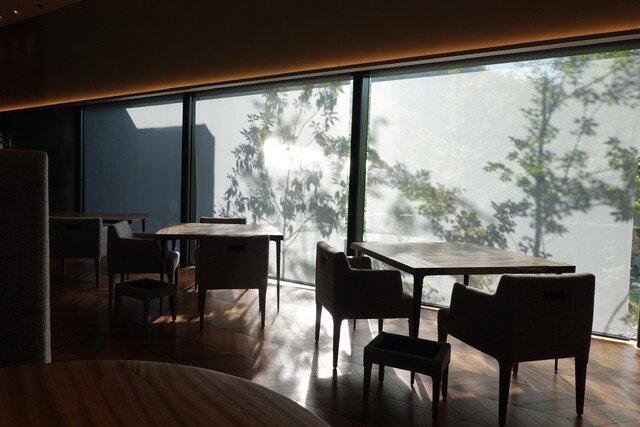

At a Glance
- Scenic
- Cozy
- Classic
- Casual Hangout
- Family
- Group Dining
- Standalone
- Garden
- Local Sourcing
- Farm To Table
- Street Scene
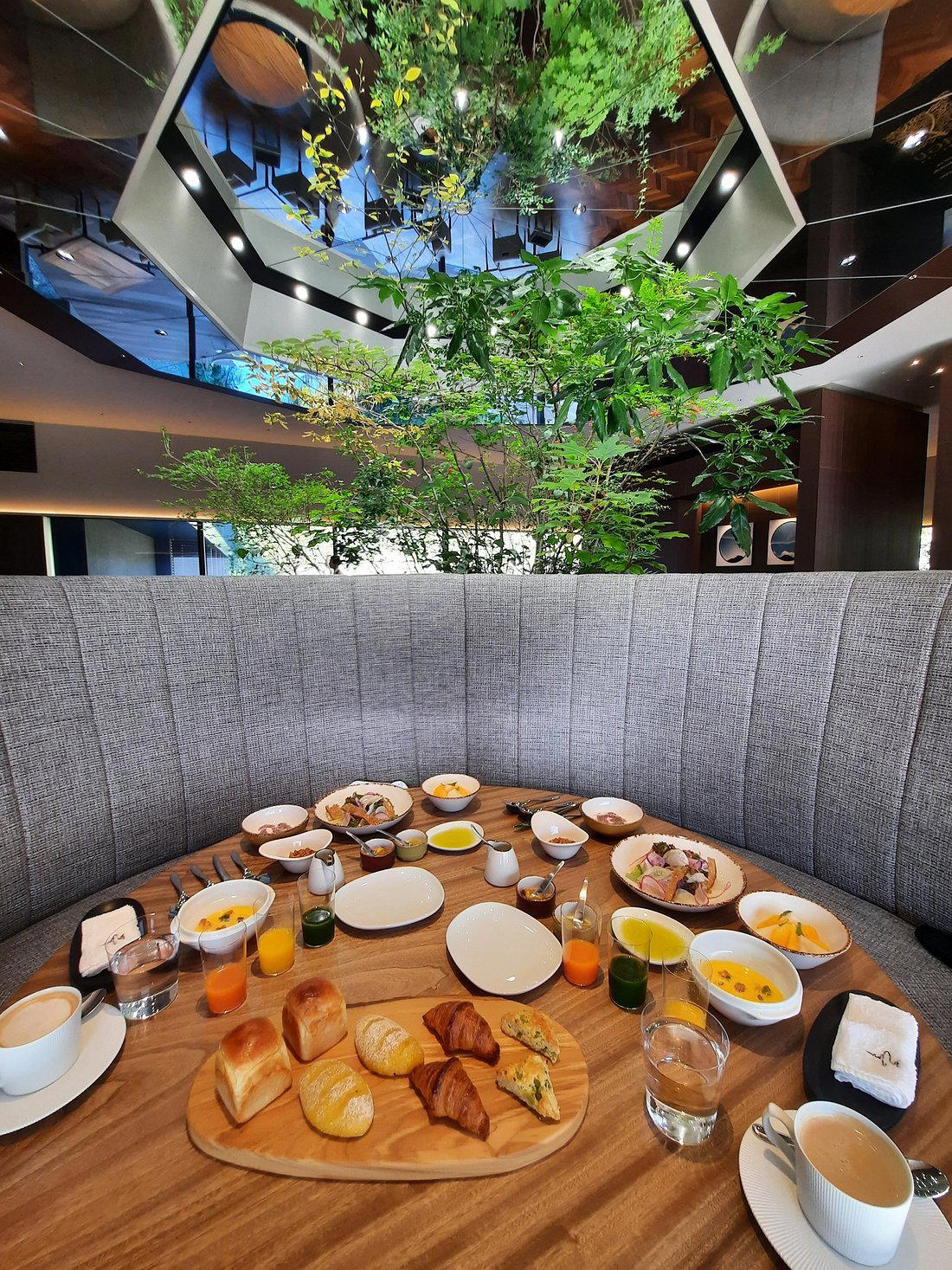
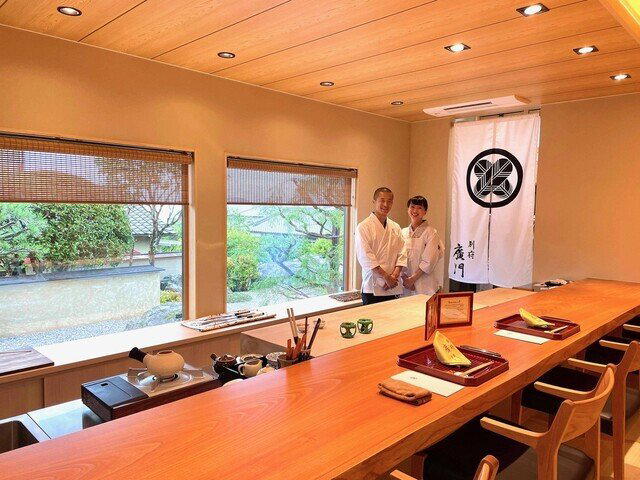
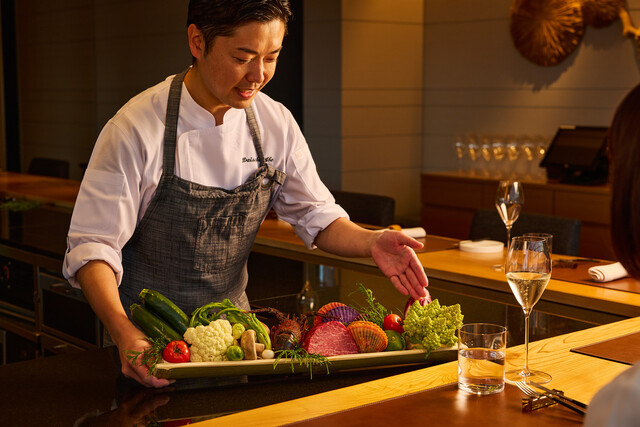
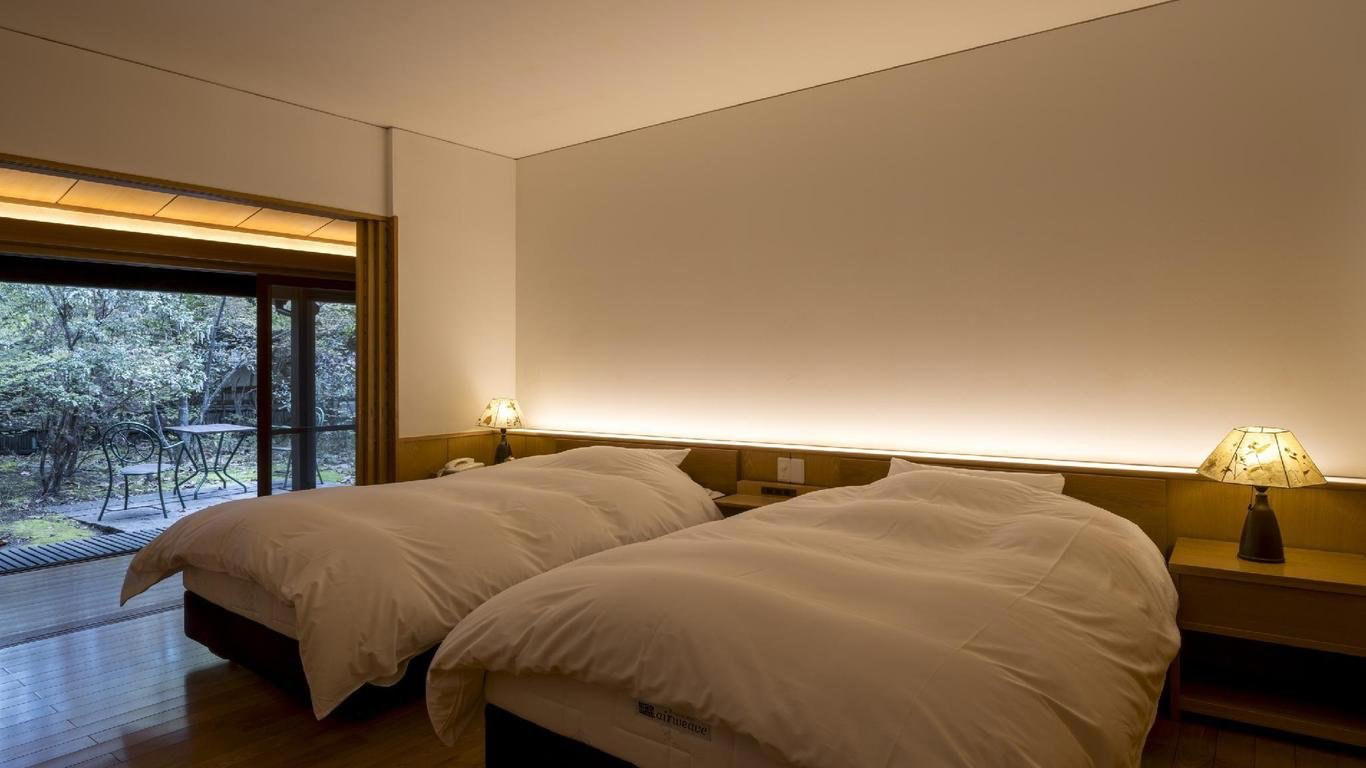
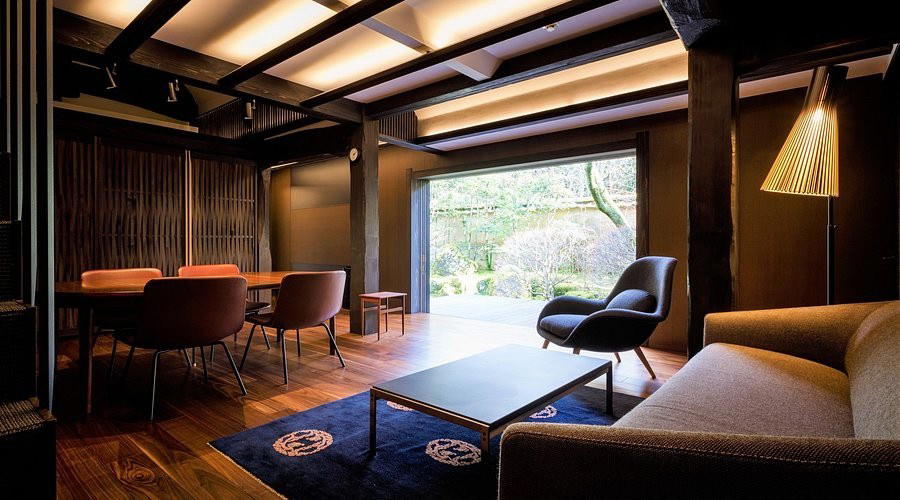
Quaint, traditional Japanese atmosphere with a mix of old and new, featuring warm lighting and the aromas of local delicacies wafting through charming streets.