
Kunugi no Oka brings Italian, pizza, and pasta into the Japanese onsen-town dining vocabulary, with recognition in Tabelog Italian WEST 100 in 2025 and earlier selections for Italian and pizza. Its reputation rests on a hilltop, open-terrace format and a casual, family-friendly style rather than metropolitan tasting-menu formality.
Pearl is the En Primeur Club membership app — saves, bookings, and concierge access live there. Same editors, same standards.
- Address
- 893-1 Yufuincho Kawakita, Yufu, Oita 879-5114, Japan
- Phone
- +81 977-85-4007
- Website
- kunuginooka.com
 Saves & bookings on Pearl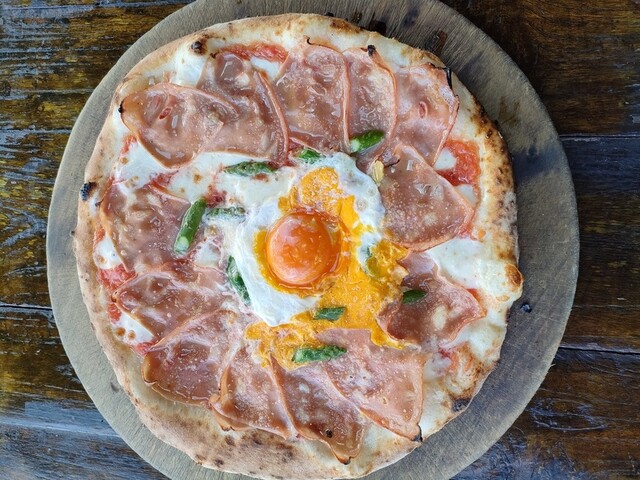
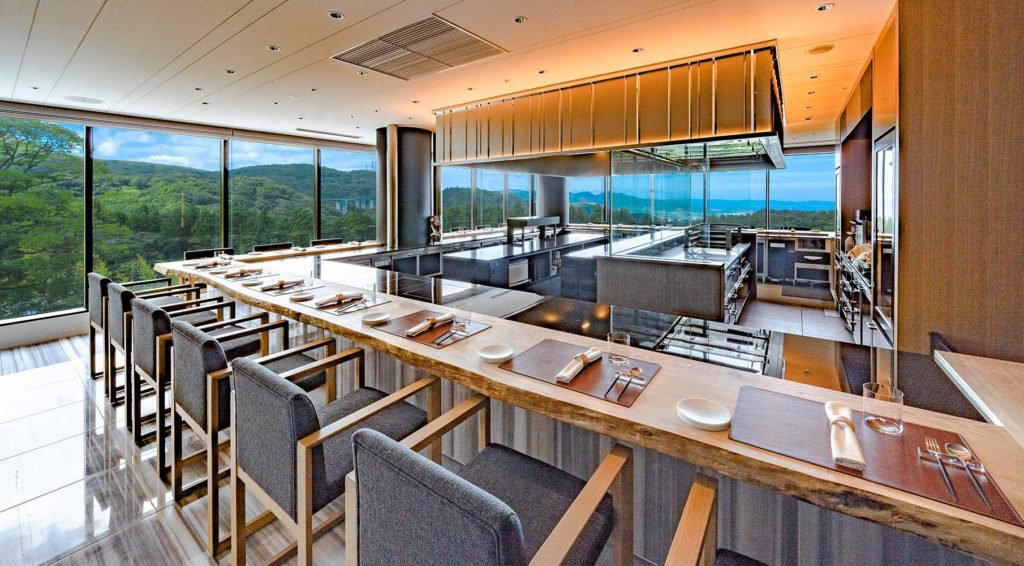
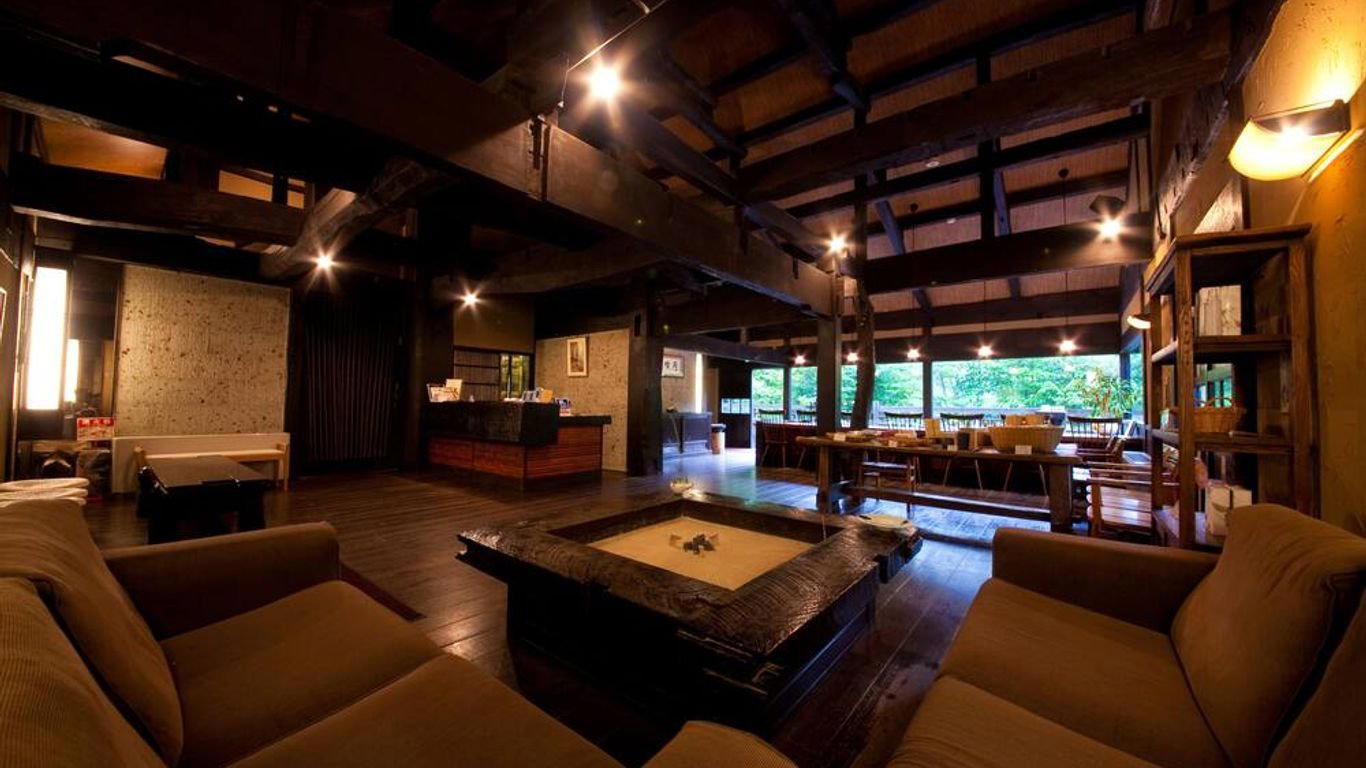
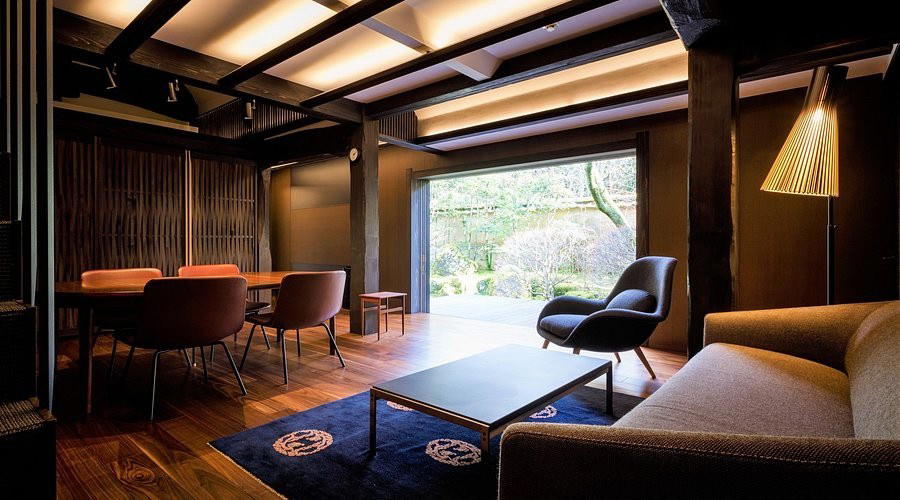
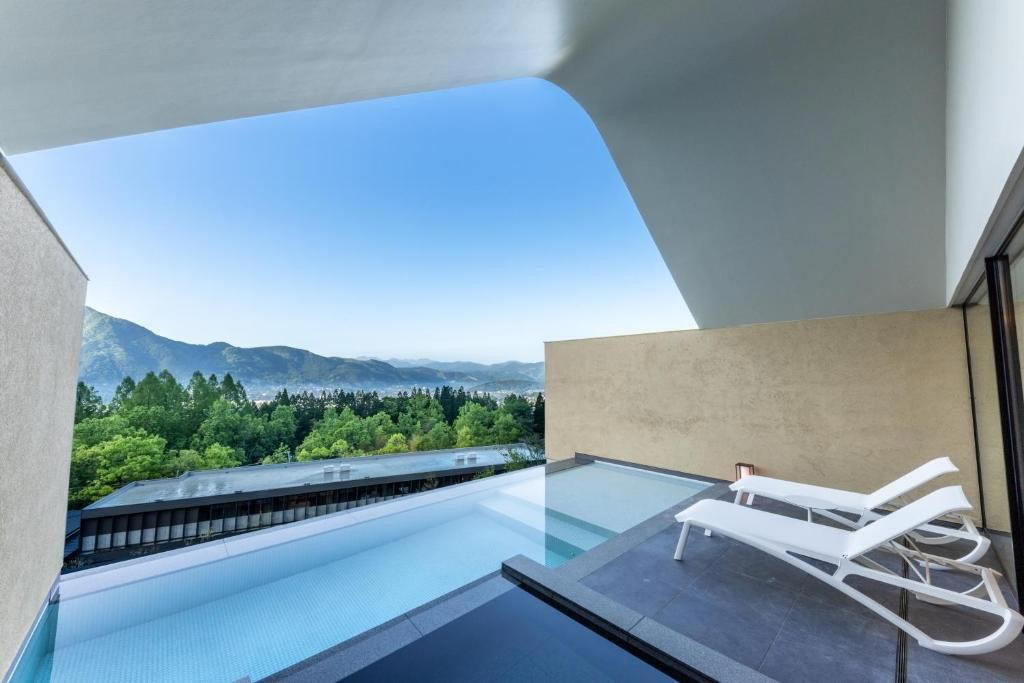
Approaching a hill restaurant in Yufuin shifts the rhythm of Italian dining. The reference point is not a city trattoria between stations, but a house-style room with an open terrace, basin views, and the slower tempo of an onsen town. That setting matters: regional Italian food in Japan often works well when it adapts to place rather than pretending to be imported whole. At Kunugi no Oka, the public signals point to that hybrid: Italian, pizza, and pasta in a spacious, view-led setting, with wine, and a format broad enough for families, friends, and travelers moving through rural Oita.
The useful lens is Japan’s long affection for Italian food beyond Tokyo and Osaka. Pizza and pasta are local comfort food across much of Japan, while serious recognition still gathers around restaurants that make a clear case for craft. Kunugi no Oka was selected for Tabelog Italian WEST 100 in 2025, after earlier Tabelog 100 selections for Italian in 2023 and pizza in 2021. That sequence is more durable than a single annual mention: it spans both broader Italian cooking and the more technically exposed pizza category.
Italian cooking filtered through a Yufuin hill setting
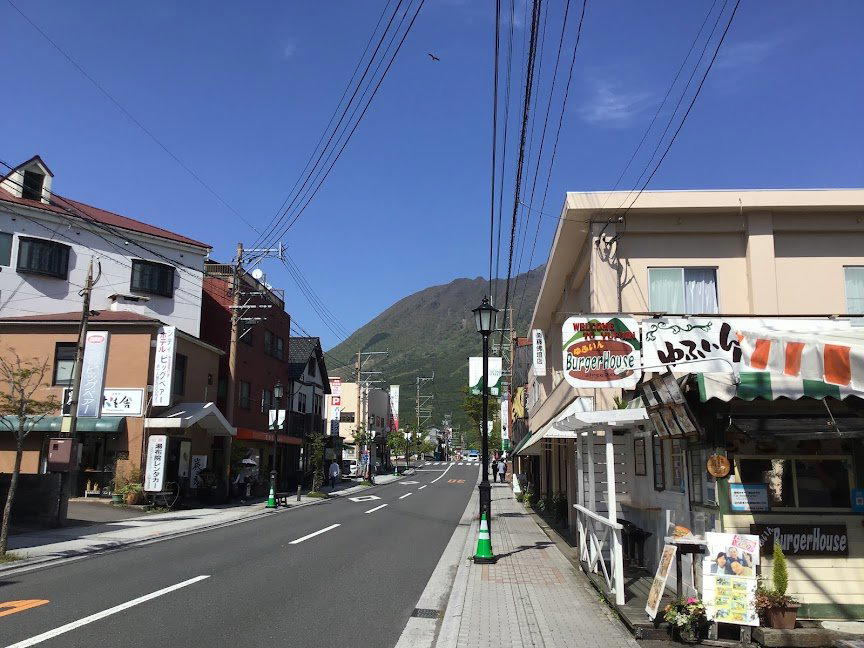
Yufuin’s dining culture has a different centre of gravity from a capital-city restaurant district. Visitors come for baths, ryokan stays, country roads, galleries, and a townscape that rewards time outside. Here, Italian food works less as formal gastronomy than as a bridge between travel-day appetite and local leisure. The restaurant’s spread of Italian, pizza, and pasta fits that role, giving travelers a recognisable frame without forcing the meal into dégustation choreography.
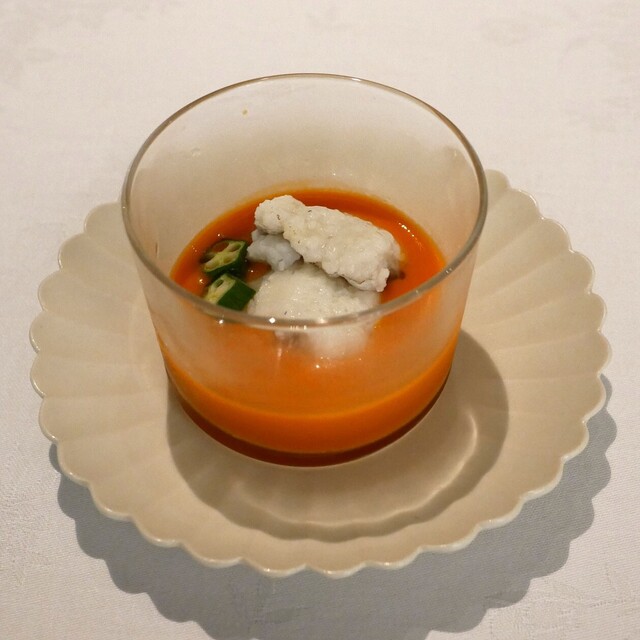
The pizza reputation is not incidental. The restaurant describes pizzas baked in a stone oven at nearly 500 degrees, placing craft at the centre of the operation rather than treating pizza as a children’s-menu afterthought. High-heat baking is the hinge of serious pizza: it shortens cooking time, demands dough discipline, and leaves little room for correction once the pie enters the oven. In regional Japan, that matters because the strongest Italian restaurants are often judged not by novelty, but by whether they handle familiar forms with enough precision to justify the trip.
The hillside scale also separates the experience from smaller counter-led restaurants in the region. Seventy seats, private-use availability, an open terrace, parking, takeout, and pet-friendly service point to a restaurant built for mixed occasions rather than a narrow luxury audience. That breadth can be a strength when the kitchen’s identity is anchored by pizza and pasta: the food stays accessible, while the award history gives it weight beyond convenience dining.
Why the recognition carries weight in regional Japan
Tabelog 100 selections matter outside major urban restaurant circuits because they create a comparative map across regions and cuisines. A Yufuin place appearing in Italian WEST 100 is not competing only with nearby tourist-town restaurants; it is being read within western Japan’s Italian category. For travelers, that changes the decision. The meal is not just a pause between ryokan check-in and the next bath, but a way to see how Italian cooking has settled into a regional Japanese destination with its own tempo and guest mix.
The restaurant’s Tabelog score of 3.69 adds another useful signal, though the category history is the cleaner argument. Italian in Japan ranges from high-priced urban tasting rooms to neighborhood pasta houses and Neapolitan-style pizzerias. A venue appearing in both Italian and pizza recognition lists sits in the middle: more craft-focused than a casual pasta stop, less formal than a metropolitan chef’s-counter experience. That tier is often where regional Japan is strongest, combining technical seriousness with the social ease expected in travel towns.
There is also a natural fit between onsen travel and Italian comfort formats. After train transfers, rental cars, or ryokan logistics, pizza and pasta offer clarity. Stronger regional restaurants make comfort feel intentional rather than generic. Here, the evidence is not a named chef narrative or a heavily publicised tasting menu, but the combination of category recognition, stone-oven emphasis, terrace setting, and a guest model that includes children, strollers, pets in limited terrace seating, and takeout.
How to place it within a wider Japan itinerary
For readers building a Japan food route, Kunugi no Oka belongs to destination-adjacent regional dining: not a formal pilgrimage restaurant, but a credible meal that can justify planning around location and timing. It pairs with Yufuin’s leisure rhythm rather than the reservation theatre of Ginza, Kyoto, or Fukuoka. Nearby comparison names such as Gettouan, Hoshiakari, B-speak, Yufuincho Kawakami, and Budouya reflect the town’s broader travel pattern, where dining, sweets, inns, and landscape often operate as one itinerary.
EP Club readers using Akita as a broader northern-Japan planning base should separate this Oita address from Akita-specific dining research. For Akita restaurant context, compare the local Italian angle at affetto akita, beef-led meals at Akita Gyugentei Ekimae honten and Akita Gyugentei Sannou bekkan, poultry tradition at Akita Hinaiya Oodate honten, and regional drinking culture at Akita Kurasu. Broader planning sits in Our full Akita restaurants guide, Our full Akita hotels guide, Our full Akita bars guide, Our full Akita wineries guide, and Our full Akita experiences guide.
Within Japan’s casual-dining map, it sits far from the hyper-specialised single-dish lane of -Grilled beef Sukiyaki- KAMAKURA TANUKIAN 鎌倉 たぬき庵 in Kamakura, the urban izakaya register of. 鮪と炭火焼き うお炭 秋葉原店 in Tokyo, the café lane of.cafe in Osaka, the contemporary dining frame of.know in Kumamoto, the Vietnamese casual category at (Shoku) Vietnam in Kawasaki, and the curry specialism of [Curry Senmon Ten] Maruyama Kyoju. in Sapporo. For trans-Pacific context, Jōdo Saké Bar in Los Angeles and Onigiri Time in Pasadena show Japanese food categories traveling the opposite direction. Kunugi no Oka’s value is more grounded: Italian forms, Japanese regional leisure, and enough recognition to make the detour feel considered.
Price and Positioning
Side-by-side context: comparable cuisine and price.
| Venue | Cuisine | Price | Awards | Notes |
|---|---|---|---|---|
| Kunugi no Oka | $$ | , | Yufuin, Scenic Italian Pizzeria & Pasta on a Hilltop in Yufuin | |
| 中華ダイニング 金龍酒家 | 秋田駅前, Authentic Sichuan Chinese | $$ | , | |
| Yanagiya Nishioohama ten | Sakaide, Sanuki udon and tempura shop | $ | , | |
| BAR Le Vert | Akita, Classic Japanese cocktail bar | $$ | , | |
| N | Akita, Northern Japanese | $$ | , | |
| Eiraku Shokudo | Akita, Japanese Izakaya | $ | , |
Continue exploring
More in Yufu
Restaurants in Yufu
Browse all →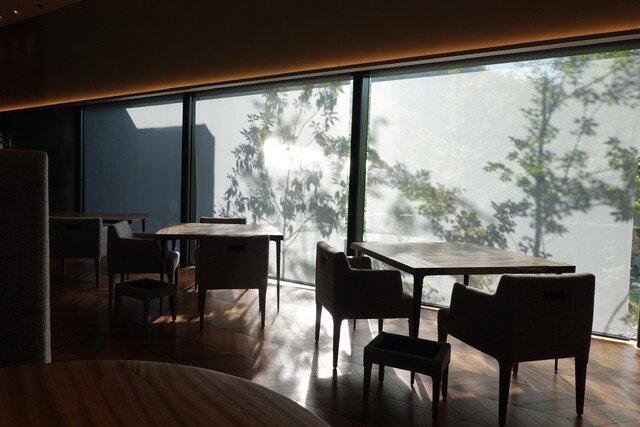

At a Glance
- Scenic
- Rustic
- Cozy
- Romantic
- Iconic
- Date Night
- Group Dining
- Family
- Casual Hangout
- Celebration
- Solo
- Terrace
- Panoramic View
- Standalone
- Beer Program
- Extensive Wine List
- Local Sourcing
- Mountain
- Garden
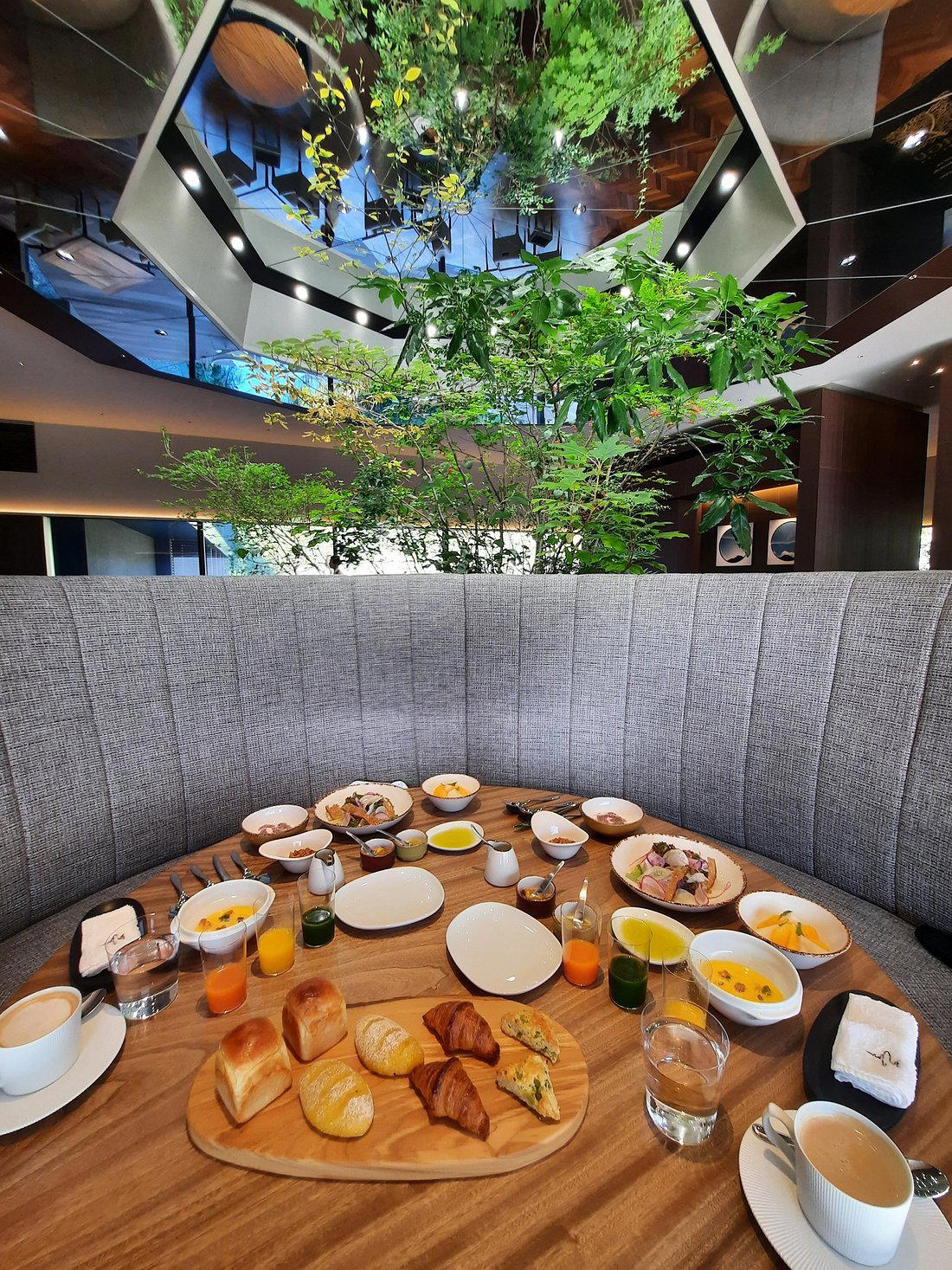
Relaxed, resort‑like hilltop restaurant with warm rustic interiors and a cozy terrace, where guests linger over Italian comfort food while enjoying wide open views of fields, town and surrounding mountains.