
Yoshokuya Shii gives Matsuyama’s yoshoku tradition a compact, serious address: 11 seats, family-friendly service, and a Tabelog Yoshoku WEST 100 selection in 2025. The appeal is not spectacle but category precision, with Japanese-style Western cooking, hamburger steak, and French-adjacent technique sitting in a price band that keeps the meal grounded rather than ceremonial.
Pearl is the En Primeur Club membership app — saves, bookings, and concierge access live there. Same editors, same standards.
- Address
- 愛媛県松山市三番町5-3-8 フレッシュリーブス 404
- Phone
- +819028985343
- Website
- tabelog.com
 Saves & bookings on Pearl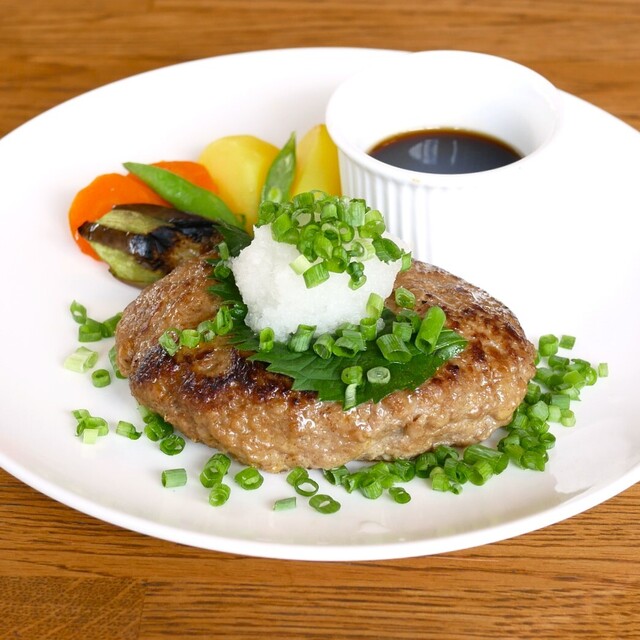
The approach is urban Matsuyama, not resort Japan: Sanbancho office blocks, station traffic, and the small-restaurant rhythm that makes better meals feel found through local habit rather than hotel-concierge choreography. In that setting, yoshoku has charge. Western food translated through Japanese kitchens, then absorbed so fully it reads as domestic comfort rather than imitation. Yoshokuya Shii belongs to that lineage: not novelty, but control of sauces, patties, rice, frying, demi-glace logic, and French technique reduced to a form that works at lunch or dinner.
That matters because Matsuyama’s dining identity is often read through Dogo onsen, Setouchi fish, and regional Japanese cooking. Yoshoku gives another lens, showing how provincial Japanese cities built Western-style repertoires outside the grand-hotel tradition, often in small rooms where regulars understand the grammar instantly. A Tabelog Yoshoku WEST 100 selection in 2025 sits in a narrower category than the city’s general restaurant conversation: not formal French, family diner, or hotel Western set menu, but a compact specialist working inside a cuisine with rules of its own.
Yoshoku in Matsuyama is about translation, not nostalgia
Yoshoku is sometimes lazily called retro, but that undersells the discipline. Its core dishes depend on Japanese rice culture, Western sauce work, and richness balanced by portioning and pace rather than tasting-menu progression. Hamburger steak is listed among the restaurant’s categories, and in Japan that carries larger expectations: minced meat as a main event, judged by texture, sauce, and fit on the plate rather than luxury ingredients.
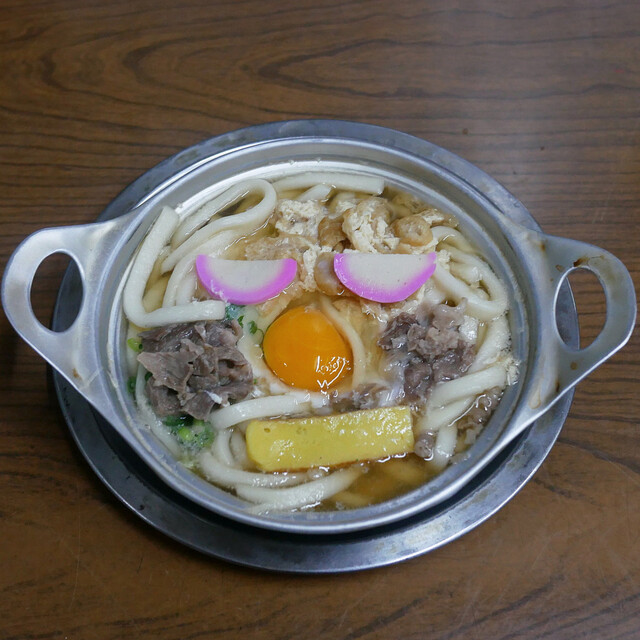
The French category attached to the restaurant is context, not a promise of haute cuisine ceremony. At this tier, French influence usually appears through sauce structure, browning, emulsification, and kitchen timing. The ingredient question is practical: yoshoku succeeds when humble components get enough technique to justify choosing it over ramen, udon, or a nearby set-meal counter. Matsuyama has all within reach, from the nabeyaki udon tradition represented by comparison names such as Nabeyaki Udon Asahi and Kotori to Chinese-noodle specialists like Chuka Soba Fukamidori. Against that field, yoshoku occupies the middle register: more composed than a quick noodle stop, less formal than kappo or ryokan-adjacent dining.
The 2025 Tabelog Yoshoku WEST 100 selection gives the room a concrete credential within western Japan’s yoshoku category. The restaurant was also selected in the 2023 yoshoku list, suggesting recognition beyond a one-year spike. That is the trust signal, not theatrical scarcity. In a city where dinner plans split between casual local staples and destination Japanese cooking, Yoshokuya Shii fills a precise gap: a small-format Western-style Japanese kitchen with enough external recognition to plan around.
An 11-seat room changes the way this category feels
Scale shapes the meal before the first plate arrives. Eleven seats put the restaurant closer to a specialist counter than a broad family restaurant, even though children are explicitly welcome. Small capacity compresses the usual yoshoku experience: fewer distractions, more dependence on timing, and less walk-in luck when the room is committed. It also changes value: the meal sits in an accessible local price band, but limited seating and awards history make it behave more like a planned stop than an anonymous neighborhood fallback.
Matsuyama’s better dining rewards that calibration. A food-focused day might use yoshoku as the lower-pressure anchor between more formal Japanese meals. Dogo Kaishu (Japanese Cuisine) points toward the city’s Japanese dining vocabulary, while Bettei Oborozukiyo connects dining to the Dogo hospitality circuit. Hinode and Ino widen the local map differently. Yoshoku belongs when the desired meal is not ceremonial but still highly specific.
The position near Matsuyama City Station keeps the restaurant in the working city rather than the onsen postcard. Sanbancho is a useful base for reading Matsuyama as residents use it: commercial streets, compact buildings, and restaurants reliant on repeat habits. The cooking fits that urban grain. Yoshoku was built for everyday appetite, but strong versions carry enough technique to make ordinary categories feel judged: depth of sauce, whether the meat cooking holds, whether the plate feels heavy or resolved. Those are the criteria, not luxury signals.
How to place it in a Matsuyama itinerary
For travelers, the decision is less trophy-chasing than choosing a kind of Matsuyama dinner. If the day already includes ryokan dining or a seafood-led Japanese counter, yoshoku offers contrast without leaving the local rhythm. If the plan is casual staples, this is the more composed option, with Tabelog recognition and a room small enough to make advance planning sensible. La Sera, Namae no Nai Italia Ryori Ten, and No Name sit in the broader Western-leaning Matsuyama conversation, but yoshoku is not Italian dining by another name; its reference points are Japanese rice, sauce culture, and domestic Western cooking.
Payment and access details create small frictions in Japan’s regional dining rooms. The restaurant is non-smoking, private rooms are not part of the format, and private use is available. Parking is not provided, so the station-area location is better treated as a walking or transit meal than a drive-up countryside stop. Reservations are available, and with 11 seats, they are the practical move for anyone anchoring an evening around it.
Readers building a wider Matsuyama trip should use the venue as a category marker: the city is not only onsen inns and seafood counters. For broader planning, see Our full Matsuyama restaurants guide, then layer in Our full Matsuyama hotels guide, Our full Matsuyama bars guide, Our full Matsuyama wineries guide, and Our full Matsuyama experiences guide. For contrast outside the city, EP Club’s Japan and overseas restaurant files range from -Grilled beef Sukiyaki- KAMAKURA TANUKIAN 鎌倉 たぬき庵 in Kamakura and. 鮪と炭火焼き うお炭 秋葉原店 in Tokyo to.cafe in Osaka.know in Kumamoto, (Shoku) Vietnam in Kawasaki, [Curry Senmon Ten] Maruyama Kyoju. in Sapporo, Jōdo Saké Bar in Los Angeles, and Onigiri Time in Pasadena.
Comparison Snapshot
Comparable venues by cuisine and price in the same metro.
| Venue | Cuisine | Price | Notes |
|---|---|---|---|
| Yoshokuya ShiiThis venue — the venue you are viewing | Japanese-style Western Cuisine (Yoshoku) | $$ | Not listed |
| No Name | Traditional Matsuyama Regional Cuisine | $$ | Matsuyama |
| 上海点心 豫園 | 上海点心専門店 | $$ | 朝生田町 |
| Kotori | Japanese Udon | $ | Minatomachi |
| Sumishin | Traditional Yakitori & Chicken Dishes | $$$ | Okaido |
| Sushi Kawanaka | Edomae Sushi Omakase | $$$ | Okaido |
Recognition history
Dated appearances from independent guides and award organizations, with the underlying list record or original source where available.
Tabelog 100 #58 · No. 58
Tabelog · Tabelog 100 - Yoshoku - WEST - 2025
Continue exploring
More in Matsuyama
Restaurants in Matsuyama
Browse all →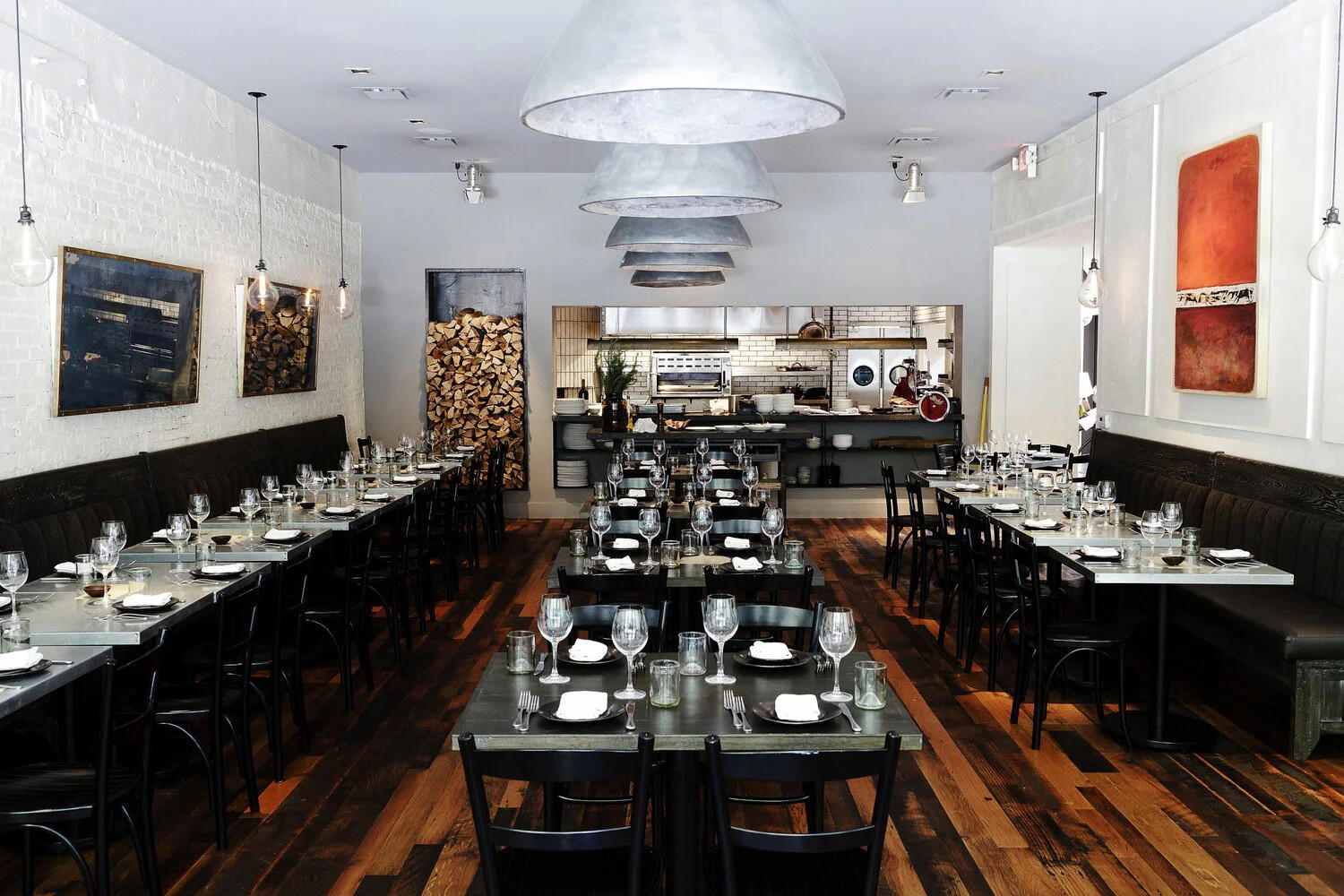
At a Glance
- Classic
- Cozy
- Intimate
- Family
- Solo
- Casual Hangout
- Standalone
- Zero Proof
- Street Scene
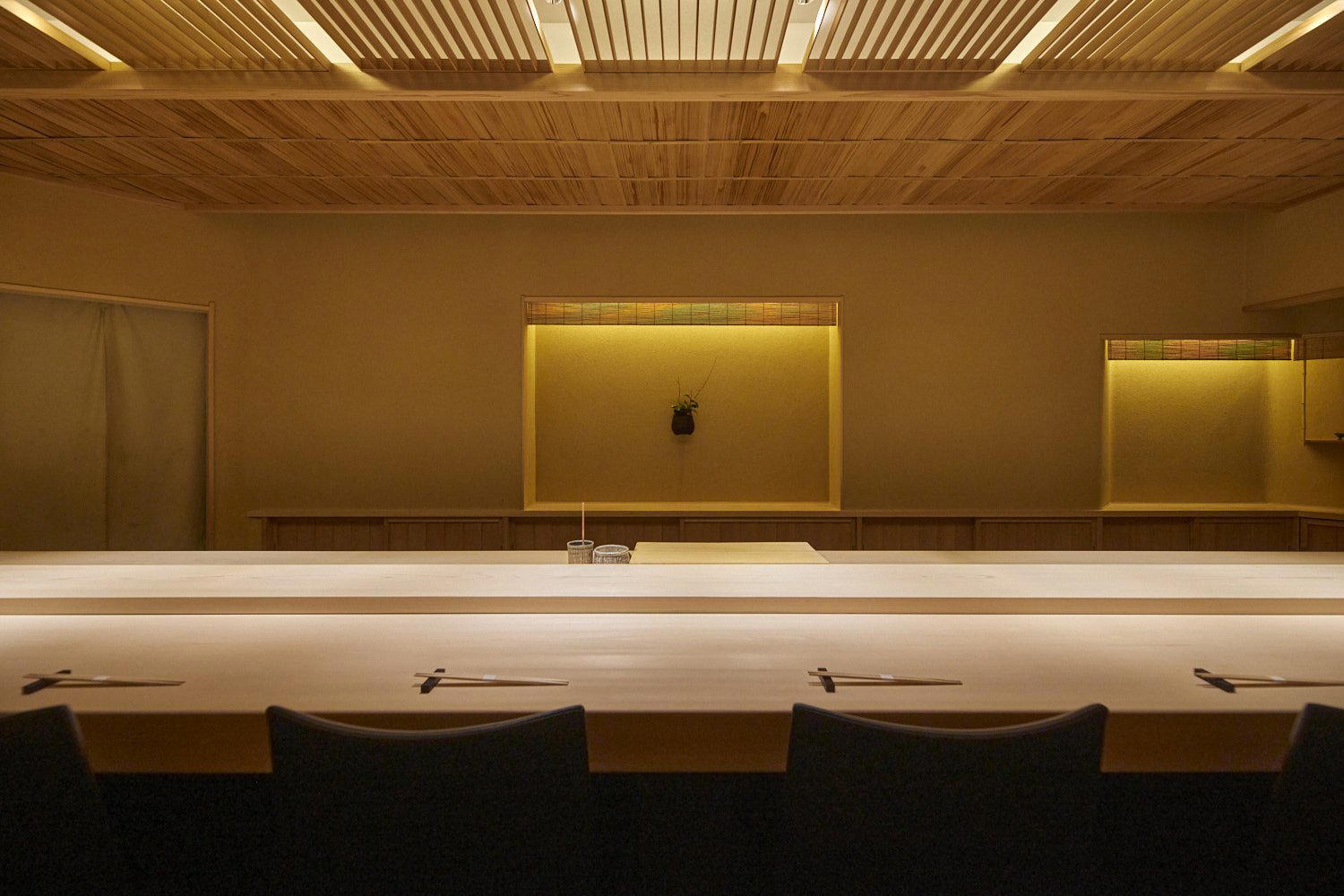
Compact and cozy with a classic neighborhood-restaurant feel; the small interior and limited seating suggest an intimate, low-key atmosphere.