
Yoshoku Bar Ultra brings Tokyo’s Japanese-Western comfort tradition into a compact Kyodo format, with hamburger steak, bar-style cooking, wine, counter seating and a Tabelog Yoshoku EAST 100 selection in 2025. Its appeal is less about luxury than discipline: a small room, modest pricing, no-smoking policy and a category that rewards kitchens able to make everyday dishes feel tightly judged.
Pearl is the En Primeur Club membership app — saves, bookings, and concierge access live there. Same editors, same standards.
- Address
- Japan, 〒156-0052 Tokyo, Setagaya City, Kyodo, 1 Chome−19−2 松菱ビル 1F
- Phone
- +81 3-6413-9326
- Website
- instagram.com
 Saves & bookings on Pearl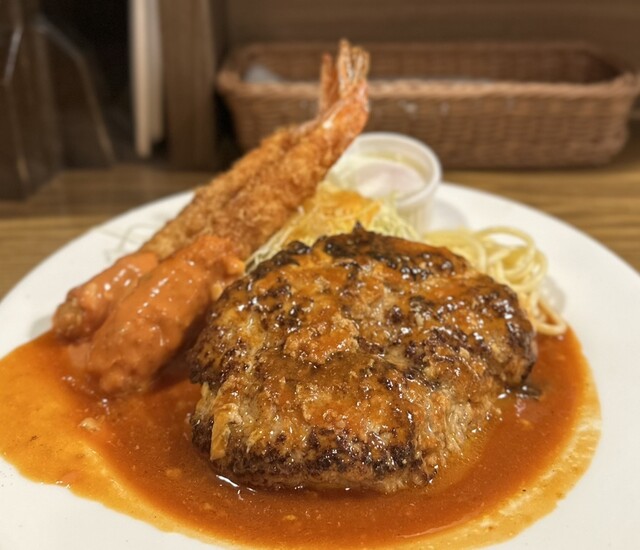
Kyodo is not the Tokyo of hotel-lobby dining rooms or choreographed tasting menus. West of the central wards, station streets compress daily life into bakeries, curry counters, bars, grocers and small restaurants built on repeat custom rather than spectacle. Yoshoku Bar Ultra belongs to that Tokyo: compact, close to the station, made for counter dining and table turnover, and rooted in the Japanese-Western canon that turns hamburger steak, sauces, rice plates and bar food into serious urban craft.
That matters because visitors often misread yoshoku as nostalgia food, when in Tokyo it works more like a technical comfort category. The cooking must satisfy quickly, price accessibly and show enough precision to distinguish a destination counter from an ordinary lunch stop. Yoshoku Bar Ultra’s 2025 selection in the Tabelog 100 Yoshoku EAST list places it in a judged field where consistency counts. Its Tabelog score of 3.61 is not a luxury signal; it is a category signal in a cuisine where casual and carefully run can sit close together.
Yoshoku as Tokyo's low-waste comfort grammar
The sustainability story here is not manifesto-driven. It is built into yoshoku’s format: sauces that carry prep across service, rice-centered plates, compact menus, small rooms and ingredients used in practical combinations rather than staged abundance. In a city where high-end dining often communicates value through rarity, yoshoku communicates value through restraint. A hamburger steak or Japanese-style Western plate succeeds when the kitchen controls fat, seasoning, heat and portion without making the diner feel managed.
Baru influence adds another layer. Tokyo’s casual Western-leaning bars often sit between restaurant and drinking room, using wine, counter seats and small-plate logic to stretch the evening without the waste profile of a large tasting-menu operation. Yoshoku Bar Ultra’s mix of Japanese-style Western cuisine, Spanish-style bar and hamburger steak points to that hybrid. Environmental consciousness in restaurants does not always arrive with labels. Sometimes it looks like a 21-seat room, no private-room sprawl, a lunch-and-dinner rhythm and cooking designed for everyday demand.
The Tokyo comparison clarifies the point. Sushidokoro Kiraku occupies a sushi lane where counter ritual and fish sourcing drive expectations. Sumibi Yakiniku Fuchioka sits in a higher-spend grilled-meat bracket. Garam Masala and Kalpasi draw attention toward spice-led dining, while Hassho operates in a different casual price band. The restaurant is not competing with those formats dish for dish. It sits where a modest cheque can still carry editorial interest because the category has its own rules, regulars and awards ecosystem.
Compact room, bar logic, and the Setagaya advantage
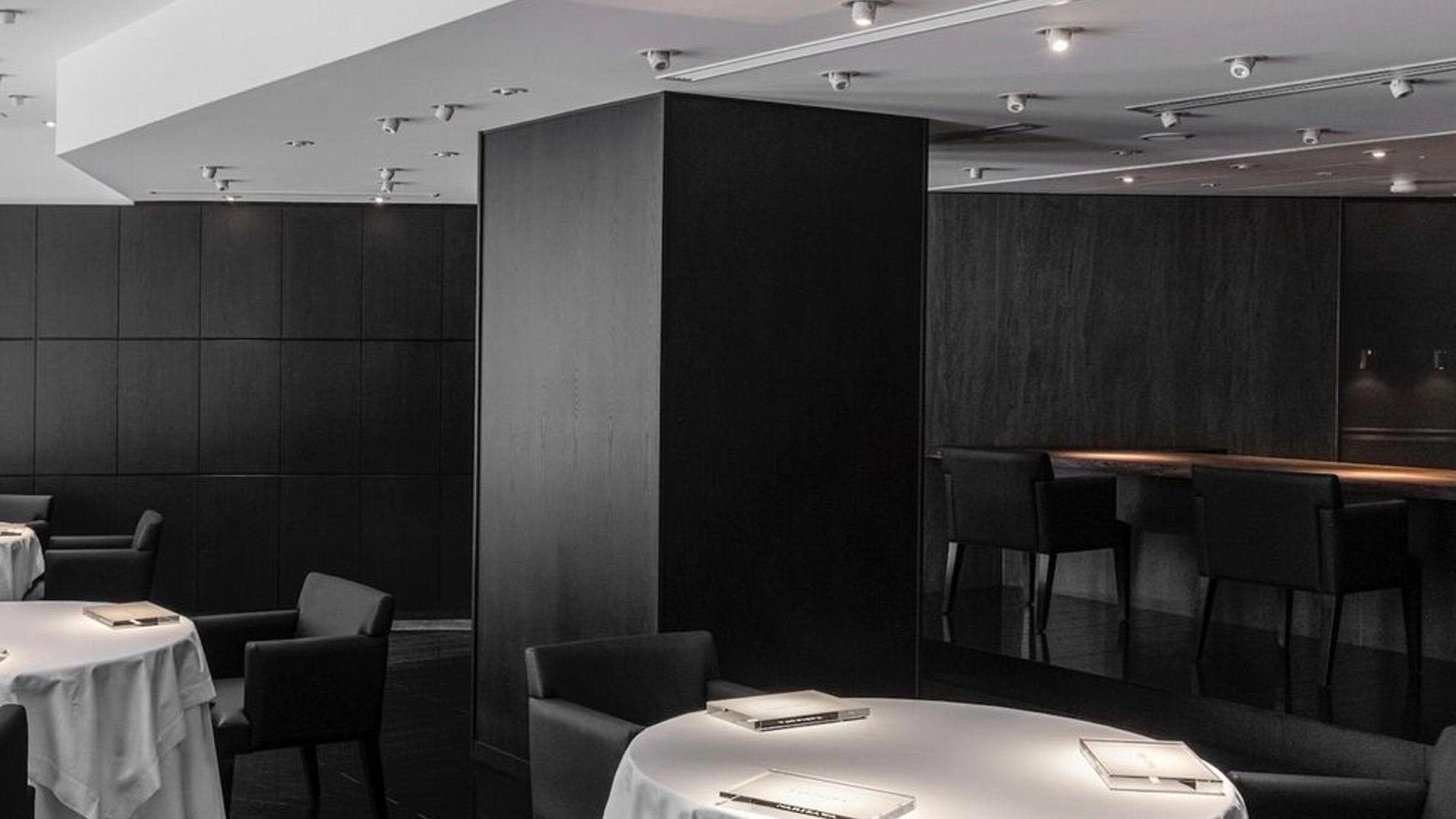
Setagaya lets restaurants behave like neighborhood institutions without losing Tokyo seriousness. Kyodo has the rhythm of a commuter district rather than a destination dining corridor: the meal has to work on a weekday, not only as a planned night out. That sharpens restaurants. They cannot rely on theatre alone or price only for visitors. The restaurant’s room reinforces that pressure, with counter seating, table seating and an open-terrace element rather than a formal dining-room script.
For readers mapping Tokyo beyond the usual restaurant belt, this is the address’s value. Ginza, Aoyama and Roppongi teach one version of Tokyo dining: reservation culture, imported wine lists, luxury omakase economics. Kyodo teaches another: small independent rooms, short decision cycles and food categories locals judge with little patience for overstatement. The traveler planning sushi, yakitori and cocktail reservations should leave room for this layer, because it explains how Tokyo eats between occasions.
There is also a price-tier argument. The restaurant’s listed lunch and dinner budgets both sit in the JPY 1,000 to JPY 1,999 range, unusually revealing in a city where acclaim often pushes visitors toward higher-spend counters. A Tabelog 100 Yoshoku EAST selection at this level signals not bargain hunting, but category competence without luxury inflation. Cash-only payment and the absence of service charge or appetizer fee fit that practical, low-friction profile, although diners should plan payment logistics.
How to place it in a Tokyo itinerary
The restaurant makes strongest sense for travelers who know Tokyo dining is not a single hierarchy. The city rewards switching registers: sushi one day, curry the next, yakitori after that, then a neighborhood yoshoku counter showing how Western forms were absorbed and made local. For broader planning, Our full Tokyo restaurants guide gives the larger field, while hotels, bars, wineries and experiences can be mapped through Our full Tokyo hotels guide, Our full Tokyo bars guide, Our full Tokyo wineries guide and Our full Tokyo experiences guide.
Within that field, the restaurant pairs naturally with other focused casual addresses rather than only trophy reservations. A traveler comparing genres might look at 3 Chome no Curry Ya San for curry, 124. KAGURAZAKA (Yakitori) for yakitori. 鮪と炭火焼き うお炭 秋葉原店 for tuna and charcoal grilling, 12/10 Shinjuku ten for a Shinjuku contrast, or 2D Cafe for a more visual café stop. The point is not to rank them together, but to see how Tokyo’s casual categories each carry their own standards.
For readers extending the same logic beyond Tokyo, the wider Japan map helps. -Grilled beef Sukiyaki- KAMAKURA TANUKIAN 鎌倉 たぬき庵 in Kamakura.cafe in Osaka.know in Kumamoto, (Shoku) Vietnam in Kawasaki, [Curry Senmon Ten] Maruyama Kyoju. in Sapporo and [ki:] in Kyoto show how genre-specific dining can be more instructive than chasing formality. Even outside Japan, the same lens applies at Jōdo Saké Bar in Los Angeles and Onigiri Time in Pasadena, where Japanese food culture is translated through local demand.
The editorial case for the restaurant is precise: a small Setagaya restaurant in an accessible price band, recognized by Tabelog’s 2025 Yoshoku EAST 100, working in a cuisine where thrift, repetition and comfort are not limitations but the framework. For visitors who want Tokyo meals that explain the city rather than merely decorate an itinerary, that framework is the draw.
Similar Picks
Comparable venues at a glance for context.
| Venue | Cuisine | Price | Notes |
|---|---|---|---|
| Yoshoku Bar UltraThis venue — the venue you are viewing | Yoshoku bar (Japanese-style Western comfort food) | $$ | Not listed |
| Kooriya Peace | Japanese Kakigori Shaved Ice | $$ | Kichijoji |
| Ginza Kagari (銀座 篝) | Chicken Paitan Ramen | $$ | Ginza |
| 鮨・四季創作 心陽 (こはる) | Fresh Sushi & Seafood Bowls | $$ | Harajuku / Kita-Sando |
| CAFE Mame-Hico Sangenjaya honten | Japanese cafe with seasonal desserts | $$ | Setagaya |
| TAKESHIN Yoyogiuehara ten | Tonkatsu & Katsudon | $$ | Shibuya |
Recognition history
Dated appearances from independent guides and award organizations, with the underlying list record or original source where available.
Tabelog 100 #21 · No. 21
Tabelog · Tabelog 100 - Yoshoku - EAST - 2025














At a Glance
- Cozy
- Lively
- Casual
- Casual Hangout
- After Work
- Solo
- Standalone
Current opening hours
- Monday
- 11 AM–2:30 PM, 6–10 PM
- Tuesday
- 11 AM–2:30 PM, 6–10 PM
- Wednesday
- 11 AM–2:30 PM, 6–10 PM
- Thursday
- 11 AM–2:30 PM, 6–10 PM
- Friday
- 11 AM–2:30 PM, 6–10 PM
- Saturday
- 11 AM–2:30 PM, 6–10 PM
- Sunday
- Closed
Hours can change for holidays and private events. Last verified .
A compact, relaxed bar-restaurant with a casual local feel; more like a yoshoku-ya crossed with a Spanish-style bar than a formal dining room, likely with counter seating and close tables that create a buzzy but informal atmosphere.