
TAKESHIN Yoyogiuehara ten belongs to Tokyo’s everyday tonkatsu canon rather than its luxury tasting-menu circuit. The draw is the combination of Tabelog Tonkatsu 100 recognition in 2017, 2019, 2021, 2024, and 2026, a modest JPY 1,000–1,999 budget band, and a Yoyogi-Uehara setting that keeps the meal grounded in neighborhood dining.
Pearl is the En Primeur Club membership app — saves, bookings, and concierge access live there. Same editors, same standards.
- Address
- 東京都渋谷区西原3-1-7 ティーズプレイス 1F
- Phone
- +81334661125
- Website
- take-shin.co.jp
 Saves & bookings on Pearl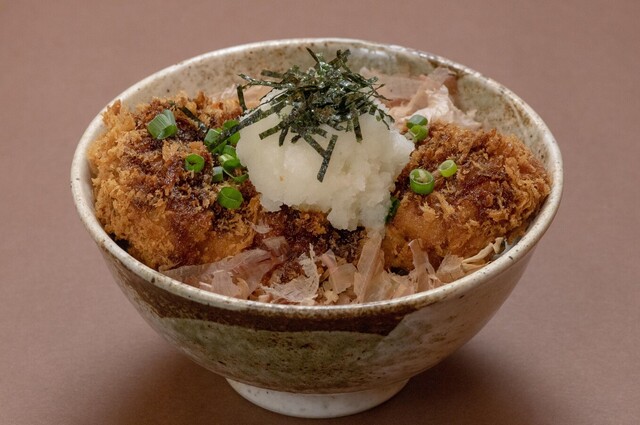
Yoyogi-Uehara has a different rhythm from the restaurant corridors of Ginza or Roppongi. The approach is residential, low-rise, and practical: a station-side pocket of Shibuya where serious meals can sit beside bakeries, cafés, and daily errands without announcing themselves too loudly. In that context, tonkatsu makes sense. It is one of Tokyo’s great democratic formats, built on repetition, frying discipline, rice, cabbage, and timing rather than ceremony.
TAKESHIN Yoyogiuehara ten fits that neighborhood grammar. Its reputation is not based on luxury signals or chef mythology, but on sustained recognition in a category where small differences matter. Selection for Tabelog’s Tonkatsu 100 in 2017, 2019, 2021, 2024, and 2026 places it inside a narrow group of pork-cutlet specialists that Japanese diners return to and compare with unusual precision. For travelers, that matters because tonkatsu is easy to underestimate from the outside. The format looks simple; the judgment is not.
Tonkatsu recognition without Tokyo fine-dining theatrics
Tokyo’s awards conversation often skews toward sushi counters, kaiseki rooms, French-influenced tasting menus, and ramen queues. Tonkatsu sits in another register. It is more accessible, more lunch-driven, and more dependent on craft that can be read quickly: the cut, the fry, the crust, the rice, the pacing of service. A Tabelog Tonkatsu 100 selection is therefore a useful signal, not because it turns a pork cutlet meal into fine dining, but because it separates serious specialists from interchangeable set-meal shops.
The price band reinforces that point. At JPY 1,000–1,999 for both lunch and dinner, this is not competing with Tokyo’s reservation-only counters. It competes in the more interesting middle ground where locals expect consistency, value, and execution over spectacle. That is also why the repeat selections across multiple Tabelog cycles carry weight. A single award-year mention can reflect a moment; recognition across 2017, 2019, 2021, 2024, and 2026 suggests durability in a category crowded with disciplined operators.
The menu category is equally direct: tonkatsu and katsu-don. That pairing keeps the focus on pork cutlet cookery rather than a sprawling izakaya-style menu. Drinks sit in a Japanese comfort-food register too, with sake, shochu, and wine listed, but the center of gravity remains the fried cutlet format. The point here is not rarity. It is confidence in a dish family that Tokyo treats with far more seriousness than many visitors expect.
Why Yoyogi-Uehara suits this kind of meal
Yoyogi-Uehara is useful for travelers precisely because it is not a single-purpose dining district. It has Chiyoda Line and Odakyu access, a residential audience, and enough independent food culture to reward a detour without demanding a full evening plan. That gives a tonkatsu specialist a different role from a destination restaurant in a nightlife quarter. It can serve families, friends, solo counter diners, and office-adjacent meals in the same day.
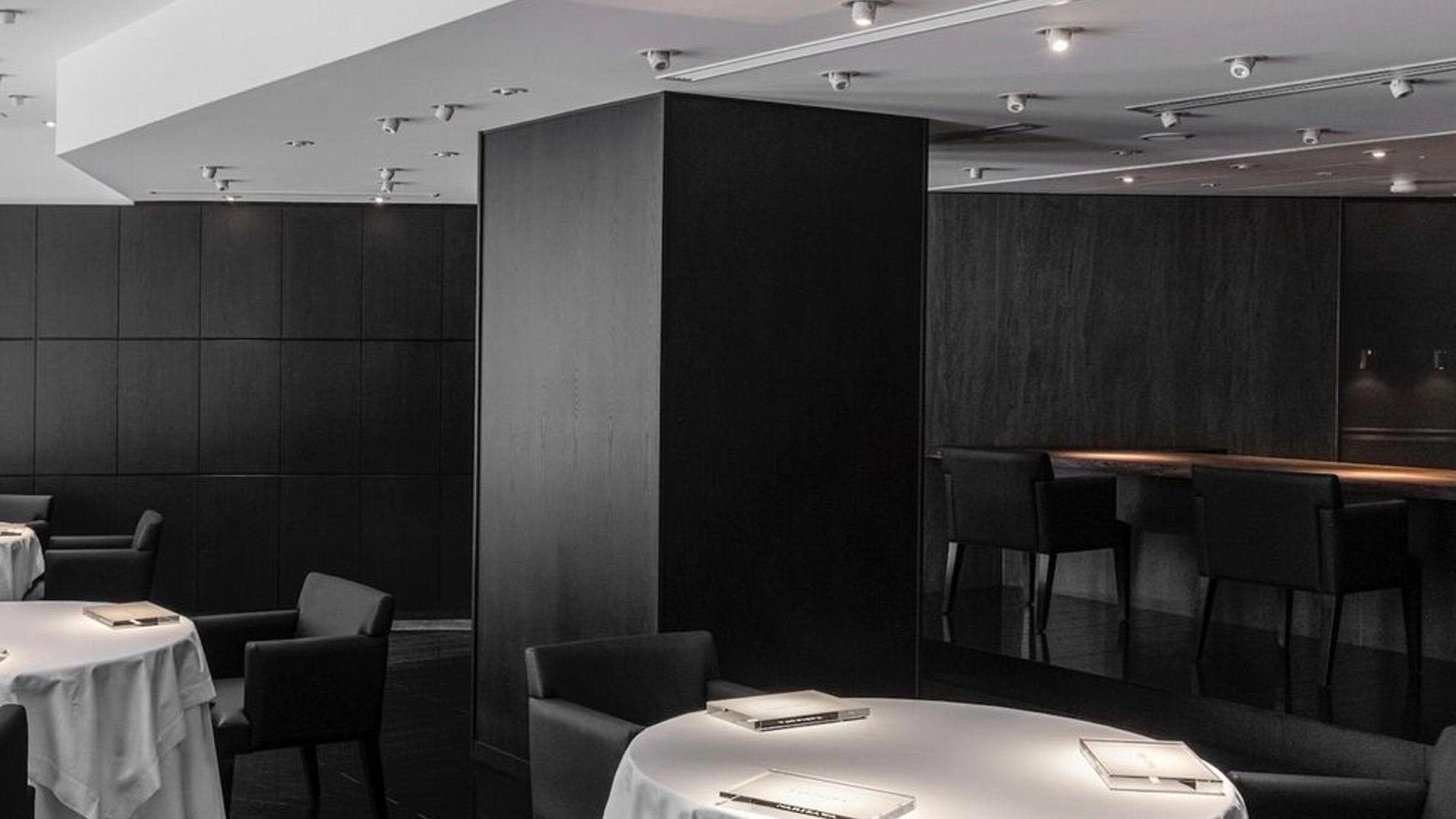
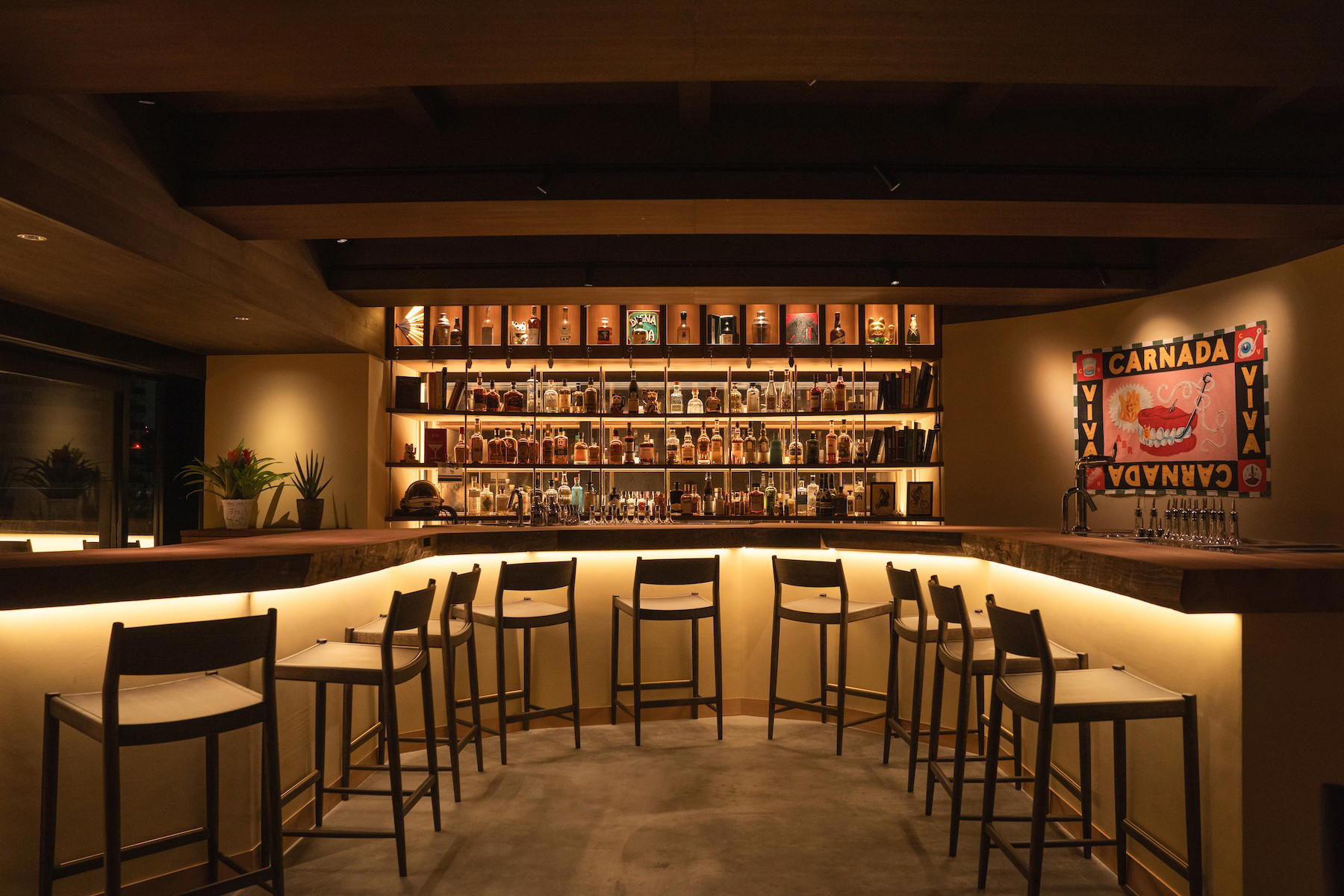
The room’s format supports that mixed use: 37 seats, including 7 counter seats on the first floor, tables on the second floor, and raised seating. Those details matter in Tokyo, where many high-interest restaurants are either tiny counters or larger chain-like operations. This sits between those poles. Counter seating suits the quick, focused meal; tables and raised seats make it easier for small groups and children, and the restaurant is listed as family friendly with children welcome.
That practicality also explains why this entry belongs in a broader Tokyo plan rather than a trophy-only itinerary. A day that starts in west Tokyo, runs through Yoyogi-Uehara, and continues toward Shinjuku or Omotesando can absorb a meal here without forcing the schedule around a long tasting menu. For broader planning, compare it with other Tokyo restaurant formats in Our full Tokyo restaurants guide, or balance the day with Our full Tokyo hotels guide, Our full Tokyo bars guide, Our full Tokyo wineries guide, and Our full Tokyo experiences guide.
How it reads against Tokyo's casual-specialist circuit
Tokyo’s casual specialists are not casual about standards. Curry shops, ramen counters, yakitori rooms, soba houses, tonkatsu specialists, and small Chinese restaurants all operate with their own internal hierarchies. That is the useful comparison for TAKESHIN Yoyogiuehara ten: not luxury dining, but focused category cooking where a narrow menu can build a strong reputation over years.
Within the city, that places it in conversation with other concise-format restaurants rather than broad, all-purpose dining rooms. A traveler comparing casual Tokyo meals might look at 3 Chome no Curry Ya San for curry, 12/10 Shinjuku ten for a Shinjuku stop, 124. KAGURAZAKA (Yakitori) for skewers. 鮪と炭火焼き うお炭 秋葉原店 for tuna and charcoal cooking, or 2D Cafe for a visual café format. None of those needs to serve the same purpose. The point is range: Tokyo rewards diners who understand category, neighborhood, and occasion before chasing a single ranking.
The comparison also extends beyond Tokyo. Japan’s regional dining map is full of narrow specialists and compact concepts, from -Grilled beef Sukiyaki- KAMAKURA TANUKIAN 鎌倉 たぬき庵 in Kamakura to.cafe in Osaka.know in Kumamoto, (Shoku) Vietnam in Kawasaki, [Curry Senmon Ten] Maruyama Kyoju. in Sapporo, and [ki:] in Kyoto. Even Japanese food abroad often follows this specialization logic, visible in places such as Jōdo Saké Bar in Los Angeles and Onigiri Time in Pasadena.
The useful editorial read is simple: this is a Tokyo tonkatsu address with repeated category recognition, accessible pricing, and a neighborhood format that does not ask the meal to become theater. For a traveler who already has sushi, ramen, and cocktail reservations covered, it fills a different gap: the disciplined everyday restaurant that explains how seriously Tokyo takes familiar food.
Cuisine-First Comparison
Comparable venues for orientation by cuisine and category.
| Venue | Cuisine | Price | Notes |
|---|---|---|---|
| TAKESHIN Yoyogiuehara tenThis venue — the venue you are viewing | Tonkatsu & Katsudon | $$ | Not listed |
| Re:s Cafe Bar & Sweets | Japanese Dessert Cafe | $$ | Nishi Waseda |
| Hishida-ya Sakaba | Chinese-influenced Izakaya with Fresh Tuna | $$ | Meguro |
| Takenoshita Soba | Traditional Japanese Soba | $$ | Shibuya |
| 渋谷 鮨一喜 | Showa-era Tokyo Dining | Not listed | Shibuya |
| Tonkatsu Gensuiton | Artisanal Tonkatsu (Pork Cutlet) | $$ | Setagaya |
Recognition history
Dated appearances from independent guides and award organizations, with the underlying list record or original source where available.
Tabelog 100 #24 · No. 24
Tabelog · Tabelog 100 - Tonkatsu - 2026













At a Glance
- Cozy
- Classic
- Lively
- Solo
- Family
- Casual Hangout
- Group Dining
- After Work
- Standalone
- Local Sourcing
A compact, two-level neighborhood tonkatsu shop with counter seating downstairs and simple tables and raised tatami-style seating upstairs, offering a warm, bustling atmosphere that feels casual yet well cared for rather than polished or formal.