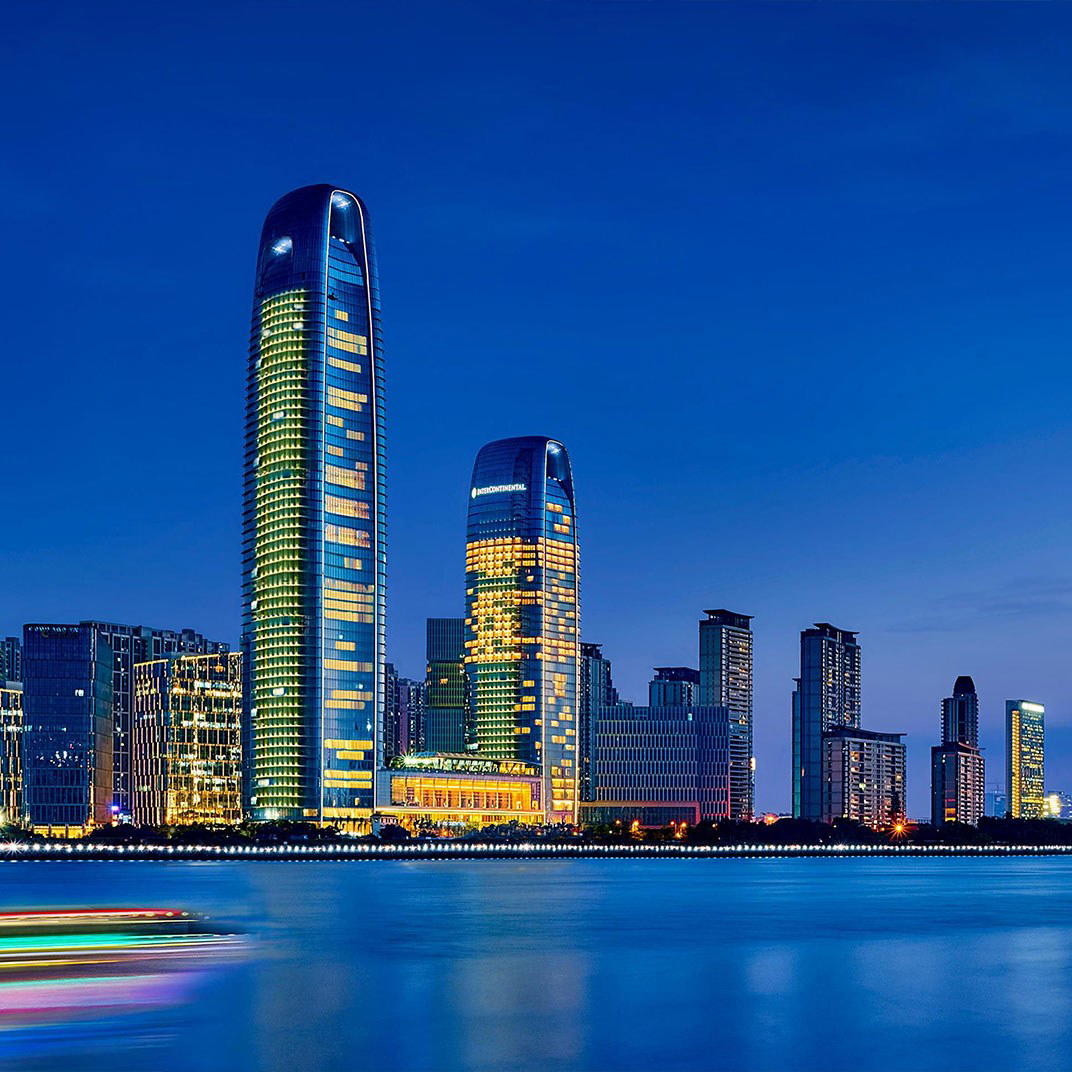
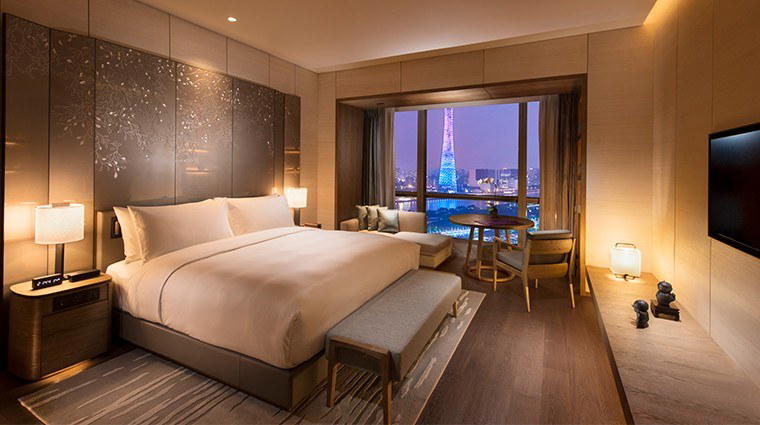
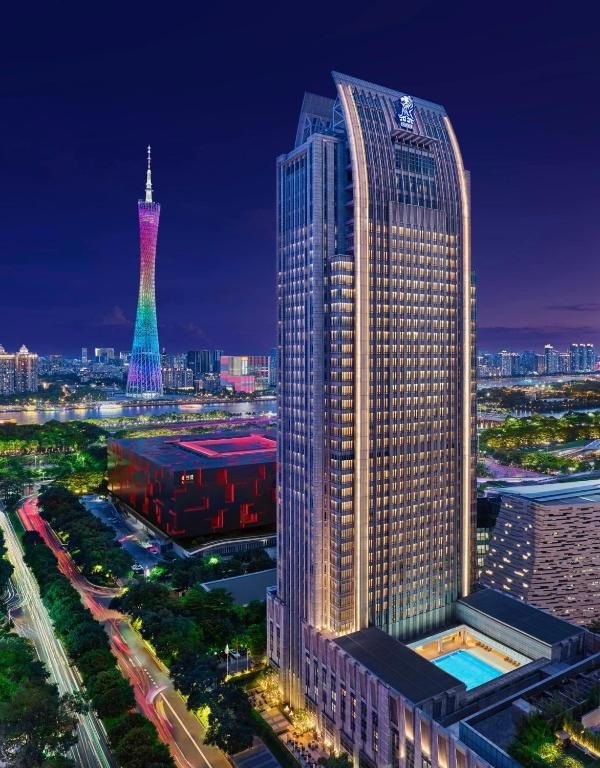
德利私厨 focuses on private kitchen dining at 909 Xingye Blvd in Panyu District, Guangzhou, with a quiet setting that suits a low-key meal plan.
Pearl is the En Primeur Club membership app — saves, bookings, and concierge access live there. Same editors, same standards.
- Address
- 909 Xingye Blvd, Panyu District, Guangzhou, Guangdong Province, China, 511442
- Phone
- +862034721862
- Website
- deshubaoyu.com
- Directions
- Get directions
 Saves & bookings on Pearl
Panyu, Autumn, and the Architecture of a Cantonese Meal
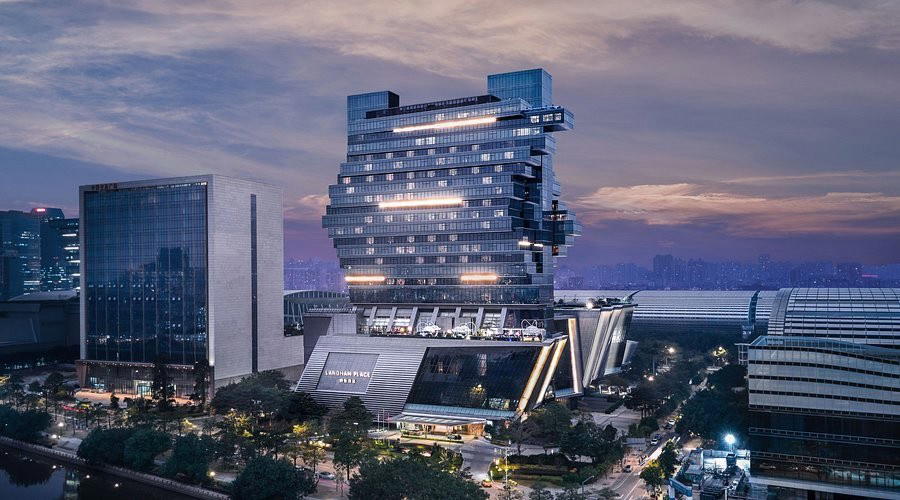
The stretch of Xingye Boulevard in Guangzhou's Panyu District carries a different rhythm from the older restaurant corridors of Tianhe or Yuexiu. The district has grown fast, pulling residential density alongside commercial development, and the dining scene here reflects that: newer rooms, larger footprints, and a clientele that includes southern Guangdong families driving in specifically for a meal rather than wandering in off the street. It is in this context that 德利私厨 sits at No. 909, a private-kitchen address in Guangzhou's Panyu District.
Autumn and winter are when Cantonese private kitchens tend to show their range most fully. The seasonal logic here is not decoration: cooler months in the Pearl River Delta bring the produce and proteins that Cantonese technique is built to handle. Snake soup, preserved meats, the particular bitterness of seasonal greens that softens with blanching, these are the culinary markers of a Guangdong autumn, and the private kitchen format is the setting in which they tend to appear at their most considered. The fixed or semi-fixed menus that characterise the 私厨 (sī chú) model allow kitchens to source specifically for what is available, rather than maintaining the sprawling à la carte architecture of a full-service restaurant.
The Private Kitchen Model in Guangzhou's Dining Tier
The 私厨 format occupies a specific position in Guangzhou's premium dining structure. It sits between the formal Cantonese banquet restaurant, places like BingSheng Mansion (Xiancun Road) and Imperial Treasure Fine Chinese Cuisine, and the experimental end represented by venues such as Chōwa. The private kitchen model trades scale and breadth for focus: fewer tables, more deliberate sourcing, menus that can shift by the week rather than by the season. What it demands of the diner is a certain willingness to commit, typically booking further in advance and accepting the menu terms the kitchen sets rather than the other way around.
This format has parallels across China's premium dining tier. In Shanghai, 102 House operates within a similar logic of curated access. In Macau, Chef Tam's Seasons applies Cantonese technique within a tasting-menu format that likewise narrows the choice architecture to deepen the execution. The private kitchen model in Guangdong is the regional version of the same impulse: precision over breadth, sourcing over spectacle.
Atmosphere and the Physical Experience
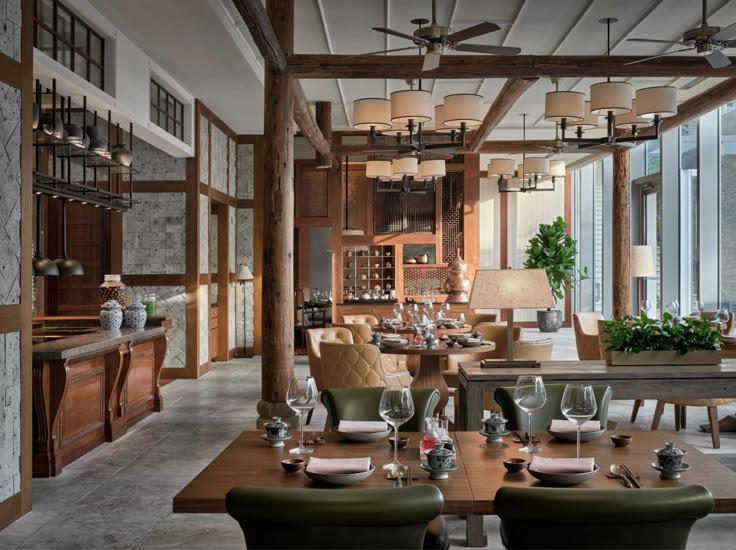
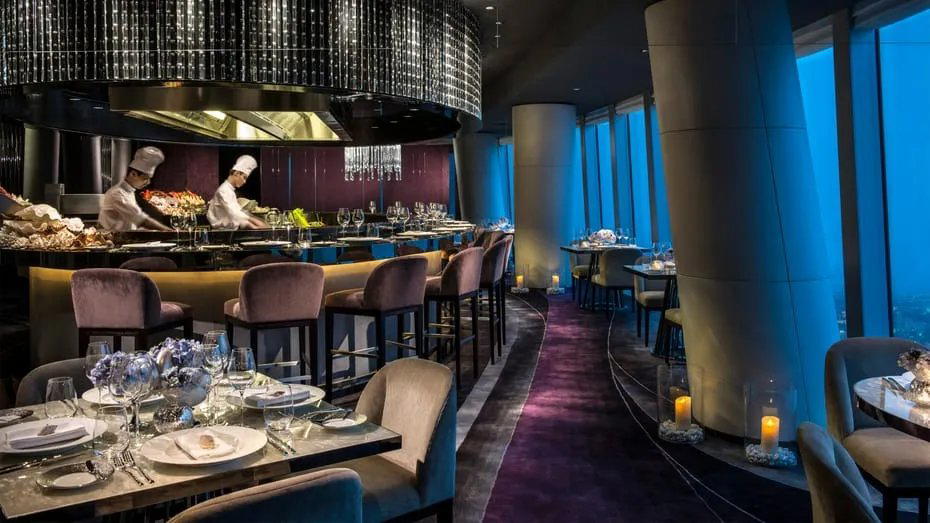
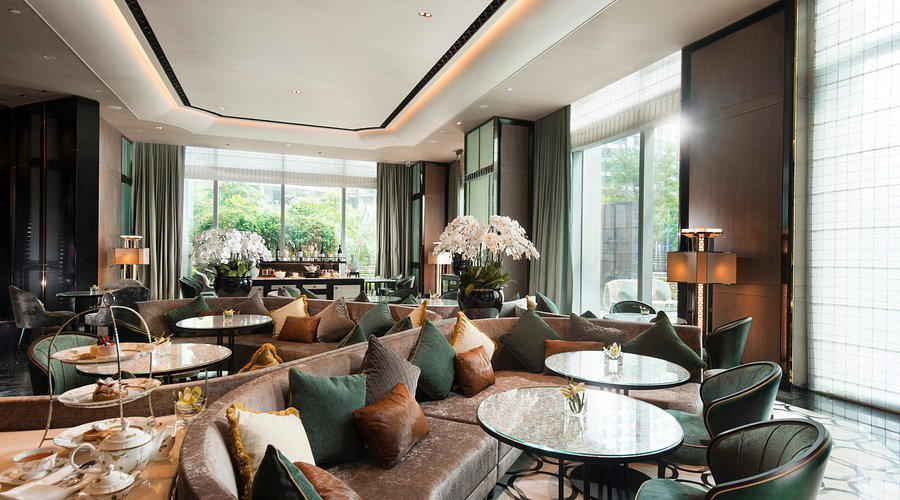
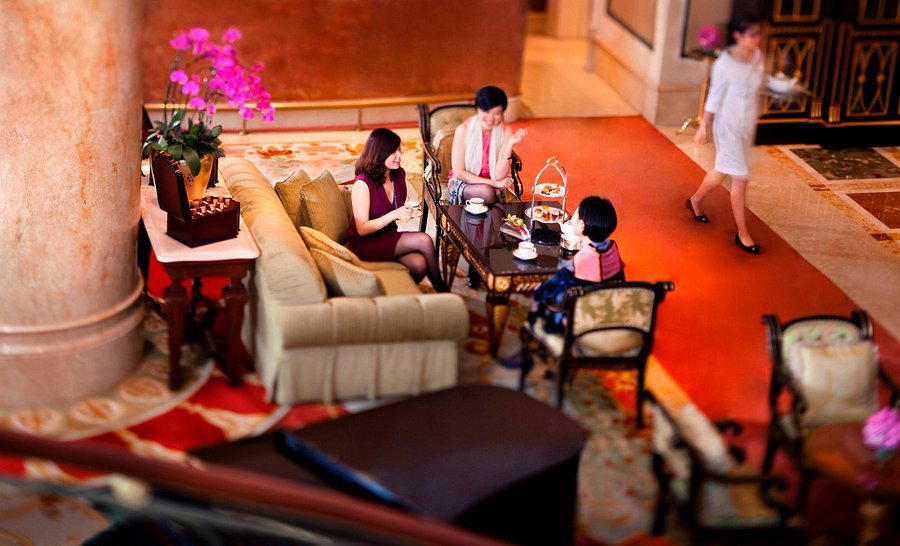
Private kitchens in the Guangdong tradition tend to work with enclosed, quieter rooms, the antithesis of the noise and ceremony of a Cantonese banquet hall. The sensory register shifts accordingly. There is less of the clanging trolley and the shout across tables that defines dim sum service at a place like Hongtu Hall. In its place, you get contained space, controlled temperature, and the specific sounds of a small kitchen working at close quarters: the hiss of a wok, the percussion of a cleaver on a wooden block, the occasional exchange between kitchen and service staff in Cantonese. These are not background details. In the private kitchen format, proximity to the kitchen is part of the experience, it signals that the cooking is happening in real time for a small number of covers, not being produced at volume for a dining room of a hundred.
The address itself, Panyu rather than the central districts, shapes the experience from the approach. This is not a venue you happen upon. The journey out to Xingye Boulevard from central Guangzhou, whether by Metro Line 3 toward Panyu Square or by car along the Southern Ring Road, establishes arrival as a deliberate act. In a city where the restaurant concentration in Tianhe and Zhujiang New Town can make dining feel like an exercise in choosing between abundance, Panyu's relative remove functions as a kind of threshold.
Reading 德乐私厨 Against the Guangzhou Scene
Guangzhou's claim as the reference point for Cantonese cuisine is a function of geography and history rather than marketing. The city sits at the heart of a regional food culture with distinct sub-traditions: Cantonese, Teochew, Hakka, and the Pearl River Delta seafood traditions that draw from all three. Private kitchens operate most credibly in this environment when they can draw on specific sourcing relationships, whole animals from known farms, live seafood from named markets, produce from specific county-level origins in Guangdong. That sourcing specificity is harder to verify from the outside, but it is precisely what the format is supposed to deliver and what guests willing to make the trip to Panyu are generally expecting.
At the formal end of Guangzhou's Cantonese tier, Jiang by Chef Fei sets the benchmark for technique applied at restaurant scale. Further afield in China, Cantonese-rooted cooking appears in different registers: Dai Yuet Heen in Nanjing and Shang Palace in Yangzhou represent what happens when Cantonese hospitality migrates into hotel-dining frameworks outside the Pearl River Delta. The private kitchen format, by contrast, is deeply rooted in the domestic dining culture of Guangzhou itself, it does not travel well, which is part of what makes it specific to eating here. For those curious about how high-focus dining varies across Chinese culinary traditions, the contrast with seafood-forward Zhejiang-style cooking at Xin Rong Ji in Chengdu or the northern technique at Xin Rong Ji (Xinyuan South Road) in Beijing is instructive. The 私厨 tradition is a Guangdong-specific answer to the question of what intimacy means in a dining context.
For those building a broader itinerary around serious regional cooking across southern and eastern China, the EP Club coverage of Ru Yuan in Hangzhou, Dingshan·Jiangyan (Xiangcheng) in Suzhou, Fleurs Et Festin in Xiamen, and Jiangnan Wok·Rong in Fuzhou maps the range. The full context for how Guangzhou specifically positions itself in this geography is available in our full Guangzhou restaurants guide.
Planning the Visit
德乐私厨 is located at 909 Xingye Boulevard, Panyu District, outside the central dining corridors and best reached by car or ride-hailing app. Given that the private kitchen format is appointment only, contact should be made well ahead of any intended visit; the format is structured around known covers rather than flexible seating. The autumn and winter months, roughly October through February, represent the period when Cantonese private kitchens operate in their most seasonally specific mode. Visiting outside that window remains worthwhile, but the menu calculus shifts.
For comparison benchmarks before booking, the formal Cantonese tier in Guangzhou, including the ¥¥¥ bracket occupied by Imperial Treasure and BingSheng Mansion, provides a useful reference for price expectation in the premium segment. The private kitchen format can fall anywhere in that tier depending on sourcing ambition and cover count.
Nearby-ish Comparables
Comparable venues nearby, for context on price, style, and recognition.
| Venue | Cuisine | Price | Notes |
|---|---|---|---|
| 德利私厨This venue — the venue you are viewing | Private Kitchen | Not listed | Not listed |
| Yongli Restaurant | Traditional Cantonese | $$ | Guangzhoushi |
| Fa Sing Garden Cantonese Cuisine Restaurant | Cantonese | $$ | Zhujiang New Town |
| ååè¶é¤å | Tea Restaurant | Not listed | Guangzhoushi |
| BingSheng Private Kitchen | Fine Cantonese Private Kitchen | $$$ | Tianhe |
| Wenjian Hainan Cuisine | Hainanese Cuisine | $$ | Guangzhoushi |
Continue exploring