


Michelin Plate · La Liste Top Restaurants
Our verdict
A 1930s former British Consulate in Xuhui District, YongFoo Elite occupies one of Shanghai's most architecturally charged addresses and pairs it with a menu of traditional Shanghainese cooking, ancient recipes rarely found on contemporary restaurant lists. Ranked #399 in Opinionated About Dining's Asia Top Restaurants in 2024 and listed on La Liste 2025, it draws a crowd that comes for the hairy crab roe, braised pork belly, and a wine list that takes the room seriously.

Pearl is the En Primeur Club membership app, where members save venues, book tables and use the concierge.
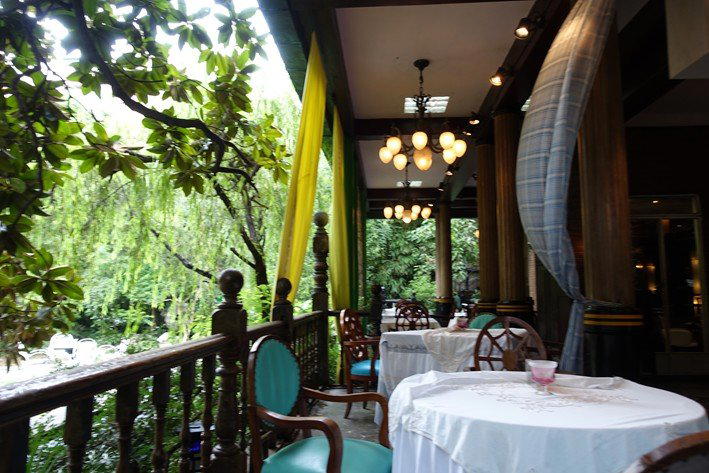
A Consulate Repurposed, a Cuisine Preserved
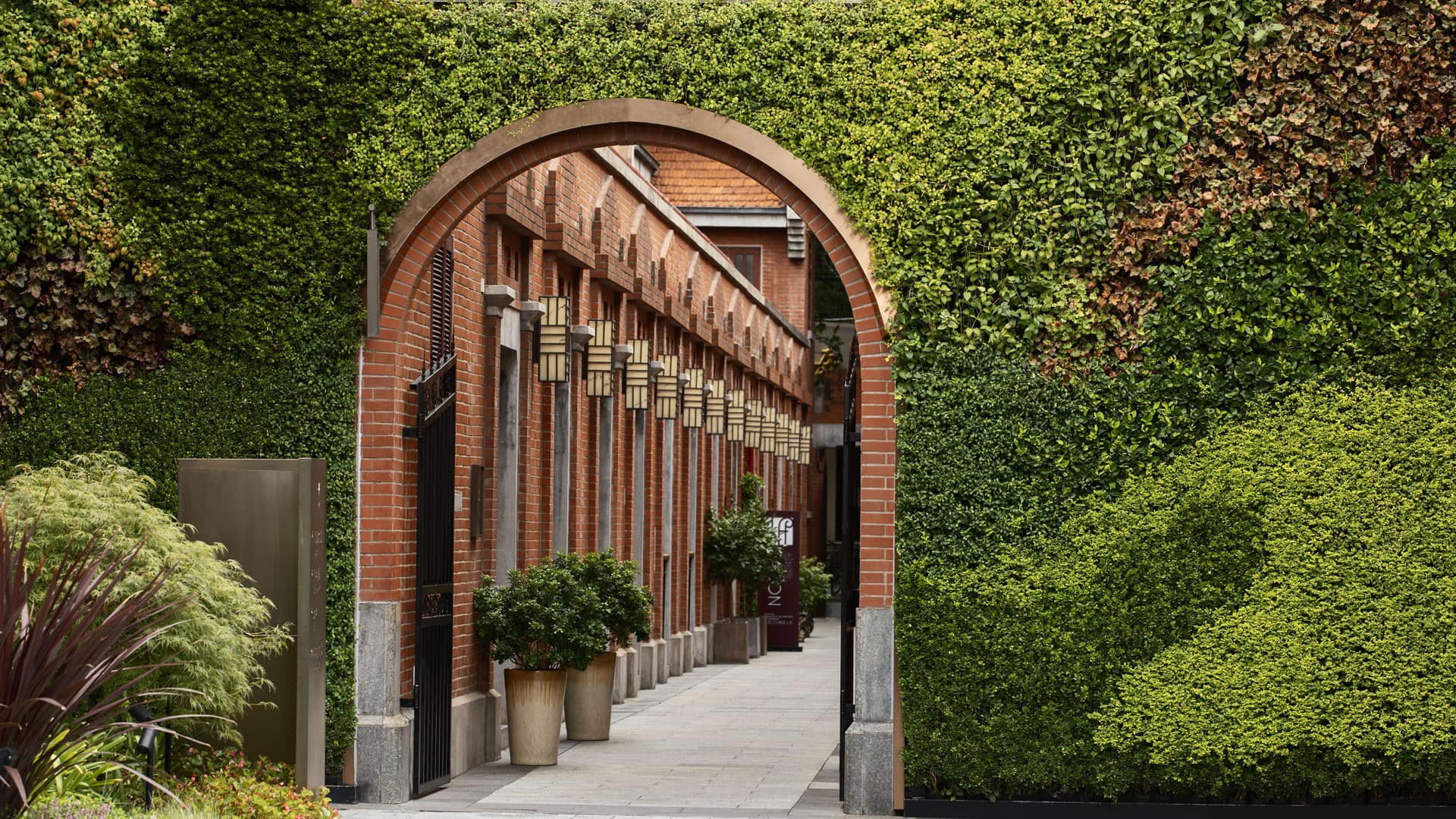
Walking up Yongfu Road in Xuhui District, the building announces itself before you reach the door. The 1930s structure that once housed the British Consulate carries the architectural grammar of colonial Shanghai, a period when the city's foreign concessions produced a built environment unlike anywhere else in China. After a three-year restoration, YongFoo Elite moved into these rooms and aligned the heritage address with something historically fitting: a kitchen focused on traditional Shanghainese cooking, including ancient recipes that have largely disappeared from the city's mainstream restaurant scene.
That pairing of setting and cuisine is not accidental. Shanghai's dining culture has always been shaped by its layered history, and the city's classical dishes, braised, slow-cooked, fermented, carry the same kind of accumulated specificity as the architecture around them. YongFoo Elite's approach to the menu reflects what the broader Shanghainese fine-dining tier has moved toward: reclamation of dishes that modernisation pushed out, presented in rooms where the physical environment adds a layer of context that a contemporary fit-out cannot replicate.
The Sensory Architecture of the Room
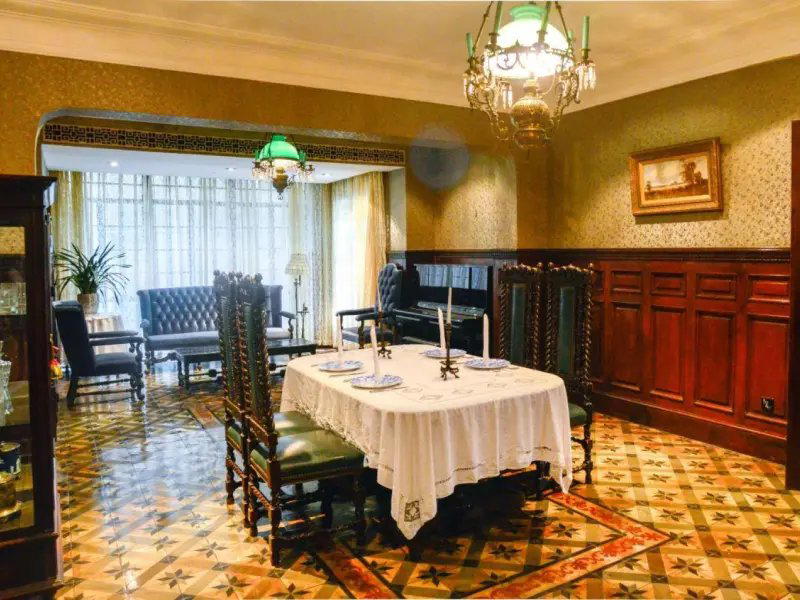
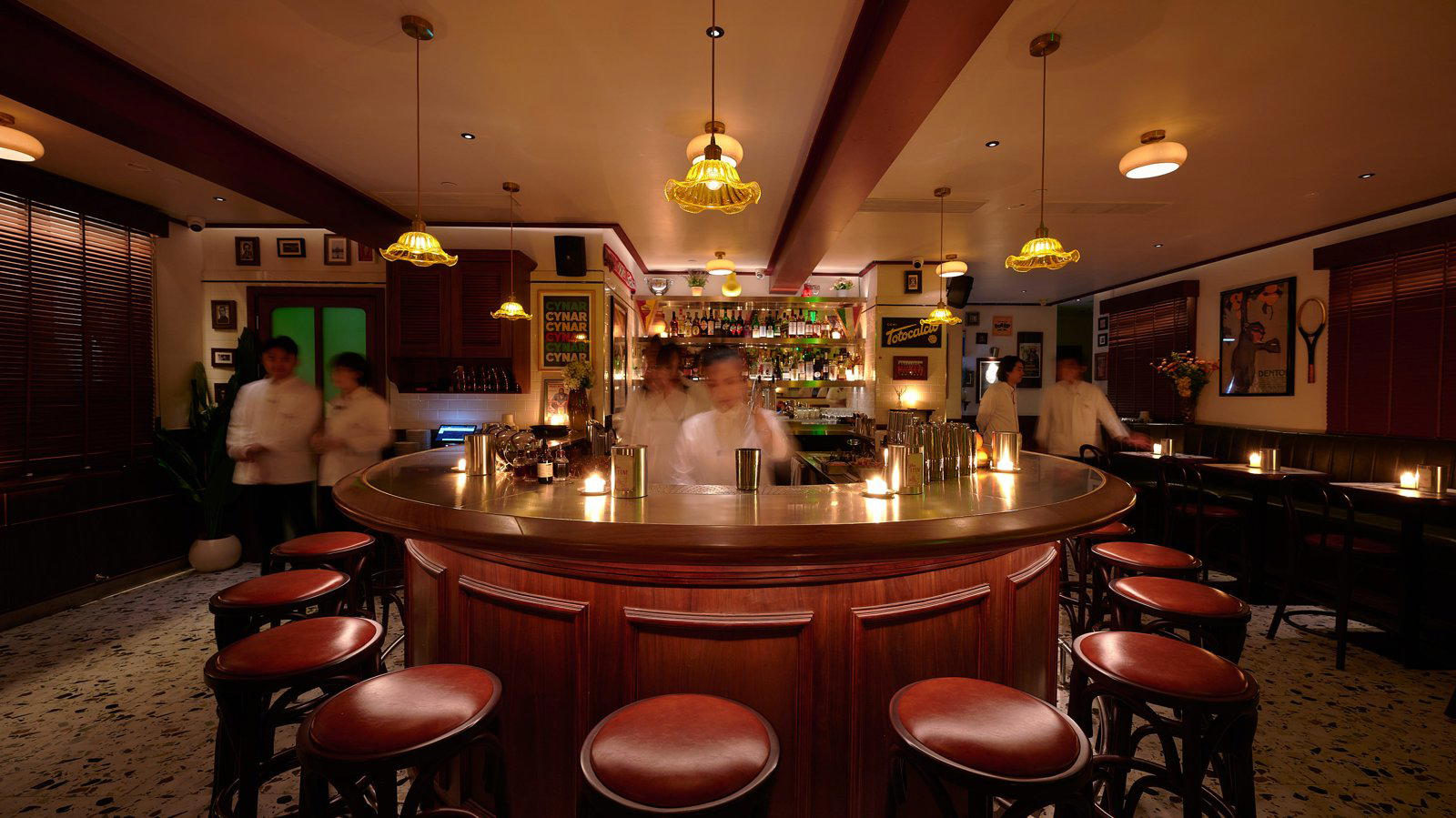
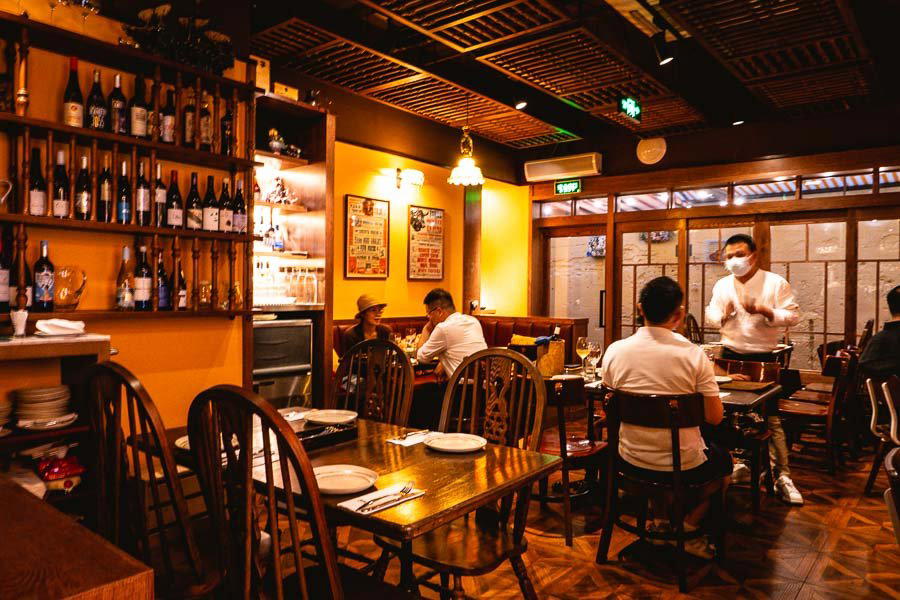
The interior experience at YongFoo Elite rewards attention to detail at the room level before food arrives. Restored heritage buildings in Shanghai's Xuhui and former French Concession areas carry a particular quality of light and materiality, high ceilings, period joinery, a stillness that newer construction cannot manufacture. The building's history creates a sensory frame that shapes how the food registers: the earthiness of a braised preparation feels more grounded in a room with this kind of physical weight behind it.
This is a pattern across the city's heritage-dining tier. When operators like Fu 1088, Fu 1015, and Fu 1039 each chose lane houses and historical addresses for their Shanghainese programs, they were making the same argument: the architecture is part of the dining proposition. The setting at YongFoo Elite sits in that same tradition, though the scale and formality of a former consulate give it a different register than a restored shikumen lane house.
The Menu: Ancient Shanghainese Cooking as a Critical Category
The kitchen's focus on ancient recipes positions YongFoo Elite in a specific and increasingly recognised niche within Shanghai's food culture. Shanghainese cuisine, hongshao braising, the use of Shaoxing wine and dark soy, the patience required for proper preparation of hairy crab, has faced the same pressures as traditional cooking traditions everywhere: younger kitchens gravitating toward technique-forward menus, faster turnover formats, and broader regional blends. What restaurants in this tier do is resist that drift.
La Liste's 2025 entry for YongFoo Elite (75 points) specifically calls out the braised pork belly with pu'er tea as a dish that delivers earthy depth and dark soy notes, and the hairy crab roe and crabmeat preparations as options loaded with flavour. These are not marginal items, braised pork belly in Shanghainese cooking is a touchstone dish, one where execution reveals kitchen discipline immediately. The pu'er tea element signals an additional layer of recipe specificity: tea-braised preparations require timing and balance to avoid bitterness overwhelming the fat of the pork.
Hairy crab, meanwhile, occupies a seasonal position of near-reverence in the Yangtze Delta food culture. The window for quality crab is short, and the labour involved in separating and serving roe and crabmeat properly is significant. That YongFoo Elite's hairy crab preparations appear in award-level recognition alongside the braised pork belly suggests a kitchen that treats both ends of the seasonal and year-round menu with comparable seriousness.
For comparable Shanghainese cooking programs positioned in the heritage-dining tier, Lao Zheng Xing and Cheng Long Hang (Huangpu) each operate within Shanghai's classical cooking tradition and provide a reference point for understanding where YongFoo Elite sits in the city's Shanghainese fine-dining cohort. Readers interested in how Shanghainese cooking travels outside Shanghai can consult Liu Yuan Pavilion in Hong Kong or Shanghai Cuisine in Beijing for comparison.
Awards and Peer Context
YongFoo Elite's ranking trajectory on Opinionated About Dining's Asia list, Recommended in 2023, #399 in 2024, #454 in 2025, reflects a pattern common to well-established heritage-format restaurants: consistent presence on critic-driven lists rather than dramatic ranking movement. The OAD list weights critical engagement heavily, making sustained appearance meaningful even without significant rank movement. La Liste's 75-point placement in 2025 adds a second independent recognition point, and the two lists together signal a restaurant with cross-audience standing among serious diners and food critics.
Within Shanghai's broader fine-dining picture, YongFoo Elite occupies a distinct position from high-concept Chinese venues like Fu He Hui (vegetarian, ¥¥¥¥ tier) or from the Cantonese programs operating at comparable price points in the city.
For readers who want to understand how Shanghainese cooking compares to other Chinese regional fine-dining programs operating at this level across Asia, relevant reference points include Xin Rong Ji in Beijing, Xin Rong Ji in Chengdu, Ru Yuan in Hangzhou, Chef Tam's Seasons in Macau, Imperial Treasure Fine Chinese Cuisine in Guangzhou, and Dai Yuet Heen in Nanjing.
The Wine List as a Signal
La Liste's entry draws specific attention to YongFoo Elite's wine list as worth checking out, a detail that distinguishes this kitchen from peers focused solely on the food program. In the context of Shanghainese fine dining, a serious wine program is not a given. The category has historically leaned toward Chinese spirits, tea pairings, or simply not engaging wine as a serious component. That the list has earned independent critical notice alongside food recognition positions YongFoo Elite in a slightly wider bracket of the premium dining experience, one where international guests or wine-engaged local diners have reason to engage beyond the food.
Planning Your Visit
YongFoo Elite is located at 200 Yongfu Road in Xuhui District, within the former French Concession area, accessible via metro lines serving the Changshu Road or Jiaotong University stations. The restaurant operates seven days a week, with Friday opening at 8:30 AM versus the 10 AM start on other days. Last seating is at 10 PM daily.
| Venue | Cuisine | Setting | Recognition | District |
|---|---|---|---|---|
| YongFoo Elite | Shanghainese (traditional) | 1930s former consulate | OAD Asia #454 (2025), La Liste 75pts | Xuhui |
| Fu 1088 | Shanghainese | Heritage villa | OAD listed | Jing'an |
| Fu 1015 | Shanghainese | Heritage lane house | OAD listed | Xuhui |
| Lao Zheng Xing | Shanghainese | Traditional | Long-established | Huangpu |
For full context on Shanghai's dining scene, see our full Shanghai restaurants guide. For hotels in the area, our full Shanghai hotels guide covers the relevant options. Readers exploring the city further should also consult our full Shanghai bars guide, our full Shanghai wineries guide, and our full Shanghai experiences guide.
Frequently asked questions
What kind of recognition has YongFoo Elite received?
YongFoo Elite has received recognition including: Opinionated About Dining Top Restaurants in Asia Ranked #454 (2025); La Liste Top Restaurants (2025): 75pts; This building dating from 1930 was the British Consulate before its three-year makeover. Its heritage is matched by a menu of tradi….
What are the operating hours at YongFoo Elite?
Hours at YongFoo Elite: Monday 10 AM-10 PM Tuesday 10 AM-10 PM Wednesday 10 AM-10 PM Thursday 10 AM-10 PM Friday 8:30 AM-10 PM Saturday 10 AM-10 PM Sunday 10 AM-10 PM.
What's the must-try dish at YongFoo Elite?
La Liste's 2025 entry singles out two preparations worth ordering: the braised pork belly with pu'er tea, where the tea introduces earthy depth against dark soy, and the hairy crab options featuring roe and crabmeat. Both sit within a broader menu of ancient Shanghainese recipes that, according to La Liste, are rarely found elsewhere in the city. The wine list also draws specific mention in that same recognition, making it worth consulting alongside the food.
Reputation Context
Comparable options at a glance, pulled from our tracked venues.
| Venue | Cuisine | Price | Awards |
|---|---|---|---|
| YongFoo EliteThis venue (the venue you are viewing) | Shanghainese Fine Dining | $150–200 | Michelin Plate · La Liste Top Restaurants |
| Fu He Hui | Modern Seasonal Vegetarian Fine Dining | $200–300 | 2 Michelin Stars · World's 50 Best #11 |
| Ming Court | Cantonese with Shanghainese Influences | $30–50 | 1 Michelin Star · Black Pearl 1 Diamond |
| Polux | French Bistro | $30–50 | Michelin Bib Gourmand |
| Royal China Club | Cantonese Dim Sum | $100–150 | Michelin Plate · The Good Food Guide GFG Good |
| Scarpetta | Refined Italian Pasta & Pizza | $50–100 | Michelin Plate · Wine Spectator Best of Award of Excellence |
Recognition history
Dated appearances from independent guides and award organizations, with the underlying list record or original source where available.
Michelin Plate
Michelin
La Liste Top Restaurants
La Liste
Opinionated About Dining Top Restaurants in Asia Recommended
Opinionated About Dining
Full recognition history (6 entries)
Opinionated About Dining Top Restaurants in Asia Ranked #454
Opinionated About Dining
Opinionated About Dining Top Restaurants in Asia Ranked #399
Opinionated About Dining
Opinionated About Dining Top Restaurants in Asia Recommended
Opinionated About Dining
Continue exploring
More in Shanghai
More from Chef Various
Browse all →
Restaurants in Shanghai
All restaurants in Shanghai →
Bars in Shanghai
All bars in Shanghai →
Details
- Elegant
- Classic
- Sophisticated
- Intimate
- Date Night
- Business Dinner
- Special Occasion
- Celebration
- Historic Building
- Garden
- Standalone
- Garden
- Tasting Menu
- A La Carte
Current opening hours
- Monday
- 10 AM–10 PM
- Tuesday
- 10 AM–10 PM
- Wednesday
- 10 AM–10 PM
- Thursday
- 10 AM–10 PM
- Friday
- 8:30 AM–10 PM
- Saturday
- 10 AM–10 PM
- Sunday
- 10 AM–10 PM
Hours can change for holidays and private events. Hours as of .
Peaceful, elegant, and graceful, with a refined old-world atmosphere.