
Tabelog 100 #56
Our verdict
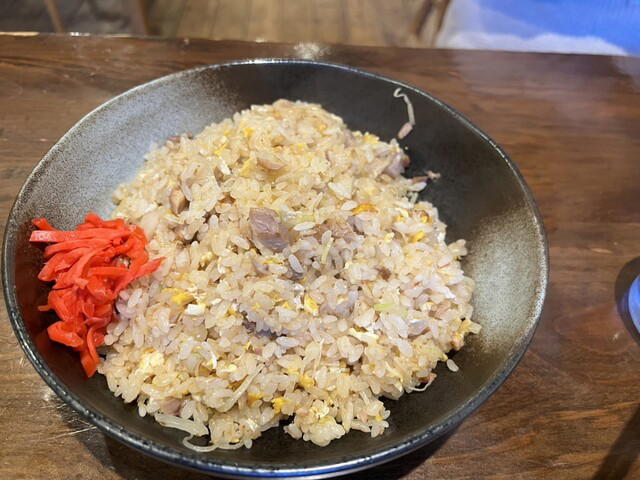
Ramen Mikan puts Otaru’s ramen culture in a compact, everyday frame rather than a luxury one: counter seats, family suitability, and a reputation strong enough for Tabelog’s Ramen HOKKAIDO 100 selections in 2024 and 2025. Its value lies in how Hokkaido ramen reads in a port city better known to visitors for seafood bowls, markets, and canal-side sweets.

Pearl is the En Primeur Club membership app, where members save venues, book tables and use the concierge.
The menu
What to order
- Miso ramen
- Shoyu ramen
- Shio ramen
- Old-style shoyu ramen
- Chashu-topped ramen
Approaching a serious ramen shop in Otaru rarely feels ceremonial. The city’s food rhythm is practical: short winter walks, quick lunches, and everyday dining choices that often fill the gap between more visitor-facing meals. Ramen Mikan belongs to that register. The appeal is not theater; it is the way ramen sits inside a working port city where cold weather, seafood commerce, and everyday dining habits shape what people want from a bowl.
Otaru is often introduced through sushi counters, seafood donburi, and glasswork nostalgia, but ramen is the quieter gauge of local appetite. In Hokkaido, the category is closely tied to warmth, seasoning, and the practical satisfaction of a bowl that suits the climate. That context matters here. A ramen shop recognized in Tabelog’s Hyakumeiten field in 2025 is being judged inside a prefecture where the competition is not thin, and where regional identity gives the genre a sharper standard than in many smaller Japanese cities.
Otaru ramen measured against the city's seafood pull
The useful way to read Ramen Mikan is against Otaru’s default food map. Visitors often start with seafood at other Otaru dining rooms or Otaru Seafood Donburi Restaurant "Shinkai", then look for something simpler later in the day. Ramen works differently. It is less about the port’s display-case abundance and more about concentration: stock, tare, noodles, and the seasoning logic that makes a single bowl feel complete.
Ingredient sourcing is not always visible in ramen, which is why the category rewards discipline more than explanation. Hokkaido’s broader pantry gives restaurants access to a deep northern food culture, but a serious bowl does not need to announce every input. The point is balance under pressure: soup that can hold seasoning, noodles that keep structure, and toppings that do not turn the bowl into a catalogue. In Otaru, that restraint is useful because the city already has plenty of restaurants built around visible marine abundance.
Within the local ramen frame, Ramen Shodai Otaru honten gives travellers another reference point in the same everyday ramen universe. The comparison is not about ranking one bowl against another; it is about understanding Otaru’s range. Some meals in the city are destination seafood, some are casual set meals, and some are ramen counters where reputation is built through repeat local use rather than long-form dining. Other everyday Otaru restaurants sit in that broader conversation too, useful for reading how the city feeds residents beyond the most obvious visitor circuit.
A casual format with serious Hokkaido recognition
The format is best understood through the expectations of ramen rather than destination dining. That distinction is important. Ramen in Japan is often judged on pace and concentration rather than extended hospitality. A straightforward shop can feel more revealing than a polished dining room because there is little to hide behind: the bowl, the service rhythm, and the way diners move through the meal carry the argument.
The trust signal here is unusually clean for an everyday ramen address. Tabelog’s Hyakumeiten recognition in 2025 places the shop inside a curated field rather than a general city list. In a category where personal preference can be loud, that kind of recognition helps separate enduring local pull from social-media drift. It also explains why the room can be read as both accessible and serious: the listed price range remains - JPY 999 - JPY 999, while the evaluation set is wider than a single neighbourhood.
Otaru’s dining character also changes with weather. In warmer months, the seafood-and-sweets route absorbs much of the day-tripper attention; in colder months, ramen’s utility becomes more obvious. Ramen is not merely comfort food in that setting. It is a form shaped by climate, transport habits, and the need for a meal that delivers heat quickly without losing structure. Ramen Mikan’s place in that pattern is the reason it belongs on a food itinerary even for travellers who came to Otaru expecting crab, scallops, and canal photographs.
How to place it in an Otaru food day
The strongest Otaru food day usually mixes one seafood-led meal, one casual local counter, and one old-city snack or dessert. That sequence keeps the city from flattening into a single genre. Use Our full Otaru restaurants guide to build that route, then widen the trip through Our full Otaru hotels guide, Our full Otaru bars guide, Our full Otaru wineries guide, and Our full Otaru experiences guide. The point is not to over-schedule; Otaru rewards short moves between meals, shops, and older commercial pockets.
For travellers comparing casual Japanese food across regions, Otaru’s ramen culture is a useful northern counterpoint to other local-specialist formats: grilled beef, seafood counters, café culture, contemporary regional dining, Vietnamese cooking, curry specialization, sake-bar dining, and rice-ball minimalism in other cities. Seen that way, Ramen Mikan is not a detour from Otaru’s food identity. It is the city’s colder, more compressed answer to the same question every good regional restaurant addresses: what does this place want to eat when nobody is performing for visitors?
Frequently asked questions
Is Ramen Mikan good for families?
Ramen Mikan is a ramen shop in Otaru, so families should expect a straightforward dining experience rather than an extended restaurant format.
What is the atmosphere like at Ramen Mikan?
Expect a focused ramen setting in Otaru. The page’s strongest confirmed recognition point is Tabelog Hyakumeiten recognition for 2025.
What's the price range at Ramen Mikan?
Pricing at Ramen Mikan is listed as - JPY 999 - JPY 999.
Where is Ramen Mikan located?
Otaru.
Can I walk in to Ramen Mikan?
Ramen Mikan is a ramen shop in Otaru; check current operating details before you go, as availability can change.
In Context: Similar Options
Comparable venues by cuisine and price in the same metro.
| Venue | Cuisine | Price | Awards | Notes |
|---|---|---|---|---|
| Ramen MikanThis venue (the venue you are viewing) | Classic Hokkaido ramen shop | $1–10 | Tabelog 100 #56 | Not listed |
| オタル ダイニング ノーネーム | Otaru Yoshoku (Japanese Western Cuisine) | $20–30 | Not listed | Shinonomecho |
| Aotsuka Shokudo (青塚食堂) | Traditional Hokkaido seafood cafeteria | $30–50 | Tabelog 100 #18 | Shukutsu |
| Wagyu Kurosawa Otaru Main Store (和牛黒澤 本店) | Japanese Wagyu Sukiyaki | $30–50 | Not listed | Ironai |
| Minshuku Aotsuka Shokudo | Traditional Hokkaido seafood cafeteria | $30–50 | Tabelog 100 #18 | Shukutsu |
| かまわぬ | Seafood Izakaya | $30–50 | Not listed | Hana no Sono |
Recognition history
Dated appearances from independent guides and award organizations, with the underlying list record or original source where available.
Tabelog 100 #56 · No. 56
Tabelog · Tabelog 100 - Ramen - HOKKAIDO - 2025
Continue exploring
More in Otaru
Restaurants in Otaru
All restaurants in Otaru →
Bars in Otaru
Browse all →
Hotels in Otaru
Browse all →

Wineries in Otaru
Browse all →
Details
- Cozy
- Lively
- Solo
- Family
- Group Dining
- Casual Hangout
- After Work
- Standalone
- A La Carte
- Counter Dining