Our verdict
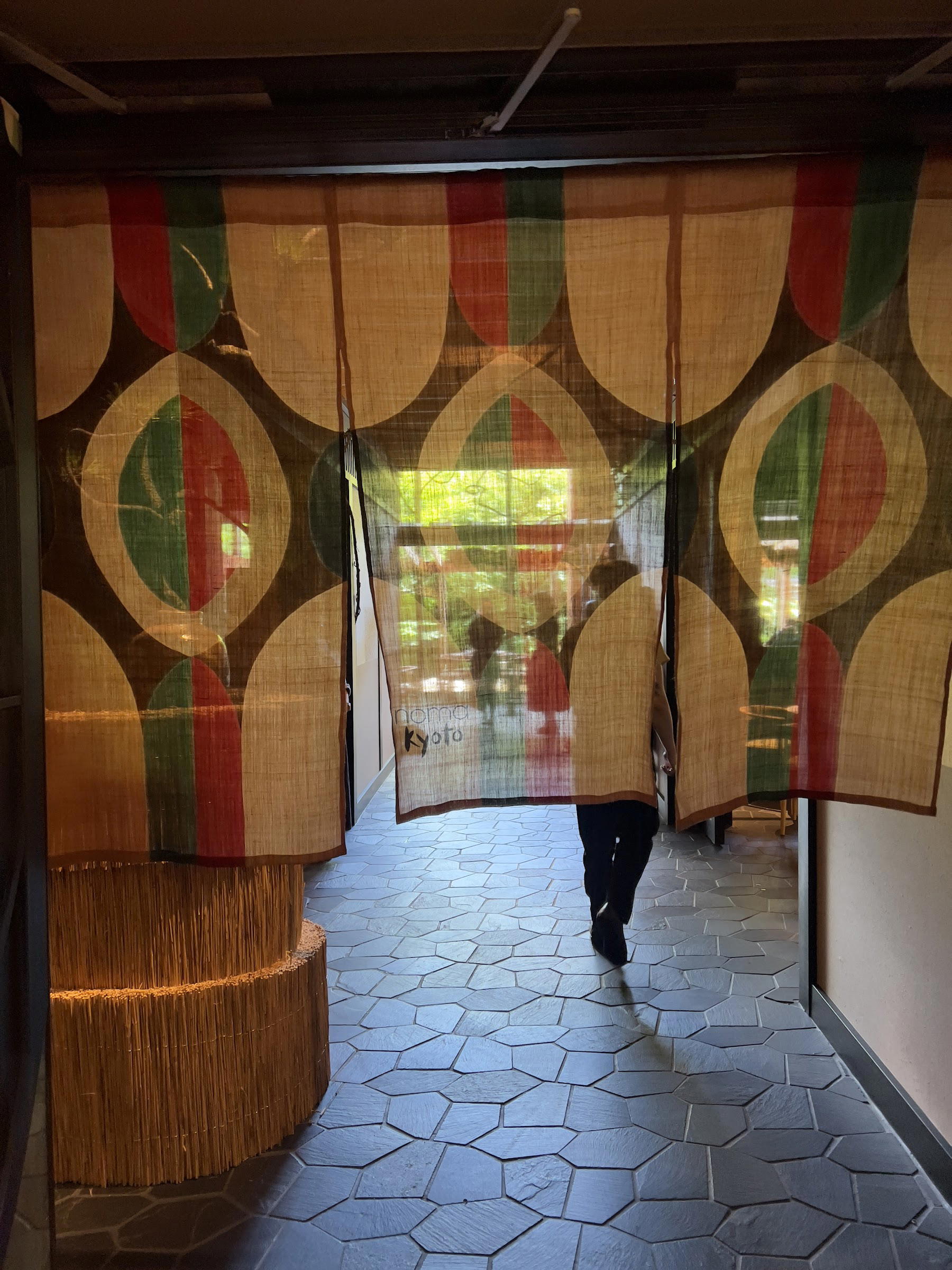
René Redzepi brought Noma to Kyoto not as a permanent outpost but as a residency, staged inside Ace Hotel Kyoto and running through a finite season before the Copenhagen restaurant closed its regular dinner service in late 2024. The format was consistent with how Noma has always approached its pop-up work: a complete transformation of the host dining room into a bespoke environment, with the kitchen team rebuilding the menu around local Japanese produce rather than importing a fixed repertoire from Denmark. The cooking drew on Japanese seasonality as raw material, filtered through Noma's research-driven process. Documented dishes from the residency included seaweed shabu shabu, spiny lobster, wild deer hot pot, fresh yuba with wild greens, and poached king crab, a menu that shifted across the run rather than settling into a fixed sequence. The atmosphere combined the informal staging Noma has used at its Tokyo and other residencies with a Japanese-meets-Scandinavian aesthetic specific to this setting. Pricing sat at the upper end of any scale: cocktails alone reached approximately ¥5,000 per glass, placing the full tasting menu experience in the ultra-premium tier. The parent restaurant's credentials are well-documented: Noma was ranked World's Best Restaurant multiple times by Restaurant magazine, a record that no other Copenhagen restaurant has matched. That pedigree shaped expectations for the Kyoto residency, which drew a global audience willing to plan travel around a finite booking window. For those who secured a seat, the experience was anchored in the same philosophy that defined Noma's work across two decades, seasonal specificity, ingredient-first composition, and a kitchen culture built on intensive research into local food traditions.
The menu
What to order
- Spiny lobster
René Redzepi brought Noma to Kyoto not as a permanent outpost but as a residency, staged inside Ace Hotel Kyoto and running through a finite season before the Copenhagen restaurant closed its regular dinner service in late 2024. The format was consistent with how Noma has always approached its pop-up work: a complete transformation of the host dining room into a bespoke environment, with the kitchen team rebuilding the menu around local Japanese produce rather than importing a fixed repertoire from Denmark.
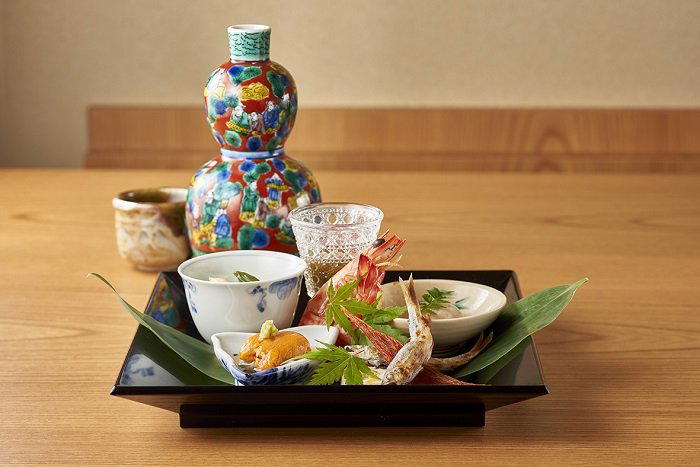
The cooking drew on Japanese seasonality as raw material, filtered through Noma's research-driven process. Documented dishes from the residency included seaweed shabu shabu, spiny lobster, wild deer hot pot, fresh yuba with wild greens, and poached king crab, a menu that shifted across the run rather than settling into a fixed sequence. The atmosphere combined the informal staging Noma has used at its Tokyo and other residencies with a Japanese-meets-Scandinavian aesthetic specific to this setting. Pricing sat at the upper end of any scale: cocktails alone reached approximately ¥5,000 per glass, placing the full tasting menu experience in the ultra-premium tier.
The parent restaurant's credentials are well-documented: Noma was ranked World's Best Restaurant multiple times by Restaurant magazine, a record that no other Copenhagen restaurant has matched. That pedigree shaped expectations for the Kyoto residency, which drew a global audience willing to plan travel around a finite booking window. For those who secured a seat, the experience was anchored in the same philosophy that defined Noma's work across two decades, seasonal specificity, ingredient-first composition, and a kitchen culture built on intensive research into local food traditions.
In Context
Comparable venues nearby, for context on price, style, and recognition.
| Venue | Cuisine | Price | Awards | Notes |
|---|---|---|---|---|
| Noma KyotoThis venue (the venue you are viewing) | Nordic-Japanese Fusion Fine Dining | Not listed | Not listed | Not listed |
| Lurra˚ (Kyoto) | Not listed | Not listed | Not listed | Higashiyama, Nordic-Influenced Fire-Cooked Fusion |
| ルーラ | Modern Nordic-Influenced Fusion | $200–300 | 1 Michelin Star · Tabelog 100 #64 | 東山区, Innovative Wood-Fired Vegetable Gastronomy |
| こぴゑ | Modern Japanese Izakaya with Italian Fusion | $50–100 | Michelin Plate | Shimogyo Ward, Inokuma-dori area (near Gojo/Shijo-Omiya), Multicultural Fusion with Italian & Japanese Influences |
| 鮨よし田 | Edomae Sushi with Kyoto Influences | $200–300 | Not listed | Higashiyama, Edomae Sushi with Kyoto Influences |
| 葵献心 やま田 | Kaiseki Kyoto Cuisine | $100–150 | Not listed | Shimogamo, Kaiseki Kyoto Cuisine |
Continue exploring
More in Kyoto
Restaurants in Kyoto
All restaurants in Kyoto →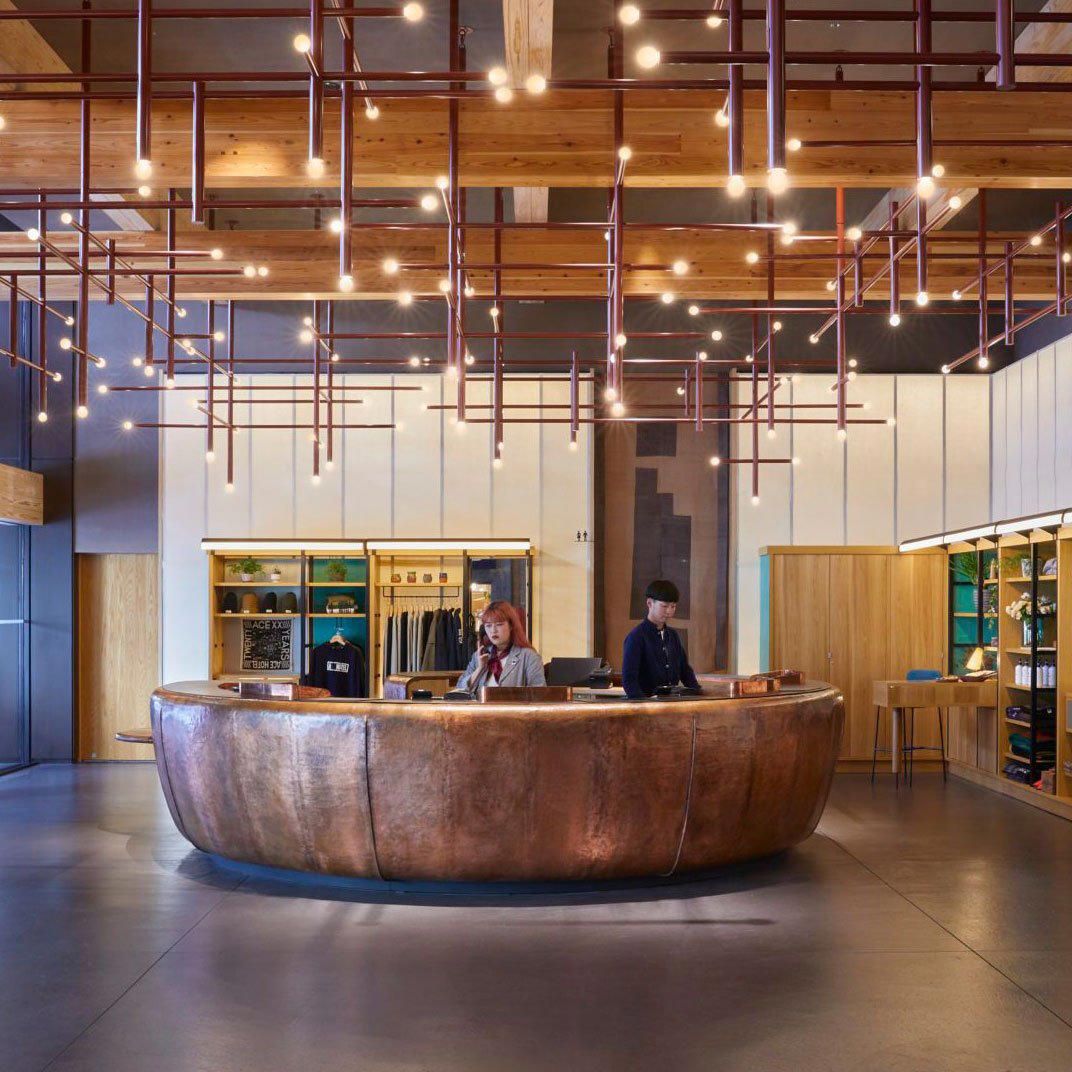
Bars in Kyoto
All bars in Kyoto →
Hotels in Kyoto
All hotels in Kyoto →
Wineries in Kyoto
Browse all →
Details
- Modern
- Elegant
- Sophisticated
- Minimalist
- Special Occasion
- Open Kitchen
- Hotel Restaurant
- Sake Program
- Local Sourcing
- Tasting Menu
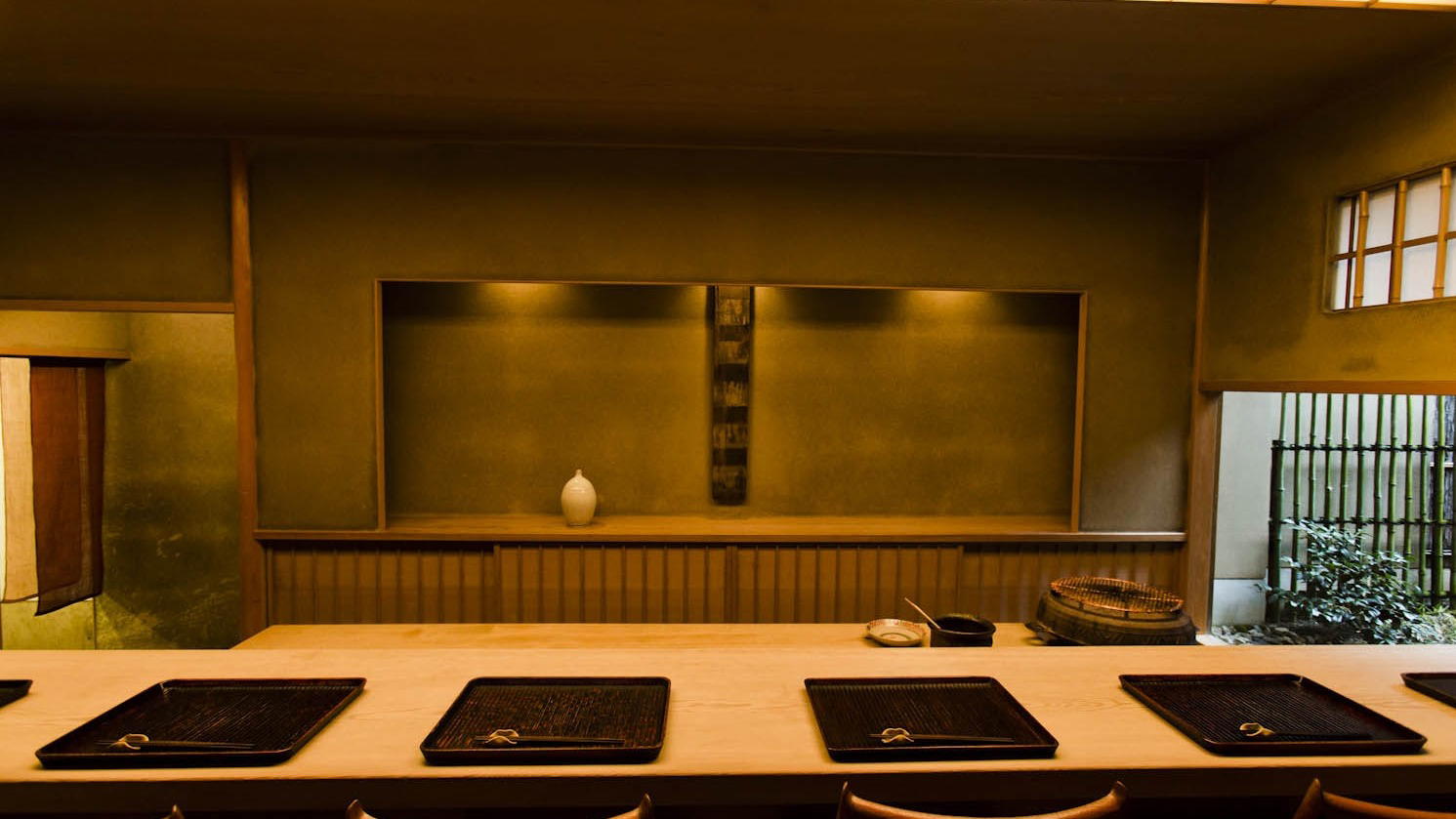
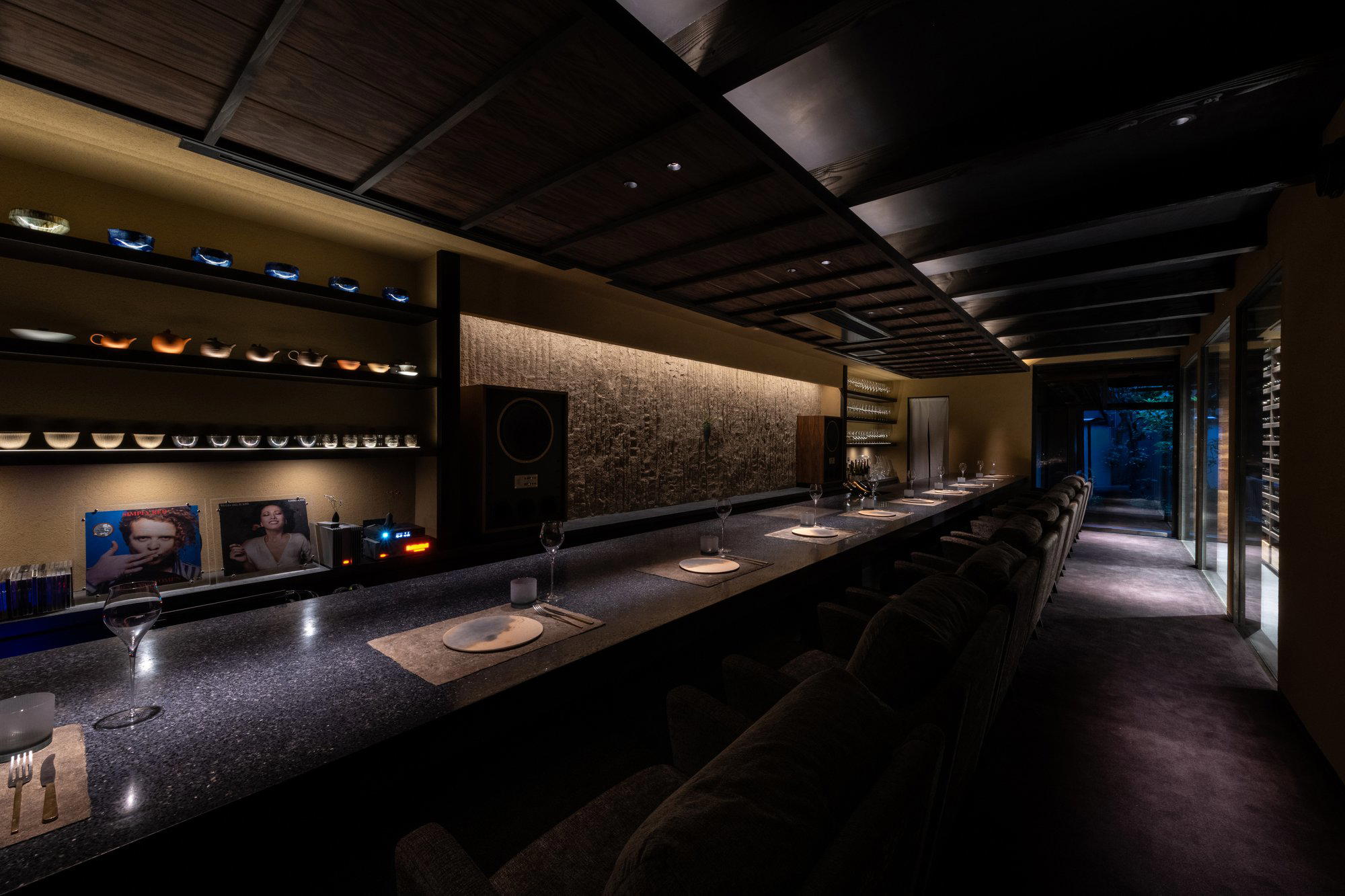
The atmosphere features simple, unadorned tableware, folk art objects, ceramics, woven baskets, driftwood, and natural elements like kelp, creating a relaxed yet sophisticated space without the staidness of traditional fine dining.