This listing is retired after a June 2026 status audit found the place inactive at its stored address.
- Address
- P.º de las Yeserías, 7, Arganzuela, 28005 Madrid, Spain
- Phone
- +34919955806
- Website
- yeserias.com
- Directions
- Get directions
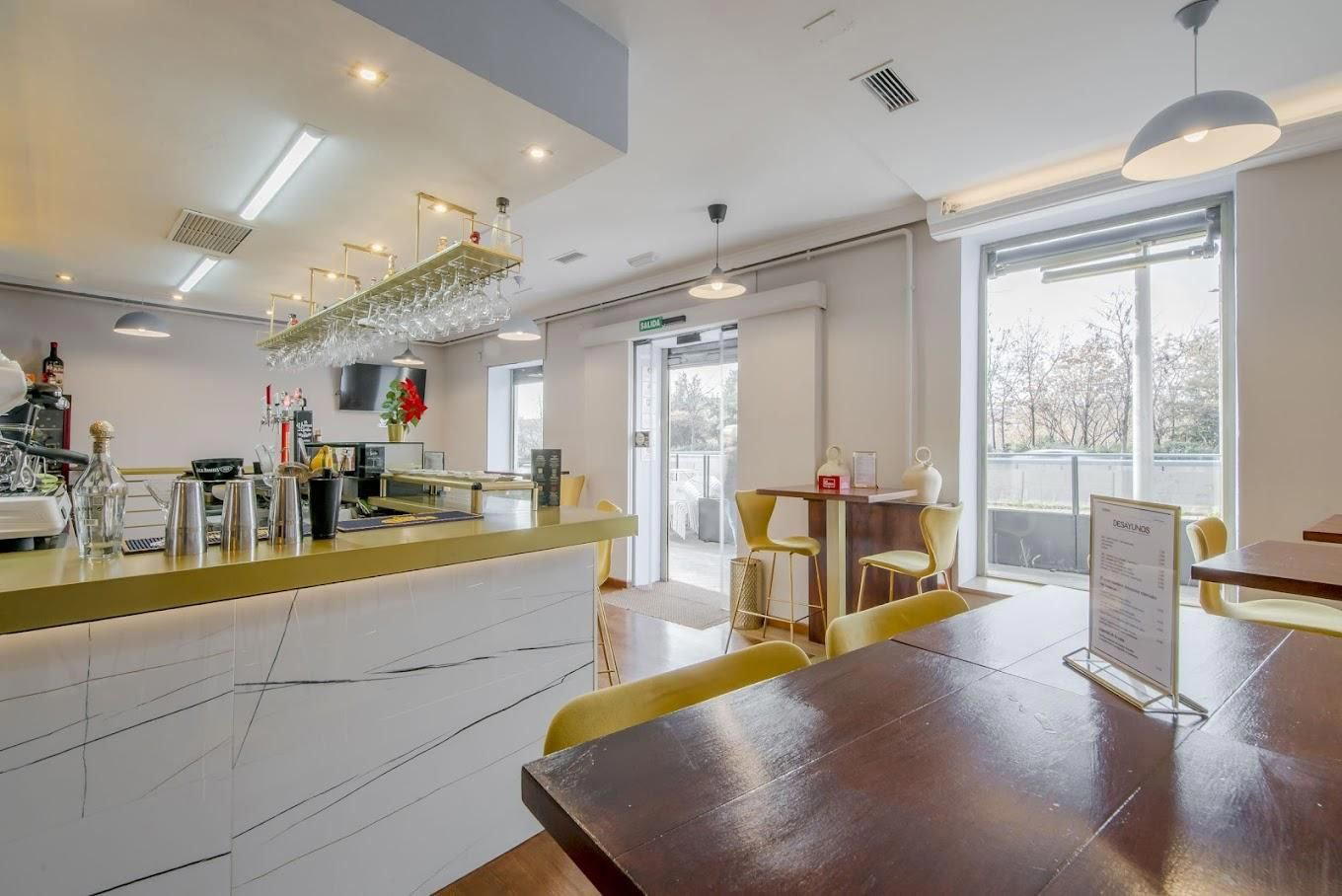
Arganzuela and the New Madrid Taberna
Madrid's dining identity has long been anchored to the centro and Salamanca corridors, but the past decade has seen serious kitchens migrate toward districts that once existed outside the premium circuit. Arganzuela, the working-class barrio that stretches south from the Manzanares river toward Legazpi and Delicias, has followed that pattern. Paseo de las Yeserías, a quieter artery through the district, now hosts Yeserías GastroTaberna at number 7, a venue that reads as part of this southward redistribution of culinary ambition in the capital.
The taberna format itself carries considerable weight in Madrid's food culture. Historically, the taberna was a neighbourhood institution: unpretentious, product-driven, defined by relationships between kitchen and local supplier rather than by dining-room theatre. What the GastroTaberna category represents, across multiple Madrid addresses, is an attempt to hold that social contract while introducing technique-led cooking that would have been alien to the original format. The tension between those two impulses is where interesting contemporary Spanish cooking tends to happen.
Local Product, Imported Method
The broader pattern in Spanish fine and near-fine dining over the past two decades has been a structured conversation between indigenous product and global culinary method. Kitchens in San Sebastián, Girona, and Valencia built international reputations by interrogating local ingredients through French-trained, Japanese-influenced, or laboratory-derived techniques. Arzak in San Sebastián and El Celler de Can Roca in Girona represent the formal end of that conversation; Mugaritz in Errenteria and Azurmendi in Larrabetzu push into more conceptual registers. Madrid's contribution to this tradition has been distinct: the city is not primarily a producer region, so its kitchens draw from across Spain's larder, from Extremaduran pork to Galician seafood to La Mancha saffron, and apply varying degrees of technical intervention.
GastroTaberna model sits below the full tasting-menu format in formality and price, but it shares the same underlying logic: treat product with rigour, let technique serve flavour rather than announce itself, and anchor the experience in something recognisably Spanish rather than generically contemporary. At Aponiente in El Puerto de Santa María, Ángel León demonstrates how far this approach can travel when pushed to its conceptual limits. Yeserías GastroTaberna operates at a different register, one closer to the neighbourhood than to the destination-restaurant circuit, but the underlying orientation toward local product and considered technique places it within the same broad movement.
Madrid's Competitive Dining Context
Understanding where Yeserías GastroTaberna sits requires a working map of Madrid's dining tiers. At the summit of the market, venues like DiverXO, Coque, Deessa, and DSTAgE operate with tasting menus priced at €€€€ and require advance booking weeks or months ahead. Paco Roncero occupies a similarly refined position in the creative cooking tier. These are destination restaurants in the full sense: the meal is the event, the format is controlled, and the experience is insulated from neighbourhood context.
The GastroTaberna format occupies a different position in that hierarchy. It is accessible without advance planning on the scale of the city's tasting-menu rooms, embedded in its neighbourhood rather than refined above it, and structured around a la carte or short-menu formats that allow the guest more autonomy. For visitors building a Madrid itinerary that mixes landmark dining with genuine local character, this tier is often more representative of how the city actually eats.
Spain's broader fine-dining circuit, including Martin Berasategui in Lasarte-Oria, Quique Dacosta in Dénia, Ricard Camarena in València, Cocina Hermanos Torres in Barcelona, and Atrio in Cáceres, demonstrates how far serious cooking has spread geographically across the country. Madrid's contribution to that story has increasingly come not just from its flagship tasting-menu addresses but from the layer of serious neighbourhood cooking below them. Internationally, the same interplay of global technique and local product appears at different scales: Le Bernardin in New York City applies French classical rigour to American seafood, while Atomix in New York City does something analogous with Korean culinary logic and North American ingredients. The GastroTaberna sits in a Spanish-specific version of this ongoing negotiation.
The Arganzuela Address
Paseo de las Yeserías runs through a district that retains genuine residential character, which matters in a city where tourist pressure has altered the social fabric of central barrios. Dining in Arganzuela means eating alongside local residents rather than in rooms calibrated primarily for visitors. The neighbourhood's relative obscurity on the international dining circuit is partly a function of geography: it falls outside the triangles drawn between the major museum corridor, the Retiro, and the Salamanca shopping district that structure most first-time visits to Madrid. That positioning, off the standard routing, is precisely what gives it credibility with a Madrid dining public that has grown tired of rooms competing for tourist spend.
Planning a Visit
The restaurant is located at Paseo de las Yeserías 7 in the Arganzuela district of Madrid, postcode 28005. The venue sits within reasonable distance of the Legazpi and Delicias Metro stations on lines 3 and 6, making it accessible from the centro without requiring surface transport.
Cuisine Context
Comparable venues nearby, for context on price, style, and recognition.
| Venue | Cuisine | Price | Notes |
|---|---|---|---|
| Yeserías GastroTabernaThis venue — the venue you are viewing | Modern Spanish Tapas | $$ | Not listed |
| DCorazon | Spanish Fusion in Historic Caves | $$ | Sol |
| PETIT COMITÉ Azca | Spanish Tapas with French Touch | $$ | Cuatro Caminos |
| Taberna del Alabardero Madrid | Traditional Basque Spanish Tapas & Fine Dining | $$ | Palacio |
| El Rincón de Cruz Blanca | Traditional Spanish Tapas | $$ | Pacifico |
| Caiño | Traditional Spanish Wine Bar | $$ | Ibiza |
Continue exploring
More in Madrid
Restaurants in Madrid
Browse all →
Bars in Madrid
Browse all →
Hotels in Madrid
Browse all →


At a Glance
- Casual
- Rustic
- Cozy
- Casual Hangout
- Group Dining
- After Work
- Standalone