Caiño occupies a quiet address on Calle de Ibiza in the Retiro district, sitting some distance from Madrid's more conspicuous fine-dining circuit. The wine program here is the editorial story: a cellar curated with the kind of regional depth that rewards guests who arrive with questions rather than certainties. For those tracking where serious Spanish wine culture is landing in Madrid, this address is worth the detour.
Pearl is the En Primeur Club membership app — saves, bookings, and concierge access live there. Same editors, same standards.
- Address
- C. de Ibiza, 35, Retiro, 28009 Madrid, Spain
- Phone
- +34910607280
- Website
- xn--caio-iqa.es
- Directions
- Get directions
 Saves & bookings on Pearl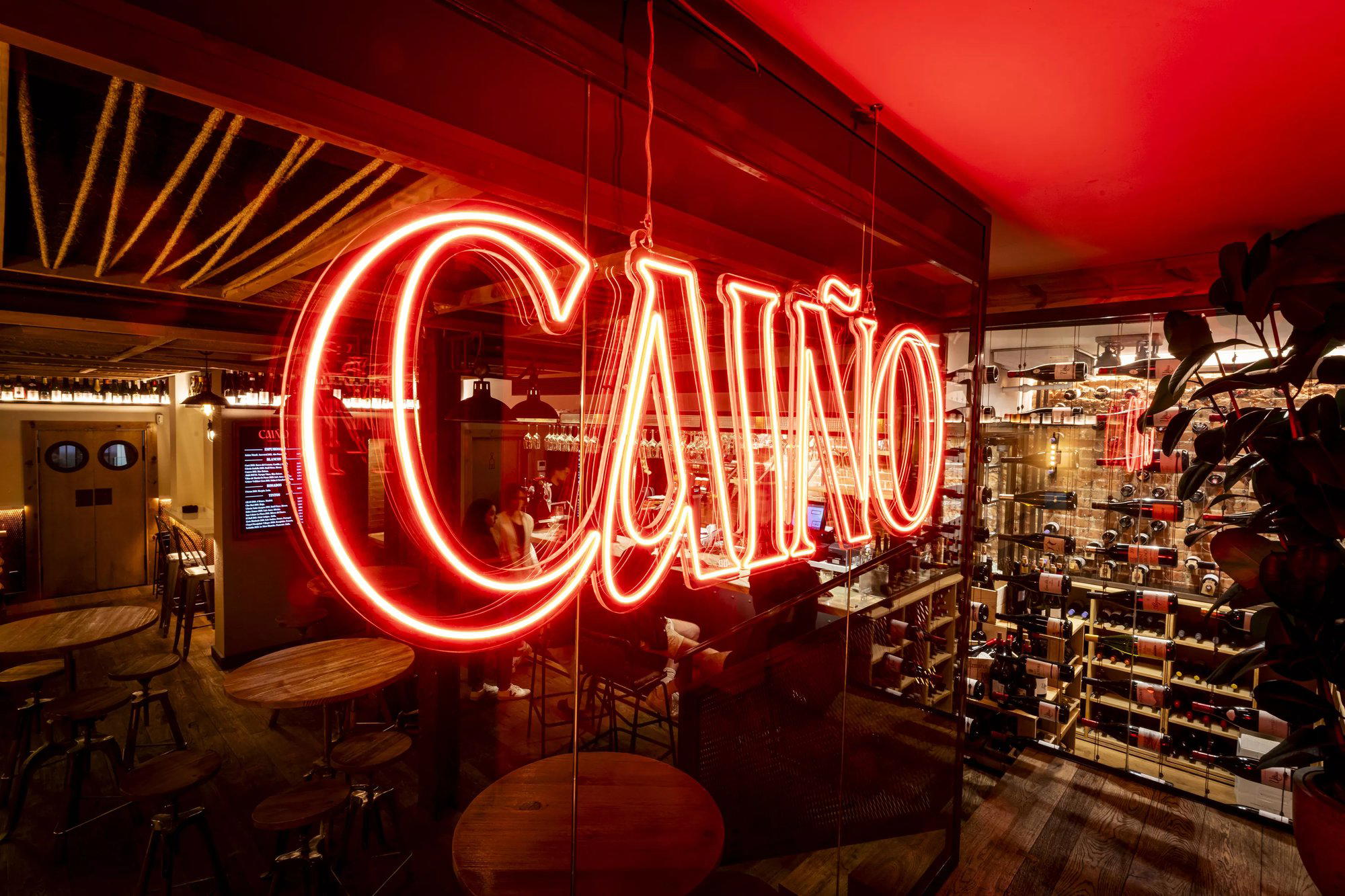
Retiro's Quieter Register
Madrid's fine-dining circuit tends to cluster around the Salamanca and Centro axes, where rooms are larger, press visibility is higher, and the guest mix skews international. Retiro operates differently. The neighbourhood's restaurant culture is more residential in character, less dependent on tourist throughput, and correspondingly more willing to take the long view on what a room should do. Calle de Ibiza, where Caiño sits at number 35, exemplifies this register: the street is neither destination strip nor thoroughfare, which means the guests who find their way here generally know why they came.
That geographic positioning matters when you are trying to understand what kind of dining experience Caiño represents. In cities like Madrid, where DiverXO and Coque command the highest-profile tier of creative cooking, and where Deessa, DSTAgE, and Paco Roncero occupy the next bracket of recognition, there is a coherent tier below the Michelin spotlight that rewards genuine curiosity. Caiño operates in that tier.
The Wine Program as Primary Argument
Spain's wine identity is undergoing one of its more interesting phases of reassessment. Regions that spent decades trading on varietal simplicity, Rioja and Ribera del Duero above all, are now competing for critical attention with producers from Galicia, the Canary Islands, the Sierra de Gredos, and pockets of Andalusia that the international market barely registered a decade ago. Particularly interesting restaurant wine lists in Spain are those that treat this shift as a live editorial question rather than a settled hierarchy.
Caiño takes its name from a Galician red grape, a detail that signals something about curatorial intent before a single bottle arrives at the table. Caiño tinto is a low-tannin, high-acid variety grown primarily in the Rías Baixas appellation, where Albariño commands most of the attention and the red grape traditions have historically been overshadowed. A restaurant that names itself after that grape is making a statement about the kind of wine conversation it wants to have: one that moves toward the overlooked rather than the approved.
This approach to wine curation places Caiño in a specific competitive set within Madrid's dining scene. It is not competing with the grand cellar formats, the multi-thousand-label operations that function as much as repositories as dining companions. Instead, it belongs to a smaller group of addresses where the list is deliberately constructed around a thesis, where the sommelier's job is to surface bottles that the guest would not have ordered unprompted, and where regional depth within Spain functions as the primary credential. Spain's wine geography is rich enough to sustain this approach across many meals: the contrast between a structured Bierzo Mencía and a saline Txakoli, or between a skin-contact Garnacha from the Gredos foothills and a fortified Manzanilla from the Atlantic coast, is as wide as anything a French or Italian list can offer.
For context on how the leading Spanish wine programs operate at the far end of the ambition spectrum, Atrio in Cáceres maintains one of the country's most celebrated cellars, and its list functions almost as a separate institution from the kitchen. Caiño is not operating at that scale or that level of documented recognition, but the curatorial logic, regional specificity over brand familiarity, is legible in both cases.
Situating the Kitchen
The name's Galician reference point suggests that the kitchen is likely drawing on the same northwestern Spanish tradition that has produced some of the country's most discussed contemporary cooking. Galicia's culinary grammar centres on seafood of genuine quality, empanada traditions, slow-braised meats, and a preference for restraint over elaboration. It is a regional style that travels well into Madrid's dining room, where the distance from the source lends the ingredients a certain prestige.
Madrid functions as an aggregator for Spain's regional traditions in a way that few European capitals manage with equivalent range. The city's restaurant culture has always been able to hold Basque, Catalan, Andalusian, and Galician cooking in parallel without forcing a hierarchy among them. In recent years, that pluralism has become even more pronounced, as younger chefs and restaurateurs from the regions have chosen Madrid over their home cities as the place to establish a serious dining project. Caiño fits that pattern: a Galician culinary reference planted in a Retiro address, where the guest base can sustain a focused, wine-forward approach.
Across Spain more broadly, the creative fine-dining tier is well documented: Quique Dacosta in Dénia, Arzak in San Sebastián, Mugaritz in Errenteria, Azurmendi in Larrabetzu, Martin Berasategui in Lasarte-Oria, Aponiente in El Puerto de Santa María, Cocina Hermanos Torres in Barcelona, and El Celler de Can Roca in Girona form the headline tier. Ricard Camarena in València represents the kind of regionally rooted, technically accomplished cooking that Caiño appears to be adjacent to, even if Caiño's scale and recognition sit at a different level. Internationally, the wine-forward tasting format that Caiño appears to favour has strong analogues at Le Bernardin in New York and the communal-table format at Lazy Bear in San Francisco, both of which demonstrate how a well-defined point of view sustains a room that asks for engaged guests rather than passive ones.
Who This Room Suits
Caiño is not the room you choose when you want one discussed address in Madrid on a given season. It is the room you choose when you have already done that circuit and want to find out what the city is doing at a quieter frequency. The Retiro location removes the impulse to be seen, and the wine program's regional thesis rewards guests who are willing to follow a recommendation rather than arrive with a fixed order. That combination, low ambient pressure, high curatorial intention, is increasingly rare in any major European dining city.
Know Before You Go
- Address: C. de Ibiza, 35, Retiro, 28009 Madrid, Spain
- Neighbourhood: Retiro, southeast of the Parque del Retiro, residential character with limited tourist concentration
- Getting There: The nearest Metro stations on the Línea 9 serve the Ibiza area; the address is walkable from Parque del Retiro station
- Booking:
- Hours: Tue to Thu 5:30 PM to 12 AM; Fri 2 PM to 12:30 AM; Sat 1 PM to 12:30 AM; Mon and Sun closed
- Price Range: About $25 per person
Category Peers
Comparable venues nearby, for context on price, style, and recognition.
| Venue | Cuisine | Price | Notes |
|---|---|---|---|
| CaiñoThis venue — the venue you are viewing | Traditional Spanish Wine Bar | $$ | Not listed |
| Zoko Retiro | Spanish Fusion with Almadraba Tuna | $$ | Ibiza |
| Lola 09 | Modern Spanish Tapas | $$ | Chueca |
| Portomarín | Galician Spanish | $$ | Lavapies |
| Malpica | Spanish Tapas Bar | $$ | Malasana |
| Agarimo | Modern Galician Taberna | $$ | Rios Rosas |
Continue exploring
More in Madrid
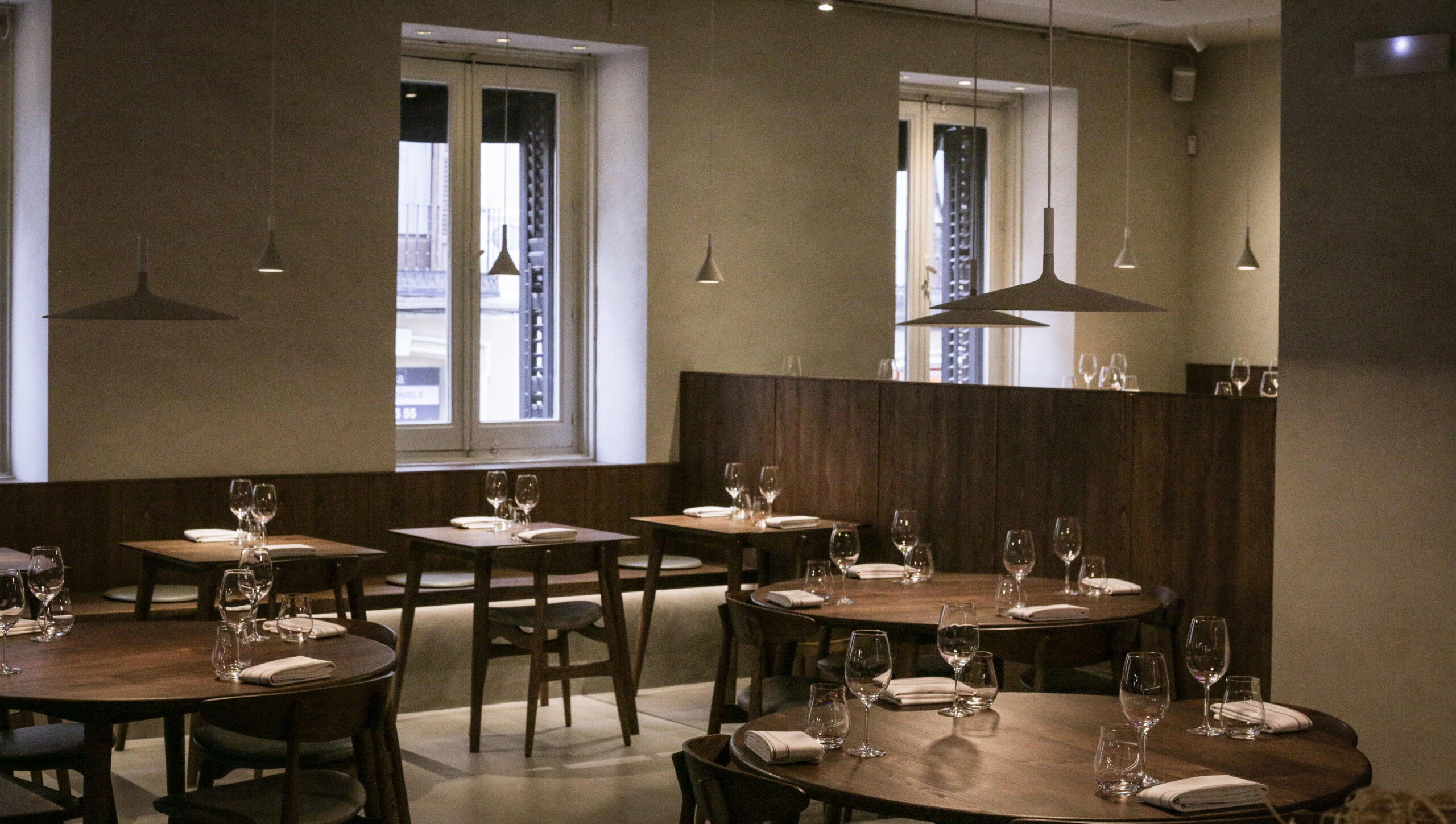
Restaurants in Madrid
Browse all →
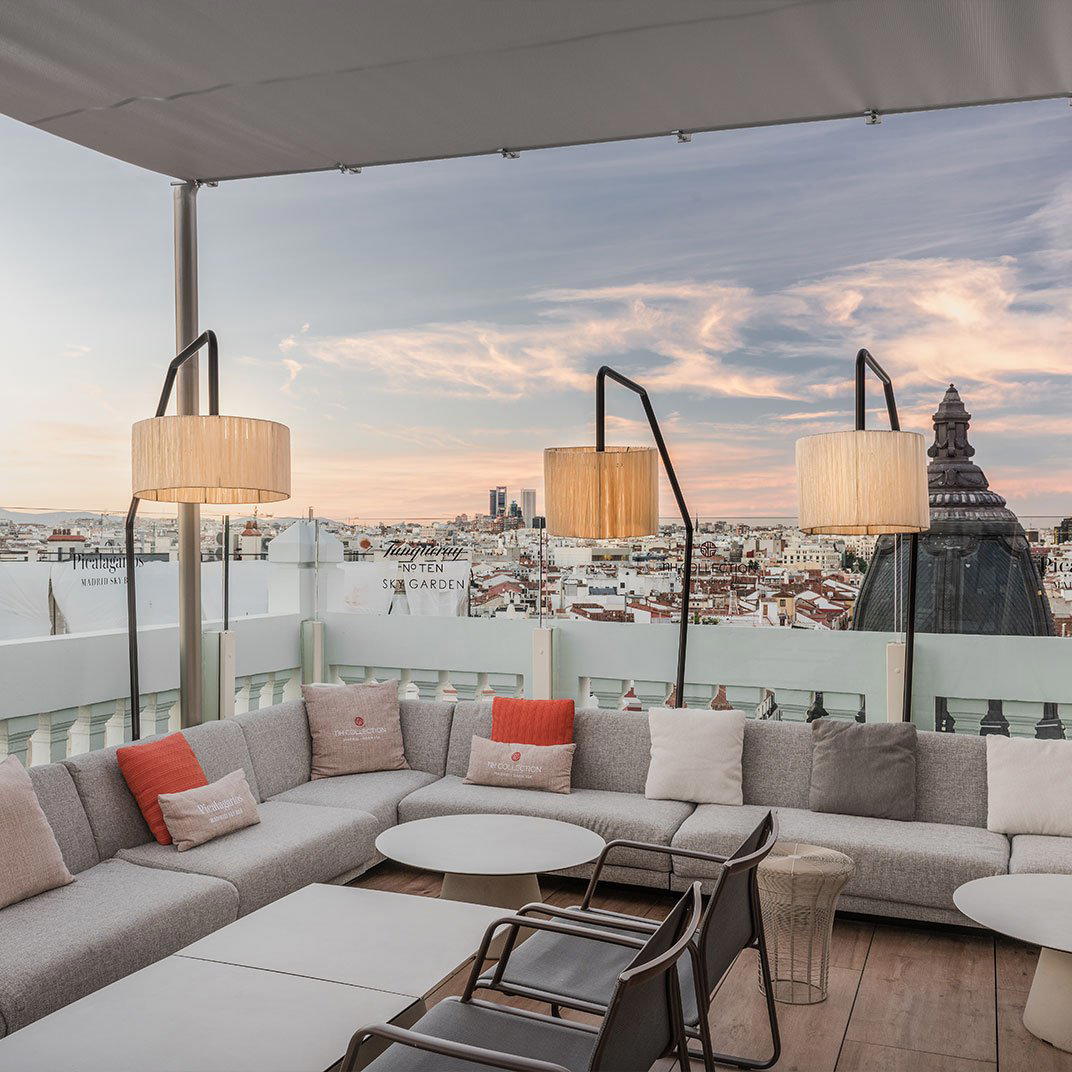
Bars in Madrid
Browse all →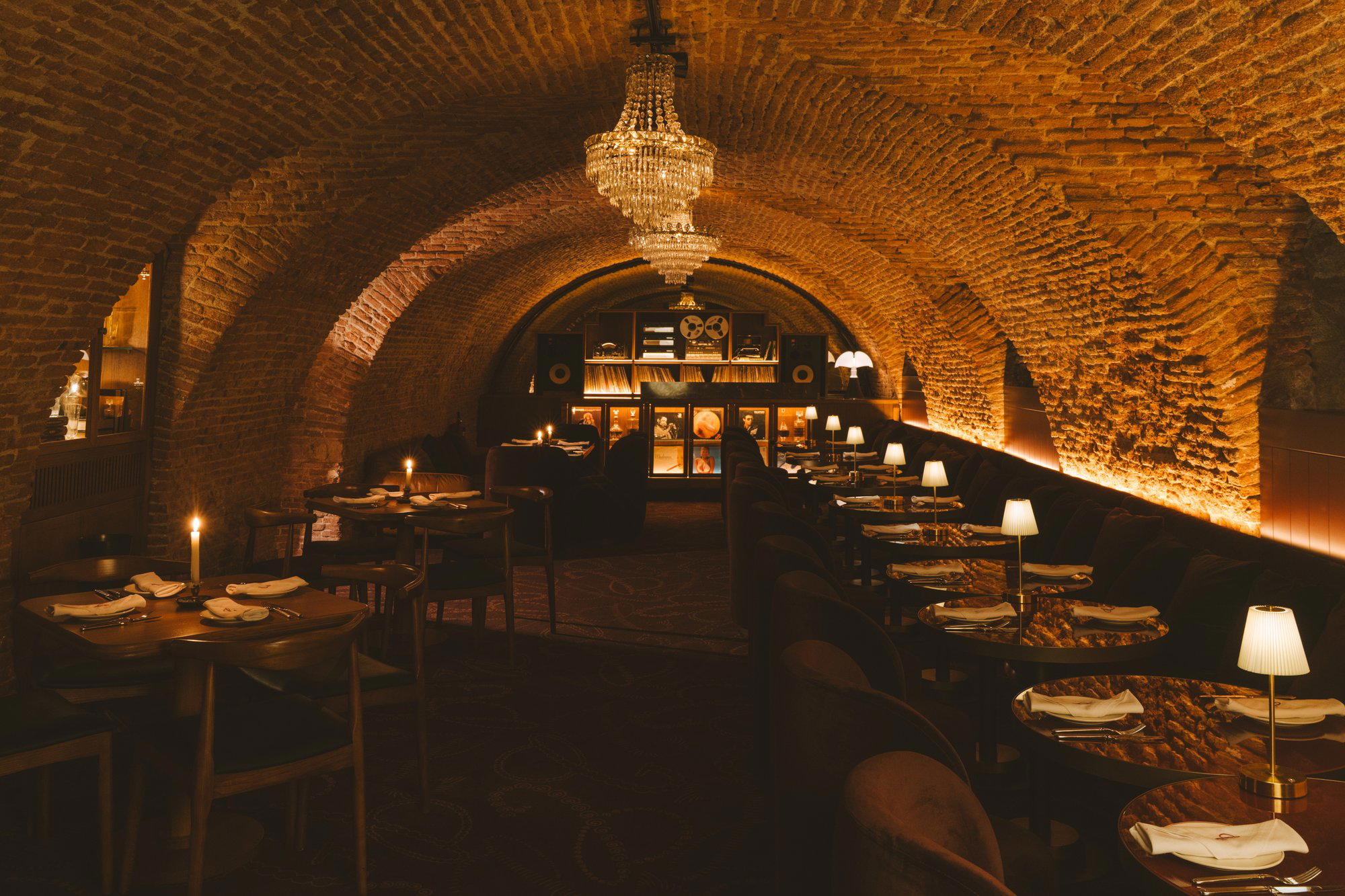
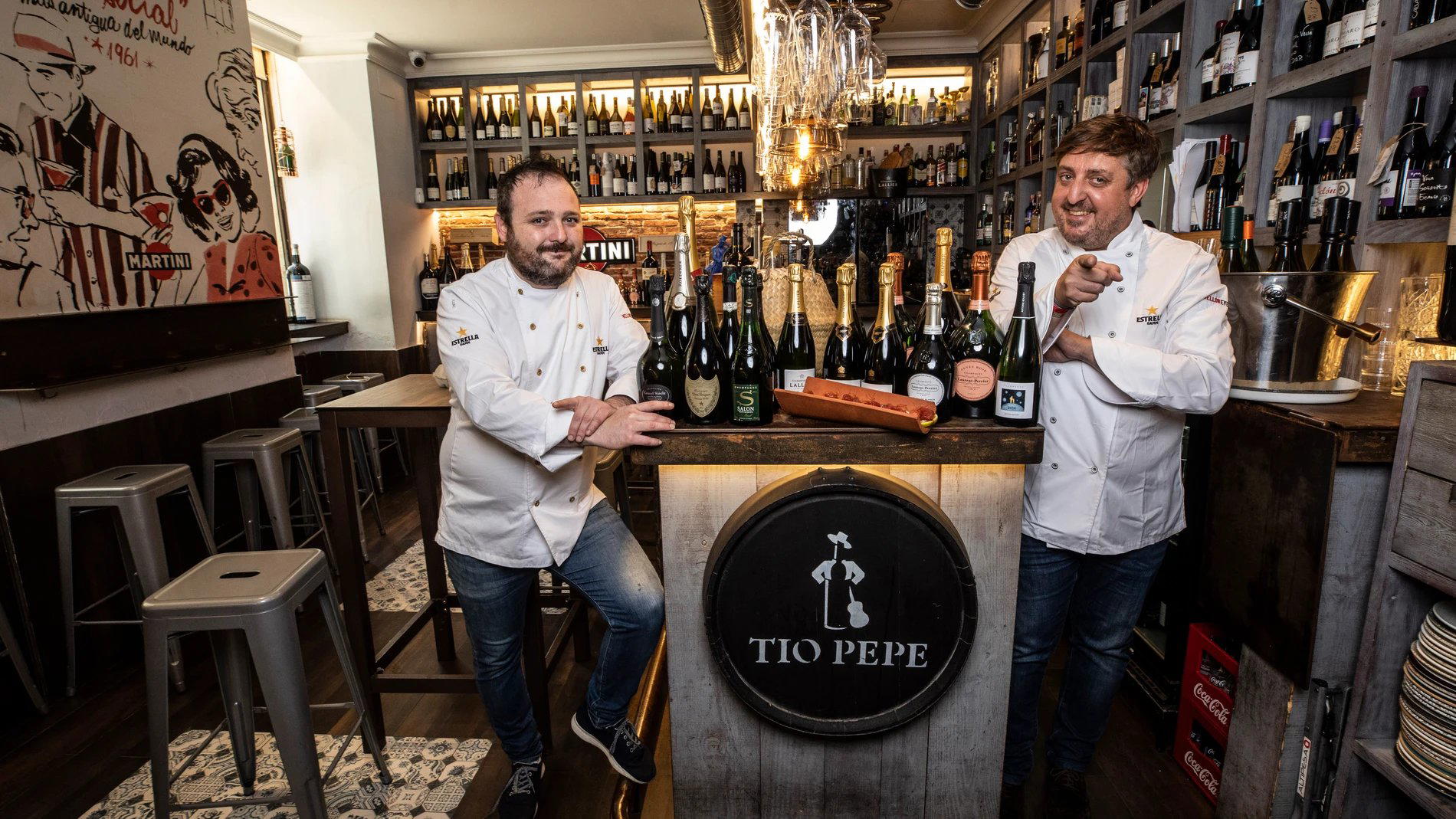
Hotels in Madrid
Browse all →




At a Glance
- Cozy
- Trendy
- Casual Hangout
- Date Night
- Wine Cellar
- Extensive Wine List
Current opening hours
- Monday
- Closed
- Tuesday
- 5:30 PM–12 AM
- Wednesday
- 5:30 PM–12 AM
- Thursday
- 5:30 PM–12 AM
- Friday
- 2 PM–12:30 AM
- Saturday
- 1 PM–12:30 AM
- Sunday
- Closed
Hours can change for holidays and private events. Last verified .
Cozy small tavern atmosphere with friendly and attentive service.