Our verdict
In the Retiro district, El Rincón de Cruz Blanca occupies a quieter register than Madrid's celebrated tasting-menu circuit, positioning itself closer to the neighbourhood taberna tradition than the city's €€€€ creative dining tier. Where DiverXO and Coque trade in spectacle and elaboration, Cruz Blanca draws from the more grounded end of the Madrid dining spectrum, rooted in ingredient-led cooking and the rhythms of a local address.

The menu
What to order
- Patatas Revolconas con Torreznos
- Paella of Lobster
Retiro's Quieter Table: Ingredient-Led Dining Away from the Tasting-Menu Circuit
Madrid's dining conversation gravitates toward the upper end of the creative spectrum. DiverXO commands the avant-garde tier; Coque and Deessa occupy the formal tasting-menu bracket alongside DSTAgE and Paco Roncero. But Madrid also sustains a parallel register: smaller addresses in residential neighbourhoods where the sourcing decision, not the technique, is the primary editorial statement. El Rincón de Cruz Blanca, on Calle del Comercio in the Retiro district, belongs to that second category. It is a street-level address in a neighbourhood defined more by its proximity to the park and the residential fabric of Lavapiés's eastern border than by any concentration of prestige restaurants. The setting matters because it tells you something about the dining logic at work here: this is not a destination built around theatre.
Where the Food Comes From and Why That Shapes Everything
Across Spain's broader dining culture, the sourcing argument has become the dominant organising principle for a certain tier of restaurant. At the upper end, this is visible at places like Aponiente in El Puerto de Santa María, where the Atlantic marine ecosystem is the explicit subject of the menu, or at Azurmendi in Larrabetzu, where the kitchen garden and its regional supply chain are formally integrated into the guest experience. At a more everyday register, the same logic plays out differently: it is less about theatrical sourcing narratives and more about the accumulated choices a kitchen makes when it decides which market to buy from, which suppliers to sustain relationships with, and which seasonal rhythms to follow without forcing the issue.
In the Retiro district, that kind of sourcing discipline is not immediately legible from the exterior. There is no tasting-menu format enforcing a story about provenance. What the neighbourhood context does enforce, however, is a certain accountability to a local clientele that returns regularly and knows when something has changed. That form of accountability, in many respects, is a more demanding standard than critical recognition. The taberna tradition in Madrid's residential pockets has always operated on repeat custom rather than destination traffic, and El Rincón de Cruz Blanca sits within that logic.
Retiro and Its Position in Madrid's Dining Geography
The Retiro district is not the most-written-about part of Madrid's dining map. Salamanca draws the upmarket international visitor; Malasaña and Chueca generate the trend coverage; the area around Lavapiés proper has attracted a wave of independent operators in recent years. Retiro occupies a different position: it is residential, well-served by public transport, and home to a mix of older local restaurants and a newer layer of operators who have moved into the neighbourhood as rents in more central zones have increased. Calle del Comercio itself is a short street that connects the neighbourhood to the commercial activity around the Mercado de Antón Martín axis, giving it foot traffic without the tourist density that affects some nearby streets.
For context on how Madrid's leading creative addresses compare to the national picture, the relevant peer group includes El Celler de Can Roca in Girona, Arzak in San Sebastián, Martin Berasategui in Lasarte-Oria, and Mugaritz in Errenteria. El Rincón de Cruz Blanca does not compete in that tier. Understanding where it does sit requires reading it against the neighbourhood taberna tradition rather than the national fine-dining hierarchy. In Spain, that tradition carries real cultural weight, and its leading practitioners are not interchangeable with the casual end of the market simply because they lack starred recognition.
The Case for Neighbourhood Tables in a City Obsessed with Tasting Menus
Spain's fine-dining circuit has produced some of the most formally ambitious restaurants in Europe. Quique Dacosta in Dénia, Ricard Camarena in València, and Cocina Hermanos Torres in Barcelona all represent the kind of long-format, elaborately sourced tasting experience that dominates international coverage of Spanish cooking. Atrio in Cáceres adds the cellar dimension to that equation. These are not the comparison set for a Retiro address on Calle del Comercio.
The relevant question for a venue like El Rincón de Cruz Blanca is whether the cooking holds its own within the neighbourhood's actual competitive field: the casas de comidas, the updated tabernas, the family-run addresses that have served the same streets for decades. In Madrid's residential districts, that is a meaningful standard. The city's taberna culture has historically prized ingredient quality over technique elaboration, and the leading examples of the form source carefully, cook without excessive intervention, and maintain consistency across the week rather than performing for weekend covers alone. Whether El Rincón de Cruz Blanca meets that standard consistently is what a local visitor is positioned to evaluate in a way that a passing critic is not.
For international visitors building a Madrid itinerary around the city's headliner addresses, our full Madrid restaurants guide maps the full range from creative tasting menus to neighbourhood-led cooking. The contrast with international peers like Le Bernardin in New York City or Lazy Bear in San Francisco underlines how the taberna model represents a distinctly Spanish approach to the relationship between sourcing discipline and dining format, one that operates without the multi-course architecture those venues use to frame their ingredient stories.
Planning Your Visit
Frequently asked questions
What part of town is El Rincón de Cruz Blanca in?
El Rincón de Cruz Blanca is located at C. del Comercio, 2, Retiro, 28007 Madrid, Spain, Madrid.
How does El Rincón de Cruz Blanca compare to other dining options in Madrid's Retiro district?
Retiro is less saturated with restaurant coverage than Salamanca or Malasaña, which means tables like El Rincón de Cruz Blanca on C. del Comercio, 2 serve a predominantly local clientele rather than international visitors. That distinction tends to shape the format: shorter menus, tighter price points, and less pressure to perform for external audiences. It occupies a different register entirely from the creative fine-dining venues that dominate Madrid's broader reputation.
What's the signature dish at El Rincón de Cruz Blanca?
Given its position in Retiro, a district where neighbourhood tables typically anchor their menus to seasonal Spanish produce rather than set tasting formats, the kitchen likely follows ingredient-led, market-driven logic. For the current menu, check the venue's official channels at C. del Comercio, 2, Madrid.
Do they take walk-ins at El Rincón de Cruz Blanca?
Retiro neighbourhood tabernas, as a category, tend to run smaller rooms where walk-in capacity exists outside peak weekend service. Arriving before 2pm for lunch or checking in before 9pm for dinner gives the best chance of a table without a reservation.
What do critics highlight about El Rincón de Cruz Blanca?
El Rincón de Cruz Blanca does not appear in EP Club's current awards or critical recognition records. The venue sits outside the Michelin and 50 Best Madrid circuit, which, in Retiro's neighbourhood dining tier, is more a positioning statement than an absence. The area is less reviewed than Salamanca or the historic centre, meaning consistent local followings often build without critical documentation.
Is El Rincón de Cruz Blanca good for vegetarians?
Spanish neighbourhood kitchens in Madrid vary considerably on this, some run strong vegetable-forward sections, others are meat-anchored. Contact the venue at C. del Comercio, 2, Retiro, 28007 Madrid before visiting if dietary requirements are a factor.
The Minimal Set
| Venue | Cuisine | Price | Awards | Notes |
|---|---|---|---|---|
| El Rincón de Cruz BlancaThis venue (the venue you are viewing) | Traditional Spanish Tapas | Not listed | Not listed | Not listed |
| DiverXO | Avant-Garde Spanish Tasting Menu | $300–500 | 3 Michelin Stars · World's 50 Best #9 | Progressive - Asian, Creative |
| Coque | Modern Spanish Fine Dining | $300–500 | 2 Michelin Stars · La Liste Top Restaurants | Spanish, Creative |
| Deessa | Modern Valencian Fine Dining | $150–200 | 2 Michelin Stars · La Liste Top Restaurants | Modern Spanish, Creative |
| Paco Roncero | Avant-Garde Spanish Fine Dining | $150–200 | 2 Michelin Stars · La Liste Top Restaurants | Creative |
| Smoked Room | Modern Japanese Fire Omakase | $200–300 | 2 Michelin Stars · La Liste Top Restaurants | Progressive Asador, Contemporary |
Continue exploring
More in Madrid
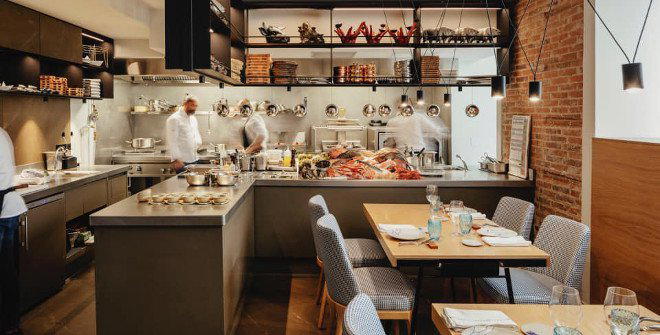
Restaurants in Madrid
All restaurants in Madrid →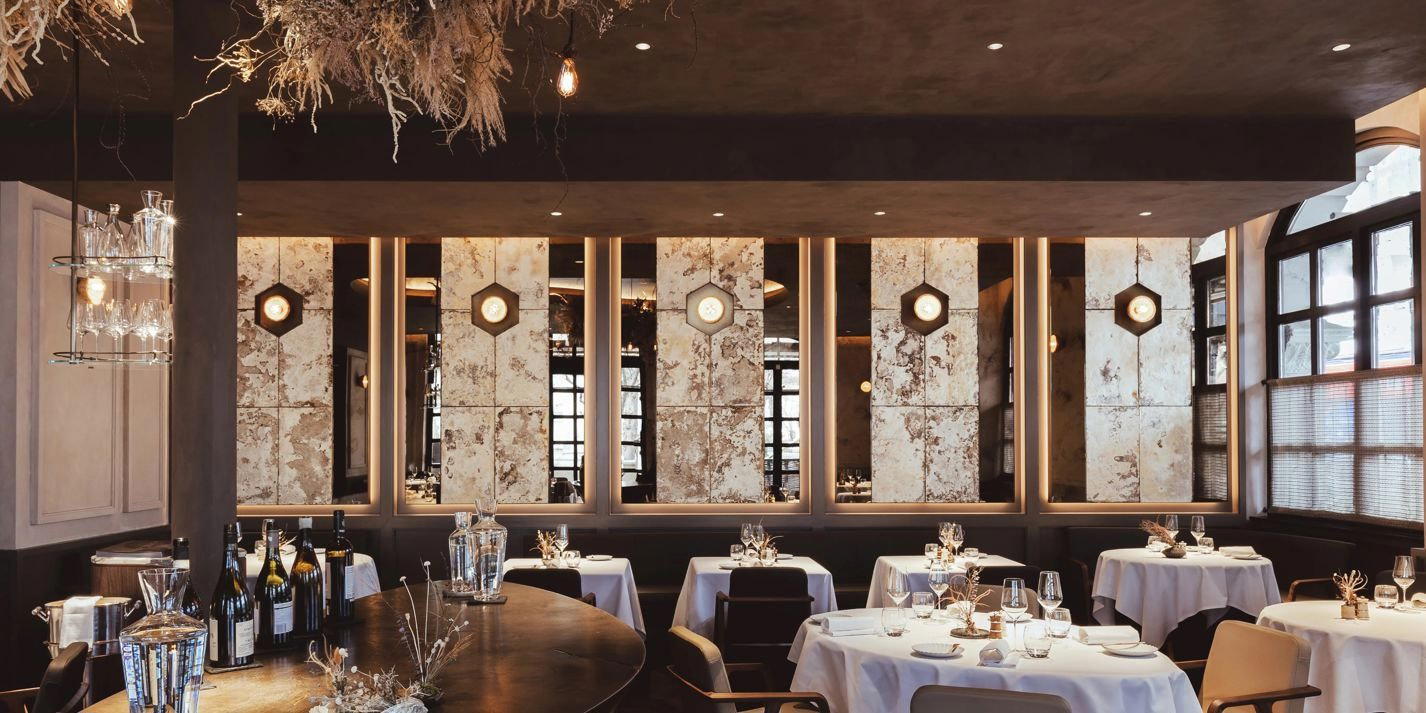
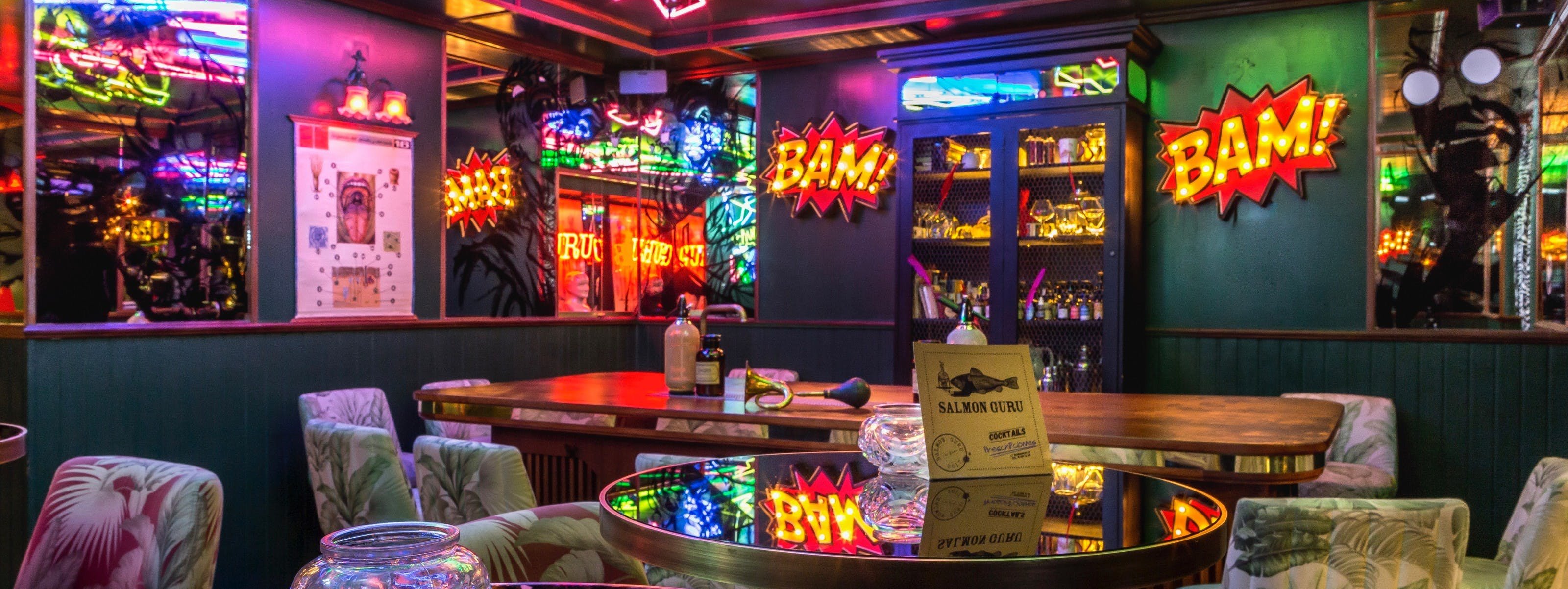
Bars in Madrid
All bars in Madrid →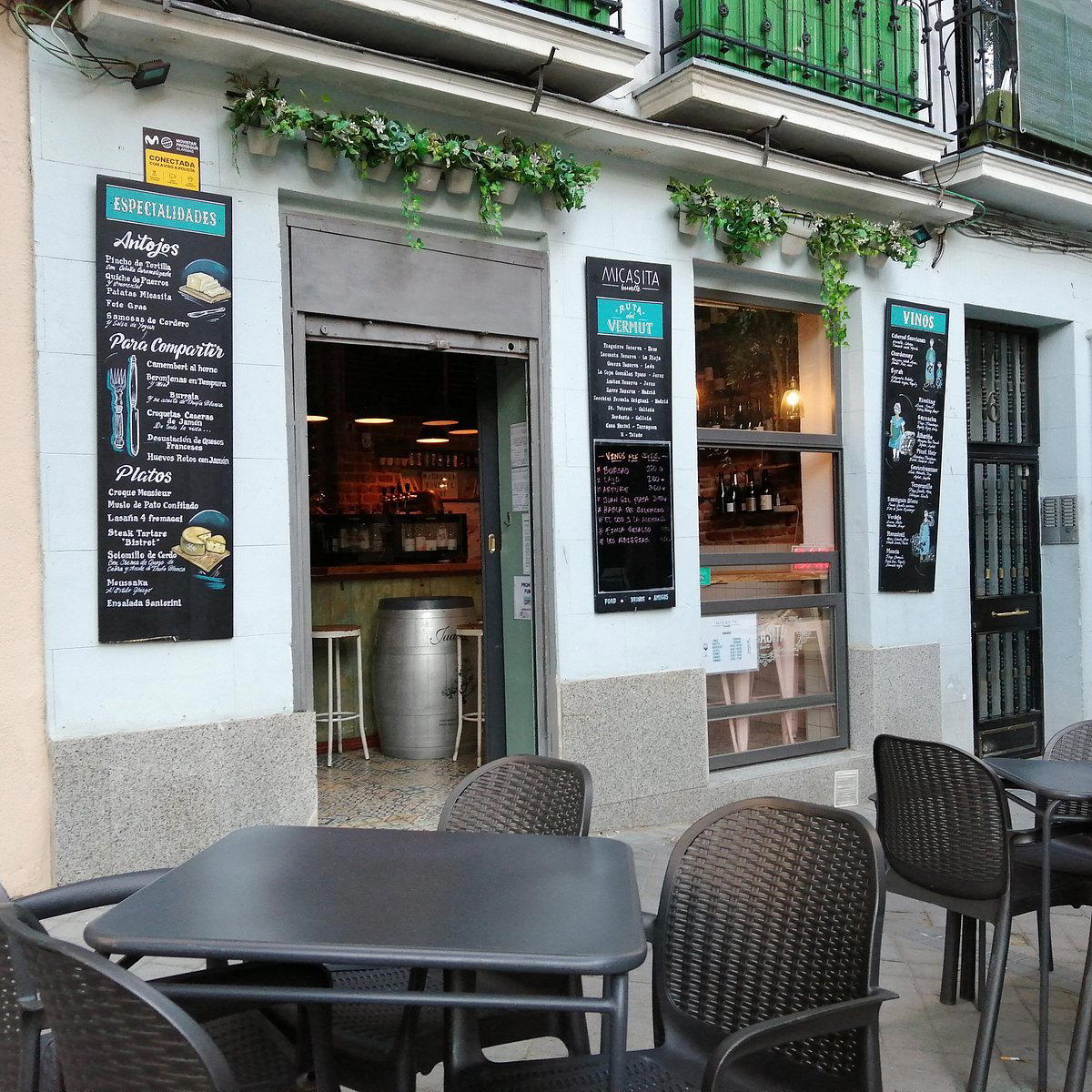

Details
- Classic
- Cozy
- Family
- Group Dining
- Casual Hangout
- Open Kitchen
- Terrace
- Beer Program
- Street Scene
- A La Carte
- Small Plates
- Beer Program
- Vegetarian Friendly
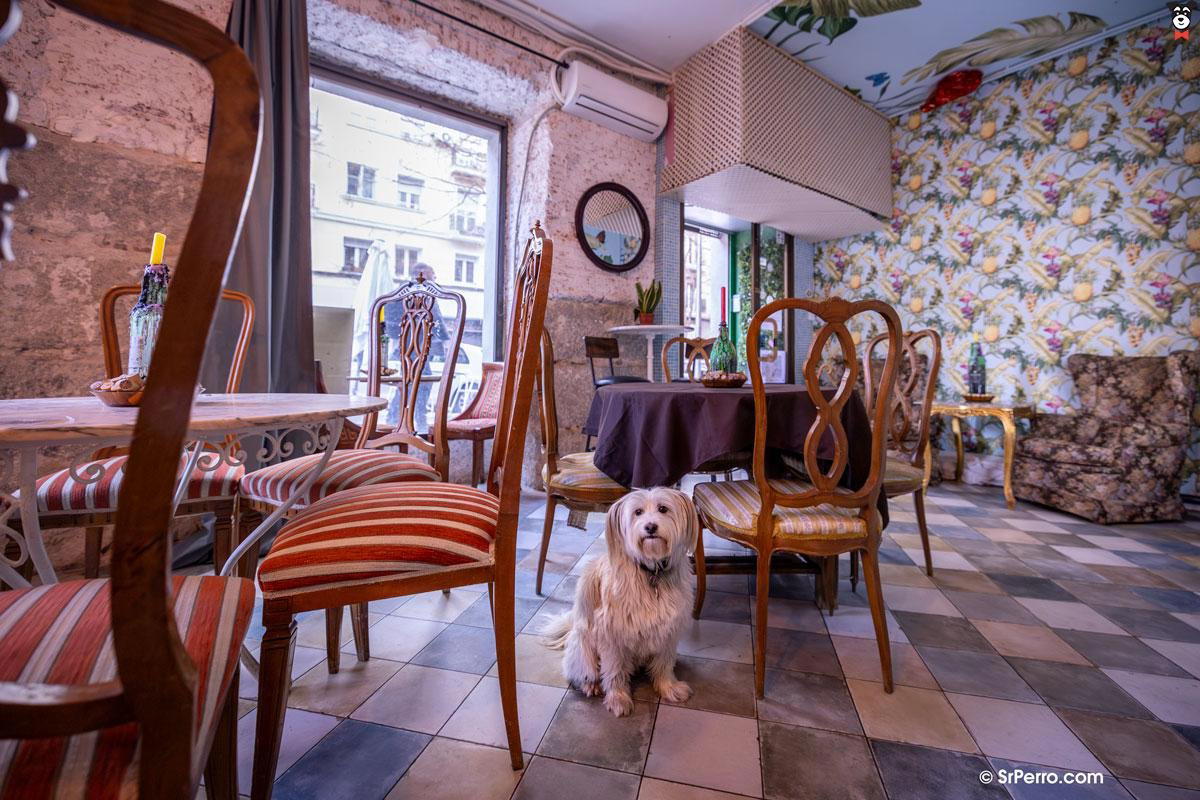
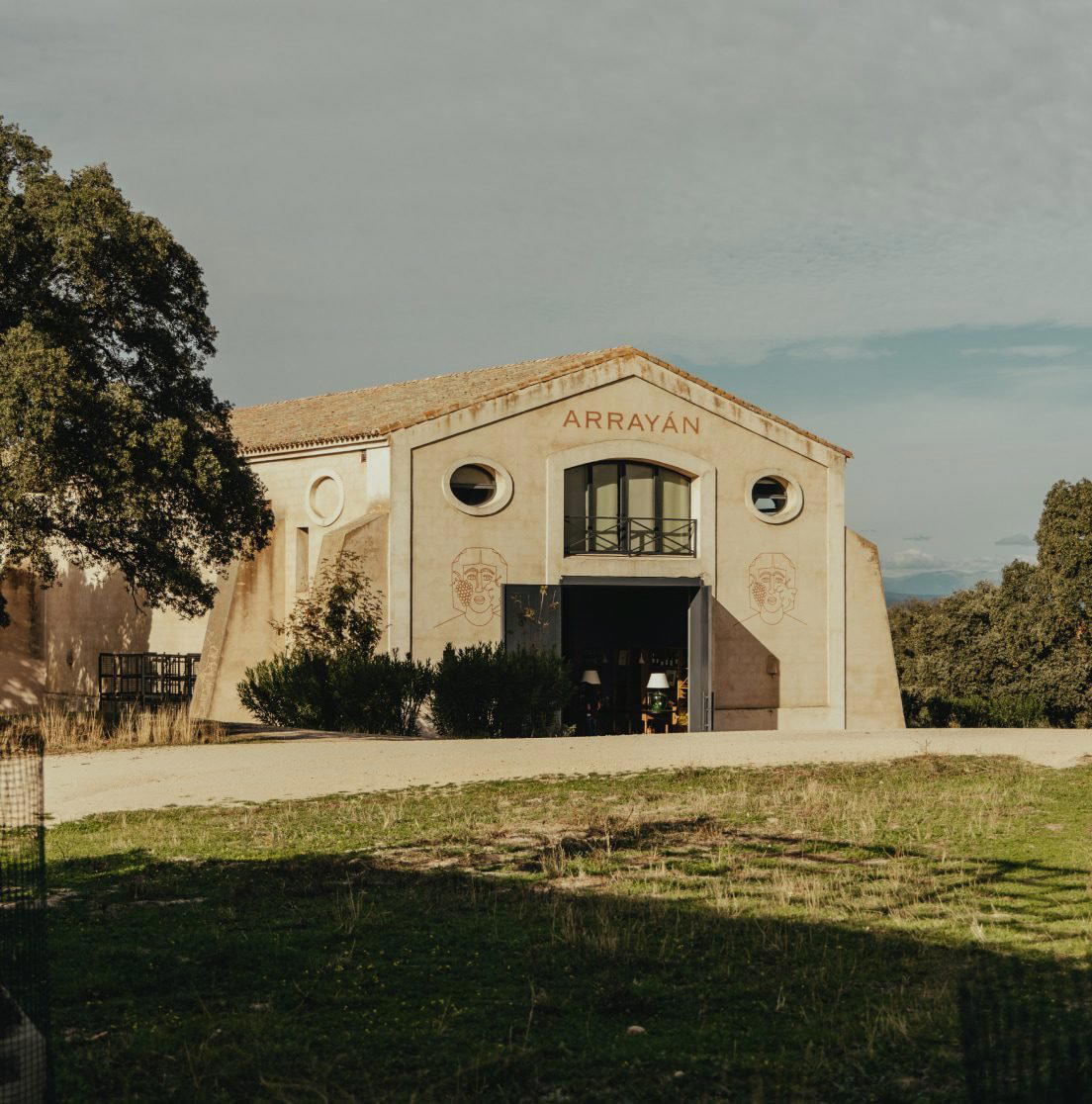
Casual and welcoming atmosphere with an open kitchen, cozy indoor seating, and a pleasant terrace despite nearby street noise.