Our verdict
Ye Shanghai occupies a well-established position within Pacific Place's dining floor, where Shanghai-style cooking meets the polished expectations of Admiralty's professional crowd. The kitchen draws on Shanghainese culinary tradition, braised meats, delicate dim sum, and cold appetisers, within a setting calibrated for business lunches and relaxed evening dining. For Chinese regional cuisine at a central Hong Kong address, it represents a considered, mid-to-upper tier option.

Pearl is the En Primeur Club membership app, where members save venues, book tables and use the concierge.
The menu
What to order
- Xiaolongbao
- Drunken chicken
- Stir-fried river shrimps
- Sliced pork dressed in garlic sauce
Shanghai Cooking in the Heart of Admiralty
Pacific Place's third floor has long functioned as a reliable barometer for Hong Kong's appetite for Chinese regional cuisine in an international-hotel-adjacent setting. The mall's dining tier sits between the rushed food courts of Exchange Square and the rarefied tasting-menu rooms of the upper floors, occupying a middle ground where regional Chinese cooking, Cantonese, Shanghainese, Hunanese, competes on both quality and environment. Ye Shanghai operates in this space, positioning Shanghainese cuisine alongside the business-lunch crowd that fills Admiralty's towers each weekday and the more leisurely weekend diners who treat Pacific Place as a destination in itself.
The approach to Shanghai-style cooking that characterises this category of restaurant in Hong Kong differs from what you find in the mainland originals. Shanghainese cuisine in Hong Kong has historically been inflected by Cantonese preferences: slightly lighter on sweetness, more attentive to textural contrast, and calibrated for a clientele that moves fluidly between regional Chinese traditions. The cold appetisers, drunken chicken, smoked fish, edamame, that open a classic Shanghai meal are treated as a serious first course rather than an afterthought, setting the kitchen's pace from the start. This is as much about the dining culture of Hong Kong's professional class as it is about any individual kitchen's philosophy.
The Room and the Service Register
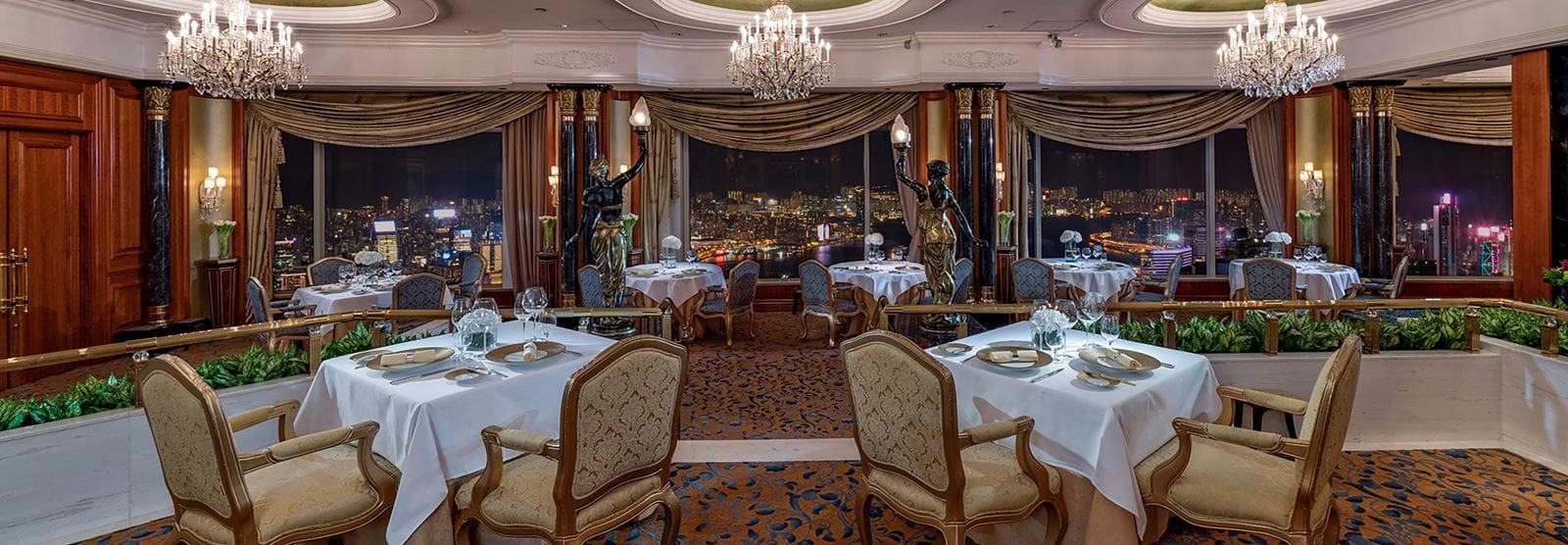
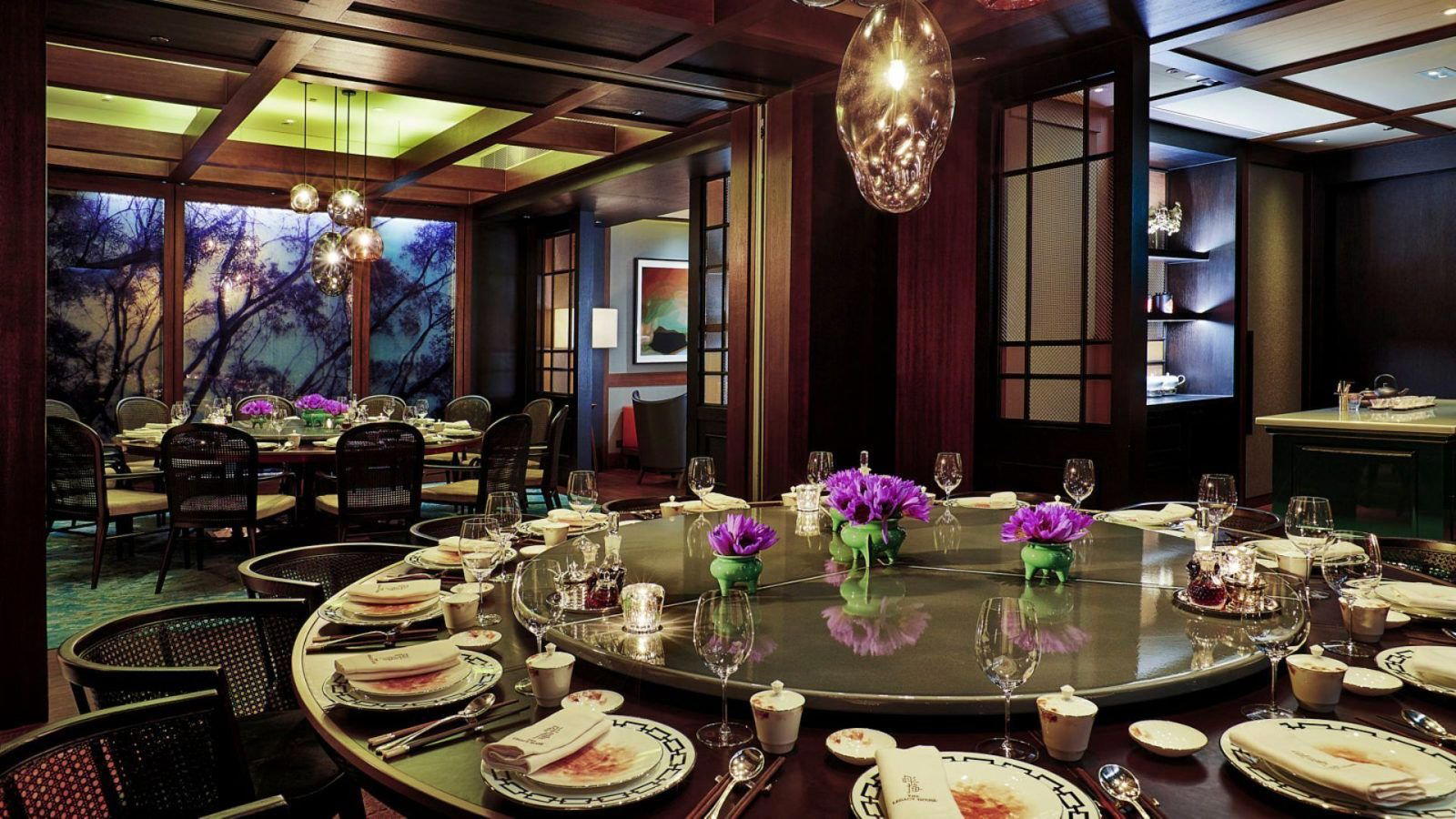
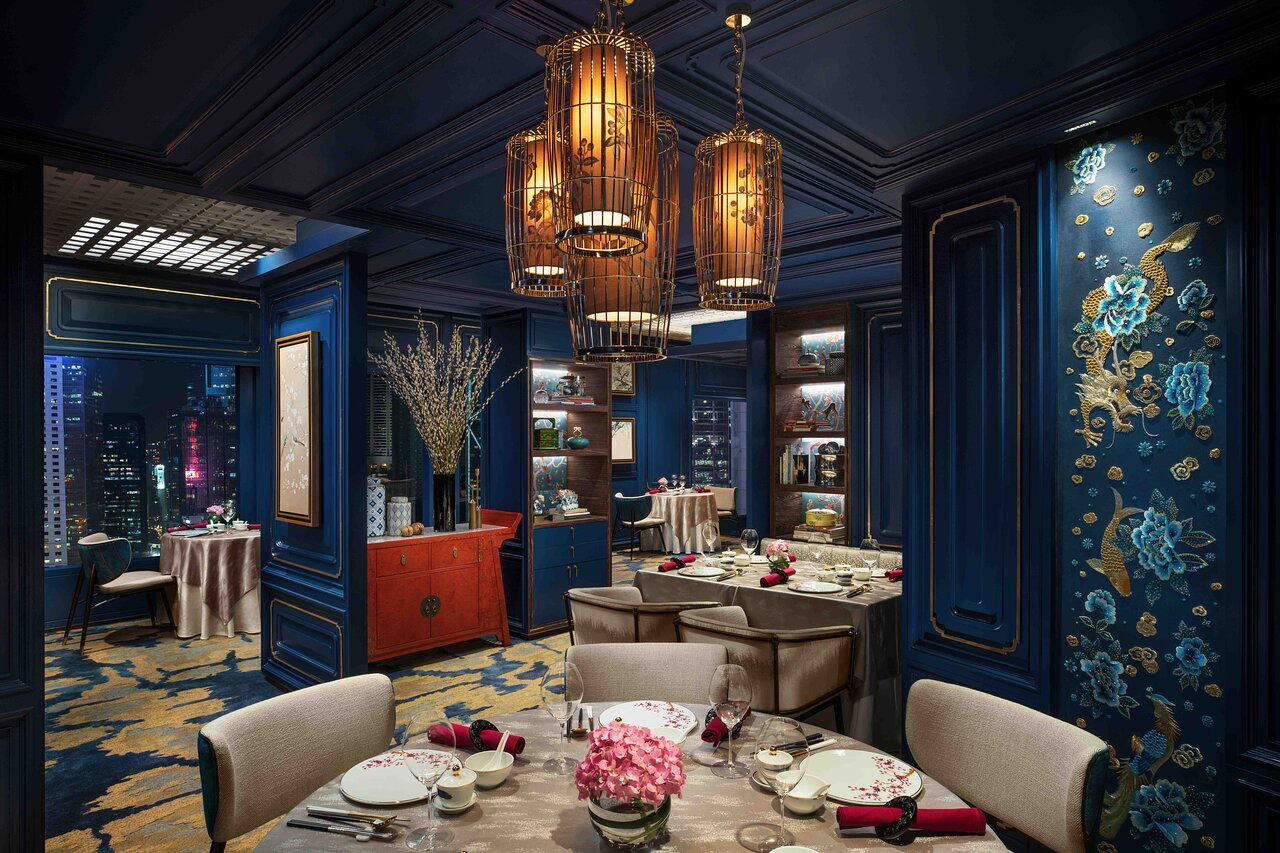
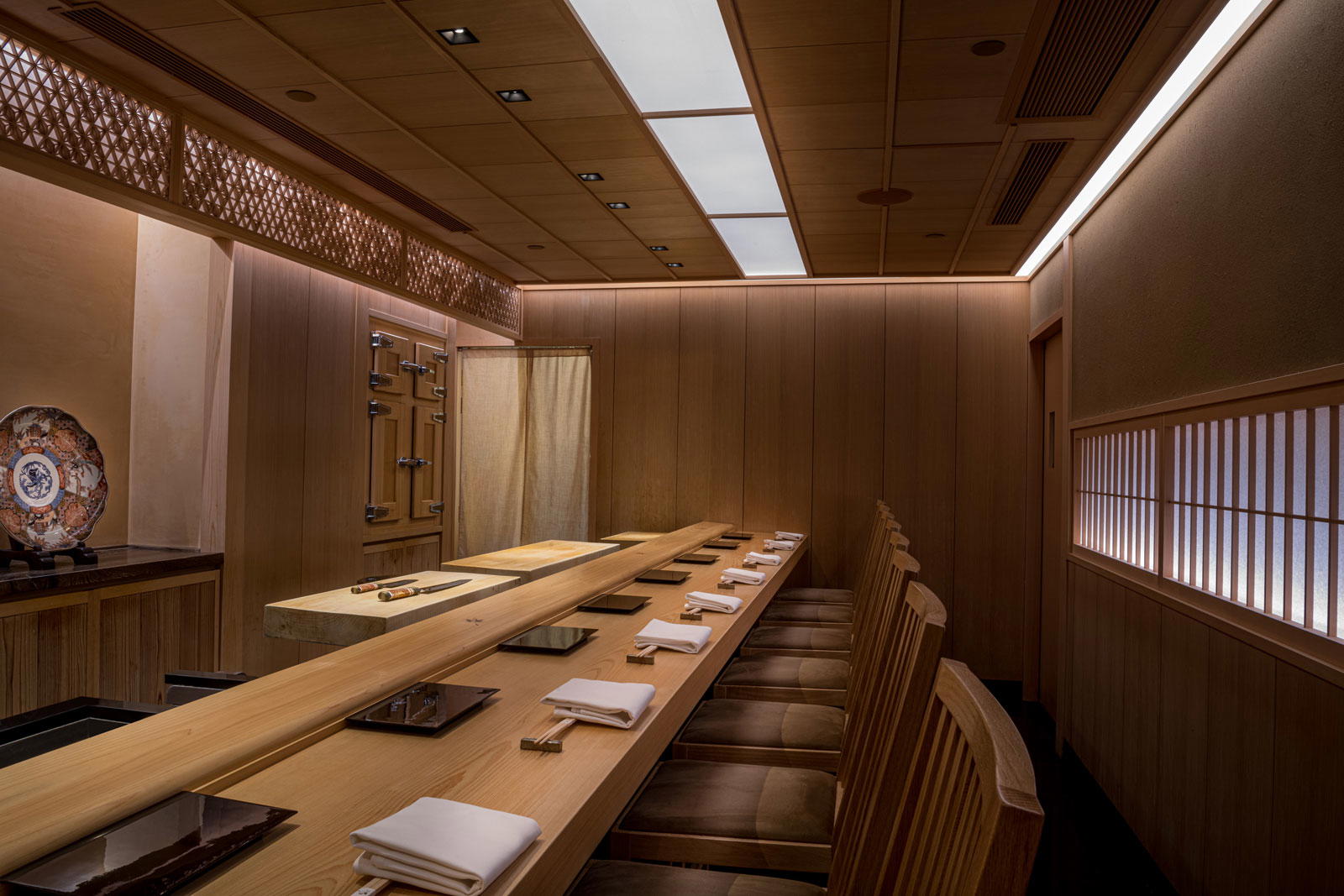
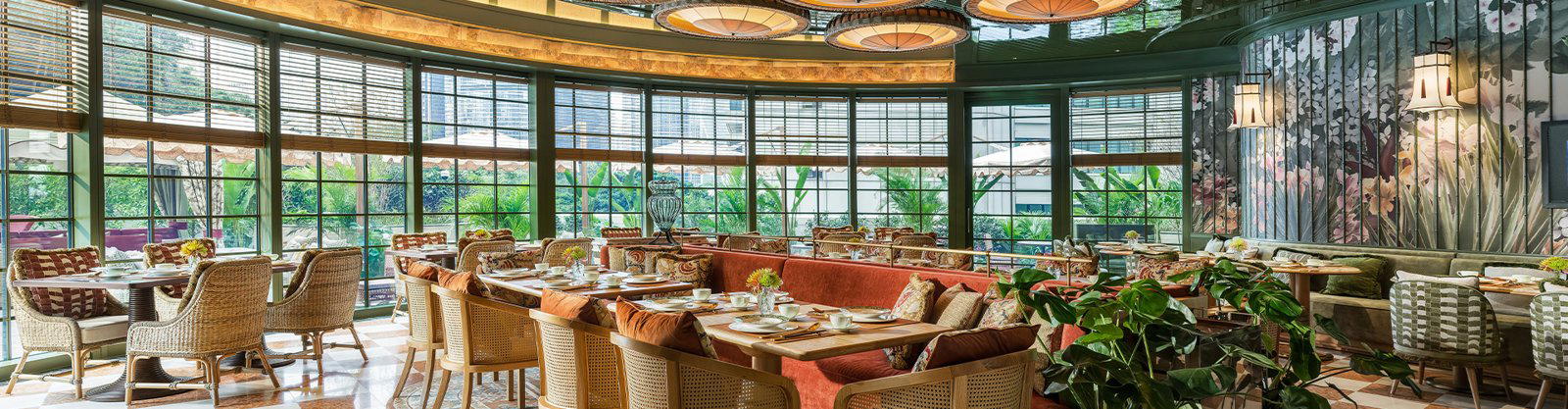
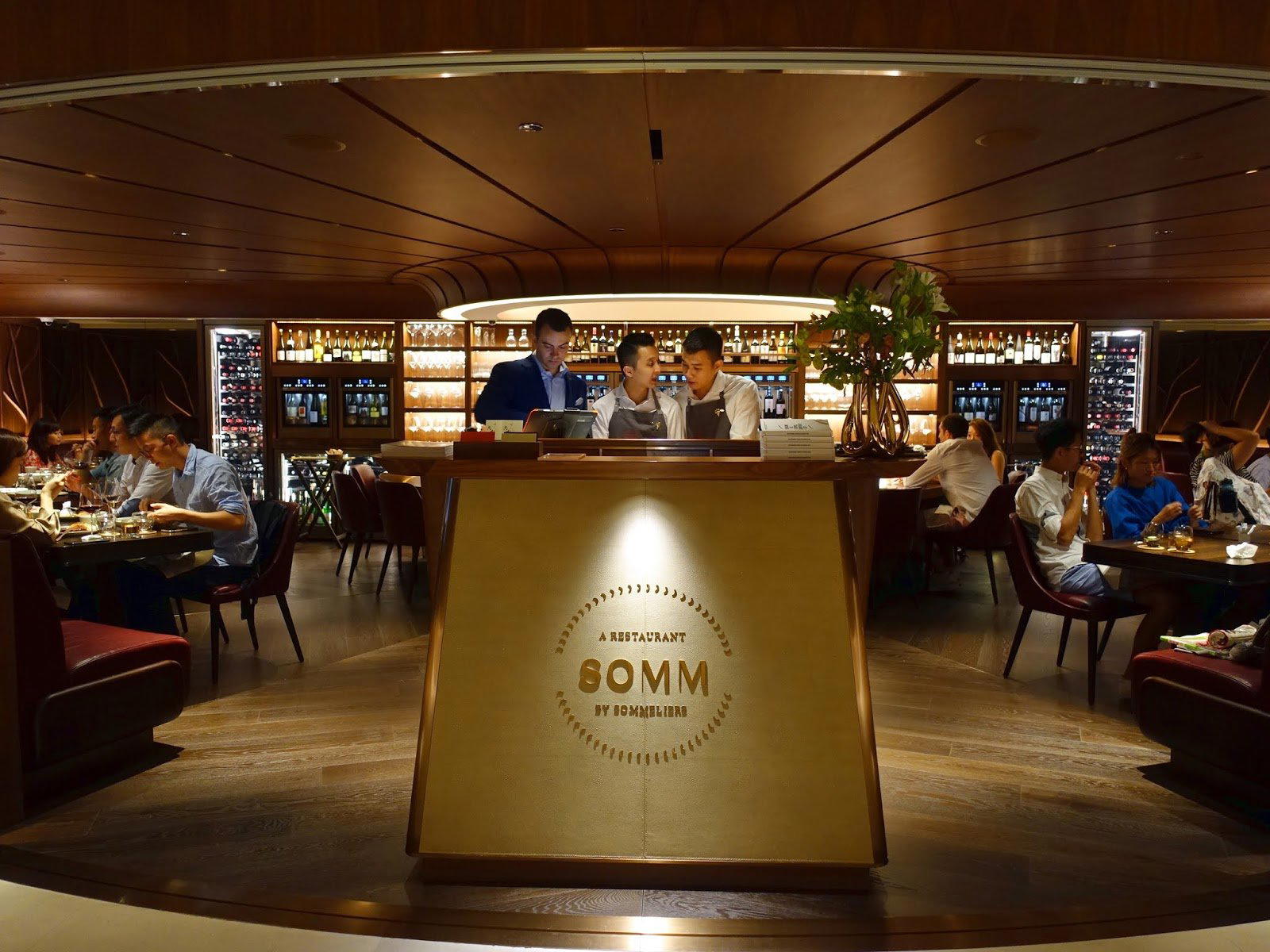
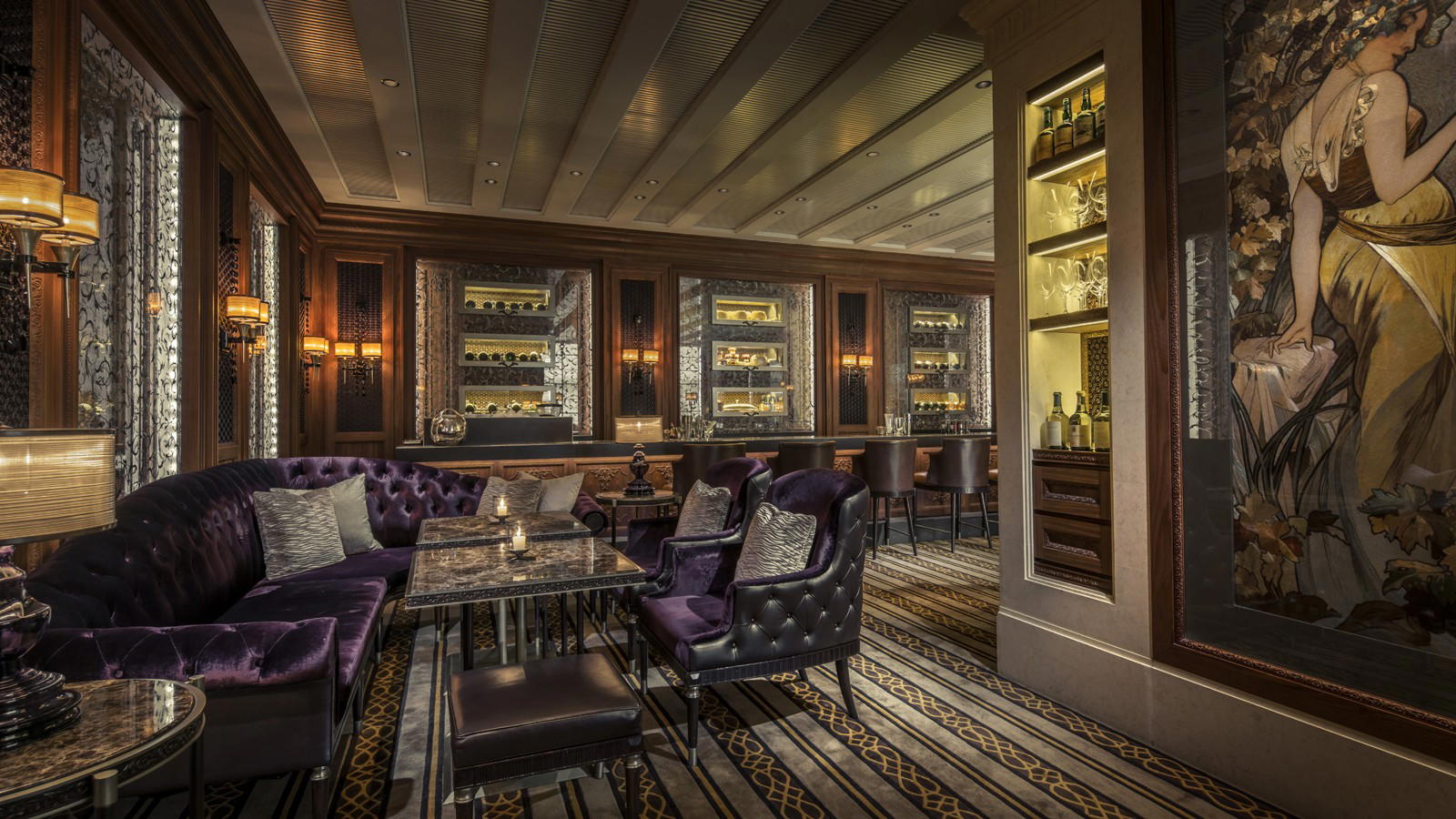
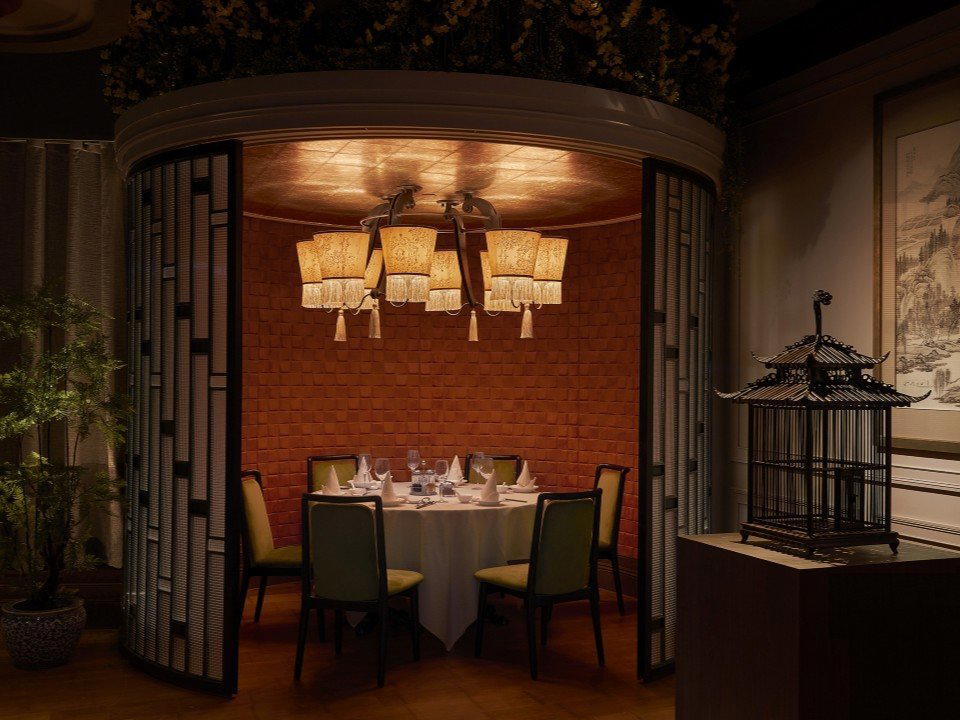
Shanghai-style restaurants in Hong Kong's premium mall tier tend to invest in a particular kind of interior legibility: darker wood, lantern-adjacent lighting, and a layout that separates the noise of larger tables from the quieter corners preferred by smaller groups. These are rooms that communicate seriousness without formality, designed to hold both a ten-person business dinner and a quiet lunch for two without either feeling out of place. The front-of-house register in this category matters as much as the physical space. When the service model works, the floor staff function as a coordinated team rather than a collection of individual order-takers, someone managing pacing, someone handling wine and tea, someone tracking the table's progression through cold dishes, soups, and mains.
This kind of team dynamic is where mid-to-upper tier Chinese restaurants in Hong Kong tend to differentiate themselves from their lesser competitors. The interaction between kitchen pacing and floor service in Shanghainese dining is more intricate than it might appear. Cold dishes need to arrive and clear before hot dishes begin in earnest; braised dishes need time to be presented and portioned correctly; a service team that understands this rhythm turns a meal into something cohesive rather than a sequence of plates. For context, Hong Kong's broader Central and Western dining scene, from the Michelin-decorated rooms of 8½ Otto e Mezzo BOMBANA to the Thai cooking at Aaharn, has raised expectations for service coordination across categories, and Chinese regional restaurants that operate in the same neighbourhood absorb that standard.
Shanghainese Cuisine: What the Kitchen Signals
Shanghainese cooking sits at the sweeter, richer end of eastern Chinese regional styles. Hongshao, red-braised pork belly, cooked low and slow with soy, sugar, and Shaoxing wine, is the canonical test of a Shanghai kitchen's patience and technique. Xiaolongbao, the soup dumplings associated with the broader Wu dialect region, appear on every Shanghainese menu in Hong Kong and function as a quick diagnostic: the ratio of gelatin broth to pork filling, the thinness of the wrapper, and the temperature at which they arrive all signal how seriously the kitchen is taking its fundamentals.
Beyond these reference points, a competent Shanghai kitchen in Hong Kong typically maintains a roster of seasonal cold dishes that change with availability, a selection of wok-fried vegetables and tofu preparations that serve as counterweights to the richer braised items, and a set of wheat-based noodle and pastry dishes that reflect Shanghai's northern influences. Restaurants in Pacific Place's dining tier have the logistical infrastructure, reliable suppliers, high-volume kitchens, to maintain these standards consistently across the week, which is something smaller standalone restaurants sometimes struggle to match.
Where Ye Shanghai Sits in the Pacific Place Ecosystem
Pacific Place's dining floor positions Ye Shanghai in a competitive set that values consistency, accessibility, and a certain kind of ambient seriousness. Diners in Admiralty on a weekday lunch have access to a wider range of options than almost anywhere else in Hong Kong: hotel dining rooms, standalone restaurants, and mall-level venues all compete within a few hundred metres. The fact that Shanghainese cuisine maintains a presence here, rather than being displaced by the newer wave of Japanese omakase counters or European bistro formats, reflects a sustained demand among Hong Kong diners for the kind of composed, multi-course Chinese regional meal that Ye Shanghai represents.
For those mapping out a broader Central and Western itinerary, the neighbourhood's dining density is worth taking seriously. AMMO and Bayi represent the kind of cross-category breadth that makes this district one of Hong Kong's most navigable for varied dining across a multi-day visit. The full Central and Western restaurants guide covers the spectrum from casual to formal. Across the wider city, comparable points of reference for Chinese regional cooking include Lei Garden in Sha Tin and, for a different coastal angle, the history attached to the Former Jumbo Floating Restaurant in Aberdeen. The range extends to neighbourhood specialists like Coconut Soup in Yau Tsim Mong and Hoi Tin Garden in Tuen Mun, each anchoring a different part of the city's Chinese dining geography.
Planning Your Visit
Ye Shanghai is located on the third floor of Pacific Place at 88 Queensway, Admiralty, directly accessible from Admiralty MTR station via the mall's internal connections. The address places it within easy reach of Hong Kong's legal and financial districts, which shapes the lunch trade considerably, earlier in the week tends to be busier at midday, while weekends draw a more leisurely crowd. For dinner, the surrounding options at Pacific Place and the nearby hotel properties mean the evening dining pattern is more spread across the week. Booking ahead for larger groups or weekend dinner is advisable given the venue's location in one of the city's highest-footfall dining destinations. For those exploring further afield on the same trip, One-ThirtyOne in Tai Po, Gangstas in Islands, and I Love Istanbul in Tsuen Wan offer contrasting registers across Hong Kong's outer districts.
Frequently asked questions
How would you describe the vibe at Ye Shanghai?
Ye Shanghai occupies a settled, mid-register formality that fits its Pacific Place address on Queensway, Admiralty. The room signals regional Chinese seriousness rather than experimental energy, darker interiors, structured service, and a clientele that skews toward business lunches and family dinners. It functions as a composed, unhurried space within one of Hong Kong's most internationally trafficked malls.
Where do I go for Ye Shanghai?
Ye Shanghai is located at Shop 332, 3/F, Pacific Place, 88 Queensway, Admiralty, Hong Kong, Central And Western.
Is Ye Shanghai a good option for Shanghainese cuisine near Admiralty MTR in Hong Kong?
Ye Shanghai at 88 Queensway is among the most accessible Shanghainese dining options for commuters and hotel guests around Admiralty, given its direct MTR connection via Pacific Place. The kitchen focuses on eastern Chinese regional cooking, a cuisine style distinguished from Cantonese by its heavier use of soy-braising, vinegar notes, and sweetness in savoury dishes. For visitors to Central and Western Hong Kong seeking Shanghainese food without crossing districts, it represents a geographically and culinarily coherent choice.
What should I order at Ye Shanghai?
The kitchen's identity is anchored in Shanghainese technique, which means hongshao preparations, red-braised dishes cooked slowly with soy, Shaoxing wine, and sugar, are the logical starting point. Eastern Chinese cooking at this register also tends toward xiao long bao and cold appetisers like drunken chicken, which signal how a kitchen handles precision and seasoning balance. Order from the braised and cold sections before reaching for the broader menu.
Do they take walk-ins at Ye Shanghai?
Ye Shanghai sits within Pacific Place at 88 Queensway, Admiralty, directly connected to Admiralty MTR station, which makes spontaneous visits logistically straightforward. Walk-in availability varies by day and meal period, weekend lunches at mall-tier Shanghainese restaurants in Hong Kong typically fill quickly, so arriving early or mid-week improves your chances without a reservation.
What do critics highlight about Ye Shanghai?
Ye Shanghai's position on Pacific Place's third floor places it within a competitive Chinese regional dining set that Hong Kong reviewers tend to assess on consistency and accessibility rather than innovation. Commentary generally centres on the kitchen's reliability with Shanghainese classics and the venue's ability to deliver a coherent regional Chinese experience within a high-footfall, international mall environment in Central and Western Hong Kong.
Fast Comparison
Comparable venues nearby, for context on price, style, and recognition.
| Venue | Cuisine | Price | Awards | Notes |
|---|---|---|---|---|
| Ye ShanghaiThis venue (the venue you are viewing) | Traditional Shanghainese | Not listed | Not listed | Not listed |
| Café Hunan | Authentic Hunan | $10–20 | Michelin Bib Gourmand | Central And Western |
| Sheung Hei | Cantonese Claypot Rice | $10–20 | Not listed | Kennedy Town |
| MâmAmis | Modern Vietnamese-French Fusion | $30–50 | Michelin Plate | Sheung Wan |
| Sun Yuen Hing Kee | Cantonese Roast Meats (Siu Mei) | $10–20 | Not listed | Sheung Wan |
| Clarence | Modern French Bistro | $50–100 | SCMP 100 Top Tables Restaurants | Central |
Recognition history
Dated appearances from independent guides and award organizations, with the underlying list record or original source where available.
Opinionated About Dining Top Restaurants in Asia Recommended
Opinionated About Dining