Michelin Plate
Our verdict
A Michelin Plate-recognised French kitchen in Daikanyama, Yd'or applies classical technique to unexpected combinations: mackerel consommé, eel simmered in red wine, cheese-stuffed quail. The counter kitchen keeps pace with demand, plating and serving each dish the moment it is ready. At the ¥¥¥ price point, it sits below the Roppongi and Marunouchi flagships of Tokyo French dining, but holds its own on craft.

Pearl is the En Primeur Club membership app — saves, bookings, and concierge access live there. Same editors, same standards.
A French Counter in Daikanyama: Where Technique Meets Immediacy
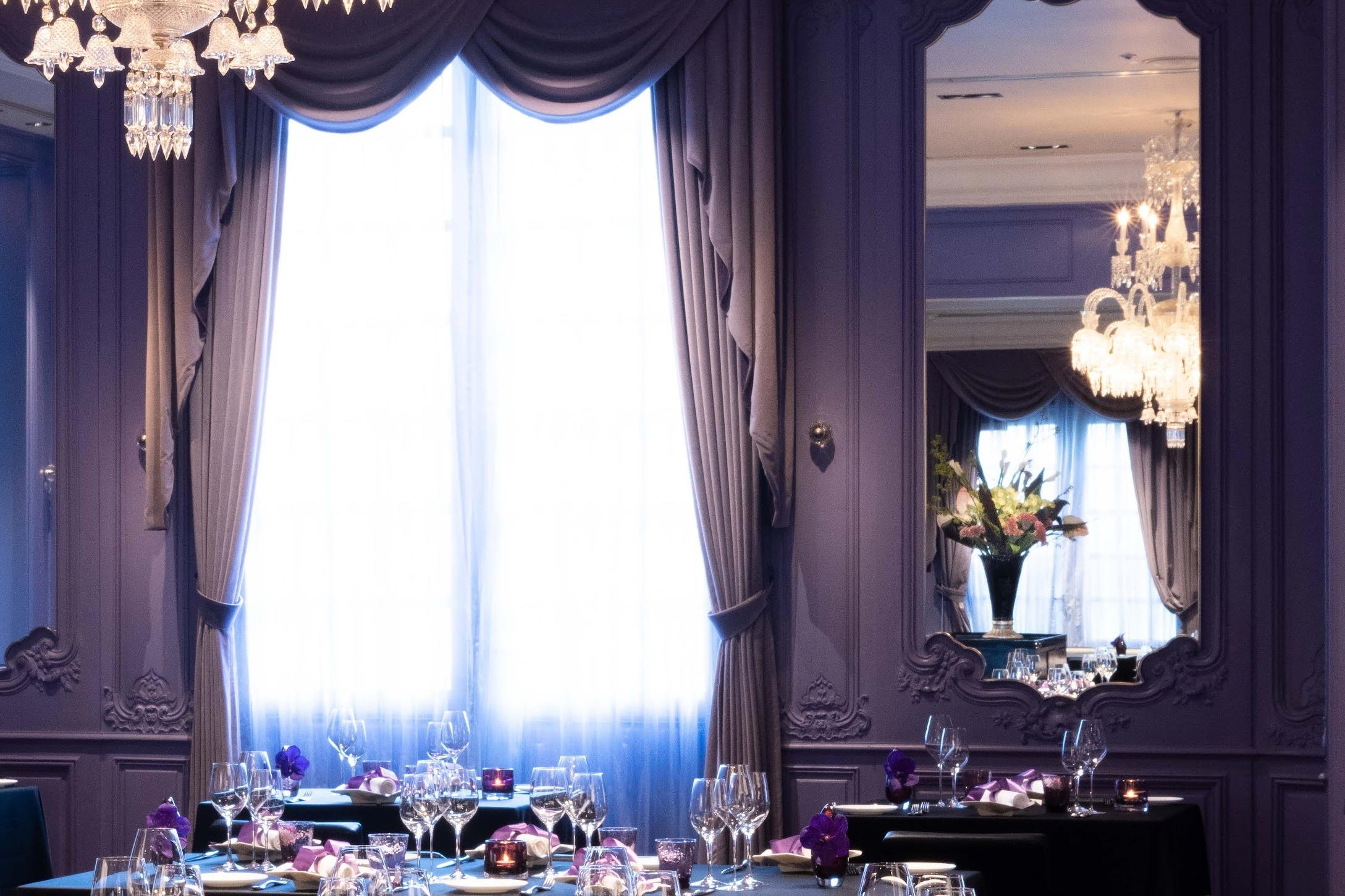
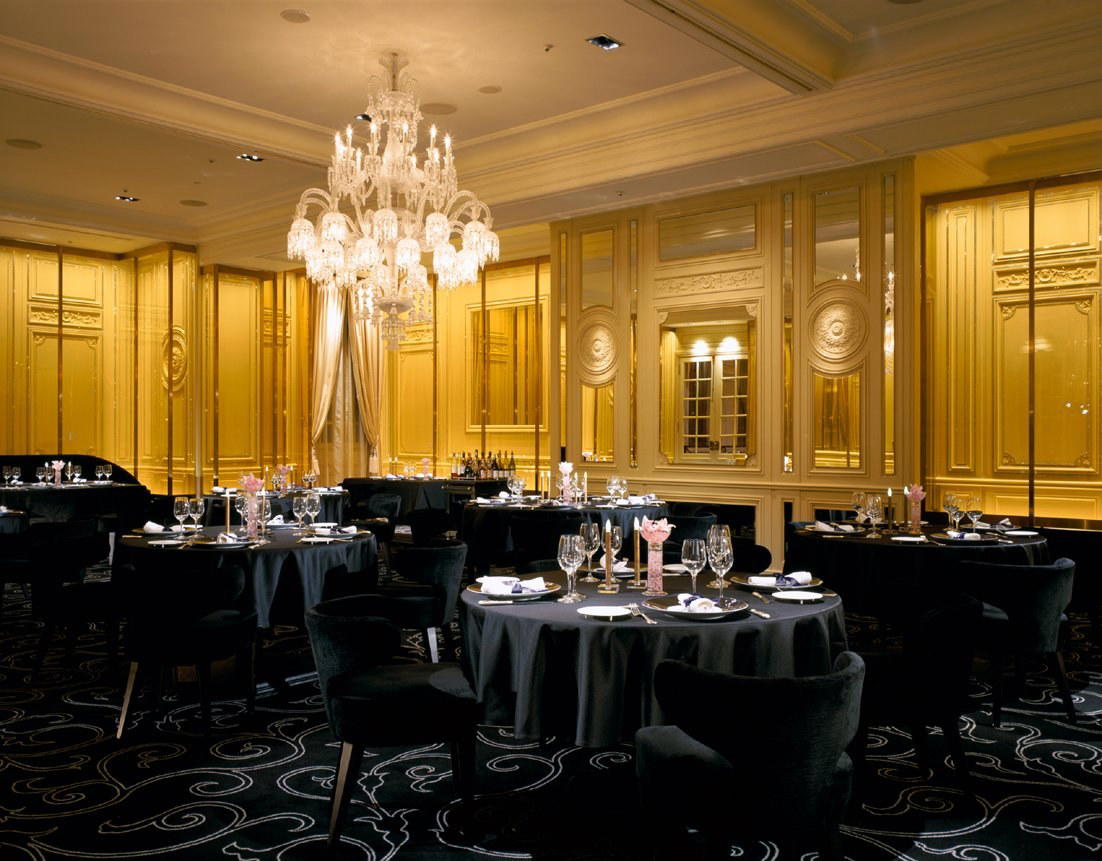
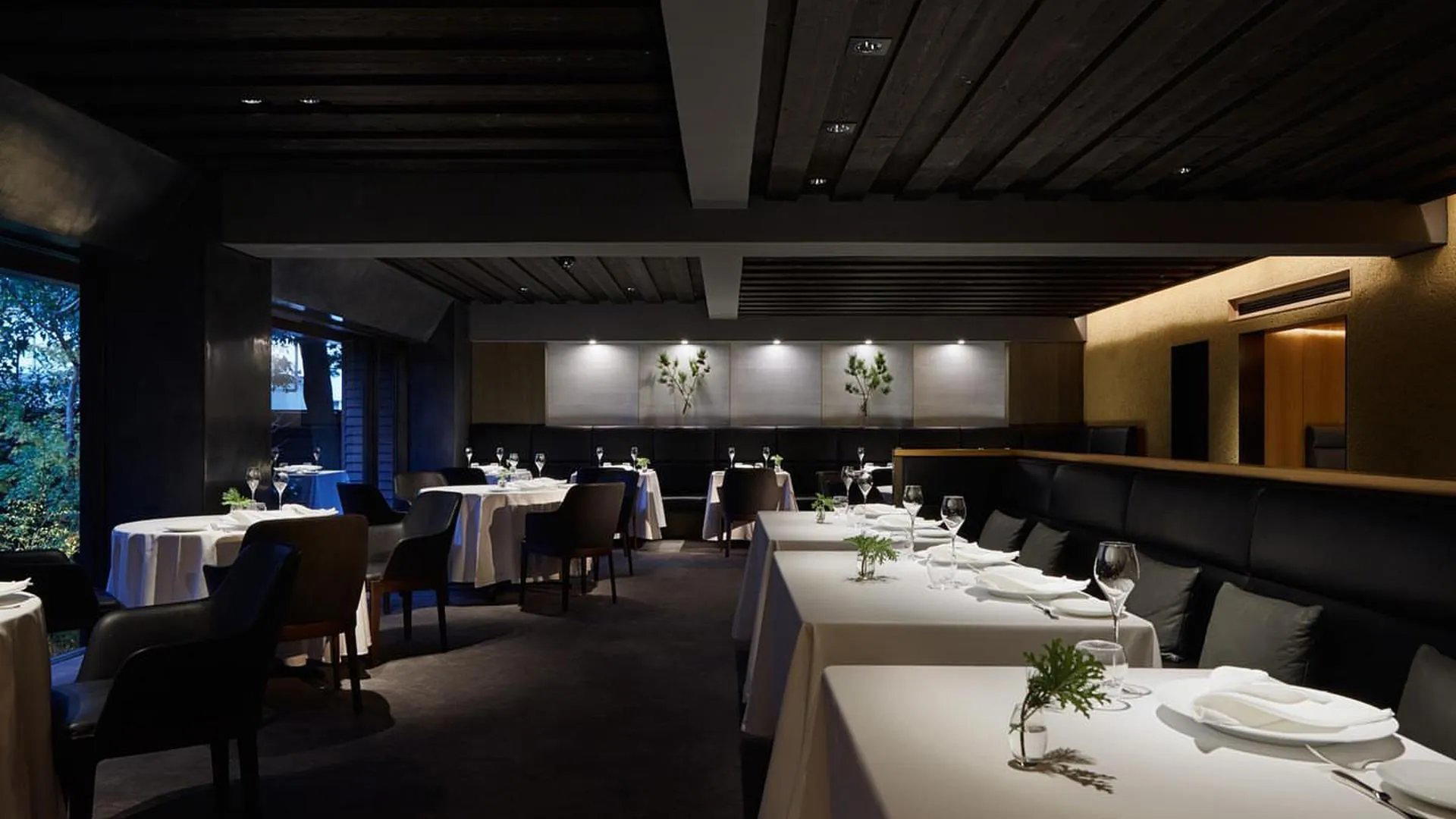
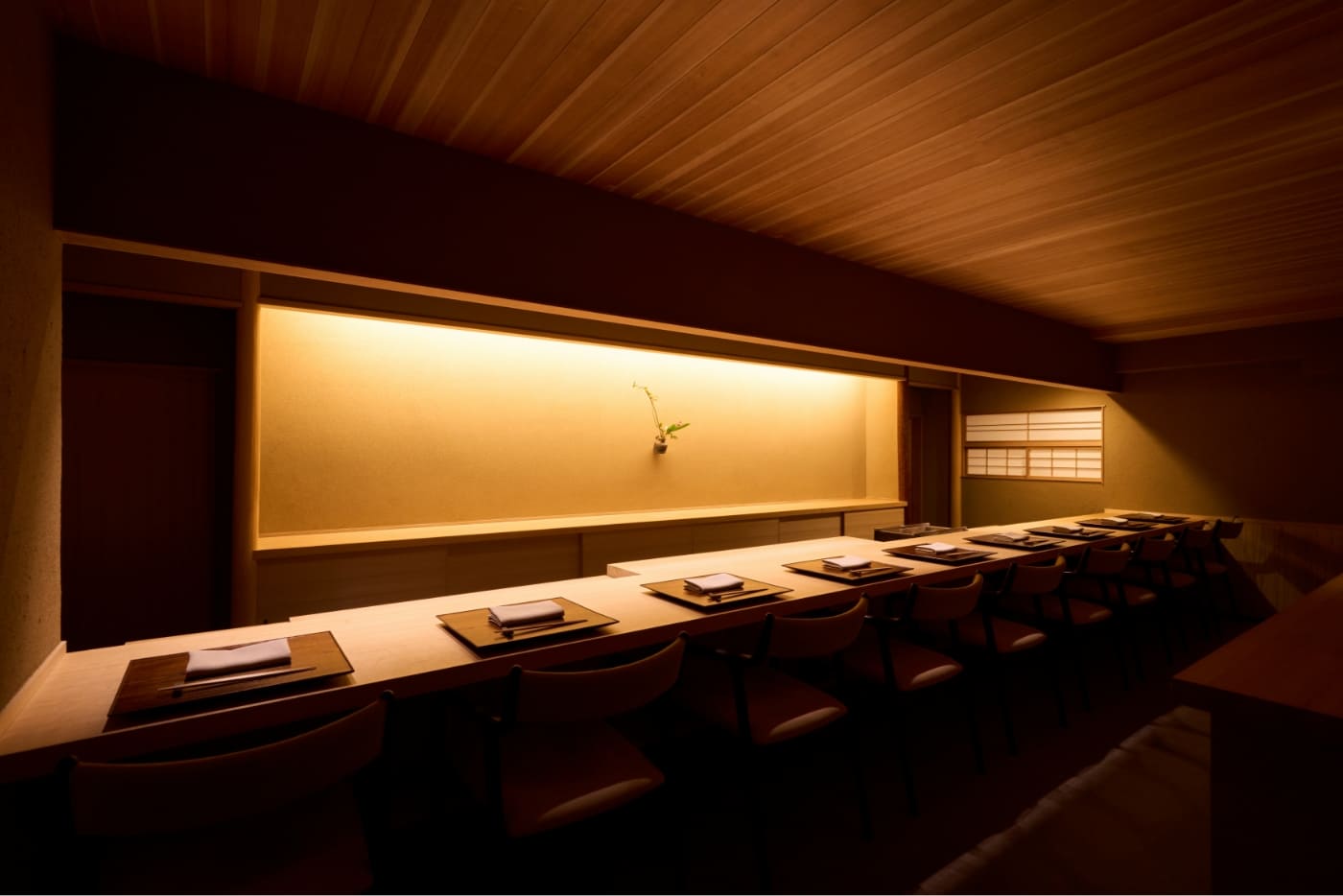
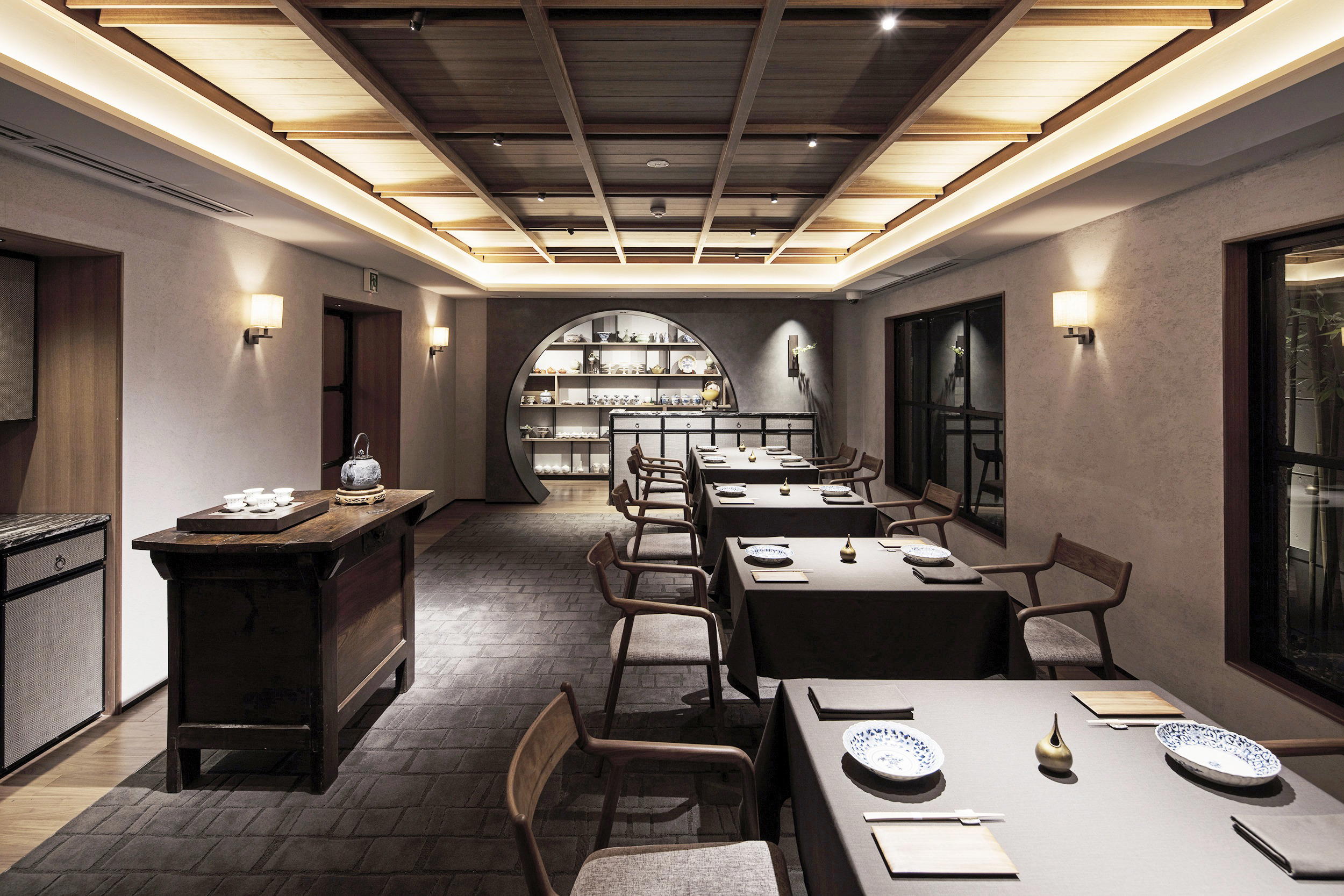
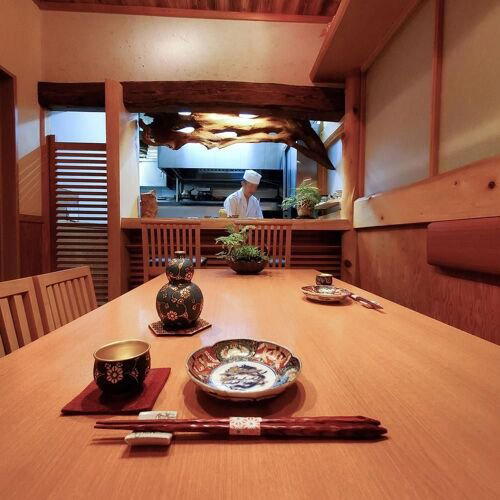
Most Daikanyama dining tilts toward the casual end of the neighbourhood's residential character: wine bars, all-day bistros, the occasional neighbourhood Italian. Yd'or sits on the second floor of Avenue Side Daikanyama on Sarugakucho and occupies a different register. The kitchen operates as a counter, and the guiding discipline is timing: dishes leave the pass the moment they are complete. That single operational commitment shapes the experience more than any other element — it is a kitchen philosophy that most French restaurants at this price tier in Tokyo quietly abandon in favour of pacing controlled by the front of house.
The 2025 Michelin Plate recognition places Yd'or in a searchable tier of quality without the reservation scarcity of the city's starred French addresses. For context, peers in the Tokyo French category at higher price bands include L'Effervescence, Sézanne, and ESqUISSE, all operating at the ¥¥¥¥ tier. Yd'or at ¥¥¥ occupies the band below, where the cooking remains serious but the cover charge does not require advance financial planning.
The Menu: Classical Recipes Taken Apart and Rebuilt
French gastronomy in Tokyo has followed two trajectories over the past decade. One strand pursues the prestige format: long tasting menus, imported French produce, a Gallic chef or one trained in French kitchens, and prices that match. The other strand, smaller and less visible, applies French technique to Japanese ingredients or reverses the logic entirely, using French classical recipes as a point of departure rather than a destination. Yd'or belongs to the second category.
The documented dishes illustrate the approach. Mackerel consommé takes a fish more common in Japanese home cooking than in French stock pots and builds it into a clear, refined broth that sits inside French classical form. Eel simmered in red wine reframes a Japanese ingredient through a Burgundian cooking method. The 'Cordon Bleu', here rendered as cheese-stuffed quail rather than the more pedestrian chicken fillet version found in French brasseries, signals both technical familiarity with the classical canon and a deliberate choice to reconfigure it. These are not fusion dishes in the decorative sense; they are classical recipes that have been interrogated at the level of ingredient logic.
The Michelin Plate designation notes that ingredients and techniques are reappraised and reconfigured — a description that aligns with what the wider Tokyo French scene has been doing at its more thoughtful end for some time. What distinguishes Yd'or within that trend is the counter format and the immediacy of service, which keeps the food at the temperature and texture the kitchen intends rather than what a long pass allows.
The Lunch vs. Dinner Question at This Price Point
Tokyo's mid-tier French restaurants, broadly defined as the ¥¥¥ band, typically offer their clearest value at lunch. This is not unique to the category: it reflects how Japanese fine-dining economics work at properties without a hotel to subsidise the evening operation. A lunch menu at this tier often delivers a version of the kitchen's signature thinking at a fraction of the dinner price, with shorter service and a lighter room.
In the evening, counter-format restaurants like Yd'or operate differently from sala-driven rooms. At a counter, the chef's commentary becomes part of the rhythm, the Michelin record specifically notes that the chef explains each dish and shares episodes from the cooking process. That exchange is harder to sustain at lunch, when cover turns tend to be faster and guests are on a working schedule. If the narrative dimension of the meal matters to you, the evening seating is the more deliberate choice. If the food itself is the draw and value is a factor, lunch, if available, is worth investigating when booking.
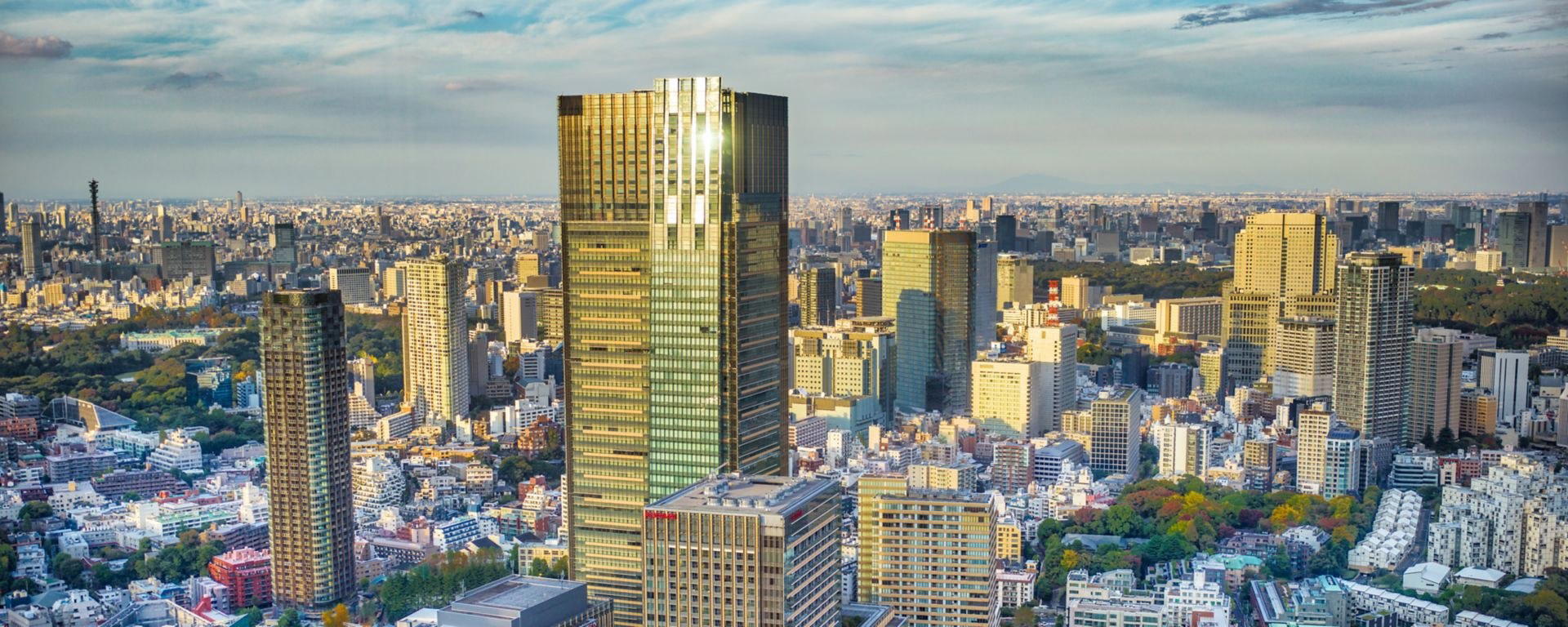
Within Daikanyama specifically, the neighbourhood shifts between lunch and dinner in ways that affect the surrounding experience. The retail and café strip of Hillside Terrace draws a daytime crowd that thins out by early evening, making the neighbourhood quieter and more residential after dark. Arriving for dinner means a calmer walk in from Daikanyama Station rather than threading through the daytime pedestrian flow on Kyu-Yamate-dori.
Yd'or in the Wider Tokyo French Picture
Tokyo's French dining infrastructure spans from the grand hotel dining rooms, Château Restaurant Joël Robuchon in Ebisu being the most formally positioned, through the independent three-star tier, down to the kind of neighbourhood counter that Yd'or represents. Florilège sits in a comparable register in terms of ambition but operates at a higher price point and with a different format discipline. Yd'or is not trying to compete with those rooms. It occupies the space where classical French knowledge meets accessible pricing and a counter dynamic that keeps the cooking in direct conversation with the guest.
For readers building a French dining itinerary across Japan, the regional comparisons are instructive. HAJIME in Osaka represents the maximalist end of French-influenced Japanese cooking; akordu in Nara takes a more ingredient-led approach. Outside the French category, Gion Sasaki in Kyoto and Goh in Fukuoka demonstrate how Japan's regional cities have built serious kitchen cultures of their own. Internationally, Hotel de Ville Crissier in Switzerland and Les Amis in Singapore show how classical French cooking holds across very different contexts. And closer to Daikanyama, 1000 in Yokohama and 6 in Okinawa round out what is now a genuinely distributed fine dining scene across the country.
Our full guides to Tokyo restaurants, Tokyo hotels, Tokyo bars, Tokyo wineries, and Tokyo experiences cover the broader landscape if you are planning a longer stay.
Know Before You Go
- Address: Avenue Side Daikanyama 2F, 3-9 Sarugakucho, Shibuya, Tokyo 〒150-0033
- Cuisine: French (classical techniques, reinterpreted)
- Price range: ¥¥¥
- Recognition: Michelin Plate 2025
- Nearest station: Daikanyama Station (Tokyu Toyoko Line), short walk
- Booking: Contact details not publicly listed; check current reservation channels before visiting
- Hours:; verify directly before planning your visit
Frequently asked questions
What is the signature dish at Yd'or?
The Michelin record identifies several dishes that define the kitchen's approach: a mackerel consommé built on Japanese ingredients within French classical form; eel simmered in red wine, a Burgundian technique applied to a Japanese staple; and a 'Cordon Bleu' rendered as cheese-stuffed quail rather than the standard chicken fillet. These are the documented expressions of a kitchen that treats classical French recipes as material to interrogate rather than replicate. Specific dishes change with availability and season, so treat these as illustrations of the cooking logic rather than a guaranteed menu.
Should I book Yd'or in advance?
At the ¥¥¥ price point and with Michelin Plate recognition in 2025, Yd'or occupies a tier where demand is real but not at the scarcity level of Tokyo's starred French rooms. Counter-format restaurants at this recognition level in Tokyo typically fill for weekend dinner seatings ahead of time, while midweek lunch may have more flexibility. If you are visiting on a fixed itinerary, booking in advance is the lower-risk approach regardless of day. Contact details are not publicly available in current listings, so checking recent reservation platforms or the venue directly before your trip is advisable.
Just the Basics
A quick snapshot of similar venues for side-by-side context.
| Venue | Cuisine | Price | Awards | Notes |
|---|---|---|---|---|
| Yd’orThis venue — the venue you are viewing | Refined French Tasting Menu | $200–300 | Michelin Plate | Not listed |
| Harutaka | Edo-Style Omakase Sushi | $200–300 | 3 Michelin Stars · World's 50 Best #76 | Sushi |
| RyuGin | Modern Kaiseki | $500+ | 3 Michelin Stars · World's 50 Best #41 | Kaiseki, Japanese |
| L'Effervescence | Modern French with Japanese Influences | $200–300 | 3 Michelin Stars · World's 50 Best #69 | French |
| HOMMAGE | Modern French with Japanese Influences | $150–200 | 2 Michelin Stars · World's 50 Best #78 | Innovtive French, French |
| MAZ | Innovative Peruvian-Japanese Fusion | $150–200 | 2 Michelin Stars · World's 50 Best #28 | Innovative |
Recognition history
Dated appearances from independent guides and award organizations, with the underlying list record or original source where available.
Michelin Plate
Michelin
Full recognition history (2 entries)
Michelin Plate
Michelin