Our verdict
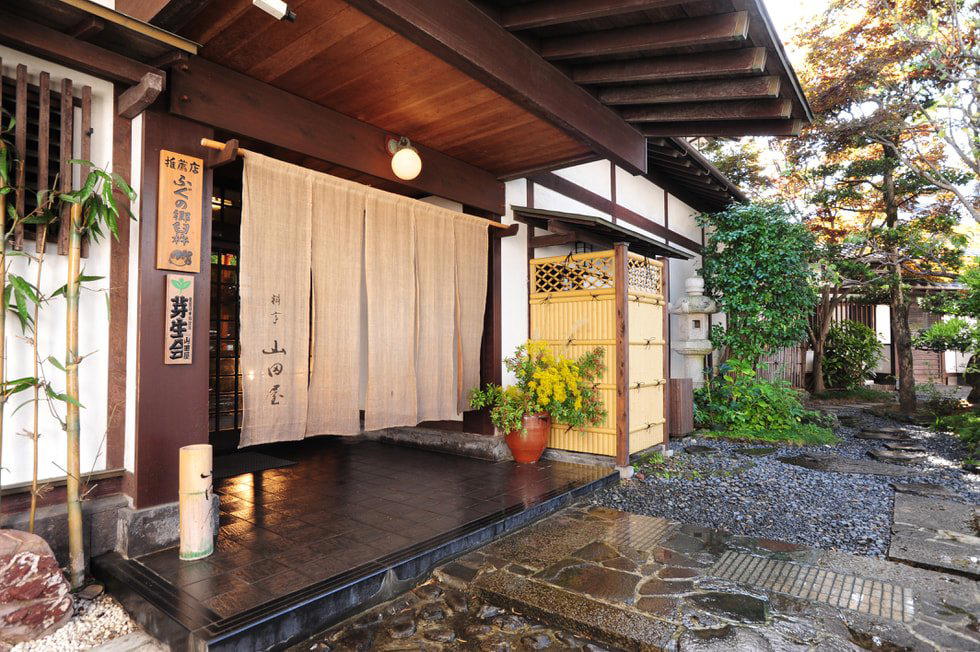
Yamadaya sits in Usuki, a small castle town in Oita Prefecture whose food identity is shaped by proximity to Bungo Channel seafood and the region's celebrated tofu tradition. The restaurant draws on ingredients that define this corner of Kyushu, placing it squarely within a dining culture where provenance and locality do the talking before any single dish arrives.

Pearl is the En Primeur Club membership app, where members save venues, book tables and use the concierge.
The menu
What to order
- Fugu sashimi
- Deep fried fugu
- Fugu nabe
Where the Town Defines the Table
Usuki is a city that most visitors to Kyushu skip entirely, routing instead through Fukuoka or Beppu. That oversight misses something structurally interesting about how regional Japanese dining works outside the major circuits. The town sits on the Bungo Channel in Oita Prefecture, a body of water that supplies some of the most prized seafood in western Japan, and it carries a separate reputation built around stone Buddhas and one of the country's most documented tofu traditions. Dining in Usuki, at its more serious end, reflects both of those inheritances. The kitchen tends to come second to the sourcing. For a broader orientation to what the town offers at the table, see our full Usuki restaurants guide.
The Ingredient Logic of Oita Prefecture
To understand what a restaurant in Usuki is working with, it helps to understand what Oita Prefecture produces. The Bungo Channel runs between Oita and Ehime prefectures, and its cold, nutrient-rich currents yield fugu (pufferfish), sea bream, and seasonal shellfish that travel up the value chain to kaiseki tables in Kyoto and Tokyo. That same channel supplies the local market, which means a kitchen positioned in Usuki has access to the same raw materials at source. This is the ingredient dynamic that makes regional Japanese dining in a place like this structurally different from eating in a city where everything arrives through distribution networks.
Oita's tofu tradition compounds that advantage. Usuki tofu has a documented production history tied to the region's soft water and specific soybean processing methods, and it sits alongside fugu as one of the prefecture's two most referenced food identities. A restaurant operating in this context inherits both, which shapes the editorial logic of any serious meal here: the local pantry is the argument, not the supplement.
Yamadaya's address places it at 2-107-152 Usuki, within the old town fabric that gives the city its preserved castle-town character. The approach to the building, through streets that retain their Edo-period spatial logic, sets a particular register before any food appears. In Japanese regional dining, that kind of environmental context is rarely incidental.
Usuki in the Japanese Regional Dining Frame
Japan's restaurant recognition infrastructure tends to concentrate in Tokyo, Osaka, and Kyoto. Venues like Harutaka in Tokyo, Gion Sasaki in Kyoto, and HAJIME in Osaka operate inside dense peer sets with shared visibility and critical attention. Restaurants in smaller cities outside those corridors occupy a different structural position: less reviewed, harder to book in advance from abroad, and often more directly tied to what the immediate geography produces. That last quality is frequently a strength rather than a limitation.
The Kyushu regional scene has developed its own credibility. Goh in Fukuoka represents the more visible end of that shift, where Kyushu ingredients meet a format recognizable to international diners. Usuki operates at a quieter register, where the audience is more likely to be domestic and the transaction is more direct: you travel to the ingredient source rather than having the ingredients travel to you. That inversion is, in many ways, the more honest version of Japanese regional cuisine.
For comparison across Japan's broader regional dining geography, akordu in Nara illustrates how a mid-sized historical city can build a dining identity distinct from its larger neighbors. The same dynamic applies to Usuki, though the ingredient base here is notably different: maritime rather than agricultural, with the Bungo Channel doing the heavy lifting that Nara's farming context does elsewhere.
The Sourcing Argument in Practice
Japanese dining at the serious regional level tends to resolve into a small number of recurring questions: how close is the kitchen to its primary ingredients, how directly does the format reflect local tradition, and how much does the room ask of the diner in terms of advance planning and logistical commitment. Yamadaya sits in Usuki, which answers the first question structurally. Oita Prefecture's seafood and tofu supply chains are local by default, not by design choice. That distinction matters in a period when provenance is often performed rather than built into the economics of where a restaurant operates.
The comparison reaches beyond Japan. At the high end of sourcing-led dining internationally, restaurants like Le Bernardin in New York City have built reputations on ingredient precision within a specific category (seafood, in that case) sustained over decades. The mechanism is different in a small Japanese city, but the underlying argument is the same: the quality of what arrives at the table is a function of the quality of what the kitchen can reliably source, and proximity to origin is a structural advantage that no amount of logistics can fully replicate. Korean fine dining at venues like Atomix in New York City makes a comparable case for ingredient heritage across a different culinary tradition.
Across Japan's non-metropolitan dining scene, venues like this Nanao restaurant, this Takashima restaurant, and this Nishikawa Machi restaurant all demonstrate how regional kitchens build identity through geography rather than critical apparatus. Yamadaya belongs to that broader pattern.
Planning a Visit
Usuki sits roughly an hour south of Beppu by local train, and around 90 minutes from Oita city. The town is compact enough that navigating between the stone Buddha site and the old merchant district is manageable on foot. Given how few international visitors reach this part of Oita Prefecture, dining establishments here typically cater to domestic audiences, and the booking process, any language requirements, and the payment infrastructure will reflect that. Visitors arriving from abroad should factor in the language barrier and plan accordingly, ideally with Japanese-language support or through a local contact. For comparable regional dining experiences across Japan that illustrate what this tier of the market looks like in other settings, see this Sapporo restaurant or bodai as points of reference.
Frequently asked questions
Is Yamadaya a family-friendly restaurant?
Usuki's more considered dining establishments tend toward quieter, structured formats suited to adults rather than families with young children. The city itself, located in Oita Prefecture roughly an hour south of Beppu, draws visitors specifically for its preserved castle-town character and serious food culture. Guests travelling with children should approach booking with that context in mind.
How would you describe the vibe at Yamadaya?
Usuki's preserved castle-town streetscape sets a particular register before you arrive anywhere in the city, and restaurants here reflect that: unhurried, spatially considered, and grounded in local identity rather than urban spectacle. Yamadaya sits at 2-107-152 Usuki in Oita Prefecture, a city compact enough that the surrounding environment is part of the meal's overall frame. Expect a tone that rewards attention rather than energy.
Why do food-focused travellers make a specific trip to Usuki rather than eating in Beppu or Oita city?
Usuki holds a food identity that the larger Oita cities don't replicate: its tofu has documented historical roots specific to the town, and proximity to the Bungo Channel gives local kitchens direct access to seafood, including fugu, at a sourcing distance that urban restaurants in the prefecture cannot match. Beppu is primarily known for onsen, and Oita city for scale, whereas Usuki's entire identity as a destination is built around its castle-town heritage and the ingredients that geography provides. For a diner whose primary purpose is eating rather than sightseeing, that specificity is the argument.
What should I order at Yamadaya?
Oita Prefecture's two most referenced food identities are Bungo Channel seafood, particularly fugu, and Usuki's historically documented tofu tradition. Any serious kitchen operating in this city will orient its menu around at least one of those pillars. For first-time visitors to Usuki's dining scene, those two categories represent the clearest expression of what makes eating here distinct from the broader Kyushu restaurant circuit.
Comparable Venues
Comparable venues nearby, for context on price, style, and recognition.
| Venue | Cuisine | Price | Awards | Notes |
|---|---|---|---|---|
| YamadayaThis venue (the venue you are viewing) | Traditional Fugu (Pufferfish) Fine Dining | $200–300 | Not listed | Not listed |
| Tonko | Cozy Chinese house‑restaurant | $10–20 | Tabelog 100 #47 | Usuki |
| Dining at Kai (食事処) | Kaiseki Ryokan Dining | Not listed | Not listed | Yufuin |
| Teppan | Japanese-French Teppanyaki | Not listed | Wine Spectator Best of Award of Excellence | Hanazono |
| Hakone Ginyu | Seasonal Kaiseki Ryokan | $500+ | Not listed | Miyanoshita |
| 鮨処やまと | Edomae Sushi Omakase | $200–300 | Not listed | Tsukiji |
Continue exploring
More in Usuki
Restaurants in Usuki
All restaurants in Usuki →
Bars in Usuki
Browse all →
Details
- Elegant
- Sophisticated
- Intimate
- Classic
- Special Occasion
- Date Night
- Business Dinner
- Chefs Counter
- Private Dining
- Open Kitchen
- Sake Program
- Local Sourcing
- Garden
- Omakase
- Counter Dining
- Sake Program
Current opening hours
- Monday
- 11:30 AM–3 PM, 5–9:30 PM
- Tuesday
- Closed
- Wednesday
- 11:30 AM–3 PM, 5–9:30 PM
- Thursday
- 11:30 AM–3 PM, 5–9:30 PM
- Friday
- 11:30 AM–3 PM, 5–9:30 PM
- Saturday
- 11:30 AM–3 PM, 5–9:30 PM
- Sunday
- 11:30 AM–3 PM, 5–9 PM
Hours can change for holidays and private events. Hours as of .
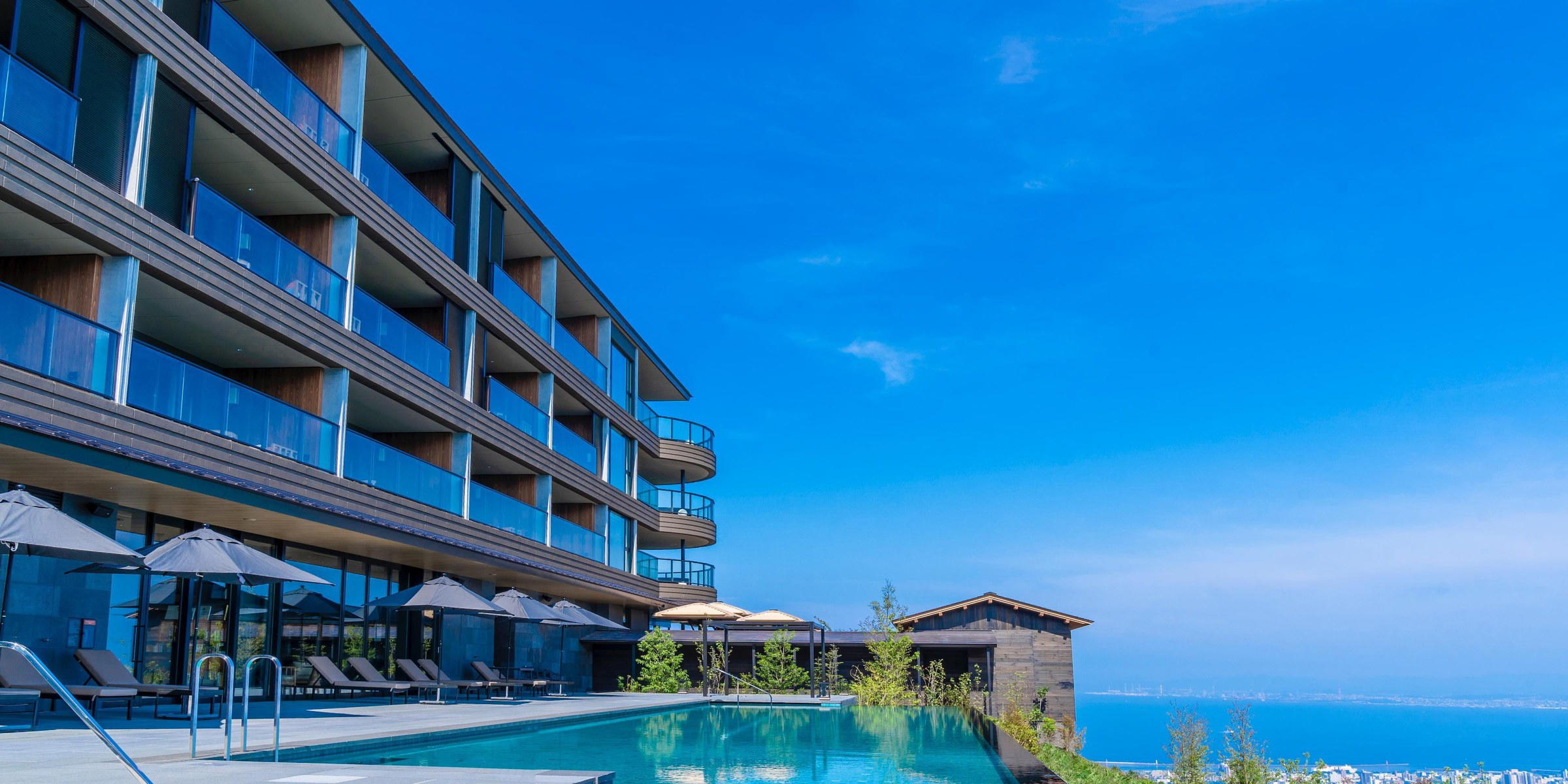
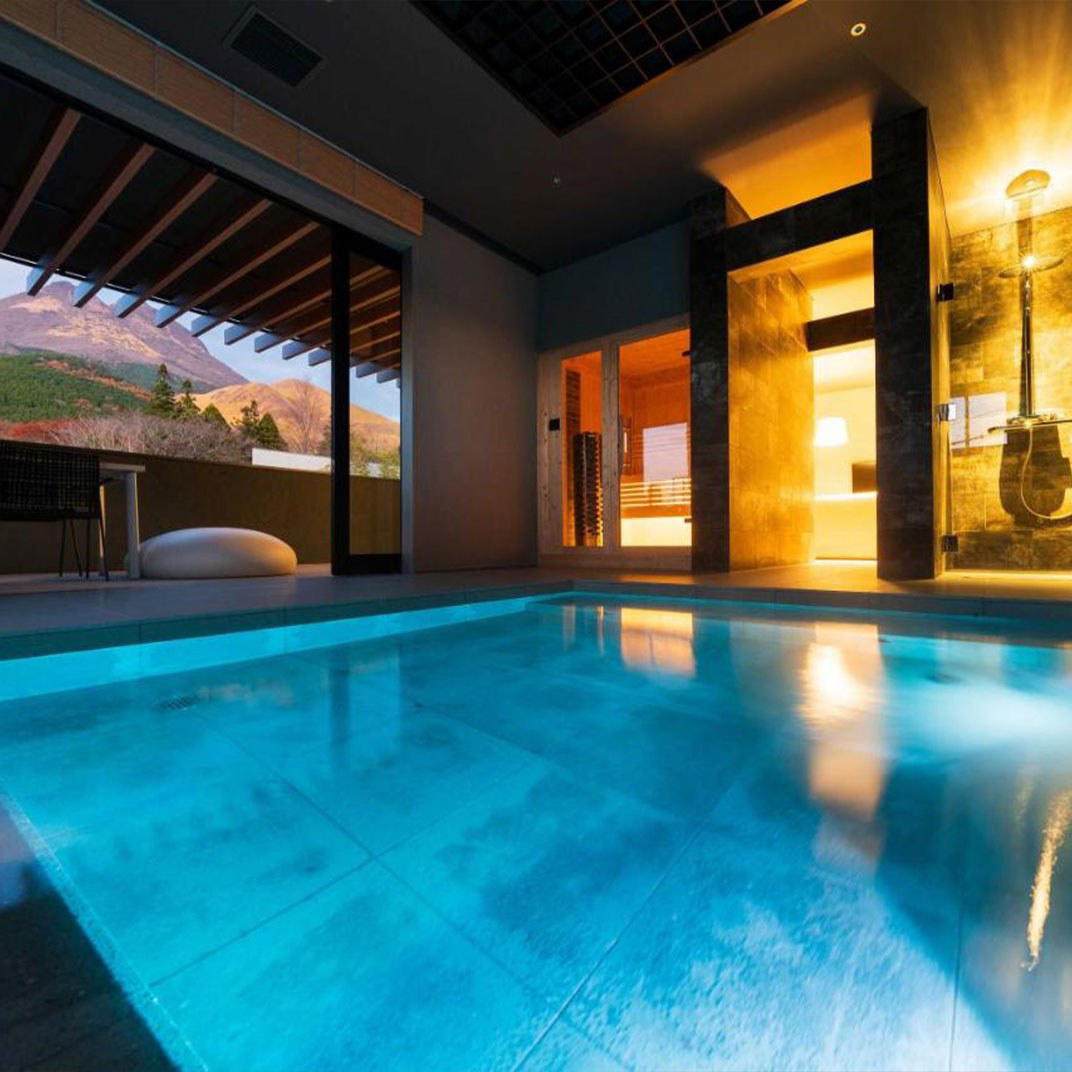
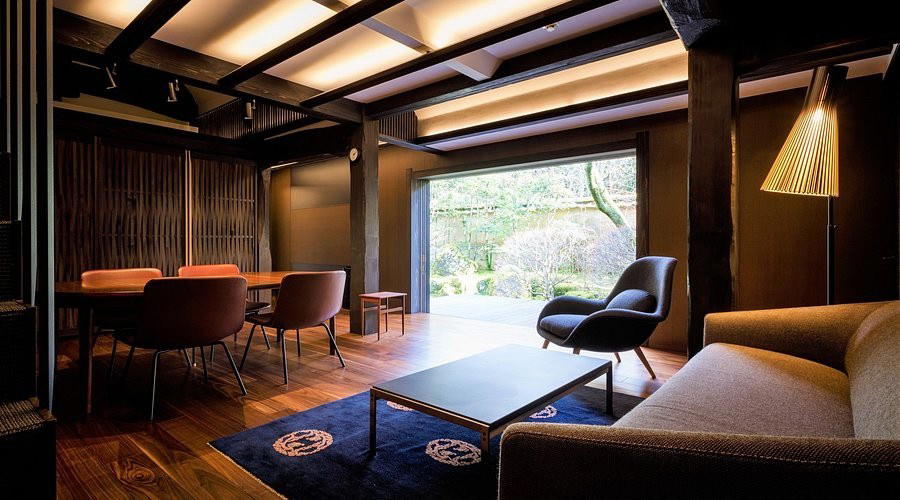
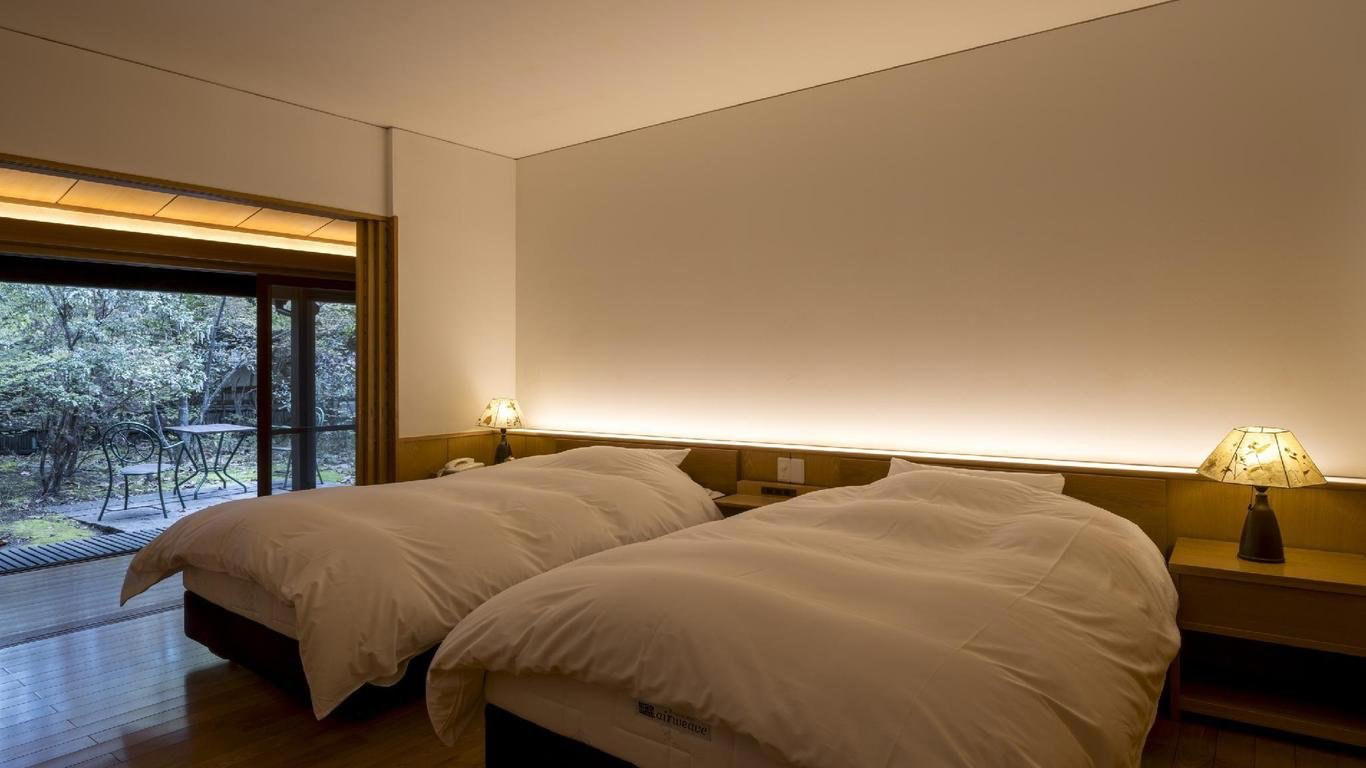
Refined and serene Japanese atmosphere with counter seating for watching chefs and private rooms, featuring garden views at the Usuki location and elegant high-floor setting in Tokyo.