
Wine Spectator Best of Award of Excellence
Our verdict
In the ski resort town of Kutchan, Hokkaido, teppan-style dining occupies a distinct register: iron heat, local produce, and a cooking format that puts the preparation in full view. Teppan sits within that tradition, drawing on the agricultural richness of the Niseko area — Hokkaido dairy, root vegetables, and cold-water seafood — in a format where the griddle does the talking.

Pearl is the En Primeur Club membership app — saves, bookings, and concierge access live there. Same editors, same standards.
- Address
- Aza, 328-47 Iwaobetsu, Kutchan, Abuta District, Hokkaido 044-0082, Japan
- Phone
- +81 136-27-1234
- Hours
- Mon–Tue ClosedWed–Sun 5–11 PM
- Website
- hyatt.com
- Directions
- Get directions
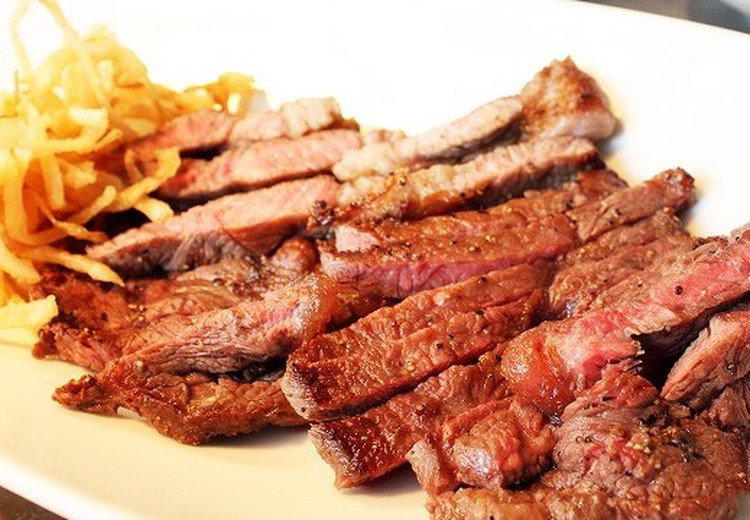
The menu
What to order
- Wagyu beef
- Abalone
- Japanese seafood
- Hokkaido vegetables
Iron and Snow: Teppan Dining in Kutchan
Approach Kutchan on a winter evening and the town settles into a particular rhythm — ski boots on pavement, the smell of cold cedar, izakaya signs bleeding orange light onto snow. This is not a city with a sprawling restaurant district; it is a compact alpine town in Hokkaido's Niseko area, where the dining scene has been reshaped over two decades by international resort traffic and, beneath that, a quieter local tradition that was always here. Teppan occupies a specific position in that local register. The format itself — flat iron griddle, produce placed directly onto a searingly hot surface, the cook visible and central, is a mode of eating that runs through Japanese dining culture from the Showa-era steak houses of Osaka to the yakiniku counters of Sapporo. In Kutchan, it takes on the character of the region around it.
What Teppan Cooking Means in a Hokkaido Context
Hokkaido's agricultural output is not a backdrop to its restaurant culture; it is the argument. The island produces a disproportionate share of Japan's dairy, wheat, potatoes, corn, lamb, and cold-water seafood. For any kitchen working in a teppan format here, that supply chain is the immediate asset: butter from local creameries, scallops pulled from the Sea of Japan, vegetables grown in the volcanic soil of the Niseko highlands. The griddle format rewards this kind of provenance because the technique is minimal, heat, fat, timing, and the produce either holds up or it doesn't. It is a cooking style that makes sourcing decisions visible in a way that a broth or a sauce cannot hide.
Across Hokkaido's better-regarded dining rooms, from the kaiseki houses of Sapporo (see 古今山乃井 in Sapporo) to the more contemplative formats further south (such as 湖畔荘 in Takashima), the consistent editorial note is one of restraint applied to exceptional raw material. Teppan cooking in this region sits within that same logic, just expressed through a higher-heat, more direct idiom.
The Sensory Register of a Teppan Counter
The experience of a teppan meal is structured around a particular sequence of sensory information that other formats don't replicate. The first thing you register is heat, not ambient warmth, but the radiant intensity of a steel plate running at several hundred degrees. Then comes sound: the immediate sizzle of contact, which functions as its own kind of presentation. Then fat rendered, then the Maillard smell of caramelisation on whatever protein or vegetable is cooking. This sequence happens in front of you, without mediation. There is no pass, no expediter, no distance between the act of cooking and the moment of eating.
That proximity changes how a meal feels. The teppan format is inherently theatrical, not in the showy sense of knife tricks or stacked onion volcanoes, but in the older meaning of theatre: a space where something is made in front of witnesses. The cook's decisions are legible. You can see the resting time, the moment butter goes in, the degree of colour on a piece of Hokkaido wagyu or a scallop from the Shakotan Peninsula. The format asks more of the cook and more of the diner, and the leading teppan counters in Japan understand that the restraint required to not over-season or over-handle premium produce is a higher discipline than elaboration.
For broader context on how Japan's premium restaurant tier operates across formats, the kaiseki work at Gion Sasaki in Kyoto and the precision counter cooking at Harutaka in Tokyo both demonstrate the same underlying principle: technique exists to clarify ingredient quality, not to obscure it. The teppan idiom in Hokkaido operates inside that same philosophical frame, simply at a different register of informality and heat.
Kutchan's Dining Scene and Where Teppan Sits Within It
Kutchan and the adjacent Niseko village cluster have attracted a level of international dining investment unusual for a town of this size. Alongside resort-facing restaurants and hotel dining rooms, the area supports a quieter layer of locally-rooted venues. Within Kutchan specifically, the dining options across various formats, including Kumo, Molière Montagne, Olivio, China Kitchen, and Kitchen, span a range of traditions, from European alpine to pan-Asian, reflecting the international character of the resort's visitor base. Teppan represents the Japanese-format anchor in that range: a cooking style that is indigenous to this food culture rather than imported for resort demographics.
The seasonal rhythm of Kutchan also shapes how the venue functions. Winter brings the bulk of the international ski traffic; the summer months are quieter and draw a different visitor more attuned to the hiking and agricultural landscape. Both seasons have their own ingredient logic for teppan cooking. Winter favours root vegetables, hearty proteins, and the dairy richness that Hokkaido produces year-round. Summer opens up the wild herb, sweet corn, and fresh seafood range that defines warm-season Hokkaido eating. A teppan counter is one of the formats leading positioned to work across that seasonal shift, because it requires no change of technique, only a change of what is placed on the iron. For a complete view of what's available in the area, see our full 倶知安町 restaurants guide.
Planning Your Visit
Kutchan is accessible by road and rail from Sapporo, roughly 90 minutes by express bus or via the JR Hakodate Main Line. Visitors arriving during ski season, peak periods run from late December through March, should expect the town's better venues to fill quickly, particularly on weekend evenings when resort traffic peaks. Off-season, from May through October, Kutchan is noticeably less pressured, and securing a table at shorter notice becomes more realistic. As with many smaller-town venues in Hokkaido, it is advisable to confirm directly and plan around the local calendar rather than assuming year-round consistency of hours. For those building a broader Hokkaido or Tohoku itinerary, pairing a Kutchan visit with stops at 羽根屋 in Nishikawa Machi or 三本木 石川製 in Nanao builds a more complete picture of Japan's regional dining beyond the major cities.
Those interested in the broader sweep of Japan's serious restaurant culture, from the molecular precision of HAJIME in Osaka to the fermentation-forward work at akordu in Nara or the Hakata tradition carried at Goh in Fukuoka, will find that Hokkaido's teppan tradition operates at the opposite end of the intervention spectrum: maximum heat, minimum interference, complete reliance on what the land and sea provide. For international comparison points in the high-craft, ingredient-led register, Le Bernardin in New York City and Atomix in New York City represent the same underlying discipline applied through Western and Korean-tasting-menu formats respectively. And closer to the yakitori tradition, Birdland in Sakai demonstrates how a single-protein focus applied with technical rigour produces a different kind of depth. Teppan in Kutchan belongs to that family of ideas: fewer moving parts, higher stakes.
Frequently asked questions
Where is Teppan located?
Teppan is located at 倶知安町, 北海道, 倶知安町.
Is Teppan in Kutchan suitable for visitors who don't speak Japanese?
Kutchan and the Niseko cluster have absorbed significant international dining investment over the past two decades, and most restaurants in the area have adapted to multilingual clientele, particularly English-speaking skiers from Australia, North America, and Europe. Teppan's counter format, where cooking unfolds visually in front of the diner, reduces the reliance on verbal explanation that other restaurant styles require. No specific language policy is documented for Teppan, but the town's international orientation makes communication barriers less of an obstacle than in more remote Hokkaido destinations.
What do regulars order at Teppan?
Kutchan sits at the edge of Hokkaido's most productive agricultural belt, so regulars at teppan counters in the area tend to anchor their orders around local dairy-finished beef, seasonal root vegetables, and shellfish sourced from nearby coastal fisheries. The iron plate format rewards ingredients with high fat content and structural integrity — exactly what Hokkaido's farms and cold waters supply. Specific menu details for Teppan are not published, so arriving with an appetite for whatever the kitchen is working with that evening is the practical approach.
How far ahead should I plan for Teppan?
Kutchan's dining scene compresses sharply during ski season, roughly December through March, when Niseko's international visitor numbers push reservation demand well beyond the town's capacity. For any counter-format restaurant in the area during that window, planning four to six weeks ahead is a reasonable baseline. Outside peak season, same-week bookings are more achievable, though contact details for Teppan are not publicly listed, so reaching out through your accommodation is the most reliable first step.
What's the defining dish or idea at Teppan?
The central argument of teppan cooking is simultaneity — protein, vegetables, and sauce elements all developing on the same iron surface at the same time, visible to the diner. In a Hokkaido context, that format becomes a direct expression of the island's agricultural output: Kutchan is surrounded by dairy farms and vegetable fields that supply some of Japan's highest-volume produce, and the teppan plate makes that provenance legible. The format requires no intermediary between kitchen and table, which is why counter seating defines the experience.
Recognition history
Dated appearances from independent guides and award organizations, with the underlying list record or original source where available.
Wine Spectator Best of Award of Excellence
Wine Spectator
Continue exploring
More in Niseko
Restaurants in Niseko
Browse all →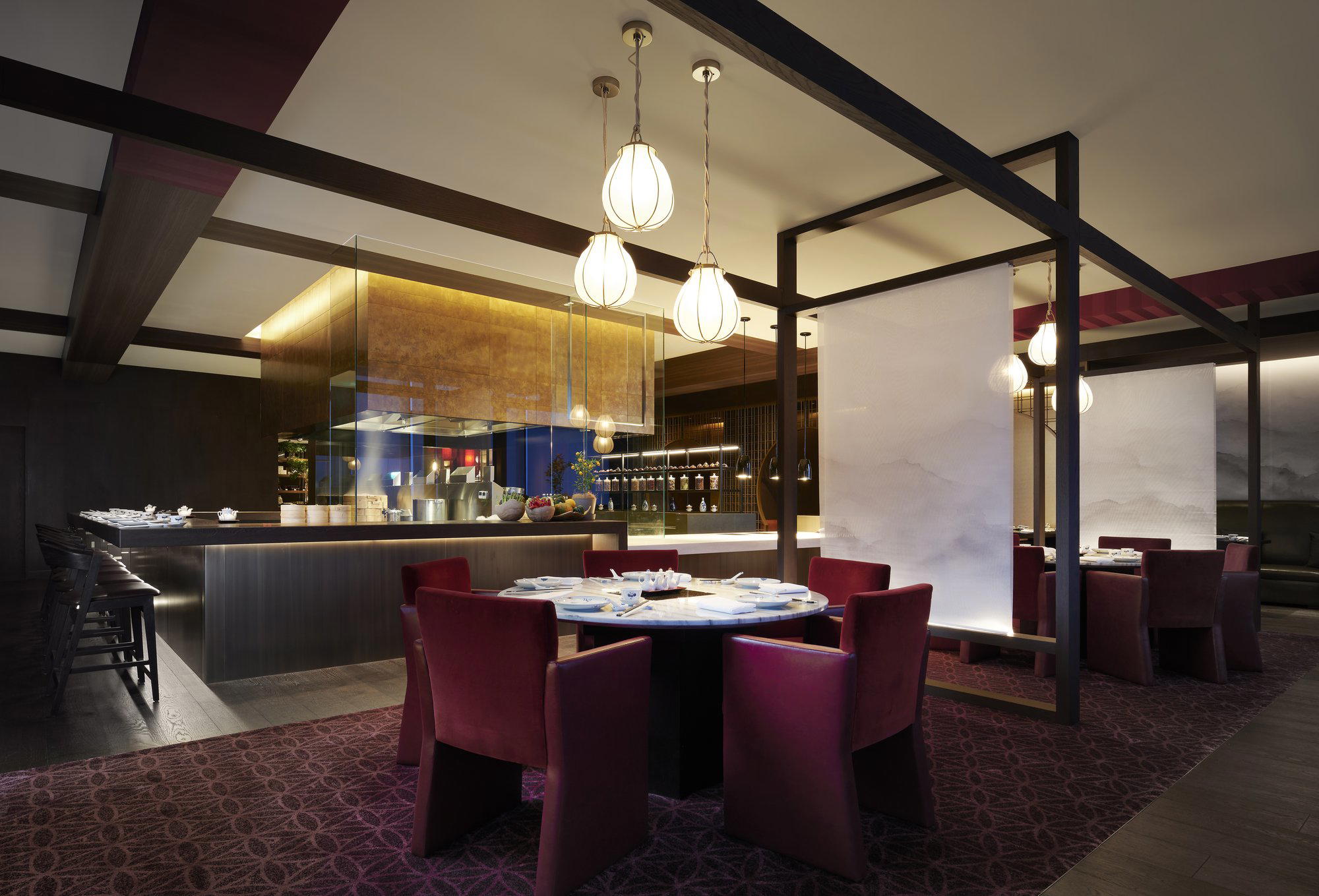
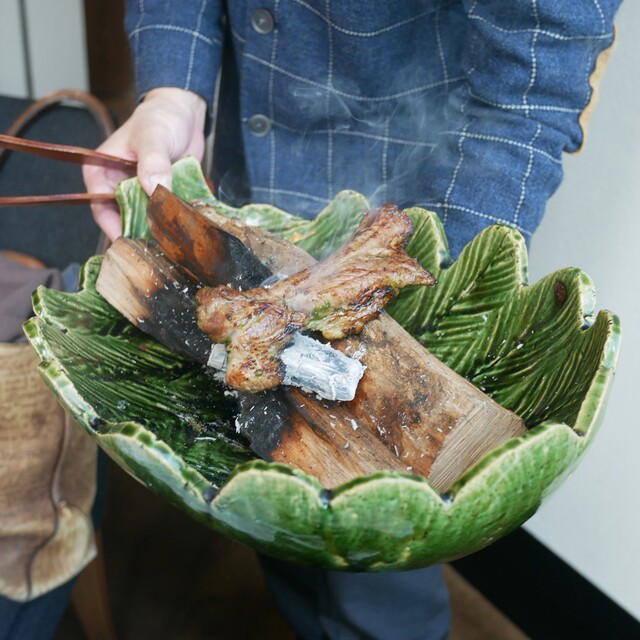

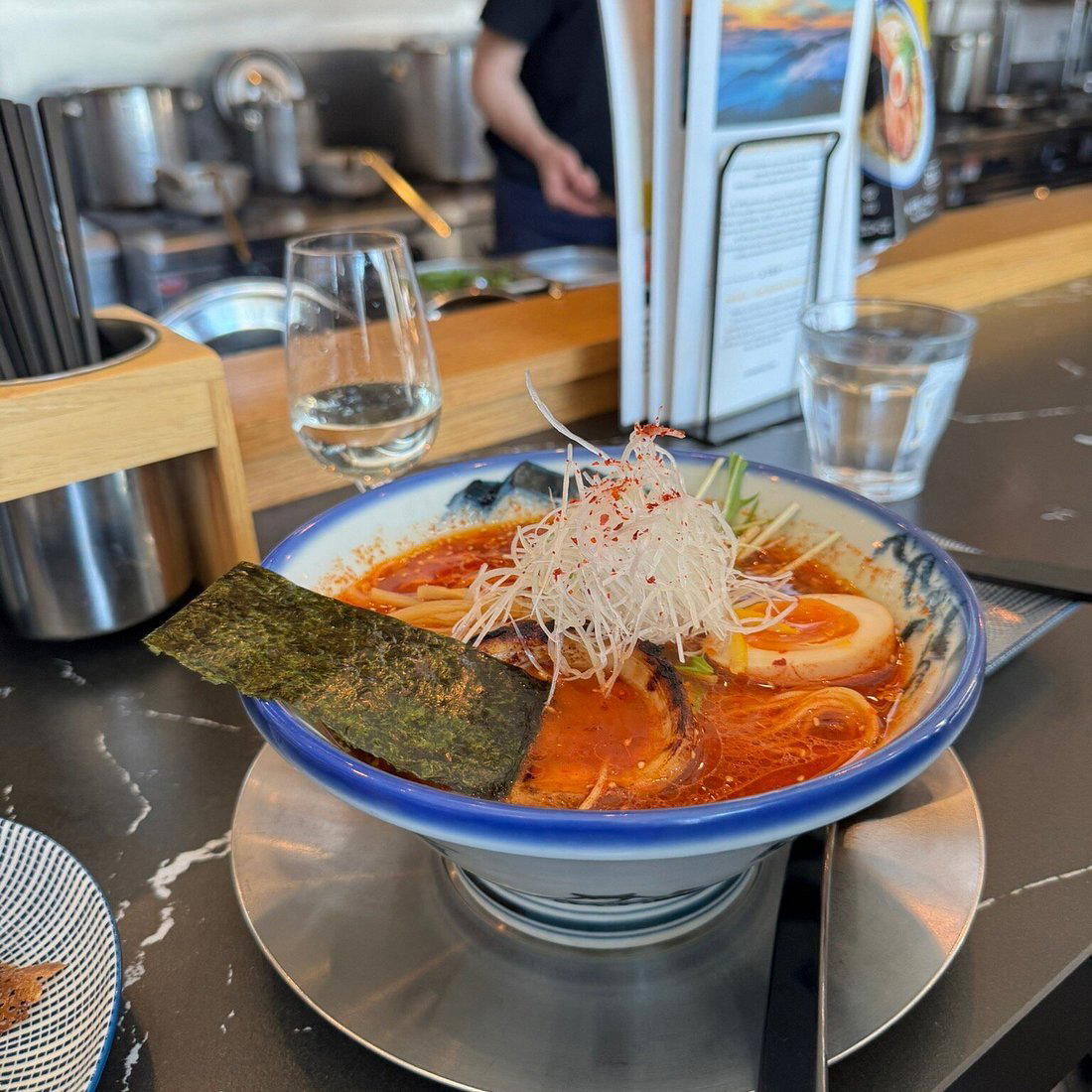
Hotels in Niseko
Browse all →
Wineries in Niseko
Browse all →
Details
- Elegant
- Sophisticated
- Intimate
- Modern
- Date Night
- Family
- Celebration
- Group Dining
- Special Occasion
- Chefs Counter
- Open Kitchen
- Hotel Restaurant
- Extensive Wine List
- Sommelier Led
- Local Sourcing
- Counter Dining
- Set Menu
- Wine
- Vegetarian Friendly
- Vegan Options
- Gluten Free Options
Current opening hours
- Monday
- Closed
- Tuesday
- Closed
- Wednesday
- 5–11 PM
- Thursday
- 5–11 PM
- Friday
- 5–11 PM
- Saturday
- 5–11 PM
- Sunday
- 5–11 PM
Hours can change for holidays and private events. Last verified .
Family-friendly yet elegant hotel-restaurant setting centered on counter dining, live cooking, and conversation with a dedicated chef.