
Tabelog 100 #27
Our verdict
Yakitori shira belongs to Tokyo’s serious neighbourhood yakitori tier: small-format, counter-led, and more aligned with wine-bar discipline than casual skewers after work. Its Umegaoka setting keeps it outside the central luxury circuit, while repeated Tabelog Yakitori EAST 100 selections from 2022 through 2025 place it firmly inside the city’s specialist conversation.

Pearl is the En Primeur Club membership app, where members save venues, book tables and use the concierge.
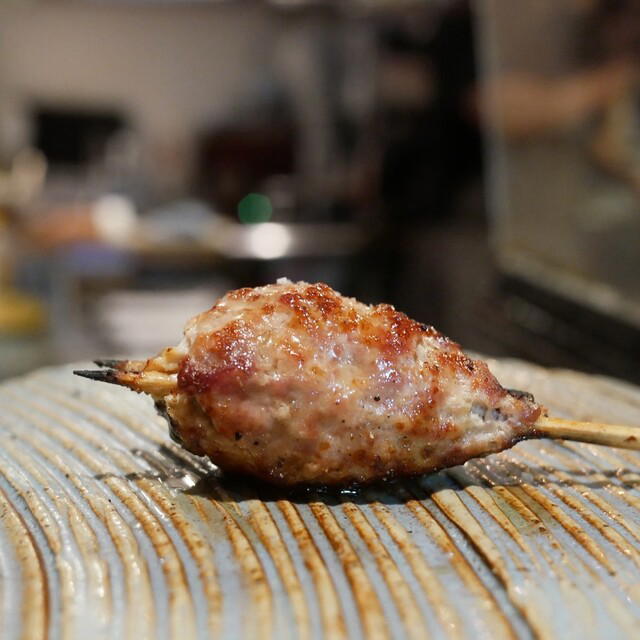
The menu
What to order
- Omakase yakitori with Omi jidori and Amagi shamo
- Chicken sashimi
- Yakitori Shira special chicken soba
The approach is Tokyo rather than international dining theatre: a focused venue outside the most obvious luxury-restaurant script. That matters. Tokyo’s yakitori culture has several lanes, from everyday grill rooms built around beer and smoke to more composed meals where pacing and drink choice carry the evening. Yakitori shira sits in a defined camp, a style that changes the rhythm of dinner before the first skewer arrives.
In a city where sushi and kaiseki often dominate international planning, yakitori remains a sharper test of local dining priorities. The form looks simple from the outside: chicken, charcoal, salt or tare, repeat. The better rooms are not simple at all. They depend on sourcing, cut-by-cut handling, heat control and the sequence of richer and leaner parts. Shira’s public listing places it across yakitori, izakaya and wine bar categories, which places it in a modern Tokyo pattern: grilled chicken as the spine of the meal, with drinks as serious supporting structures.
Tokyo yakitori, measured against the city's counter economy
Tokyo gives the restaurant a different read from trophy dining. The appeal is less about a grand setting than about the kind of focused meal that asks diners to make a plan. That combination, specialist cooking plus a destination feel, is a familiar Tokyo formula for restaurants that draw committed diners without presenting themselves as grand occasions.
The price band, JPY 10,000 to JPY 14,999 for dinner, puts Shira above casual yakitori and below the city’s highest-priced dining rooms. That middle-premium tier is often where Tokyo’s grill specialists are strongest: formal enough to justify planning, not so formal that the meal loses the directness of the genre. Its listing across yakitori, izakaya and wine bar categories further separates it from drinking-first formats. In practical terms, the room is best read as a focused dinner rather than a long, wandering night out.
Shira is included in Tabelog’s Yakitori EAST 100 for 2025. Its Tabelog score is 3.97, a meaningful signal in a category where local user scoring tends to be conservative and where small specialists compete against deeply established names. The 2025 listing places it among eastern Japan’s yakitori names, not as a tourist-facing novelty but as part of a competitive regional field.
The appeal is planning discipline, not spectacle
The booking experience here is shaped by focus. For travellers building a Tokyo food itinerary, that means Shira is not a flexible add-on after a day elsewhere in the city. It is better treated as the anchor for a Tokyo evening. The smart move is to avoid stacking it after another major meal; yakitori at this level depends on pacing and appetite.
The drink structure also affects how to read the restaurant. Tokyo’s newer yakitori rooms increasingly borrow from wine-bar logic: better pairing expectations and a willingness to match grilled poultry with wine rather than leaving sake to carry the entire meal. Shira’s categories include yakitori, izakaya and wine bar, which fits that shift. The point is not fusion. It is a more flexible way of eating yakitori, where the grill remains Japanese and the table can move between different drinking styles depending on cut and seasoning.
Compared with other Tokyo dining at a similar spend, the category choice is decisive. OLD NEPAL TOKYO and OLD NEPAL sit in the same broad dinner budget but speak to the city’s growing appetite for regional South Asian cooking. songbook, by contrast, represents a lower-priced French lane. Shira’s case is narrower: it rewards diners who want Tokyo through poultry, charcoal and a drinks-aware meal rather than a broader international table. For a wider view of the city’s dining spread, Our full Tokyo restaurants guide gives the useful context; hotel, bar, winery and experience planning sit separately in Our full Tokyo hotels guide, Our full Tokyo bars guide, Our full Tokyo wineries guide and Our full Tokyo experiences guide.
Where it fits in a Tokyo eating itinerary
Shira is strongest as a focused dinner for travellers who already understand that Tokyo’s serious restaurants are not concentrated in one district. The city’s food map is radial: the meal may be at a yakitori restaurant tonight, a bakery or curry specialist tomorrow, and another small dining room the next day. That is why cross-city planning matters more than chasing neighbourhood convenience. Within EP Club’s Tokyo pages, yakitori readers can keep Yakitori shira in view while broader casual and specialist references include OLD NEPAL, OLD NEPAL TOKYO, TOLO COFFEE AND BAKERY, kitchen and CURRY and songbook.
The broader Tokyo file shows how specific these categories become even within one city. A curry-focused meal, a bakery stop, a regional South Asian dinner and a lower-priced French address all sit in different lanes from yakitori. That contrast is useful: it keeps Shira from being treated as a generic Japanese dinner and puts it back where it belongs, in the narrower world of grilled chicken, pacing and a drinks-aware room.
The critical case for Yakitori shira is not built on flamboyance. It is built on category clarity: yakitori, izakaya and wine bar positioning, a focused dining experience, a price point that asks for commitment, and 2025 recognition within Japan’s yakitori field. For travellers who plan Tokyo around meals rather than landmarks, that is enough to justify making it part of the itinerary.
Frequently asked questions
What does dinner at Yakitori shira typically cost?
Pricing at Yakitori shira is listed as JPY 10,000 - JPY 14,999.
What time does Yakitori shira open and close?
Current opening hours for Yakitori shira should be confirmed directly with the restaurant before planning a visit.
What's the address for Yakitori shira?
Tokyo.
What do critics highlight about Yakitori shira?
The clearest marker is its Tabelog Yakitori EAST 100 selection for 2025, alongside a listed Tabelog score of 3.97. Its categories are yakitori, izakaya and wine bar, which frame it as a focused grilled-chicken restaurant with a drinks-aware profile.
How does Yakitori shira handle allergies?
Allergy requests should be raised before booking and confirmed again on arrival, especially at a yakitori restaurant where chicken, seasonings and shared grill work may be central to the meal.
Peers You’d Cross-Shop
Comparable venues for cuisine and category context.
| Venue | Cuisine | Price | Awards | Notes |
|---|---|---|---|---|
| Yakitori shiraThis venue (the venue you are viewing) | Yakitori & Wine-focused Izakaya | $50–100 | Tabelog 100 #27 | Not listed |
| OLD NEPAL TOKYO | Not listed | Not listed | Not listed | JPY 10,000 - JPY 14,999 JPY 2,000 - JPY 2,999 |
| OLD NEPAL | Authentic Innovative Nepali Fine Dining | $50–100 | Michelin Plate · Tabelog 100 #33 | Nepali |
| songbook | Wood-fired Italian-Asian Fusion Pizza | $50–100 | Michelin Plate | French |
| TOLO COFFEE AND BAKERY | Not listed | $10–20 | Tabelog 100 #78 | JPY 1,000 - JPY 1,999 JPY 1,000 - JPY 1,999 |
| kitchen and CURRY | Seasonal Japanese Curry | $10–20 | Tabelog 100 #91 | JPY 1,000 - JPY 1,999 JPY 1,000 - JPY 1,999 |
Recognition history
Dated appearances from independent guides and award organizations, with the underlying list record or original source where available.
Tabelog 100 #27 · No. 27
Tabelog · Tabelog 100 - Yakitori - EAST - 2025
Continue exploring
More in Tokyo
Restaurants in Tokyo
All restaurants in Tokyo →




Bars in Tokyo
All bars in Tokyo →








Yakitori shira
The wine
- Wine program
- Deep wine list
- Extensive wine list
- Sommelier-led
- Sake program
Details
- Intimate
- Cozy
- Lively
- Date Night
- Casual Hangout
- After Work
- Solo
- Celebration
- Chefs Counter
- Standalone
- Extensive Wine List
- Sommelier Led
- Sake Program
- Local Sourcing
- Farm To Table
- Omakase
- A La Carte
- Counter Dining
- Small Plates
- Wine
- Sake
Current opening hours
- Monday
- 5 PM–12 AM
- Tuesday
- 5 PM–12 AM
- Wednesday
- 5 PM–12 AM
- Thursday
- 5 PM–12 AM
- Friday
- 5 PM–12 AM
- Saturday
- 5 PM–12 AM
- Sunday
- Closed
Hours can change for holidays and private events. Hours as of .
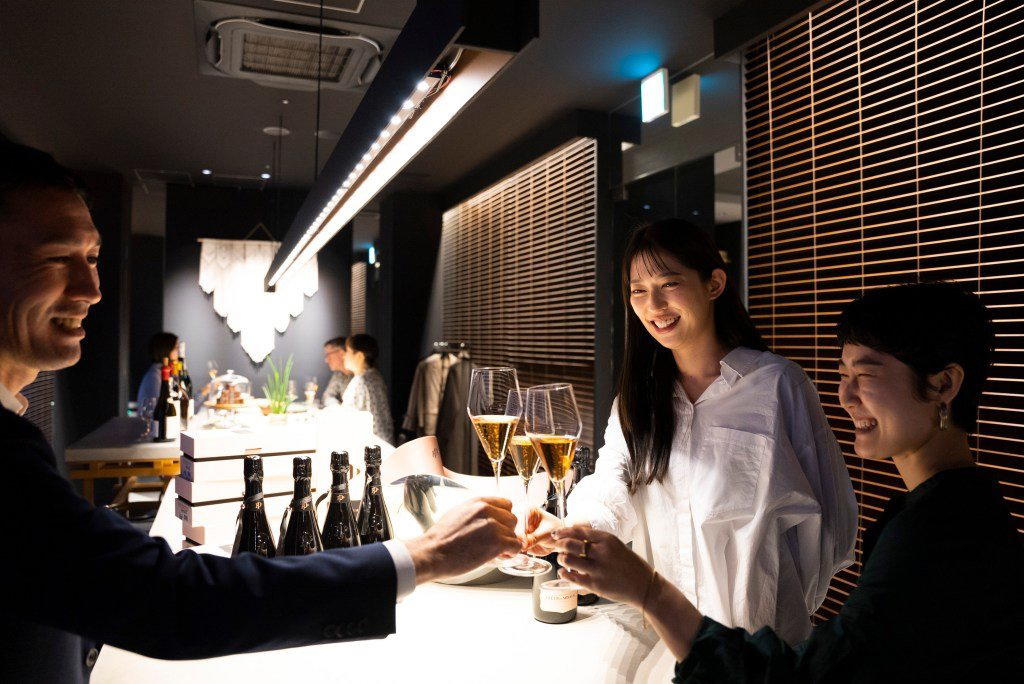
Tiny basement-level counter with one table, creating a warm, cozy, and lively atmosphere that feels like a low-profile address for serious yakitori and wine lovers.