Yakitori Ryu

Tabelog 100 #41
Our verdict
Yakitori Ryu places Nishinomiya’s charcoal-grill culture in a tighter, more ingredient-led register, with Kuro Satsuma Chicken as the anchor rather than a generic skewer progression. Its 2025 selection for Tabelog 100 Yakitori WEST gives it a clear trust signal in a city better known to many travellers as a residential stop between Osaka and Kobe.

Pearl is the En Primeur Club membership app, where members save venues, book tables and use the concierge.
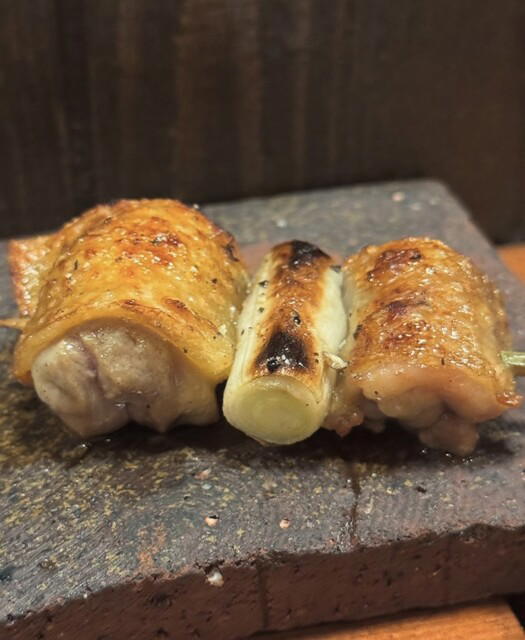
The menu
What to order
- Kuro Satsuma Chicken yakitori
- White broth chicken soba
- Chicken sashimi and tataki (advance reservation required)
Approaching yakitori in Nishinomiya means leaving the larger-city script behind. The appeal is not neon density or late-night sprawl, but a more compressed kind of dining: a focused restaurant where chicken is treated as a primary ingredient rather than a pretext for drinking. At Yakitori Ryu, the stated categories are yakitori and chicken dishes, which is already a clear signal of intent. The point is not a sprawling menu, but a meal built around grilled chicken, timing, heat, salt, tare, fat, and restraint.
Hyogo’s dining geography often gets flattened into Kobe beef shorthand, but the prefecture has a broader appetite for specialist counters and tightly edited restaurants. Nishinomiya sits in that quieter band between Osaka and Kobe, with a local dining culture that rewards regulars but has enough depth for visitors who plan around one meal. For a wider city read, Our full Nishinomiya restaurants guide gives useful context, especially when weighing a focused chicken dinner against lower-key meals such as Akash or other dining rooms in Nishinomiya.
Yakitori and chicken dishes put the emphasis on focus, not ornament
Yakitori’s better counters are built on a simple test: can the kitchen make the diner care about chicken without turning dinner into a lecture? Yakitori Ryu’s focus on yakitori and chicken dishes gives this room a persuasive foundation. The format suits small differences in texture, seasoning, and heat, exposing them rather than hiding them. In this category, the ingredient is not a decorative claim. It sets the ceiling for the entire meal.
That is why the Tabelog Hyakumeiten 2025 recognition is meaningful here. Tabelog’s Hyakumeiten lists tend to reward category specialists rather than general restaurants with one strong dish, and yakitori is a demanding category because the work is repetitive, visible, and unforgiving. A restaurant can look casual while operating with the standards of a tightly controlled room: sequencing matters, pacing matters, and each skewer has only a short window in which it tastes as intended. Yakitori Ryu belongs in that conversation because the format narrows attention rather than spreading it across a broad izakaya menu.
The recognition signals the same seriousness. With a Tabelog score of 3.71 and listed dinner pricing of JPY 8,000 - JPY 9,999, the restaurant sits in the contemporary yakitori bracket where the meal is better understood as a specialist chicken experience than a casual grill stop. That does not make the experience formal in a Western fine-dining sense. It does mean the room is best read through its focus: yakitori, chicken dishes, and the discipline of a narrow category.
A focused room changes the rhythm of the meal
Scale is part of the editorial point. Yakitori works best when the grill is not merely background theatre, and a focused room keeps attention close to the food. The service rhythm matters because yakitori is a cuisine of intervals: pieces leave the heat in a sequence, not as a single plate. A broad room can dilute that rhythm. A concentrated one keeps the diner close to the work, and that is where this style makes sense.
Nishinomiya also affects the way the meal reads. In central Osaka or Tokyo, a Tabelog-recognized yakitori restaurant can become part of a high-pressure reservation circuit. Here, the setting feels more local in scale, even when the credentials place it beyond a routine dinner. That contrast is useful for travellers: the value lies less in spectacle than in seeing how a serious Japanese grill format operates outside the dominant dining capitals. The city’s hospitality map is broader than restaurants alone, and the companion guides to Nishinomiya hotels, Nishinomiya bars, Nishinomiya wineries, and Nishinomiya experiences help place dinner inside a fuller stay rather than a single detour.
Compared with Nishinomiya’s lighter everyday options, the dinner sits in a more deliberate category. Akash points to another side of the city’s dining range, while other unnamed bakeries, patisseries, and casual stops serve a different purpose altogether. Yakitori Ryu asks for a diner who wants the meal to revolve around poultry, grilling, and pacing. That narrower proposition is exactly the point.
How to place it in a Japan dining itinerary
For travellers building a Kansai itinerary, this is a sharp counterpoint to the usual Osaka grazing day or Kobe beef reservation. It gives Nishinomiya a reason to be treated as more than a station between larger cities. The better move is to frame the meal around yakitori as craft: category focus, cut-by-cut grilling, and the kind of control that makes a simple format feel exacting. That is a different kind of pleasure from sushi omakase or tempura, less ceremonial but just as dependent on repetition and timing.
The restaurant’s 2025 Tabelog Hyakumeiten recognition matters because it places Yakitori Ryu within a defined specialist category rather than a general local recommendation. The critical stance is simple: come for a focused yakitori dinner if the appeal is chicken, grilling technique, and a narrow sense of purpose, not if the priority is a broad menu built for every appetite at the table.
Readers mapping meals beyond Hyogo can usefully compare formats rather than chase famous names: beef-led specialist dining, grilled seafood, café culture, contemporary dining, regional cooking, and curry specialization all show how Japanese dining often rewards focus. The common thread is concentration. Yakitori Ryu earns attention when the meal plan rewards that kind of focus over range.
Frequently asked questions
Would Yakitori Ryu be comfortable with kids?
Yakitori Ryu is a focused yakitori and chicken-dishes restaurant in Nishinomiya. Families should check directly with the restaurant before booking, especially if children need a different pace or menu.
Is Yakitori Ryu formal or casual?
It reads as a focused specialist restaurant rather than a broad casual stop. The key context is its Tabelog Hyakumeiten 2025 recognition and dinner budget of JPY 8,000 - JPY 9,999.
Is Yakitori Ryu expensive?
Pricing at Yakitori Ryu is listed as Dinner: JPY 8,000 - JPY 9,999; Lunch: JPY 1,000 - JPY 1,999.
How do I find Yakitori Ryu?
Nishinomiya.
Can I walk in to Yakitori Ryu?
Yakitori Ryu is in Nishinomiya. For current availability or booking details, contact the restaurant directly at +81-798-24-8678.
A Quick Peer Check
Nearby venues at a similar price tier for orientation.
| Venue | Cuisine | Price | Awards | Notes |
|---|---|---|---|---|
| Yakitori RyuThis venue (the venue you are viewing) | Yakitori & Chicken Dishes | $50–100 | Tabelog 100 #41 | Not listed |
| Asai | Okonomiyaki (Japanese savory pancakes) counter | $20–30 | Tabelog 100 #79 | Kurakuenguchi |
| Komago | Traditional Japanese Kaiseki | $150–200 | Not listed | Kōyōen |
| Chiisana Ryori Ten Morino Kujira So | Seasonal Spanish Course Restaurant | $30–50 | Tabelog 100 #61 | Namaze |
| numero Cinco | Mexican & Southwestern Comfort Food | $20–30 | Tabelog 100 #88 | Nishinomiya |
| Okamoto | Yakitori | $50–100 | Tabelog 100 #71 | Koshienguchi |
Recognition history
Dated appearances from independent guides and award organizations, with the underlying list record or original source where available.
Tabelog 100 #41 · No. 41
Tabelog · Tabelog 100 - Yakitori - WEST - 2025
Continue exploring
More in Nishinomiya
Restaurants in Nishinomiya
All restaurants in Nishinomiya →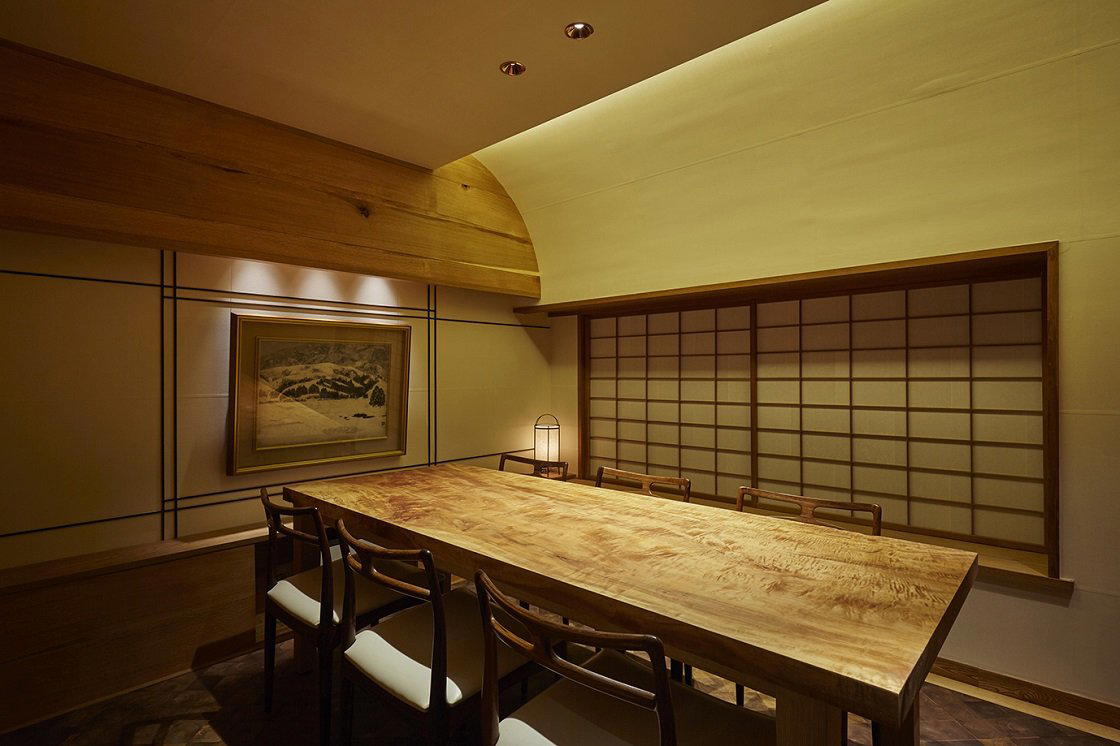


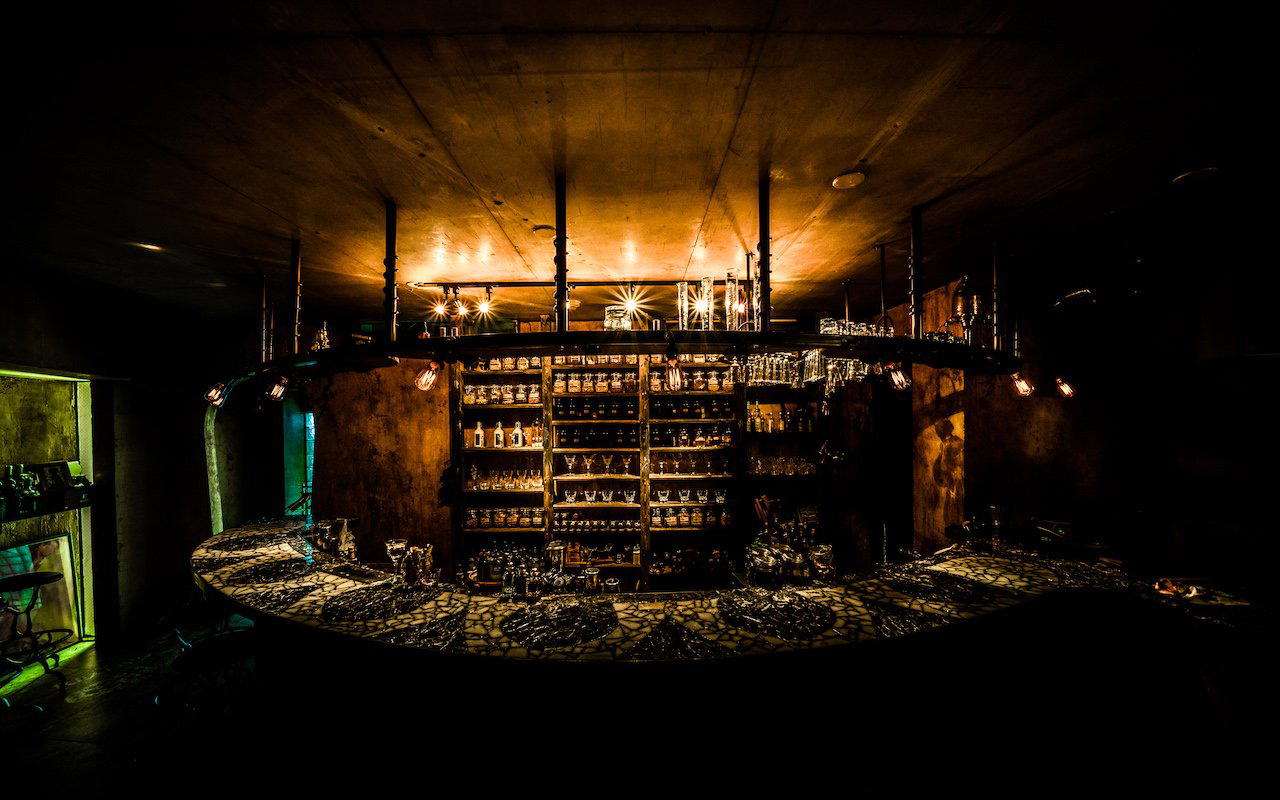
Bars in Nishinomiya
Browse all →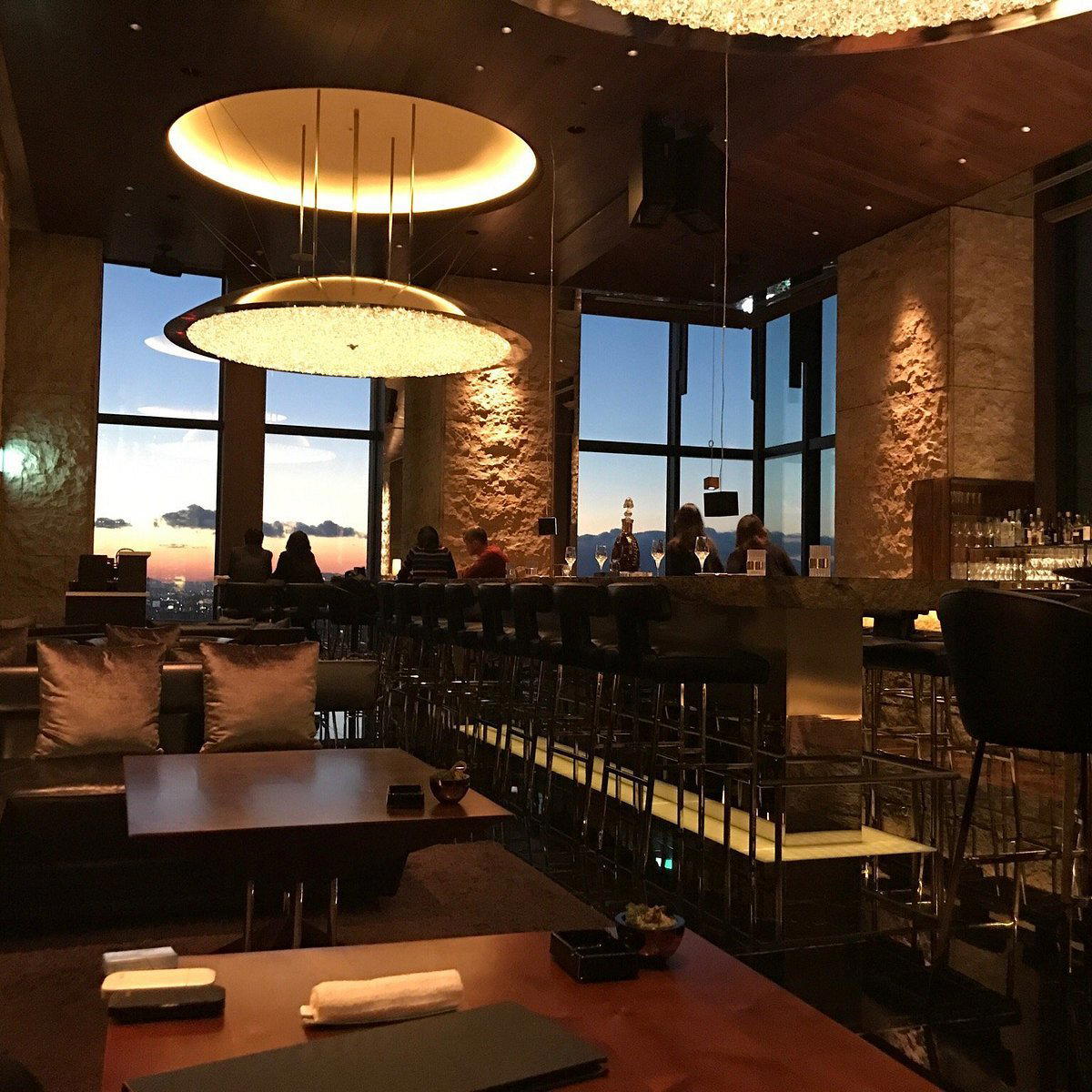



Hotels in Nishinomiya
Browse all →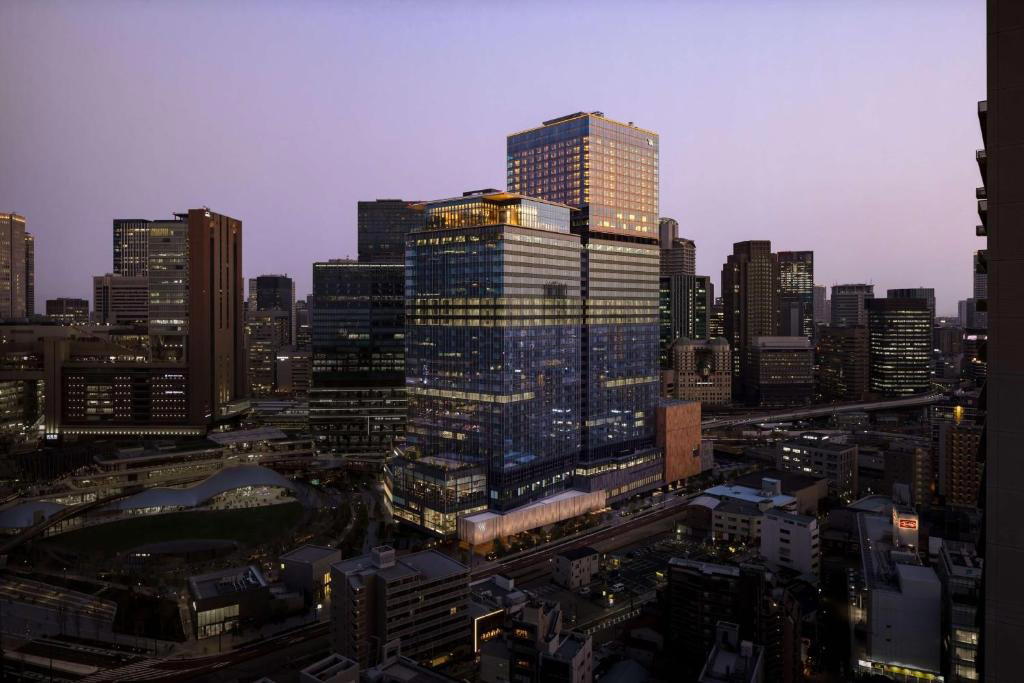



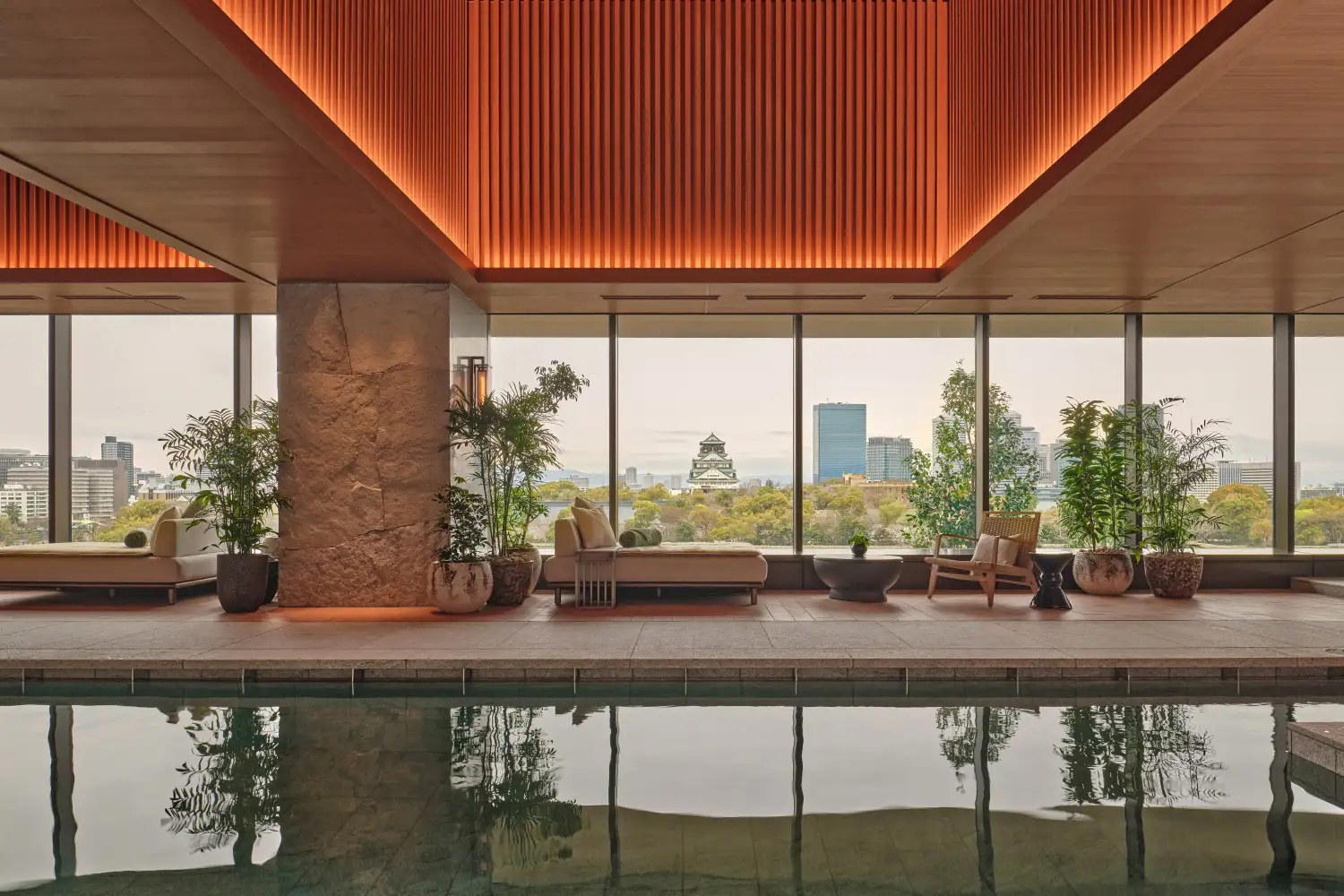
Wineries in Nishinomiya
Browse all →
Details
- Cozy
- Elegant
- Intimate
- Modern
- Date Night
- Business Dinner
- Group Dining
- Solo
- After Work
- Special Occasion
- Private Event
- Chefs Counter
- Private Dining
- Standalone
- Sake Program
- Local Sourcing
- A La Carte
- Counter Dining
- Small Plates
- Set Menu
- Sake
- Shochu
- Wine
Chic and stylish yet relaxed, with a small counter and a few tables plus an upstairs private room; non-smoking, softly lit, and designed for a calm, intimate yakitori experience rather than a rowdy izakaya feel.